Why More Oregon Gardeners Are Planting This Native Shrub In Front Yards
Some Oregon front yards have that look that makes you slow down a little, and snowberry has a lot to do with that lately.
It is not loud or overly polished, but it has a quiet charm that makes a yard feel settled, natural, and beautifully in step with the landscape.
More gardeners are starting to notice that this native shrub brings the kind of easy beauty people often chase with fussier plants, only snowberry does it without all the extra drama.
That is a big part of why it keeps showing up in more front yards across Oregon. Snowberry fits local conditions so naturally that it can make other shrubs seem like they are trying too hard.
It brings soft texture, seasonal interest, and that relaxed, lived-in look that makes a front yard feel welcoming instead of stiff.
Add in its connection to local wildlife, and it gets even more appealing. Once snowberry clicks in a landscape, it is easy to see why gardeners keep coming back to it.
1. Snowberry Feels Right At Home
Walk through any forest in western Oregon and you will probably brush past a snowberry without even realizing it. That familiarity is exactly why this shrub does so well when planted in front yards across the state.
Snowberry evolved right here, shaped by Oregon’s rainfall patterns, its clay-heavy soils, and its mild but wet winters.
When a plant grows naturally in a region for thousands of years, it learns that environment inside and out. Snowberry knows when to push out new growth in spring and when to hold back during summer heat.
It knows how to handle the soggy ground that frustrates so many gardeners in the Willamette Valley. It doesn’t need any special soil amendments or extra feeding to thrive.
Gardeners in Oregon often struggle with plants that look great in the nursery but fail within a season or two. Snowberry skips that problem entirely.
Once it gets established, usually within the first growing season, it settles in like it owns the place. That’s because, in many ways, it does.
Choosing snowberry means choosing a plant that already belongs, and that makes all the difference for long-term garden success.
2. It Handles Tough Oregon Conditions
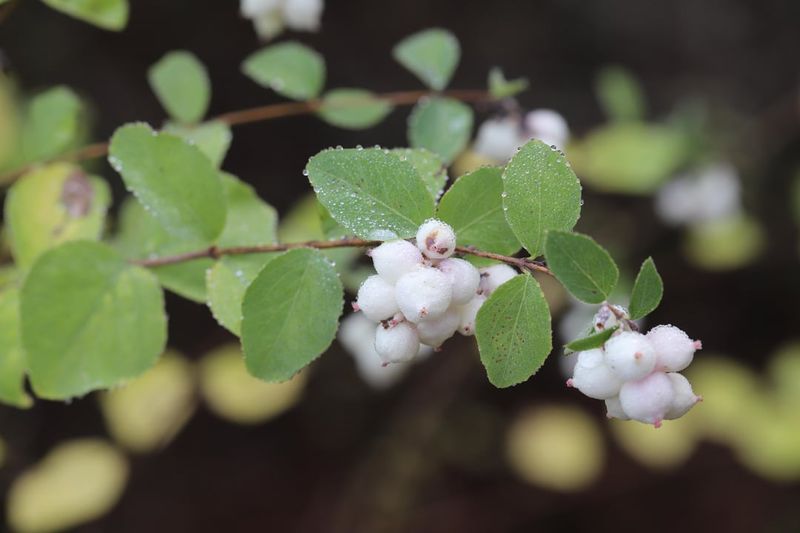
Oregon weather is not always easy on plants. Wet winters, dry summers, heavy clay soil, and deep shade from Douglas firs create conditions that defeat many popular ornamental shrubs.
Snowberry, though, takes all of that in stride without skipping a beat.
One of the most impressive things about this shrub is its ability to grow in full shade. Most flowering shrubs need at least partial sun to perform well.
Snowberry blooms and produces berries even under a dense tree canopy, which makes it incredibly useful in Oregon yards where big trees block out the light. It also tolerates compacted soil, which is a common headache in older Oregon neighborhoods where foot traffic has packed the ground hard over decades.
Summer drought is another challenge that stumps many gardeners west of the Cascades. Once snowberry is established, it can go weeks without extra watering.
Your Oregon Garden Changes Every Week. Your Plan Should Too.
Gardening in Oregon changes quickly throughout the season. Every Friday you’ll receive a simple weekly plan showing exactly what to plant, prune, fertilize, harvest, and protect so you never miss the right timing.
That kind of toughness saves both time and money on irrigation. East of the Cascades, where summers are hotter and drier, snowberry still manages to hold its own with minimal care.
For Oregon gardeners tired of babying plants through tough seasons, snowberry is a refreshing and reliable choice that simply gets the job done year after year.
3. The White Berries Steal The Show
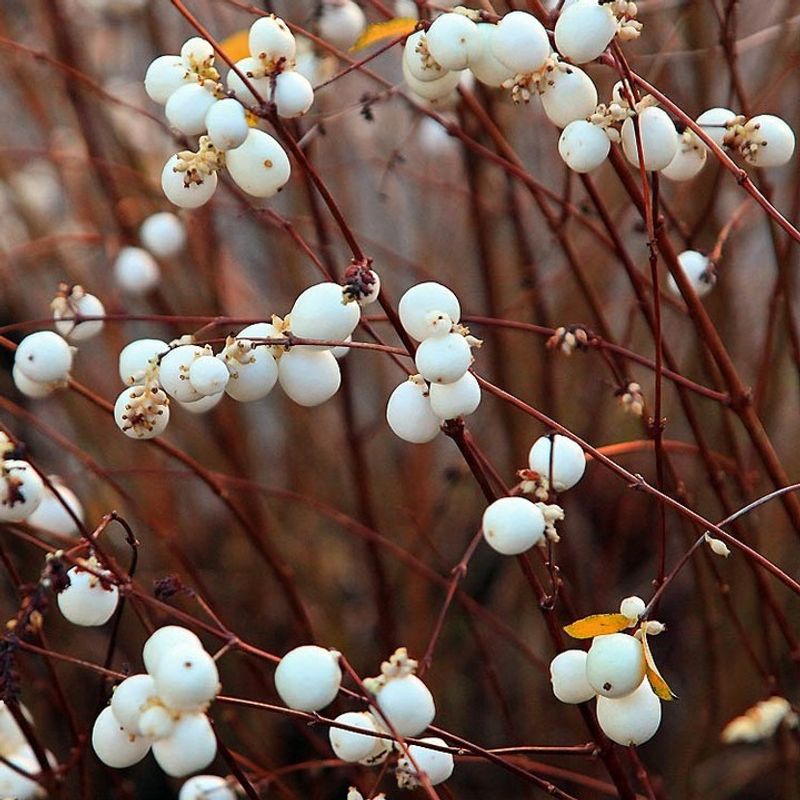
Most shrubs put on their best show in spring or summer, then fade into the background for the rest of the year. Snowberry flips that script in the most satisfying way.
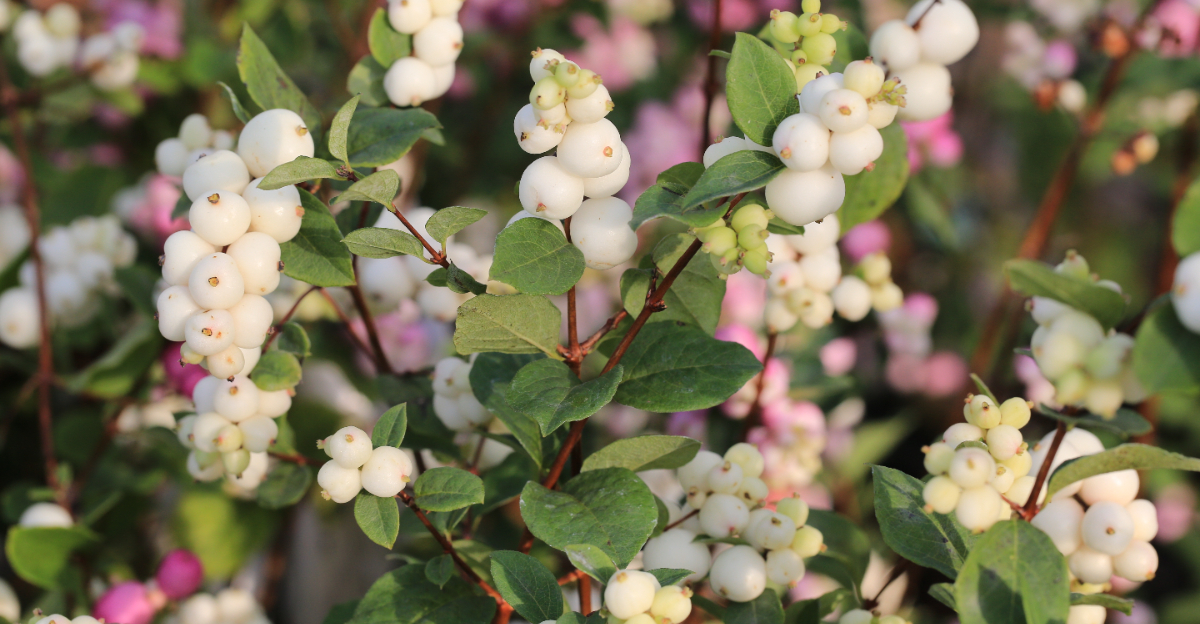
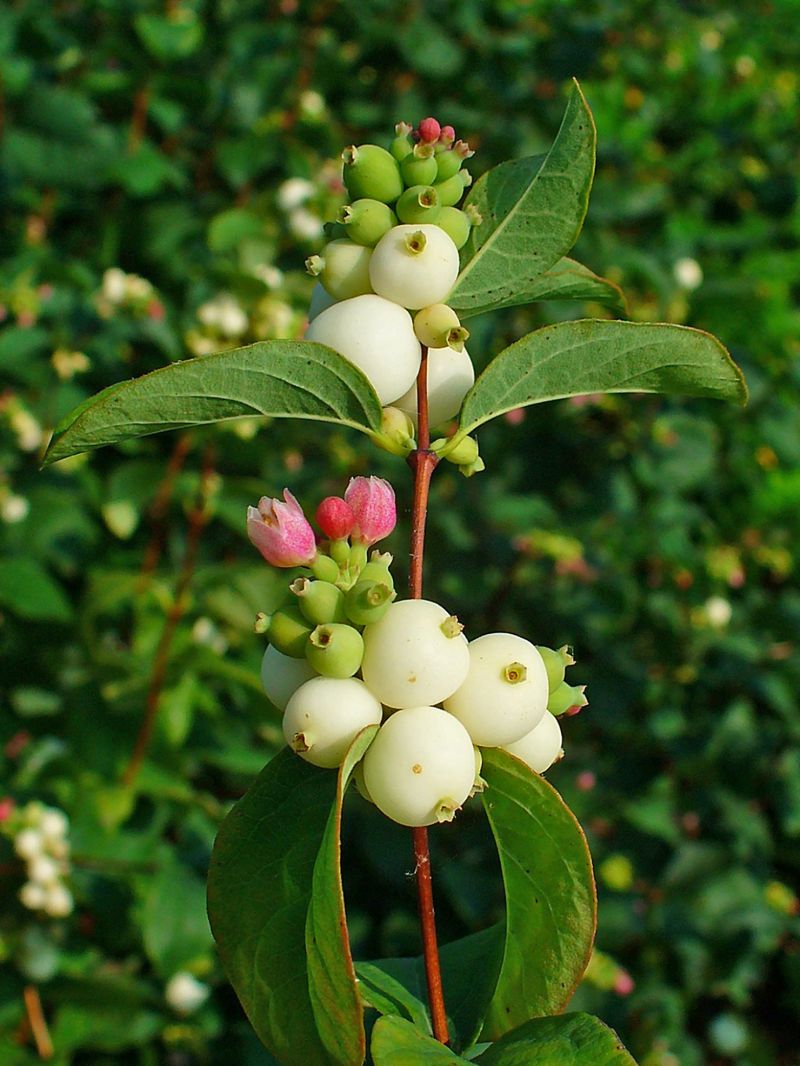
Its clusters of plump, white berries appear in late summer and stay on the branches through fall and well into winter, giving Oregon front yards a striking focal point exactly when everything else looks dull.
The berries have a waxy, almost porcelain-like quality that catches the eye even on a gray Oregon morning. They glow against bare branches and look especially beautiful after a light frost dusts them with sparkle.
Neighbors notice them. People slow down on walks to take a second look.
For a plant that asks for so little attention, snowberry delivers an impressive visual payoff.
Gardeners who love seasonal interest will appreciate how snowberry bridges the gap between fall and winter. While other plants drop their leaves and disappear, snowberry keeps the yard looking alive and intentional.
Pairing it with dark evergreen groundcovers or burgundy-leafed plants makes the white berries pop even more. It’s a simple trick that landscape designers in Oregon have been using for years, and now everyday gardeners are catching on to just how striking this combination can be.
4. Pollinators And Birds Love It
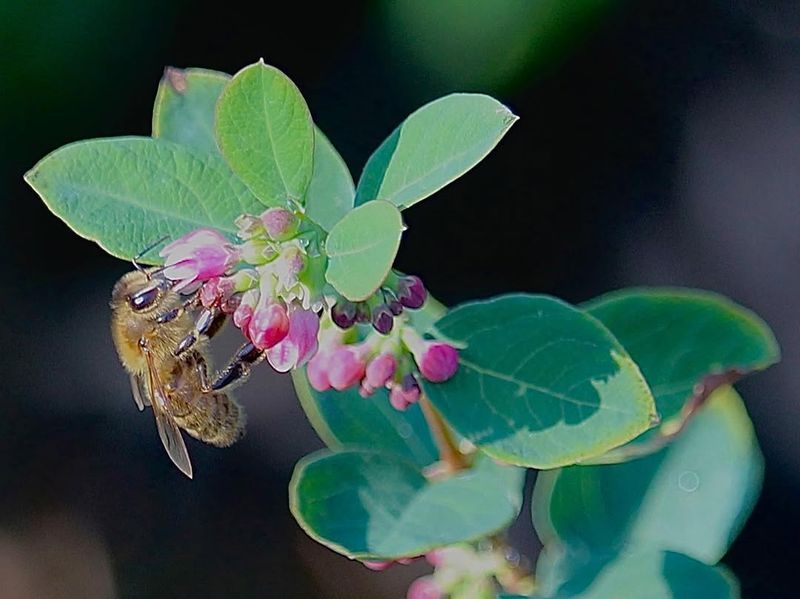
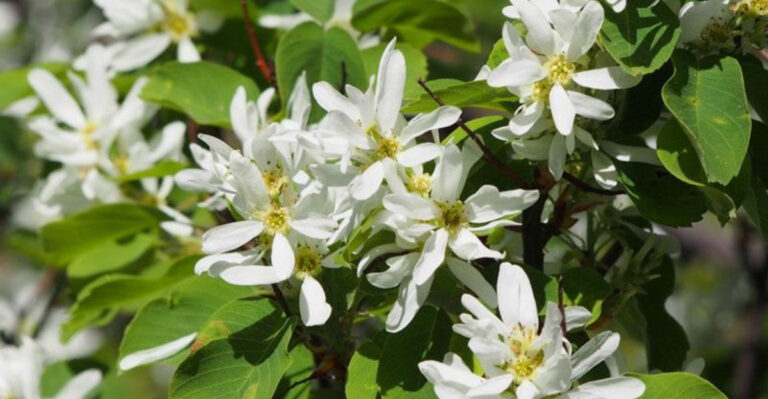
Tiny pink flowers appear on snowberry in late spring and early summer, and they don’t go unnoticed. Bees, hummingbirds, and butterflies are drawn to those blossoms right away.
For gardeners in Oregon who want to support local pollinators, this shrub is one of the most practical and beautiful options available.
Oregon is home to dozens of native bee species that depend on native plants for food and shelter. Snowberry’s flowers are a reliable early food source when many other plants haven’t started blooming yet.
That timing matters a lot for pollinators that are just waking up after winter. Planting snowberry in a front yard means becoming a small but meaningful part of the local food web.
Once the berries ripen in fall, birds take over the show. Robins, waxwings, thrushes, and sparrows all eat snowberries eagerly.
Watching birds flock to a front yard shrub on a crisp Oregon morning is one of those simple joys that gardeners talk about for years. The plant essentially runs its own little wildlife station without any extra effort from the gardener.
For anyone in Oregon looking to attract more life to their yard, snowberry pulls double duty by feeding pollinators in spring and birds all through fall and winter.
5. It Looks Good Without Much Fuss
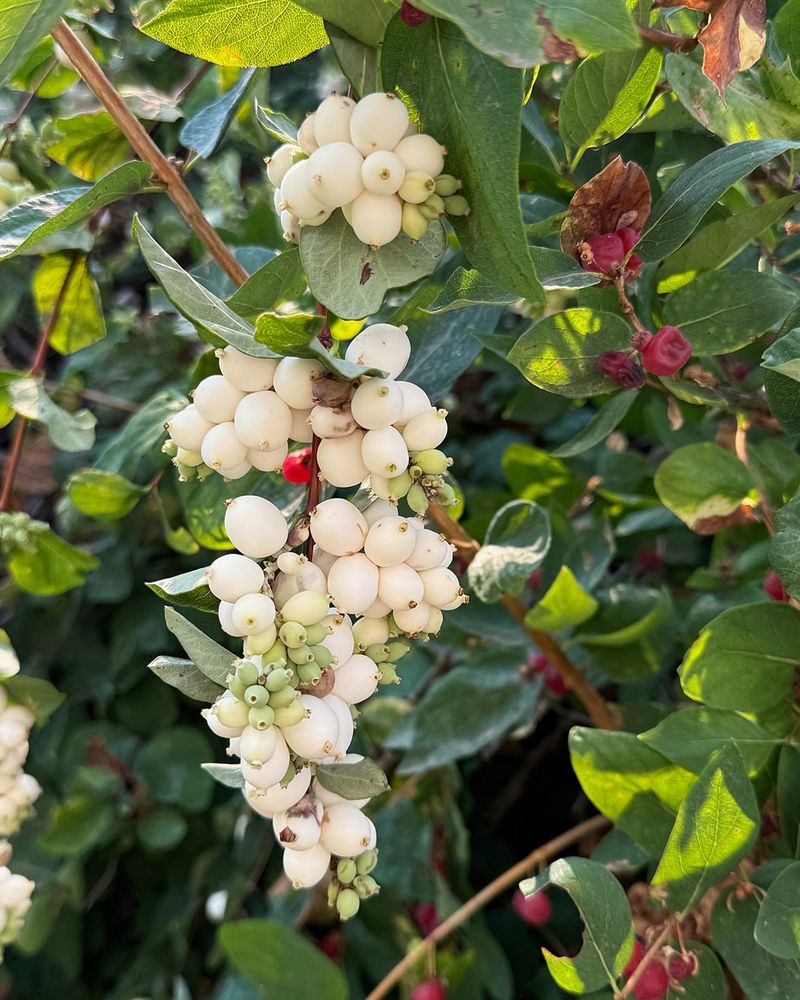
Some shrubs demand constant attention to look presentable. They need regular pruning, fertilizing, and pest management just to stay decent.
Snowberry takes a completely different approach, looking naturally tidy and attractive without much intervention at all.
Its arching branches have a graceful, flowing shape that works well in both formal and casual garden styles. You can let it grow freely for a relaxed, naturalistic look, or give it a light trim once a year to keep it compact.
Either way, it always looks like it belongs exactly where it’s planted. That flexibility is something Oregon gardeners truly appreciate, especially those who don’t have hours to spend shaping and maintaining their front yards every weekend.
Snowberry rarely deals with serious pest or disease problems. It doesn’t attract aphid infestations or suffer from the fungal issues that plague roses and other popular ornamentals in Oregon’s wet climate.
The leaves stay clean and green through spring and summer, then drop cleanly in fall. There’s no messy cleanup, no struggling with sick foliage, and no frustrating setbacks mid-season.
For busy Oregon homeowners who want a front yard that looks intentional and well-kept without demanding constant work, snowberry is one of the smartest planting choices available right now.
6. It Softens Front Yards Fast
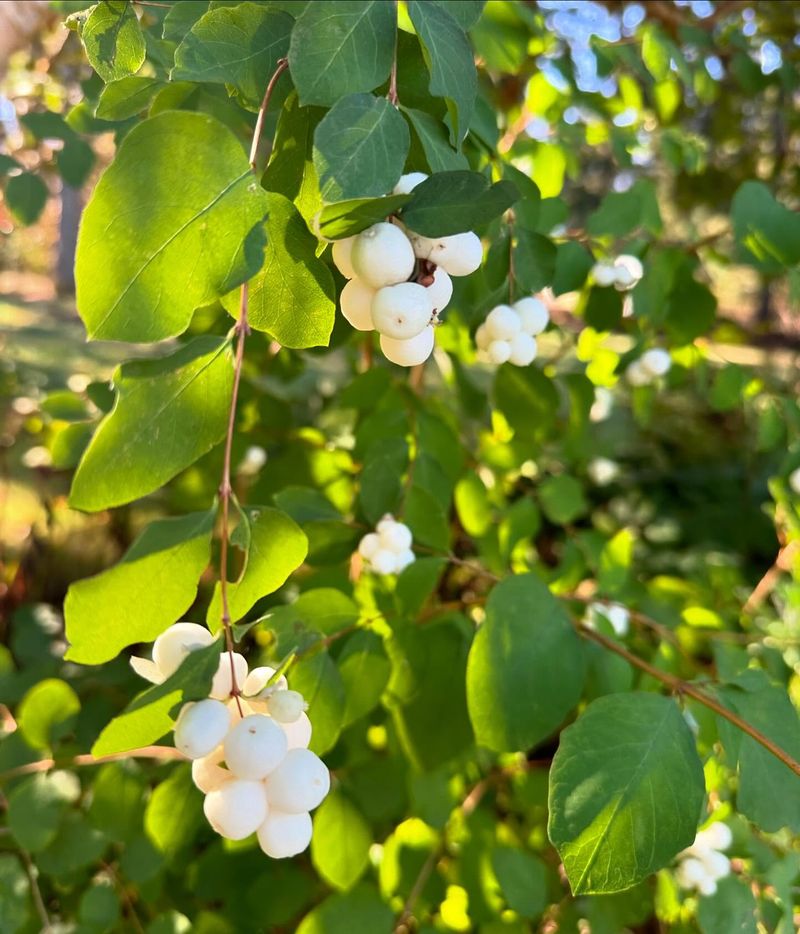
One thing new gardeners don’t always expect from snowberry is how quickly it fills in. Within a single growing season, a young snowberry plant can spread noticeably through underground runners, sending up new shoots and creating a fuller, lusher look than most shrubs manage in twice the time.
That spreading habit is actually one of its best features for front yard use. Hard edges along sidewalks, driveways, and fences can make a yard feel stiff and unwelcoming.
Snowberry softens those edges naturally, creating a layered, organic look that makes the whole front of a house feel more inviting. Oregon neighborhoods with older homes especially benefit from this effect, since the shrub’s relaxed form complements craftsman and cottage-style architecture beautifully.
Gardeners who want to fill a large area without buying dozens of plants will appreciate snowberry’s spreading nature. You can plant a few starts and let them do the work over a couple of seasons.
It’s also useful for controlling erosion on slopes, which is a real concern in many parts of Oregon where winter rains pound hillside yards hard. The root system holds soil firmly in place without any extra effort.
For fast, functional, and attractive coverage, very few native shrubs in Oregon can match what snowberry delivers.
7. More Yards Are Going Native
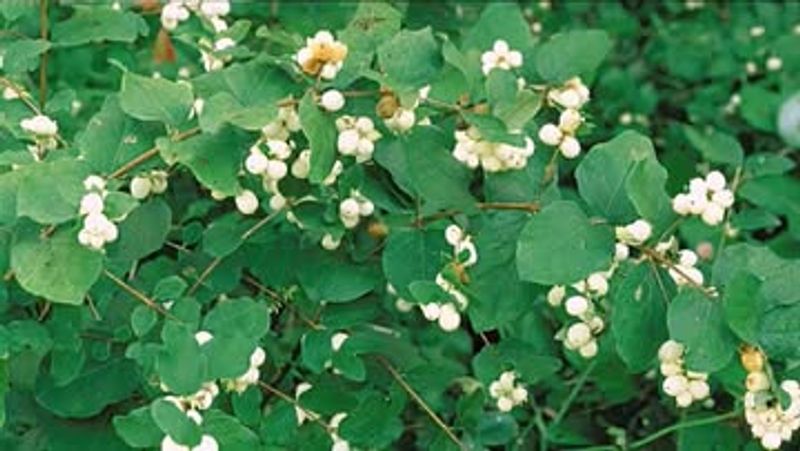
Across Oregon, a quiet but growing movement is reshaping what front yards look like. Homeowners in Portland, Eugene, Bend, and smaller towns throughout the state are pulling up thirsty lawns and replacing them with native plants.
Snowberry is showing up in more of those yards every year, and it’s easy to understand why.
Oregon’s water rates have climbed steadily, and summer watering restrictions are becoming more common in many communities. Native plants like snowberry sidestep those concerns entirely.
Once established, they rely on Oregon’s natural rainfall patterns to stay healthy. That means lower water bills, less time dragging hoses around, and fewer worries during dry spells.
Local governments and conservation groups across Oregon have even started offering rebates and resources to encourage exactly this kind of native planting.
There’s also a sense of pride that comes with planting native. Oregon has one of the most beautiful and ecologically rich landscapes in the country.
Choosing plants that reflect and support that landscape feels meaningful to a lot of gardeners here. When neighbors see a front yard full of snowberry, Oregon grape, and red-flowering currant thriving without fuss, they often start asking questions and then start planting their own.
That’s how a movement grows, one front yard at a time, right here in Oregon.