What California Gardeners Should Be Watering Deeply Right Now
Watering in California isn’t as simple as turning on the hose and hoping for the best. With dry summers always around the corner, what you do now can affect how plants handle stress later on.
Spring is when roots are still expanding, and deep watering encourages them to grow down instead of staying near the surface. That matters more than it seems, especially once the heat builds and shallow roots start struggling.
Not everything needs the same approach, though. Some plants benefit from a good soak, while others do better with lighter, more controlled watering.
Getting that balance right now sets up stronger plants and fewer problems when conditions shift faster than expected.
1. Lemon Trees That Thrive With Deep Soaks
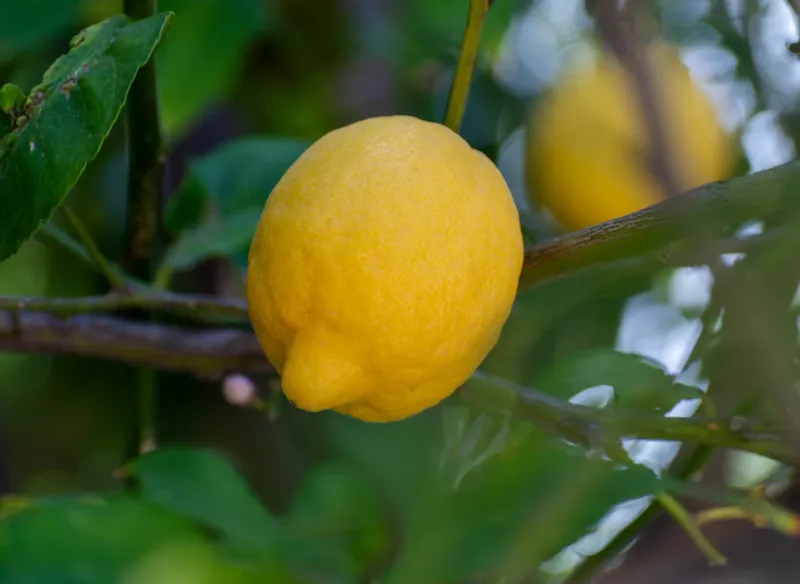
Few things are more rewarding than walking out to your California backyard and picking a fresh lemon right off the tree. Lemon trees are heavy drinkers during spring, and mid-April is exactly the right time to make sure they are getting water deep into the soil.
Shallow watering only wets the top few inches, which actually trains roots to stay near the surface where they are more vulnerable to heat stress.
Deep watering encourages lemon tree roots to push downward, sometimes reaching two to three feet below ground. When roots go that deep, the tree can access cooler, more consistent moisture even when the top soil dries out fast during warm California afternoons.
Aim to water slowly for 30 to 45 minutes at a time, letting the water soak in rather than run off.
A drip irrigation system placed around the drip line of the tree works really well for this. The drip line is the outer edge of the tree’s canopy, where most of the feeder roots are located.
Watering there instead of right at the trunk gives roots exactly what they need.
Adding a three-inch layer of wood chip mulch around the base of your lemon tree also helps lock in that precious moisture. In dry California climates, mulch can significantly reduce water loss from the soil.
Water deeply once or twice a week right now, and your lemon tree will reward you with a generous harvest later in the season.
2. Orange Trees That Reward Consistent Watering
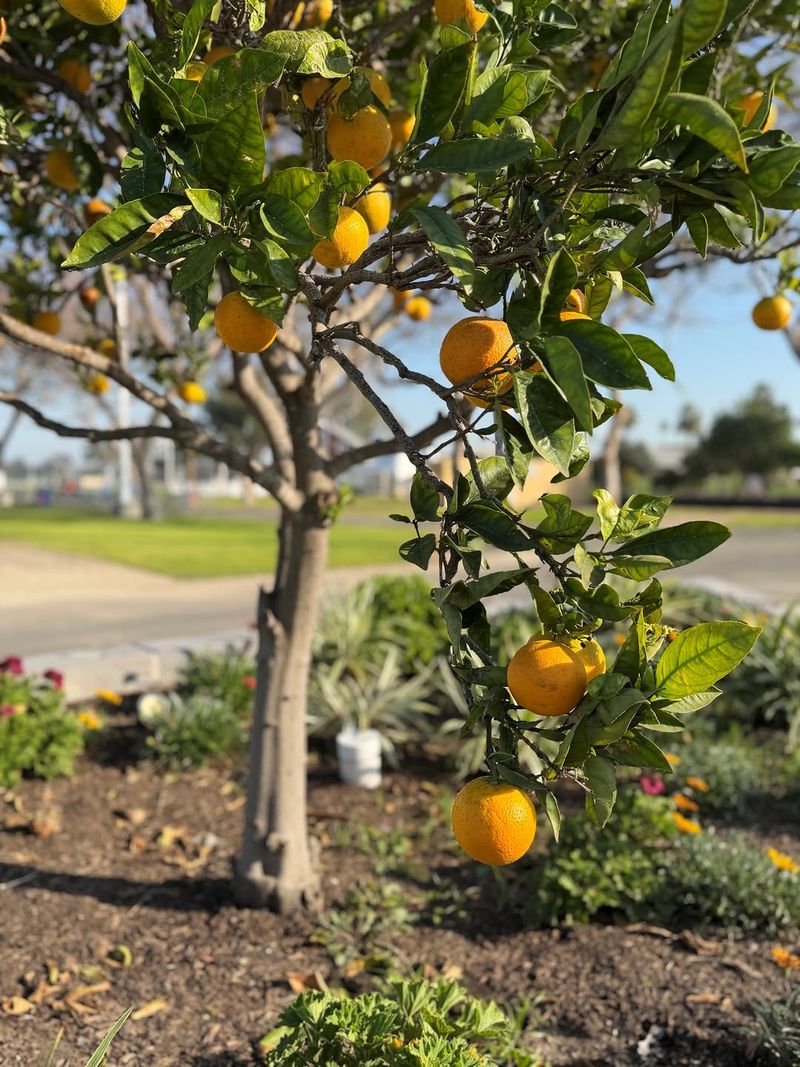
Grown in California for hundreds of years, orange trees remain one of the most iconic sights in backyards across the state. Right now, in mid-April, orange trees are actively pushing out new growth and beginning to set fruit.
That process takes a lot of energy and a lot of water, which is why deep watering at this time of year is so important.
When you water an orange tree deeply, you are helping it build a strong foundation for the entire growing season. Without enough moisture reaching the lower root zone, trees may drop blossoms or produce smaller fruit than usual.
Neither outcome is what any California gardener wants after months of patient tending.
For best results, use a soaker hose or drip emitters placed around the outer edge of the tree’s canopy. Run the water slowly for at least 45 minutes to an hour, giving it time to soak down 18 to 24 inches into the soil.
Your California Garden Changes Every Week. Your Plan Should Too.
Gardening in California changes quickly throughout the season. Every Friday you’ll receive a simple weekly plan showing exactly what to plant, prune, fertilize, harvest, and protect so you never miss the right timing.
Sandy soils in some parts of California may need more frequent watering, while heavy clay soils hold moisture longer.
Check soil moisture by pushing a long screwdriver or wooden dowel about 12 inches into the ground near the tree. If it slides in easily, the soil has good moisture.
If it hits resistance quickly, it is time to water. Keeping a consistent deep watering schedule through spring sets orange trees up for a fantastic summer fruit season in California.
3. Mandarin Trees That Stay Juicy And Strong
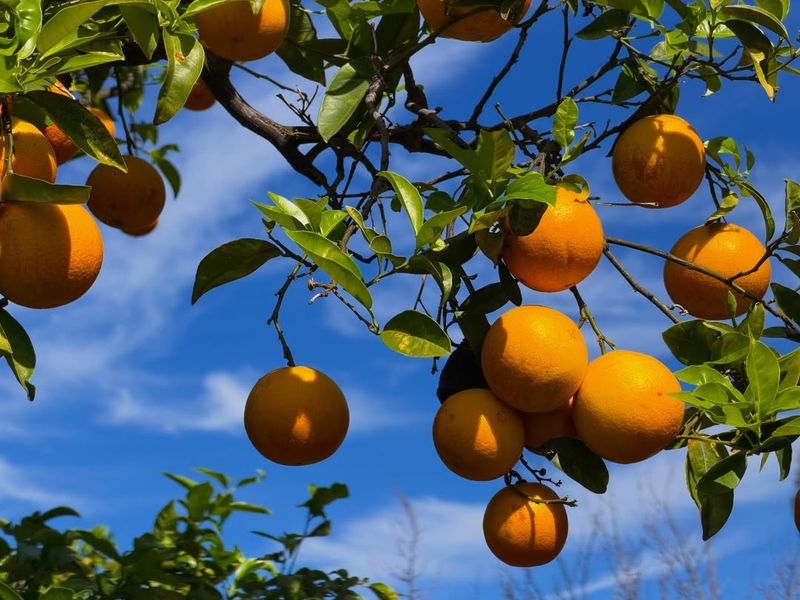
Mandarins are one of the most popular citrus trees planted in California home gardens, and it is easy to see why. They are compact, relatively easy to care for, and produce sweet, easy-to-peel fruit that kids and adults alike absolutely love.
But right now, during mid-April, mandarin trees need some serious attention when it comes to watering.
Spring is when mandarin trees flower and begin forming their tiny green fruit. This stage of development is water-sensitive, meaning that inconsistent or shallow watering can cause flowers and young fruit to drop before they ever get a chance to mature.
Deep watering every week or so right now helps keep soil moisture steady and supports fruit set.
One smart trick for California gardeners is to build a small watering basin around the base of the mandarin tree. This is basically a low ring of soil shaped like a bowl that holds water and directs it downward into the root zone instead of letting it spread out and evaporate.
Fill the basin slowly and let it drain completely before walking away.
Mandarin trees in containers, which are popular on patios across California, need even more attention. Pots dry out much faster than in-ground trees, sometimes needing water every two to three days during warm spring weather.
Stick your finger two inches into the potting mix. If it feels dry, it is time to water thoroughly until water flows freely out the drainage holes at the bottom.
4. Grapefruit Trees That Hold Onto Healthy Growth
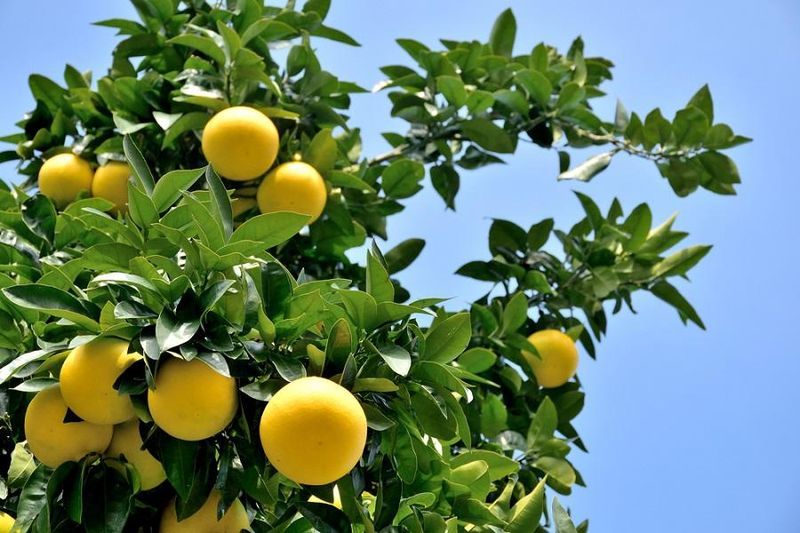
In California, these trees can grow quite large, and their extensive root systems need water to reach deep into the ground to truly thrive. Mid-April is a critical window because grapefruit trees are actively growing and setting fruit right now, and what you do in the garden this month can shape the entire harvest.
Deep watering for grapefruit trees means getting moisture down at least 18 to 24 inches into the soil. Roots that stay shallow because of frequent light watering are more likely to struggle when California summer heat increases.
A tree with deep roots, on the other hand, is far more resilient and can keep producing healthy fruit even when surface soil gets bone dry.
Slow, long watering sessions work best. You can use a garden hose set to a slow trickle, a soaker hose looped around the tree, or drip emitters.
Run whichever method you choose for at least an hour, especially if your California soil tends toward clay, which absorbs water more slowly but holds it longer once it soaks in.
Grapefruit trees also benefit from a thick layer of organic mulch spread out to the drip line. Straw, wood chips, or shredded bark all work well.
Mulch keeps moisture from evaporating too quickly in the warm California sun, which means your deep watering efforts last longer and the tree stays happier between watering sessions throughout spring and into summer.
5. Peach Trees That Set Better Fruit Early
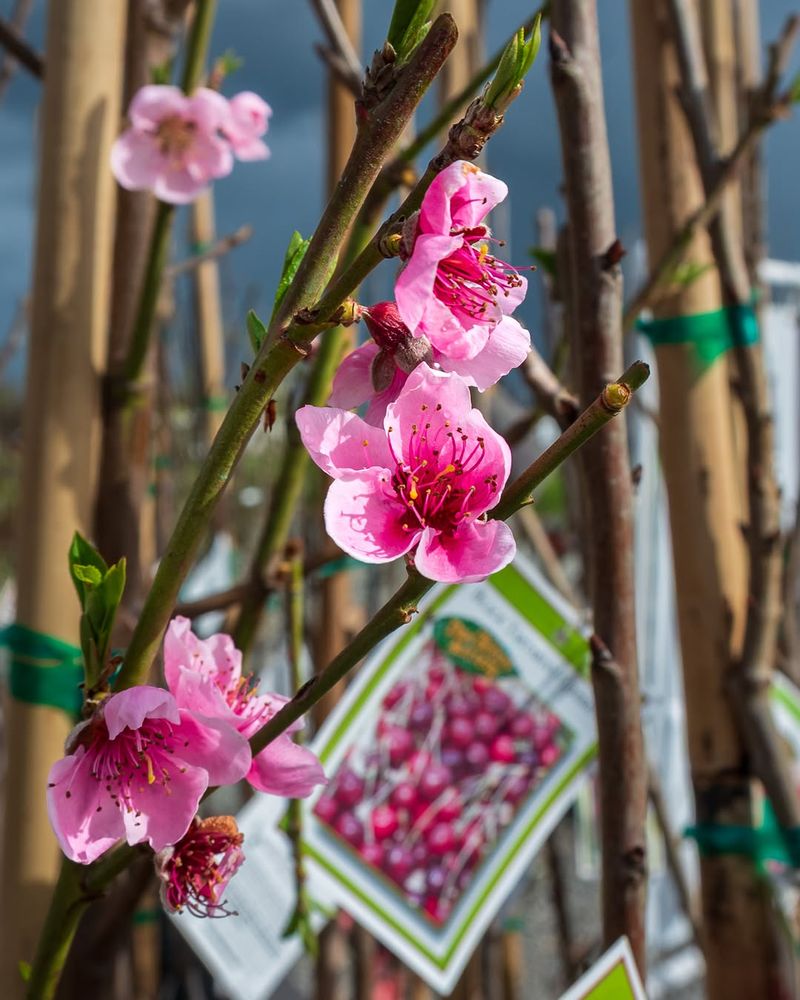
There is something almost magical about a peach tree loaded with fruit on a warm California morning. Peach trees are among the most rewarding fruit trees you can grow in the state, but they do require thoughtful watering, especially as spring picks up and temperatures start climbing.
Right now, mid-April, peach trees are putting enormous energy into developing their fruit, and deep watering is one of the best things you can do to support that process.
Peach trees have moderately deep root systems that can extend 18 inches or more below the soil surface. Watering shallowly misses most of those roots entirely.
A good deep watering session soaks the soil all the way down to where the majority of feeder roots are active, giving the tree exactly what it needs to push nutrients and water up through the trunk and into developing fruit.
In California, where spring can shift from cool and rainy to hot and dry almost overnight, consistency matters a lot. Try to water your peach tree deeply once or twice per week, adjusting based on recent rainfall and how quickly your soil dries out.
If you had a good rain, wait a few days before watering again. If it has been sunny and warm, water sooner.
Avoid watering directly against the trunk, which can encourage rot. Instead, focus water delivery around the outer root zone.
Peach trees also appreciate a fresh layer of mulch in spring, which conserves soil moisture and keeps roots cooler as California temperatures begin their climb toward summer highs.
6. Plum Trees That Keep Developing Smoothly
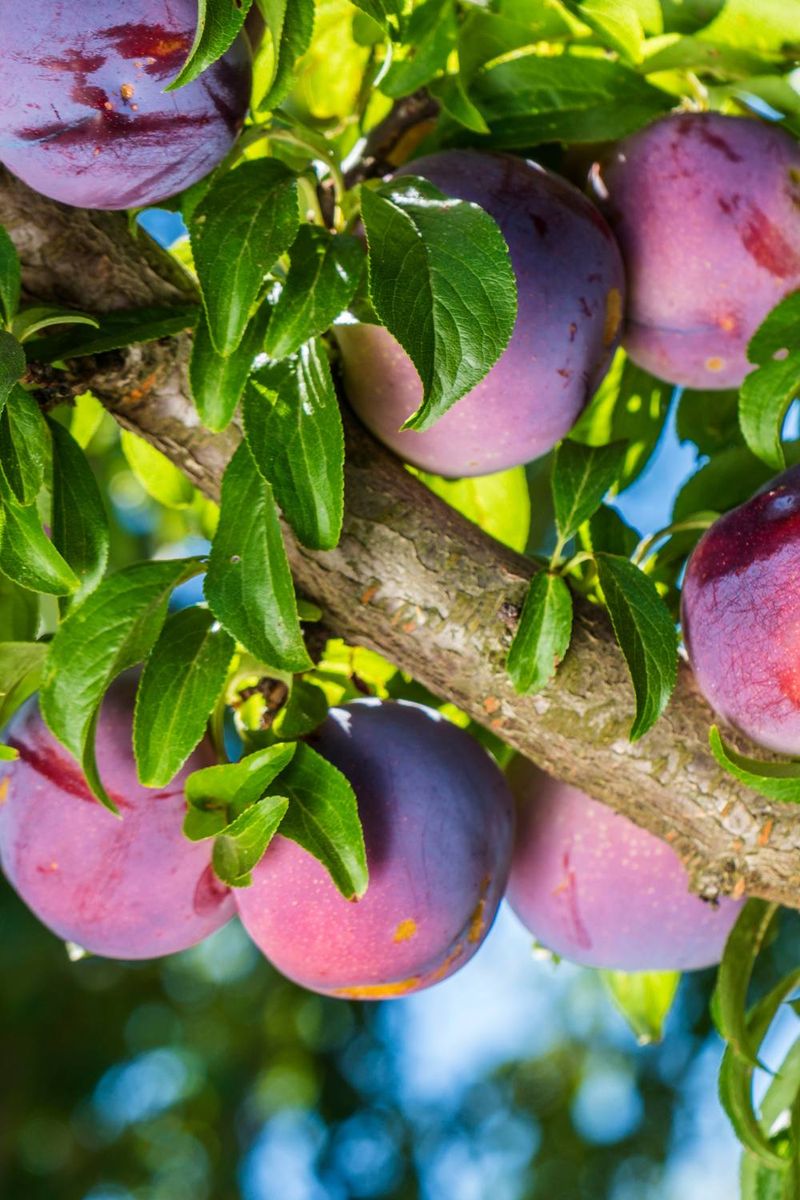
Known for being tough and productive, plum trees are absolutely worth the effort it takes to care for them properly in a California garden. They tend to handle heat reasonably well once established, but during spring, when fruit is forming and roots are actively growing, they genuinely need consistent deep watering to perform at their best.
Skipping or shortchanging irrigation this time of year can lead to smaller fruit and stressed trees heading into summer.
What makes deep watering so valuable for plum trees is that it encourages the roots to follow moisture downward into cooler layers of soil. In California, where the top few inches of soil can heat up dramatically in afternoon sun, having roots anchored deeper in the ground gives the tree a natural buffer against temperature swings.
That buffer means steadier growth and better fruit quality overall.
For established plum trees, plan to water deeply once a week in April, increasing frequency to twice a week as May and June bring warmer temperatures. Young plum trees that were planted within the last one to two years need more frequent attention, sometimes every three to four days, because their root systems have not yet spread wide enough to access moisture from a large area of soil.
Using a moisture meter is a helpful and inexpensive tool for California gardeners who want to take the guesswork out of watering schedules. Push the probe into the soil near the drip line of the tree, and water when the reading drops into the dry range.
Pairing this with mulch around the base makes your watering sessions go much further throughout the season.
7. Apple Trees That Stay On Track For Summer
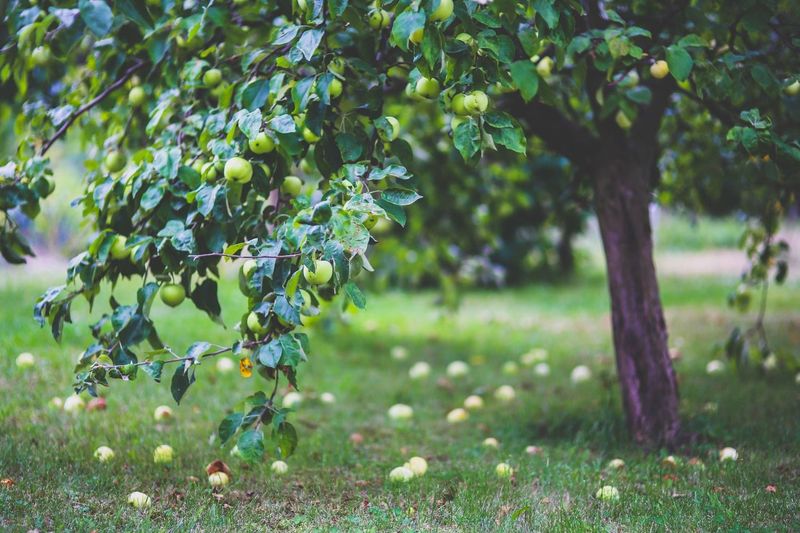
Growing apple trees in California takes a little more planning than in cooler states, but it is absolutely doable, especially with the right watering habits. Many apple varieties grown in California are in full swing right now in mid-April, pushing out leaves and locking in fruit after a spring bloom.
This is a stage when water demand goes up noticeably, and deep watering makes a real difference in how well the tree performs.
Apple trees have root systems that can spread surprisingly wide, often extending well beyond the canopy’s edge. Most of the feeder roots, however, stay within the top 18 to 24 inches of soil.
Deep watering targets this zone effectively, saturating the soil slowly so roots can absorb moisture over time rather than all at once. This approach is far more efficient than quick, shallow watering that only wets the surface.
California gardeners growing apple trees in regions with sandy or loamy soil may find that water drains through quickly. In these cases, watering more frequently but still deeply is the right approach.
Clay-heavy soils, common in parts of the Central Valley and the Bay Area, hold water longer, so you can stretch the time between watering sessions a bit more.
One helpful practice is to use a rain gauge or app to track how much natural rainfall your garden has received. Apple trees need about an inch of water per week during the growing season.
If rain has provided some of that, adjust your watering schedule accordingly to avoid overwatering, which can be just as problematic as underwatering for California apple trees.
8. Pear Trees That Build Strength Before Heat
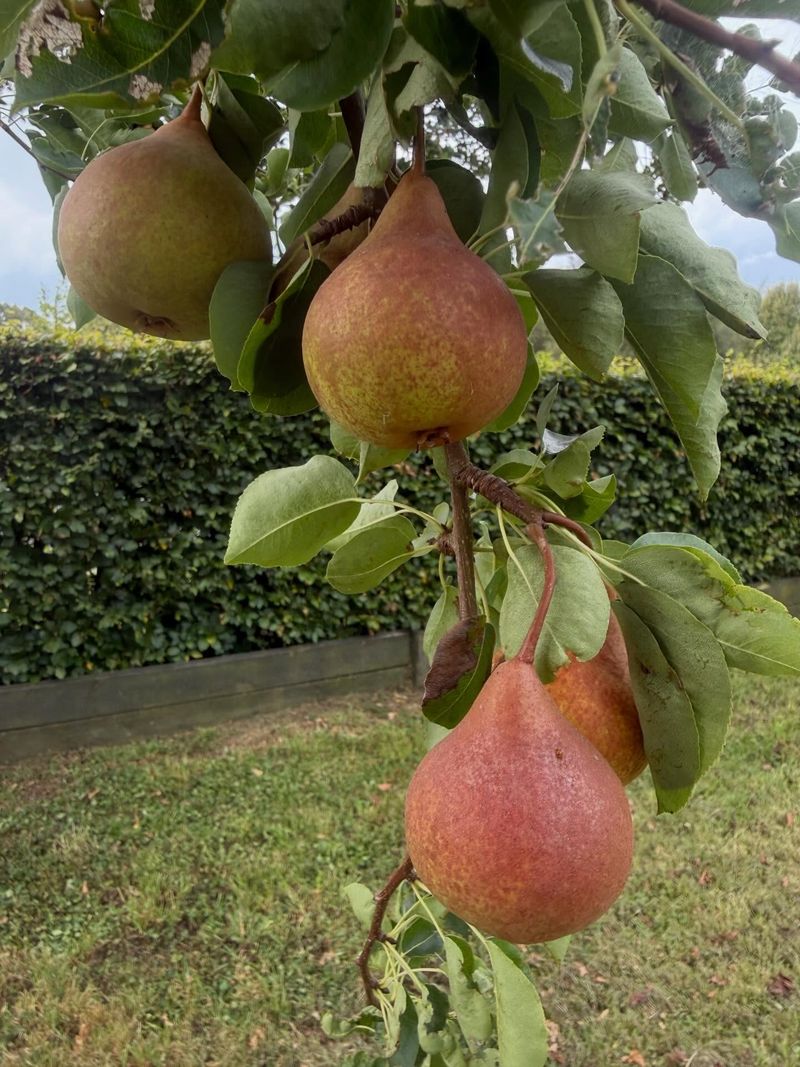
With a quiet elegance, pear trees make a wonderful addition to any California backyard. They are productive, long-lived, and surprisingly adaptable to different growing conditions across the state.
Right now, in mid-April, pear trees are in an active growth phase, and the watering choices you make this month will directly affect how well your tree produces fruit later in the year.
Deep watering for pear trees means getting moisture down 18 to 24 inches into the soil, which is where the bulk of the root system is working hardest. Pear trees are somewhat drought-tolerant once fully established, but during spring fruit development, they really benefit from consistent, thorough irrigation.
Letting the soil dry out completely during this stage can cause fruit to become small, tough, or misshapen.
A slow, steady approach works beautifully. Set up drip emitters around the tree’s drip line, or use a soaker hose looped in a spiral pattern starting about two feet from the trunk and working outward.
Run the system for 45 minutes to an hour at least once a week, more often if April brings a stretch of warm, dry days as it sometimes does in California.
Pear trees also respond well to compost added around the base in spring. A two to three inch layer of compost mixed lightly into the top layer of soil improves moisture retention and feeds the roots at the same time.
Combine that with consistent deep watering, and your pear tree will be well-positioned for a rewarding harvest by late summer or early fall in California.
9. Roses That Bloom Better With Deep Watering
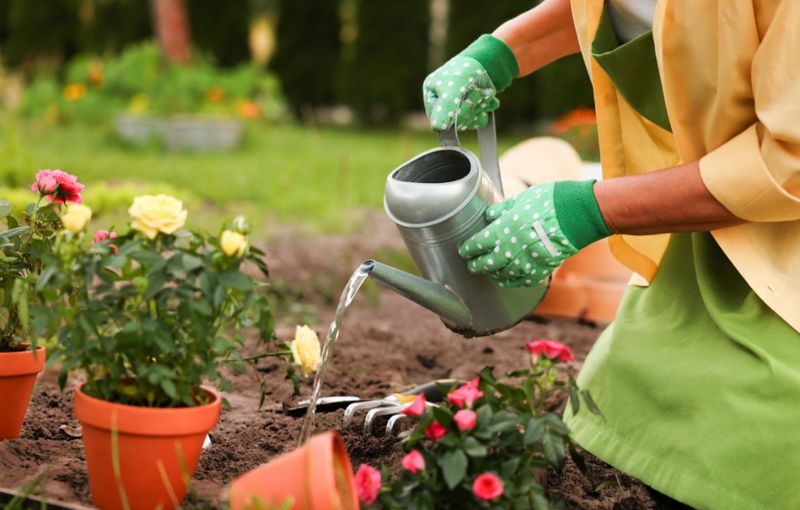
Often seen as the queens of the California garden, roses are putting on a show right now. Mid-April is peak growing season for roses across much of the state, with new canes shooting up, buds forming, and early blooms beginning to open.
All of that beautiful activity requires a steady, reliable supply of water delivered deep into the soil where roots can actually use it.
Many gardeners make the mistake of watering roses lightly every day, which keeps the surface soil moist but leaves deeper roots thirsty. Shallow watering also encourages surface roots that are more vulnerable to heat and drought.
Deep watering once or twice a week, on the other hand, pushes moisture down 12 to 18 inches, which is exactly where rose roots need it most during active spring growth in California.
When watering roses, try to keep water off the leaves and petals. Wet foliage can encourage fungal issues like powdery mildew, which is already a common challenge for California rose growers.
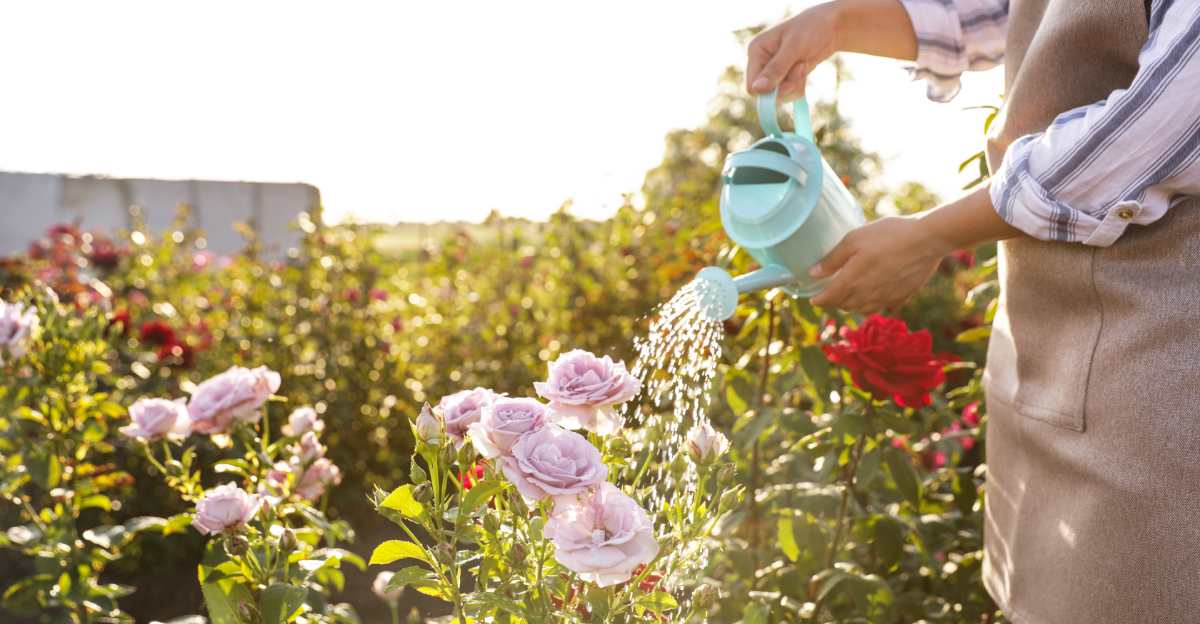
Drip irrigation or a soaker hose placed at the base of the plant is ideal because it delivers water directly to the root zone without splashing the plant at all.
Adding a layer of mulch around rose bushes, about two to three inches thick, helps the soil hold onto moisture between watering sessions. Shredded bark or wood chips work great.
Pull the mulch back a few inches from the main cane to allow good air circulation at the base. With deep watering and a little mulch, your California roses will keep blooming beautifully well into summer and beyond.