Florida Homeowners Are Replacing These Popular Lawn Grasses For A Reason
Some Florida lawns look picture-perfect one month, then worn out the next, and that cycle gets old fast. The same grasses people relied on for years are starting to feel like more trouble than they are worth.
Thin patches creep in, weeds find their opening, and keeping everything green turns into a steady drain on time and water.
Homeowners are not just putting up with it anymore. Quietly, yard by yard, a shift is happening.
Lawns are being rethought, not abandoned, but redesigned with Florida’s conditions in mind. Heat, humidity, sandy soil, and sudden downpours all play a role in what actually works long term.
The result feels different in the best way. Less stress, fewer inputs, and a yard that still looks sharp without constant attention.
Something better is taking root, and once you see it, it is hard to go back.
1. Bahia Grass Leaves Yards Looking Thin And Patchy
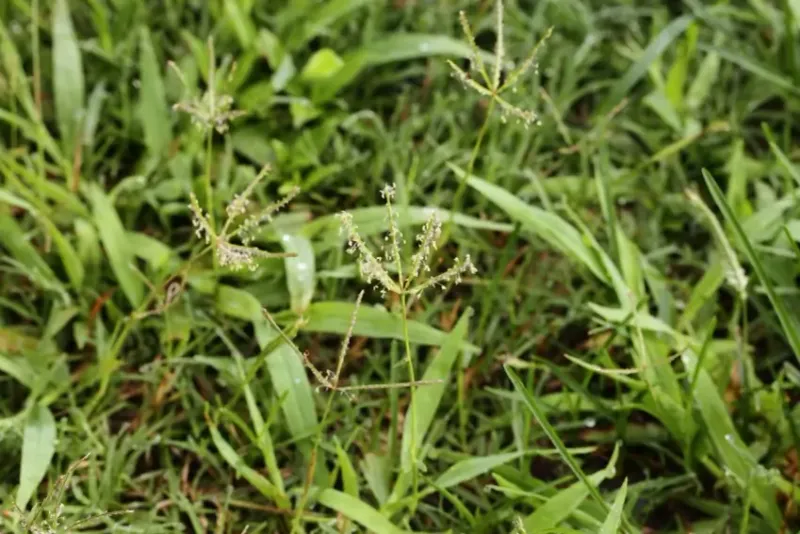
Driving through Central Florida neighborhoods in late summer, you will notice plenty of lawns with tall, Y-shaped seed heads poking up above the grass. That is Bahia grass doing what it naturally does.
Bahia was introduced to Florida largely for pasture use and erosion control, and it performs well in poor, sandy soils with low fertility. Those qualities make it practical, but they do not make it pretty.
The visual problem is real. Bahia tends to grow in uneven clumps, and its open texture means bare spots show up quickly, especially in high-traffic areas or during dry stretches.
In Central and South Florida, where neighbors often maintain lush, thick turf, a Bahia lawns tend to have a more open, coarse texture that may not match the dense appearance some homeowners prefer, even with regular maintenance.
The seed heads emerge so frequently that keeping up with mowing feels endless.
Frogfruit is one native groundcover gaining serious attention as a replacement. This low-growing plant spreads into a dense, weed-suppressing mat that stays much closer to the ground than Bahia ever does.
It handles full sun and partial shade, tolerates drought once established, and supports butterflies and bees with its small white blooms.
For homeowners in Central Florida who want a lawn-like appearance without the constant upkeep, frogfruit offers a realistic and attractive option.
Perennial peanut is another strong choice for sunny, well-drained spots, forming a bright green mat with cheerful yellow flowers and requiring almost no fertilizer or irrigation once it gets settled in.
2. Zoysia Grass Turns High Maintenance In Florida Heat
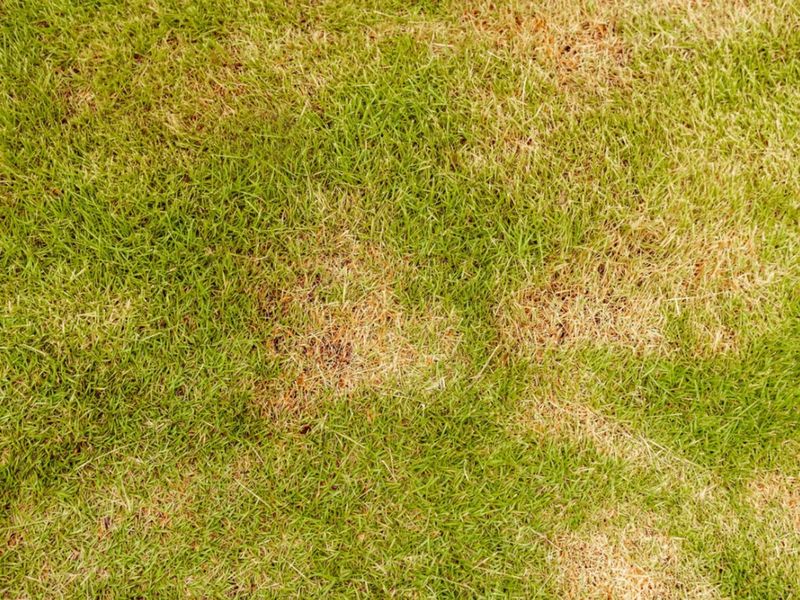
Zoysia grass has a reputation for looking gorgeous in the right conditions, and that reputation is part of why so many Florida homeowners have planted it. The dense, fine-bladed texture looks sharp and feels soft underfoot.
The trouble is that Florida’s heat and humidity create a very specific set of challenges that push Zoysia into high-maintenance territory fast.
Thatch buildup is one of the biggest frustrations. Zoysia produces organic material faster than it breaks down in Florida’s warm climate, and that thick layer of thatch between the soil and the green blades blocks water, air, and nutrients from reaching the roots.
Your Florida Garden Changes Every Week. Your Plan Should Too.
Gardening in Florida changes quickly throughout the season. Every Friday you’ll receive a simple weekly plan showing exactly what to plant, prune, fertilize, harvest, and protect so you never miss the right timing.
Without regular dethatching, the lawn starts to thin out and look uneven despite consistent watering and fertilizing. Irrigation demands also climb during Florida’s dry season, and Zoysia needs those inputs to stay green and full.
For homeowners hoping for a lower-effort yard, that ongoing commitment adds up quickly.
Frogfruit and sunshine mimosa are both earning spots in Florida yards as alternatives for full-sun areas where Zoysia was once planted.
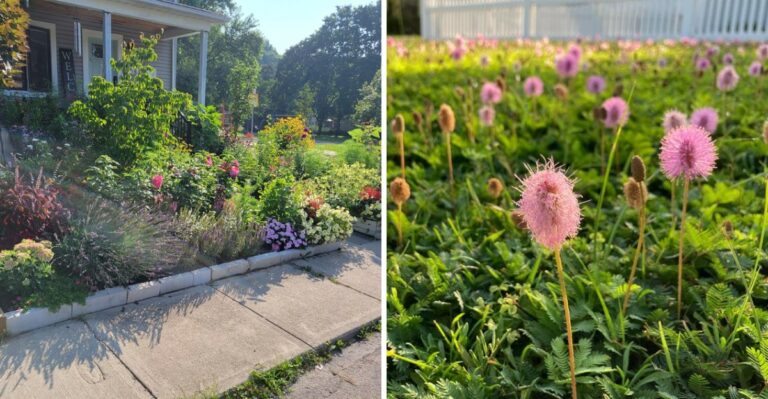
Sunshine mimosa, in particular, is a native groundcover that fixes nitrogen in the soil on its own, which means fertilizer needs drop significantly.
It grows low, spreads at a moderate pace, and produces soft pink flowers that add color without any extra planting.
Compared to the irrigation schedules and thatch management that Zoysia demands, sunshine mimosa offers a noticeably more relaxed approach to a well-kept Florida lawn.
3. Bermuda Grass Spreads Faster Than Most Want To Manage
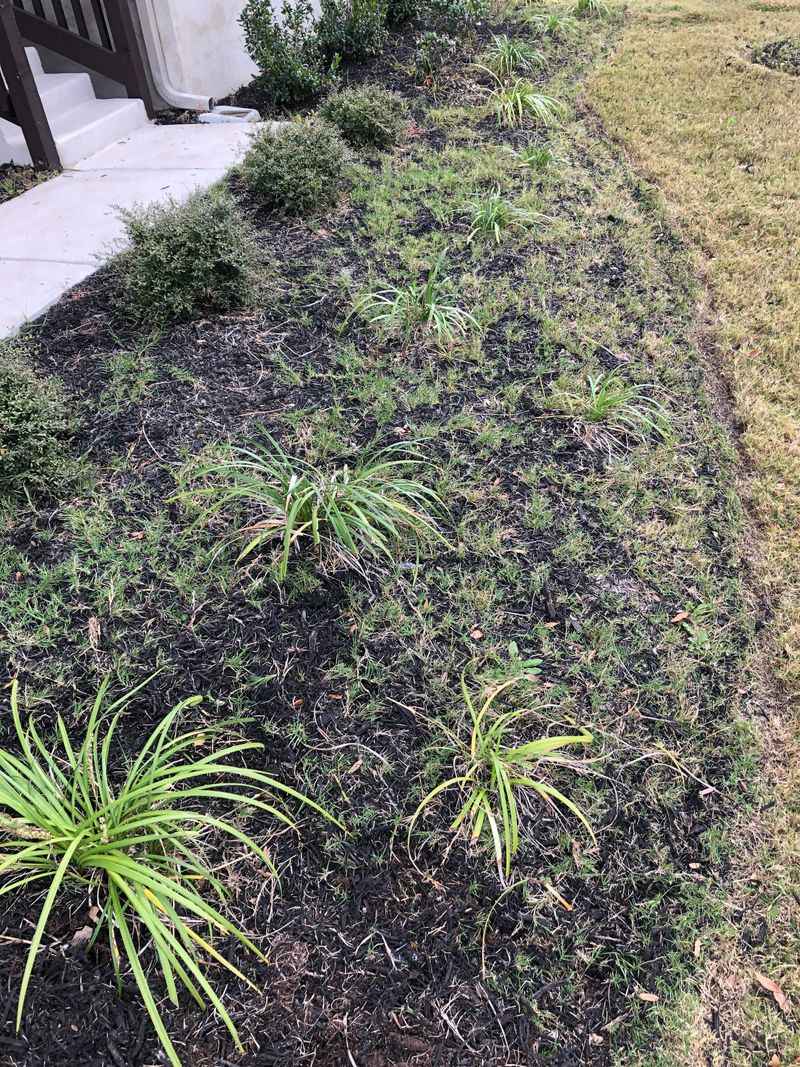
Few grasses in Florida move with the determination of Bermuda. Plant it in one section of your yard and within a season or two, it has sent runners into your flower beds, under your edging, and into your neighbor’s side of the fence.
That aggressive spreading habit is actually what makes Bermuda durable and wear-resistant on athletic fields and golf courses. In a home landscape, though, it creates a constant management headache.
Homeowners with HOA requirements or carefully designed landscaping find Bermuda especially frustrating. Keeping clean edges around garden beds, walkways, and trees requires repeated trimming that never really feels finished.
The stolons travel quickly along the soil surface and root wherever they touch ground, which means one missed week of edge maintenance can undo a month of careful work. In Florida’s long growing season, that cycle repeats almost year-round.
Sunshine mimosa is a groundcover that offers a softer, more contained alternative for homeowners who want a natural look without the aggressive boundary issues. It spreads at a much gentler pace and tends to stay lower and more predictable than Bermuda.
The fern-like foliage and pink puffball blooms give a yard a lush, almost meadow-like appearance that feels intentional rather than out of control.
For yards where appearance and neat landscaping matter, sunshine mimosa provides the kind of low-spread, low-input coverage that Bermuda simply cannot offer.
It is especially well-suited to sunny Florida yards where some foot traffic tolerance is needed without the edge-control battle.
4. Centipede Grass Declines In Poor Soil Conditions
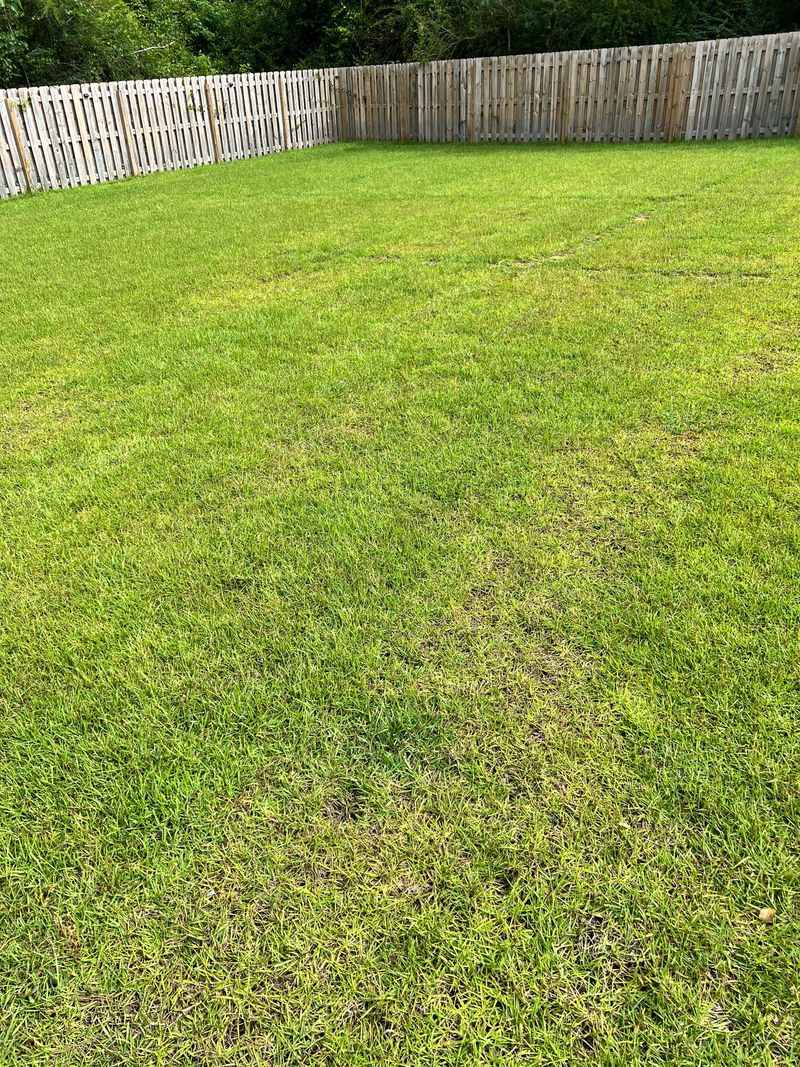
Centipede grass earned its nickname as the lazy man’s grass because it genuinely does need less fertilizer and mowing than many other turfgrasses. That appeal is real, and it explains why it became a popular choice across the Southeast.
The problem is that Florida’s soils are not always cooperative, and Centipede has some well-known sensitivities that show up fast when conditions are off.
Soil pH is a major factor. Centipede prefers a fairly specific range, roughly 5.0 to 6.0, and Florida soils vary widely depending on region, irrigation water quality, and past land use.
When pH climbs too high, Centipede starts showing iron deficiency symptoms, turning yellow even when it has been fertilized.
Applying too much nitrogen trying to fix the color actually makes things worse by encouraging excessive growth that weakens the turf over time.
These issues can develop when soil pH or fertility levels are outside its preferred range in North and Central Florida yards, particularly in areas with alkaline water or soils disturbed during construction.
Frogfruit stands out as a replacement because it handles a much wider range of soil conditions without the sensitivity that makes Centipede so frustrating to maintain.
It grows in sandy, loamy, and even occasionally wet soils, adapting to whatever Florida throws at it.
Once established, frogfruit spreads on its own to fill gaps, stays low enough to skip frequent mowing, and supports local pollinators in the process.
For homeowners tired of troubleshooting a grass that seems to need constant correction, frogfruit offers a genuinely adaptable and low-drama alternative.
5. Ryegrass Only Lasts Through Florida’s Cooler Months
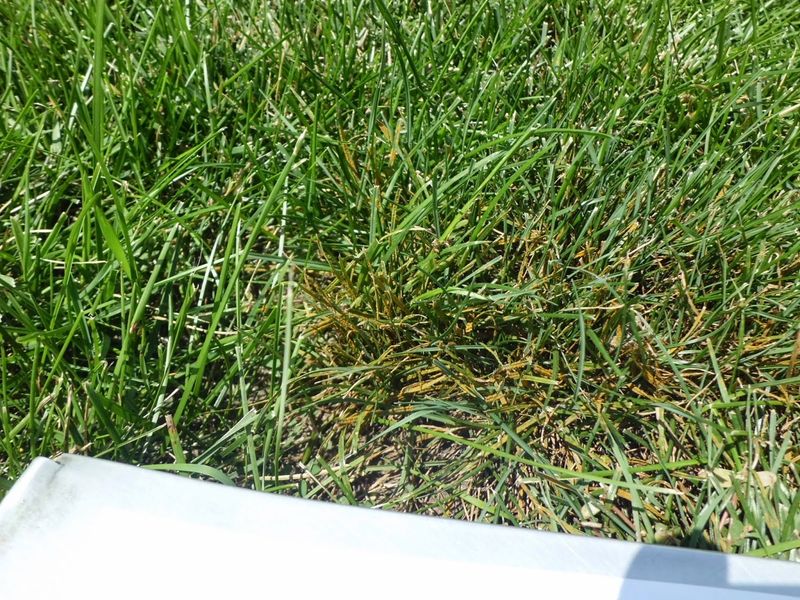
Every fall, some Florida homeowners spread annual ryegrass seed over their dormant warm-season lawns to keep things looking green through the cooler months. It works, and for a few months the yard looks fresh and uniform.
The catch is that ryegrass is a cool-season grass, and once Florida temperatures climb back up in late spring, it fades out by design. That seasonal cycle means you are essentially starting over twice a year.
The labor and cost of overseeding adds up. Buying seed, prepping the soil, watering consistently during germination, and then watching it fade every spring is a routine that many homeowners eventually decide is not worth repeating.
Beyond the effort, the transition period when ryegrass is fading and the underlying warm-season grass is not fully back yet can leave a lawn looking uneven and patchy for several weeks.
In Florida’s long growing season, that window of poor appearance can stretch longer than expected.
Perennial peanut is a warm-season groundcover that sidesteps the seasonal overseeding cycle entirely. Once established in a sunny, well-drained area, it stays green and active through Florida’s long warm season without needing to be replanted each year.
It tolerates drought, requires minimal fertilizer, and produces small yellow flowers that add visual interest.
For homeowners in Central and South Florida who want year-round coverage without the annual ryegrass ritual, perennial peanut provides a more permanent and lower-effort solution that actually suits Florida’s climate rather than fighting against it.
6. Fescue Grass Struggles In Florida’s Heat And Humidity
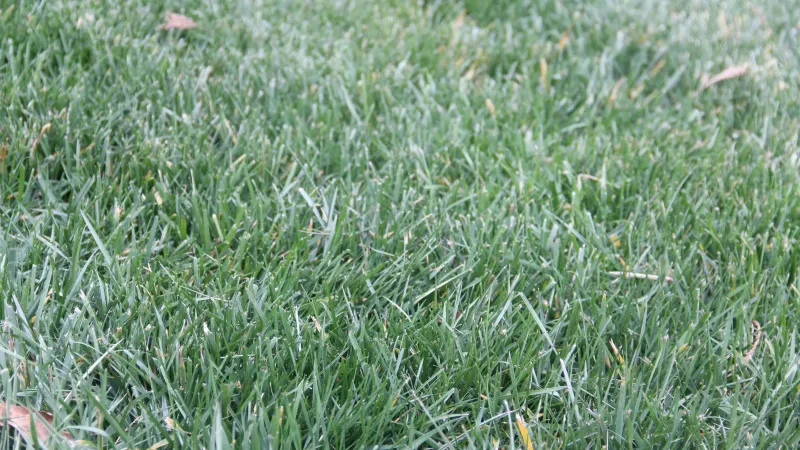
Tall fescue is a cool-season grass that performs well in the transition zones of the mid-Atlantic and upper South, but Florida is not that climate. Homeowners who move to Florida from cooler states sometimes try to bring fescue with them, either by planting sod or seeding.
The results are almost always disappointing, and the reasons are straightforward once you understand what fescue actually needs to survive.
Florida’s heat and humidity are genuinely incompatible with fescue’s growth cycle. Fescue goes dormant and struggles severely when soil temperatures stay high for extended periods, which in Central and South Florida means most of the year.
High humidity also creates conditions that encourage fungal issues, and fescue is notably susceptible to several turf diseases that spread quickly in warm, moist environments.
According to UF/IFAS Extension, fescue is simply not recommended for most of Florida because the climate does not support it through the long summer season.
Sunshine mimosa and frogfruit are both warm-climate alternatives that handle Florida’s conditions without complaint.
Sunshine mimosa thrives in the same full-sun, high-heat environments where fescue collapses, and its nitrogen-fixing ability means the soil actually improves over time rather than depleting.
Frogfruit handles both sun and partial shade, making it versatile for yards with mixed light conditions.
Either option gives Florida homeowners the green, low-growing coverage they were hoping fescue would provide, without the frustration of watching a cool-season grass struggle through a climate it was never suited for.
7. Carpetgrass Falls Short On Durability And Looks
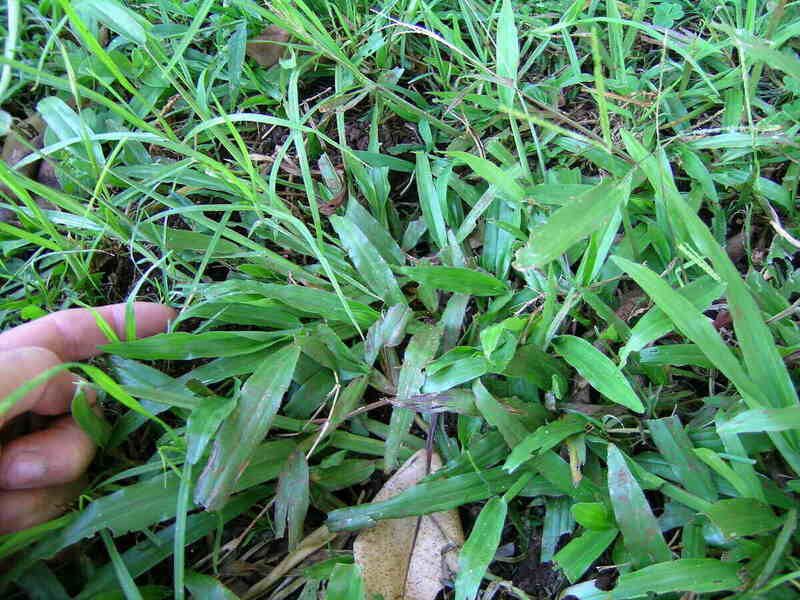
Carpetgrass shows up in Florida lawns most often in low-lying, wet areas where other grasses refuse to grow. It tolerates poor drainage and shade better than many alternatives, and that tolerance has kept it around in yards where conditions are less than ideal.
The problem is that once you look past those survival traits, carpetgrass has very little going for it in a residential setting.
The appearance is rough and coarse compared to most other Florida turfgrasses. It produces seed heads frequently and aggressively, which means the lawn looks unkempt quickly after mowing.
The grass blades are wide and flat, giving the turf a weedy, unrefined look that stands out in neighborhoods with higher curb appeal standards.
Wear tolerance is also low, so any area with regular foot traffic, kids playing, or pets running around tends to thin out and look worn down faster than other grass types.
In coastal areas or yards with salt-affected soils, carpetgrass performs even more poorly.
Seashore paspalum is a standout replacement specifically for coastal Florida homeowners dealing with salt-affected soils and challenging conditions.
Unlike carpetgrass, seashore paspalum handles salt spray, saline irrigation water, and coastal soils with genuine resilience.
It forms a denser, more refined turf that holds up to foot traffic and looks significantly more polished. UF/IFAS has noted seashore paspalum as a strong option for Florida’s coastal environments where standard turfgrasses struggle.
For homeowners near the coast who want a durable, attractive lawn that actually suits their site conditions, seashore paspalum is a clear and practical upgrade over carpetgrass.