How To Harden Off Seedlings Properly In Arizona’s Intense April Sun
If you’ve spent weeks babying your seedlings indoors, the last thing you want is to watch them shrivel the moment they hit that “beautiful” Arizona sun.
April in the desert is a bit of a trickster; it looks gorgeous, but the intense UV radiation and soaring temperatures can be a total shock to the system for young plants.
That’s where hardening off comes in – the ultimate survival boot camp for your garden.
In Arizona, this gradual acclimation isn’t just a suggestion; it’s a necessity to protect against our drying winds and warming soils.
If you want your transplants to thrive instead of just barely hanging on, mastering this transition is the secret to success.
1. Start Gradually To Prevent Sunburn And Stress
Stepping outside on an April morning in the low desert, you can already feel the sun’s strength before 9 a.m. – and your seedlings feel it too.
Young plants that have spent their early lives under grow lights or on a sunny windowsill have not yet built up the protective compounds they need to handle Arizona’s direct spring sun.
Moving them outside too quickly can cause leaf scorch, wilting, and setbacks that slow their growth for weeks.
The key is starting small. On the first day, bring seedlings outside for just one to two hours in a shaded or partially shaded spot.
A covered patio, the north side of a fence, or the shade of a large shrub all work well. Even this brief outdoor exposure introduces them to real wind, humidity changes, and ambient sunlight that is much stronger than anything indoors.
In low desert areas like Phoenix or Tucson, even shade can carry significant UV intensity in April. Pay close attention to how your seedlings respond after that first outing.
Slightly firm, upright leaves after a short outdoor session are a good sign.
If you notice pale or papery patches forming on leaves, scale back the exposure time the following day and give the plants a chance to recover before continuing the process.
2. Introduce Seedlings To Morning Sun Before Afternoon Heat
Morning light in Arizona is a gardener’s best friend during the hardening off process. Between roughly 7 a.m. and 10 a.m., the sun is lower in the sky, the UV index is more manageable, and temperatures have not yet climbed to their midday peak.
For seedlings taking their first real steps outdoors, this window is far gentler than anything the afternoon brings.
Start by placing your seedlings where they will receive one to two hours of direct morning sun during the first few days. After that morning exposure, move them back to shade or bring them inside before the heat intensifies.
In Phoenix, afternoon temperatures in April can push past 90 degrees Fahrenheit, which is far too much for a seedling that has never experienced outdoor conditions.
Even in higher-elevation cities like Prescott, afternoon sun in April carries enough intensity to stress tender plants.
Your Arizona Garden Changes Every Week. Your Plan Should Too.
Gardening in Arizona changes quickly throughout the season. Every Friday you’ll receive a simple weekly plan showing exactly what to plant, prune, fertilize, harvest, and protect so you never miss the right timing.
As the days progress and your seedlings show signs of healthy adjustment – such as thicker stems and leaves with good color – you can extend morning sun exposure by about 30 minutes each day. Avoid the temptation to rush this process.
Gradual exposure to morning light helps seedlings build chlorophyll tolerance and stronger cell walls, which prepares them for the long, sun-drenched growing season that defines Arizona gardening from spring through early summer.
3. Use Shade Cloth To Protect Young Plants During Peak Sun
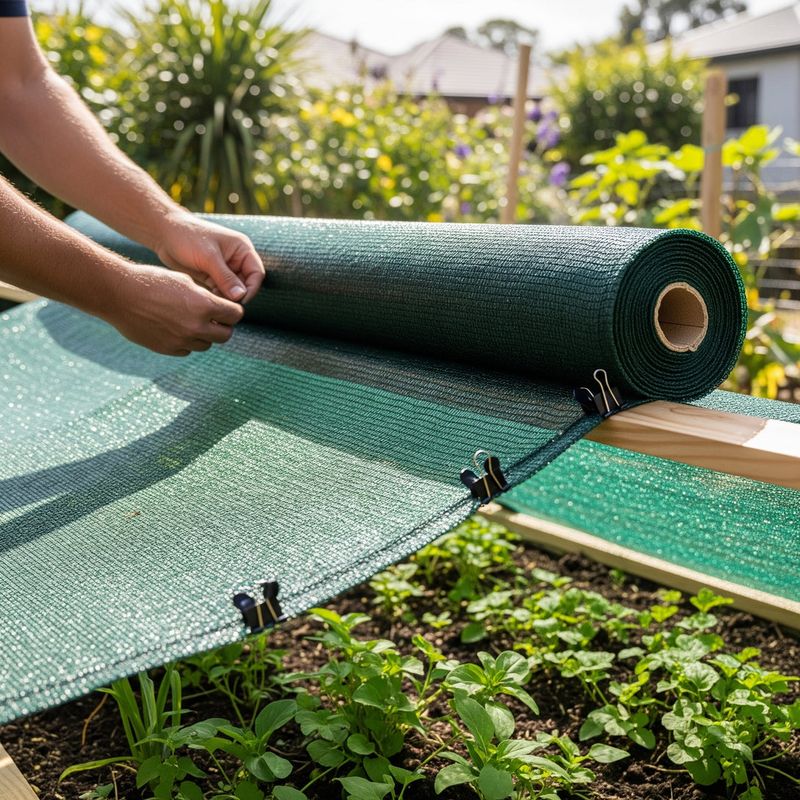
Shade cloth is one of the most practical tools an Arizona gardener can own, and the hardening off period is exactly when it earns its place in the garden shed.
When temperatures rise and the sun reaches its peak intensity between 10 a.m. and 3 p.m., a well-placed shade cloth can mean the difference between a thriving transplant and a struggling one.
For seedlings being hardened off, a 30 to 40 percent shade cloth offers a good balance – it filters enough harsh UV radiation to protect young leaves while still allowing meaningful light exposure that helps plants acclimate.
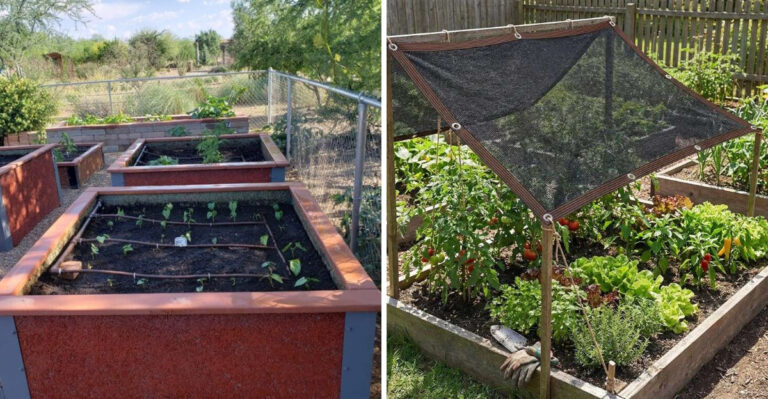
Shade cloth can be draped over simple hoops, attached to a portable frame, or clipped to a fence or raised bed edge.
This flexibility makes it easy to use even in small urban gardens common throughout the Phoenix metro area.
Natural shade sources like sunflowers grown in portable containers can also serve this purpose. Positioning a large-leafed plant to the west or southwest of your seedlings blocks the harshest afternoon sun angles without requiring additional materials.
In mid-elevation Arizona gardens around Prescott or Sedona, where April afternoons can still be surprisingly intense, shade cloth remains a useful buffer even when temperatures feel moderate.
Checking the UV index on your weather app before setting seedlings out each day is a simple habit that helps you decide when shade protection is most needed.
4. Increase Outdoor Exposure Over 7–10 Days
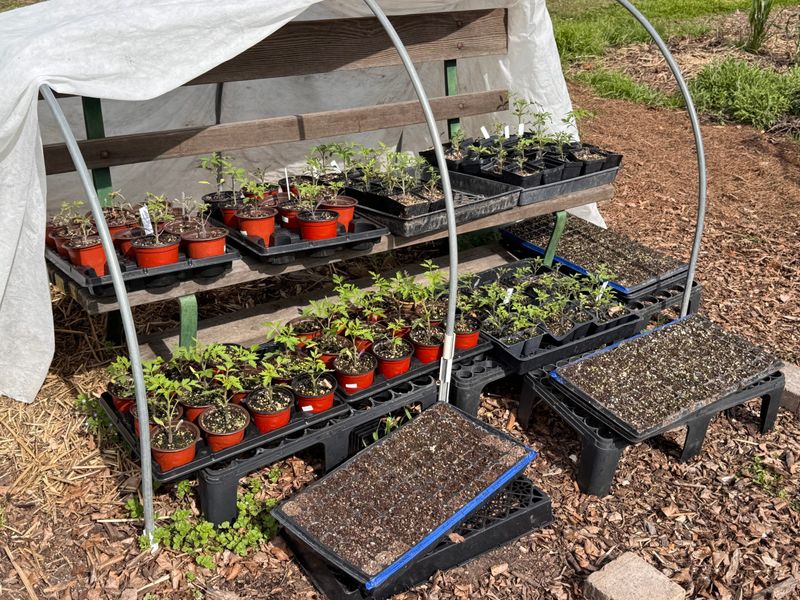
Consistency is what makes the hardening off process work, and a 7 to 10 day timeline gives seedlings enough time to build real resilience without dragging the process out unnecessarily.
A gradual approach is widely recommended as a reliable way to prepare transplants for desert growing conditions, especially in spring when outdoor conditions can change quickly.
A practical hardening-off schedule spreads gradually over about ten days. On days one and two, place seedlings outdoors for one to two hours in morning shade, avoiding direct sun.
During days three and four, extend exposure to two to three hours and allow a short window of gentle morning sunlight.
By days five and six, seedlings can tolerate four to five hours outside, with direct light increasing gradually.
Finally, from days seven through ten, most of the day can be spent outdoors, with only midday shade to protect tender plants from Arizona’s intense sun.
Keep a simple log in a notebook or on your phone to track how many hours your seedlings spent outside each day. This habit helps you stay on schedule and notice patterns in how individual plant varieties respond.
Some crops like tomatoes and peppers may need a slightly longer acclimation period in Phoenix’s intense April sun, while cool-season plants like lettuce or herbs may adjust more quickly.
Paying attention to each plant type and adjusting your schedule accordingly leads to stronger, more confident transplants.
5. Monitor Soil Moisture And Keep Seedlings Hydrated
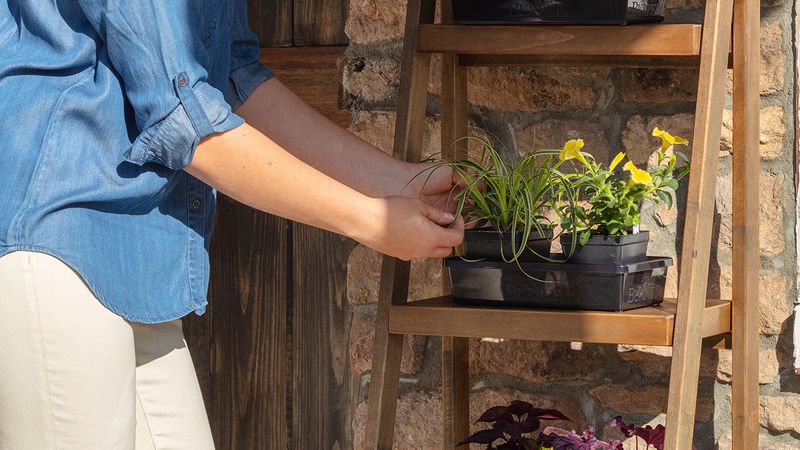
One of the fastest ways to lose progress during hardening off is letting seedlings dry out. Arizona’s low humidity and warm April breezes pull moisture from soil and plant leaves much faster than indoor conditions do.
A seedling that was perfectly happy being watered every two days indoors may need water twice daily once it moves outside, especially in the low desert where evaporation rates are high.
Check soil moisture by pressing a finger about an inch into the potting mix. If it feels dry at that depth, water thoroughly until moisture drains from the bottom of the container.
Avoid letting trays or pots sit in standing water, as soggy soil can lead to root problems that undermine the whole transplanting effort.
Small seedling cells and trays dry out especially fast in outdoor conditions, so checking moisture levels morning and afternoon is a reasonable routine during the hardening off period.
Using a potting mix that retains some moisture while still draining well is helpful for container-grown seedlings in Arizona. Adding a light layer of fine mulch over the soil surface of larger pots can also slow evaporation during outdoor sessions.
In higher-elevation areas like Flagstaff, where spring air is drier and winds can be stronger, moisture management is just as important even if temperatures feel cooler.
Staying consistent with watering keeps seedlings resilient and ready for each new stage of outdoor exposure.
6. Avoid Strong Winds That Can Damage Tender Stems
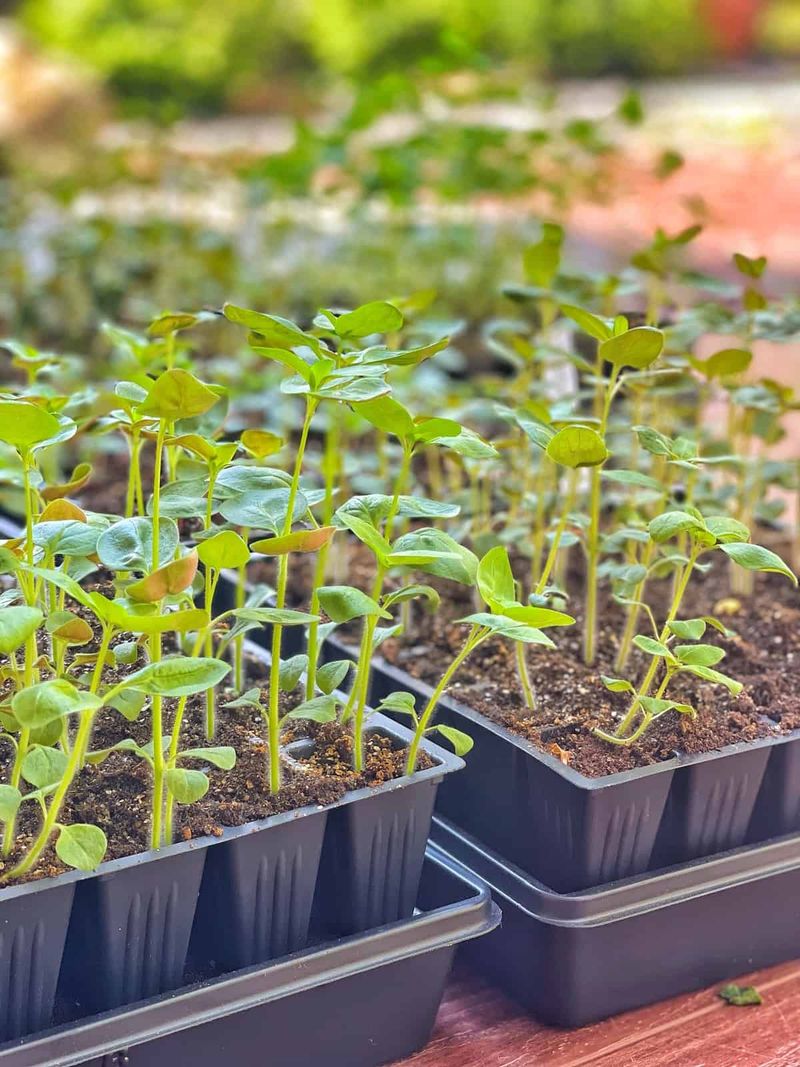
Spring in Arizona often brings gusty afternoons, particularly across the low desert where winds can pick up dramatically between late morning and early evening.
For seedlings that have only ever experienced the still air of an indoor growing space, even a moderate breeze can cause physical damage – snapping thin stems, tearing young leaves, and drying out root systems faster than you might expect.
During the first few days of hardening off, choose outdoor spots that offer natural wind protection.
The sheltered side of a wall, a fence line, a dense hedge, or a covered patio with partial enclosure all reduce wind exposure while still allowing the outdoor air circulation that helps strengthen stems over time.
Gentle breezes are actually beneficial for seedlings because they encourage the development of stronger, more flexible stems – but there is a meaningful difference between a light breeze and the kind of sustained gusts that roll through the Phoenix Valley on a spring afternoon.
If a particularly windy day is in the forecast, consider skipping the outdoor session entirely or limiting it to a very sheltered spot for a short time.
Checking local wind forecasts before moving seedlings outside each day takes only a moment and can save you from setbacks.
In areas like Yuma or Casa Grande where spring winds can be especially persistent, finding a reliable windbreak location in your garden is one of the smartest investments you can make during transplant season.
7. Plant Outdoors Only Once Seedlings Are Fully Hardened
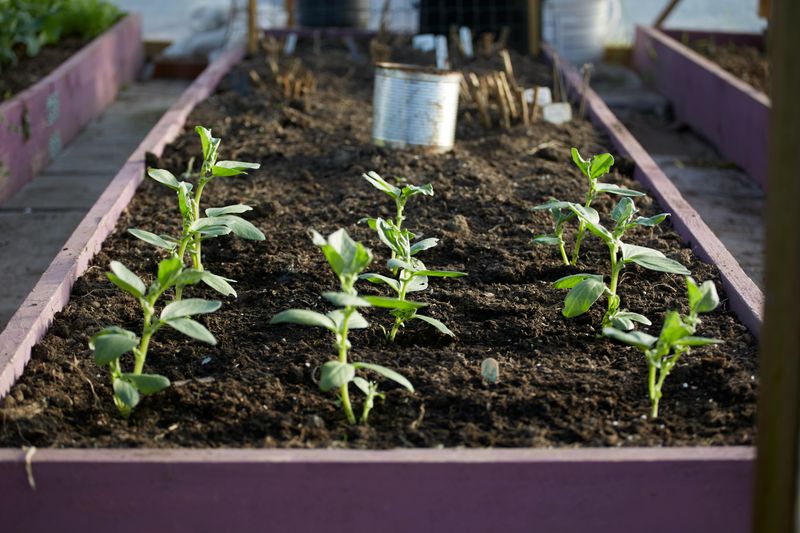
After 7 to 10 days of careful, gradual outdoor exposure, you should notice real changes in your seedlings. Stems that were once thin and pale may look stockier and deeper green.
Leaves that felt soft and delicate should feel firmer and more substantial. These are signs that your plants have built up the physical and chemical defenses they need to handle full outdoor life in Arizona’s spring garden.
Before transplanting, spend a full day or two with seedlings outside in their final intended location – or as close to it as possible. This final stage lets them experience the exact light levels, wind patterns, and temperature swings of the spot where they will grow.
If seedlings handle that exposure without wilting, discoloration, or visible stress, they are ready to go in the ground or into their permanent containers.
When transplanting, choose a mild day and aim for late afternoon or early evening when the sun is lower and temperatures are dropping. This gives roots several hours to settle into the soil before facing direct sun the next morning.
Water transplants thoroughly at planting time and keep soil consistently moist for the first week after transplanting.
In Phoenix and other low desert areas, a temporary shade cloth over newly transplanted seedlings for two to three days can ease the final transition and help them establish with less stress during those critical early days in the garden.