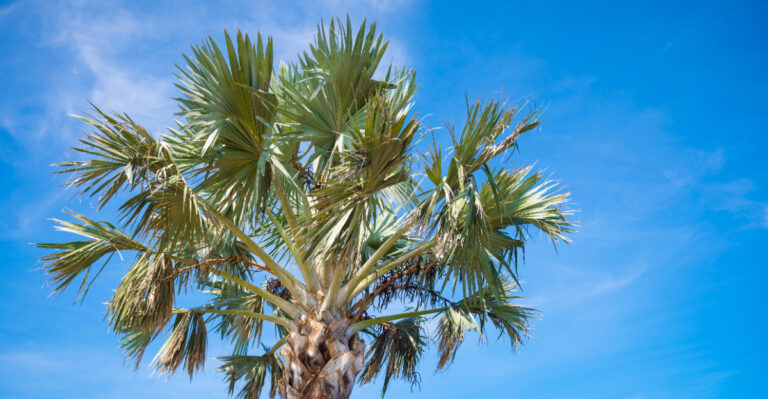
Fragrant Florida Plants That Make Backyards Smell Amazing In April
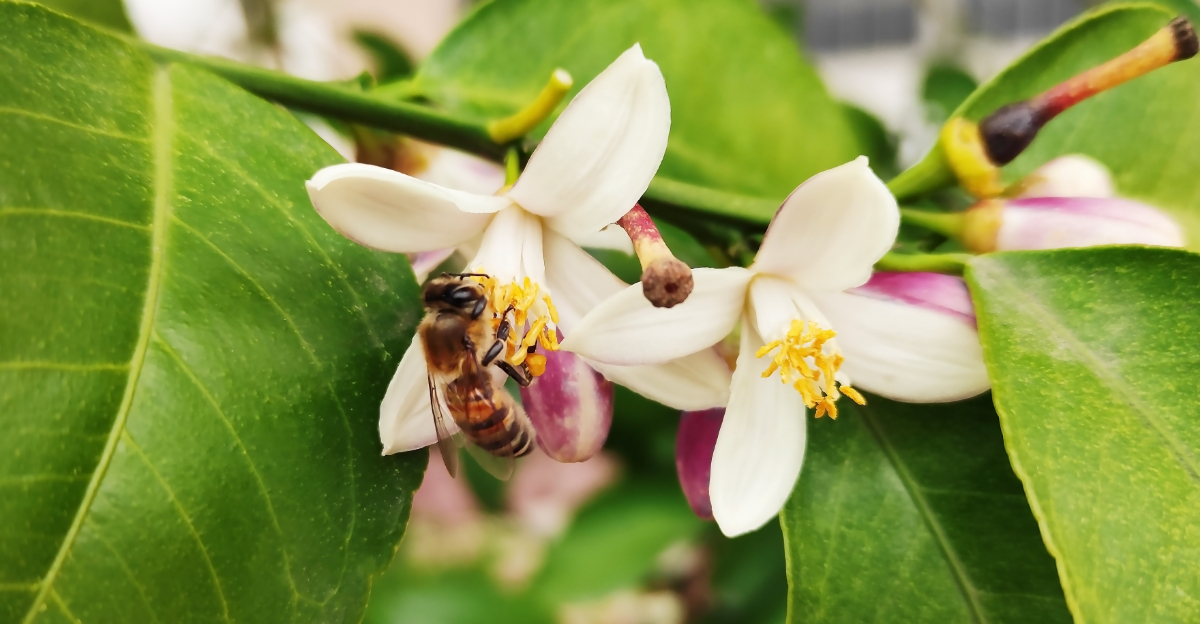
There is something about an April evening in Florida that makes people linger outside a little longer. The air softens, the light stretches out, and suddenly you notice which yard smells fresh and inviting before you even see what is blooming.
That kind of backyard charm does not always come from the flashiest plants. Very often, it is the ones carrying scent across the patio, near the walkway, or through an open window while dinner is on the stove.
For gardeners who want more than color, fragrance changes the whole mood of a space.
April is one of the best times to enjoy that shift because so many Florida plants start putting on a real show right now. Some release perfume in the morning, others later in the day, and a few become unforgettable after sunset.
The plants ahead bring that kind of presence home.
1. Gardenia Fills The Yard With Classic Southern Perfume
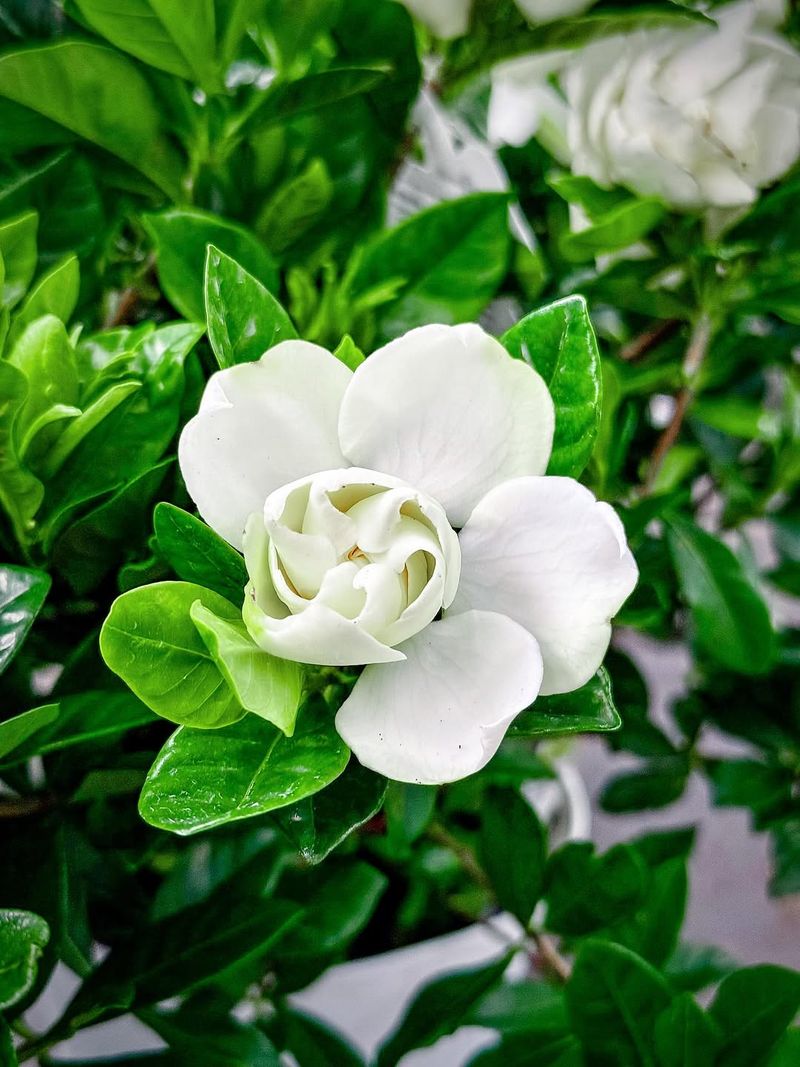
Few things in a Florida garden stop you in your tracks quite like the scent of a gardenia in full bloom. That rich, creamy, almost honey-sweet fragrance has a way of drifting across the yard and pulling you right toward it.
Gardenias (Gardenia jasminoides) are one of the most beloved flowering shrubs in the state, and for very good reason.
In Florida, gardenias typically begin showing off their waxy white blooms in late spring, but April is when you will start noticing the buds forming and the first hints of that famous scent floating through the warm air. They grow best in partial shade, which makes them perfect for spots under larger trees or along a shaded fence line.
Well-drained, slightly acidic soil is what these plants love most, so consider mixing in some peat moss when planting. Their glossy evergreen leaves also help them look attractive even when they are between bloom cycles, which is one reason they stay popular in Florida foundation plantings and patio containers.
Watering is key with gardenias. They like the soil to stay moist but never waterlogged, so a layer of mulch around the base helps lock in moisture between waterings.
Yellowing leaves are usually a sign the soil pH needs adjusting, something Florida gardeners run into fairly often due to the sandy soil found across much of the state.
Gardenias grow well in containers too, which is great news if your Florida backyard has limited garden beds. A potted gardenia on a porch or patio can perfume an entire seating area with almost no effort.
They attract pollinators like bees and butterflies, adding life and movement to the garden. With a little consistent care, a single gardenia shrub can reward you with blooms and that unforgettable fragrance for many seasons to come.
2. Star Jasmine Brings A Sweet Scent That Travels
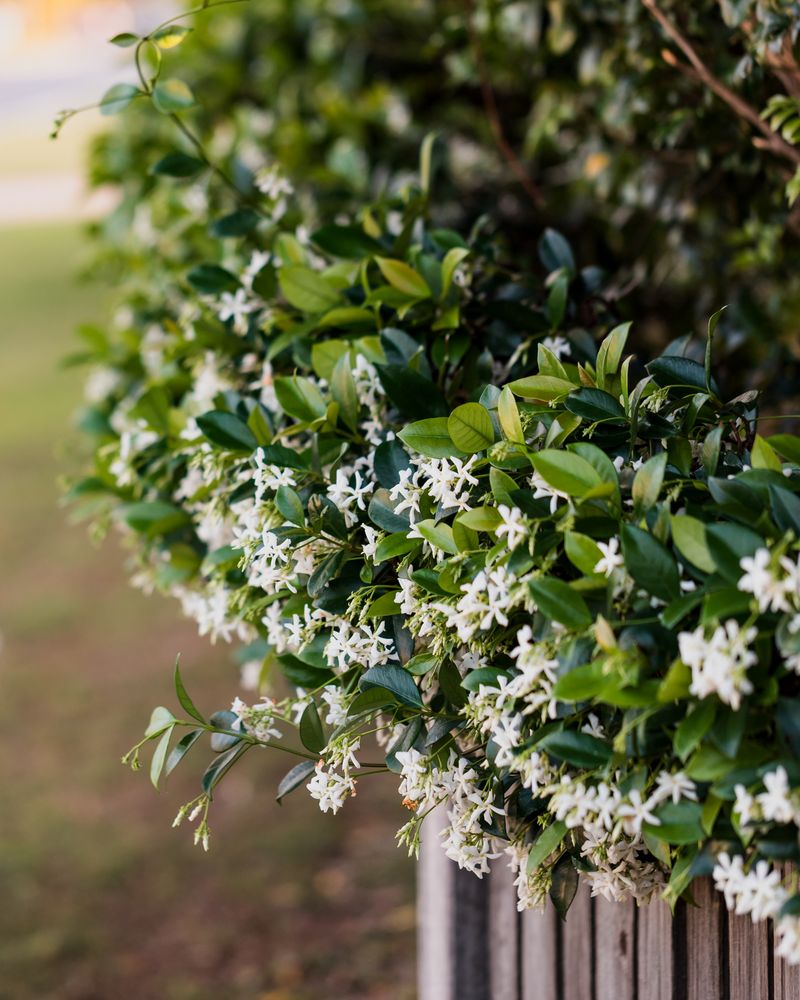
Imagine stepping outside on a warm April morning in Florida and being greeted by a wave of sweet, floral perfume that seems to come from everywhere at once. That is exactly what star jasmine (Trachelospermum jasminoides) delivers, and it does so with impressive consistency throughout the growing season.
Your Florida Garden Changes Every Week. Your Plan Should Too.
Gardening in Florida changes quickly throughout the season. Every Friday you’ll receive a simple weekly plan showing exactly what to plant, prune, fertilize, harvest, and protect so you never miss the right timing.
Also called Confederate jasmine, this evergreen vine is a Florida favorite for good reason.
Star jasmine is incredibly versatile. You can train it to climb a fence, wrap around an arbor, or sprawl along a trellis to create a fragrant privacy screen.
The clusters of small, pinwheel-shaped white flowers are charming on their own, but it is the scent that truly makes this plant worth growing. On still April evenings across Florida, the fragrance can linger in the air long after the sun goes down.
One of the best things about star jasmine is how easygoing it is once established. It handles full sun beautifully and can tolerate partial shade without losing much of its blooming power.
This flexibility makes it a smart choice for many different yard layouts, from the open sunny spaces of North Florida to the shadier spots found in more densely planted South Florida gardens. It also stays evergreen in Florida, making it useful even when not in flower, and UF IFAS notes it can be grown on fences, trellises, arbors, and even chain-link screens.
Watering regularly during the first year helps the roots establish quickly. After that, star jasmine becomes fairly drought-tolerant, which is a huge plus in a state where summers can be brutally hot and dry.
Trim it back after the main bloom cycle to keep the growth tidy and encourage a fresh flush of flowers. With minimal upkeep, star jasmine will reward your Florida backyard with beauty and fragrance year after year.
3. Tea Olive Has Tiny Flowers With Big Fragrance
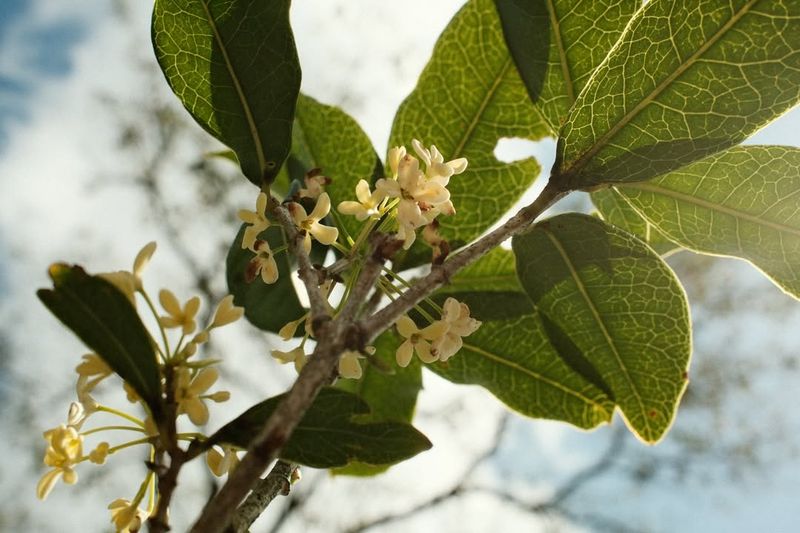
There is something almost mysterious about tea olive (Osmanthus fragrans). The flowers are tiny, almost invisible from a distance, yet the fragrance they produce is so powerful and sweet that many people smell it before they ever spot the plant.
In Florida backyards, this evergreen shrub is a hidden gem that deserves far more attention than it typically gets.
Tea olive goes by several names, including sweet olive and sweet osmanthus, but whatever you call it, the experience of standing near one in bloom is genuinely memorable. The scent has been described as a mix of ripe peaches, apricots, and vanilla, a combination that feels warm and welcoming in the April air.
Blooms appear in spring and again in fall, giving Florida gardeners two seasons of that wonderful aroma to enjoy. UF IFAS notes that tea olive blooms several times through the year, has glossy evergreen leaves, and performs best in well-drained soil, which helps explain why Florida gardeners value it.
Growing tea olive in Florida is straightforward. It thrives in full sun to partial shade and adapts well to the range of soil types found across the state, from the sandy soils of Central Florida to the richer ground of North Florida.
Once established, it handles dry spells reasonably well, though regular watering during the first growing season helps it settle in faster.
This shrub can grow quite large over time, reaching up to 20 feet tall in ideal conditions, making it excellent for use as a privacy screen or a tall backdrop in a garden bed. Pruning after the flowering period keeps the size manageable and the shape attractive.
Tea olive also attracts butterflies, adding extra life to your yard. For Florida gardeners looking for a low-maintenance plant with an extraordinary scent payoff, tea olive is an outstanding choice worth planting this April.
4. Citrus Blossoms Smell Like Pure Florida Spring
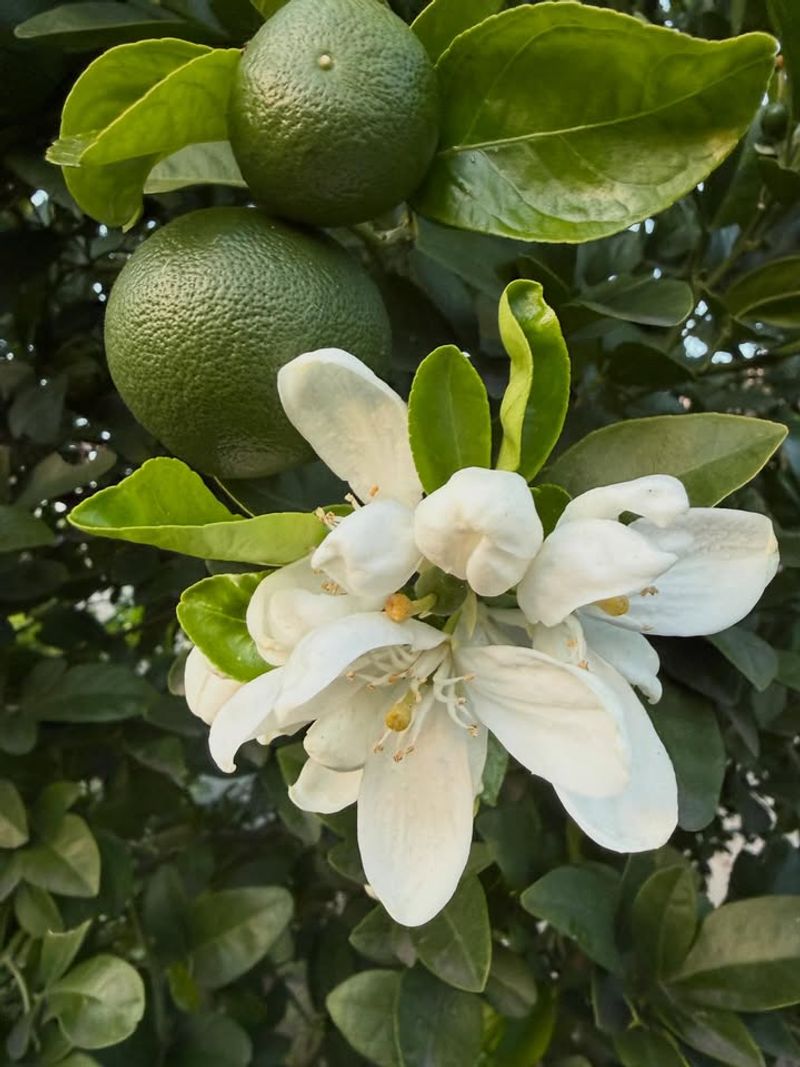
Ask any longtime Florida resident what their favorite smell is, and there is a good chance citrus blossom will be somewhere near the top of the list. When citrus trees burst into bloom in April, the fragrance that fills the air is clean, bright, and unmistakably Florida.
Orange, lemon, grapefruit, and lime trees all produce those small white flowers with a scent that is equal parts fresh and sweet.
Citrus trees are incredibly rewarding to grow in Florida because they offer two things at once: a yard full of beautiful fragrance in spring and a harvest of fresh fruit later in the year. For families with kids, there is something extra special about picking fruit right from your own backyard.
The trees do well across much of the state, though they are most productive in Central and South Florida where the winters are mild enough to keep them healthy and productive. In Florida, their bloom season also draws pollinators, and the glossy evergreen foliage keeps the trees attractive beyond flowering, giving backyards structure, shade, and year-round ornamental value as well too.
Planting citrus in full sun is essential. These trees are sun lovers and will not bloom or fruit well in shady spots.
Well-drained soil is equally important since citrus roots do not tolerate standing water. Raised beds or slightly elevated planting spots work well in areas of Florida where the ground tends to stay wet after heavy rains.
Fertilizing citrus trees three times a year, in spring, summer, and fall, keeps them vigorous and promotes heavy flowering. Watering deeply but infrequently encourages deep root growth, which helps the tree handle Florida’s occasional dry spells.
Even a single citrus tree planted in a Florida backyard can completely transform the sensory experience of being outside in April, turning an ordinary afternoon into something that smells absolutely extraordinary.
5. Fringetree Brings A Light Fragrance And A Graceful Look
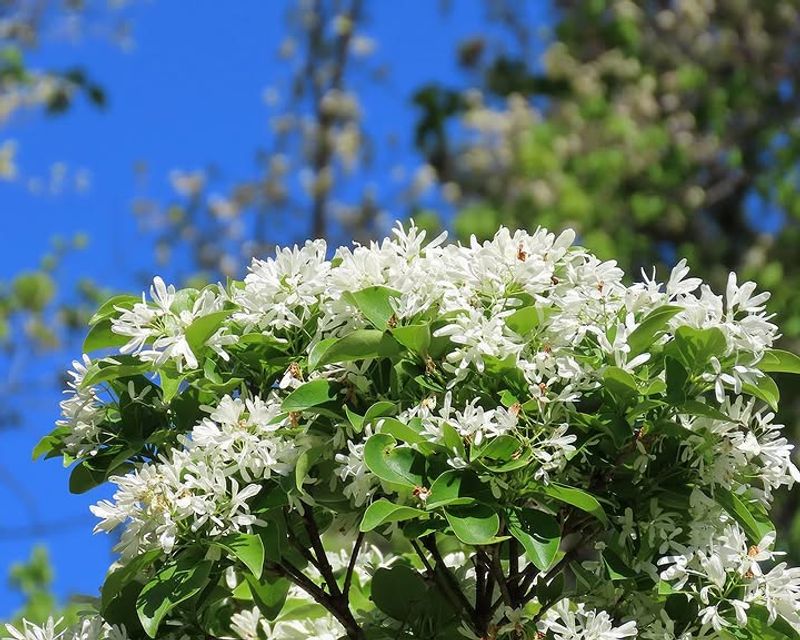
Walking past a fringetree in full bloom feels like stumbling onto something from a fairy tale. The clusters of long, wispy white petals hang from the branches like soft fringe on a curtain, and the light, sweet fragrance they carry drifts gently through the April air in Florida backyards.
Fringetree (Chionanthus virginicus) is a native species, which means it is perfectly suited to Florida’s climate and supports local wildlife in a meaningful way.
One of the most exciting things about fringetree is its timing. It blooms in early to mid-spring, making April one of the best months to experience it in full glory across North and Central Florida.
The flowers appear before or alongside the new leaves, which creates a stunning visual effect where the tree looks like it is covered in a soft white cloud. The fragrance is subtle compared to gardenia or jasmine, but up close it is genuinely lovely.
Fringetree grows well in full sun to partial shade and adapts to a wide range of Florida soil types. It does appreciate consistent moisture, especially during dry stretches, so planting it near a garden bed that gets regular watering is a smart move.
Mature trees are relatively low-maintenance and grow slowly, eventually reaching 12 to 20 feet in height.
Because it is native to Florida and the broader southeastern United States, fringetree is an excellent choice for gardeners who want to support local ecosystems. On female fringetrees, birds are drawn to the dark, olive-like fruits that appear after flowering, turning your backyard into a natural feeding spot.
For anyone in Florida looking to add something unique, native, and genuinely beautiful to their yard this April, fringetree is a spectacular option worth considering.
6. Sweet Alyssum Delivers A Honey Like Scent In Small Spaces
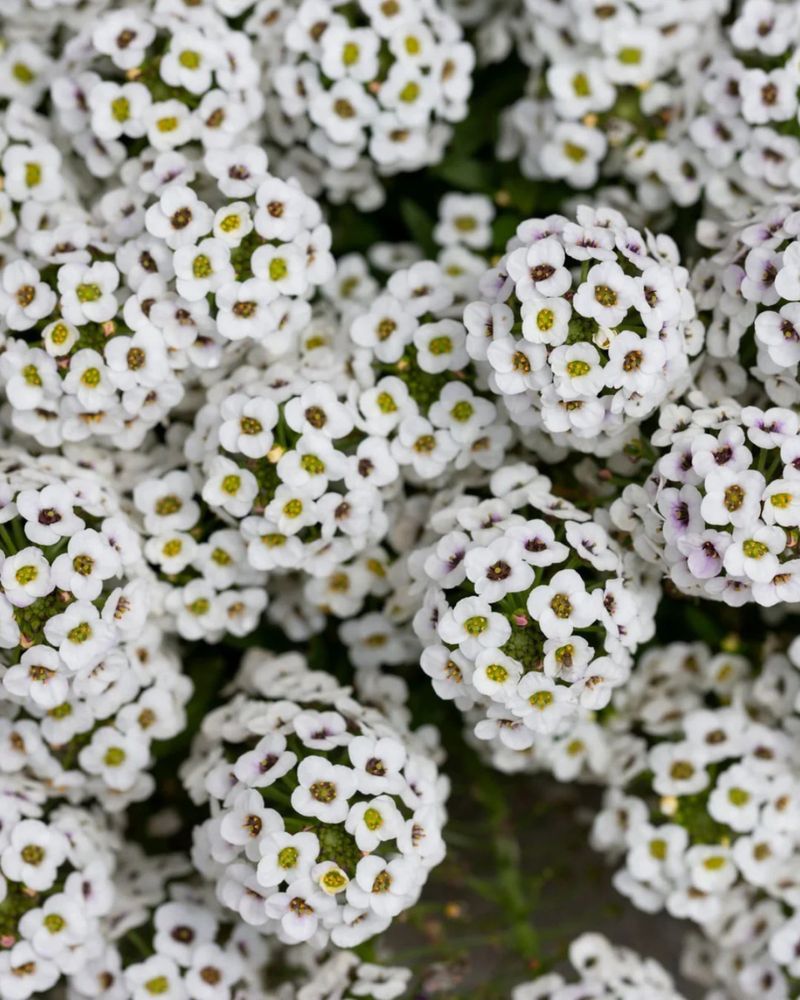
Sometimes the smallest plants make the biggest impression. Sweet alyssum (Lobularia maritima) is a low-growing annual that produces a sea of tiny flowers in white, pink, or purple, and the honey-like fragrance those flowers release is surprisingly powerful for such a petite plant.
In Florida, sweet alyssum thrives beautifully during the cooler months and well into April, making it one of the easiest and most rewarding fragrant plants you can add to your backyard. UF IFAS notes sweet alyssum blooms through spring in Florida, works well in containers and borders, and its honey scented flowers attract bees and butterflies while adding soft groundcover style.
What makes sweet alyssum so appealing is how effortlessly it fills space. It spreads into a soft, cascading mat of blooms that works beautifully along garden borders, in containers, or tucked between stepping stones.
The fragrance is strongest on warm, sunny afternoons, when it floats through the air in gentle waves that make sitting outside in a Florida yard feel genuinely luxurious.
Planting sweet alyssum in Florida is simple. It grows best in full sun to light shade and prefers well-drained soil.
Water it regularly but avoid overwatering since soggy roots can cause problems quickly. In Central and North Florida, April temperatures are still comfortable enough for sweet alyssum to keep blooming strong before the intense summer heat arrives.
Deadheading spent flowers encourages continuous blooming, though many gardeners find that sweet alyssum self-seeds freely, returning on its own the following season without any extra effort. It also attracts beneficial insects like hoverflies and parasitic wasps, which help keep garden pests under control naturally.
For Florida gardeners who want big fragrance from a small plant that requires very little fuss, sweet alyssum is an absolute winner that deserves a spot in every April garden.