Why Seashore Paspalum Looks Like A Perfect Fit For Florida Coastal Lawns
Keeping a lawn green and healthy near the Florida coast is no small task. Salt spray drifts in from the water, sandy soils drain fast, and summer heat can punish grass that is not built for the conditions.
Most common lawn grasses struggle in these environments, which is exactly why seashore paspalum keeps coming up in conversations about coastal turf.
This warm-season grass has earned a real reputation for handling salt stress better than almost anything else available, and that makes it genuinely interesting for Florida homeowners who live close to the water.
But here is the thing: looking like a perfect fit and actually being the right choice for your yard are two very different things.
Seashore paspalum comes with a maintenance load that catches a lot of people off guard, and experts at the University of Florida do not recommend it for typical home lawns.
What it does well is impressive, but what it asks in return is where most homeowners get tripped up.
1. Seashore Paspalum Is Built For Salt And Sea Air
Salt is the enemy of most lawn grasses, and Florida coastal homeowners know that better than anyone. A single season of salt spray, salty groundwater, or irrigation drawn from brackish sources can leave common grasses thin, yellowed, and struggling.
Seashore paspalum handles all of that in ways that make other grasses look fragile by comparison.
This grass, known scientifically as Paspalum vaginatum, evolved in tropical and subtropical coastal environments, including Florida’s own shoreline.
That origin story matters because it means the plant developed its salt tolerance naturally, not through selective breeding alone.
It can survive irrigation with water that has significantly higher salt content than most other turfgrasses can tolerate, which is a practical advantage in areas where freshwater access is limited or expensive.
Salt spray landing on leaf blades, salt accumulating in shallow soils, and salty runoff from nearby water sources are all conditions this grass manages without going into serious decline. That combination is rare.
Seashore paspalum has the highest salt tolerance among Florida turfgrasses, while St. Augustine grass, zoysia grass, and bermudagrass also tolerate moderate to high salinity, and bahia grass has less salt tolerance.
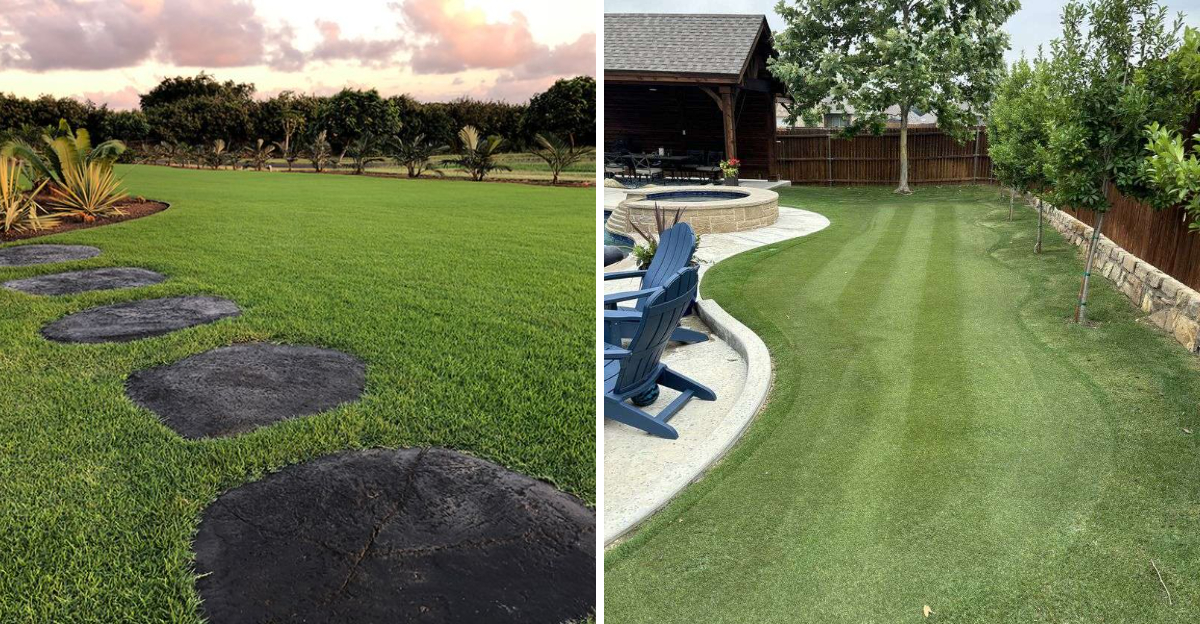
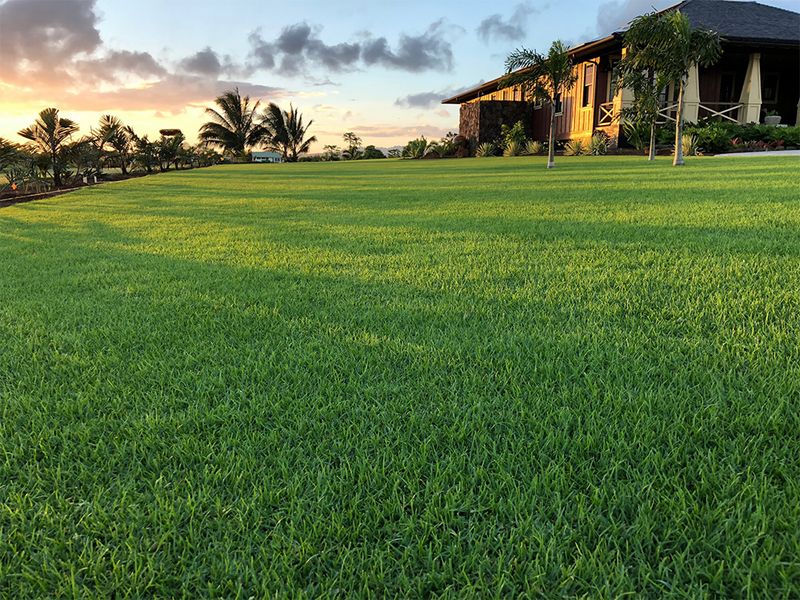
The visual result in a well-maintained coastal setting is a fine-textured, dense, bright green turf that holds its color even when conditions get rough.
That aesthetic appeal, paired with genuine salt resilience, is the main reason seashore paspalum gets so much attention from Florida coastal homeowners and golf course managers alike.
The salt tolerance is real, and in the right location, it is genuinely impressive.
2. Coastal Florida Gives This Grass A Real Advantage
Not every part of Florida is equally suited to seashore paspalum, but the coastal zones are where this grass genuinely earns its reputation.
Think barrier islands, beachfront communities, waterfront neighborhoods along the Gulf or Atlantic coast, and properties where salt exposure is a consistent reality rather than an occasional event.
Those are the places where this grass has a clear edge over the competition.
Your Florida Garden Changes Every Week. Your Plan Should Too.
Gardening in Florida changes quickly throughout the season. Every Friday you’ll receive a simple weekly plan showing exactly what to plant, prune, fertilize, harvest, and protect so you never miss the right timing.
Florida’s coastal climate brings a specific combination of conditions that seashore paspalum is well-matched to handle.
High humidity, sandy soils with low organic matter, warm temperatures that rarely drop to damaging lows near the water, and frequent salt exposure all line up with what this grass was built for.
The warm-season growing pattern fits Florida’s long summers well, but seashore paspalum has poor cold tolerance, so winter performance is less reliable as temperatures drop.
Waterfront golf courses and resort properties in Florida have used seashore paspalum for years, and the results in those managed settings have been strong. Those installations are not accidental.
They reflect a deliberate choice to match the grass to the environment rather than fight the environment with a grass that was never designed for it.
Homeowners near the coast who deal with salty irrigation water, salt-laden sea breezes, or soils that have absorbed years of saltwater intrusion may find that seashore paspalum simply performs where other options fall short.
The coastal Florida setting is genuinely one of the few places where this grass makes strong, practical sense from the start.
3. This Lawn Can Handle Conditions That Trouble Other Grasses
Salt stress is not the only pressure coastal Florida lawns face. Waterlogged soils after heavy rain, periods of drought between storms, compacted sandy ground, and the general wear that comes with outdoor living all add up.
Seashore paspalum manages several of these pressures better than many of the grasses commonly planted across Florida.
One of the more practical advantages is its exceptional salt tolerance in coastal conditions. Coastal yards often sit in low-lying areas where water pools after rain or where the water table sits close to the surface.
Many grasses struggle in those conditions, developing root rot or thinning out over time. Seashore paspalum is best known for handling salty coastal conditions better than most other turfgrasses.
At the same time, once it is established, it also manages stretches of dry weather without falling apart immediately.
That flexibility between wet and dry extremes is genuinely useful in a Florida coastal setting where weather patterns can shift quickly and dramatically across a single season.
Comparing it directly to St. Augustine grass, seashore paspalum holds up better under high salt exposure. St. Augustine has its own strengths, including better shade tolerance and wider availability, but it does not have the coastal resilience that seashore paspalum brings.
For a homeowner dealing with a yard that regularly faces salt, standing water, or both, the performance difference can be noticeable and significant over a full growing season.
4. UF IFAS Does Not Recommend It For Typical Home Lawns
Here is a fact that surprises a lot of people who get excited about seashore paspalum after reading about its salt tolerance: the University of Florida Institute of Food and Agricultural Sciences, the most trusted authority on Florida lawn care, does not recommend this grass for typical home lawns.
That position is worth taking seriously.
UF/IFAS has done extensive research on turfgrass performance across Florida’s different regions and growing conditions. Their guidance reflects years of on-the-ground data, not just theoretical potential.
When they signal that a grass is better suited to managed settings like golf courses, sports fields, or resort properties rather than residential yards, that reflects real patterns they have observed in how the grass performs and how much work it demands.
The core issue is that seashore paspalum requires a level of consistent, attentive management that goes well beyond what most homeowners are prepared to provide.
It can look excellent under the right conditions, but maintaining those conditions takes effort, knowledge, and regular input.
Without that level of care, the lawn tends to decline, develop problems, or become more trouble than it is worth.
Calling out this recommendation is not meant to dismiss the grass entirely. Seashore paspalum can be genuinely excellent in the right hands and the right location.
The point is that being excellent in a managed coastal setting and being a practical choice for a typical homeowner are two very different things.
UF/IFAS draws that line clearly, and anyone considering this grass should understand exactly where that line sits before making a decision.
5. The Maintenance Load Is Higher Than Most Homeowners Expect
Salt tolerance is the headline, but the maintenance requirements are what you actually live with week after week. Seashore paspalum is not a set-it-and-forget-it lawn.
Keeping it in good shape demands consistent attention to mowing, fertilizing, and watering in ways that add up fast for someone managing a home yard on their own.
Mowing alone is more involved than with most common home lawn grasses. Seashore paspalum performs best when kept at a low mowing height, around one to two inches with a rotary mower or even shorter with a reel mower.
Letting it grow too tall encourages thatch buildup and reduces turf quality. That means mowing more frequently during the active growing season, not less.
Fertilization needs to stay on a consistent schedule throughout the growing season. The grass responds well to regular nitrogen applications, but skipping or mistiming those applications shows up quickly in the lawn’s appearance and density.
Getting the amounts right matters too, because over-fertilizing can push growth that becomes difficult to manage, while under-fertilizing leads to thinning and color loss.
Watering during establishment requires more attention than many homeowners anticipate, and even a mature lawn needs monitoring during dry stretches to stay in good condition.
Add in the need to watch for thatch accumulation and address it before it becomes a serious problem, and the overall picture is a lawn that rewards dedicated owners and frustrates casual ones.
The grass has real strengths, but none of them come without effort. That tradeoff is something every potential grower needs to understand upfront.
6. Shade, Cold Snaps, And Thatch Can Turn Into Problems Fast
Every grass has its weak spots, and seashore paspalum has a few that show up quickly when conditions are not ideal.
Understanding these limitations before planting is just as important as understanding the strengths, especially in a state where weather and landscaping conditions vary widely from yard to yard.
Shade is a real problem. Seashore paspalum wants full sun to perform well, and it does not adapt gracefully to areas under tree canopies or beside structures that block sunlight for large portions of the day.
A yard with significant shade coverage is likely to end up with thin, patchy turf because seashore paspalum has poor shade tolerance.
Florida coastal yards often have mature palms and live oaks, and those trees create more shade than many homeowners realize when they are planning a new lawn.
Cold tolerance is another limitation that catches Florida homeowners off guard, particularly those in Central Florida or further north along the coast.
A sharp cold snap or a stretch of below-freezing nights can push seashore paspalum into dormancy or cause visible damage that takes time to recover from.
South Florida’s milder winters are more forgiving, but the further north you go, the bigger that cold risk becomes.
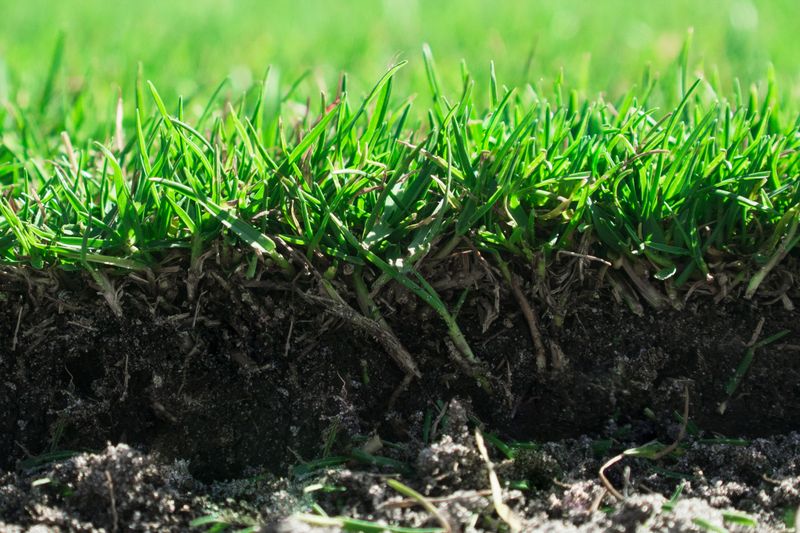
Thatch is the third issue. Seashore paspalum’s dense, low-growing growth habit means organic matter builds up at the soil surface faster than it breaks down naturally.
Without regular dethatching or verticutting, that layer thickens and starts blocking water, air, and nutrients from reaching the roots. Left unmanaged, a thatch problem can quietly undermine an otherwise healthy lawn before most homeowners even notice it developing.
7. A Coastal Yard Can Still Succeed With The Right Setup And Care
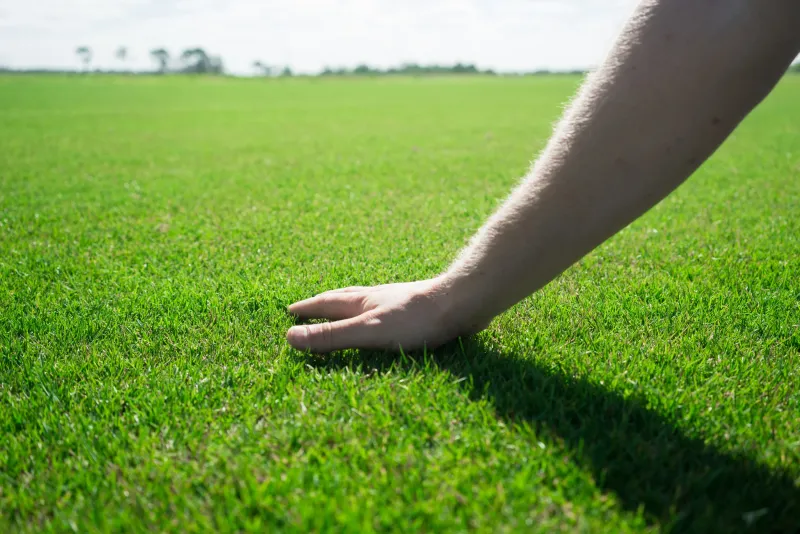
Success with seashore paspalum in a Florida coastal yard is absolutely possible, but it does not happen by accident.
The homeowners who get good results tend to have a few key things working in their favor from the start, and they go in with realistic expectations about what the lawn will ask of them.
Site selection matters more with this grass than with most others.
A yard that gets full sun for the majority of the day, sits in a genuinely coastal location where salt exposure is a real and regular factor, and has soil conditions that can be managed consistently is the kind of site where seashore paspalum has a real shot.
Trying to grow it in a partially shaded inland yard just because the salt tolerance sounds appealing is likely to end in frustration.
Irrigation setup is another factor that separates successful installations from struggling ones. Having a reliable irrigation system that can be adjusted based on seasonal conditions makes a meaningful difference.
Seashore paspalum can tolerate some drought once established, but it still needs consistent moisture during dry periods to stay dense and green.
Properties with access to reclaimed water or slightly brackish irrigation sources may actually find that this grass handles those water sources better than alternatives would.
Soil preparation before planting, proper sod installation, and a clear fertilization plan going into the first growing season all contribute to whether the lawn gets off to a strong start.
Homeowners who treat the setup phase seriously and commit to maintaining that same level of attention tend to end up with a lawn that genuinely delivers on the promise seashore paspalum makes in coastal Florida conditions.
8. Seashore Paspalum Works Best For Homeowners Who Want A Challenge
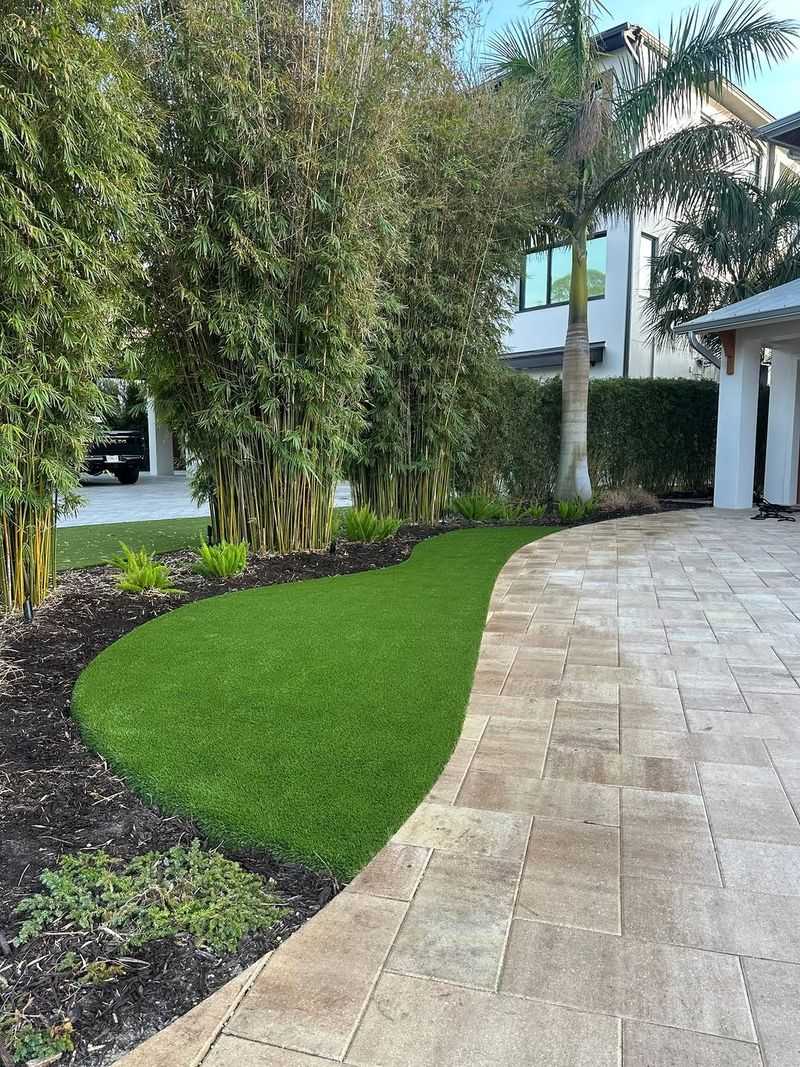
Not every lawn grass is for every homeowner, and seashore paspalum makes that point clearly.
The people who tend to get the most out of this grass share a few common traits: they live in a genuinely coastal location, they enjoy being actively involved in their yard, and they go in knowing that the lawn will need regular attention to stay in top shape.
Someone who wants a lawn that largely takes care of itself between occasional mowing sessions will likely find seashore paspalum more demanding than rewarding.
The same goes for homeowners who have significant shade in their yard, who live in areas of Florida where cold snaps are more than a rare event, or who are working with a limited budget for lawn care inputs.
For those situations, established Florida options like St. Augustine, bahia, or zoysia are more forgiving and more practical choices.
On the other hand, a homeowner on a barrier island or a waterfront lot in South or Central Florida who has dealt with other grasses struggling against salt and poor soils may find that seashore paspalum finally gives them a lawn worth being proud of.
The tradeoff is ongoing effort, but for someone who genuinely enjoys lawn care and wants a grass that performs where others fail, that tradeoff can feel completely worth it.
The grass is not a bad choice. It is just a specific choice that works well for a specific kind of yard and a specific kind of owner.
Going in with that clarity makes all the difference between a success story and a lawn that becomes a source of constant frustration.