What Florida Gardenias Need In April For Fragrant Summer Blooms
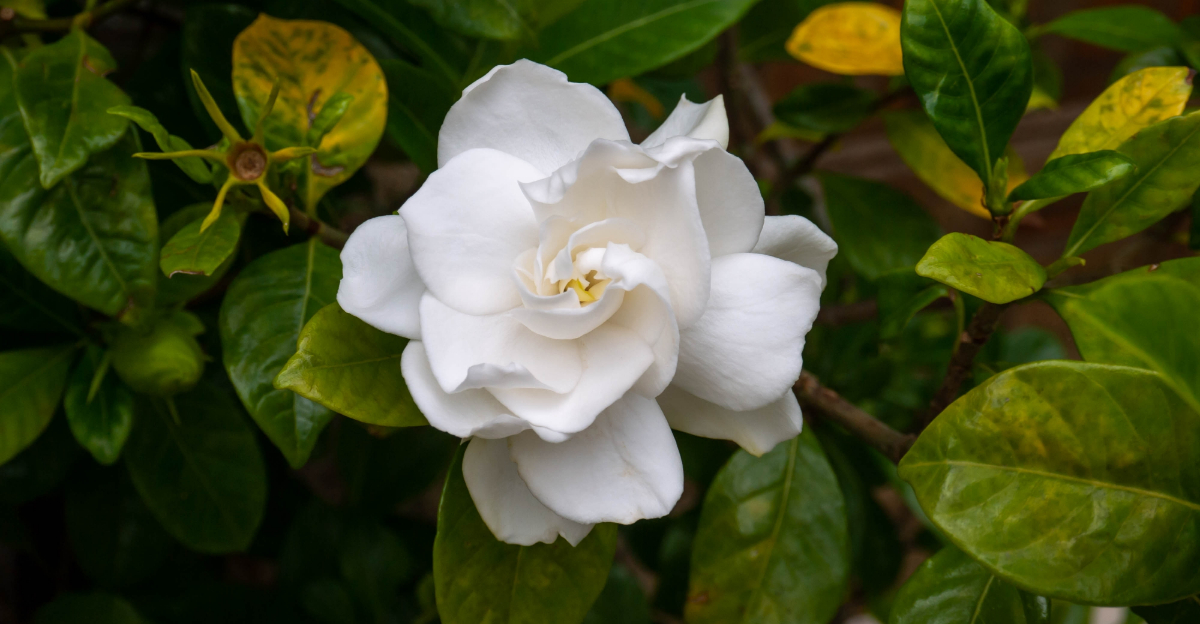
April has a way of making Florida gardeners a little impatient, especially when a gardenia bush is sitting there full of glossy leaves and big summer promise. You water it, you watch it, and you start hoping those sweet blooms will hurry up already.
The truth is, this is the month when gardenias quietly decide how well they are going to perform once the heat really settles in. A few small April habits can shape everything from bud production to leaf color to how strong that fragrance turns out later.
It is not about fussing over the plant every day or turning your yard into a science project. It is about giving gardenias what they actually need right now, before summer puts them to work.
A beautiful bloom season usually starts long before the flowers show up, and April is where that story begins today right there for Florida gardeners.
1. Apply Acid-Forming Fertilizer Early In The Month
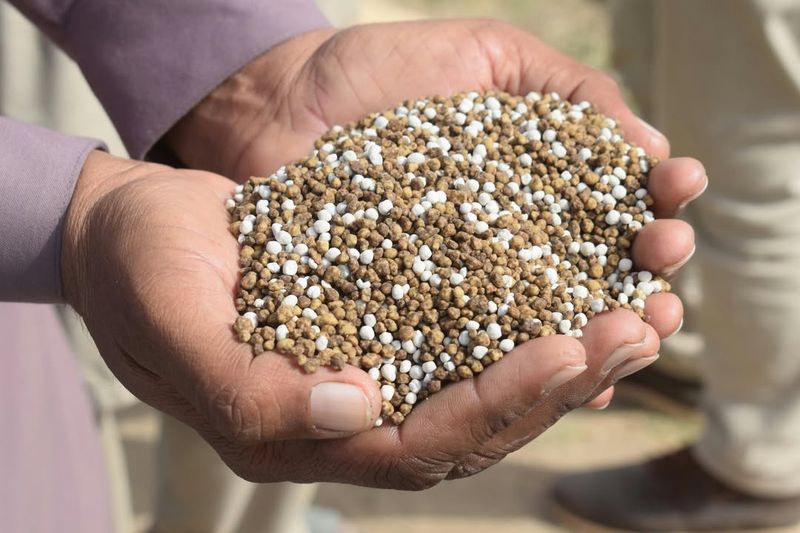
Feeding your gardenias at the start of April is one of the smartest moves you can make for a fragrant summer. Gardenias are heavy feeders, and they love fertilizers made specifically for acid-loving plants.
Look for products labeled for azaleas, camellias, or gardenias at your local Florida garden center.
Apply the fertilizer evenly around the drip line of each plant, which is the outer edge of the branches. Avoid piling it directly against the stem, since that can cause damage.
After spreading it, water the area thoroughly so the nutrients soak into the root zone where they are needed most.
In Florida’s warm climate, gardenias begin pushing out new growth early in spring. That new growth needs fuel, and a well-timed fertilizer application gives the plant energy to develop strong stems, healthy leaves, and plenty of flower buds.
Without enough nutrients, buds may drop before they even open.
Slow-release granular fertilizers work especially well because they feed the plant steadily over several weeks. Avoid over-fertilizing, since too much nitrogen can push leafy growth at the expense of blooms.
Most Florida gardenias do best with fertilizer applications around February or March and again around September or October, with a possible third application in summer if needed.
2. Check Soil pH And Keep It Slightly Acidic
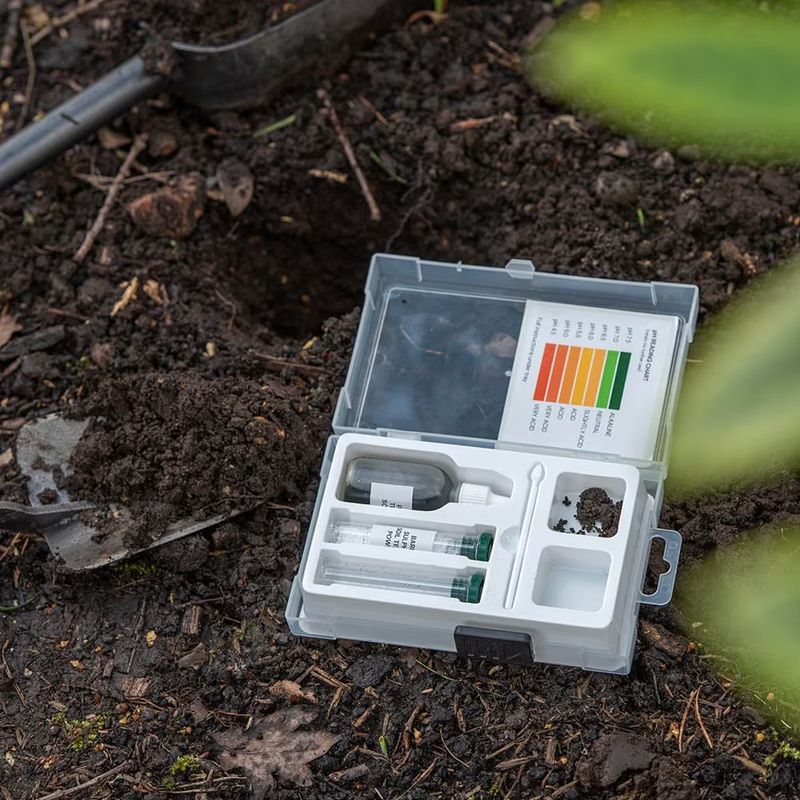
Gardenias are famously fussy about soil chemistry, and pH is the biggest factor most gardeners overlook. For gardenias to absorb nutrients properly, the soil needs to stay between 5.0 and 6.5 on the pH scale.
Anything higher and the plant struggles to take up iron and other minerals, even when they are present in the soil.
Pick up an inexpensive soil test kit from any Florida hardware or garden store and check your beds in early April. Testing takes just a few minutes and gives you a clear picture of what you are working with.
If your reading comes back above 6.5, it is time to make some adjustments before the growing season gets into full swing.
Sulfur is one of the most common amendments used to lower soil pH in Florida gardens. Peat moss and pine bark mulch also help acidify the soil gradually over time.
Your Florida Garden Changes Every Week. Your Plan Should Too.
Gardening in Florida changes quickly throughout the season. Every Friday you’ll receive a simple weekly plan showing exactly what to plant, prune, fertilize, harvest, and protect so you never miss the right timing.
Work these materials into the top few inches of soil and retest after a few weeks to track your progress.
Florida’s sandy soils can be tricky because they drain quickly and may need more frequent amending than denser soils in other parts of the country. Staying on top of pH every spring gives your gardenias the foundation they need to absorb nutrients efficiently and produce those gorgeous, fragrant blooms you are counting on all summer.
3. Water Deeply But Avoid Soggy Soil
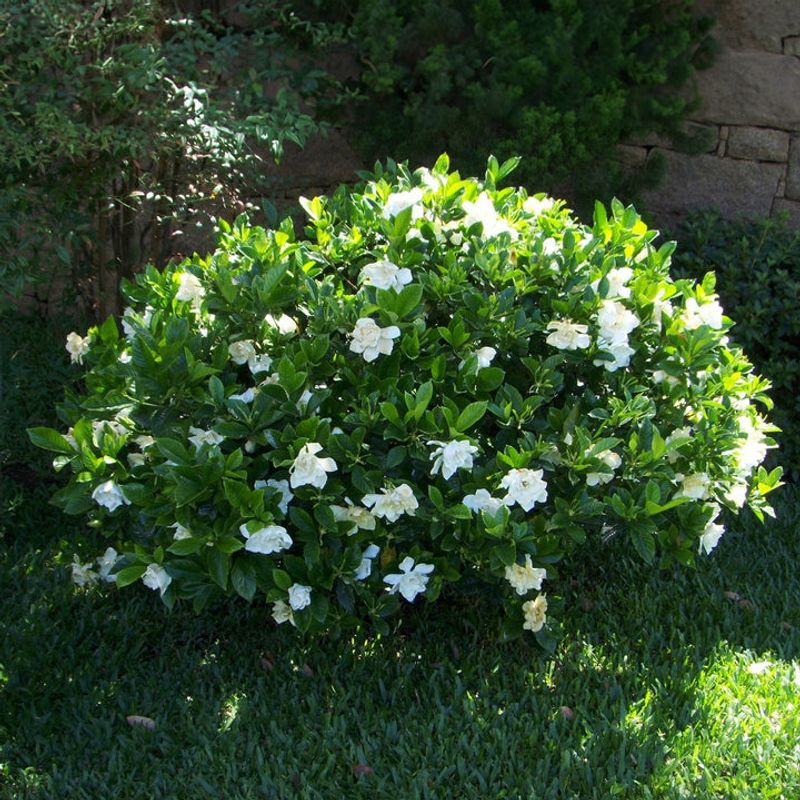
At first glance, it might seem simple, but getting it right is one of the trickier parts of growing gardenias in Florida. These plants want consistent moisture, but they absolutely cannot tolerate standing water around their roots.
Finding that balance is the key to keeping them healthy and bloom-ready through the summer.
In April, Florida temperatures start climbing and the soil can dry out faster than you expect. Water your gardenias deeply once or twice a week, making sure the moisture reaches at least six to eight inches below the surface.
Deep watering encourages roots to grow downward, which makes plants more resilient during dry spells later in the season.
Morning is the best time to water. Watering early gives foliage a chance to dry before evening, which helps prevent fungal problems that are common in Florida’s humid climate.
Avoid wetting the leaves and flowers directly whenever possible, and instead aim the water at the base of the plant.
Stick your finger about two inches into the soil before each watering session. If it still feels damp, wait another day.
If it feels dry, go ahead and water. Overwatering is just as harmful as underwatering for gardenias, so learning to read the soil rather than following a rigid schedule will serve your Florida garden well throughout the growing season.
4. Mulch To Maintain Even Soil Moisture
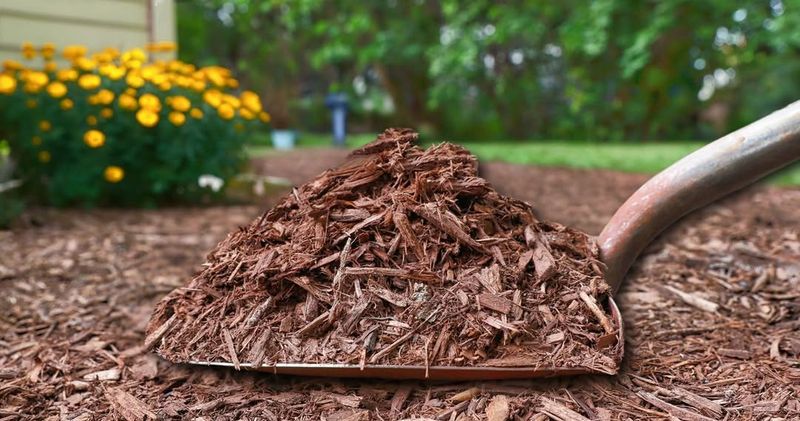
Mulching might be the easiest April task on this list, but it delivers some seriously impressive results. A good layer of organic mulch around your gardenias helps the soil hold onto moisture, keeps roots cooler as Florida temperatures rise, and slowly improves soil acidity as it breaks down over time.
Pine bark, pine straw, or shredded wood chips all work beautifully around gardenias. Spread a two to three inch layer around each plant, starting a few inches away from the main stem and extending out to the drip line.
Piling mulch directly against the trunk can trap moisture and encourage rot, so leave a small gap around the base.
Fresh mulch in April also helps suppress weeds that compete with your gardenias for water and nutrients. Florida’s warm, moist spring conditions are perfect for weed growth, and a solid mulch layer cuts down on the time you spend pulling them by hand.
Less competition means more resources for your plants.
As the mulch breaks down through the summer, it adds organic matter to the soil and contributes to that slightly acidic pH that gardenias love. Plan to replenish your mulch layer once or twice a year to keep it effective.
It is a low-effort step that pays off with healthier, better-blooming gardenias from spring all the way through Florida’s long, warm summer.
5. Provide Morning Sun And Afternoon Shade
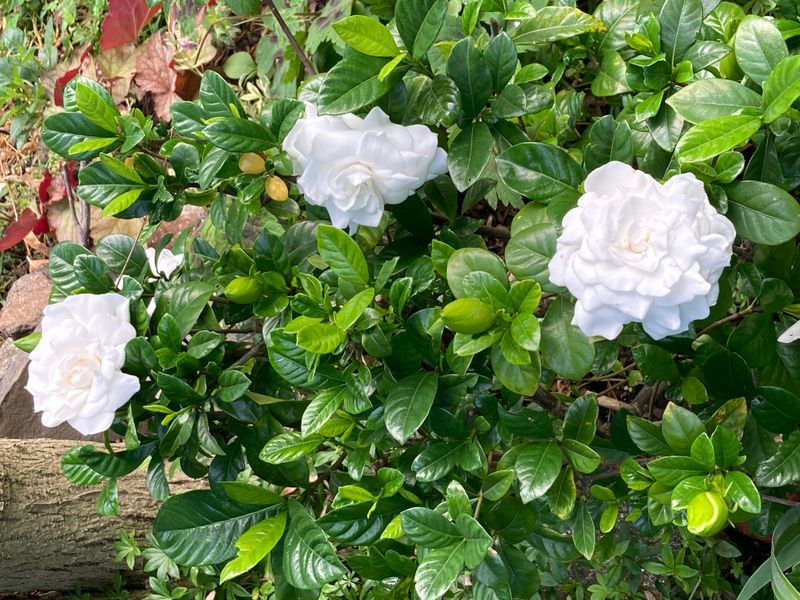
Sunlight placement matters more for gardenias than most gardeners realize. In Florida, intense afternoon sun can stress some gardenias, but these shrubs generally grow best in full sun, partial shade, or shifting shade with good air circulation.
Finding a spot with full sun, partial shade, or shifting shade can work well for gardenias as long as the soil is well-drained and the plants have good air circulation.
Morning sun gives gardenias the bright, direct light they need for photosynthesis and strong growth. It also helps dry off any dew or moisture on the leaves, which reduces the risk of fungal issues.
A few hours of direct light in the morning, followed by filtered or full shade in the afternoon, creates ideal conditions for bud development.
If your gardenias are already planted in a full-sun location and struggling, try adding shade cloth during the hottest part of the day. Shade cloth rated at 30 to 40 percent is widely available at Florida garden centers and can make a noticeable difference in plant health and bloom production.
Planting gardenias on the east side of your home or near a large tree that casts afternoon shade is a long-term solution worth considering for future plantings. The right light exposure in April sets the tone for how well your gardenias handle Florida’s increasingly intense summer heat and whether they reward you with blooms or just green leaves.
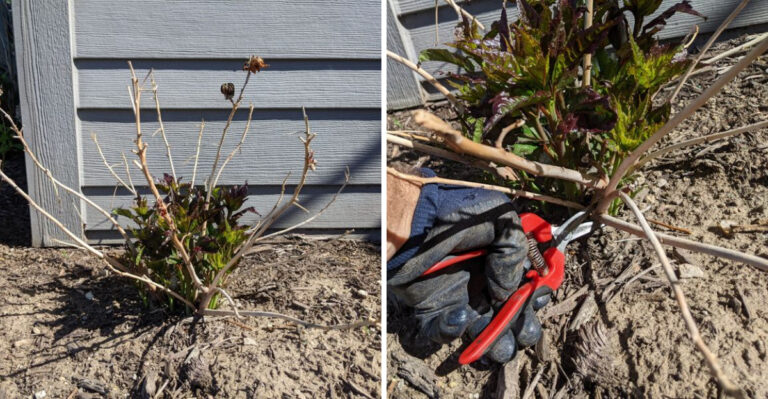
6. Prune Lightly After Early Growth Flush
The wrong pruning timing is one of the most common mistakes Florida gardeners make. Cut too late in the season and you risk removing the very buds that would have become your beautiful summer blooms.
Gardenias are best pruned just after they finish flowering, since pruning too early can remove developing flower buds.
Keep your pruning minimal in April. The goal is not a dramatic reshape but rather a gentle cleanup.
Remove any damaged, crossing, or unhealthy branches first. Then step back and look at the overall shape of the plant before making any additional cuts.
Less is definitely more when it comes to gardenia pruning in spring.
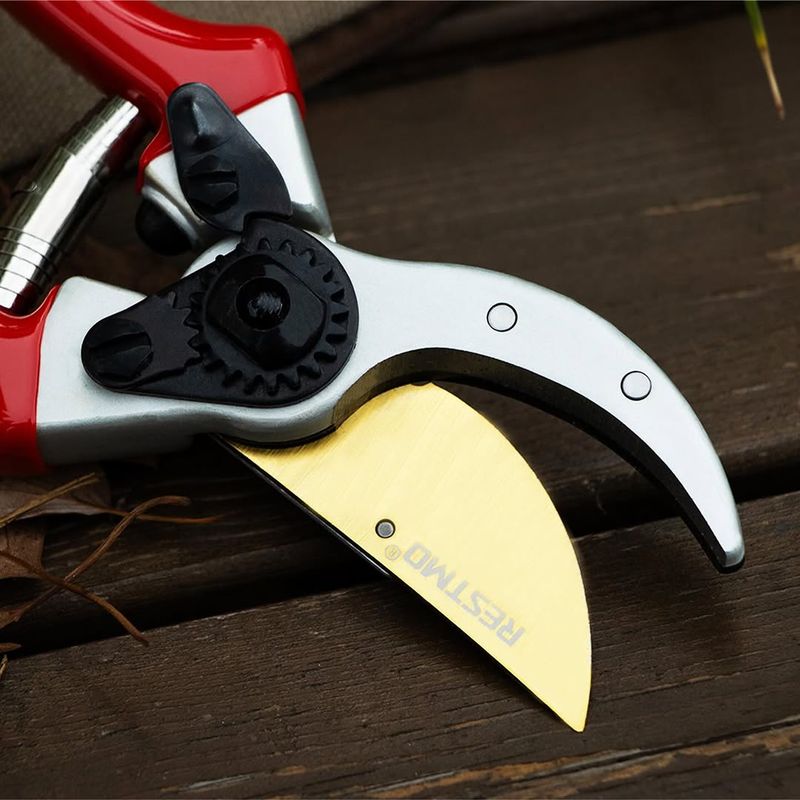
Sharp, clean pruning shears are a must. Dull blades crush stems instead of cutting cleanly, which can leave the plant vulnerable to pests and disease.
Wipe your blades with rubbing alcohol before moving from plant to plant to avoid spreading any potential infections through your Florida garden.
After pruning, the plant will channel its energy into the remaining healthy branches and developing buds. A light trim also improves air circulation inside the shrub, which is especially valuable in Florida’s humid climate where fungal issues can develop quickly.
Think of post-bloom pruning as a light tune-up that helps your gardenias stay tidy and flower well the following season.
7. Watch For Whiteflies And Aphids
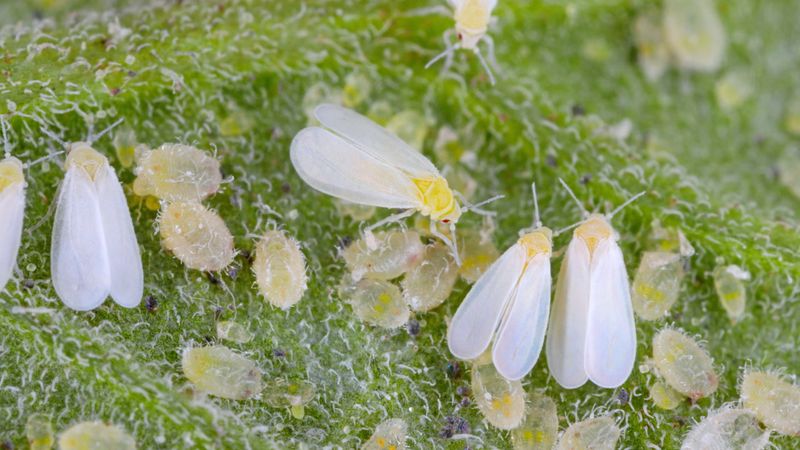
April warmth in Florida wakes up more than just your gardenias. It also signals the start of pest season, and two of the most common troublemakers for gardenias are whiteflies and aphids.
Catching them early makes all the difference between a minor inconvenience and a full-blown infestation that stresses your plants right before bloom season.
Whiteflies look like tiny white moths and tend to cluster on the undersides of leaves. When you brush against an affected plant, they flutter up in a small white cloud.
Aphids are even smaller and come in green, black, or yellow. Both pests suck sap from leaves and stems, weakening the plant and sometimes transmitting disease.
Inspect your gardenias every week in April, focusing on the undersides of leaves where both pests love to hide. A strong spray of water from the hose can dislodge light infestations.
For more stubborn problems, insecticidal soap or neem oil are effective and widely available at Florida garden centers.
Avoid using harsh chemical pesticides during bud development, since these can stress the plant and contribute to bud drop. Sticky yellow traps placed near your gardenias are also helpful for monitoring whitefly populations without harming the plant.
Staying proactive in April means your gardenias head into summer strong, healthy, and ready to produce the fragrant blooms that make them worth every bit of effort.
8. Improve Drainage In Sandy Or Compacted Soil
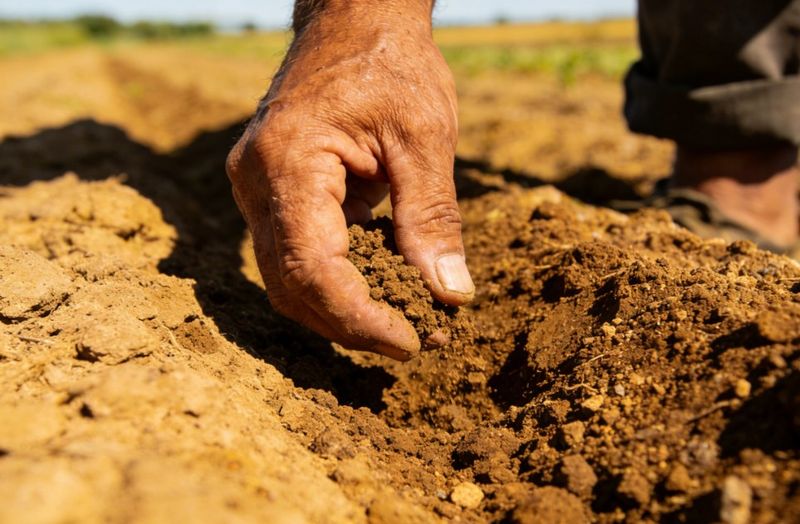
Florida’s soil can be a real challenge for gardenia growers. Much of the state sits on sandy soil that drains so fast it barely holds moisture long enough for roots to absorb it.
On the other end, some areas have compacted or clay-heavy soil that holds water too long and suffocates roots. Either extreme makes it hard for gardenias to thrive.
Improving drainage starts with adding organic matter. Compost, aged pine bark, and peat moss all help sandy soil retain moisture while also loosening compacted ground so water can move through more freely.
Work several inches of organic material into your planting beds each spring to gradually build better soil structure over time.
Raised beds are another excellent option for Florida gardeners dealing with drainage problems. Building a raised bed just eight to twelve inches high gives you complete control over soil composition.
Fill it with a mix of quality garden soil, compost, and pine bark for a growing environment your gardenias will absolutely love.
If you notice water pooling around your gardenias after rain or irrigation, that is a clear sign drainage needs attention before summer arrives. Prolonged wet conditions around the roots can lead to root rot, which shows up as yellowing leaves and wilting even when the soil is moist.
Fixing drainage in April gives your Florida gardenias the stable, well-aerated root environment they need to bloom beautifully all season long.
9. Supplement With Iron If Leaves Yellow
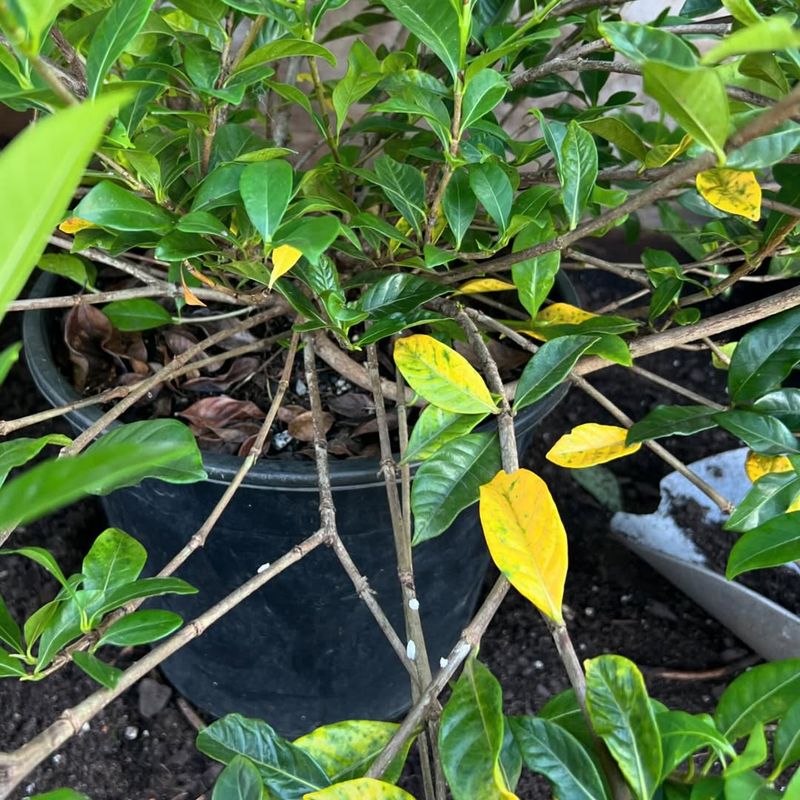
Yellowing leaves on a gardenia can be alarming, but in Florida it is a pretty common sight and often has a straightforward fix. When the leaves turn yellow while the veins stay green, that pattern is called chlorosis, and it usually means the plant is not getting enough iron.
The good news is that iron supplements are easy to apply and work relatively quickly.
Iron chlorosis in Florida gardenias is often caused by soil pH that has crept too high rather than an actual lack of iron in the soil. When pH rises above 6.5, iron becomes chemically unavailable to the plant even if it is present.
That is why fixing the pH and adding iron often go hand in hand for Florida gardeners in April.
Chelated iron is the most effective supplement to use because it stays available to plants across a wider pH range than standard iron sulfate. You can find it in liquid or granular form at most Florida garden centers.
Follow the label directions carefully, since applying too much iron at once can cause its own problems.
Foliar sprays containing chelated iron work especially fast because the plant absorbs the nutrient directly through the leaves. Spray in the morning so the solution dries before the afternoon heat sets in.
Combining a foliar iron treatment with a soil pH correction in April gives yellowing Florida gardenias the best possible chance to green up and bloom beautifully by summer.