8 Native Florida Plants That Replace Grass And Look Better By Next Season
A Florida lawn can turn into a full-time job before you even notice. One week it looks fine, the next it needs mowing again, patching again, watering again.
Then summer rolls in, the heat cranks up, and that green carpet starts looking tired no matter how much effort you throw at it. It is enough to make anyone rethink the whole idea of grass.
More homeowners across Florida are stepping away from that cycle and going for something that actually works with the climate instead of against it.
Native ground covers and low-growing plants settle in, spread naturally, and bring texture, color, and life that a basic lawn never quite delivers.
The best part shows up over time. What starts as a simple swap begins to fill in, soften the space, and look more intentional with each passing month until your yard feels like it finally makes sense.
1. Sunshine Mimosa Makes A Great Alternative For Sunny Low Traffic Spaces
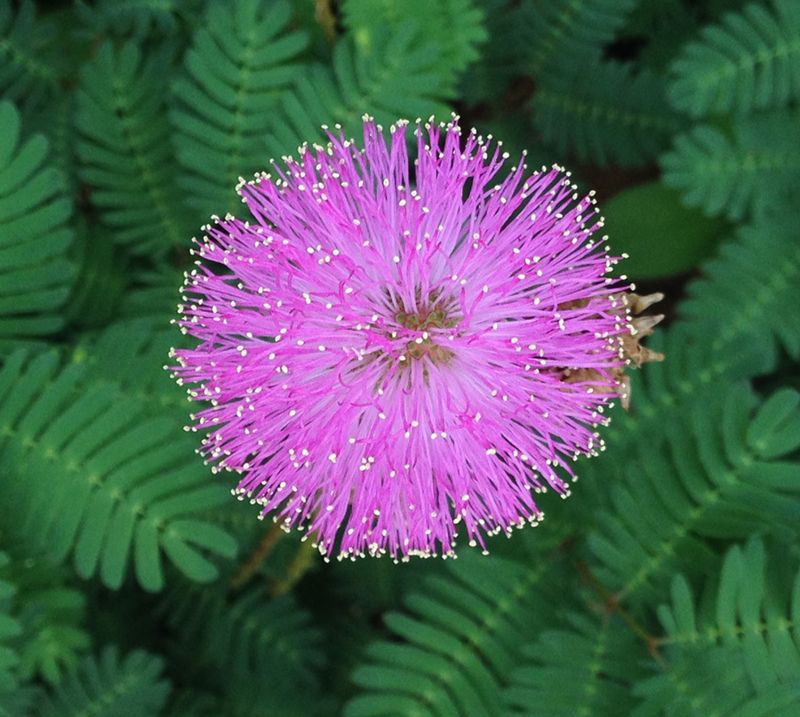
Picture a carpet of soft, feathery leaves dotted with fluffy pink blooms spreading across an open, sunny patch of ground where turfgrass looked thin and tired all summer. That is exactly what sunshine mimosa can do in the right spot.
This low-growing native groundcover has a cheerful, almost playful appearance that makes any open area feel more alive and intentional than a struggling lawn ever could.
Sunshine mimosa grows best in full sun to partial sun and stays relatively low to the ground, typically just a few inches tall. It spreads by runners, filling in gaps over time and creating a dense mat that looks lush without any mowing.
The pink powder-puff flowers bloom from spring through summer and attract native bees, which is a genuine bonus for any pollinator-friendly yard.
One thing worth knowing upfront is that this plant handles light foot traffic reasonably well, which sets it apart from many other native groundcovers. That said, it is not meant for active play areas or high-traffic walkways.
It fits best in open, decorative spaces where people stroll occasionally rather than run or stomp regularly.
Sunshine mimosa also serves as a larval host plant for the little sulphur butterfly, so planting it adds ecological value beyond just looks. It performs especially well in sandy, well-drained soils and does not need fertilizing or heavy watering once it settles in.
For a sunny, low-traffic space that needs a softer, more natural look, this one genuinely delivers results.
2. Frogfruit Fits Florida Yards That Stay Fairly Moist
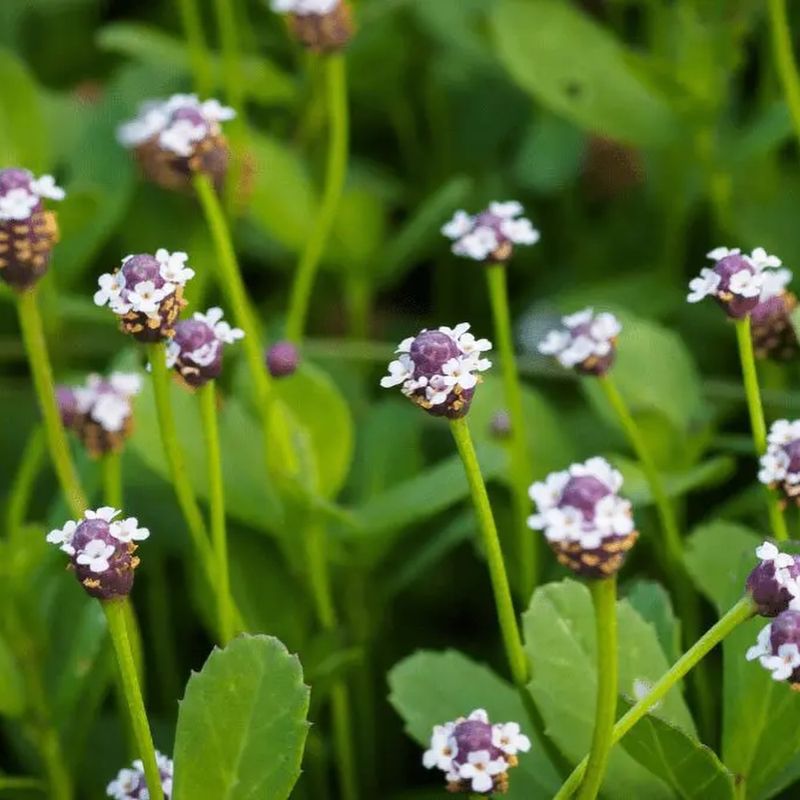
Some yards have areas that never fully dry out, shady corners near downspouts, low spots after rain, or sections under trees where the soil just stays damp. Frogfruit was practically made for those kinds of spaces.
This native groundcover spreads into a dense, low mat that looks relaxed and natural rather than stiff or manicured, and it genuinely thrives where moisture levels stay more consistent rather than swinging from wet to bone-dry.
Frogfruit handles partial shade to full sun, which gives it flexibility across different yard conditions. The tiny white and lavender flowers are small but plentiful, and they attract butterflies including the endangered Phaon crescent, which uses frogfruit as a host plant.
Your Florida Garden Changes Every Week. Your Plan Should Too.
Gardening in Florida changes quickly throughout the season. Every Friday you’ll receive a simple weekly plan showing exactly what to plant, prune, fertilize, harvest, and protect so you never miss the right timing.
That ecological connection alone makes it worth considering for any homeowner who wants to support local wildlife while cutting back on lawn maintenance.
What makes frogfruit a realistic option rather than an oversold one is being honest about its moisture needs. It does not hold up well in spots that stay hot and dry for weeks at a time.
Yards or sections of yards that tend to stay fairly moist between rain events are where it performs most reliably. Pushing it into a dry, sandy, baking-hot location will lead to disappointment.
The overall look it creates is loose and cottage-garden-friendly rather than formal, which suits a lot of Florida yards beautifully. It spreads on its own, fills in steadily, and requires very little input once it gets going.
For a relaxed, natural-looking alternative in the right moisture conditions, frogfruit earns its place on any shortlist.
3. Railroad Vine Is Made For Coastal Florida Conditions
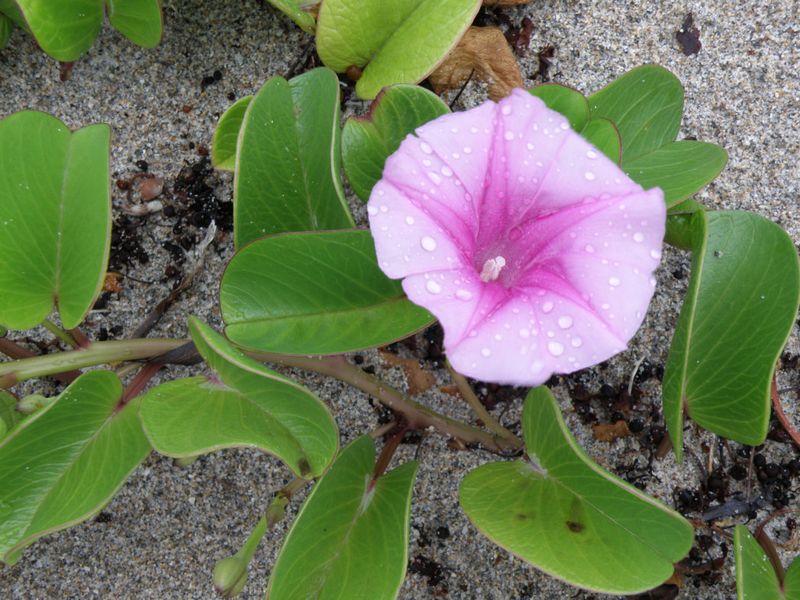
Walk along almost any undeveloped Florida beach and you will eventually spot a thick, sprawling vine running across the sand with big, showy purple-pink blooms that look almost too tropical to be real.
That is railroad vine, and it is one of the clearest examples in Florida of a native plant that does not just survive in a tough spot but genuinely dominates it.
Sandy soil, salt spray, intense heat, and coastal wind are not problems for this plant. They are its preferred address.
Railroad vine spreads aggressively across open sandy ground, which is exactly what you want in a coastal landscape where turf simply cannot get a foothold.
Its large, leathery leaves and deep root system help stabilize sandy soil against erosion, making it genuinely useful beyond just its appearance.
The morning-glory-style flowers open in the morning and close by afternoon, giving coastal yards a burst of color on a regular basis throughout the warmer months.
This plant makes the most sense in coastal Florida settings rather than typical inland lawns. Transplanting it into a shady, clay-heavy, or consistently wet inland yard would be setting it up to underperform.
Its whole profile is built around open, sandy, salt-exposed conditions near the coast, and that is where it truly outperforms regular turfgrass by a wide margin.
For homeowners with beachfront or near-coastal properties who are tired of watching sod struggle in sandy soil, railroad vine offers a native, low-input solution that actually looks striking. It is not a traditional lawn substitute, but in the right coastal setting, it is hard to beat.
4. Beach Sunflower Shines In Hot Sunny Coastal Yards
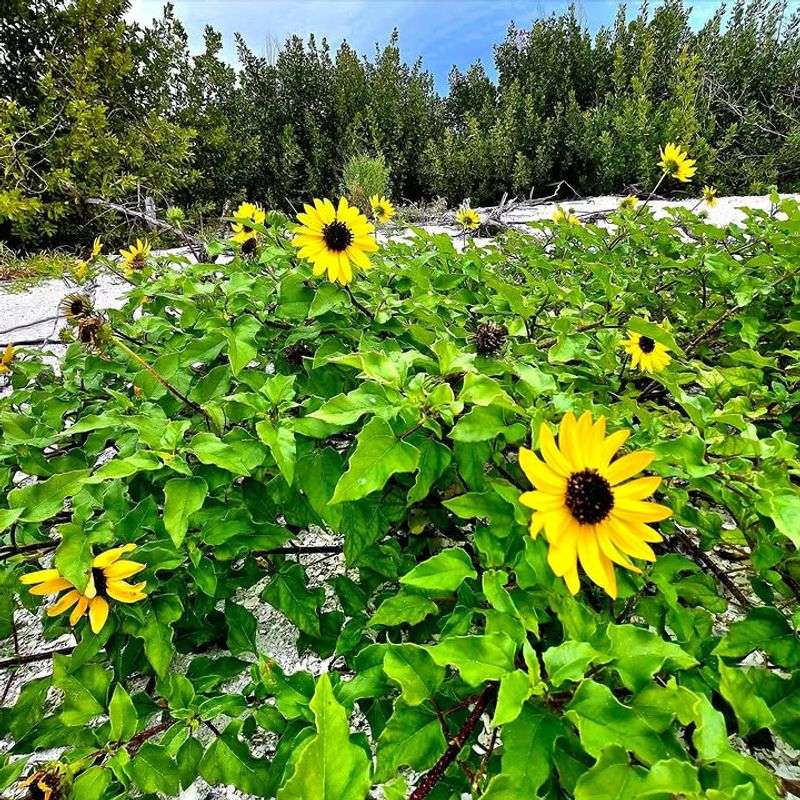
There is something genuinely cheerful about a yard full of bright yellow blooms swaying in a sea breeze, and beach sunflower delivers that look with almost no effort on your part.
Unlike railroad vine, which is all about groundcover and soil stabilization, beach sunflower brings serious ornamental energy to a coastal yard.
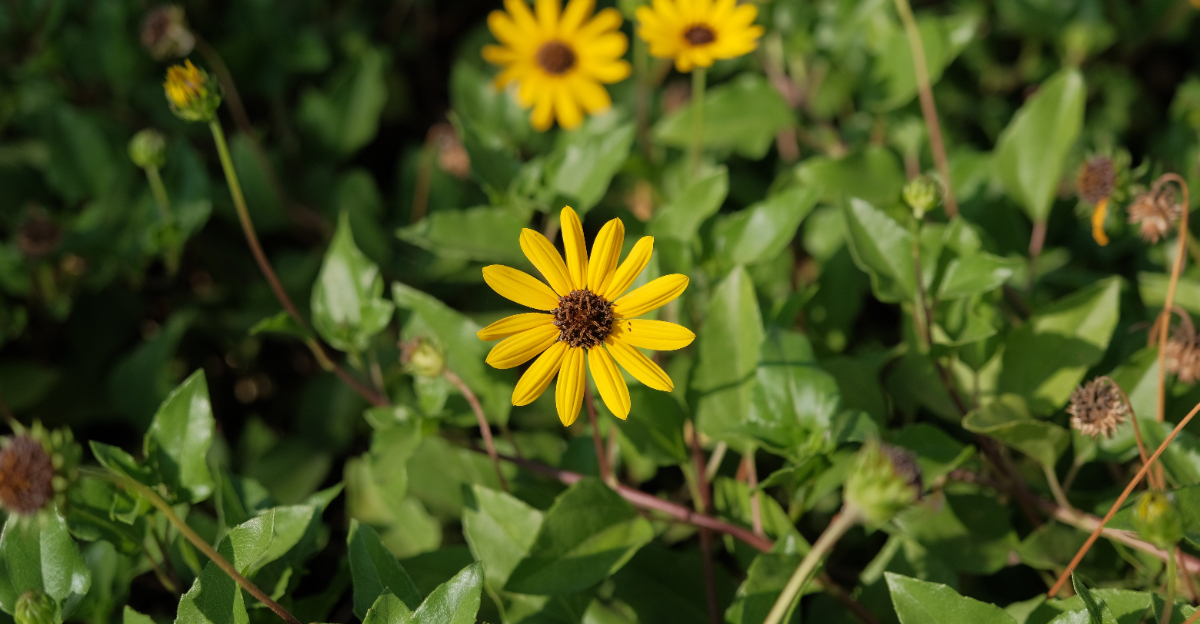
The sunny yellow flowers with dark centers bloom prolifically and give open, exposed spaces a warm, almost festive character that turf simply cannot match.
Beach sunflower is native to coastal and well-drained areas of Florida and thrives in full sun with sandy, nutrient-poor soil. Heat does not slow it down, salt air does not bother it, and once it gets established, it needs very little water.
It spreads by reseeding and by sprawling stems that root as they go, gradually filling in open ground and creating a loose, golden carpet effect across a sunny yard or garden bed.
The plant stays relatively low, usually under two feet tall, which keeps it looking like a groundcover rather than a shrub. It works especially well along fences, in front of taller plantings, or across open areas where you want color without height.
Butterflies and bees visit the flowers regularly, which adds movement and life to the yard in a way that a plain grass lawn never does.
What separates beach sunflower from railroad vine in practical terms is its more ornamental, garden-friendly appeal. It suits hot, sandy, coastal yards where homeowners want something that looks planted and intentional rather than purely functional.
It is one of the easiest ways to get a bright, polished coastal yard without fighting the conditions.
5. Gopher Apple Works Best In Dry Sandy Coastal Spots
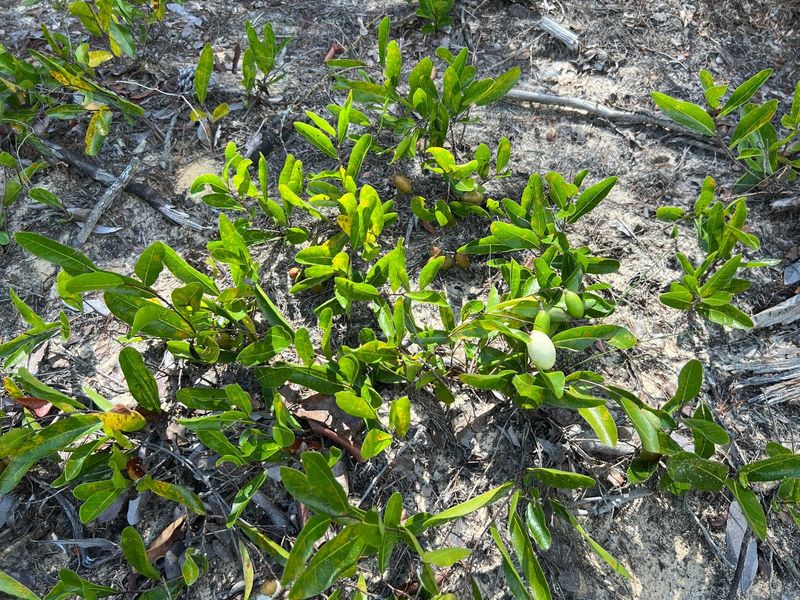
Sandy, dry, sun-baked ground near the coast is one of the toughest environments for any lawn, and most homeowners in those spots know the frustration of watching sod slowly give up.
Gopher apple is a native groundcover that actually belongs in that kind of punishing landscape.
It is a tough, low-growing shrub that spreads into a dense mat over time and handles the dry, infertile, sandy conditions that send turfgrass into a slow decline.
The plant grows only a few inches tall and spreads underground through an extensive root system, which is part of why it holds up so well in dry, sandy sites.
That same root system makes it remarkably drought-tolerant once it gets established, though patience is required during the establishment period since it is a slow spreader.
Expecting a quick, full coverage in a single season is not realistic, but the long-term payoff in the right location is genuinely worth it.
Gopher apple also provides ecological value that goes beyond its appearance. The small white flowers attract pollinators, and the fruit it produces is an important food source for gopher tortoises and other Florida wildlife.
Planting it in a suitable spot supports a broader ecosystem in a quiet but meaningful way.
This plant is not a universal lawn substitute, and it should not be treated as one. It makes the most sense in dry, sandy, low-traffic areas near the coast where maintaining traditional turf is genuinely impractical.
In those specific spots, gopher apple is a grounded, realistic, and ecologically smart choice that earns its place in the landscape.
6. Partridgeberry Suits Quiet Shaded Areas In North And Central Florida
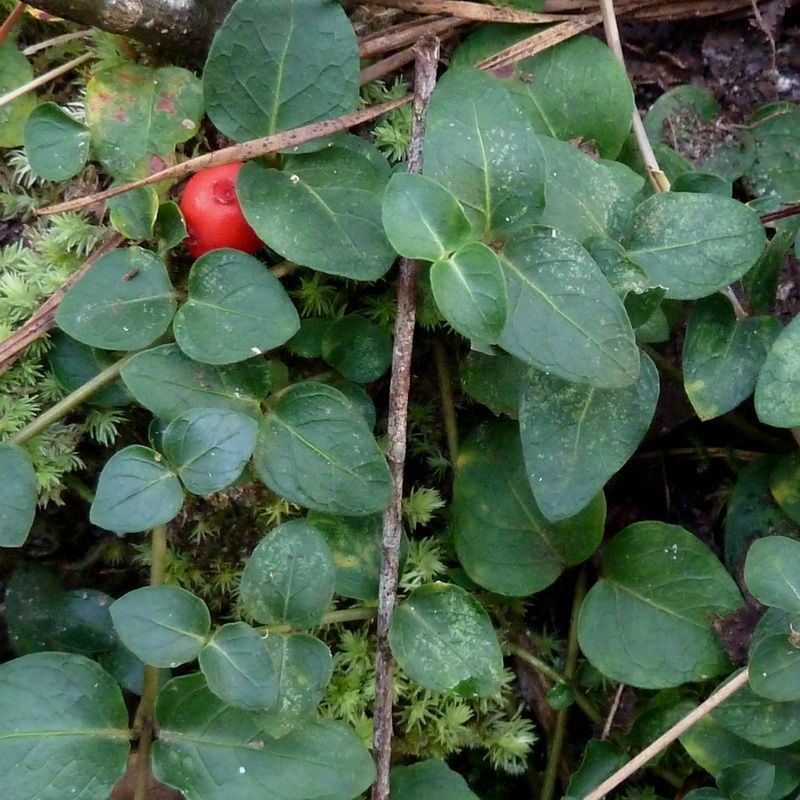
Under the canopy of tall oaks or pines, grass often thins out, turns yellow, and eventually gives up entirely. That shaded, quiet corner of the yard is exactly where partridgeberry feels at home.
This delicate, trailing native plant hugs the ground and fills in slowly beneath trees and along woodland edges, bringing genuine greenery to spots where turf simply cannot compete with the shade.
Partridgeberry is best suited to partial to full shade in North and Central Florida. It is not a plant for the sunny open lawn or for South Florida conditions, and being clear about that upfront matters.
Pushing it into the wrong environment will lead to frustration. But in the right shaded setting in the northern and central parts of the state, it creates a soft, naturalistic ground layer that looks far more intentional than bare soil or thin, struggling grass.
The tiny paired white flowers that appear in spring are subtle but genuinely pretty, and the small red berries that follow through the cooler months add seasonal color to a part of the yard that often goes overlooked.
Birds including thrushes and wild turkeys feed on the berries, giving the shaded corner of your yard some unexpected wildlife activity during winter.
Growth is slow and steady rather than aggressive, which means partridgeberry is not going to overwhelm other plants or become a maintenance headache. It layers beautifully beneath ferns, native shrubs, or the base of large trees.
For a quiet, shaded space in North or Central Florida that needs something living and low-maintenance instead of bare mulch, partridgeberry is a thoughtful and rewarding choice.
7. Twinflower Works Best In Partly Shaded Warm Florida Gardens
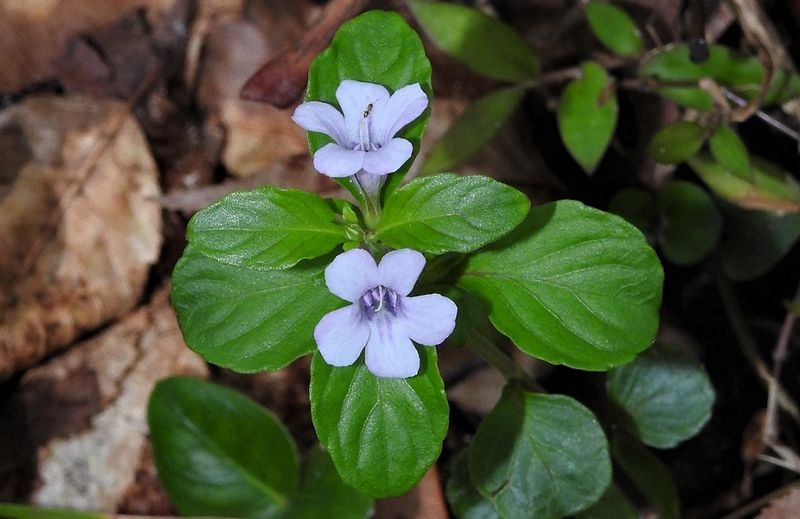
Shaded garden beds in Florida often end up looking like afterthoughts, covered in plain mulch because finding a groundcover that actually thrives without direct sun feels nearly impossible. Twinflower quietly solves that problem.
This Florida native spreads into a dense, low-growing carpet and produces small lavender-purple blooms that bring a soft, pretty color to corners of the garden that typically get ignored.
Twinflower performs best in partly shaded conditions with reasonably well-drained soil in warm Florida gardens. It stays green year-round in Florida’s mild climate, which means garden beds covered with it look full and tended even in the middle of winter when other plants go quiet.
That evergreen quality is genuinely useful for homeowners who want the garden to look maintained without putting in much work between seasons.
The flowers are small but appear reliably and attract native pollinators, adding ecological value to what might otherwise be a purely decorative planting.
The dense mat it forms also helps suppress weeds over time, which reduces the need for regular mulching or hand-pulling in garden beds.
That weed-suppressing quality alone makes it a practical choice for anyone trying to cut back on yard maintenance.
Twinflower is not the answer for every yard problem. It does not belong in a sunny, open lawn area or in a spot with consistently wet, heavy soil.
Its sweet spot is the partly shaded, warm garden bed with decent drainage, and in that specific setting it is one of the more underrated native groundcovers available to Florida gardeners.
Giving it the right conditions means getting a genuinely rewarding result.
8. Swamp Fern Helps Replace Thin Grass In Moist Shady Spots
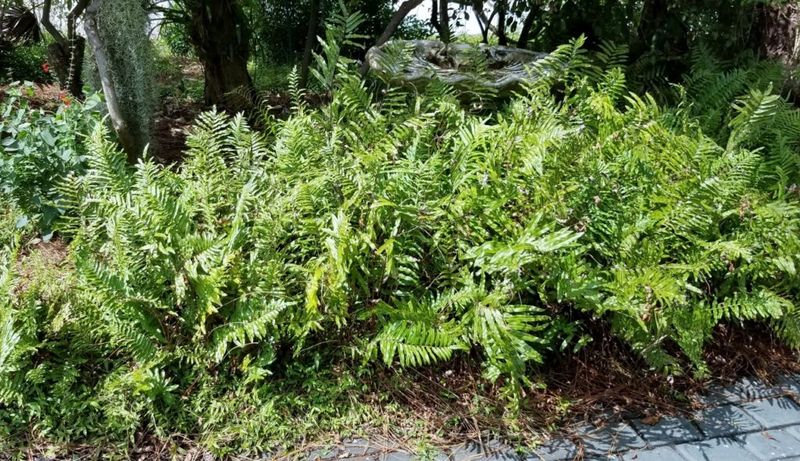
Some spots in a Florida yard are genuinely difficult to work with, consistently wet, deeply shaded, and completely hostile to any kind of turf. Rather than fighting those conditions with sod that will inevitably thin out and look miserable, swamp fern offers a native solution that leans into what the spot already is.
It does not pretend to look like a lawn, and that honesty is exactly what makes it the right call in those challenging areas.
Swamp fern is a robust, native fern that thrives in moist to wet, shady conditions across much of Florida.
It spreads through underground rhizomes and can form broad, lush colonies of dark green fronds that look full and healthy in the kind of perpetually damp, low-light spots where turfgrass slowly fades away.
The visual effect is naturalistic and almost tropical, which suits Florida’s landscape character beautifully.
The fronds grow upright and reach a noticeable height, making this plant feel more like a living landscape feature than a flat groundcover. It works well near ponds, drainage areas, the base of large trees with heavy canopy, or any low spot that collects water after rain.
Those are precisely the situations where homeowners tend to give up on grass and leave bare, muddy ground instead.
Swamp fern is not a turf lookalike, and it should not be marketed as one. Readers who want something that mimics a traditional lawn will need to look elsewhere.
But for a moist, shady problem area that needs a native, low-maintenance, genuinely attractive solution, swamp fern transforms a frustrating patch of ground into something that looks purposeful and naturally beautiful.