10 Exotic Fruit Trees California Gardeners Are Successfully Growing In Their Backyards
There is something especially fun about stepping into a California backyard and spotting a fruit tree you would never expect to see outside a tropical vacation photo. That little surprise factor is part of the appeal.
Gardeners across the state are pushing past the usual lemons, oranges, and peaches, making room for more unusual trees that feel a little bold, a little beautiful, and incredibly rewarding when they actually produce.
And in many parts of California, that dream is not nearly as far-fetched as it sounds. Mild winters, warm summers, and pockets of ideal growing conditions have opened the door to all kinds of exotic fruit trees that can thrive with the right placement and care.
Some are grown for their striking looks as much as their fruit. Others win people over the moment they realize a backyard harvest is actually possible.
Either way, these trees bring a whole different kind of excitement to the garden, and they tend to spark curiosity the second someone sees them.
1. Cherimoya
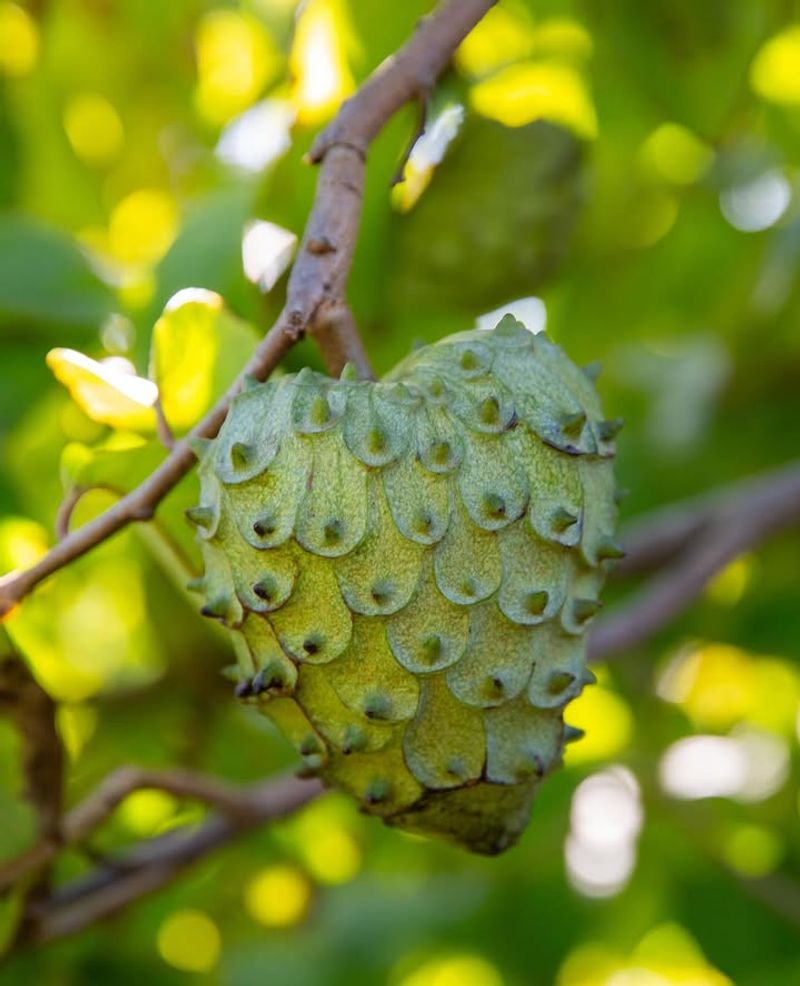
Mark Twain once called cherimoya “the most delicious fruit known to men,” and California gardeners are proving him right every season. This creamy, custard-like fruit has a flavor that blends banana, peach, and vanilla all into one bite.
It is hard to believe something this good grows in a backyard.
Cherimoya trees are small to medium-sized and do well in USDA hardiness zone 10, which covers a big portion of coastal California. They prefer mild temperatures and do not love extreme heat or frost.
Planting them near a south-facing wall can help protect them from cold snaps.
One important tip for California growers is hand-pollination. The tree’s natural pollinators are not common in California, so you may need to transfer pollen by hand using a small paintbrush.
It sounds like extra work, but the reward is absolutely worth it. Trees can start producing fruit within two years of planting.
Give them well-drained soil, regular watering, and some patience, and you will have a truly special harvest to look forward to each year.
2. Pineapple Guava
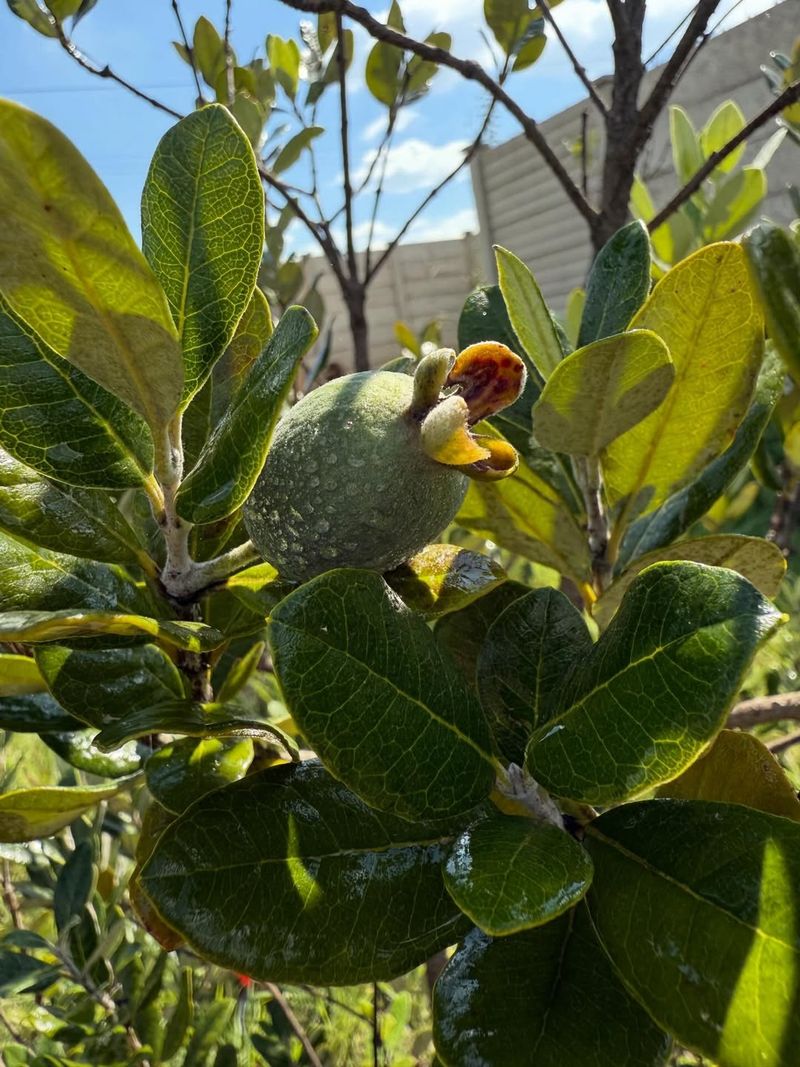
Not many fruit trees look good enough to be a landscape shrub and still produce tasty fruit, but pineapple guava does both. Also called Feijoa, this tough little tree is one of the most underrated choices for California gardens.
Its flowers are edible too, with a sweet, tropical flavor that is great in salads.
Pineapple guava handles cold better than most exotic fruit trees, tolerating temperatures down to about 15 degrees Fahrenheit. That makes it a solid option for gardeners in Northern California and higher elevation areas where other tropical trees would struggle.
It is also drought-tolerant once established, which is a big plus in a state that values water conservation.
The fruit itself tastes like a mix of guava, pineapple, and mint, which sounds unusual but is genuinely delicious. Fruits ripen in fall and drop to the ground when ready, so keep an eye on the ground beneath the tree.
Growing pineapple guava in California is straightforward. It needs full sun, good drainage, and minimal fuss.
Your California Garden Changes Every Week. Your Plan Should Too.
Gardening in California changes quickly throughout the season. Every Friday you’ll receive a simple weekly plan showing exactly what to plant, prune, fertilize, harvest, and protect so you never miss the right timing.
Whether you use it as a hedge, a standalone tree, or a container plant on a patio, it earns its spot every single time.
3. White Sapote
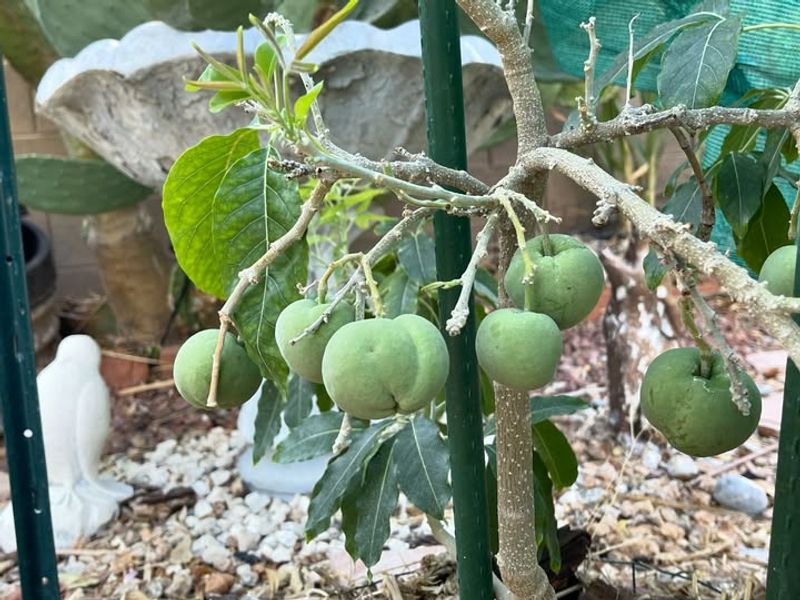
Smooth, creamy, and sweet with a flavor similar to peach and vanilla custard, white sapote is one of those fruits that makes people stop and ask, “What is this?” It is not widely known outside of California and Mexico, but backyard growers in Southern California have been quietly enjoying it for decades.
White sapote trees grow quickly and can get quite large, so giving them plenty of space is a good idea. They thrive in warm, frost-free areas and do especially well in the inland valleys and coastal regions of Southern California.
Some varieties are more cold-tolerant than others, so checking with a local California nursery before buying is always smart.
Fruits ripen from summer through fall depending on the variety, and a single mature tree can produce an impressive amount of fruit. The challenge is that the fruit bruises easily and does not ship well, which is exactly why you almost never see it in stores.
That makes growing your own even more rewarding. White sapote is a true backyard treasure in California, offering something genuinely special that neighbors will definitely want to try once they see it on your tree.
4. Loquat
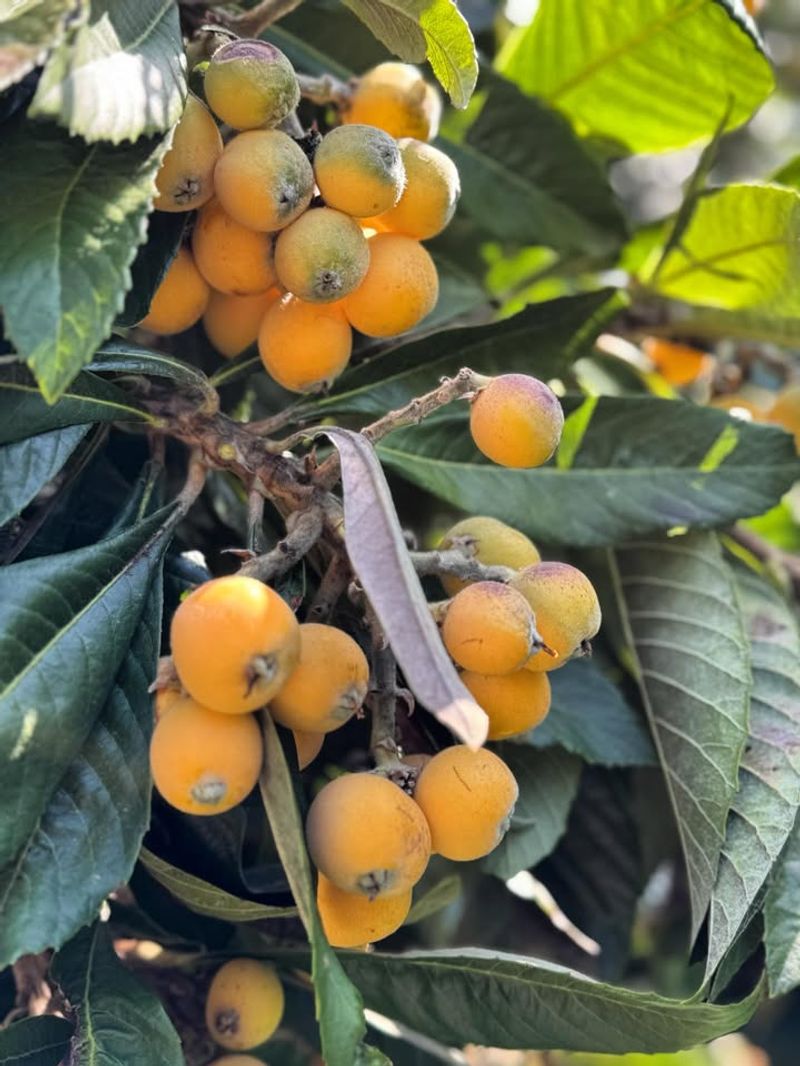
Walk through many older California neighborhoods in spring and you will spot clusters of small orange-yellow fruits hanging from broad, glossy-leafed trees. That is the loquat, and it has been thriving in California gardens for well over a century.
It is one of the most reliable exotic fruit trees you can plant here.
Loquat trees are evergreen, drought-tolerant, and adaptable to a wide range of soil types. They do not need much fuss once established.
The fruits ripen in late winter through early spring, which is actually a great time to have fresh fruit when most other trees are not producing anything yet. The flavor is sweet and slightly tart, similar to a cross between peach and mango.
One of the best things about loquat trees in California is how low-maintenance they are. They handle coastal fog, mild frost, and occasional dry spells without much complaint.
Birds do love the fruit, so netting the tree near harvest time is a practical move. Loquats are also beautiful ornamental trees with large, textured leaves that add a tropical look to any yard.
For beginner gardeners in California looking for their first exotic fruit tree, loquat is honestly one of the best places to start.
5. Atemoya
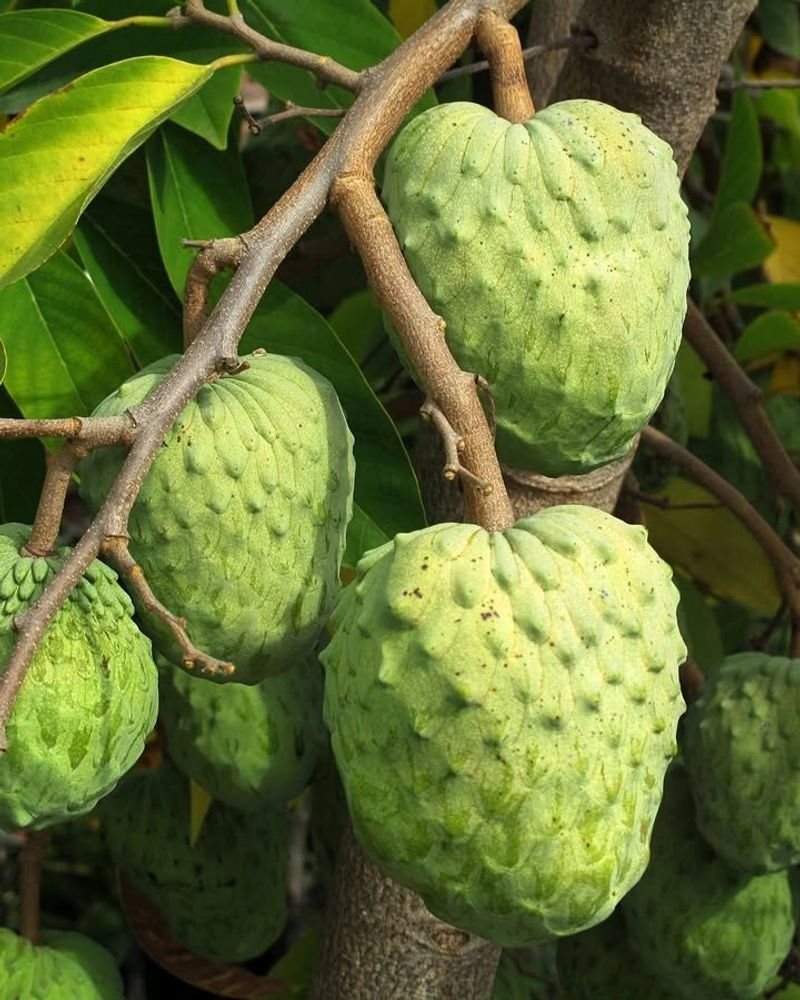
Imagine crossing a cherimoya with a sugar apple and you get atemoya, a tropical fruit that is winning fans among adventurous California gardeners. The result is a fruit with a smooth, creamy interior that tastes like a tropical dessert straight from the tree.
It is sweet, fragrant, and genuinely hard to describe until you taste it.
Atemoya trees love heat and sunshine, making them a great fit for Southern California’s warmer inland areas and desert-edge regions. They are slightly more heat-tolerant than cherimoya, which gives them an edge in hotter parts of the state.
Like cherimoya, they benefit from hand-pollination in California since natural pollinators for these trees are rare here.
Trees typically begin producing fruit within three to four years of planting. They prefer well-drained, slightly acidic soil and regular deep watering during the growing season.
Mulching around the base helps retain moisture and keeps roots cool during hot California summers. Atemoya is still considered a specialty crop in the state, so finding one at a local California rare fruit nursery or plant sale is part of the fun.
Once you taste the fruit from your own tree, you will understand why growers are so enthusiastic about this unique tropical gem.
6. Guava
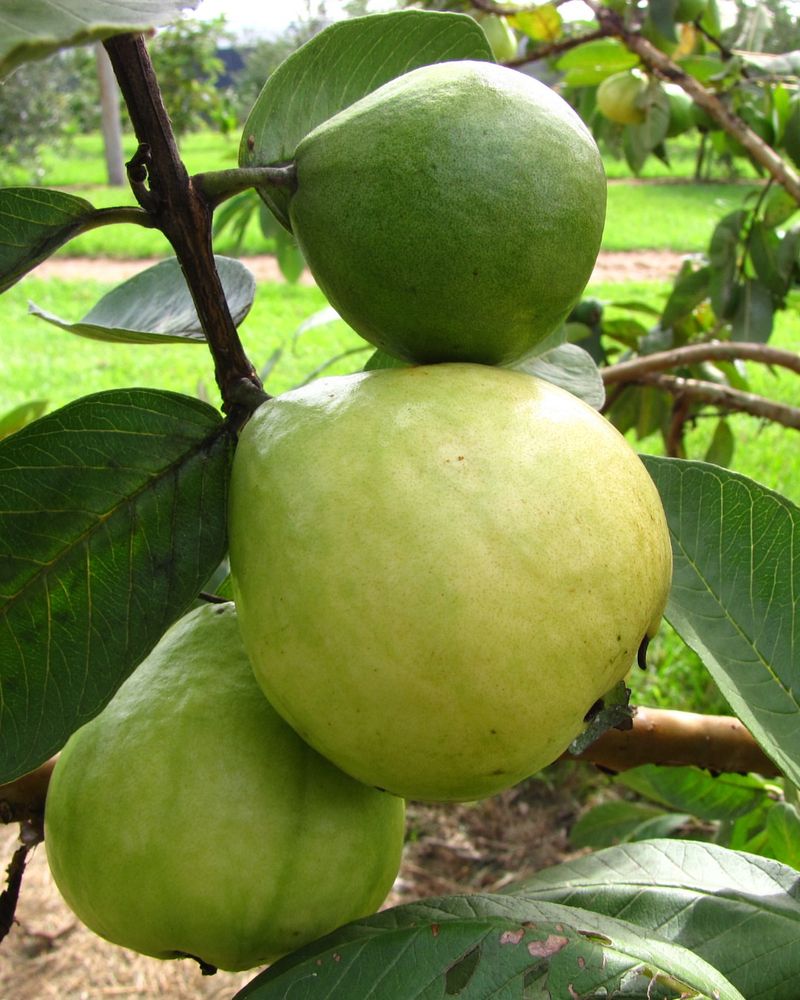
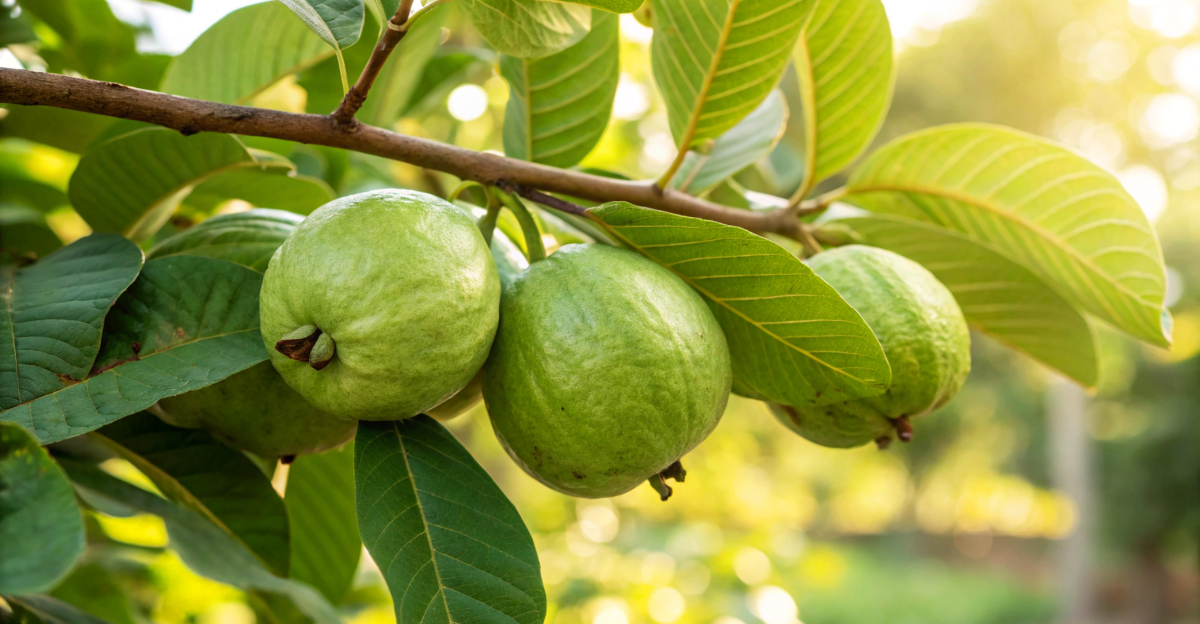
Few fruit trees deliver as much flavor per square foot as guava. The aroma alone, sweet and tropical with a slight musky edge, is enough to make a California backyard feel like a warm island getaway.
Guava trees are fast growers and can start producing fruit in as little as two to three years from planting.
In California, guava grows best in warm, frost-protected areas like the San Fernando Valley, San Diego County, and the warmer parts of the Bay Area. Tropical guava varieties prefer full sun and well-drained soil.
They are somewhat drought-tolerant but produce better fruit with consistent watering during the growing season.
There are several varieties worth trying in California. Strawberry guava is a popular choice for its compact size and sweet, berry-like fruits.
Tropical pink guava produces larger fruits with fragrant pink flesh that is excellent fresh or made into juice and jam. Guava trees also make attractive landscape plants with their smooth, peeling bark and glossy leaves.
Protect young trees from frost with frost cloth during their first few winters in California. Once they are established and growing strong, they are remarkably tough and productive, rewarding you with wave after wave of fragrant, flavorful fruit each season.
7. Mango
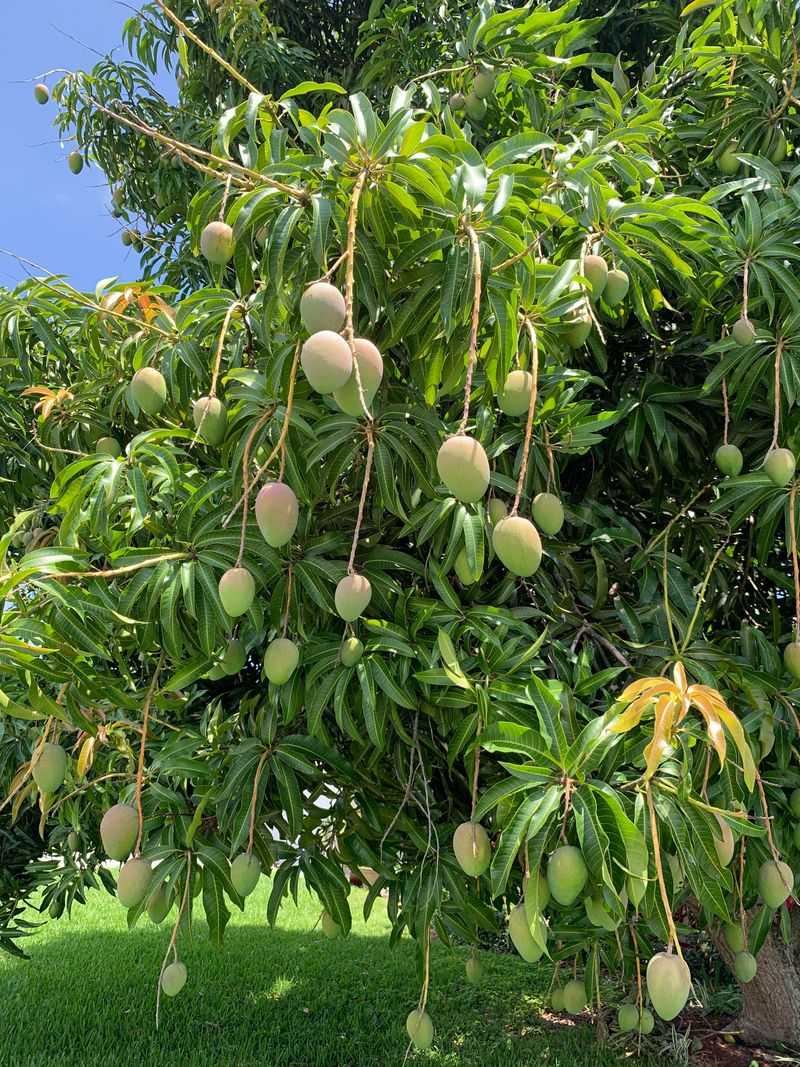
Growing a mango tree in your California backyard sounds ambitious, but thousands of Southern California gardeners are already doing it successfully. The key is choosing the right variety and the right spot.
Dwarf and semi-dwarf varieties like Carrie, Nam Doc Mai, and Ice Cream mango do especially well in warm, sheltered California yards.
Mango trees need heat, sunshine, and protection from frost. The warmest parts of Southern California, including areas around Los Angeles, San Diego, and the Inland Empire, offer conditions close enough to tropical for mangos to thrive.
Planting near a south-facing wall or fence adds extra warmth and wind protection that can make a real difference.
Watering deeply but infrequently encourages strong root growth. Mangos actually benefit from a dry period in late winter, which helps trigger flowering.
Fertilizing with a balanced fruit tree fertilizer a few times a year keeps the tree healthy and productive. The reward for all this care is extraordinary.
Homegrown California mangos are juicier, richer, and more flavorful than anything you will find at a grocery store. Harvesting a ripe mango from your own tree on a warm California afternoon is one of those small joys that makes backyard gardening completely worth the effort.
8. Longan
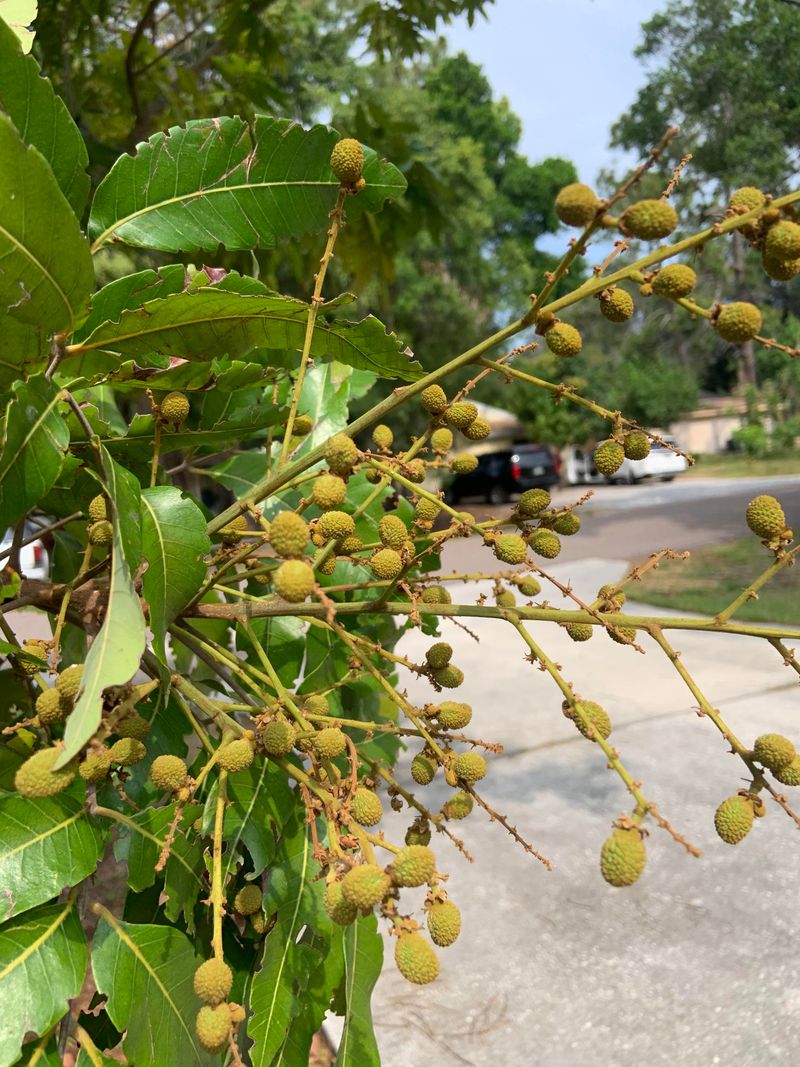
Longan is like lychee’s quieter cousin, less famous but just as delicious. The small, round fruits have a thin brown shell that cracks open to reveal sweet, translucent white flesh wrapped around a single dark seed.
The flavor is floral, sweet, and refreshing, and once you try one fresh off the tree, store-bought versions will never feel the same.
In California, longan grows best in the warmest, most frost-free areas. Southern California regions like the San Gabriel Valley, parts of San Diego, and the warmer coastal zones have seen real success with longan cultivation.
The trees are slower to mature than some other fruit trees, often taking four to five years to produce their first significant crop, but patient growers find the wait very rewarding.
Longan trees prefer full sun, good drainage, and deep, infrequent watering once established. They are sensitive to frost, especially when young, so protecting them with frost cloth during cold nights in their first few years is important.
The California Rare Fruit Growers Association is a fantastic resource for finding longan varieties suited to your specific area. Connecting with local growers who are already succeeding with longan in California can give you a big head start and help you avoid common beginner mistakes along the way.
9. Kiwifruit
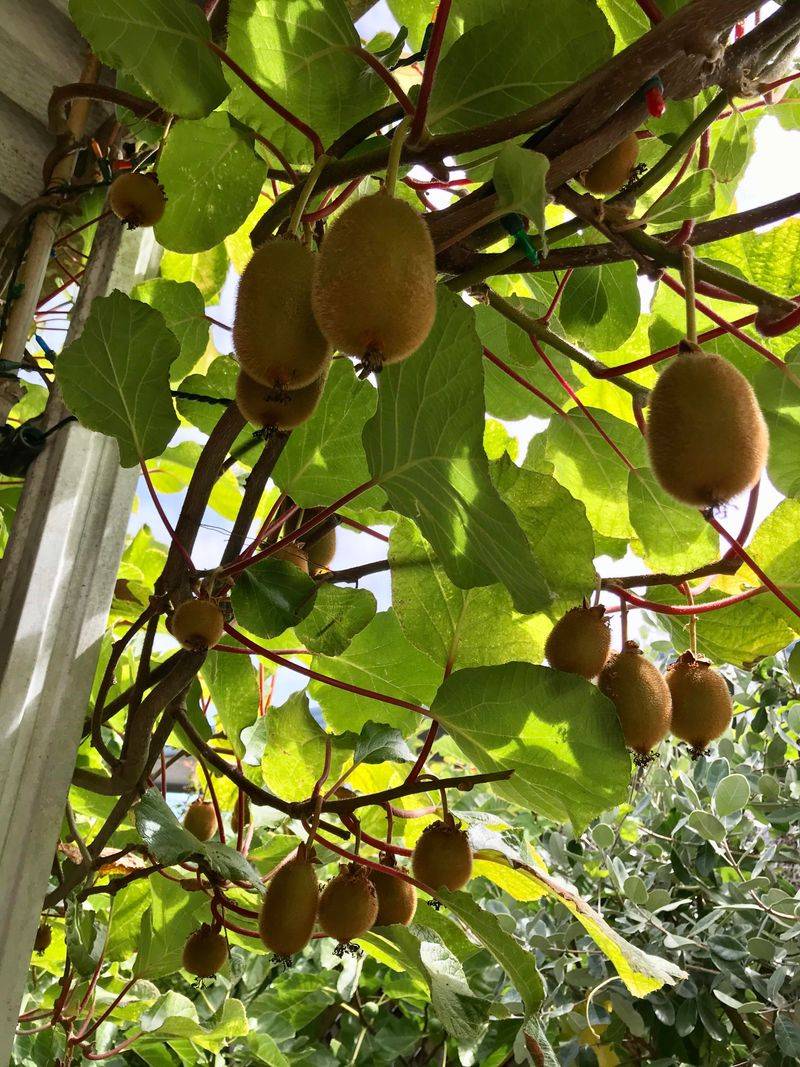
Most people do not think of kiwifruit as something you can grow at home, but California gardeners have been successfully harvesting kiwis from their backyards for years. The standard fuzzy kiwi, Actinidia deliciosa, grows well in many parts of California, especially in the cooler coastal regions and parts of Northern California where winters provide the chilling hours the vines need.
Kiwifruit vines are vigorous climbers that need a strong trellis or pergola for support. They can grow quite large over time, so planning ahead for their eventual size is smart.
You will need both a male and a female plant to get fruit, so make sure to plant at least one of each. One male plant can pollinate up to eight female plants.
Hardy kiwi varieties, which produce smaller, smooth-skinned fruits you can eat whole, are also gaining popularity in California gardens. These varieties handle cold better and can work in areas where fuzzy kiwis might struggle.
Kiwifruit vines are heavy feeders and benefit from regular fertilizing and consistent moisture. With proper support and care, a mature kiwi vine in California can produce an astonishing amount of fruit, sometimes hundreds of fruits in a single season, making it one of the most productive exotic choices for backyard gardeners.
10. Pomegranate
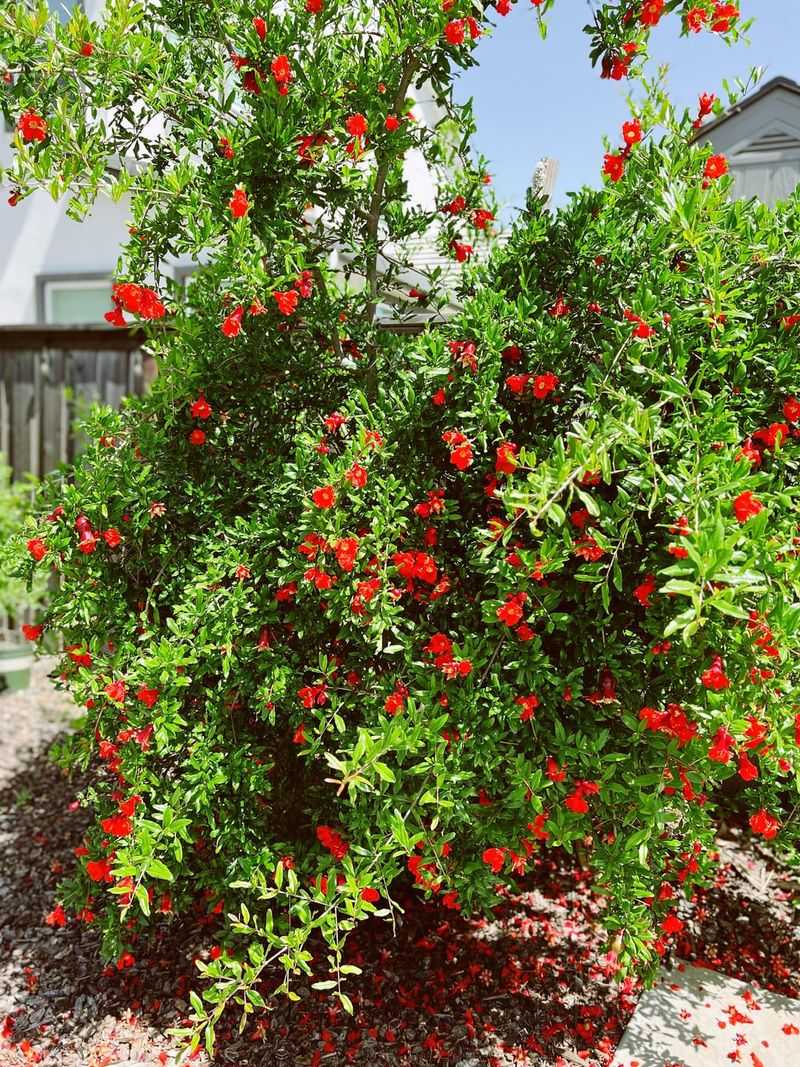
Pomegranates and California were practically made for each other. These trees love long, hot summers and mild winters, exactly the conditions that much of California delivers year after year.
They are drought-tolerant, long-lived, and stunningly beautiful in the garden, with bright orange-red flowers in spring and jewel-like fruits in fall.
California has a long history with pomegranates. Spanish missionaries brought them to the state centuries ago, and they have been thriving here ever since.
Today, varieties like Wonderful, which is the most widely grown commercial variety in California, and Sweet, a softer, less tart option, are popular choices for home gardens across the state.
Pomegranate trees are forgiving and adaptable. They handle poor soils, heat waves, and occasional drought without much complaint.
Planting in full sun and watering deeply but infrequently is the basic formula for success. Consistent watering as fruits develop helps prevent splitting, which can happen if the tree goes from dry to wet conditions too quickly near harvest time.
The fruits are packed with antioxidants and have a rich, tangy flavor that works beautifully in juices, salads, and desserts. For California gardeners who want an exotic fruit tree that is also genuinely easy to grow, pomegranate is an outstanding and deeply satisfying choice.