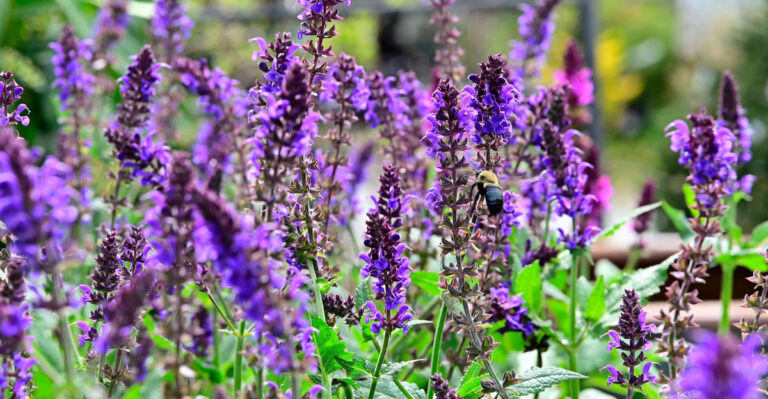
What Flowers Georgia Gardeners Should Plant Before April Ends
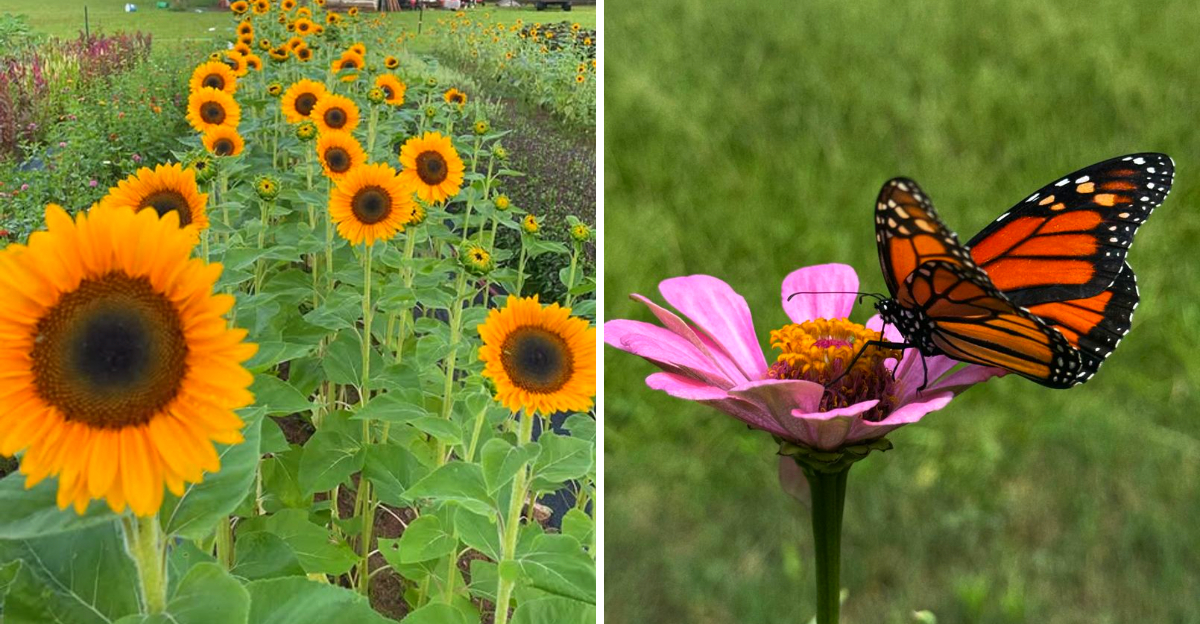
Think of late April as the “Golden Hour” for Georgia gardens.
It’s that magical sweet spot where the soil is perfectly warm, the days are stretching out, and the brutal summer heat hasn’t quite kicked down the door yet.
If you get your flowers in the ground before April ends, you’re giving them a massive head start. This short window allows roots to get comfortable and blooms to toughen up before the thermometer spikes.
Georgia’s climate is incredibly generous right now, offering the ideal conditions for a lush, colorful display that will power through from late spring all the way until the first frost of fall.
Let’s get planting!
1. Zinnias Bring Fast Color To Spring Gardens
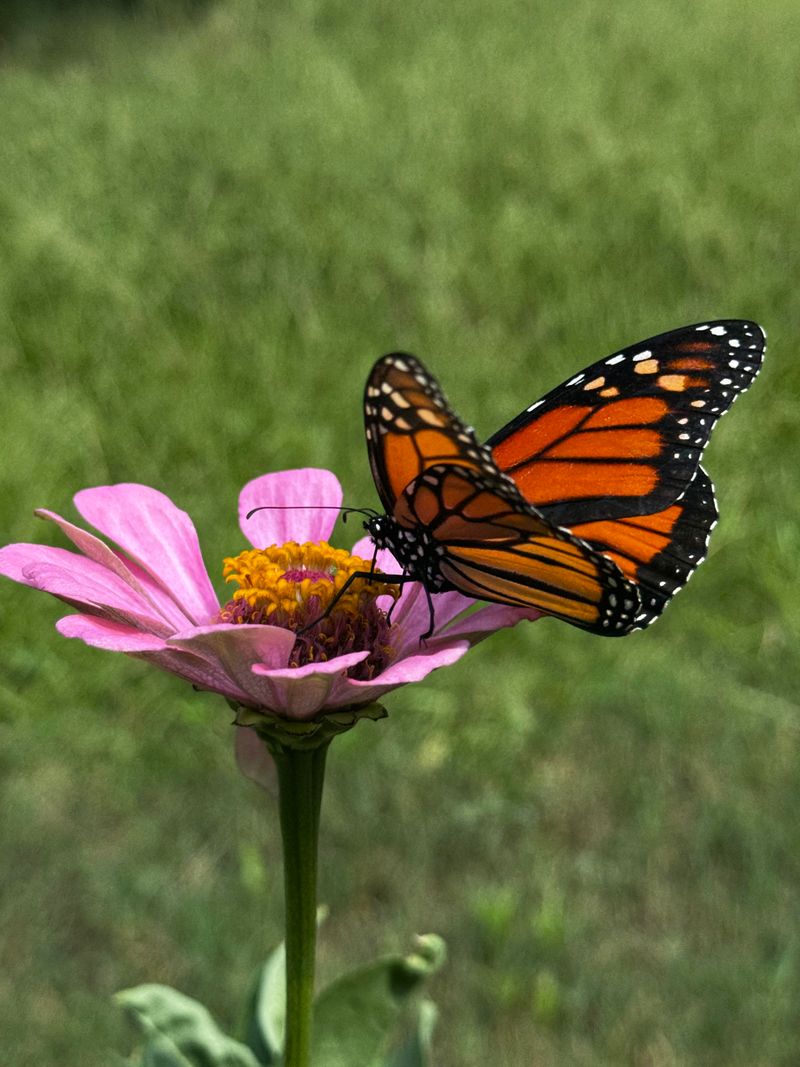
Few flowers reward Georgia gardeners as quickly and generously as zinnias do. These cheerful, daisy-like blooms can go from seed to flower in as little as six to eight weeks, which makes planting them before April ends a smart move.
By the time Georgia’s summer heat is fully underway, zinnias will already be putting on a show.
Zinnias thrive in full sun and well-drained soil, both of which Georgia gardens tend to offer in abundance during late spring. Sow seeds directly into the ground about a quarter-inch deep, spacing them roughly six to eighteen inches apart depending on the variety.
Thin seedlings once they reach a few inches tall to give each plant enough room to branch out and bloom freely.
One of the best things about zinnias is how little fuss they need once they get going. Water them at the base rather than overhead to help prevent powdery mildew, which can be an issue in Georgia’s humid conditions.
Deadheading spent blooms encourages continuous flowering well into fall. Zinnias also attract butterflies and pollinators, adding extra life and movement to the garden.
With so many colors and sizes available, from dwarf varieties to tall cutting types, there is a zinnia suited for almost every Georgia garden space.
2. Marigolds Add Bright Blooms And Easy Care
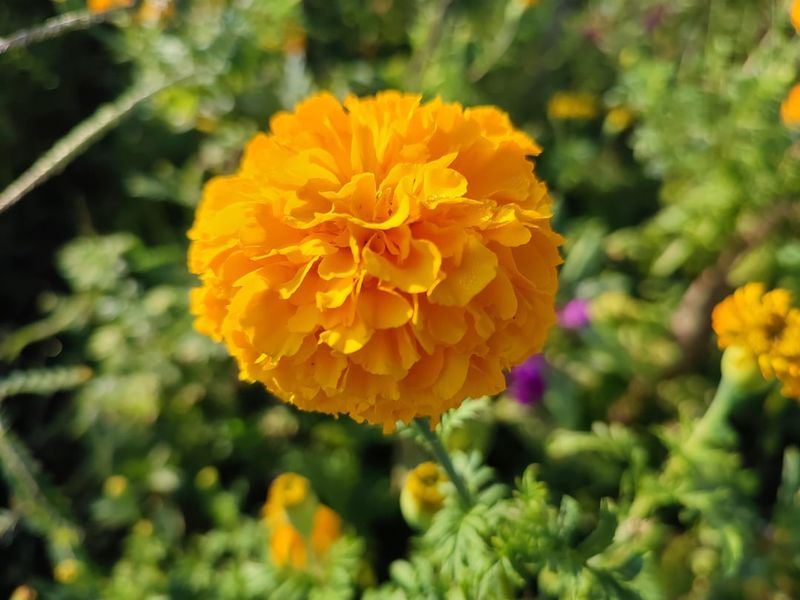
Walk through almost any Georgia garden center in April and you will spot marigolds front and center, and for good reason.
These bold, orange-and-yellow bloomers are among the most reliable annuals a gardener can choose, offering consistent color from spring planting all the way through the first cool snaps of fall.
Marigolds prefer full sun and do well in a range of soil types, though they appreciate good drainage. Plant transplants or direct-sow seeds about an inch deep, spacing plants six to twelve inches apart.
In Georgia’s warming April soil, seeds germinate relatively quickly, often within five to seven days under the right conditions.
Beyond their cheerful appearance, marigolds have a practical side. Their strong scent is thought to discourage certain garden pests, making them a popular companion plant near vegetables like tomatoes and peppers.
While no plant is a foolproof pest solution, many Georgia gardeners swear by tucking marigolds along garden borders for this reason.
They are also notably drought-tolerant once established, which is a real advantage as Georgia summers heat up. Deadhead regularly to keep blooms coming and to prevent the plants from putting energy into seed production too early.
Your Georgia Garden Changes Every Week. Your Plan Should Too.
Gardening in Georgia changes quickly throughout the season. Every Friday you’ll receive a simple weekly plan showing exactly what to plant, prune, fertilize, harvest, and protect so you never miss the right timing.
French marigolds tend to stay compact and bushy, while African varieties can grow quite tall, offering options for both container gardens and in-ground beds.
3. Cosmos Grow Light And Airy With Quick Blooms
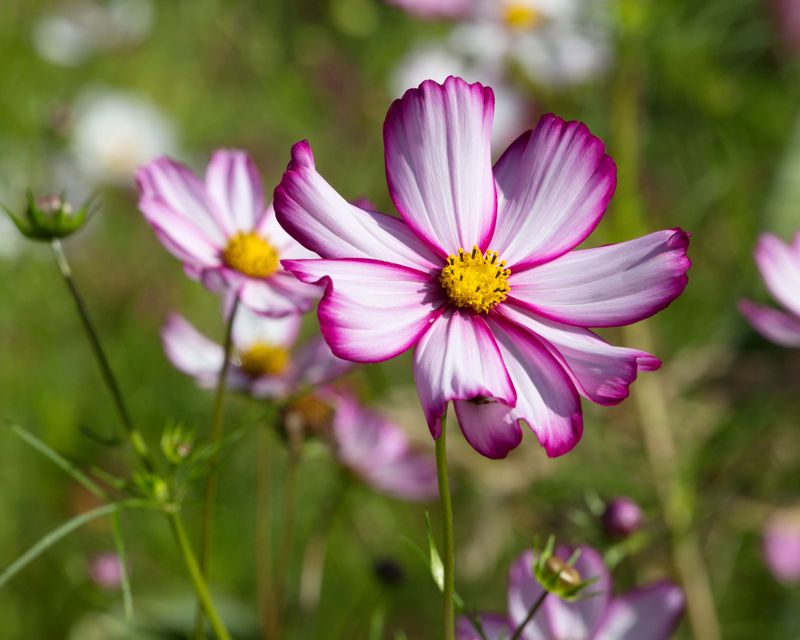
There is something almost effortless about the way cosmos grow. Their feathery foliage and softly colored blooms bring a relaxed, cottage-garden feel to any space, and they reach flowering stage surprisingly fast after planting.
Sowing cosmos seeds before April ends in Georgia sets up a reliable early summer display with very little work involved.
Cosmos actually prefer lean soil, meaning they do not need heavy fertilizing. In fact, too much nitrogen can lead to lush foliage with fewer blooms.
Direct sow seeds into a sunny spot, pressing them lightly into the soil surface or covering them with just a thin layer of soil. Germination typically happens within seven to ten days in Georgia’s warm spring soil.
Once established, cosmos are notably drought-tolerant and handle Georgia’s heat with ease. They grow quickly, sometimes reaching two to four feet tall, and may benefit from light staking in windier spots.
Pinching back the tips when plants are young encourages a bushier growth habit and more flowers over time.
Cosmos bloom in shades of pink, white, red, and bicolor, attracting bees and butterflies throughout the season. They also self-seed readily, which means Georgia gardeners may find volunteer plants returning in the same spot next year.
For a low-maintenance flower that looks beautiful and grows fast, cosmos deserve a spot in every spring garden.
4. Sunflowers Rise Fast And Brighten Garden Spaces
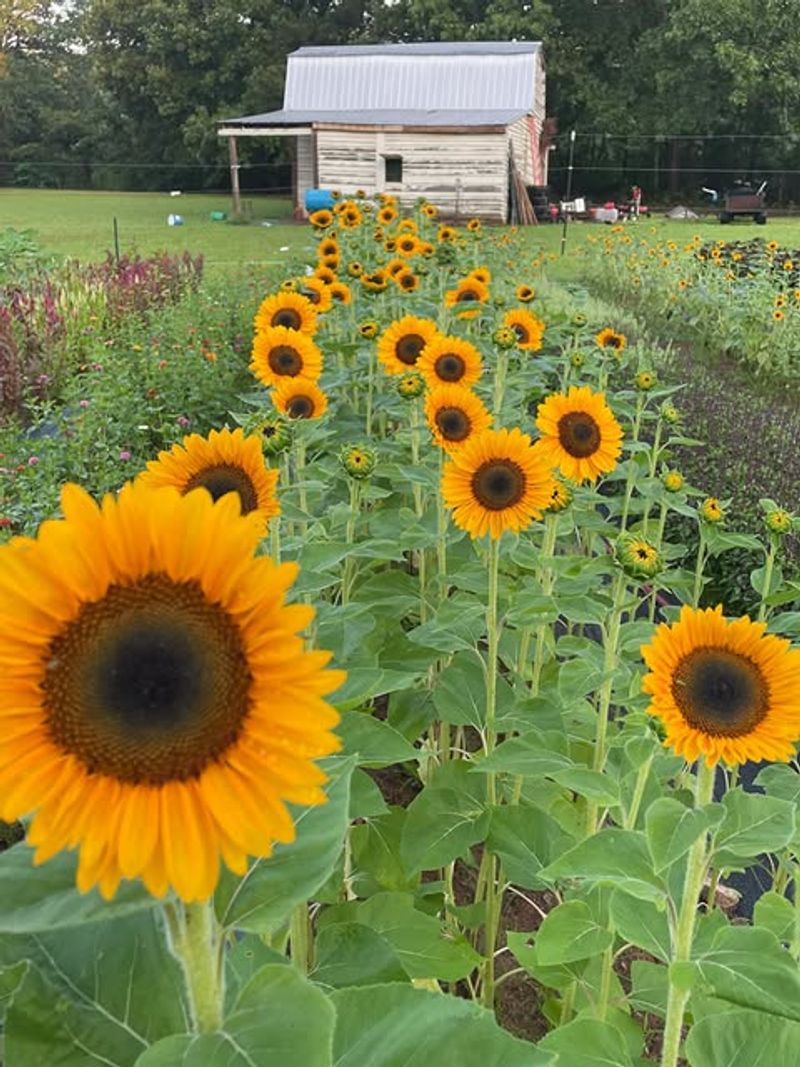
Planting sunflowers before April ends in Georgia gives these fast-growing giants the warm soil and long days they need to shoot upward quickly.
Sunflowers are one of the most satisfying plants to grow because the progress is so visible week by week, with stems climbing steadily toward the sky.
Direct sowing is the preferred method since sunflowers do not transplant well. Push seeds about one inch deep into a sunny, well-drained spot, spacing standard varieties about twelve to twenty-four inches apart.
In Georgia’s warm April soil, germination can happen within seven to ten days. Sunflowers need at least six to eight hours of direct sun daily to perform well.
Depending on the variety, sunflowers can range from compact two-foot types to towering twelve-foot plants. Taller varieties may need staking in areas prone to afternoon thunderstorms, which are common in Georgia during summer.
Watering deeply but infrequently encourages strong root development, helping plants stay upright as they grow.
Sunflowers are also genuinely useful beyond their good looks. Their seeds attract birds, particularly finches and cardinals that are common in Georgia.
Cutting varieties can be harvested for indoor arrangements, bringing garden color inside.
Whether grown as a focal point, along a fence, or in a cutting garden, sunflowers bring a kind of bold, sunny energy that few other flowers can match during Georgia’s late spring and early summer season.
5. Petunias Fill Beds And Containers With Color
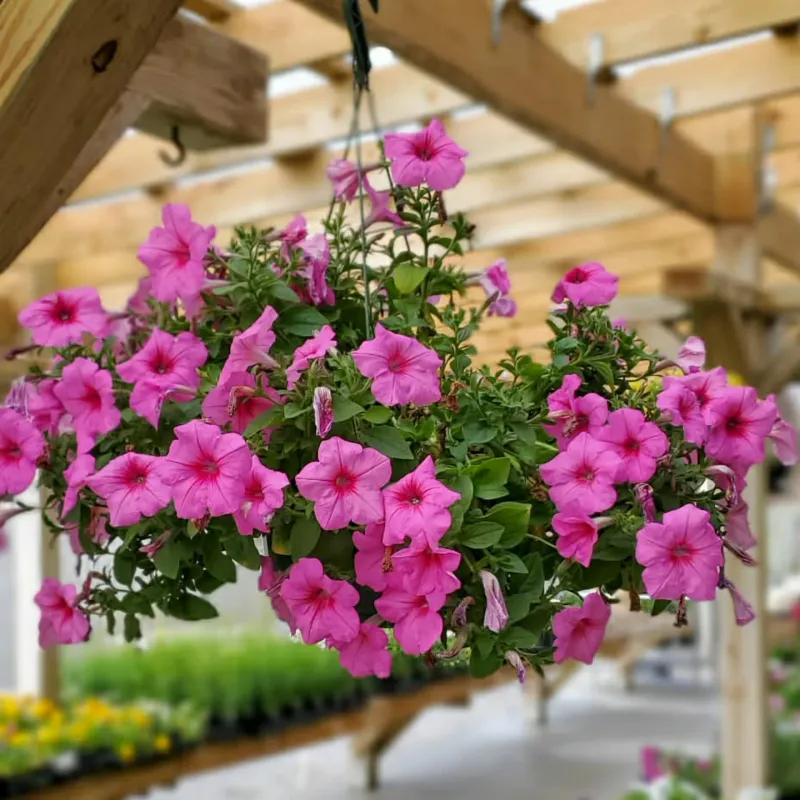
Few annuals deliver as much visual impact per square foot as petunias. Their wide, trumpet-shaped blooms come in nearly every color imaginable, and they work equally well spilling from hanging baskets, filling window boxes, or spreading across garden beds.
Planting petunias before April ends in Georgia gives them time to establish before summer temperatures climb.
Petunias prefer full sun, needing at least six hours daily to bloom their best.
They adapt well to Georgia’s spring conditions and handle moderate heat reasonably well, though they may slow down during the hottest stretches of July and August before rebounding in early fall.
Grandiflora types have large, showy blooms, while multiflora varieties produce smaller flowers in greater numbers and tend to handle rain and humidity a bit better.
Regular feeding helps petunias stay productive. A balanced, slow-release fertilizer worked into the soil at planting, followed by periodic liquid feeding, keeps blooms coming consistently.
Leggy stems can be trimmed back by about a third to encourage fresh, compact growth and renewed flowering.
Watering is important, especially for container-grown petunias, which dry out faster than in-ground plants. Morning watering helps foliage dry before evening, reducing the chance of fungal issues in Georgia’s humid climate.
With consistent care, petunias offer one of the longest and most colorful bloom seasons of any annual available to Georgia gardeners planting in late April.
6. Verbena Keeps Blooming As Temperatures Rise
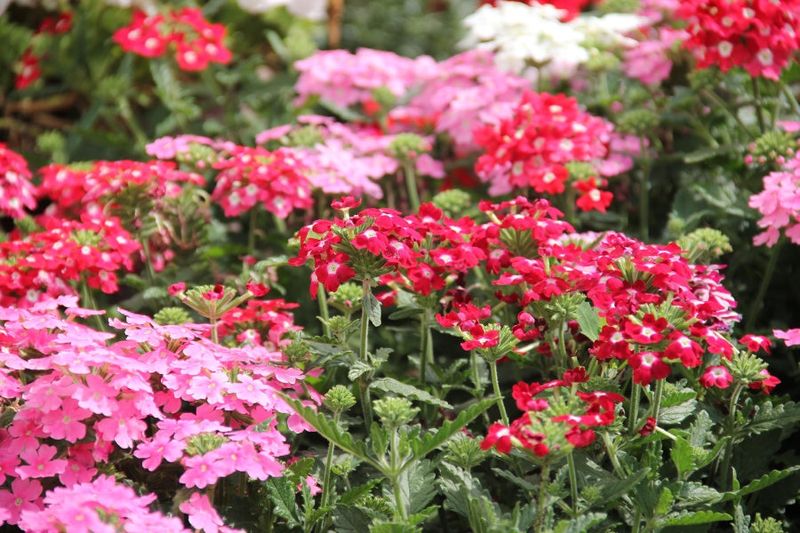
When the calendar flips to May and Georgia’s temperatures start their steady climb, many flowers begin to struggle. Verbena is not one of them.
This low-growing, spreading annual is well suited to Georgia’s warm climate and keeps producing clusters of small, brightly colored blooms even as the heat builds through late spring and into summer.
Verbena grows best in full sun and well-drained soil. It does not appreciate sitting in wet conditions, so raised beds or containers with good drainage work especially well.
Space transplants about twelve to eighteen inches apart, as verbena spreads outward and fills in nicely over the season. Planting before April ends gives it time to root in before summer arrives.
One of verbena’s standout qualities is its appeal to pollinators. Butterflies are particularly drawn to its flat-topped flower clusters, making it a valuable addition to any pollinator-friendly Georgia garden.
Hummingbirds occasionally visit as well, adding extra life to the garden bed.
Deadheading spent blooms or giving plants a light trim mid-season can help refresh growth and extend the flowering period. Verbena is reasonably drought-tolerant once established, which is helpful during Georgia’s drier summer stretches.
It comes in shades of red, purple, pink, white, and coral, so mixing varieties creates a lively, colorful ground cover effect that looks great from late spring through early fall in Georgia landscapes.
7. Salvia Handles Heat And Adds Lasting Color
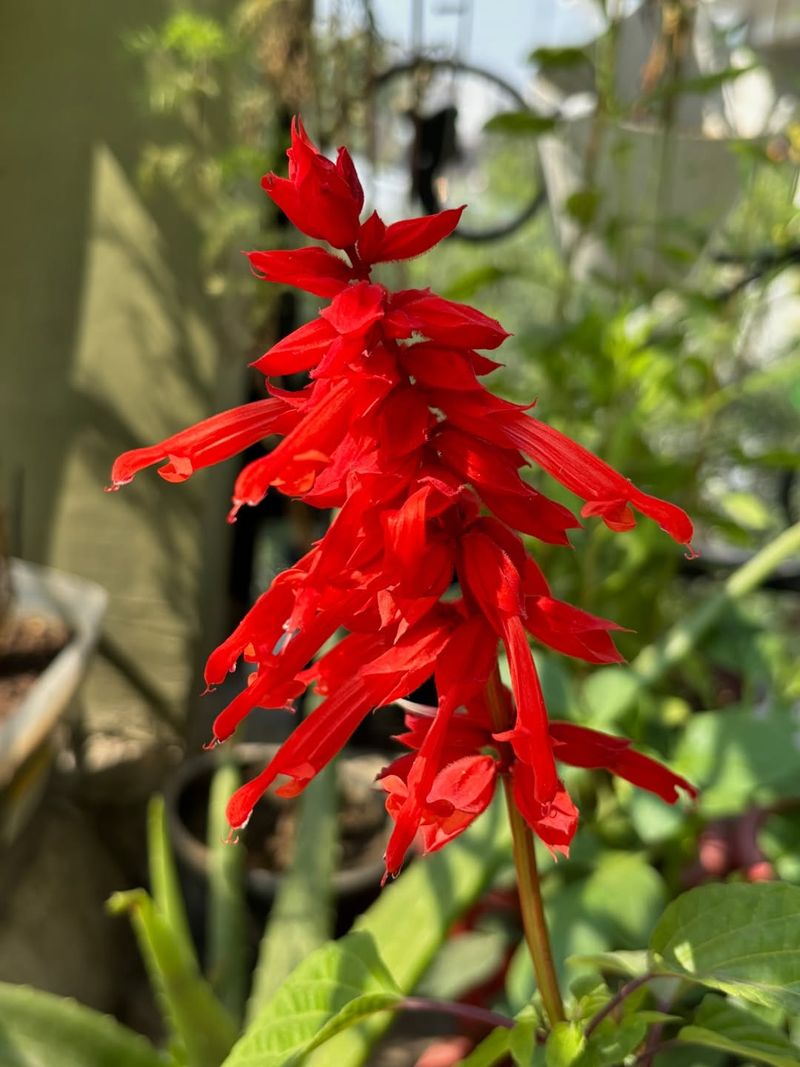
Georgia summers can be tough on flowers, but salvia seems almost unbothered by the heat. This upright, spike-flowering annual brings rich color to the garden and keeps going through conditions that cause many other plants to fade.
Getting salvia in the ground before April ends gives it a solid foundation before the real heat sets in.
Salvia splendens, the common annual type, is a popular choice for Georgia gardeners and comes in bold reds, purples, whites, and salmon tones. It thrives in full sun and well-drained soil.
Space transplants about twelve inches apart to allow good air circulation, which helps in Georgia’s humid conditions. Salvia also works well in containers where drainage can be easily controlled.
One of salvia’s biggest strengths is its long bloom period. Unlike some flowers that peak and fade, salvia tends to keep flowering consistently through the summer season with relatively little maintenance.
Removing spent flower spikes encourages fresh growth and continued blooming well into fall.
Hummingbirds are strongly attracted to red salvia varieties, making it a rewarding choice for Georgia gardeners who enjoy watching wildlife in their gardens. Bees and butterflies visit other color varieties regularly as well.
Salvia is moderately drought-tolerant once established but benefits from consistent watering during Georgia’s driest months. For a flower that earns its space through sheer endurance and color, salvia is a strong choice for any late April planting plan.
8. Gomphrena Thrives In Warm Weather With Bold Blooms
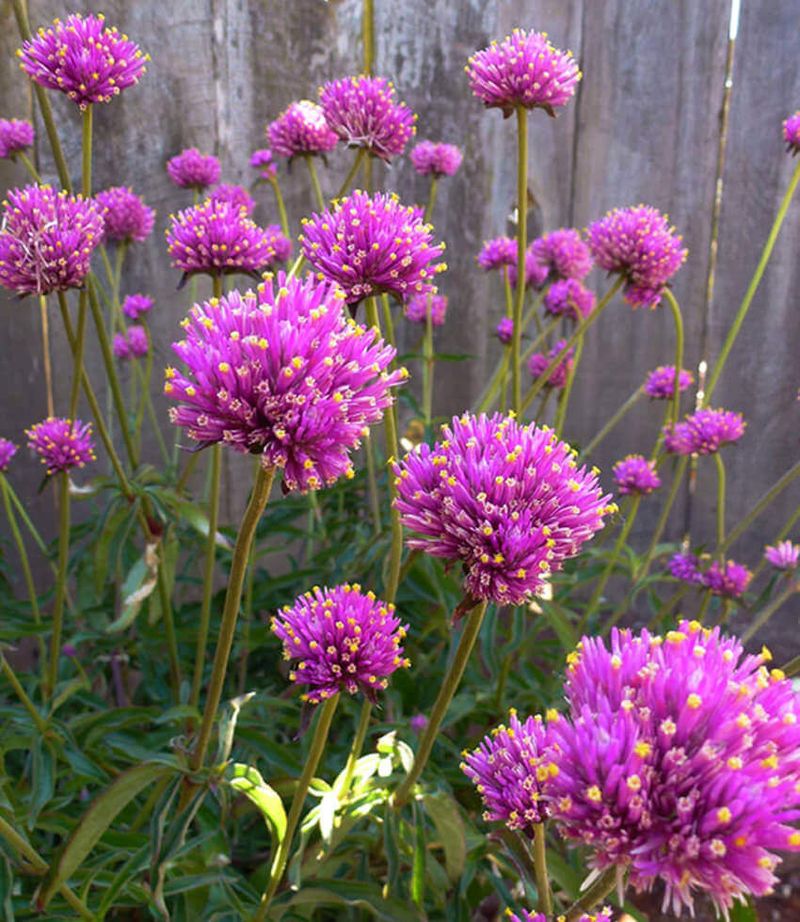
Not every gardener has discovered gomphrena yet, but those who have tend to become loyal fans. These small, globe-shaped flowers in shades of magenta, purple, pink, and white bring a unique texture to the garden that stands out among more common annuals.
Planting gomphrena before April ends in Georgia is a smart move because this flower genuinely loves warmth.
Gomphrena, also called globe amaranth, is one of the most heat-tolerant annuals available to Georgia gardeners.
It performs well in full sun and actually improves as summer temperatures rise, making it a reliable performer during the months when other flowers start to slow down.
Plant transplants or direct-sow seeds in well-drained soil, spacing plants about twelve inches apart.
Watering needs are modest once gomphrena is established. It handles drought conditions reasonably well and does not require heavy fertilization to bloom consistently.
The globe-shaped flowers are also long-lasting when cut, holding their color and shape even as they dry, which makes them popular for dried floral arrangements.
Pollinators, including bees and butterflies, visit gomphrena regularly throughout the season. The plants tend to stay tidy and upright, reaching about twelve to twenty-four inches tall depending on the variety.
For Georgia gardeners looking for a dependable, heat-loving flower that holds its color and requires minimal fuss from late spring through early fall, gomphrena is well worth adding to the planting list this April.