How To Fix Yellow Leaves On Bird Of Paradise In Florida
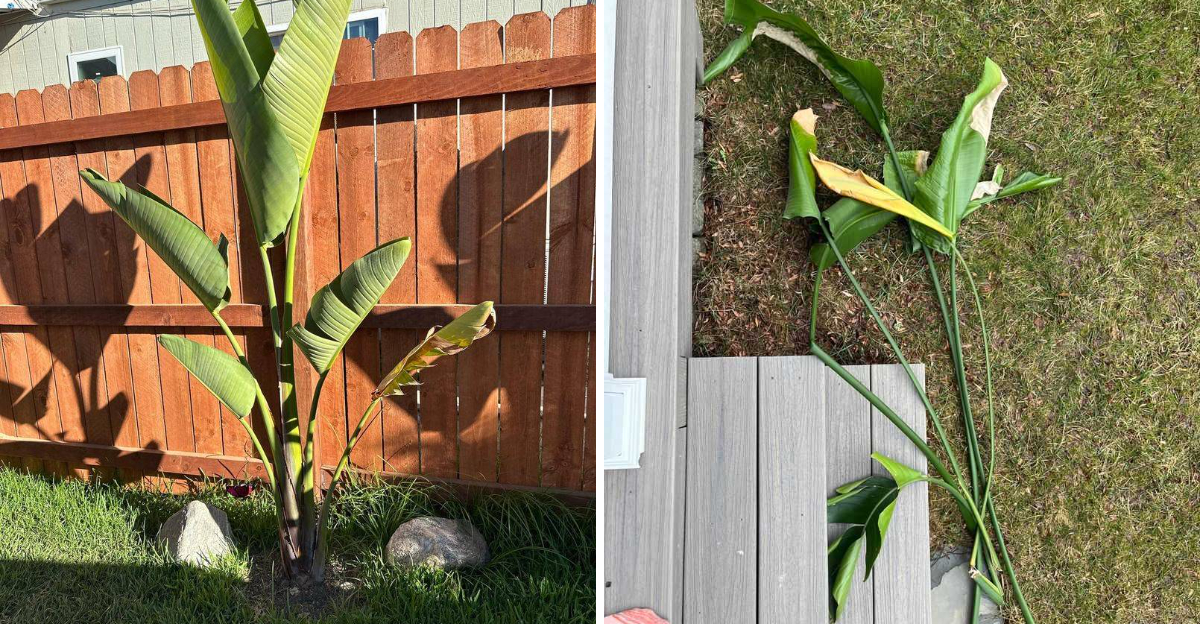
Yellow leaves on a bird of paradise can stop you in your tracks, especially in Florida where tropical plants usually grow like they own the place.
One minute your plant looks bold and vibrant, the next it starts losing that rich green color that made it stand out in the first place.
It is frustrating, and it can leave you wondering what changed so fast. The truth is, yellowing leaves often signal that something is off, but the cause is not always obvious at first glance.
A small issue can snowball before you notice what your plant has been trying to tell you. With the right approach, though, you can spot the problem early and get your bird of paradise back on track before the damage gets worse.
1. Check For Too Much Water First
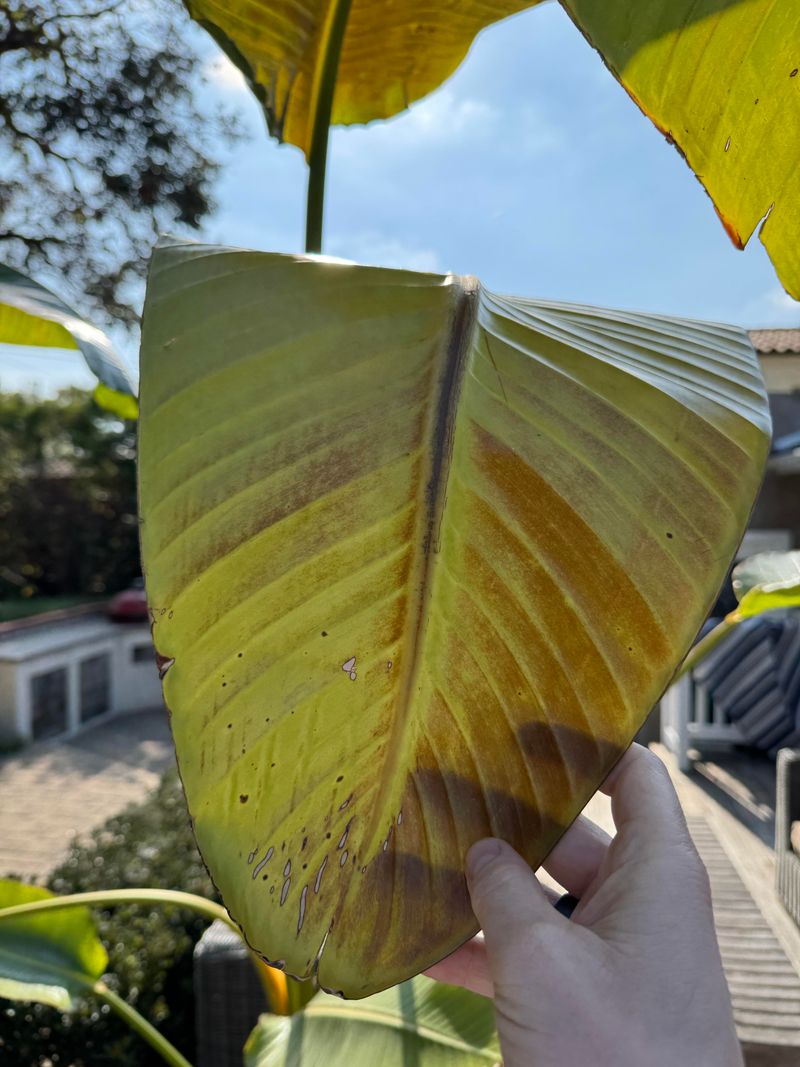
Soggy roots are one of the most common reasons Bird of Paradise leaves turn yellow in Florida, and it catches a lot of homeowners off guard.
The state’s frequent summer rainstorms can dump inches of water in a single afternoon, and if your irrigation system keeps running on top of that, the soil around your plant stays wet for far too long.
Roots that sit in standing water struggle to absorb oxygen, and that stress shows up fast as yellowing leaves that may also feel soft or limp.
To check whether overwatering is the problem, push a finger or a wooden dowel about two to three inches into the soil near the base of your plant. If the soil feels wet and cool well after the last rain, the roots are probably not getting enough breathing room.
For potted plants, always check that drainage holes are fully open and not blocked by compacted roots or debris sitting underneath the container.
According to University of Florida IFAS, Bird of Paradise prefers consistently moist but well-drained soil, not waterlogged conditions.
If you suspect root rot has already started, carefully inspect the roots for dark, mushy sections and trim away anything that looks damaged before repotting in fresh, well-draining soil.
Adjusting your irrigation schedule to account for natural rainfall makes a real difference over time.
2. Rule Out Dry Soil Fast
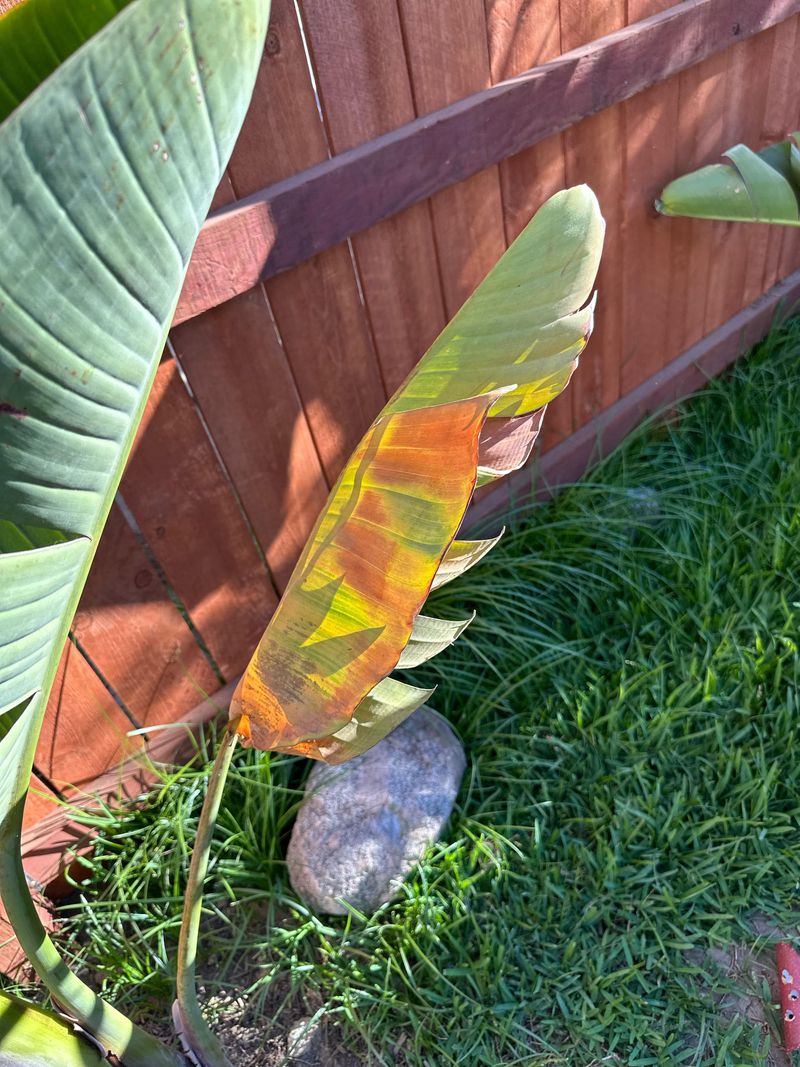
Not every case of yellow leaves points to too much water. Dry soil stress is just as real a cause, and it is easy to misread if you are not checking the soil directly.
In Florida’s sandy coastal soils especially, water drains away quickly, sometimes faster than the plant can absorb what it needs.
During stretches of hot, dry weather between rainy seasons, Bird of Paradise can start showing yellow leaves that look faded rather than soft or mushy.
The difference between overwatering and underwatering yellowing is worth paying attention to. Leaves stressed by drought tend to yellow from the tips or edges first and may feel dry or slightly crispy to the touch.
Overwatered leaves usually yellow more broadly and feel limp. Checking the soil a few inches down gives you the clearest answer.
Your Florida Garden Changes Every Week. Your Plan Should Too.
Gardening in Florida changes quickly throughout the season. Every Friday you’ll receive a simple weekly plan showing exactly what to plant, prune, fertilize, harvest, and protect so you never miss the right timing.
If it feels bone dry, the plant needs water right away.
University of Florida IFAS guidance recommends watering Bird of Paradise deeply and allowing the top layer of soil to dry slightly between waterings rather than watering lightly and often.
Deep, thorough watering encourages roots to grow down into the soil where moisture is more stable.
In summer heat, container plants may need water more frequently than in-ground plants simply because pots heat up faster and dry out more quickly in direct Florida sun.
3. Fix Sun Exposure Problems
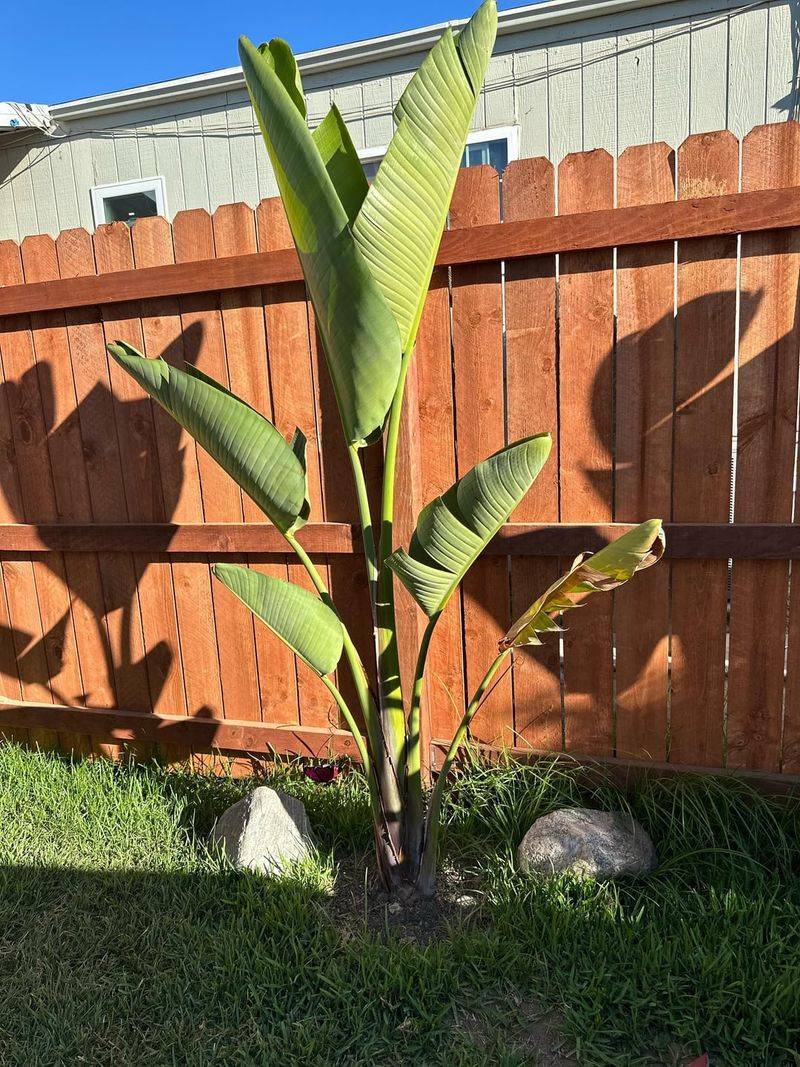
Light placement matters more than many people expect when it comes to keeping Bird of Paradise looking its best in Florida. This plant genuinely loves bright light and performs well in full sun to part shade.
However, there is a difference between healthy sun exposure and the kind of intense, unfiltered afternoon heat that Florida summers deliver.
Young or recently transplanted Bird of Paradise plants can be especially sensitive to harsh afternoon sun, developing pale yellow or washed-out leaves when they have not had time to adjust.
Too little light creates a different kind of problem. A Bird of Paradise tucked under a heavy tree canopy or pushed into a shady corner of the yard will grow slowly, produce fewer leaves, and gradually turn yellow as it struggles to photosynthesize effectively.
The ideal spot in most Florida yards offers morning sun with some protection from the most intense midday and afternoon rays, particularly for plants that are still getting established.
South Florida gardeners generally have the easiest time placing Bird of Paradise in full sun year-round without much stress. In Central Florida, a location with some afternoon shade during peak summer months can reduce heat stress.
If your plant is already in a poor light spot and showing yellow leaves, consider moving it during cooler months when transplant stress is lower. Giving roots time to settle before summer heat returns makes a smoother transition possible.
4. Improve Drainage After Heavy Rain
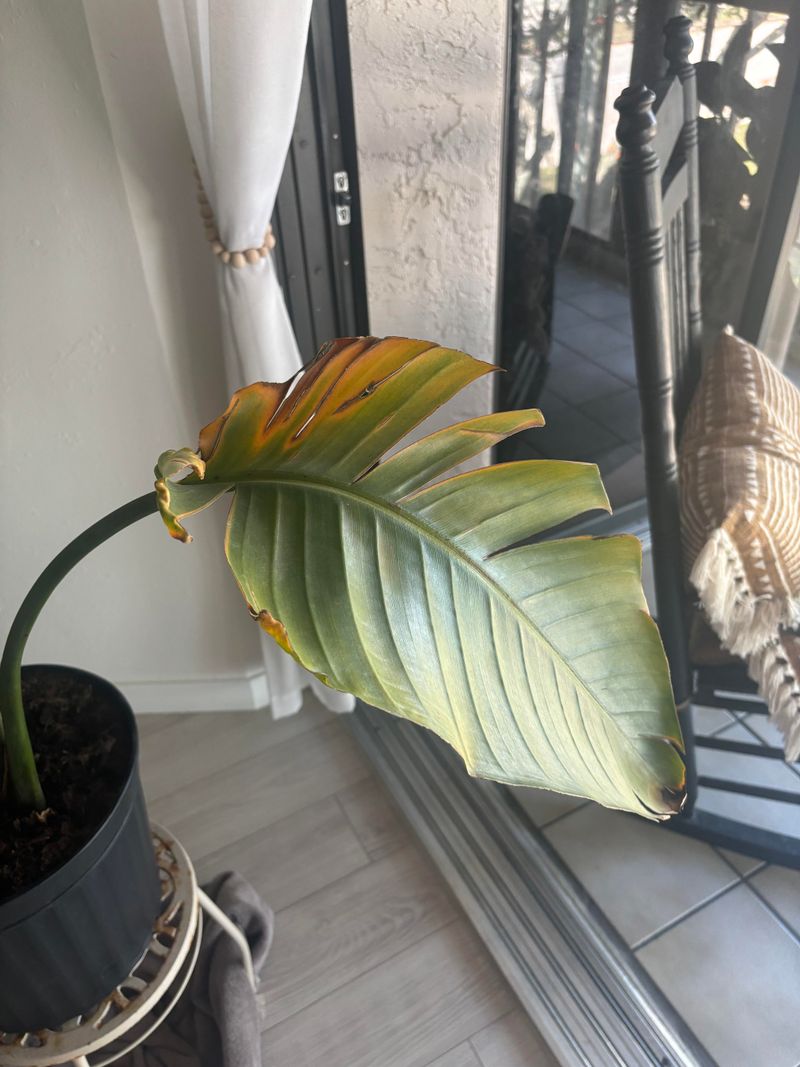
Florida’s rainy season is no joke. From roughly June through September, afternoon storms can drop two or three inches of rain in under an hour, and low spots in the yard can stay flooded for hours after the clouds clear.
Bird of Paradise roots are not built for those conditions. Even a plant that was perfectly healthy before the rains arrived can start showing yellow leaves after several weeks of repeated waterlogging in poorly drained soil.
Compacted soil makes drainage problems worse. Many Florida yards, especially in neighborhoods with heavy foot traffic or construction fill, have soil that water simply cannot move through fast enough.
If you notice that puddles linger near your Bird of Paradise for more than an hour after a storm, that spot likely has a drainage issue worth addressing before the next rainy season kicks in.
Practical fixes include working organic matter like compost into the soil to improve its structure, planting in raised beds or mounded areas so roots sit above the waterline, and redirecting downspouts or grading the yard slightly to move water away from planting beds.
University of Florida IFAS recommends planting Bird of Paradise in well-drained soil and avoiding areas prone to standing water.
If the drainage problem is severe, installing a French drain or consulting a landscape professional can protect your investment in the plant long term.
5. Check Whether Your Plant Needs Nutrients
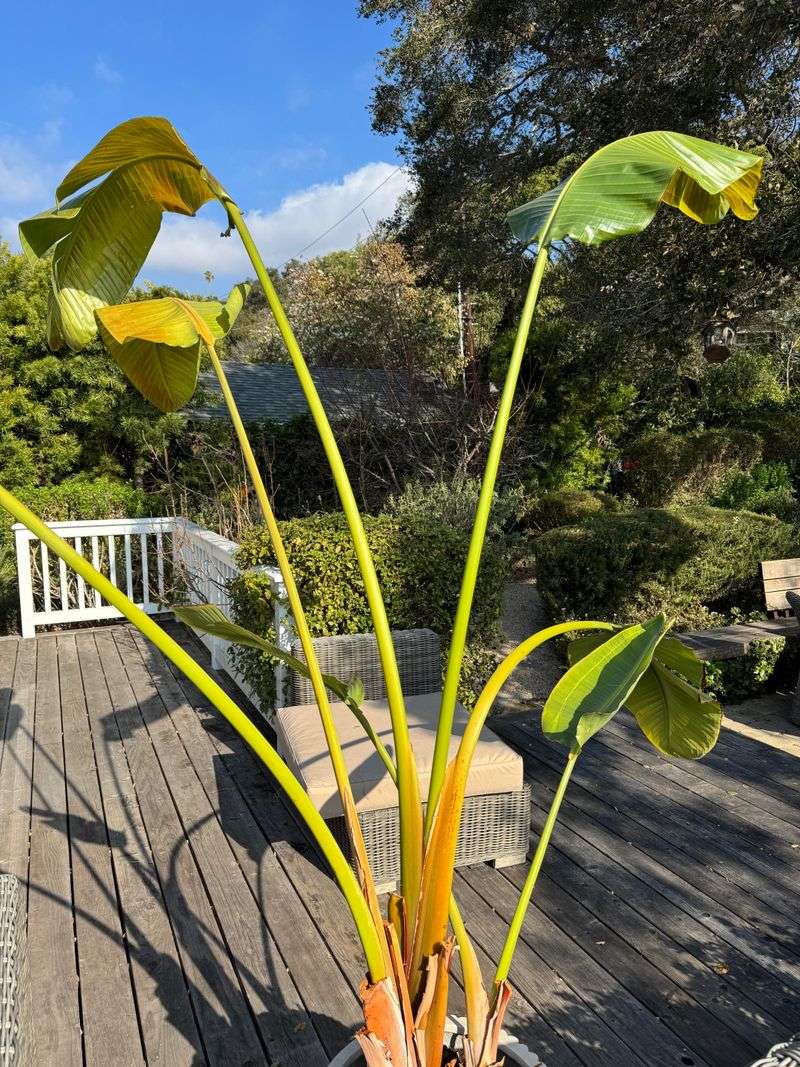
Nutrition is not always the first thing to check when leaves turn yellow, but it absolutely deserves a spot on the troubleshooting list.
Bird of Paradise is a moderate feeder, meaning it benefits from regular fertilization during the growing season but does not need to be heavily fed all year.
In Florida’s sandy soils, nutrients leach out quickly with rainfall and irrigation, which means even a plant in a decent location can start showing pale or yellow leaves if it has not been fed in a while.
Nitrogen deficiency tends to cause older, lower leaves to yellow first, while an iron deficiency often shows up as yellowing between the leaf veins, with the veins themselves staying green.
That particular pattern, called chlorosis, can sometimes point to a soil pH issue rather than a simple lack of fertilizer.
If the soil is too alkaline, the plant cannot absorb iron efficiently even when iron is present. A basic soil test from a local UF IFAS extension office can tell you a lot.
For most Florida yards, a balanced slow-release granular fertilizer applied in spring and again in summer gives Bird of Paradise what it needs through the growing season.
Avoid fertilizing during cooler months when the plant is not actively growing, especially in North and Central Florida where winter temperatures slow growth considerably.
Overfeeding during slow periods can stress roots rather than help them.
6. Trim Away Yellow Leaves
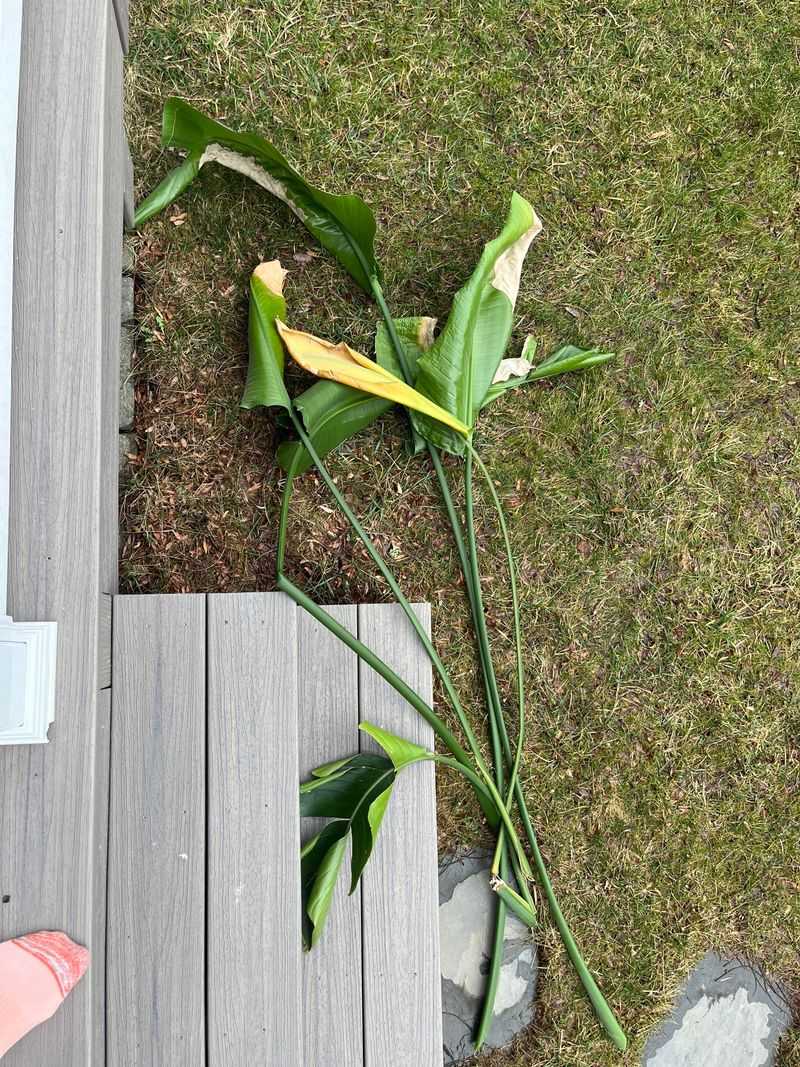
Pruning yellow leaves off your Bird of Paradise will not fix the underlying cause of the problem, but it is still a worthwhile step once you have figured out what went wrong and started correcting it.
Removing yellowed foliage tidies up the plant’s appearance, reduces the chance of fungal issues taking hold in damaged leaf tissue, and lets the plant put more energy into producing healthy new growth instead of trying to maintain leaves that are already compromised.
Use clean, sharp pruning shears and cut the yellow leaf off at the base where it meets the main stem or leaf stalk. Dull or dirty blades can crush tissue or introduce pathogens, so wiping your tools with rubbing alcohol before you start is a simple habit worth keeping.
Do not cut into healthy green tissue just to speed things up. Removing only what is clearly yellow or damaged is the right approach.
Bird of Paradise naturally sheds older leaves over time as part of its normal growth cycle, so a single yellow leaf here and there is not always a sign of trouble.
The concern rises when multiple leaves are yellowing at once, yellowing is spreading rapidly, or new growth is also coming in pale or discolored.
Trim what needs trimming, then step back and look at the bigger picture to make sure the root cause has actually been addressed before calling the job done.
7. Watch For Common Plant Pests
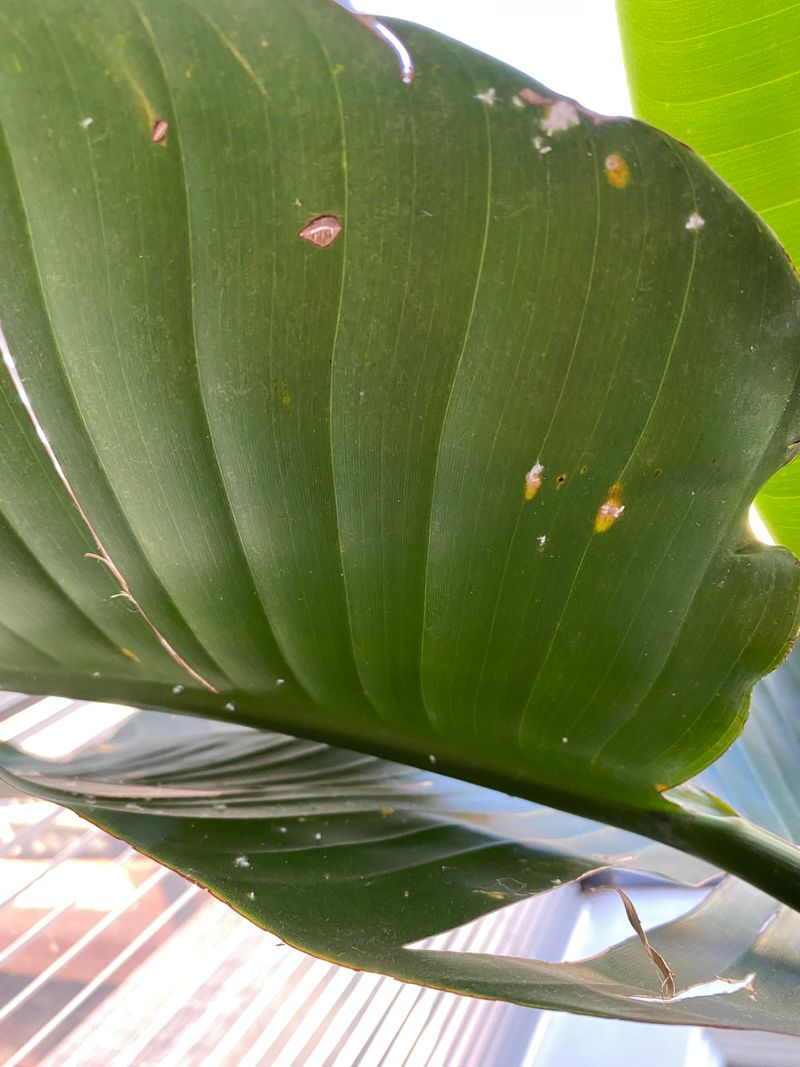
Bird of Paradise has a solid reputation for being fairly tough against pests, and that reputation is mostly earned. Still, no plant is completely immune, and certain insects can show up and cause enough damage to trigger yellowing if left unchecked.
Florida’s warm, humid climate creates comfortable conditions for spider mites, scale insects, and aphids, all of which have been documented on Bird of Paradise and can cause leaves to look off-color or speckled before more obvious yellowing sets in.
Spider mites are tiny and hard to spot with the naked eye, but they leave behind a telltale fine webbing on leaf undersides and cause a stippled, grayish-yellow pattern across the leaf surface. Scale insects look like small brown bumps clinging to stems and leaves.
Aphids cluster on new growth and can make young leaves curl or distort. Checking the undersides of leaves regularly, especially during dry stretches when spider mites are most active, helps you catch problems early.
University of Florida IFAS recommends starting with the least toxic option when treating pests on ornamental plants. A strong blast of water can knock off aphids effectively.
Insecticidal soap or neem oil works well for most common pest problems on Bird of Paradise without causing significant harm to beneficial insects in the garden.
Always apply treatments in the early morning or late evening to avoid leaf burn in Florida’s intense midday heat.
8. Adjust Care For Florida Weather
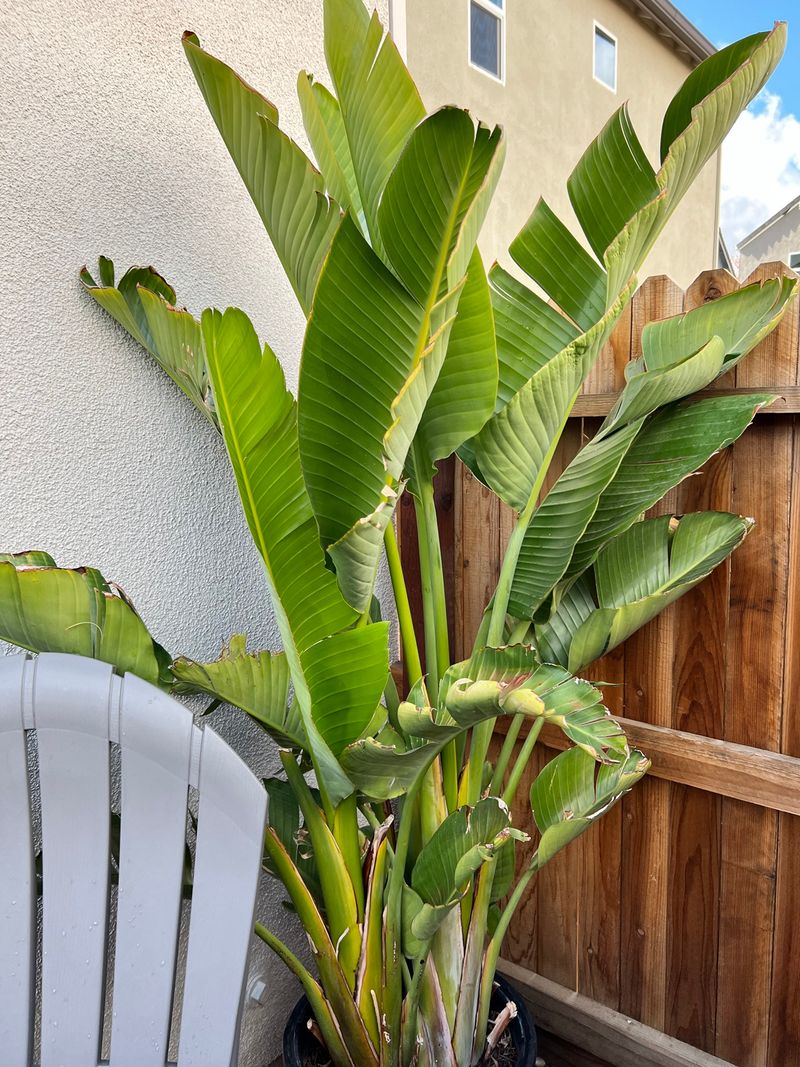
Florida’s weather does not stay the same all year, and neither should your care routine for Bird of Paradise. During the warm growing season from spring through early fall, the plant is actively putting out new leaves and can handle regular watering and feeding.
As temperatures cool down in late fall and winter, growth slows noticeably, and the plant’s needs shift along with it. Continuing to water and fertilize on a summer schedule through the cooler months can actually stress the plant rather than support it.
Regional differences matter here more than many Florida gardeners realize. In South Florida, where winter temperatures rarely drop below 50 degrees Fahrenheit, Bird of Paradise stays active year-round and needs relatively little adjustment between seasons.
Move north into Central Florida or the panhandle, and the picture changes. Occasional cold snaps can push temperatures low enough to cause leaf damage, browning, or yellowing, particularly on plants in exposed locations without overhead protection.
In colder parts of the state, pulling back on watering during winter, skipping fertilizer from October through February, and applying a layer of mulch around the base of the plant can help buffer roots against temperature swings.
If a cold front does cause leaf damage, resist the urge to prune immediately.
Wait until temperatures stabilize and new growth begins before removing cold-damaged foliage, as the damaged leaves can actually offer some insulation to the center of the plant during follow-up cold events.