These Texas Weeds Look Exactly Like Garden Plants Until It’s Too Late
Some weeds make themselves obvious right away. They shoot up in the wrong spot, look rough around the edges, and practically announce that they do not belong.
The real troublemakers are the ones that blend in so well you barely give them a second thought. In Texas gardens, some weeds can look almost identical to plants people actually want to keep.
They mix into flower beds, vegetable patches, and borders so easily that they often get overlooked until they have had plenty of time to spread.
That is what makes them so frustrating. A plant that seems healthy, familiar, or even attractive at first can end up stealing water, crowding out your real garden plants, and creating a mess that is much harder to deal with later.
In a state where warm weather gives plants plenty of time to grow fast, that delay can make a big difference.
For Texas gardeners, spotting these impostors early can save a lot of effort. The sooner you know what is growing, the easier it is to protect the plants you actually worked hard to put there.
1. Tropical Spiderwort
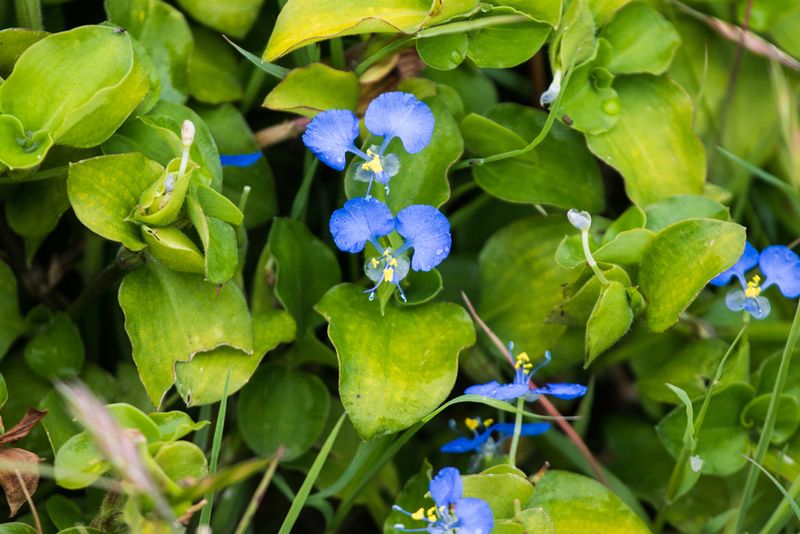
Walk through almost any shaded Texas garden bed and you might spot what looks like a lush, tropical groundcover. That could be Tropical Spiderwort, and it is sneakier than it looks.
Its thick, fleshy leaves and soft green color make it blend in perfectly with ornamental plants like dayflowers and wandering Jew varieties.
Gardeners in Texas often let it grow for weeks before realizing it does not belong. The leaves feel smooth and look almost decorative, which is part of what makes it so tricky.
It spreads fast too, rooting itself from multiple points along the stem wherever it touches the soil.
Once it gets going, Tropical Spiderwort can cover a large area in a short amount of time. It thrives in warm, humid conditions, which means Texas summers are basically a paradise for this plant.
Shaded beds near fences or under trees are favorite spots. The best way to catch it early is to check your garden often, especially after rainy periods. Pull it out by the roots rather than just cutting the stems, because any piece left in the ground can start growing again.
Wearing gloves is a smart move since some people experience mild skin irritation from its sap.
If you spot it in containers, remove it right away before it spreads to nearby beds. Staying on top of it early makes a huge difference in keeping your Texas garden looking clean and healthy all season long.
2. Chamberbitter
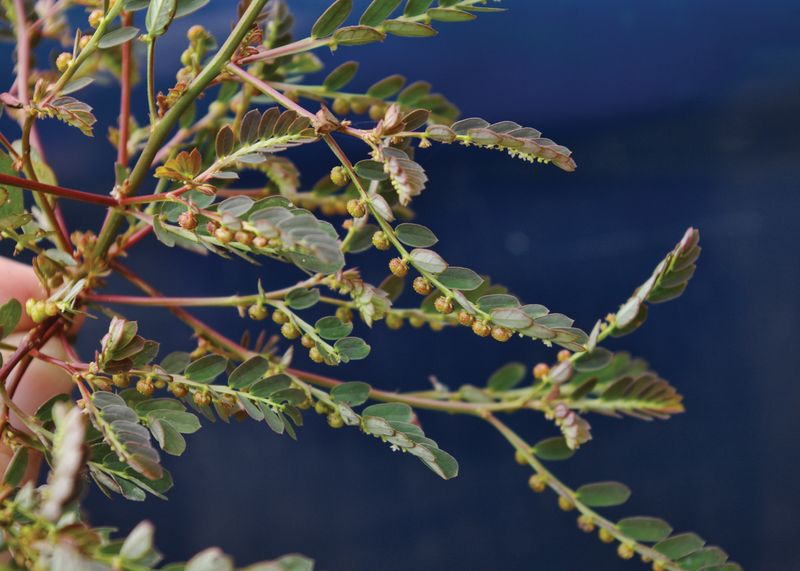
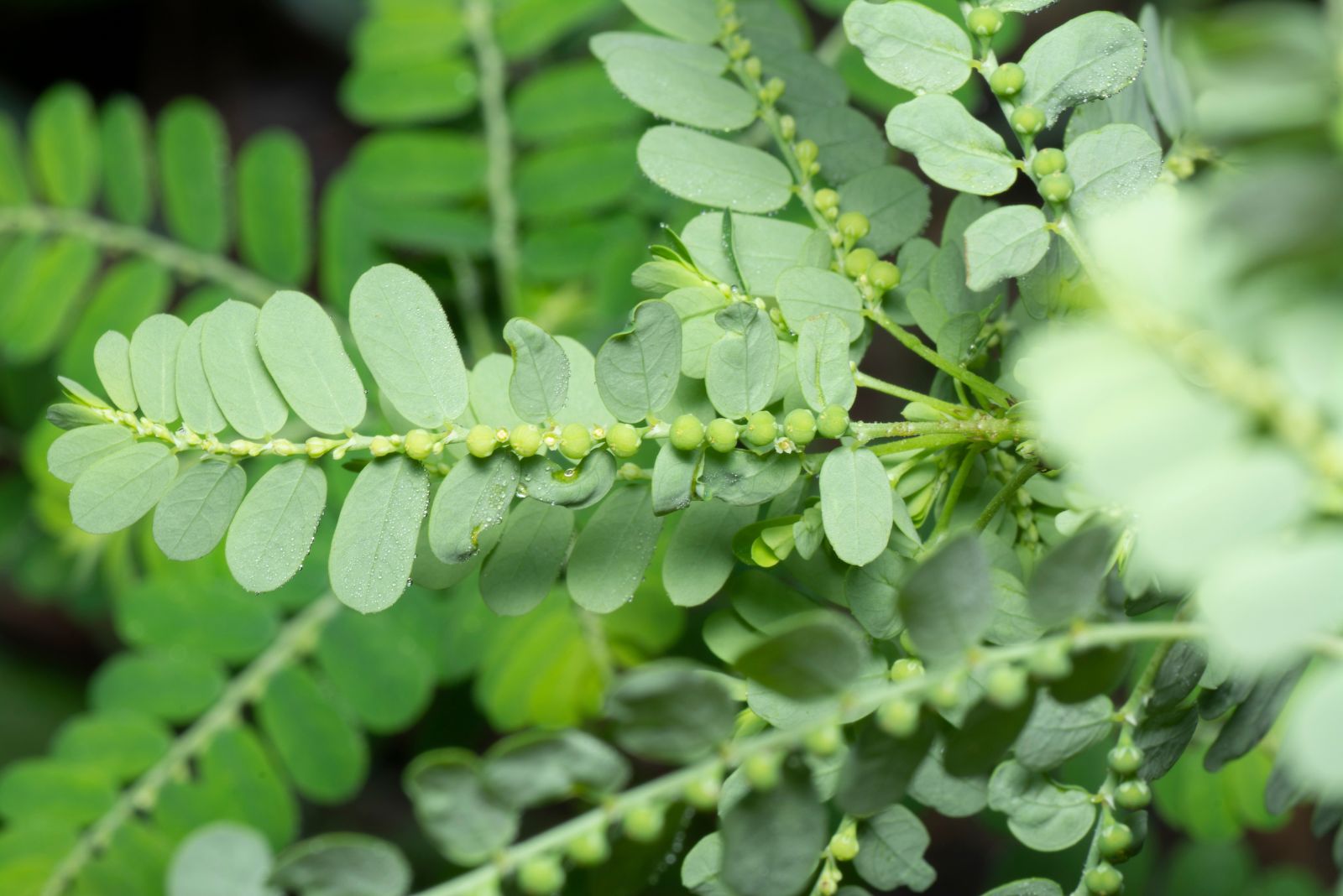
Imagine pulling what you think is a tiny mimosa seedling out of your flower bed, only to realize it has already dropped hundreds of seeds. That is the Chamberbitter experience, and Texas gardeners deal with it every single summer.
This weed has a neat, almost elegant look, with small leaflets lined up along each stem like a miniature ornamental tree.
Chamberbitter pops up in the most unexpected places. You will find it tucked into container pots, nestled along foundations, and sprouting between pavers.
Your Texas Garden Changes Every Week. Your Plan Should Too.
Gardening in Texas changes quickly throughout the season. Every Friday you’ll receive a simple weekly plan showing exactly what to plant, prune, fertilize, harvest, and protect so you never miss the right timing.
Because it looks so tidy and intentional, many people assume someone planted it on purpose and leave it alone far too long.
Here is the real problem: Chamberbitter produces seeds incredibly fast. By the time most gardeners notice it, the plant has already scattered seeds throughout the surrounding area.
One small plant can cause a big headache the following season if it is not removed promptly.
In Texas, this weed tends to show up after summer rains when the soil is warm and moist. That warm, humid weather is exactly what it loves. Checking beds after rainstorms is one of the best habits you can build to catch it early.
Removing it by hand works well when plants are young and the soil is loose. The key is getting the roots out completely.
Leaving even a small portion behind gives it a chance to bounce back. Staying consistent with checks throughout the growing season will keep Chamberbitter from taking over your space.
3. Yellow Nutsedge
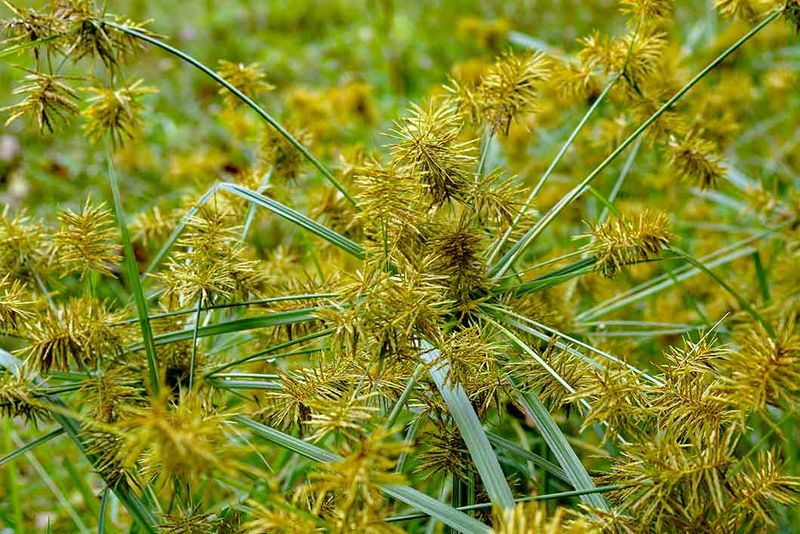
At first glance, Yellow Nutsedge just looks like a patch of really healthy, bright green grass. That is exactly why so many Texas lawn owners ignore it at first.
It grows upright, stays a vivid green even in dry conditions, and blends almost perfectly into a typical lawn until you look closely and notice the triangular stem that sets it apart from true grass.
The frustrating thing about Yellow Nutsedge is what is happening underground. While the top looks harmless, the roots are busy forming dense networks of underground tubers called nutlets.
These nutlets store energy and allow the plant to come back aggressively even after the top growth is removed. Simply mowing it down does not solve the problem.
Across Texas, Yellow Nutsedge is one of the most stubborn lawn weeds around. It thrives in moist areas and tends to explode in growth during rainy stretches.
Overwatered lawns and low spots where water collects are especially vulnerable to heavy infestations.
Identifying it early is all about looking at the stem. Grass has round stems, but Nutsedge stems are triangular.
Grab a stem between your fingers and roll it gently. If it has edges, you are looking at Nutsedge, not grass.
Treating Yellow Nutsedge requires patience. Selective herbicides designed specifically for sedges work better than general weed products.
Hand-pulling can spread the tubers and make things worse. A consistent treatment plan over multiple seasons gives Texas gardeners the best shot at getting it under control.
4. Johnsongrass
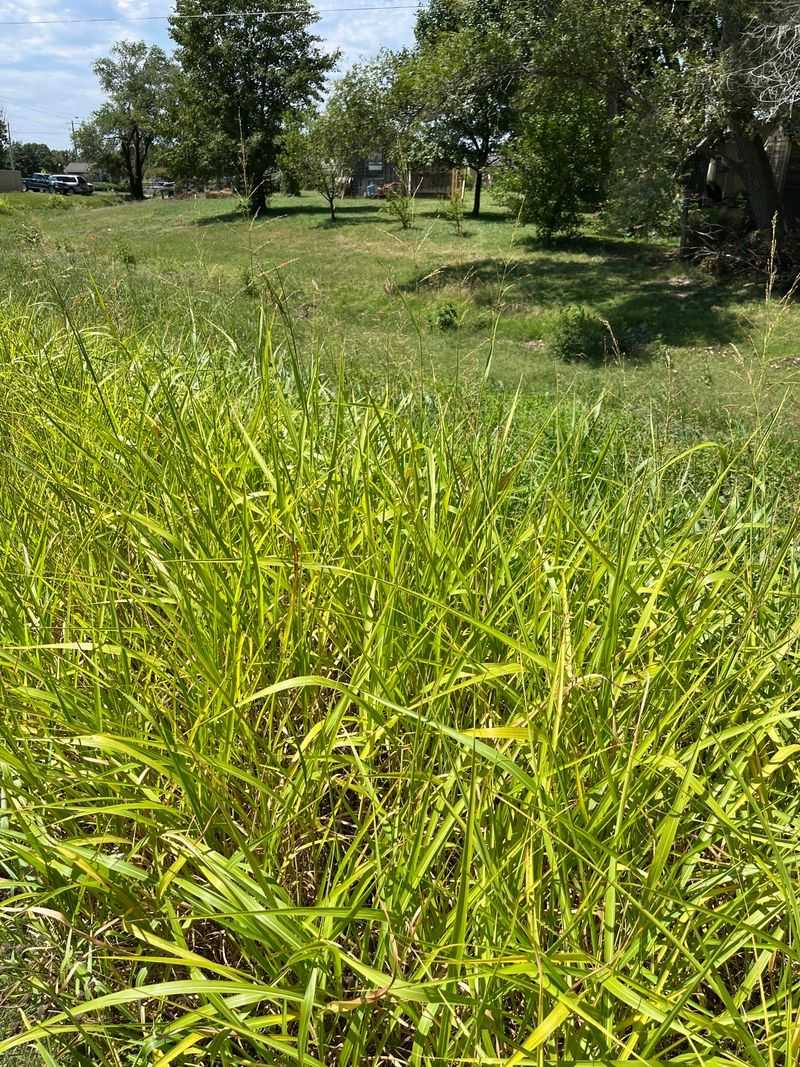
There is something almost impressive about Johnsongrass when it first appears. It shoots up tall and strong, with broad green blades and a bold white stripe running down the center of each leaf.
In the early stages, it honestly looks like a desirable ornamental grass that someone might have planted on purpose.
Texas gardeners who grow ornamental grasses or mixed perennial beds are especially vulnerable to missing this one. Johnsongrass blends in naturally with plants like muhly grass or other tall grasses.
By the time the difference becomes obvious, it has often already spread through a large section of the bed.
What makes Johnsongrass so aggressive is its dual spreading strategy. It spreads both through seeds and through underground rhizomes, which are thick horizontal roots that creep outward and sprout new plants.
Pulling it by hand can actually break the rhizomes into pieces, each of which can grow into a new plant, making hand removal a bit of a gamble.
Johnsongrass is considered a noxious weed in Texas, which means the state officially recognizes how problematic it can be. It is especially common along roadsides, fence lines, and disturbed areas, but it moves into gardens easily when seeds blow in or are carried by birds.
Catching it while the plants are young and small gives you the best chance of getting rid of it before the rhizomes become established. Consistent monitoring in late spring and early summer, when it grows fastest, is a smart strategy for any Texas gardener.
5. Wood Sorrel
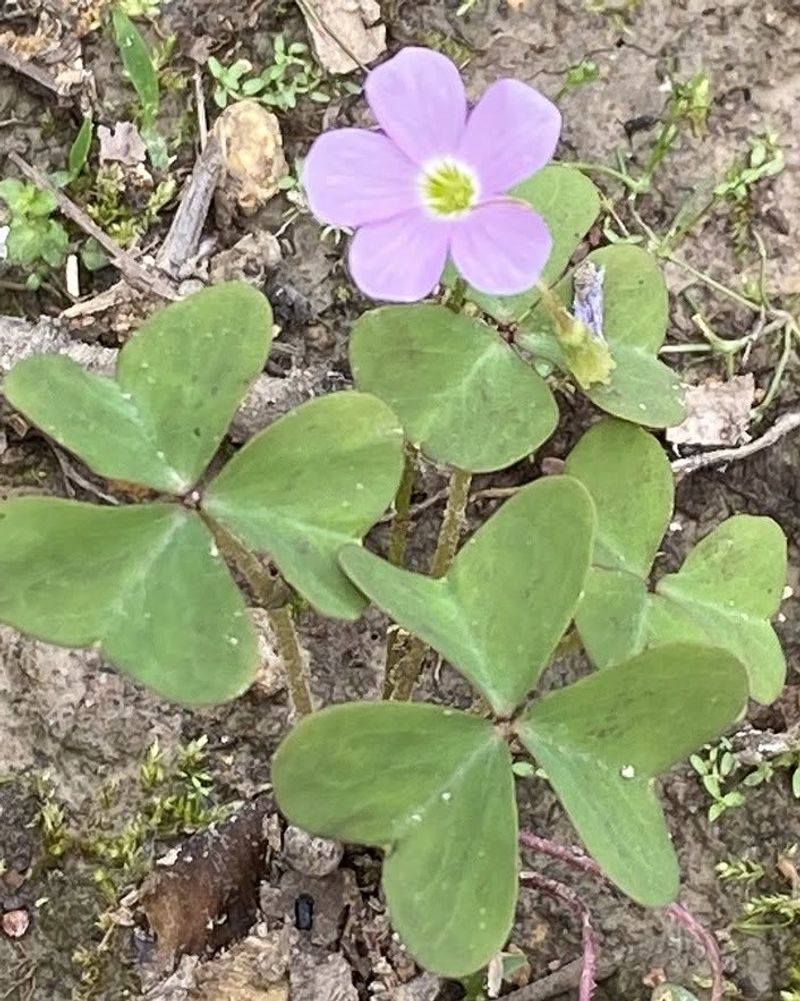
Honestly, Wood Sorrel is kind of adorable, and that is exactly the problem. Its small, heart-shaped leaves are arranged in tidy clusters of three, making it look almost identical to clover.
When tiny yellow flowers pop up, the whole thing starts to look like a charming filler plant that belongs in a cottage garden.
Texas gardeners frequently let Wood Sorrel grow because it seems harmless or even intentional. Some people actually think they have a clover patch growing, which they welcome.
The difference is that Wood Sorrel spreads aggressively through both seeds and creeping stems, and it can quietly take over beds, pots, and sidewalk cracks before anyone realizes what happened.
One interesting fact about this plant is that it produces seed pods that literally explode when ripe, launching seeds several feet away. That is one reason a small patch can turn into a large problem seemingly overnight.
The seeds land in new spots and quickly sprout, especially in moist, warm Texas soil.
Removing Wood Sorrel early, when plants are small, is much easier than tackling a large established patch. A hand weeder or simple finger-pulling works well in loose garden soil.
The trick is getting the roots out completely, because broken roots left in the ground will regrow.
Mulching your beds heavily can help prevent new seeds from germinating. A two to three inch layer of mulch blocks light and makes it harder for seedlings to establish.
Staying consistent with garden checks throughout spring and summer keeps this sneaky little plant from taking over your Texas garden.
6. Doveweed
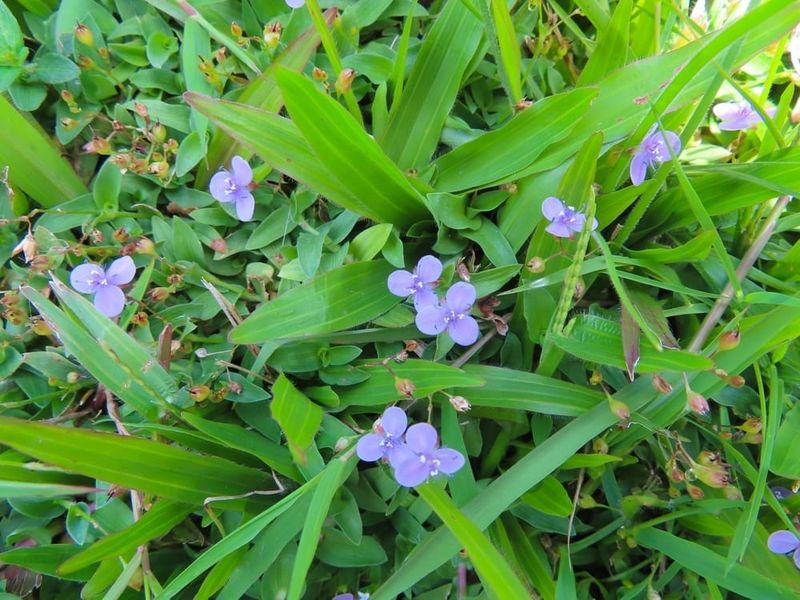
Doveweed has a way of sneaking into Texas gardens during the hottest, most humid stretches of summer, which is exactly when gardeners are least likely to be doing detailed inspections.
It grows low and spreads outward, forming a smooth green mat that honestly looks like someone planted a soft groundcover on purpose.
The leaves are narrow, smooth, and slightly succulent-looking, which adds to the confusion. At a quick glance, Doveweed can resemble a healthy, low-maintenance ornamental groundcover.
It stays green even in warm weather, and its tidy appearance makes it easy to mistake for something desirable.
What gives Doveweed away, if you look closely, is the tiny lavender-blue flowers it produces in summer. They are small and easy to miss, but they are a clear signal that you are dealing with a weed rather than a garden plant.
By the time those flowers appear, the plant has usually already spread across a noticeable area.
Moist areas are where Doveweed really thrives. Low spots in the yard, areas near irrigation heads, and spots that stay damp after rain are prime locations.
In Texas, where summer thunderstorms can leave soil wet for days, Doveweed finds plenty of opportunities to establish itself.
Removing it by hand is effective when the soil is moist and loose. The whole plant, including roots, needs to come out for removal to work.
Improving drainage in problem areas and avoiding overwatering can reduce how often Doveweed shows up in your Texas garden beds and lawn spaces.
7. Horseherb
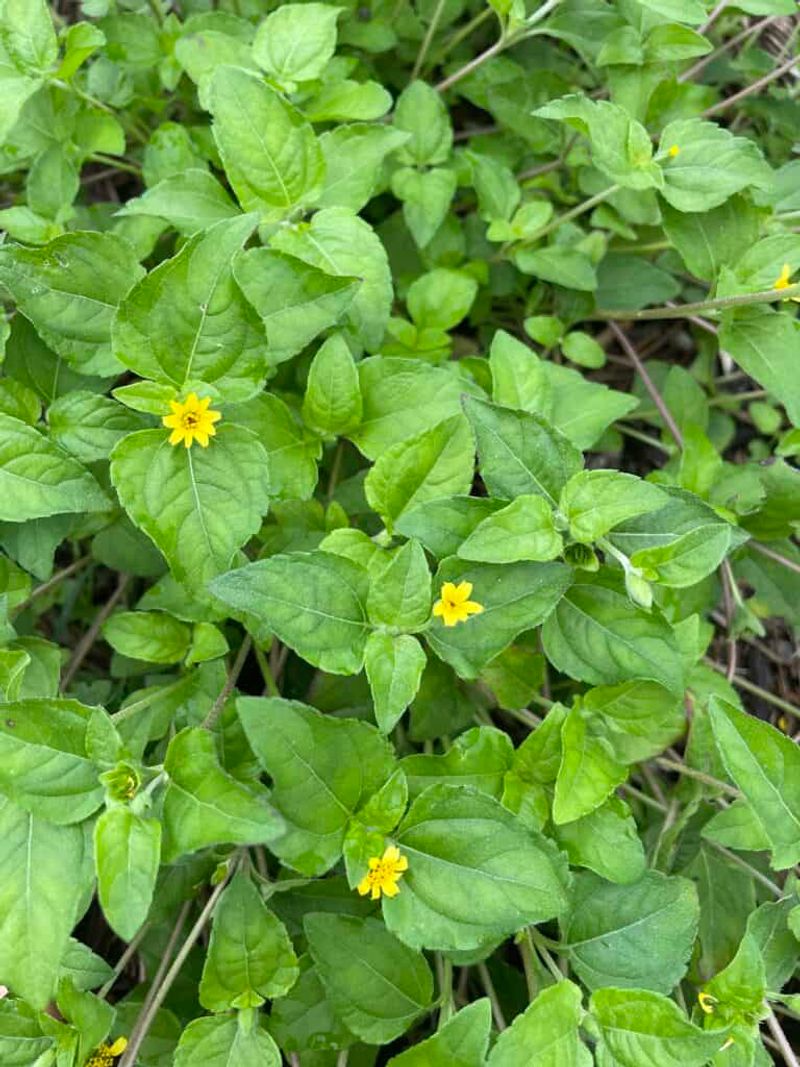
Some Texas gardeners have a complicated relationship with Horseherb. When it first shows up, it genuinely looks like a pretty groundcover.
Small, rounded green leaves cover the ground in a soft, natural-looking carpet, and tiny yellow flowers add just enough charm to make it seem like it belongs in a relaxed, cottage-style garden.
Horseherb is actually native to Texas, which makes things even more confusing. Because it is native, some people assume it is fine to let it grow freely.
And in certain situations, like a naturalized shade garden, it can fill in nicely. The problem starts when it moves into spaces you did not plan for it and begins crowding out plants you actually want to keep.
It spreads primarily by seed, and because birds love the seeds, it can pop up in spots far from the original plant. Shaded areas under trees and along fences are common places to find it growing uninvited.
Once it gets a foothold in a bed, it can spread wider than most people expect. Keeping Horseherb in check comes down to deciding early whether you want it in a specific spot. If you do not, remove it while it is young and before it sets seed.
Hand-pulling works well in loose, moist soil, but you need to get the roots out to prevent regrowth.
If you enjoy the look of it and want to use it intentionally, plant it in a contained area and check regularly to keep it from spreading into neighboring spaces throughout your Texas yard.