What It Means When Sandhill Cranes Show Up In Your Michigan Yard Every Spring
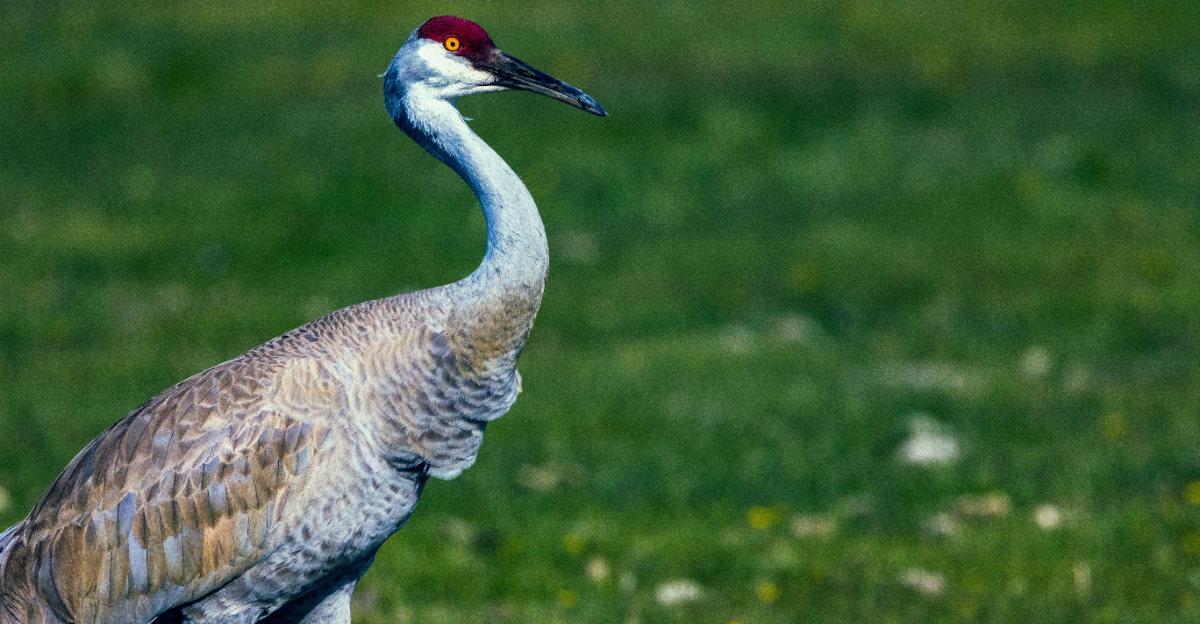
Seeing sandhill cranes step into your Michigan yard each spring can feel like something special, and in many ways, it is. These tall, graceful birds return as the weather warms, often appearing in the same areas year after year.
Their presence usually signals that your yard or nearby space offers something they need, such as open ground, shallow water, or a steady food source. Many homeowners are surprised by how comfortable cranes can become once they find a suitable spot.
While they add a sense of movement and natural beauty, they can also bring a few challenges depending on how often they visit. Understanding why they show up and what attracts them can help you decide how to respond.
Whether you enjoy watching them or want to limit visits, their return each spring is never random.
1. You Are Near Suitable Wetland Habitat
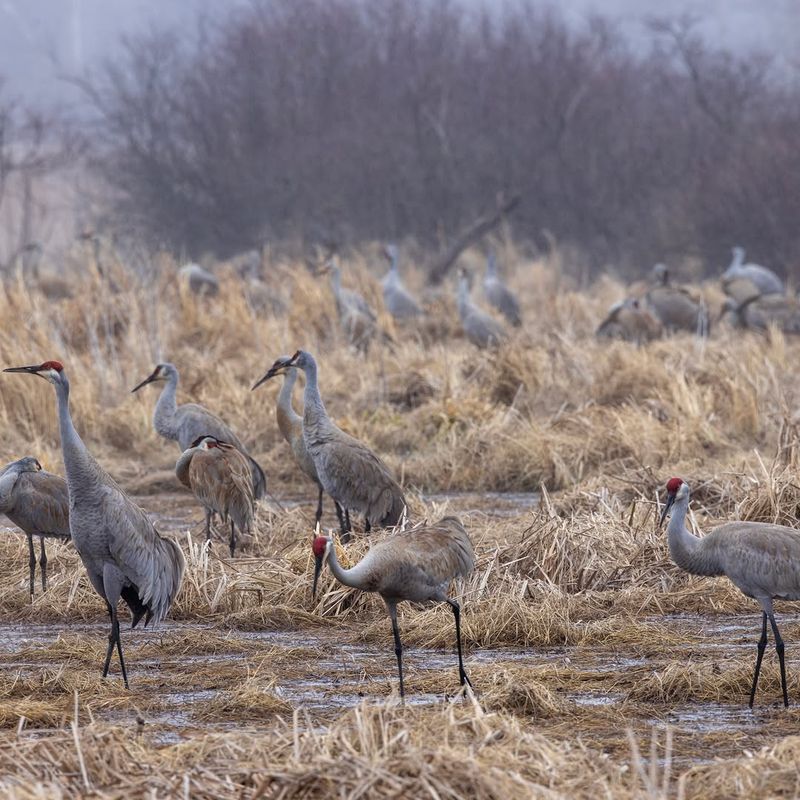
Wetlands are sandhill crane headquarters, and if a pair wanders into your Michigan yard, chances are you live closer to one than you think. Marshes, shallow ponds, flooded fields, and low-lying damp areas are all prime crane territory.
Even a small patch of standing water or a drainage ditch nearby can be enough to attract these birds during spring.
Michigan is home to thousands of acres of wetland habitat, making it one of the best states in the country for sandhill crane sightings. The Great Lakes region provides the moisture-rich landscape that cranes absolutely love.
Many homeowners are surprised to discover a small wetland tucked just beyond their tree line or behind a neighborhood fence.
Cranes do not need a massive swamp right next door. Sometimes a seasonal wet area that fills up with snowmelt or spring rain is enough to bring them in close.
If you start seeing cranes every spring, pull up a satellite view of your neighborhood and look for any blue or green patches nearby. You might be amazed at what is hiding just out of sight.
Living near these habitats is genuinely something to feel good about, because healthy wetlands support clean water, diverse wildlife, and thriving natural ecosystems that benefit every living thing in the area.
2. Your Yard Offers Perfect Open Foraging Ground
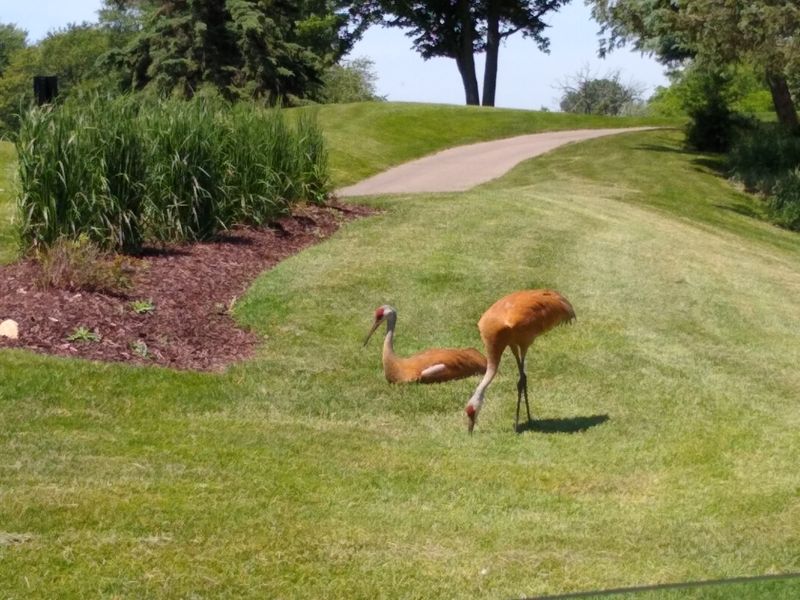
Sandhill cranes are not sneaky birds. They like wide, open spaces where they can see clearly in every direction while they walk and search for food.
A mowed Michigan lawn is basically a five-star buffet table for these tall, long-legged birds who need room to strut and probe the ground with their long bills.
Open grassy areas allow cranes to spot any approaching animals from a safe distance, which makes them feel secure enough to stick around. They tend to avoid dense shrubs, wooded areas, or anything that blocks their view.
If your yard is relatively open with short grass, you have created an ideal feeding environment without even trying.
Suburban Michigan yards that border fields, golf courses, or parks are especially popular stopping spots.
Cranes move through these areas with surprising confidence, walking steadily and methodically as they hunt for earthworms, beetles, and other small creatures hiding just beneath the surface.
Your Michigan Garden Changes Every Week. Your Plan Should Too.
Gardening in Michigan changes quickly throughout the season. Every Friday you’ll receive a simple weekly plan showing exactly what to plant, prune, fertilize, harvest, and protect so you never miss the right timing.
Watching them work a yard is genuinely fascinating because they are so deliberate and calm in everything they do. You can almost sense their patience as they take slow, measured steps across the ground.
If your yard fits this open, grassy description, congratulations, you have accidentally built one of the most crane-friendly properties in your neighborhood, and the birds have clearly noticed your welcoming landscape.
3. Early Spring Food Search Brings Them In Close
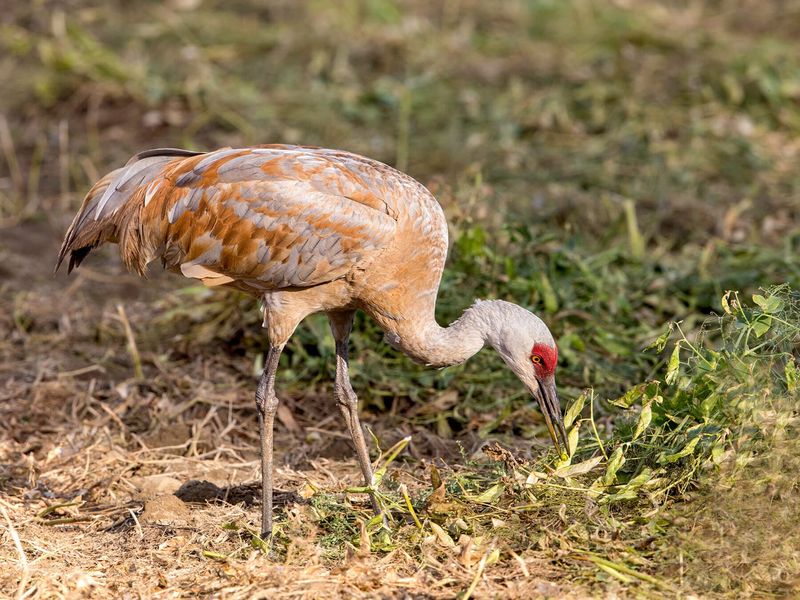
When the ground finally thaws in Michigan after a long winter, sandhill cranes are among the first birds to take advantage of what that soft earth has to offer.
Insects, earthworms, beetle larvae, and leftover seeds from the previous fall all become accessible again as temperatures rise.
Cranes arrive hungry after their long migration and waste absolutely no time getting to work.
Michigan cranes typically return in late February through March, often while patches of snow are still visible on the ground. Their timing is impressive because they seem to know exactly when conditions are right to find food.
Early spring yards with recently thawed soil are like treasure maps to a foraging crane looking for a good meal after traveling hundreds of miles.
Homeowners sometimes notice small round holes in their lawn where cranes have been probing with their pointed bills. This is completely normal behavior and a clear sign that your yard passed the crane food test.
The good news is that cranes actually help your lawn by eating grubs and insects that can damage grass roots over time. So while it might look a little rough for a day or two, having cranes visit your Michigan yard in early spring is genuinely beneficial for your soil health.
Think of them as free, feathered pest control showing up right on schedule every single year.
4. A Nesting Territory Might Be Nearby
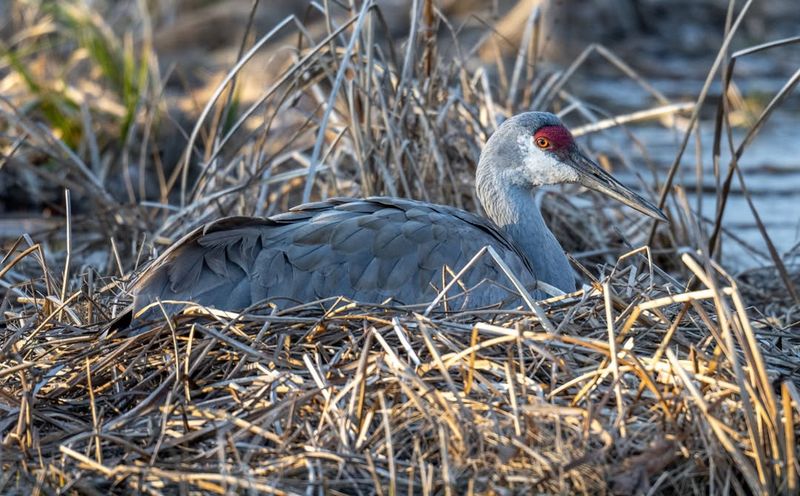
Spotting sandhill cranes repeatedly in the same corner of your Michigan yard is not a coincidence. Mated pairs establish nesting territories in spring and often use surrounding lawns, fields, and open areas as part of their daily range.
Your yard could be sitting right inside one of these home territories without you even realizing it.
Sandhill crane pairs are strongly bonded and work together to protect their chosen space. They are known to act boldly around other birds or animals that wander too close to their nest.
If you notice two cranes standing tall, calling loudly, or spreading their wings near your property, that is territorial behavior, and it means something important is happening nearby.
Nests are typically built on the ground near water, often hidden among cattails, tall grass, or low shrubs. The nest itself is a large mound of plant material, and both parents take turns keeping the eggs warm.
Michigan wetlands surrounding residential neighborhoods provide exactly the kind of sheltered, low-traffic spots that nesting pairs prefer. Knowing that cranes might be nesting just a short walk from your backyard is genuinely exciting.
It means your local environment is healthy enough to support one of Michigan’s most iconic bird species through its most vulnerable and important season of the entire year.
5. Sandhill Cranes Return To The Same Spots Year After Year
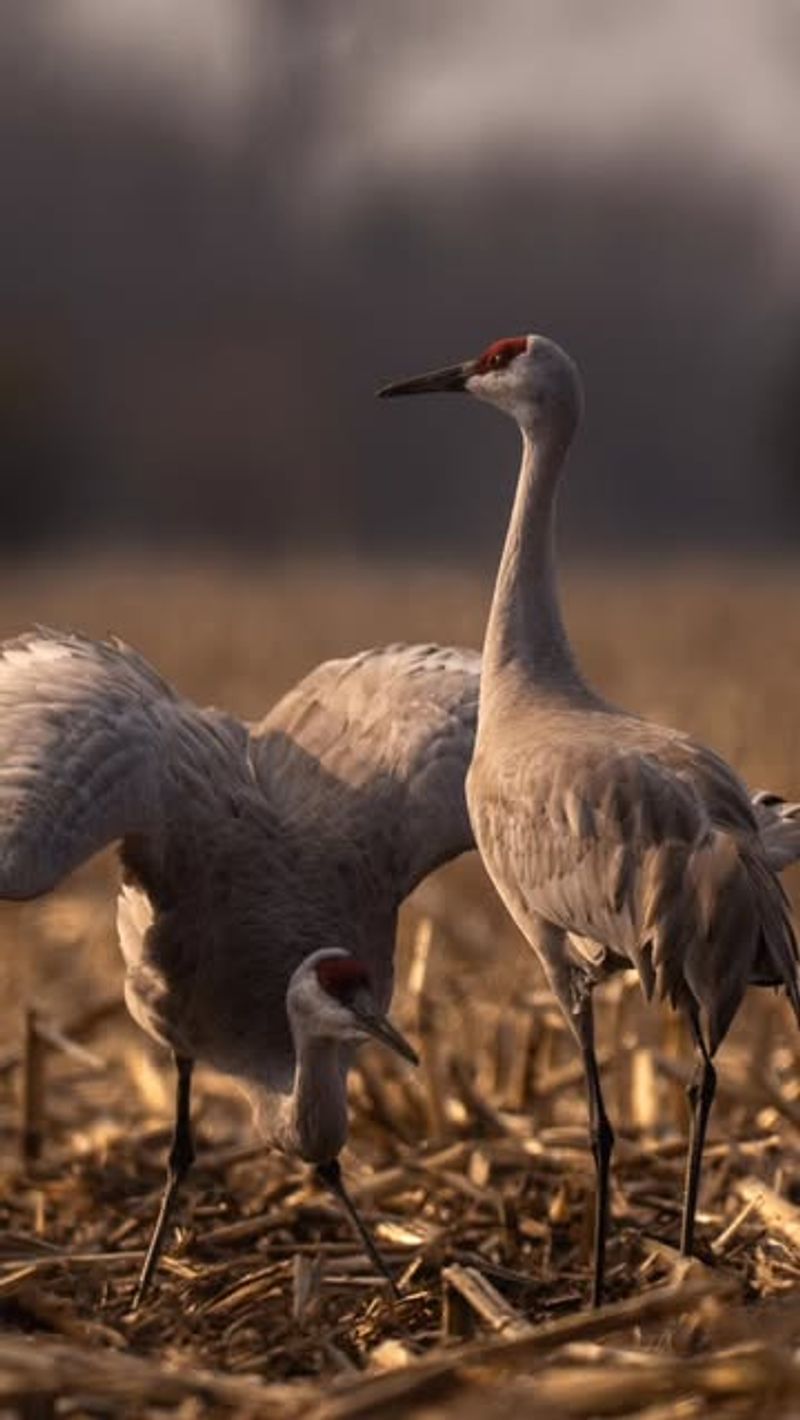
One of the most fascinating things about sandhill cranes is their incredible loyalty to familiar places. Scientists call this behavior site fidelity, and it is one of the strongest examples of it found in any North American bird species.
Once a pair of cranes decides your Michigan yard is worth visiting, there is a very good chance they will be back again next spring.
This loyalty extends to nesting sites, feeding areas, and even migration routes. Cranes that grew up in Michigan tend to return to the same general region every breeding season, sometimes traveling back to within a few hundred yards of where they hatched.
Pairs that have successfully raised young in an area are especially likely to return to that same neighborhood the following year.
For Michigan homeowners, this means a single spring visit could turn into a wonderful annual tradition.
Many people who have cranes visiting their yards describe the experience as one of the highlights of their spring season, something they genuinely look forward to every year.
Some families even give their returning crane visitors names, tracking them across multiple seasons. The cranes clearly find something valuable in your yard, whether it is food, open space, or simply a familiar and safe place to rest during a busy spring season.
That kind of loyalty from a wild animal feels like a real honor.
6. Your Yard Supports A Healthy Insect Ecosystem
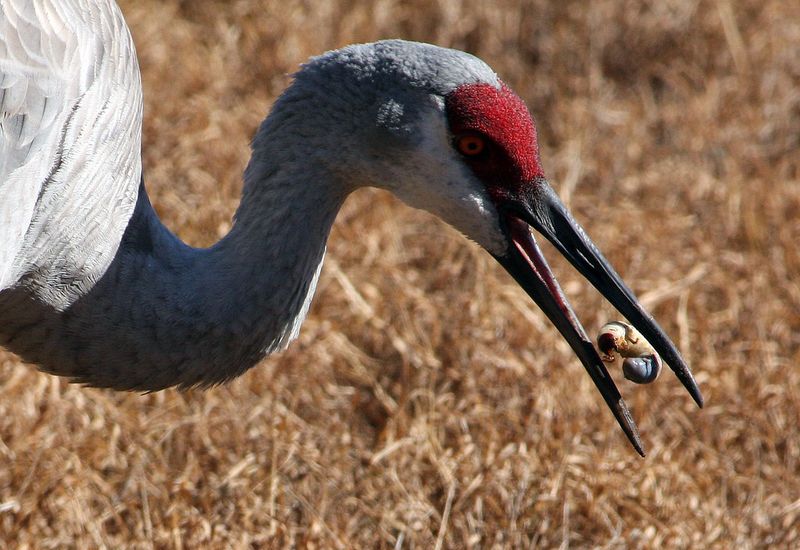
Here is something that might surprise you. The fact that sandhill cranes keep coming back to your Michigan yard says a lot about what is living beneath your grass.
Cranes feed heavily on insects, earthworms, beetle grubs, and other small creatures that thrive in healthy, chemical-free soil. A yard full of natural life is basically an open invitation for these big, hungry birds.
Yards that rely heavily on pesticides or synthetic fertilizers tend to have fewer insects and earthworms, which means less reason for cranes to visit. But if your lawn has a natural, balanced ecosystem humming along underneath the surface, cranes can sense that abundance.
Their bill is remarkably sensitive and can detect movement and moisture in the soil with impressive accuracy.
This is actually one of the most meaningful things a crane visit can tell you about your property. A healthy insect population supports healthy soil, which supports healthy plants, which supports a thriving yard overall.
Many Michigan gardeners have started reducing or eliminating chemical lawn treatments after learning that crane visits are a sign of ecological balance.
Welcoming cranes into your yard is not just enjoyable, it is a reminder that working with nature rather than against it creates a richer, more vibrant outdoor space for every living thing, including you, your family, and the wildlife you share your Michigan neighborhood with.
7. Baby Cranes Called Colts May Be Growing Nearby
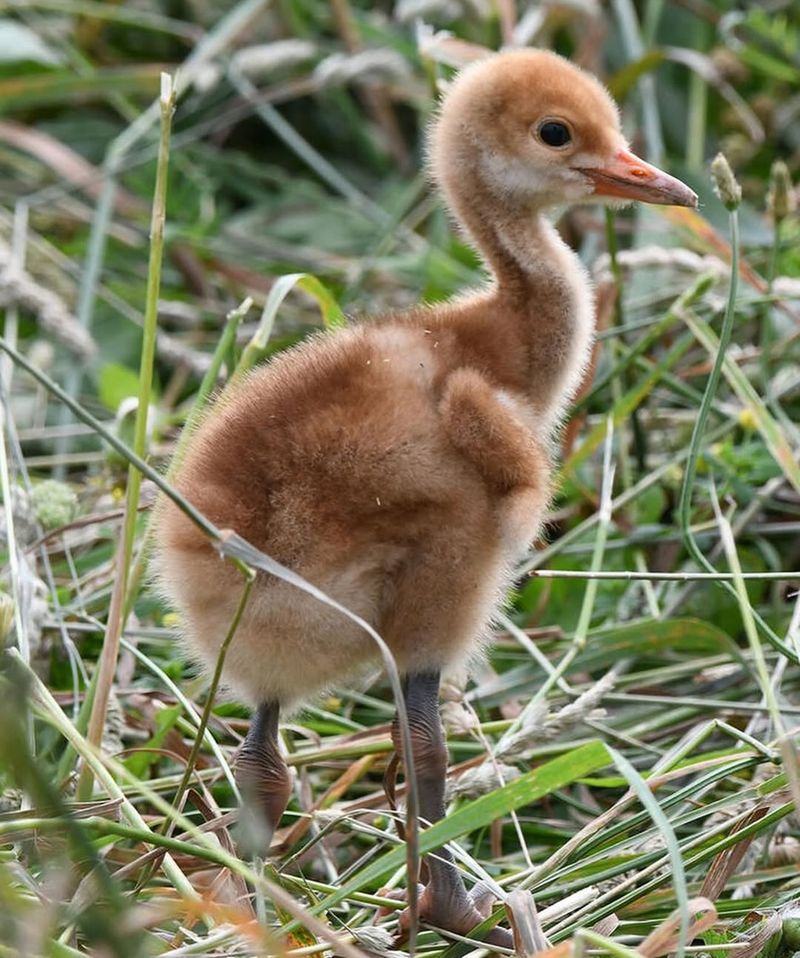
Few wildlife moments in Michigan are more heartwarming than watching a pair of sandhill cranes walk through a yard with tiny, fuzzy chicks trotting along beside them. Baby sandhill cranes are called colts, and they are born ready to move almost immediately after hatching.
Within hours of hatching, these little ones can walk and follow their parents around the nesting area.
Colts are covered in reddish-brown downy feathers and are surprisingly fast on their feet for such young birds. Both parents stay close and are highly protective of their young, sometimes acting boldly toward anything they perceive as a threat.
If you see an adult crane spreading its wings or calling loudly while standing between you and a small fluffy chick, give them plenty of space and enjoy the view from a respectful distance.
Seeing crane colts in your Michigan yard during late spring or early summer means the parents successfully nested somewhere very close by. This is a conservation win for your entire neighborhood.
Michigan’s sandhill crane population has rebounded beautifully over the past several decades, and each new family of colts represents that ongoing recovery.
Watching them grow from tiny, wobbling fluffballs into tall, graceful birds over a single season is one of those rare experiences that reminds you just how extraordinary ordinary backyards in Michigan can truly be.
8. These Birds Carry Strong Federal Protection
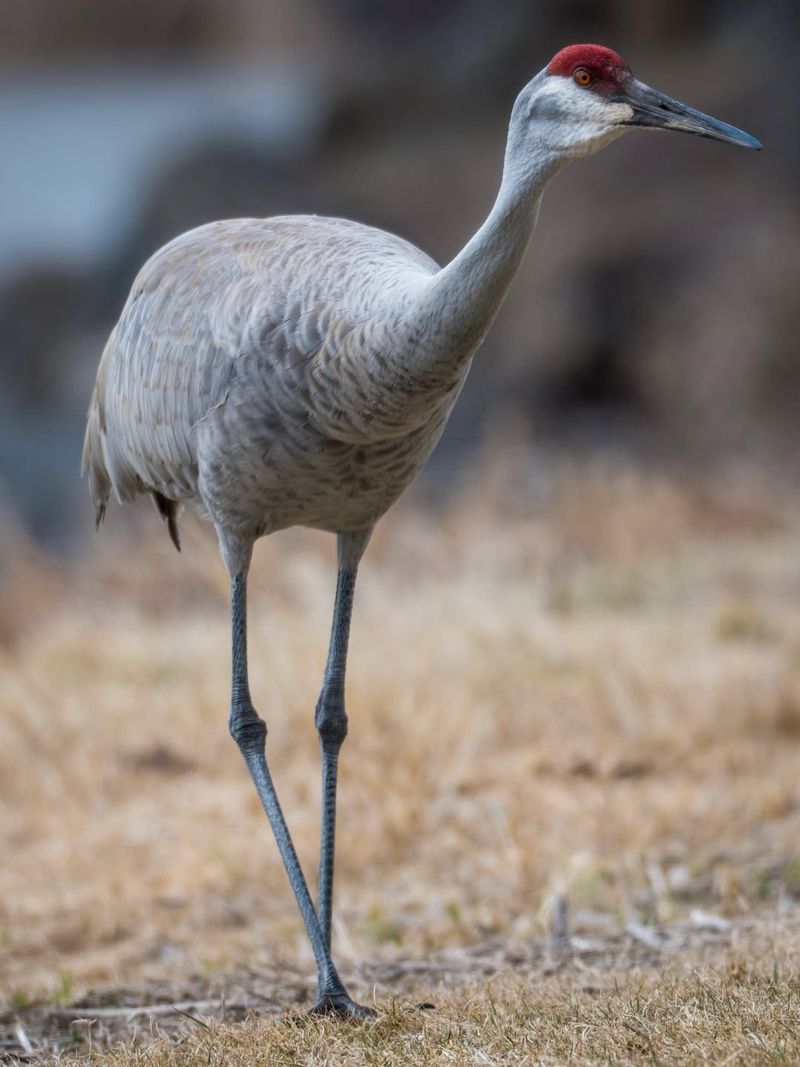
Sandhill cranes are not just beloved Michigan wildlife, they are federally protected under the Migratory Bird Treaty Act, one of the most important wildlife laws in American history.
This means it is illegal to harm, harass, capture, or disturb these birds or their nests in any way.
Understanding this protection helps Michigan residents know how to behave when cranes visit their property.
The good news is that living alongside sandhill cranes is genuinely easy once you know a few basic guidelines. Keep a comfortable distance, usually at least 100 feet, especially during nesting season.
Avoid approaching nests or chasing the birds away aggressively.
If cranes are causing minor issues in your garden, there are humane, legal ways to discourage them, such as using reflective tape, motion-activated sprinklers, or simply walking calmly toward them to encourage them to move on.
Michigan’s crane population once dropped dangerously low in the early 1900s due to habitat loss and unregulated hunting. Thanks to legal protection and dedicated conservation efforts, the population has now grown to over 20,000 birds statewide.
That recovery is a genuine success story, and every Michigan homeowner who treats visiting cranes with respect plays a small but meaningful role in keeping that positive trend going strong.
Knowing the law also helps you feel confident and informed whenever these stunning birds decide to pay your yard a visit.
9. Quiet Yards With Less Disturbance Attract More Visits
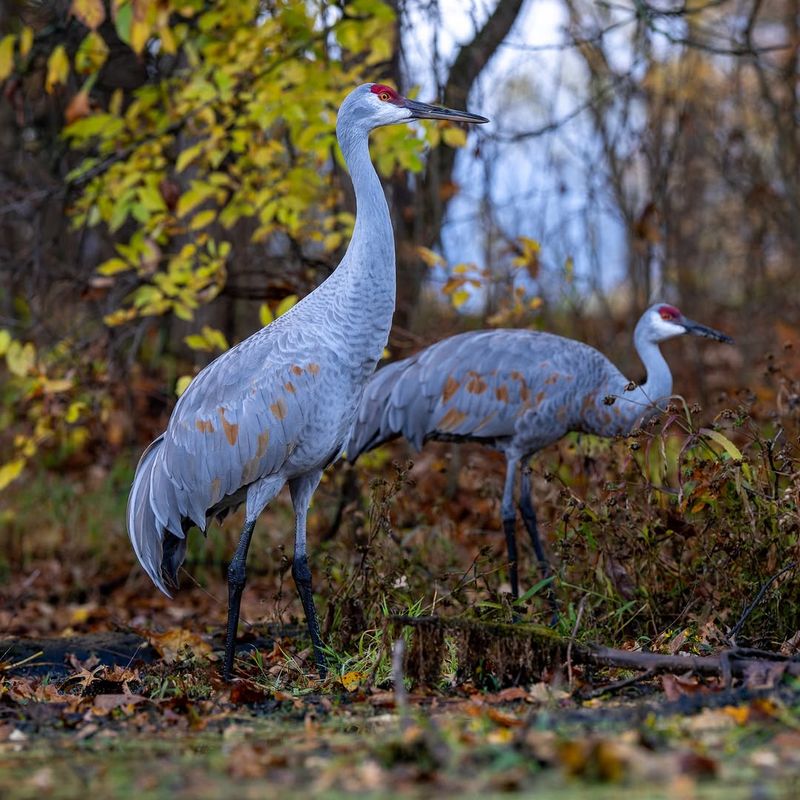
Sandhill cranes are bold birds, but they are not reckless. They pay close attention to the energy of a place before deciding to settle in and feed.
Yards that are calm, quiet, and free from constant loud noise or aggressive pet activity tend to attract cranes far more consistently than busy, chaotic spaces. Your peaceful backyard is essentially sending a welcome signal to every crane in the neighborhood.
Dogs that run loose, loud machinery, or heavy foot traffic near the yard edge can discourage cranes from visiting, even if the food supply is excellent.
Cranes that have had positive, non-threatening experiences in a particular Michigan neighborhood tend to become less cautious over time, sometimes feeding surprisingly close to windows or porches. This gradual comfort around people is a sign of healthy coexistence.
If you want to encourage crane visits without disrupting their natural behavior, simply give them space and keep things calm when they are present. Avoid sudden loud sounds or running toward them out of excitement.
Watching quietly from inside through a window is often the best way to enjoy the experience without causing stress.
Many Michigan birdwatchers and nature lovers describe these calm, quiet crane encounters as deeply satisfying moments that feel almost meditative.
There is something genuinely grounding about sharing your morning with one of the most ancient bird species on the entire planet.
10. Crane Arrivals Signal True Spring Has Begun In Michigan
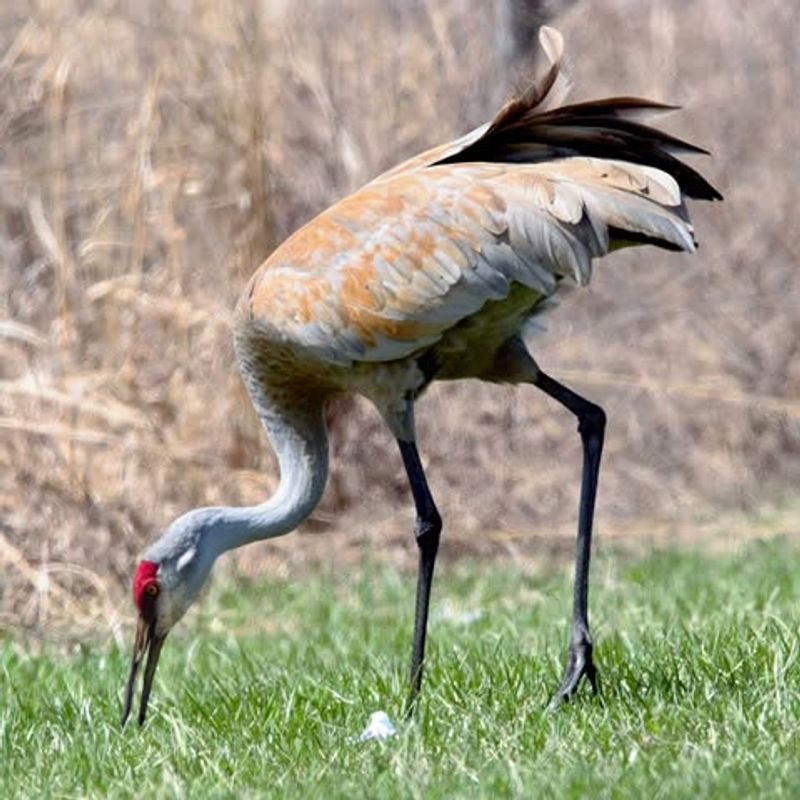
Ask any longtime Michigan resident what truly signals the end of winter, and many will say it is the sound of sandhill cranes calling overhead.
That loud, rolling, prehistoric bugle call drifting down from a pale March sky is one of the most recognizable sounds of spring in the Great Lakes region.
Cranes are among the earliest migratory birds to return to Michigan, often arriving while frost still lingers on the ground.
Their return follows ancient instincts shaped over millions of years of migration. Sandhill cranes have existed in essentially their current form for over 2.5 million years, making them one of the oldest living bird species on Earth.
When they show up in your Michigan yard each spring, you are witnessing a ritual that has played out across this landscape longer than humans have been here to watch it.
For many Michigan families, the first crane sighting of the year has become a cherished seasonal milestone, something the kids look out for and the adults quietly celebrate. It means longer days are coming, gardens can start being planned, and the natural world is waking back up in full.
Cranes carry that hopeful, energetic spirit of spring better than almost any other creature in Michigan. So the next time a pair of tall gray birds strolls into your yard in March, take a moment to appreciate just how remarkable that ordinary morning truly is.