The Hidden Gems Texas Gardeners Should Know About
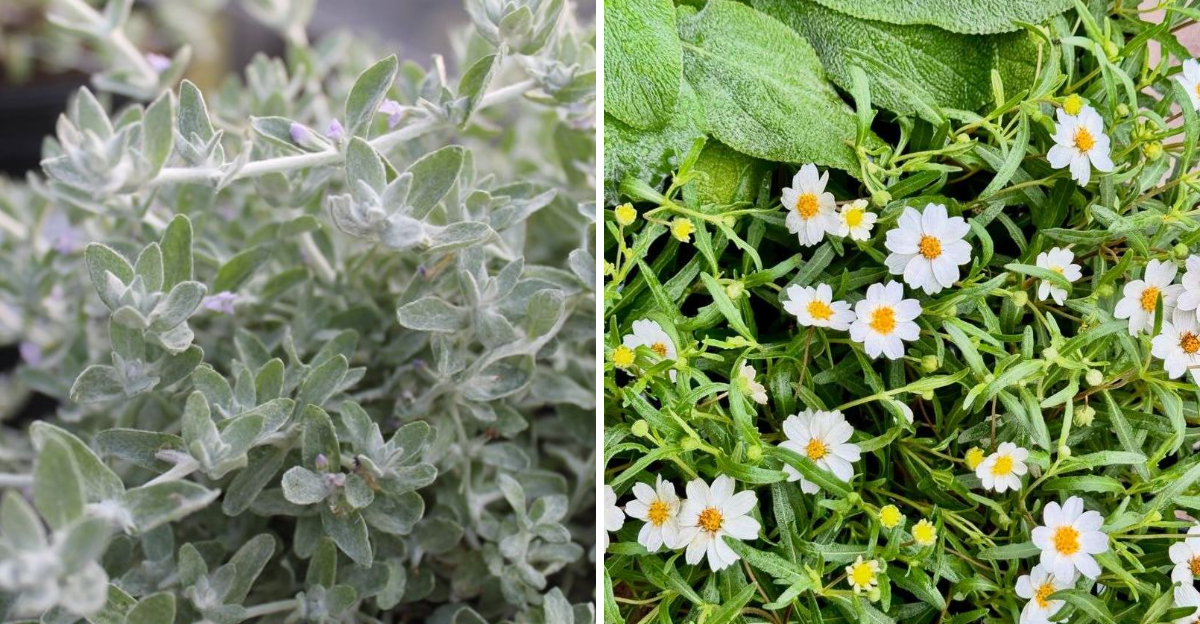
Some of the best plants in a Texas garden are not the ones everyone talks about. They are the quiet standouts tucked into the corner of a nursery, the ones that do their job beautifully without all the hype.
While certain popular plants get chosen again and again, there is a whole group of lesser-known options that deserve a lot more attention. These are the plants that surprise people.
They handle the heat, bring strong color or texture, and often ask for far less effort than the usual favorites.
That kind of find feels especially satisfying in Texas, where every plant has to prove it can take the sun, the dry spells, and the unpredictable weather. A hidden gem is not just unusual for the sake of being different.
It earns its place by performing well and adding something special to the yard that more common picks may not offer.
For gardeners who want a landscape with a little more personality, these underappreciated plants can make all the difference. They bring freshness, charm, and that great feeling of discovering something others have overlooked.
1. Woolly Stemodia
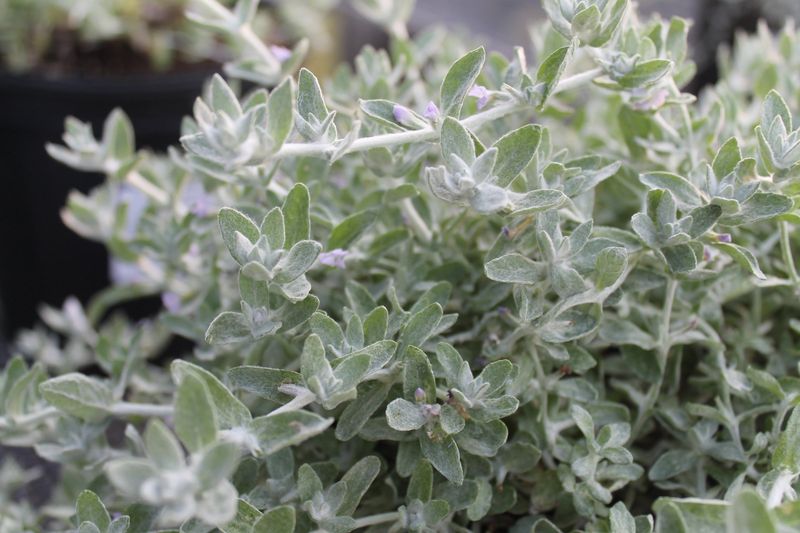
Soft, fuzzy, and almost touchable, Woolly Stemodia is one of those plants that stops people in their tracks.
Most folks walk right past it at the nursery without a second look, but Texas gardeners who give it a chance rarely regret it. The silvery, woolly leaves catch sunlight in a way that makes the whole plant seem to glow.
Native to Texas and parts of the Southwest, this low-growing perennial handles brutal summer heat without breaking a sweat. It stays compact and tidy, usually reaching just six to twelve inches tall.
That makes it a fantastic choice for borders, rock gardens, and modern landscape designs where clean lines matter.
The reflective quality of its foliage is not just pretty. It actually helps the plant manage intense Texas sun by bouncing heat away from the leaf surface.
Smart plant, right? Small purple blooms appear throughout the growing season, adding a delicate touch to all that silver.
Woolly Stemodia loves well-drained soil and does not like to sit in wet conditions. Plant it in a sunny spot, water it occasionally while it gets established, and then mostly leave it alone. It thrives on neglect, which is honestly what busy Texas gardeners need.
If you are designing a xeriscape garden or just want something low-effort with high visual impact, this native gem fits the bill perfectly. It pairs beautifully with ornamental grasses and other drought-tolerant Texas natives for a cohesive, water-wise landscape.
2. Damianita
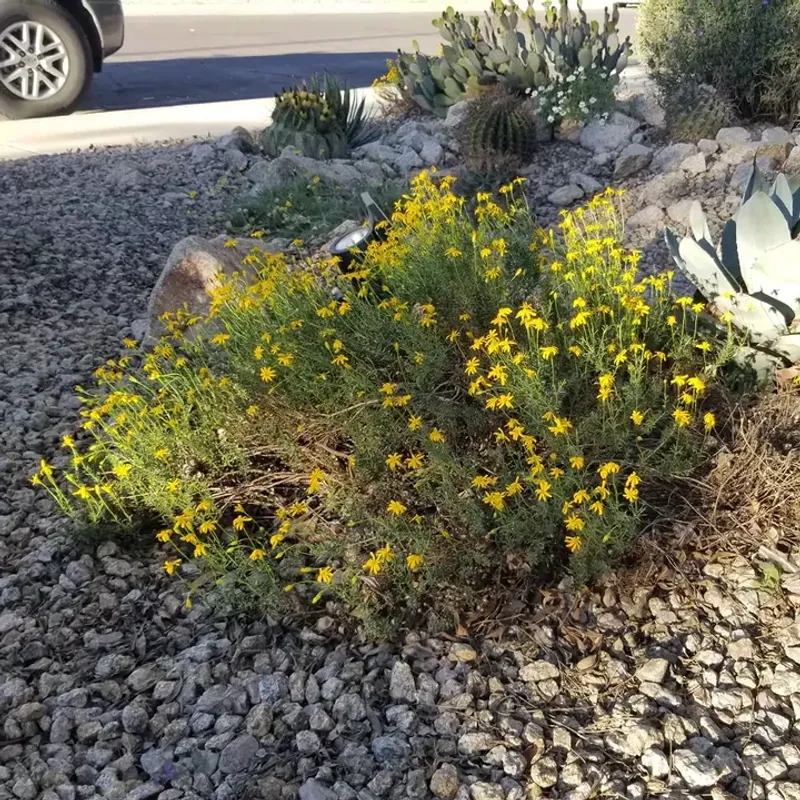
Bright yellow flowers, a clean rounded shape, and a fragrance that smells almost like chamomile tea.
That is Damianita in a nutshell, and yet most Texas gardeners have never even heard of it. Once you plant one, though, you will wonder why it took you so long to discover it.
Damianita is a small, evergreen shrub native to the Chihuahuan Desert region, including parts of West Texas and the Trans-Pecos area. It grows into a tidy mound about one to two feet tall and wide.
Your Texas Garden Changes Every Week. Your Plan Should Too.
Gardening in Texas changes quickly throughout the season. Every Friday you’ll receive a simple weekly plan showing exactly what to plant, prune, fertilize, harvest, and protect so you never miss the right timing.
The needle-like, dark green leaves stay on year-round, giving your garden structure even in winter when other plants look bare.
Yellow blooms appear in spring and again in fall, sometimes popping up throughout the warm season too. Few plants can match that kind of reliable color output with so little care required.
Bees absolutely love the flowers, making Damianita a quiet hero for pollinators in the Texas landscape.
Rocky, dry soil is where this plant truly shines. It handles drought conditions with ease and actually prefers lean soil over rich, amended beds.
Too much water or fertilizer can cause problems, so resist the urge to fuss over it. Plant it in full sun and let Texas do the rest.
Damianita works beautifully in rock gardens, along pathways, or as a low border plant. Its tidy growth habit means you rarely need to prune it.
For Texas gardeners wanting cheerful color without constant upkeep, this little shrub is a real find.
3. Gregg’s Mistflower
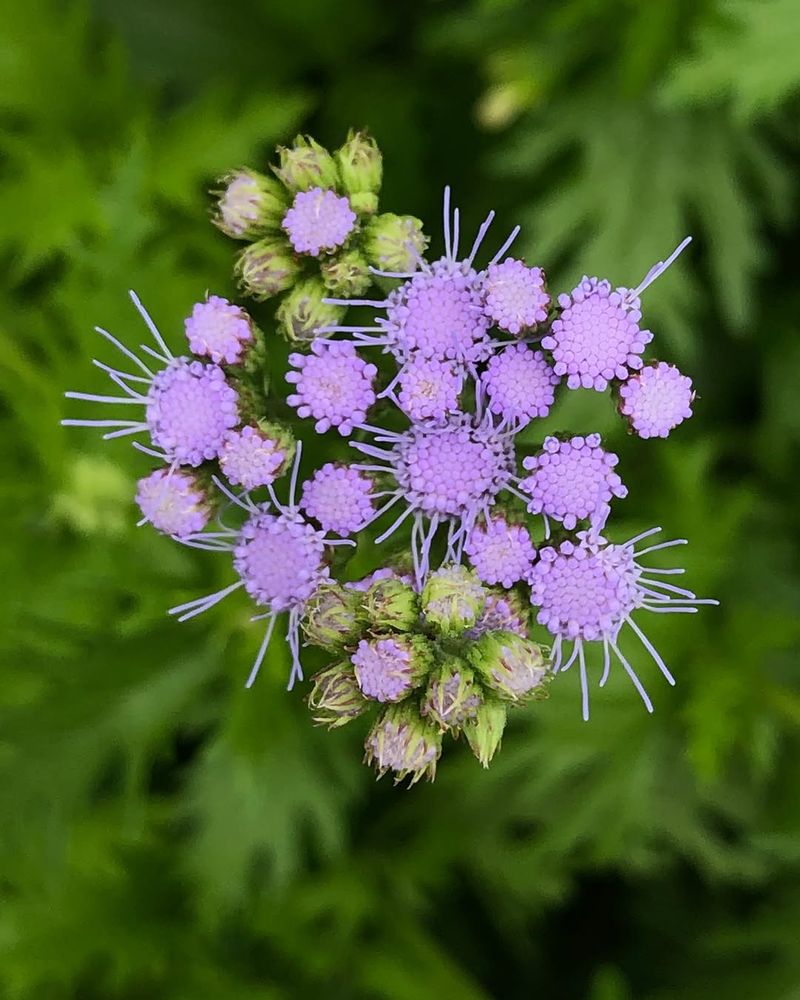
Imagine a plant that butterflies literally flock to every single fall. That is exactly what happens when Gregg’s Mistflower blooms.
Monarch butterflies migrating through Texas treat this plant like a rest stop buffet, and watching them gather on those soft blue-purple flower clusters is one of the most rewarding sights in any Texas garden.
Native to the Edwards Plateau and other parts of central and West Texas, Gregg’s Mistflower is a spreading perennial that fills in spaces naturally over time.
It grows about one to three feet tall and spreads through underground rhizomes, making it a great ground cover option for sunny or partially shaded areas.
The fuzzy, lavender-blue blooms appear from late summer through fall, right when the garden needs a color boost most.
Heat and drought do not slow this plant down. Once established in Texas soil, it needs very little supplemental water and handles poor soil without complaint. It does prefer good drainage, so avoid planting it in low spots that stay wet after rain.
One thing to keep in mind is that Gregg’s Mistflower spreads enthusiastically. Give it room to roam, or use it intentionally to fill a large area.
It plays well with other native plants like Blackfoot Daisy and Flame Acanthus, creating a naturalistic Texas garden scene that feels effortless.
Beyond butterflies, this plant also attracts bees and skippers. For anyone wanting to support pollinators while keeping their Texas garden low-maintenance, Gregg’s Mistflower is a must-have perennial worth seeking out at native plant nurseries.
4. Flame Acanthus
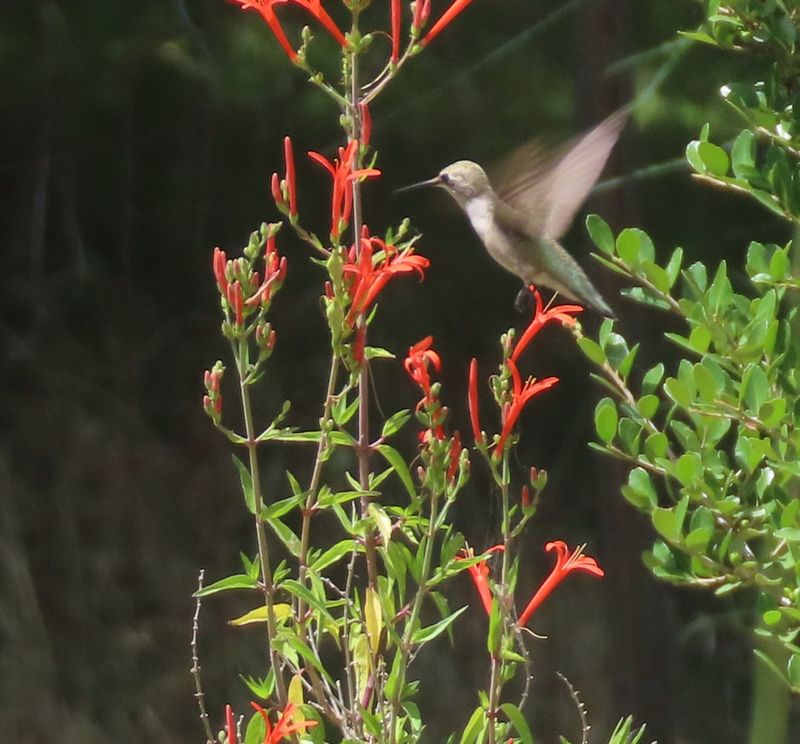
Few plants earn their name as honestly as Flame Acanthus. When this shrub bursts into bloom, it looks like someone lit a small, cheerful fire in your garden.
The tubular, orange-red flowers are intense, bold, and absolutely irresistible to hummingbirds passing through Texas during migration season.
Native to the limestone hills of central and West Texas, Flame Acanthus is a deciduous shrub that grows anywhere from three to five feet tall. It handles brutal heat, rocky soil, and extended drought periods without missing a beat.
For Texas gardeners dealing with challenging conditions, this plant feels almost too good to be true.
Blooming begins in midsummer and continues well into fall, giving you months of vivid color when many other plants have already faded.
The flowers appear on new growth, so if you want to encourage heavy blooming, cut the shrub back hard in late winter before new growth starts. It bounces back quickly and rewards the effort with an explosion of color.
Hummingbirds are the primary visitors, but butterflies and bees also stop by regularly. Placing Flame Acanthus near a window or patio gives you a front-row seat to all that wildlife activity throughout the growing season in Texas.
Pair it with other native shrubs and ornamental grasses for a low-water Texas landscape that looks intentional and beautiful. It also works well as an informal hedge or border shrub.
Once established, Flame Acanthus practically takes care of itself, making it one of the most rewarding plants you can add to a Texas garden.
5. Blackfoot Daisy
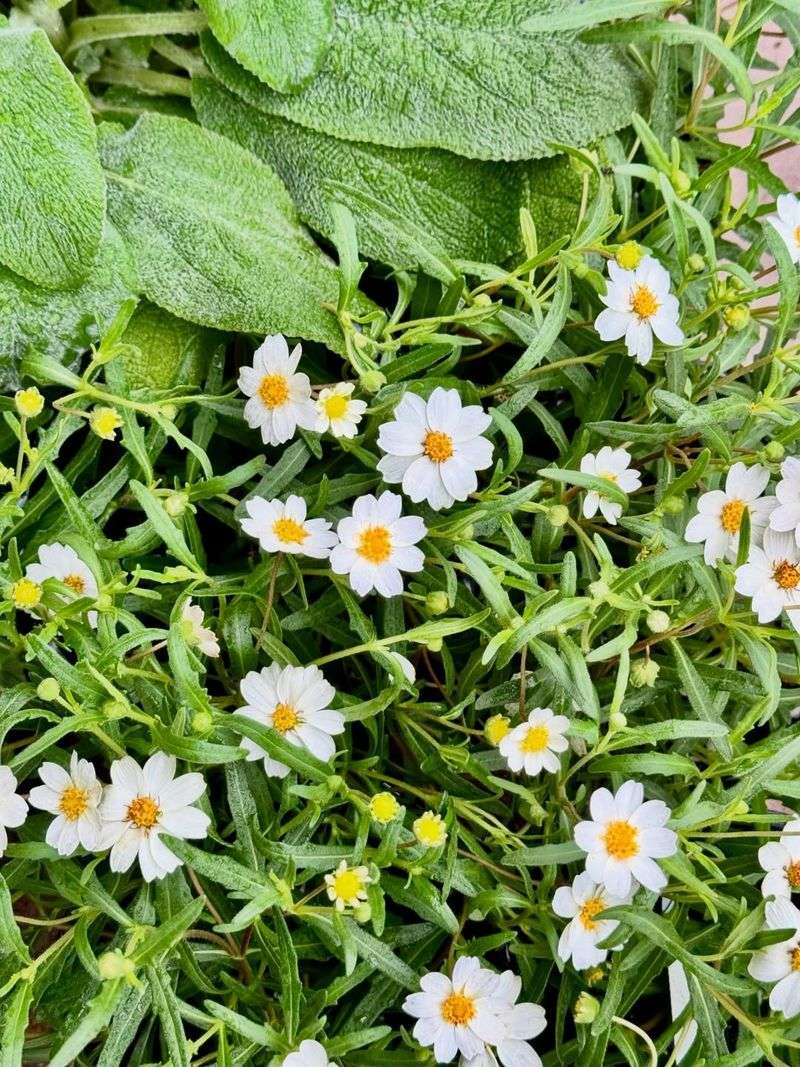
Do not let the delicate white petals fool you. Blackfoot Daisy is one of the toughest little plants growing in Texas, and it thrives in conditions that would send most garden flowers into a tailspin.
Rocky soil, blazing heat, minimal water. This plant handles it all with a cheerful smile and non-stop blooms.
Named for the small black base at the bottom of each seed, Blackfoot Daisy is native to the rocky limestone regions of central and West Texas. It forms a low, rounded mound about one foot tall and one to two feet wide.
The white flowers with bright yellow centers appear from early spring all the way through fall, giving you one of the longest bloom seasons of any Texas native plant.
Drainage is the one thing this plant truly demands. Plant it in well-drained, even gravelly soil and avoid areas that stay damp after rain.
Once established, it needs almost no supplemental watering in Texas, making it a champion for xeriscaping and water-conscious landscapes.
A sweet honey-like fragrance drifts from the flowers on warm days, which is a bonus most gardeners do not expect from such a rugged little plant. Bees and butterflies visit regularly, adding even more life to your outdoor space.
Blackfoot Daisy works beautifully in rock gardens, along sunny pathways, or tucked into gaps between flagstones. It pairs naturally with other Texas natives like Damianita and Gregg’s Mistflower.
For gardeners who want maximum bloom with minimum effort, this underrated native is an absolute treasure worth growing.
6. Texas Betony
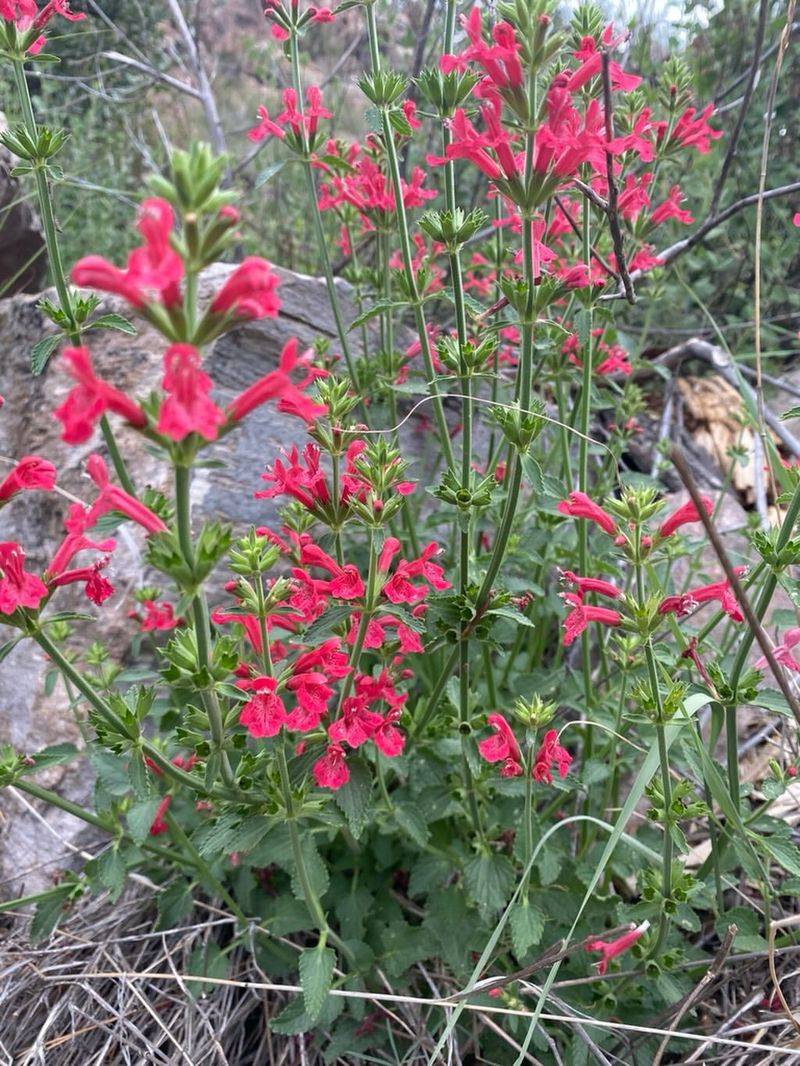
Bright red flowers in a shady garden spot sound like a fantasy, but Texas Betony makes it a reality.
Most red-blooming plants demand full sun, which makes this shade-tolerant perennial genuinely rare and valuable for Texas gardeners dealing with tricky, low-light areas under trees or along shaded fences.
Texas Betony is native to mountain canyons and wooded slopes from Texas into Mexico and Arizona. In the garden, it grows about two to three feet tall and produces tall spikes covered in vivid scarlet, tubular flowers.
Bloom time runs from spring through fall, especially when given occasional water during the hottest and driest stretches of the Texas summer.
Hummingbirds go absolutely wild for the flowers. If you have ever wanted to attract hummingbirds to a shaded corner of your yard, Texas Betony is one of the best tools available.
Plant a small grouping and watch the aerial acrobatics begin almost immediately once the blooms open.
The leaves are soft, textured, and slightly fuzzy, adding interesting foliage appeal even when the plant is not in bloom. It spreads slowly over time, gradually filling in shaded areas without becoming invasive or hard to manage in a Texas garden setting.
Partial shade to full shade works best, though it can handle morning sun if given enough moisture. Well-drained soil is important, as soggy roots cause problems.
Pair Texas Betony with Cedar Sage or native ferns for a layered, lush look in shaded spots that are otherwise difficult to plant. This underused perennial deserves far more attention than it currently gets.
7. Cedar Sage
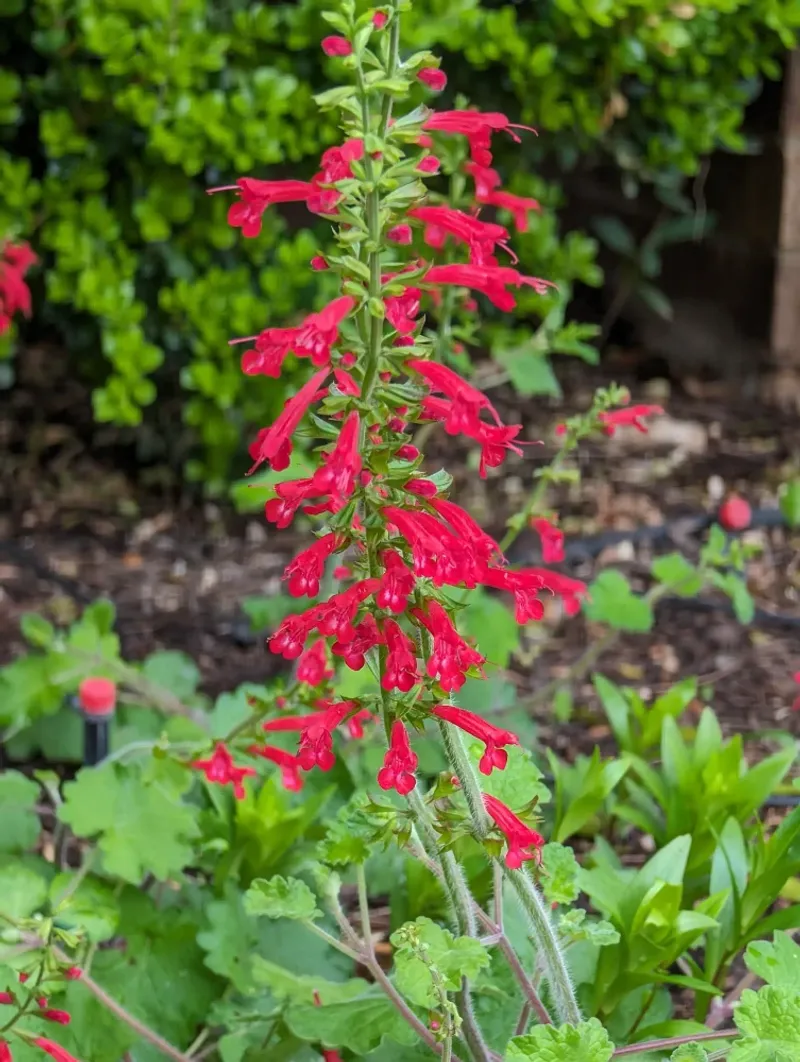
Shady spots under cedar trees are some of the most challenging areas in a Texas garden. The soil is dry, the light is low, and most plants simply refuse to cooperate.
Cedar Sage, however, was practically born for exactly those conditions, and it delivers stunning red blooms in places where color seems almost impossible.
Native to the Texas Hill Country and surrounding limestone regions, Cedar Sage is a low-growing perennial salvia that reaches about one to two feet tall.
Bright red, tubular flowers appear on slender stalks from spring through early summer, with another flush often appearing in fall.
The heart-shaped, dark green leaves stay attractive throughout the growing season, providing a lush look even between bloom cycles.
Water needs are impressively low once Cedar Sage settles in. It evolved to survive the dry, rocky, shaded understory of central Texas cedar woodlands, so it asks very little from the gardener.
Occasional deep watering during extreme dry spells helps it perform at its best, but it manages surprisingly well on rainfall alone in most Texas landscapes.
Hummingbirds visit the flowers regularly, and bees also stop by for nectar. That combination of wildlife value and shade tolerance makes Cedar Sage one of the most useful native plants available to Texas gardeners working with difficult spots.
Pair it with Texas Betony for a shade garden packed with red blooms and texture. It also looks lovely alongside native ferns and turk’s cap.
For anyone tired of bare, lifeless ground under dense trees in Texas, Cedar Sage is the answer you have been searching for all along.