12 California Perennials That Bloom More Than Once A Year
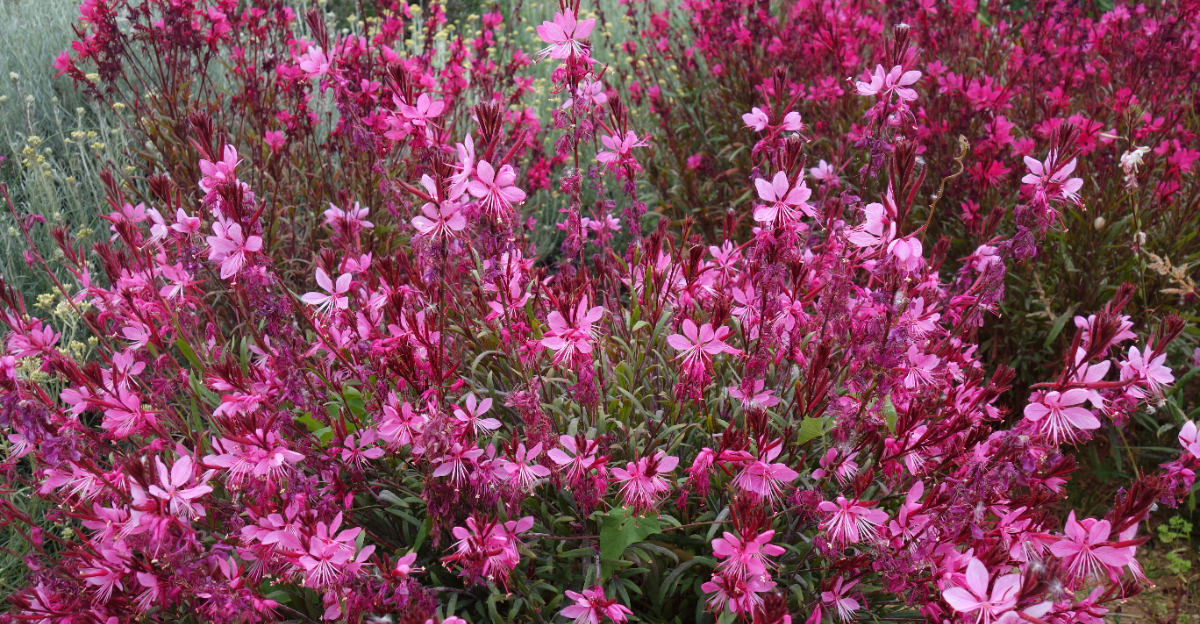
One bloom cycle is nice. Getting a second or even third round of flowers in a California garden is much better.
Certain perennials keep the color going long after the first flush fades, giving beds and borders a fuller, longer-lasting show.
California’s extended growing season gives reblooming plants a real advantage. With the right picks, you get more color, fewer dull gaps, and a garden that keeps looking lively without constant replanting or rescue missions once early bloomers fade out.
That is what makes these perennials worth the space. They do more than put on one good performance and disappear.
They come back with fresh blooms, stronger seasonal impact, and the kind of staying power that makes a garden feel like it is actually delivering. Much better.
1. California Fuchsia
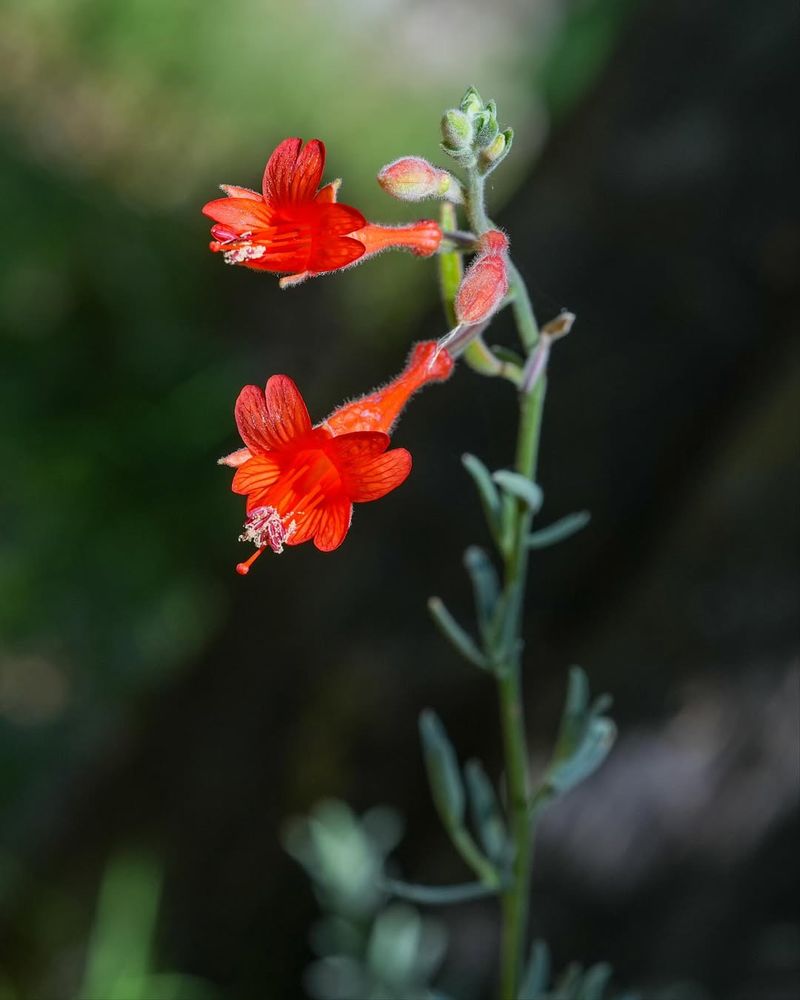
Few plants in California stop people in their tracks the way California fuchsia does. Its fiery red-orange tubular flowers are like little trumpets calling out to hummingbirds from summer all the way through fall.
Native to California, this tough perennial is built for dry summers and knows how to handle the heat.
You do not need to fuss over it much. Once established, it handles drought really well and keeps pushing out fresh blooms even when other plants are struggling.
Cut it back in late winter, and it comes roaring back with new growth and another round of flowers.
It spreads gradually through underground runners, so give it some room to stretch out. It looks stunning along slopes, in rock gardens, or at the edge of a pathway where its bright color can really shine.
Gardeners across California love using it as a low-maintenance pop of color that also supports local pollinators and wildlife.
2. Seaside Daisy
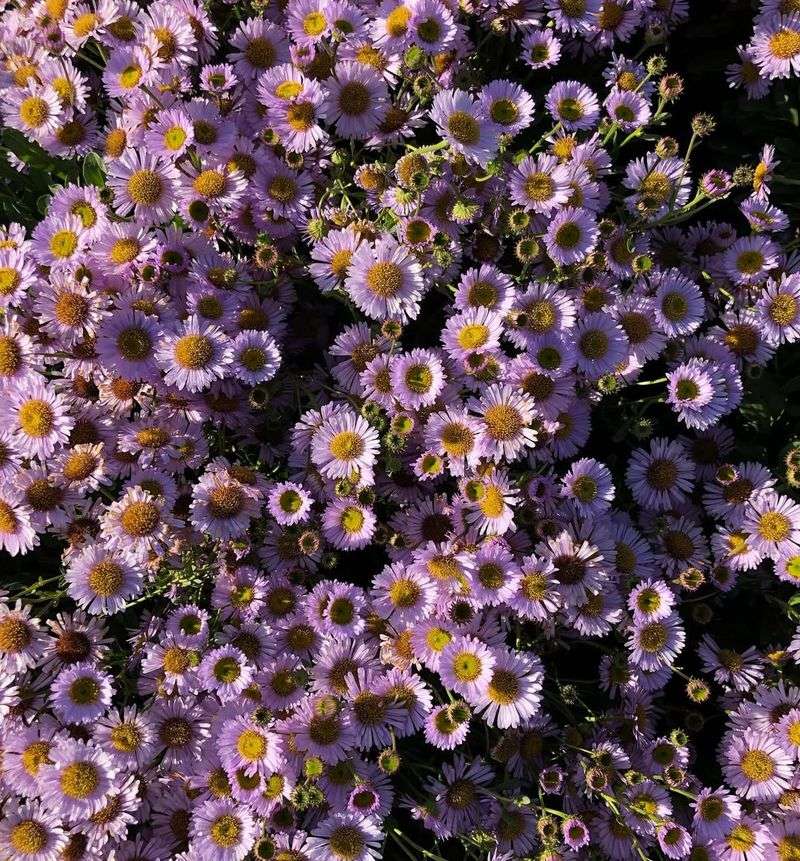
Walk along almost any California coastal trail and you might spot seaside daisy growing happily in rocky soil. This cheerful little plant produces soft lavender or white daisy-like flowers with bright yellow centers, and it blooms heavily in spring and then again in late summer.
It is one of those plants that just keeps giving.
Seaside daisy grows low to the ground, usually only about six to twelve inches tall, making it a great choice for borders, rock gardens, or ground cover. It handles salty air, dry spells, and poor soil without much complaint.
That is what makes it such a popular pick along California’s coast and inland gardens alike.
Deadhead the spent flowers regularly and you will be rewarded with a longer blooming season. It pairs beautifully with other California natives and creates a naturalistic look that feels right at home in almost any garden style.
Plant it where you want soft, consistent color without a lot of maintenance work.
3. Yarrow
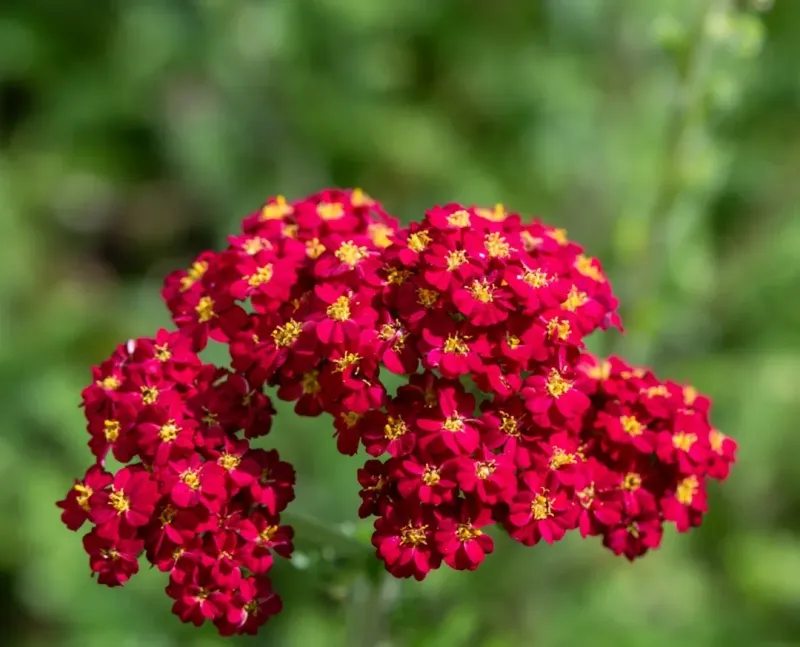
Yarrow has been around for thousands of years, and gardeners in California still love it for good reason. It produces wide, flat clusters of tiny flowers in shades of yellow, white, red, and pink, and it blooms from late spring into fall.
Cut off the old flowers and it rebounds quickly with fresh new blooms.
Your California Garden Changes Every Week. Your Plan Should Too.
Gardening in California changes quickly throughout the season. Every Friday you’ll receive a simple weekly plan showing exactly what to plant, prune, fertilize, harvest, and protect so you never miss the right timing.
One of yarrow’s best qualities is its toughness. It thrives in full sun, handles drought like a champ, and grows well in poor or sandy soil.
That makes it an excellent fit for California’s dry summers, especially in inland areas where water conservation matters.
Beyond its good looks, yarrow is a magnet for beneficial insects like ladybugs, lacewings, and butterflies. Planting it near your vegetables or other flowers can actually help your whole garden stay healthier.
The feathery, fern-like foliage also adds texture even when the plant is not in bloom. It is a practical, beautiful, and wildlife-friendly perennial that earns its spot in any California garden without demanding much in return.
4. Blanket Flower
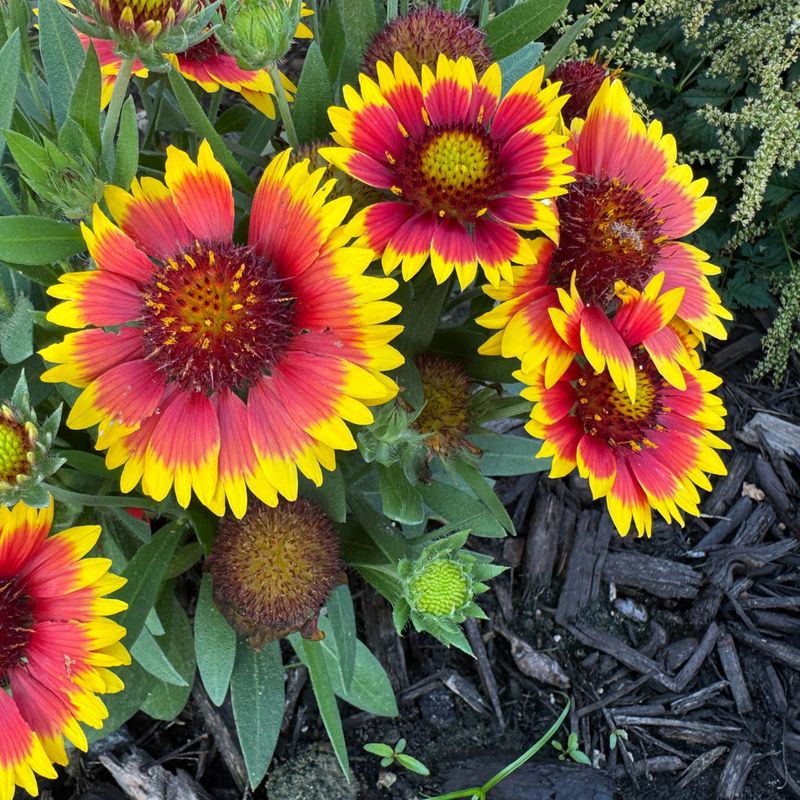
Blanket flower is the kind of plant that looks like it was painted by someone who loves bold colors. The flowers are a mix of fiery red, orange, and yellow, and they bloom from late spring all the way through fall.
In California’s warm climate, blanket flower is practically a non-stop blooming machine.
It loves full sun and well-drained soil, which makes it a natural fit for California’s dry summers. Once it gets going, it is very drought-tolerant and does not need a lot of watering or pampering.
Regular deadheading keeps the blooms coming and the plant looking tidy and full of energy.
Blanket flower works beautifully in borders, containers, or wildflower-style garden beds. It attracts butterflies and bees, making it a great choice for pollinator gardens across California.
The plants stay relatively compact, usually growing one to two feet tall, so they fit into smaller garden spaces without crowding out neighbors. If you want nonstop summer color with very little effort, blanket flower is one of the easiest and most rewarding perennials you can plant.
5. Catmint
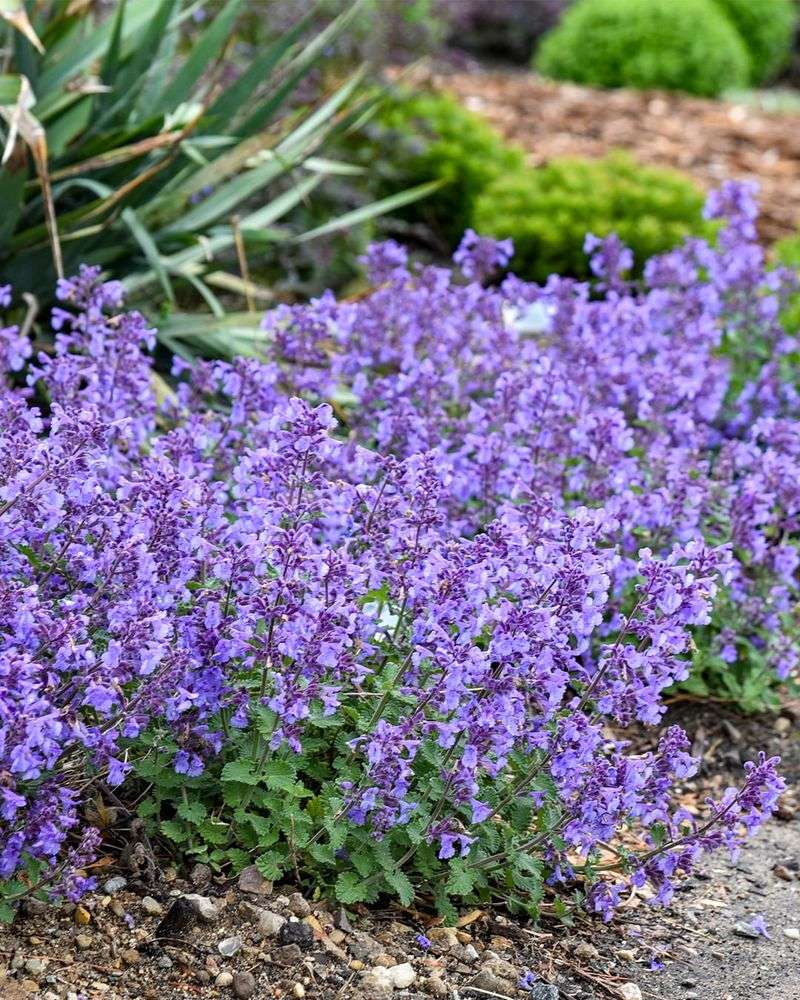
Catmint is one of those plants that makes a garden look effortlessly put together. It forms soft, rounded mounds covered in spikes of lavender-blue flowers from spring through early summer.
Cut it back after the first flush of blooms and it bounces back with a second wave of color in late summer or early fall.
Gardeners in California appreciate catmint because it handles heat and drought with ease. It is aromatic, which means deer tend to leave it alone, and its flowers are irresistible to bees and butterflies.
That combination of low maintenance and high wildlife value makes it a favorite in gardens from the Bay Area to Southern California.
Catmint looks stunning when planted along pathways, at the front of a border, or spilling over the edge of a raised bed. Its silvery-green foliage provides a soft, calming backdrop for brighter flowers nearby.
It pairs especially well with roses and California poppies. Even when it is not in bloom, the aromatic leaves add a pleasant scent to your outdoor space.
Few perennials offer this much beauty with this little effort.
6. Pincushion Flower
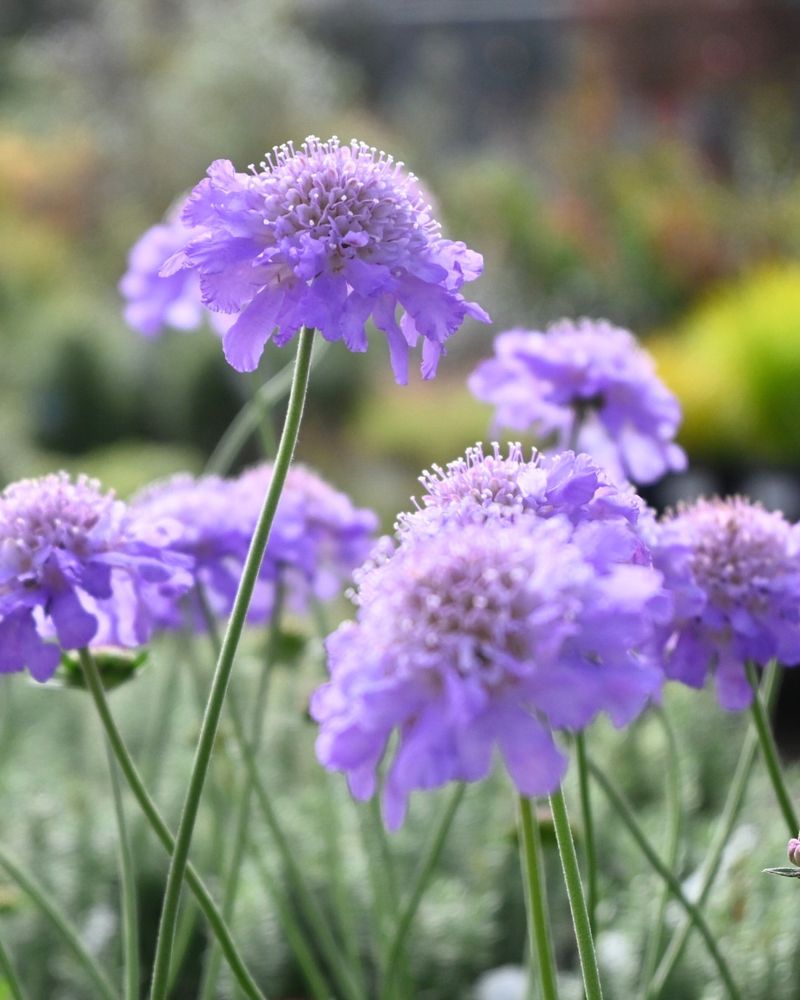
Pincushion flower gets its fun name from its unique dome-shaped blooms that look just like tiny pincushions. The flowers are usually soft shades of lavender, blue, or white, and they sit atop tall, slender stems that sway gently in the breeze.
In California gardens, this perennial blooms from late spring through fall with very little fuss.
What makes pincushion flower especially appealing is how much butterflies love it. The open, nectar-rich blooms are like a welcome mat for pollinators.
Plant it in full sun with well-drained soil and it will reward you with months of continuous color. Deadheading spent flowers regularly keeps the plant producing fresh blooms all season long.
Pincushion flower works well in cottage-style gardens, mixed borders, or even in containers on a sunny patio. It grows about one to two feet tall, which makes it easy to tuck in among taller plants without getting lost.
Gardeners throughout California use it to bridge the gap between bold summer flowers and the softer tones of fall. It is a quiet showstopper that earns admiration from everyone who sees it.
7. Russian Sage
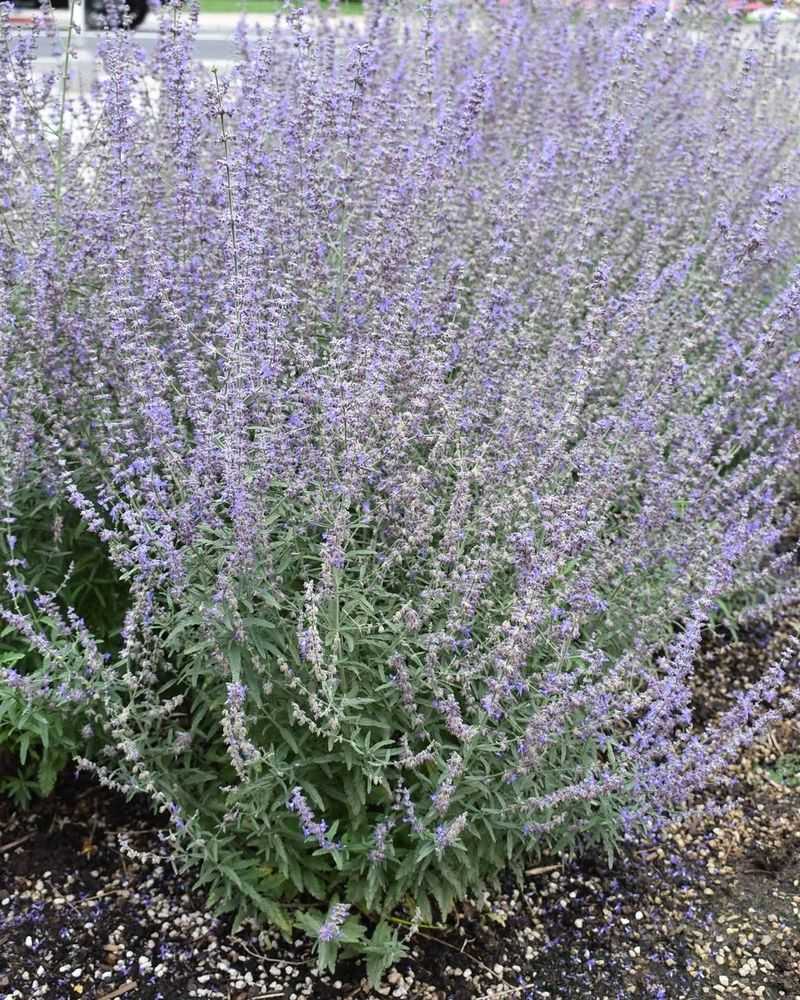
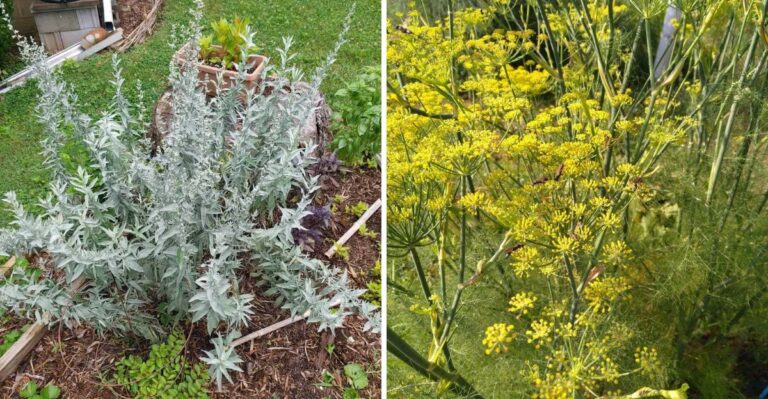
Russian sage brings a dreamy, almost cloud-like quality to any California garden. Its tall, airy spikes of tiny purple-blue flowers rise above silver-white stems from midsummer all the way into fall.
The whole plant has a soft, hazy look that feels both wild and elegant at the same time.
This perennial is practically made for California’s hot, dry summers. It thrives in full sun, tolerates poor soil, and barely needs any water once established.
Deer tend to avoid it because of its strongly aromatic foliage, which is a big bonus for gardeners in areas where deer browse is a problem.
Russian sage pairs beautifully with ornamental grasses, coneflowers, and blanket flowers in a naturalistic garden setting. It can grow three to five feet tall, so it works well as a background plant or a tall accent in a mixed border.
The silver stems remain attractive even in winter, giving the garden some structure during the off-season. Whether you are in Northern California or the warmer inland valleys of Southern California, Russian sage is a reliable, gorgeous perennial that almost takes care of itself.
8. Summer Aster ‘Monch’
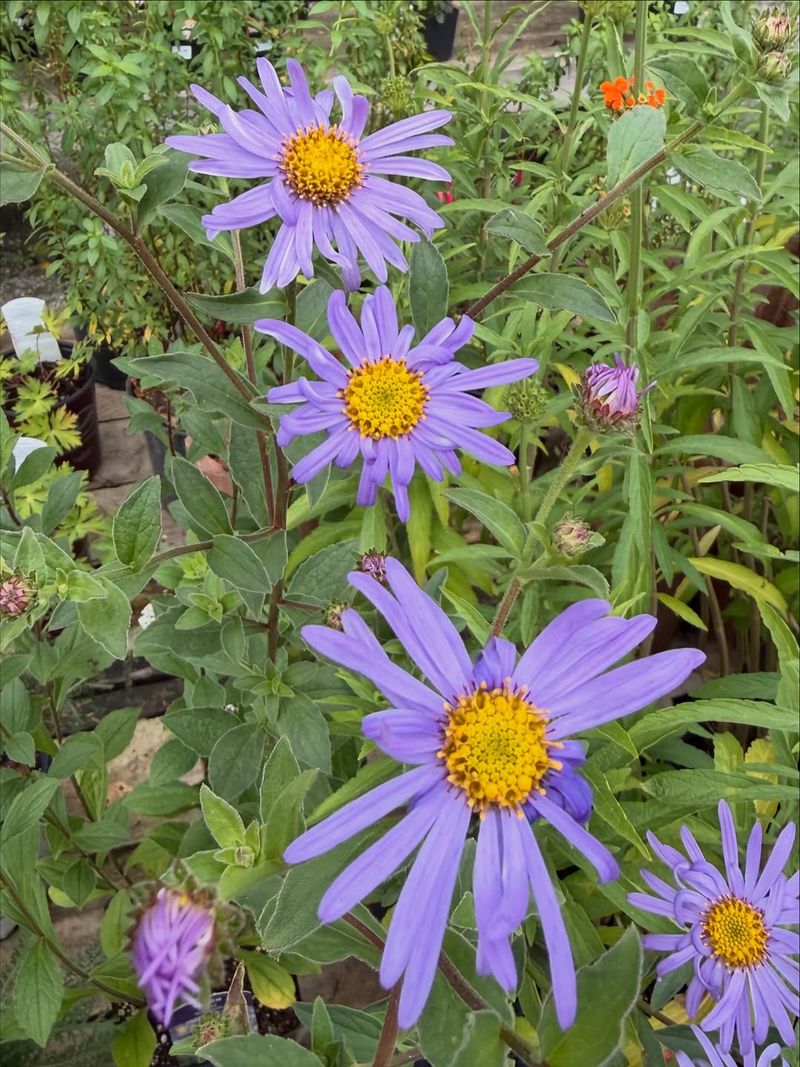
Among all the asters you can grow in California, Frikart’s aster ‘Monch’ stands out as one of the most reliable and long-blooming of the bunch. It produces a generous display of clear lavender-blue daisy flowers with bright yellow centers, starting in midsummer and continuing well into fall.
Few perennials offer such a long bloom window.
Unlike some asters that need a lot of dividing and fussing, ‘Monch’ is refreshingly low maintenance. It grows in full sun with average, well-drained soil and handles the warm temperatures of California summers without losing steam.
Deadheading helps extend the blooming season even further.
This aster grows about two to three feet tall and wide, making it a solid mid-border plant. It looks gorgeous paired with ornamental grasses, rudbeckia, or Russian sage for a late-season color combination that feels rich and layered.
Bees and butterflies absolutely love the flowers, so planting ‘Monch’ also does a big favor for local pollinators. In California’s long growing season, this aster truly earns its place in the garden by putting on a show from July all the way through October.
9. Coreopsis
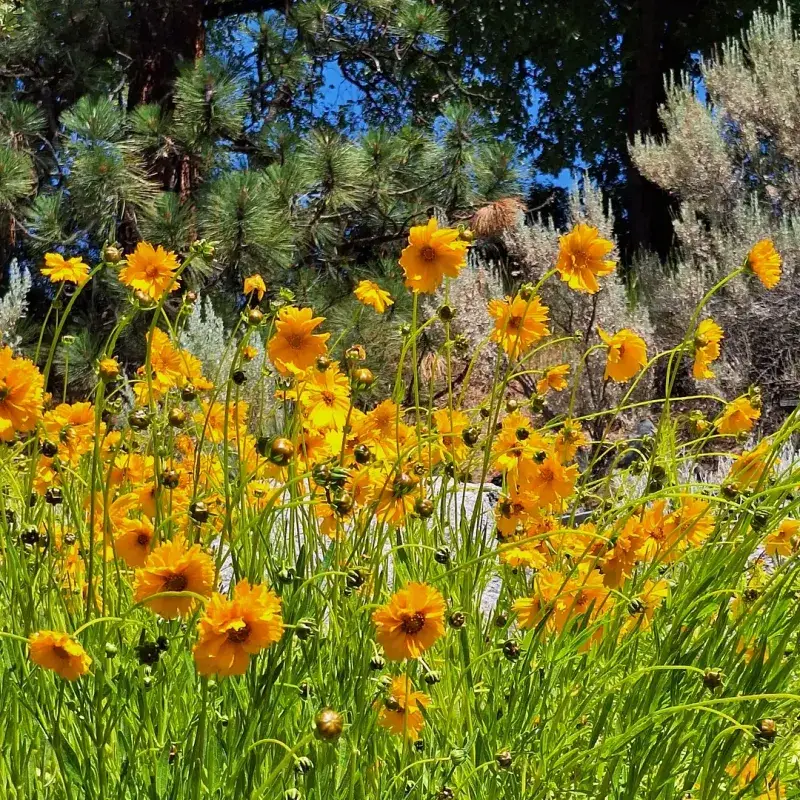
Bright, cheerful, and almost impossible to stop once it gets going, coreopsis is one of California’s most dependable reblooming perennials. The classic varieties produce golden yellow daisy-like flowers from late spring through fall, but newer cultivars come in shades of pink, red, and bicolor blends.
No matter which type you choose, the blooms keep coming.
Coreopsis loves full sun and handles drought well, which makes it a natural choice for water-conscious California gardeners. It thrives in average to poor soil and rarely needs fertilizing.
The more you deadhead the spent flowers, the more new blooms the plant pushes out, so it rewards a little regular attention with a lot of color.
This perennial grows one to two feet tall depending on the variety, making it versatile for borders, containers, or mass plantings. It looks stunning when planted in large sweeps along a sunny slope or mixed into a wildflower-style garden bed.
Butterflies and bees visit the flowers regularly, adding life and movement to the garden. Coreopsis is one of those plants that just makes a California garden feel sunny and alive, even on the hottest days of summer.
10. Gaura
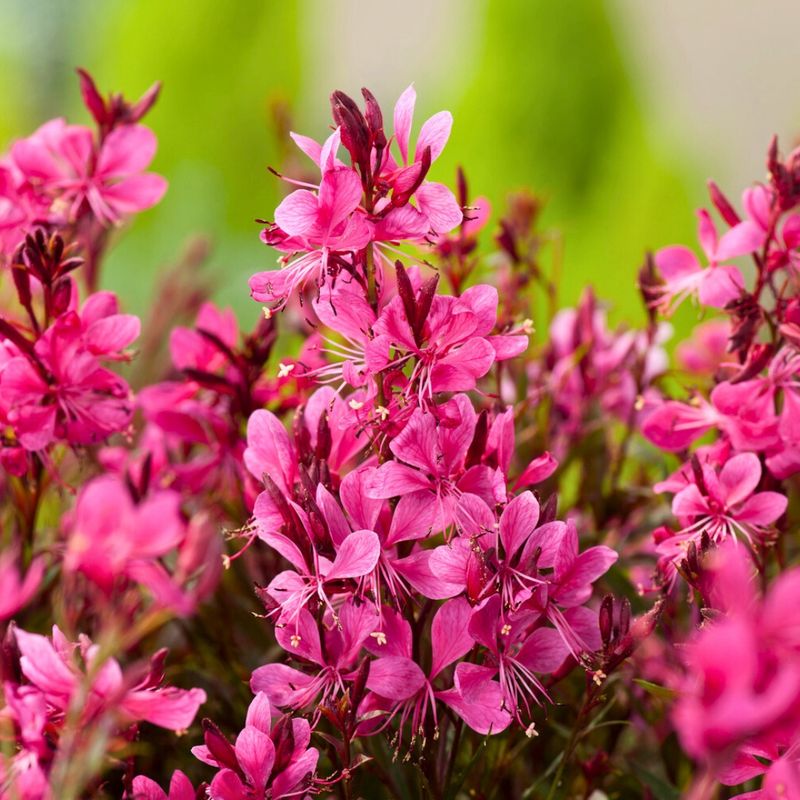
Gaura has a light, airy quality that no other perennial quite matches. Its delicate white or pink flowers float on tall, wiry stems like tiny butterflies dancing in the breeze.
It blooms from late spring all the way through fall, and in mild California climates, it sometimes keeps going even longer.
One of gaura’s biggest strengths is its adaptability. It grows well across a wide range of California climates, from the cool coast to the hot inland valleys.
It prefers full sun and well-drained soil, and once established, it handles drought without much trouble. Cutting it back lightly in midsummer encourages a fresh flush of blooms.
Gaura works beautifully as a filler plant between bolder flowers in a mixed border. Its wispy texture creates a sense of movement and softness that balances out plants with heavier, denser foliage.
It grows two to four feet tall and tends to lean slightly, which adds to its relaxed, natural charm. Pollinators enjoy visiting the flowers, especially bees and hummingbirds.
For California gardeners who want effortless beauty with a light, flowing feel, gaura is an outstanding choice that rarely disappoints.
11. Coral Bells
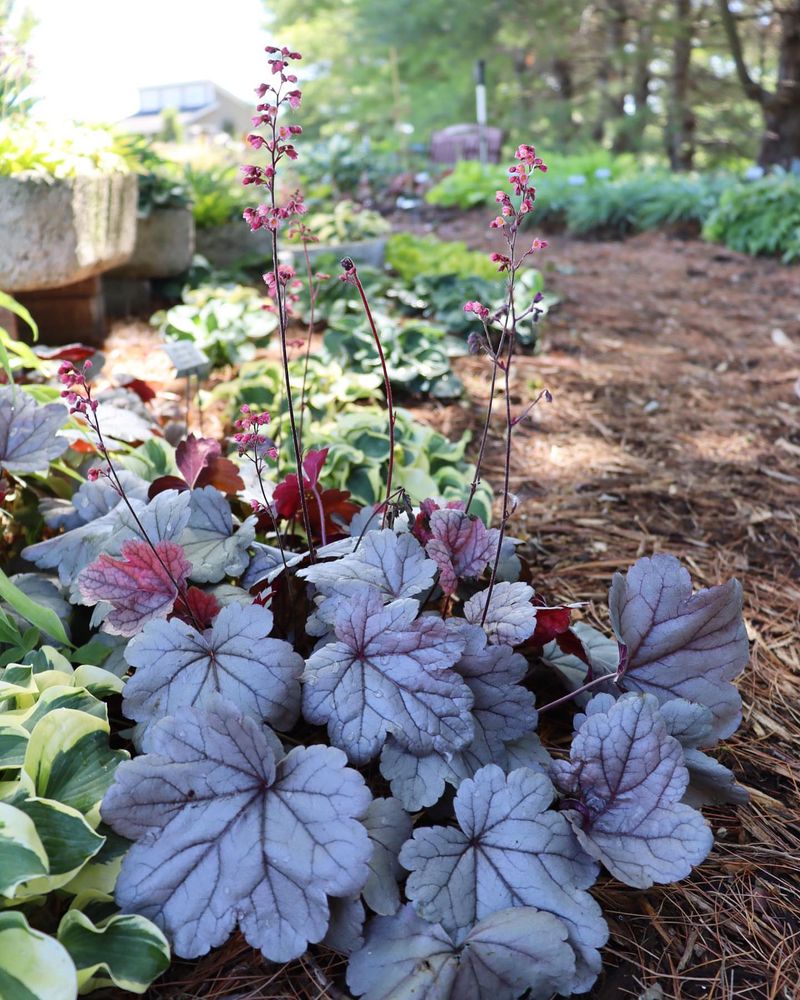
Coral bells might be best known for their stunning foliage, but the flowers are worth celebrating too. Slender stems rise above the mounded leaves in late spring, topped with tiny bell-shaped flowers in shades of pink, red, or white.
With a little deadheading, many varieties rebloom in late summer, giving you two rounds of delicate color.
What really sets coral bells apart is the incredible variety of leaf colors available. You can find plants with deep burgundy, lime green, caramel, silver, and even nearly black foliage.
That means even when the flowers are not showing, the plant still earns its place in the garden as a colorful, textural accent.
Coral bells grow well in partial shade, which makes them invaluable for California gardeners who have shaded spots under trees or along north-facing walls. They prefer well-drained soil with regular moisture, though established plants handle short dry spells reasonably well.
They stay compact, usually under eighteen inches tall, and work beautifully in containers, woodland gardens, or shaded borders. Whether you are in Northern California or Southern California, coral bells bring year-round interest that very few other perennials can match.
12. Coneflower
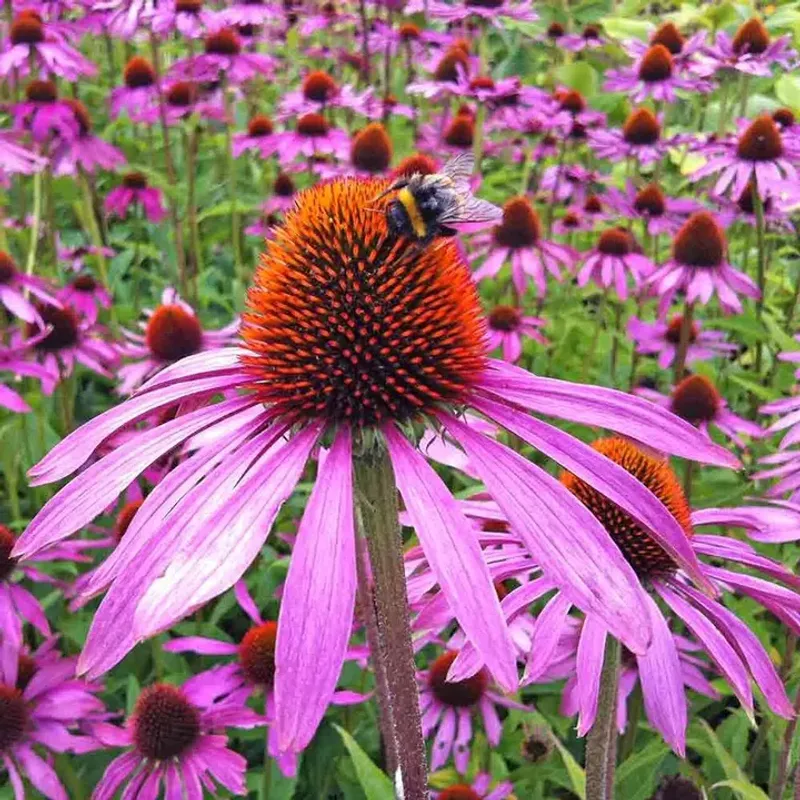
Coneflower is one of the hardest-working perennials you can grow in a California garden. The classic purple-pink daisy-like flowers with their bold, raised centers bloom from midsummer onward, and if you cut the plants back after the first flush, many varieties will produce a second round of blooms before the season ends.
Beyond their beauty, coneflowers are incredibly valuable for wildlife. Bees and butterflies swarm the flowers all summer long, and if you leave the seed heads standing in fall and winter, birds like finches will visit to feed on the seeds.
That makes coneflower a plant that gives back to the ecosystem long after the blooms fade.
Newer coneflower varieties come in an exciting range of colors including orange, yellow, red, and white, so there is something for every garden style. They grow two to four feet tall and prefer full sun with well-drained soil.
Once established, they handle California’s dry summers with impressive resilience. Plant them in groups for the biggest visual impact, and combine them with grasses, rudbeckia, or Russian sage for a late-season garden display that looks both bold and natural.