This Is What Pennsylvania Roses Need Before Summer Arrives
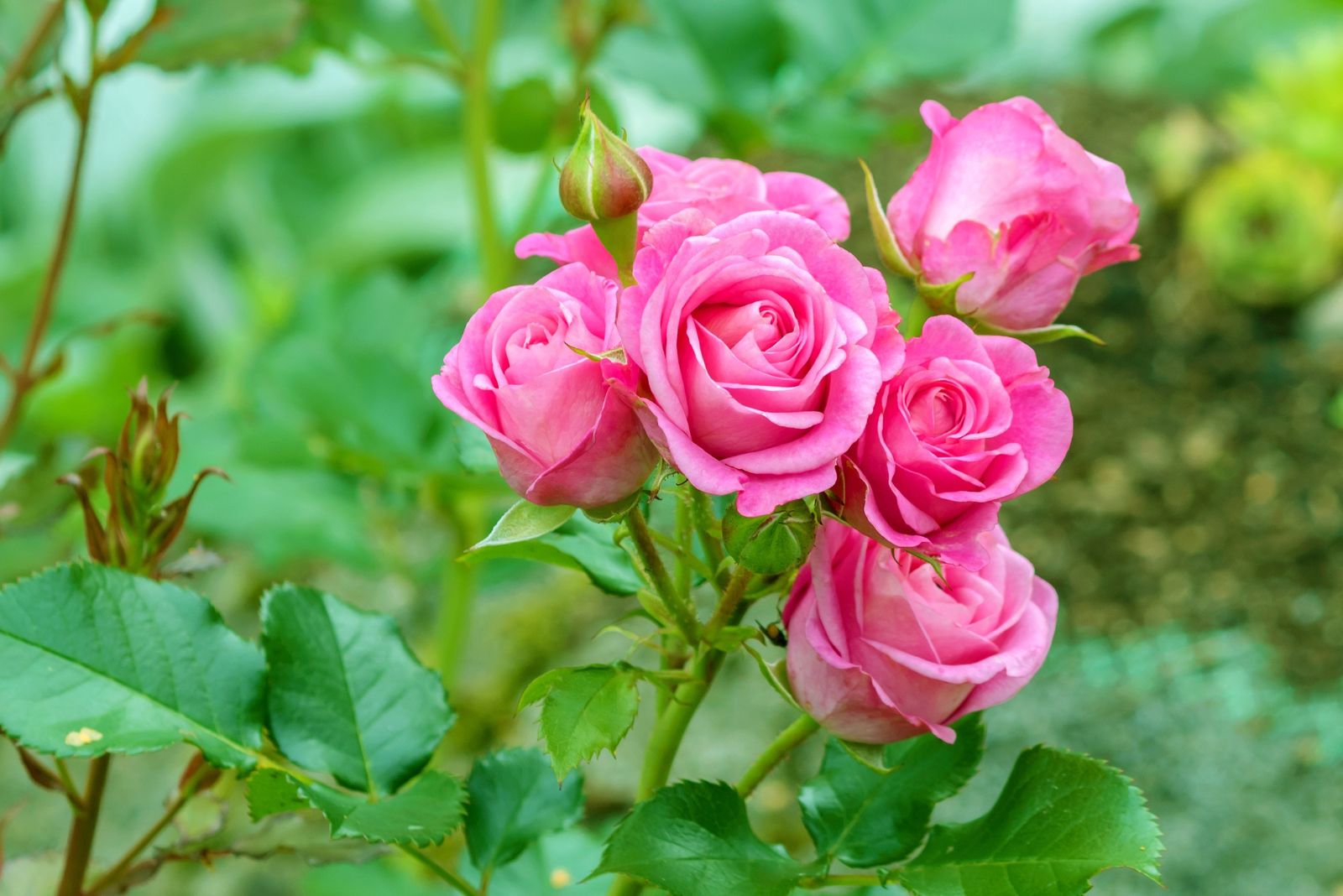
Roses can look great in spring and still run into trouble once summer starts turning up the pressure. That is especially true in Pennsylvania, where the season can shift from cool, comfortable days to heat, humidity, heavy rain, and sudden pest problems faster than many gardeners expect.
If rose bushes go into that stretch unprepared, they often show it with weaker growth, fewer blooms, stressed leaves, and a lot more garden drama than anyone wants.
That is why the time before summer arrives matters so much. A few smart steps now can help roses build strength before the tougher part of the season begins.
Things like cleaning up old growth, feeding at the right time, improving airflow, checking for early signs of disease, and getting watering habits on track can all make a real difference. It is less about fussing over every leaf and more about setting the plant up for success.
For Pennsylvania gardeners, this is one of those moments where a little effort pays off in a big way. Roses that get the right care now usually head into summer looking fuller, healthier, and far more ready to keep blooming when conditions get harder.
1. A Strong Spring Feeding
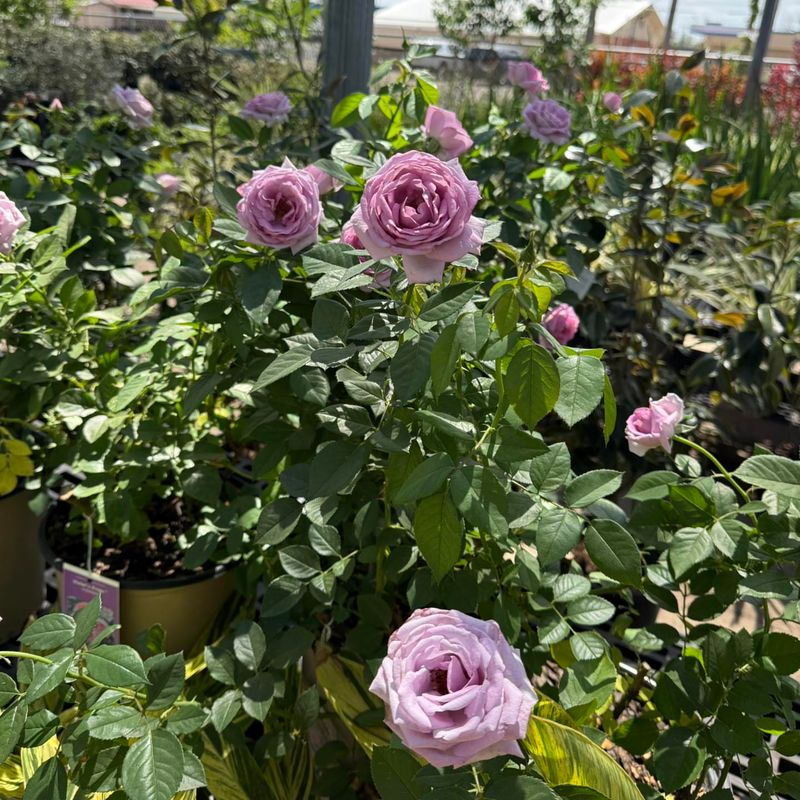
Roses are hungry plants. They need plenty of nutrients to push out strong stems, lush leaves, and big blooms.
If you skip feeding your roses in spring, you might notice smaller flowers and weaker growth once summer arrives in Pennsylvania.
Start feeding your roses after you see new growth beginning to appear. This is the signal that your plant is awake and ready to use nutrients.
A balanced fertilizer like a 10-10-10 blend works great, but a rose-specific formula is even better because it includes the right mix of nutrients roses love most.
Granular fertilizers are easy to apply. Just sprinkle them around the base of the plant and water them in well.
Liquid fertilizers also work and tend to act a little faster. Either way, make sure you follow the instructions on the package so you do not over-feed.
Over-fertilizing is a real problem. Too much nitrogen can push lots of leafy growth but fewer flowers.
That is the opposite of what Pennsylvania rose growers want heading into summer. Stick to a regular feeding schedule, usually every four to six weeks during the growing season.
Feeding your roses well in spring sets them up for a strong summer performance. Healthy, well-fed plants are also better at fighting off pests and diseases, which become more common in Pennsylvania once the warm, humid weather settles in.
A little effort now pays off with stunning blooms all season long.
2. Deep, Consistent Watering
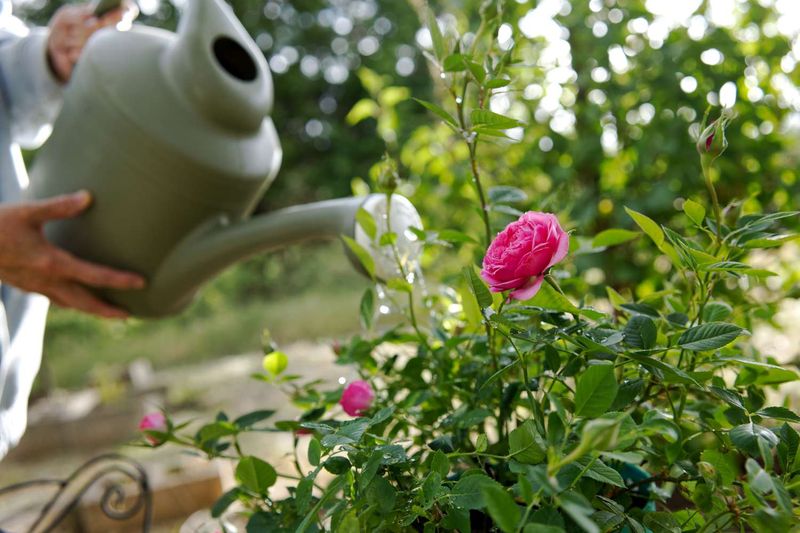
Water might be the single most important thing your roses need before summer arrives. Spring moisture helps roses build deep, strong roots that will support the plant through the dry stretches that often hit Pennsylvania in July and August.
The trick with watering roses is to water deeply but not too often. A long, slow soak once or twice a week is much better than a quick sprinkle every day.
Your Pennsylvania Garden Changes Every Week. Your Plan Should Too.
Gardening in Pennsylvania changes quickly throughout the season. Every Friday you’ll receive a simple weekly plan showing exactly what to plant, prune, fertilize, harvest, and protect so you never miss the right timing.
Deep watering encourages roots to grow downward into the soil where moisture stays longer, rather than staying near the surface where it dries out fast.
Always water at the base of the plant, not from above. Wet leaves are one of the top reasons roses develop fungal diseases like black spot, which is very common in Pennsylvania’s humid climate.
A soaker hose or drip system is perfect for keeping water right where it belongs. Check your soil before watering. Stick your finger about two inches into the ground near the base of the plant.
If the soil feels dry at that depth, it is time to water. If it still feels moist, wait another day or two. Soggy soil can cause root rot, which weakens the whole plant.
Consistency matters more than volume. Roses that receive steady, reliable moisture grow stronger and produce more flowers than those that go through cycles of drought and flooding.
Setting a simple watering schedule in spring helps your Pennsylvania roses build the kind of resilience they need to shine all summer long.
3. Fresh Mulch Around The Base
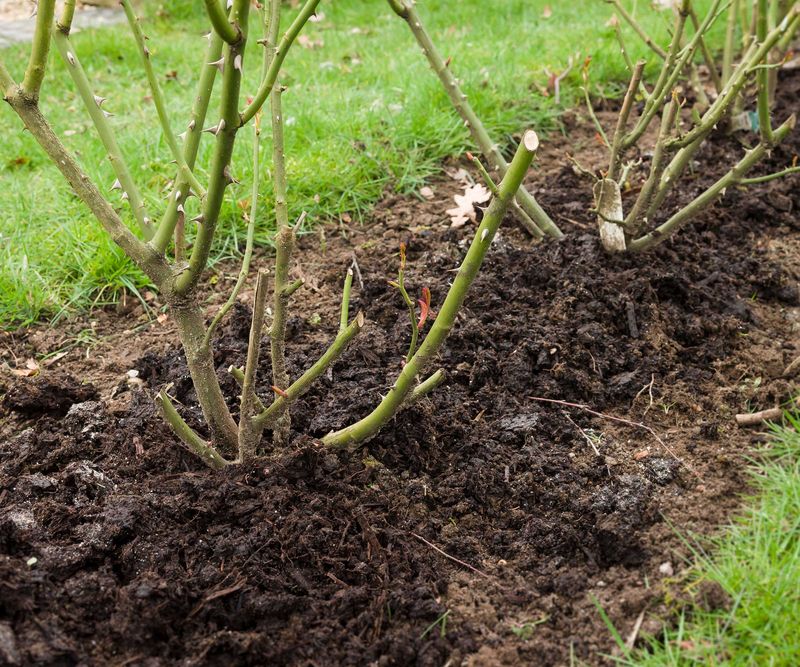
Mulch might look like a small detail, but it does a huge job in the garden. Laying fresh mulch around your roses before summer arrives is one of the smartest moves Pennsylvania gardeners can make.
It works quietly in the background, protecting your plants in several important ways at once.
A good two to three inch layer of mulch keeps the soil cool when summer temperatures climb. Pennsylvania summers can get hot and sticky, and exposed soil heats up fast.
Hot soil stresses rose roots and makes it harder for the plant to absorb water and nutrients. Mulch acts like a blanket, shielding the soil from direct heat.
Mulch also holds moisture in the ground much longer. After a watering session or a rainstorm, mulched soil stays damp far longer than bare soil.
That means your roses stay hydrated longer between waterings, which is a big help during dry summer spells. Another bonus is weed control. Weeds compete with your roses for water and nutrients.
A thick layer of mulch blocks sunlight from reaching weed seeds in the soil, slowing their growth significantly. Less weeding means more time to enjoy your garden.
Organic options like shredded bark, wood chips, or straw work wonderfully for roses. As they break down over time, they also add nutrients back into the soil.
Spread the mulch in a ring around the base of the plant, but leave a small gap right around the main stem to prevent moisture buildup and rot. Your Pennsylvania roses will thank you all summer long.
4. Prune For Airflow And Shape
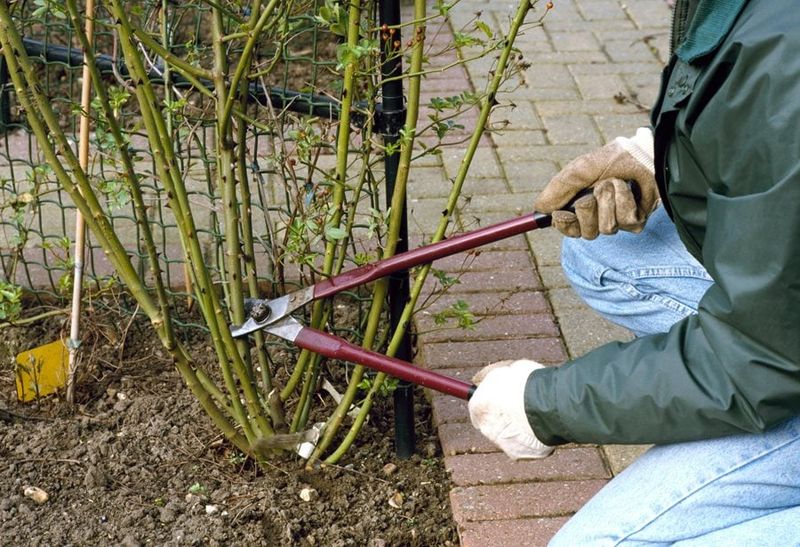
Late spring pruning is one of those tasks that feels a little scary at first, but the results are always worth it. Cutting back your roses before summer gives them a cleaner shape, removes problem areas, and sets the stage for stronger blooming throughout the season.
Pennsylvania gardeners who skip this step often deal with crowded, struggling plants by midsummer.
Start by removing any canes that look dry, broken, or diseased. These are easy to spot because they are often brown, dried out, or discolored.
Cutting them away stops potential problems from spreading to healthy parts of the plant. Always use clean, sharp pruning shears to make smooth cuts that heal quickly.
Next, look at the center of the plant. If canes are crossing over each other or growing inward, remove the weakest ones.
The goal is to open up the middle of the plant so air can move freely through it. Good airflow is incredibly important in Pennsylvania because of the state’s naturally humid summers.
When air circulates well through the plant, leaves dry faster after rain or morning dew. Wet leaves sitting in stagnant, humid air are a perfect setup for fungal diseases like black spot and powdery mildew.
Opening up the plant with smart pruning reduces that risk significantly. After pruning, step back and look at the overall shape. A well-shaped rose bush not only looks better but also grows more efficiently.
Energy is directed toward producing flowers rather than maintaining tangled, unproductive growth. A little time with the pruning shears now saves a lot of frustration later in the summer season.
5. Early Pest And Disease Check
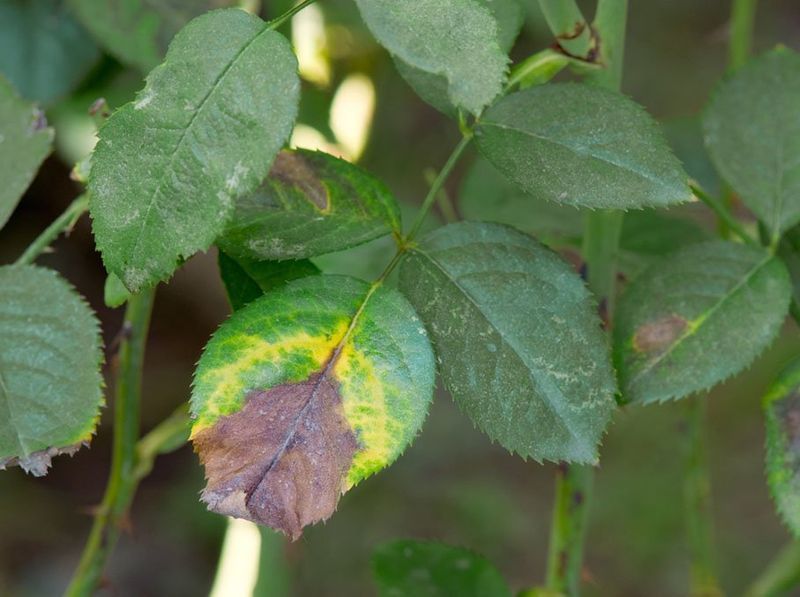
Catching problems early is always easier than dealing with a full-blown outbreak. Pennsylvania’s warm, humid summer climate creates the perfect conditions for pests and diseases to spread quickly on roses.
Building a habit of checking your plants regularly in spring means you can act fast before things get out of hand.
Aphids are one of the most common rose pests in Pennsylvania. These tiny, soft-bodied insects cluster on new growth and flower buds, sucking out plant juices and weakening stems.
They multiply fast, so a small group can become a big problem within days. A strong spray of water from a garden hose can knock them off, or you can use insecticidal soap for tougher infestations.
Black spot is the most notorious rose disease in the region. It shows up as dark, circular spots on leaves, causing them to yellow and drop.
Once black spot spreads through a plant, it is hard to stop. Removing affected leaves right away and treating with a fungicide helps slow it down. Keeping leaves as dry as possible is the best prevention.
Powdery mildew is another issue to watch for. It looks like a white, powdery coating on leaves and buds.
It tends to appear when days are warm and nights are cool, which is common in Pennsylvania spring weather.
Walk through your garden at least once a week and look closely at both sides of the leaves. Early detection really does make treatment much simpler and more effective.
Healthy, well-monitored roses are far more likely to reward you with a gorgeous display of blooms all summer long.
6. Support And Spacing Adjustments
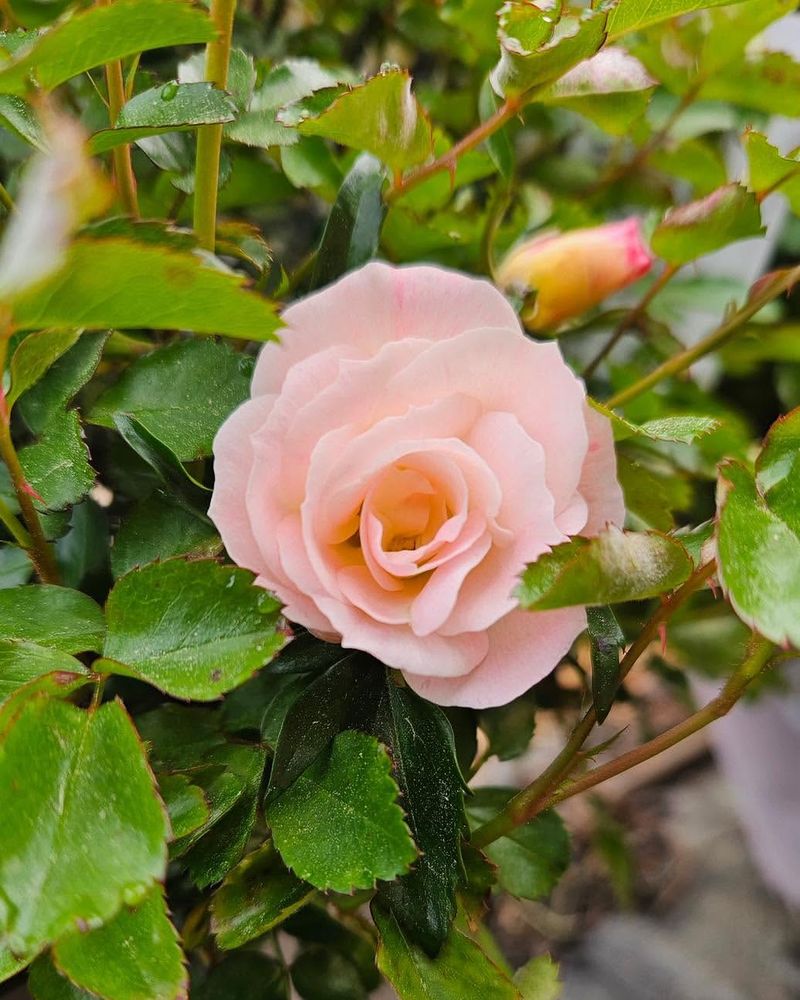
Strong structure is something roses need just as much as water and food. Before summer growth kicks into high gear in Pennsylvania, take a little time to check how your roses are supported and spaced.
A few small adjustments now can prevent a lot of problems once the plants fill out in the warm months ahead.
Climbing roses especially need attention. These plants grow fast and can become tangled or top-heavy without proper support.
Check that your trellis, arbor, or stake is still secure and in good condition after winter. Tie new canes loosely to the support structure using soft garden ties or twine. Avoid tying too tightly, as this can damage the cane as it grows thicker.
For bush roses, look at how close your plants are to each other and to nearby shrubs or structures. Overcrowding is a common issue in established Pennsylvania gardens.
When plants grow too close together, airflow drops dramatically, moisture sits on leaves longer, and disease spreads more easily from plant to plant.
If your roses are too close together, consider carefully moving the smaller or weaker one to a more open spot in the garden. Early spring is actually a good time to transplant roses because the soil is moist and the plant has not yet put all its energy into new growth.
Good spacing allows each plant to receive adequate sunlight, which is essential for strong blooming. Most roses need at least six hours of direct sun daily.
Giving every plant enough room to breathe and grow is one of the simplest ways to keep your Pennsylvania rose garden looking its very best all season long.