Common Mistakes North Carolina Gardeners Make When Planting Gardenias Near The House
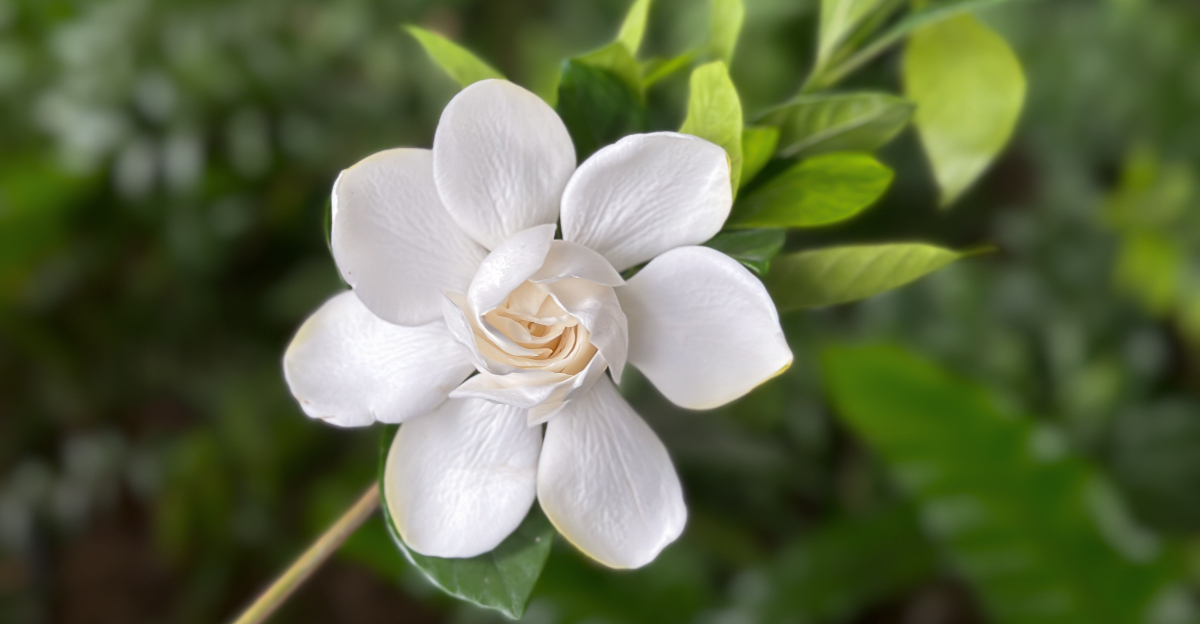
Gardenias are a favorite in North Carolina for their glossy leaves and fragrant blooms, but planting them near the house does not always go as planned. What seems like a perfect spot at first can lead to problems as the plant grows and conditions change.
Too much shade, poor air flow, or soil that does not drain well can all affect how gardenias perform over time. Many gardeners plant them close to enjoy the scent, only to notice fewer blooms or unhealthy growth later on.
North Carolina’s heat and humidity can also add extra stress if the location is not quite right. The good news is that most of these issues come from simple mistakes that can be avoided.
Knowing what to watch for before planting can help you choose a better spot and set your gardenias up for stronger growth and more reliable blooms.
1. Planting In Full Harsh Afternoon Sun
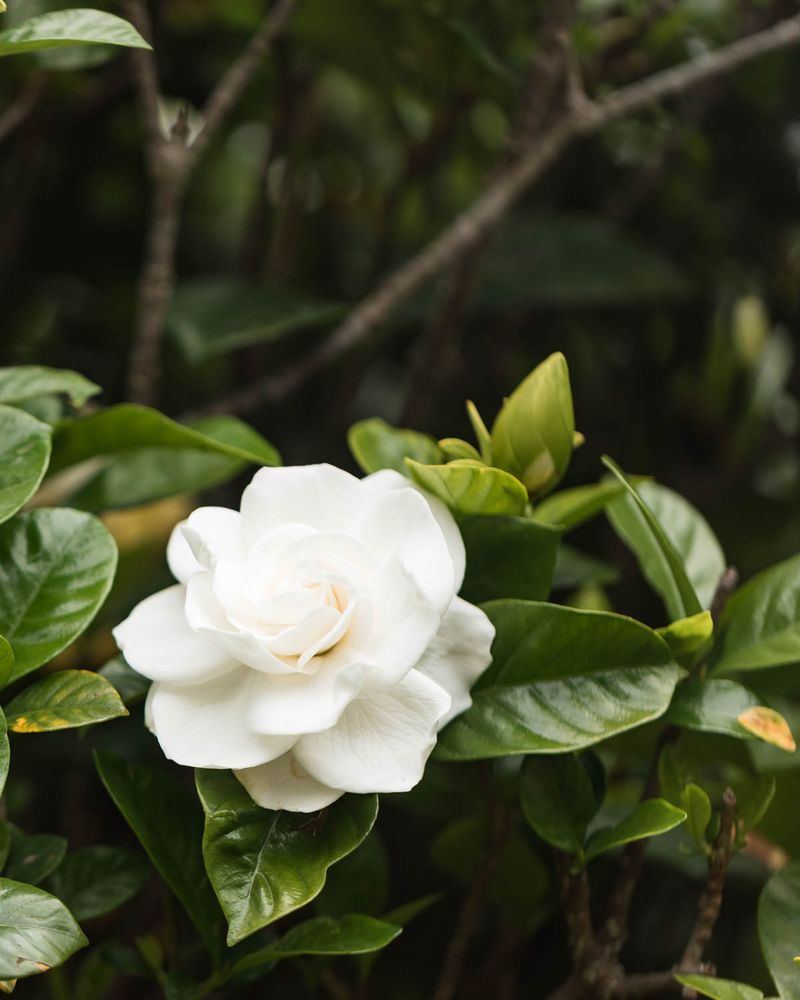
Sunlight is great for gardenias, but too much of the wrong kind can seriously set them back. In North Carolina, summer afternoons bring intense heat that even tough plants struggle to handle.
Gardenias planted against sun-baked walls near the house absorb extra reflected heat, which pushes them well past their comfort zone.
Gardenias grow best with morning sun and afternoon shade. That combination gives them the light they need for healthy blooming without the scorching stress that comes from direct afternoon exposure.
A spot on the east side of your home is often perfect for this balance.
When gardenias get too much harsh sun, their glossy leaves start to look bleached, yellow, or crispy at the edges. Flower buds may drop before they even open, which is incredibly frustrating after months of waiting.
Moving your gardenia to a more sheltered spot, or planting taller shrubs nearby to filter afternoon rays, can make a huge difference in how well they perform through the hot North Carolina summer season.
2. Planting Too Close To The Foundation
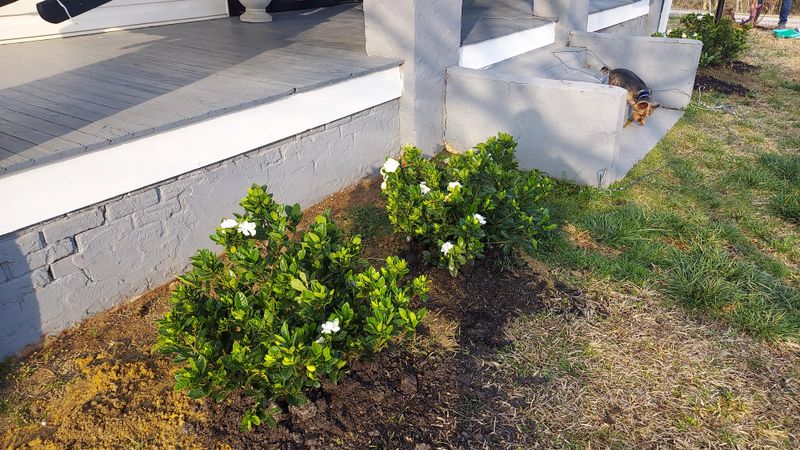
Squeezing a gardenia right up against your house might look tidy at first, but it creates a whole set of problems that show up fast.
Gardenias can grow anywhere from four to eight feet wide at full maturity, and a cramped spot near the foundation limits airflow around every branch and leaf.
That trapped humidity is basically an open invitation for fungal diseases.
Concrete and masonry foundations also leach lime into the surrounding soil over time, gradually raising the pH.
Since gardenias need acidic conditions to thrive, that slow shift in soil chemistry can quietly cause nutrient deficiencies and poor growth without any obvious single cause.
Most experts recommend planting gardenias at least three to five feet away from your home’s foundation. That spacing gives roots room to spread, allows air to circulate freely, and keeps the soil chemistry more stable.
North Carolina gardeners who follow this simple rule usually notice healthier foliage, stronger blooming, and far fewer disease problems season after season.
It also makes pruning and maintenance much easier when the shrub has room to breathe and grow naturally without constant cutting back.
Your North Carolina Garden Changes Every Week. Your Plan Should Too.
Gardening in North Carolina changes quickly throughout the season. Every Friday you’ll receive a simple weekly plan showing exactly what to plant, prune, fertilize, harvest, and protect so you never miss the right timing.
3. Ignoring Soil Acidity Needs
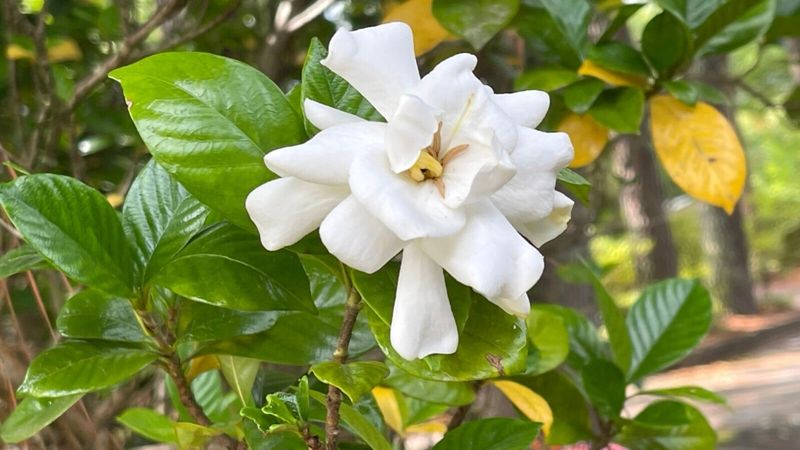
Yellowing leaves on a gardenia are one of the most common complaints among North Carolina homeowners, and the cause is almost always the same thing: soil that is not acidic enough. Gardenias need a soil pH between 5.0 and 6.0 to absorb nutrients properly.
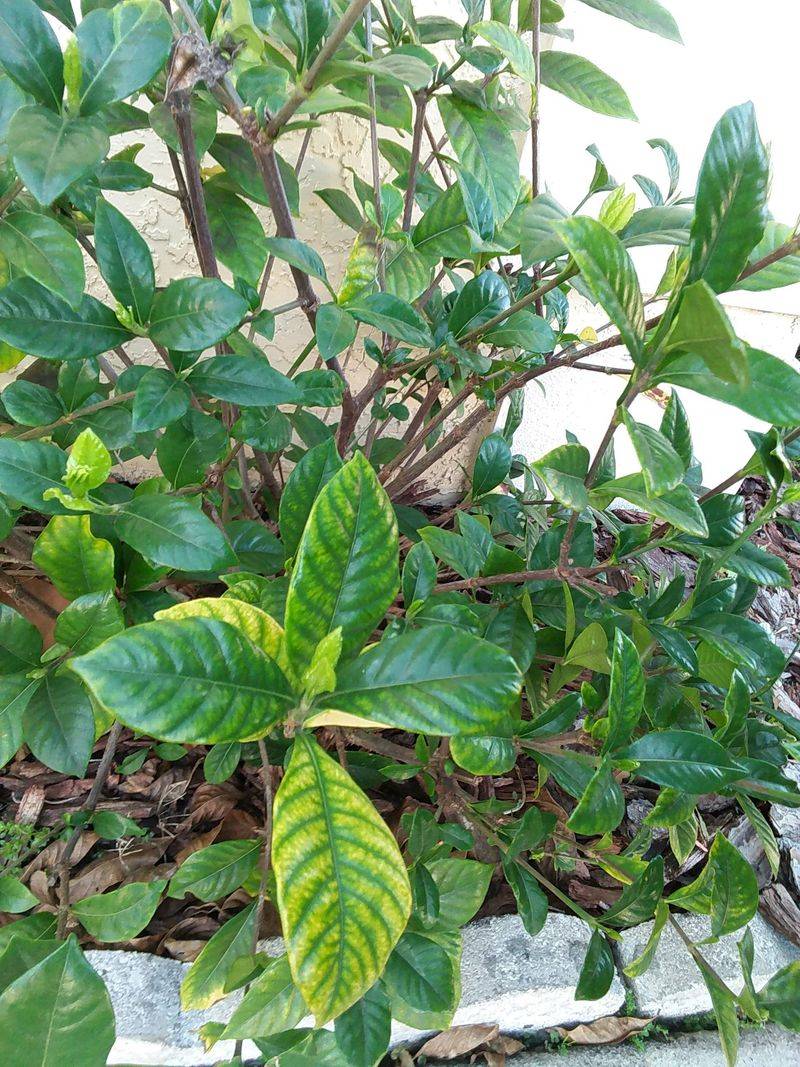
When pH creeps above that range, iron and manganese become locked out, and the plant starts showing bright yellow leaves with green veins, a classic sign of chlorosis.
Near house foundations, this problem gets worse. Concrete runoff and lime-based building materials slowly raise soil pH over the years, sometimes without gardeners even realizing it.
Testing your soil before planting is one of the smartest steps you can take, and North Carolina Cooperative Extension offices offer affordable soil testing services that give you exact numbers and recommendations.
Fixing acidic soil issues is straightforward once you know what you are dealing with. Sulfur amendments, acidic mulches like pine bark, and fertilizers formulated for acid-loving plants all help bring pH back into the right range.
Staying on top of soil health each season means your gardenias will keep producing those gorgeous, fragrant blooms that make North Carolina gardens so special and inviting throughout the warmer months.
4. Poor Drainage Near The House
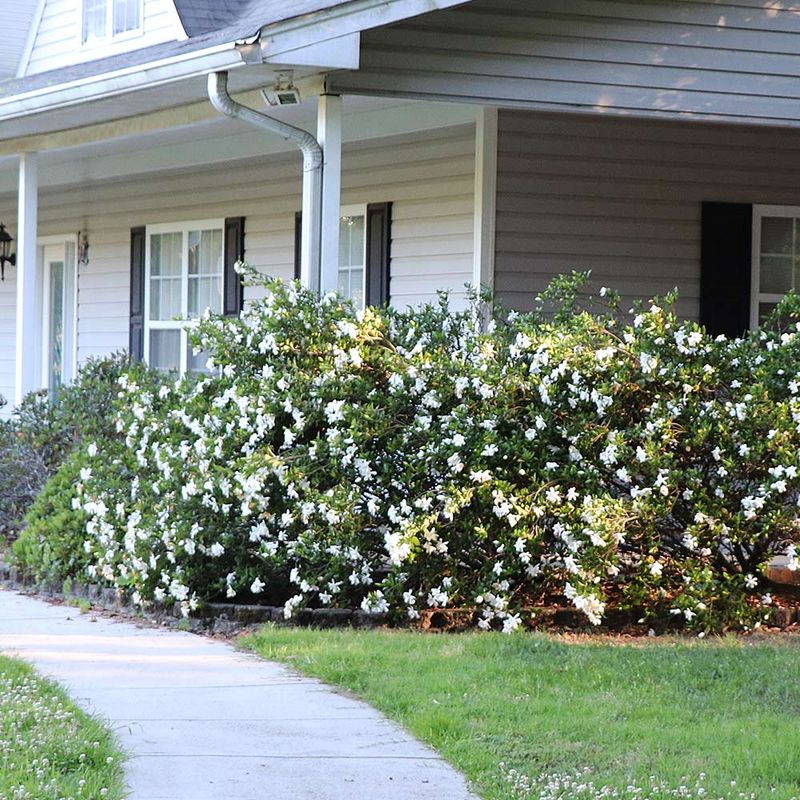
Water pooling around your gardenia’s roots is one of the fastest ways to ruin an otherwise healthy plant. Soil near house foundations is often heavily compacted from construction, and that compaction prevents water from draining away properly.
Gardenias are tropical by nature and love consistent moisture, but they absolutely cannot tolerate sitting in soggy, waterlogged soil for extended periods.
Root rot is the most common result of poor drainage, and it sneaks up quietly. The plant looks wilted even when the soil is wet, leaves turn yellow, and new growth stops appearing.
By the time most gardeners notice something is wrong, the root system has already been seriously compromised and recovery takes a long time.
Before planting near your North Carolina home, do a simple drainage test by digging a hole about twelve inches deep and filling it with water. If it drains within an hour, you are in good shape.
If water is still sitting there several hours later, amend the soil with organic matter or consider raised beds.
Adding compost and coarse sand to heavy clay soils improves structure dramatically, giving gardenia roots the well-drained, oxygen-rich environment they need to stay strong and productive through every growing season.
5. Overwatering Or Inconsistent Watering
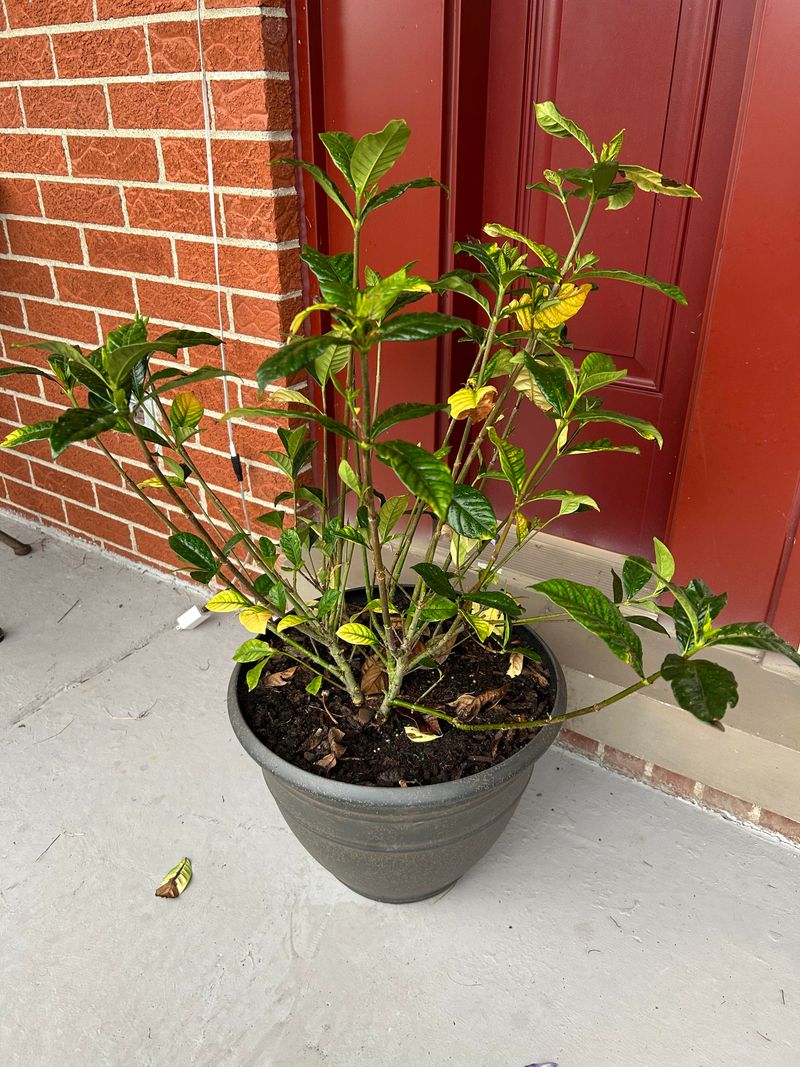
Watering gardenias sounds simple, but getting it wrong is surprisingly easy. These plants want consistently moist soil, not soaking wet and not bone dry.
Many North Carolina gardeners swing between both extremes, either drowning their plants after a dry spell or forgetting them during hot stretches, and that inconsistency causes bud drop faster than almost anything else.
Bud drop is genuinely heartbreaking. You wait all season for those perfect white blooms, and then they fall off before opening because of uneven moisture levels.
The plant responds to stress by dropping buds as a survival mechanism, and once that starts happening, there is no way to get those particular buds back.
The best approach is deep, infrequent watering rather than light daily sprinkles. Watering at the base of the plant in the morning gives moisture time to soak in before temperatures rise.
Avoid watering in the late afternoon or evening because wet foliage overnight encourages fungal problems, which are already a concern in North Carolina’s humid climate.
A moisture meter is a surprisingly helpful tool for beginner gardeners, taking the guesswork out of when to water and helping you maintain that steady, consistent moisture level gardenias genuinely love and need.
6. Not Allowing Enough Space For Mature Size
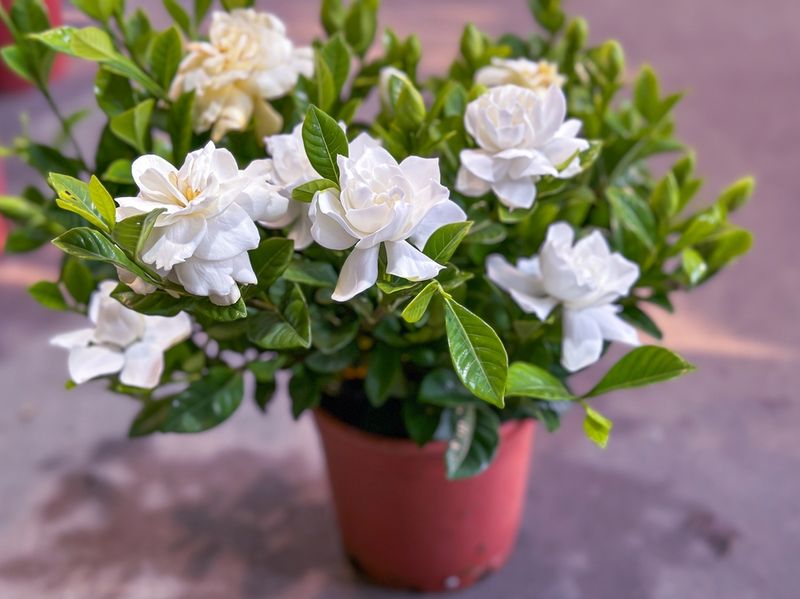
Gardenias at the nursery look so manageable and compact, which is exactly why so many North Carolina gardeners plant them too close together or too near the house.
What starts as a tidy little shrub can easily spread four to six feet wide and grow just as tall, turning a thoughtfully planned garden bed into a crowded tangle within just a few growing seasons.
Overcrowding creates more than just an aesthetic problem. When plants grow too close together, airflow drops significantly, humidity increases between branches, and fungal diseases spread much more easily.
Constant pruning to keep the shrub from overtaking nearby plants or touching the siding also removes flower buds, since gardenias bloom on old wood, meaning heavy pruning can wipe out an entire season of flowers.
Check the mature size on your specific gardenia variety before you plant. Dwarf varieties like Radicans stay compact and work well in tighter spaces, while standard varieties like August Beauty need generous room.
In North Carolina, where gardenias grow vigorously in warm conditions, spacing plants at least four to six feet apart and the same distance from walls gives each shrub the breathing room it needs to grow beautifully and bloom reliably without constant intervention from you every few weeks.
7. Skipping Mulch In Hot Weather
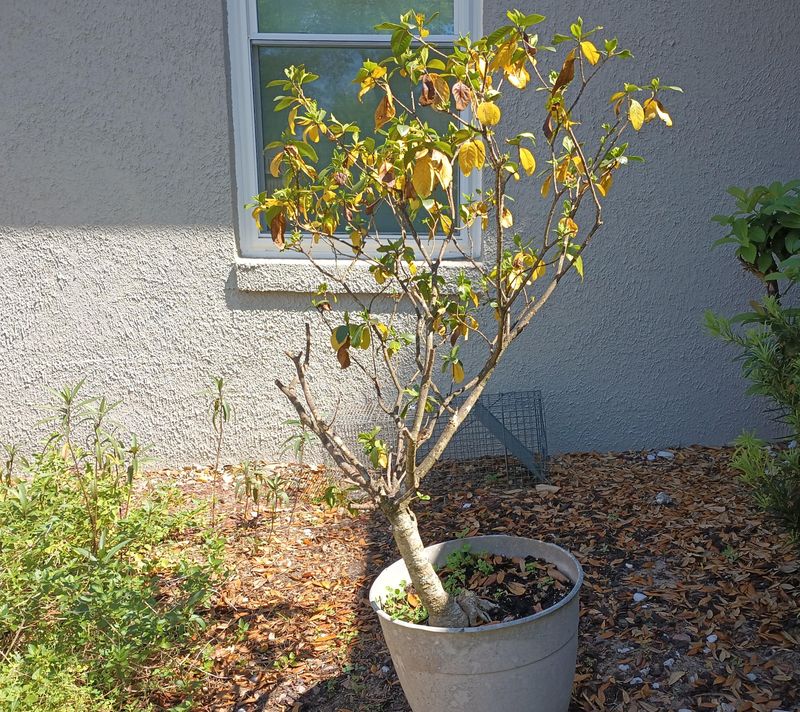
North Carolina summers are no joke, and gardenias feel every bit of that heat. Without a good layer of mulch around the base, soil temperatures near the house can spike dramatically, stressing the shallow root system that gardenias depend on for water and nutrient uptake.
Dry, cracked soil around your plant is a sign that moisture is evaporating far too quickly between waterings.
Mulch is one of the easiest and most effective tools any gardener has, yet it gets skipped more often than it should. A two to three inch layer of pine bark mulch or pine straw does several important things at once.
It keeps soil temperatures more stable, holds moisture in, adds organic matter as it breaks down, and even helps maintain that acidic pH that gardenias love so much.
Pine straw is especially popular among North Carolina gardeners because it is widely available, affordable, and naturally acidic as it decomposes. Keep mulch pulled back slightly from the main stem to prevent rot and pest issues at the base of the plant.
Refreshing your mulch layer each spring and again in midsummer gives your gardenias the best possible chance of staying hydrated, cool, and stress-free through even the most intense heat waves the Carolinas can throw at them.
8. Fertilizing At The Wrong Time Or With The Wrong Type
Fertilizing a gardenia with the wrong product is like giving someone a meal that looks good but provides zero nutrition.
Standard all-purpose fertilizers are often too alkaline for gardenias, pushing soil pH in the wrong direction and making it harder for the plant to absorb the iron and other micronutrients it needs.
North Carolina gardeners should always look for fertilizers specifically labeled for acid-loving plants like azaleas, camellias, and gardenias.
Timing matters just as much as product selection. Fertilizing too late in the growing season, especially after midsummer, stimulates soft new growth that has no time to harden off before cooler fall temperatures arrive.
That tender growth is vulnerable to cold damage, which can set the plant back significantly going into the following spring blooming season.
The best schedule for gardenias in North Carolina is to fertilize in early spring as new growth begins, then again in late spring, and optionally once more in early summer. Stop fertilizing by late July to give the plant time to slow down naturally.
Slow-release granular fertilizers work well because they feed steadily over several weeks without overwhelming the roots all at once.
Always water thoroughly after applying fertilizer to help nutrients move into the root zone and reduce any risk of root burn from concentrated product sitting too close to the plant base.