The Real Reason Florida Gardeners Are Replacing Crape Myrtles This Spring
For years, crape myrtles ruled Florida yards. Easy color, fast growth, and that classic summer look made them a go-to choice.
But this spring, something shifted. Homeowners are pulling them out, landscapers are swapping them, and neighbors are starting to notice.
Strange, right? Why ditch a plant that seemed to do it all?
The answer isn’t just about looks. It goes deeper, into maintenance headaches, changing conditions, and a few surprises many didn’t see coming.
Crape myrtles still bring color, but for many Florida gardeners, that payoff no longer outweighs the upkeep. This spring, more homeowners are choosing plants that need less pruning, cause fewer headaches, and fit better with the way Florida landscapes are changing.
Once you see what’s behind this shift, you may start looking at your own yard in a whole new way.
1. Florida Gardeners Want Easier Trees This Spring
Yard work has a way of piling up fast in Florida, especially when the trees you planted are demanding more attention than you expected.
Across the state, homeowners are simplifying their outdoor spaces, and the push for low-maintenance landscapes is stronger than ever this spring.
People want trees that grow well, look good, and do not require a weekend of labor every few weeks to stay presentable.
The University of Florida IFAS Extension has long promoted what is called Florida-Friendly Landscaping, a set of principles designed to help homeowners work with Florida’s climate rather than against it. One of the core ideas is choosing the right plant for the right place.
When a tree needs constant pruning, repeated treatments, or heavy cleanup just to look acceptable, it is a signal that it may not be the right fit for that yard.
Crape myrtles are not bad trees by any measure. In the right conditions, they can be beautiful and relatively manageable.
But Florida’s combination of intense summer heat, unpredictable rainfall, sandy soils, and high humidity creates challenges that push many homeowners toward simpler solutions.
Trees that naturally adapt to these conditions require less watering, less fertilizing, and far less pruning over time.
Spring is the season when most Floridians reassess their landscapes after winter. New growth appears, problem spots become obvious, and the urge to make changes is high.
That timing, combined with a wider availability of native tree options at local nurseries, is driving a real and noticeable shift in how Florida homeowners think about their yards.
2. Crape Myrtles Come With More Upkeep Than Expected
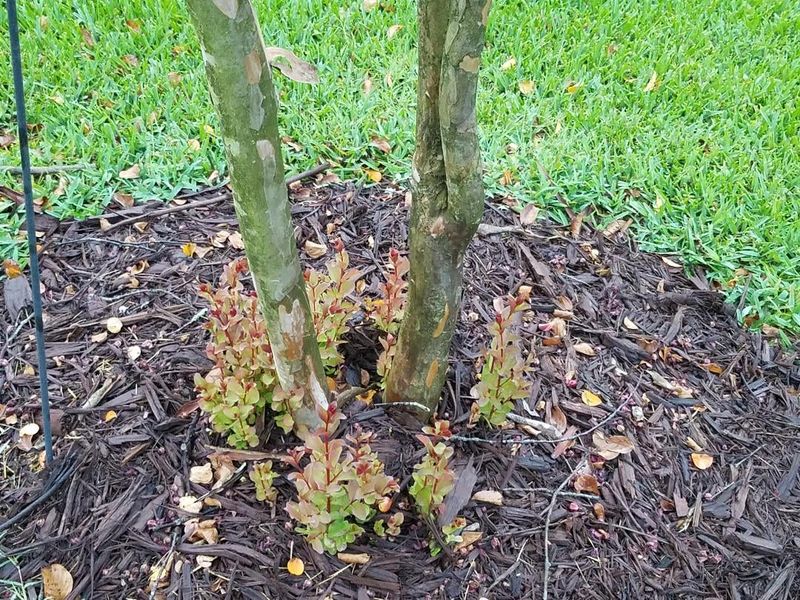
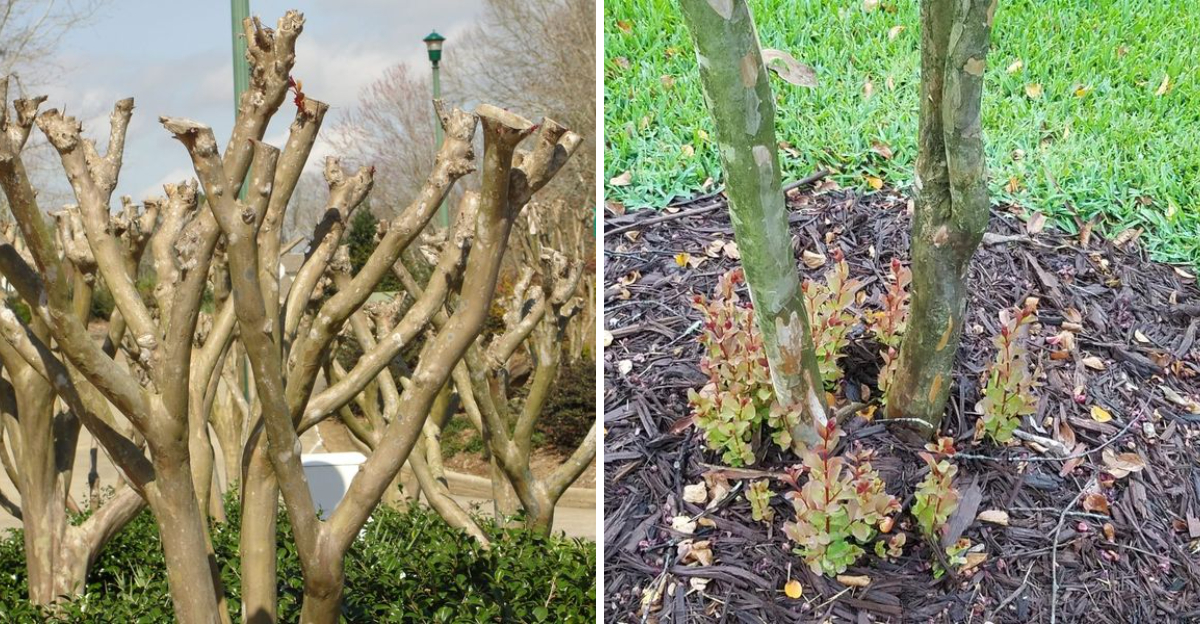
Walk through almost any Florida neighborhood and you will spot them: crape myrtles with thick, knobby tops from years of hard cutting, clusters of suckers sprouting from the base, and trunks that seem to multiply every season.
What looks like a simple flowering tree in the nursery often becomes a surprisingly demanding addition to the yard once it is established.
One of the most common issues is sucker growth. Crape myrtles regularly send up new shoots from the base of the trunk and from the root zone around the tree.
Your Florida Garden Changes Every Week. Your Plan Should Too.
Gardening in Florida changes quickly throughout the season. Every Friday you’ll receive a simple weekly plan showing exactly what to plant, prune, fertilize, harvest, and protect so you never miss the right timing.
If left unchecked, these suckers can make the tree look unkempt and bushy within just a few weeks. Removing them is not a one-time task.
It is an ongoing chore that returns throughout the growing season, which in Florida can stretch from early spring well into fall.
Fertilizing is another area where expectations and reality often clash. Crape myrtles respond to fertilizer quickly, but in Florida’s sandy soils, nutrients leach out fast.
Homeowners who want dense blooms and vibrant foliage often find themselves fertilizing more frequently than they anticipated, adding both cost and effort to the maintenance routine.
According to University of Florida IFAS guidelines, crape myrtles perform best with minimal pruning, proper placement, and well-draining soil.
But many homeowners inherit trees that were already heavily topped or planted in poor locations, making it hard to reset the tree’s growth habits.
For people looking to reduce yard work rather than add to it, these ongoing demands are often the deciding factor in choosing a different tree altogether.
3. The Cleanup And Pruning Cycle Gets Old Fast
Few things test a homeowner’s patience like cleaning up after the same tree week after week. Crape myrtles are generous bloomers, which sounds like a good thing until the petals start falling in thick drifts across driveways, walkways, patios, and lawns.
In Florida’s summer heat, those fallen flowers can turn into a slippery, sticky mess that needs regular sweeping or blowing to keep things looking tidy.
Beyond the blooms, crape myrtles shed bark naturally as they grow. While some gardeners appreciate the smooth, multi-colored trunks this reveals, others find the peeling bark and debris another item on an already long cleanup list.
Add seed pods that drop in fall and winter, plus the spent flower clusters that cling to branches, and the mess feels almost continuous throughout the year.
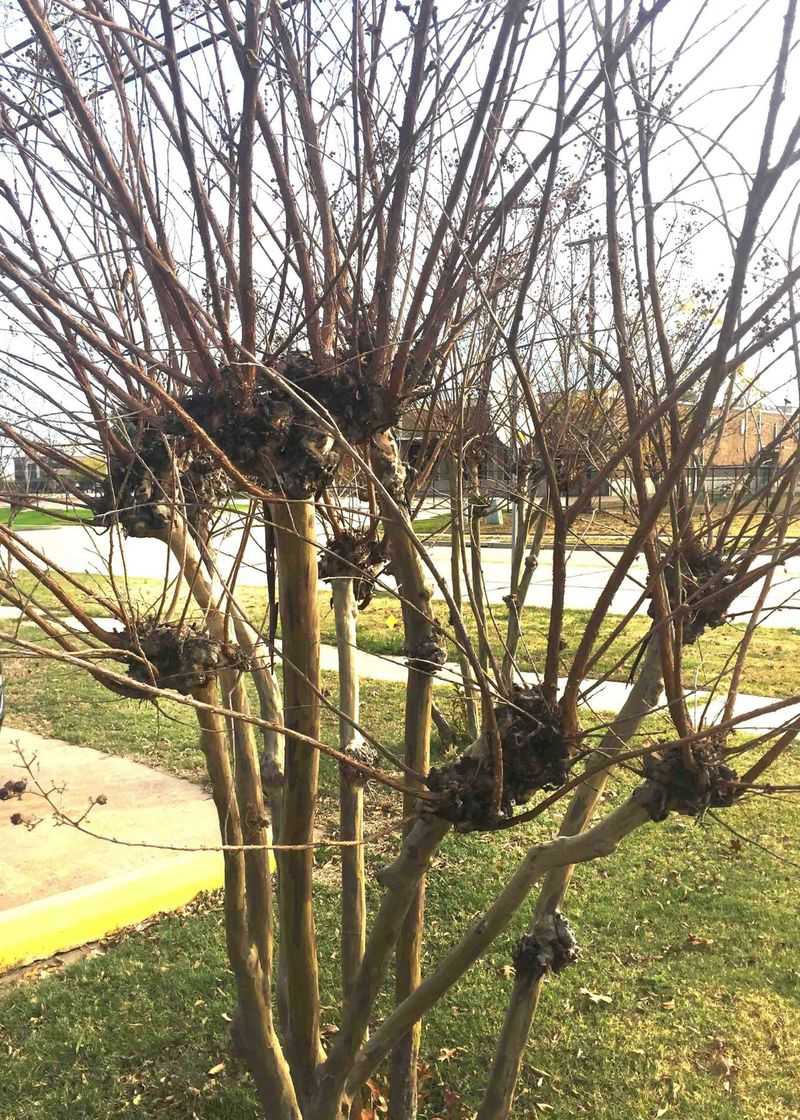
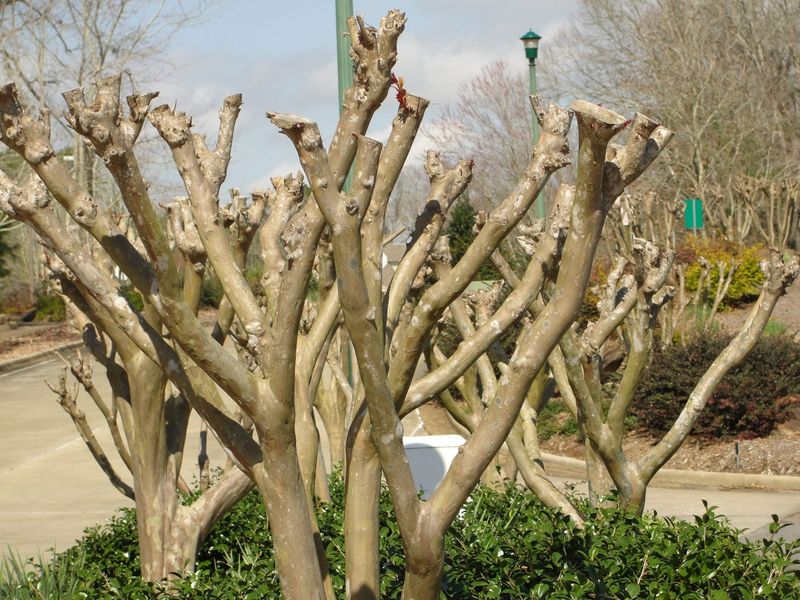
Pruning adds another layer to the cycle. Many Florida homeowners have been taught, incorrectly, that crape myrtles need to be cut back hard every winter.
This practice creates thick, ugly knobs at the branch tips and encourages excessive new growth that needs to be managed all over again the following season. Breaking this habit takes time and patience, and not everyone wants to invest in a tree that requires retraining.
For homeowners who value a clean, low-effort yard, the combination of petal drop, bark shedding, seed pods, and pruning demands adds up to a maintenance burden that simply does not match their lifestyle. Choosing a tidier tree is not giving up.
It is making a smarter choice for how they want to spend their time outdoors.
4. Pests And Sooty Mold Hurt Their Appearance
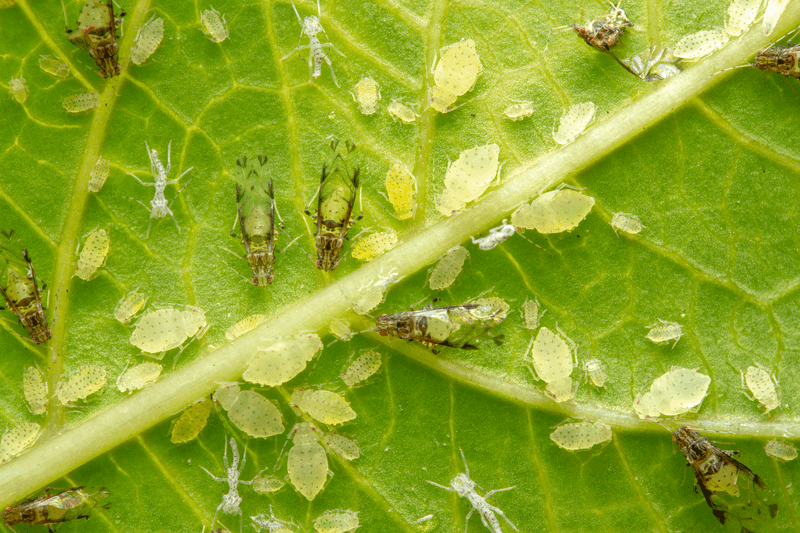
Black, dusty coating on the leaves and stems is one of the most recognizable signs that something is wrong with a crape myrtle. That dark residue is sooty mold, a fungus that grows on the sticky honeydew left behind by aphids.
In Florida, where warm and humid conditions persist for much of the year, aphid infestations on crape myrtles are extremely common and can spread quickly across an entire tree.
Crape myrtle aphids are a specific species, Tinocallis kahawaluokalani, that feed almost exclusively on crape myrtles. They reproduce rapidly in warm weather, which means Florida’s climate gives them an extended window to cause damage.
As they feed, they excrete honeydew onto the leaves below, and the sooty mold that follows can coat entire branches, making the tree look neglected and unhealthy even when it is otherwise growing fine.
Treating aphid infestations requires effort. Homeowners can use horticultural oil sprays, insecticidal soap, or simply blast the insects off with a strong stream of water.
However, in Florida’s long warm season, these treatments often need to be repeated multiple times before the population is brought under control.
And since sooty mold does not wash off easily, the tree can look dark and dingy for weeks even after the aphids are gone.
For someone who planted a crape myrtle to add color and visual interest to their yard, watching it turn black and spotty every summer is discouraging.
This recurring pest and mold cycle is one of the most frequently cited reasons Florida homeowners are looking for cleaner, more pest-resistant alternatives that hold their good looks throughout the growing season.
5. Some Landscapes Expose Their Weak Spots
Not every yard in Florida is the same, and crape myrtles are quick to reveal when conditions are not quite right for them. These trees prefer full sun, at least six hours a day, and well-draining soil.
Florida offers both of those things in many locations, but plenty of yards have spots that are partially shaded, poorly drained, or filled with heavy clay-like soil layers that hold moisture. In those spots, crape myrtles tend to underperform noticeably.
Humidity is another factor that works against them in certain settings. While Florida’s heat suits crape myrtles reasonably well, tight planting spaces, poor air circulation, and consistently wet conditions can make powdery mildew a recurring issue.
This fungal problem coats young leaves and shoots with a grayish-white powder, stunting growth and making the tree look weak throughout the season. Some newer crape myrtle varieties have improved resistance, but the problem has not been eliminated entirely.
Placement mistakes are also surprisingly common. Crape myrtles are often planted too close to structures, under power lines, or in narrow strips where their natural size becomes a problem within just a few years.
When a tree is forced into a space that does not match its mature size, it either gets pruned into an unnatural shape or causes ongoing problems with roots, canopy spread, and visibility.
Florida’s diverse microclimates, from coastal zones with salt exposure to inland areas with intense afternoon thunderstorms, add another layer of complexity. A tree that thrives beautifully in one part of a neighborhood can struggle just a few streets over.
Homeowners are learning that matching the tree to the specific conditions of their own yard matters far more than following a popular trend.
6. Native And Florida Friendly Options Are Taking Over
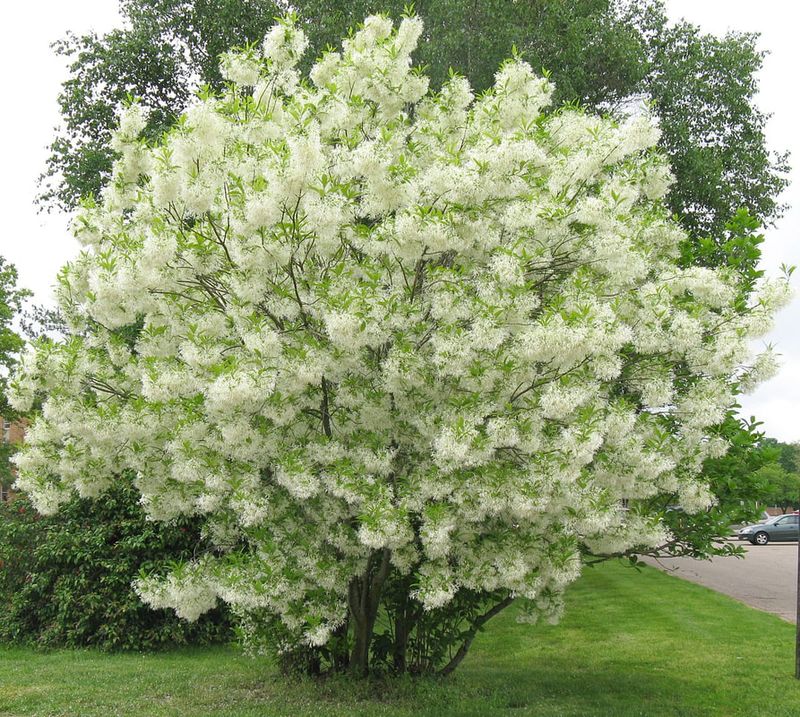
When Florida homeowners start looking for alternatives to crape myrtles, they often discover a surprisingly rich list of native trees that offer beauty, resilience, and far less fuss. These are not compromise choices.
Many of them outperform crape myrtles in Florida’s specific conditions while also supporting local birds, pollinators, and the broader ecosystem in ways that non-native species simply cannot match.
Southern Magnolia is one of the most beloved options, offering glossy evergreen leaves and large, fragrant white flowers that bloom in late spring and early summer. It thrives across most of Florida and, once established, handles heat and humidity with ease.
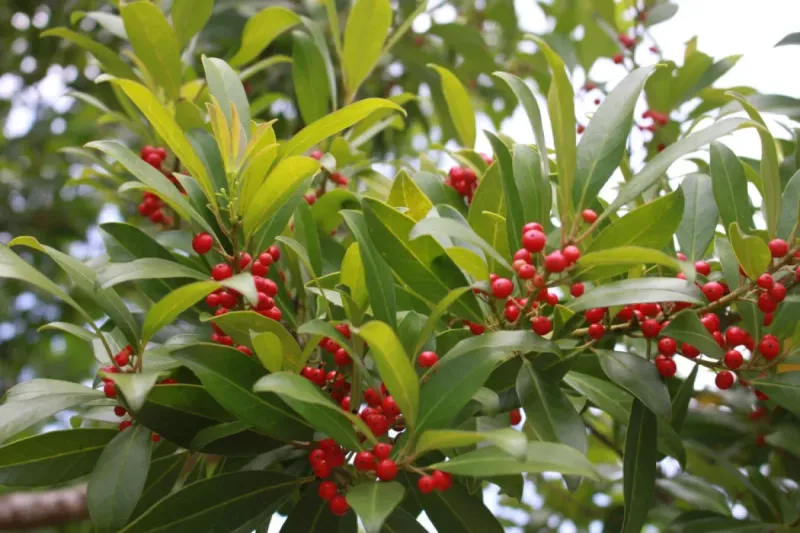
Dahoon Holly is another standout, particularly valued for its bright red berries that attract birds throughout winter. It tolerates wet, poorly drained soils where crape myrtles would struggle, making it a smart choice for yards with drainage challenges.
Red Maple, specifically Florida ecotypes, brings seasonal color that is rare in the subtropics. It lights up in fall and early spring with red flowers and seeds, and it grows well in moist, low-lying areas.
Sweetbay Magnolia offers a more delicate look with smaller, fragrant flowers and semi-evergreen foliage that works beautifully in partially shaded spots.
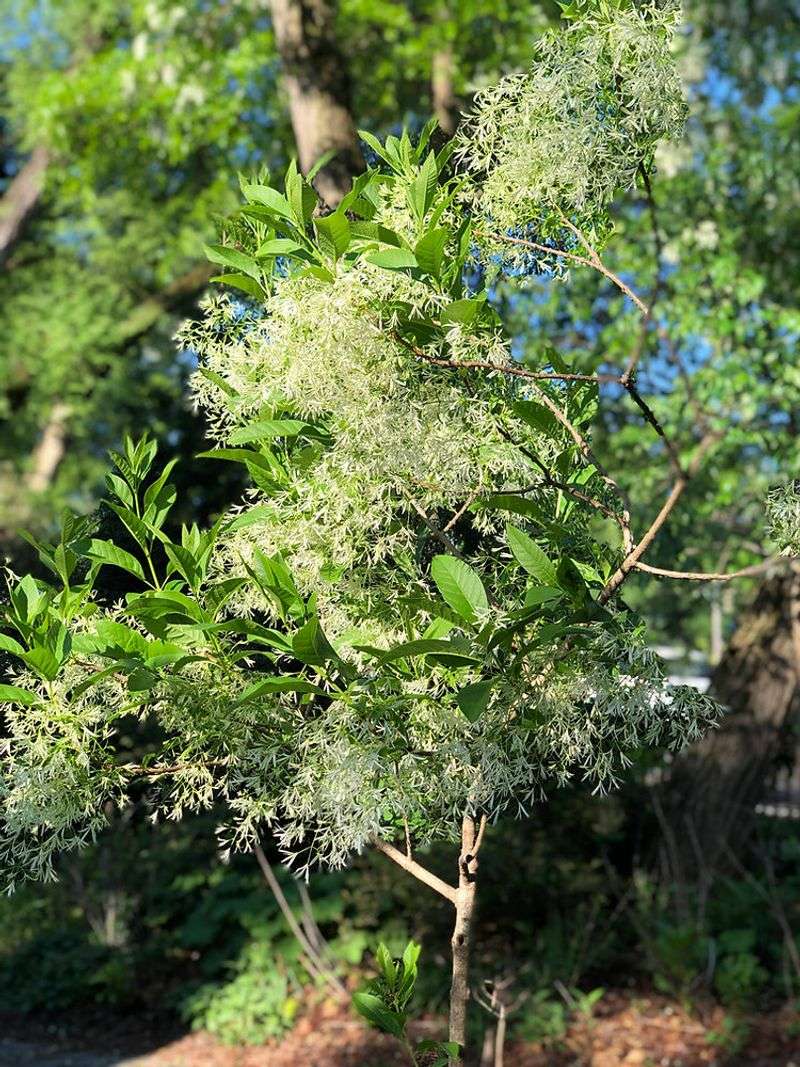
Florida Anise, while technically a large shrub, functions as a small tree in many landscapes and provides dense, fragrant foliage with minimal care.
The University of Florida IFAS Extension and the Florida-Friendly Landscaping program both recommend native species as a first choice for homeowners looking to reduce inputs and improve habitat value. These trees are not just easier to grow.
They genuinely belong in Florida landscapes in a way that crape myrtles never quite did.
7. Homeowners Are Choosing Trees That Stay Clean And Simple
After years of pruning, spraying, sweeping, and treating, many Florida homeowners have arrived at the same conclusion: the best tree for their yard is one that mostly takes care of itself. That desire for simplicity is not laziness.
It reflects a smarter, more sustainable approach to landscaping that aligns with how Florida’s climate actually works.
The native and Florida-friendly trees gaining popularity share a few traits that make them genuinely easier to live with. Their natural growth habits tend to be more predictable, meaning less need for corrective pruning or shaping.
They do not typically attract the specific pest populations that plague crape myrtles, so the cycle of aphids, honeydew, and sooty mold is largely a non-issue. Many of them also have deeper root systems that handle Florida’s feast-or-famine rainfall patterns more gracefully.
Cleanliness is another real advantage. Trees like Dahoon Holly and Sweetbay Magnolia do drop leaves and berries, but the overall mess is far more manageable than the constant petal fall and bark shedding of crape myrtles.
For homeowners with pools, patios, or light-colored driveways, this difference is noticeable almost immediately after planting.
Better adaptation to Florida’s climate also means fewer inputs over time. Less fertilizer, less supplemental watering after establishment, and fewer pest treatments add up to real savings in both money and effort.
For families who want to enjoy their outdoor space rather than constantly maintain it, that trade-off is easy to justify.
Spring is the ideal time to make this switch, and Florida nurseries are stocking more native options than ever before. The momentum is real, and for most homeowners, there is no looking back once they experience what a truly Florida-suited tree can do for their yard.