Why Logs In Raised Beds Work So Well In North Carolina Gardens
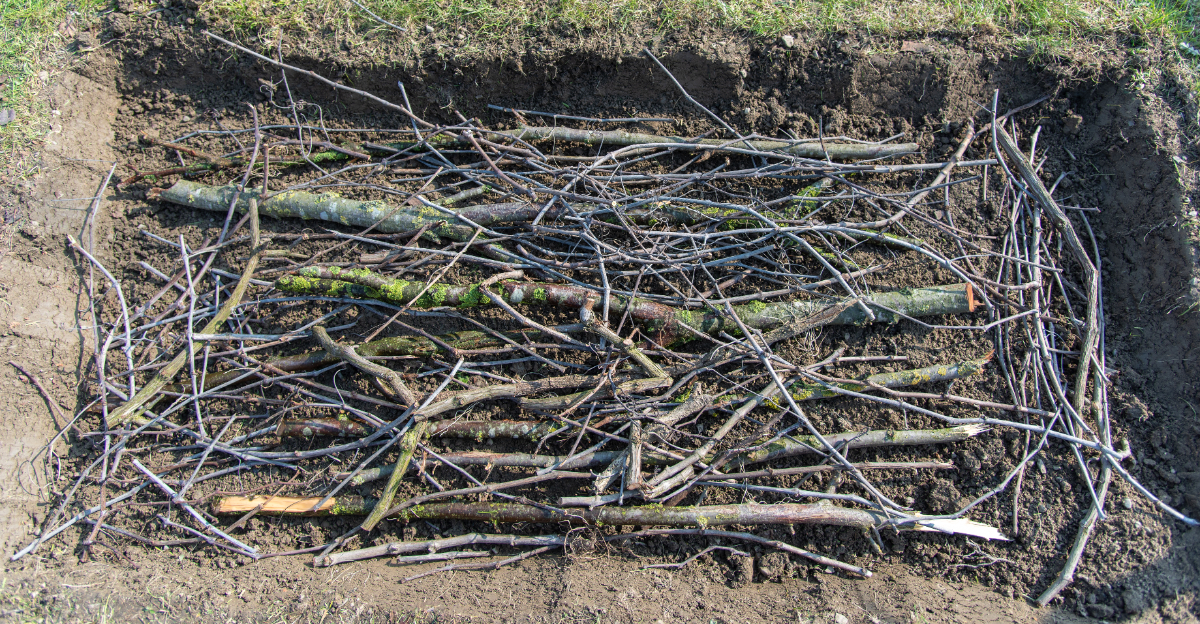
Using logs in raised beds might seem unusual at first, but many North Carolina gardeners are finding that this simple idea works surprisingly well.
Instead of filling a bed with only soil, adding logs at the bottom creates a base that improves how the bed holds moisture and supports plant growth over time.
As the wood slowly breaks down, it helps retain water, which can be a big advantage during warm, dry periods. This is especially useful in North Carolina, where weather can shift between heavy rain and dry spells.
The logs also reduce the amount of soil needed, making raised beds more affordable to fill. Over time, they even add organic matter back into the soil.
What starts as a basic setup turns into a system that works with nature, helping plants grow stronger with less effort.
1. They Act As Natural Water Reservoirs
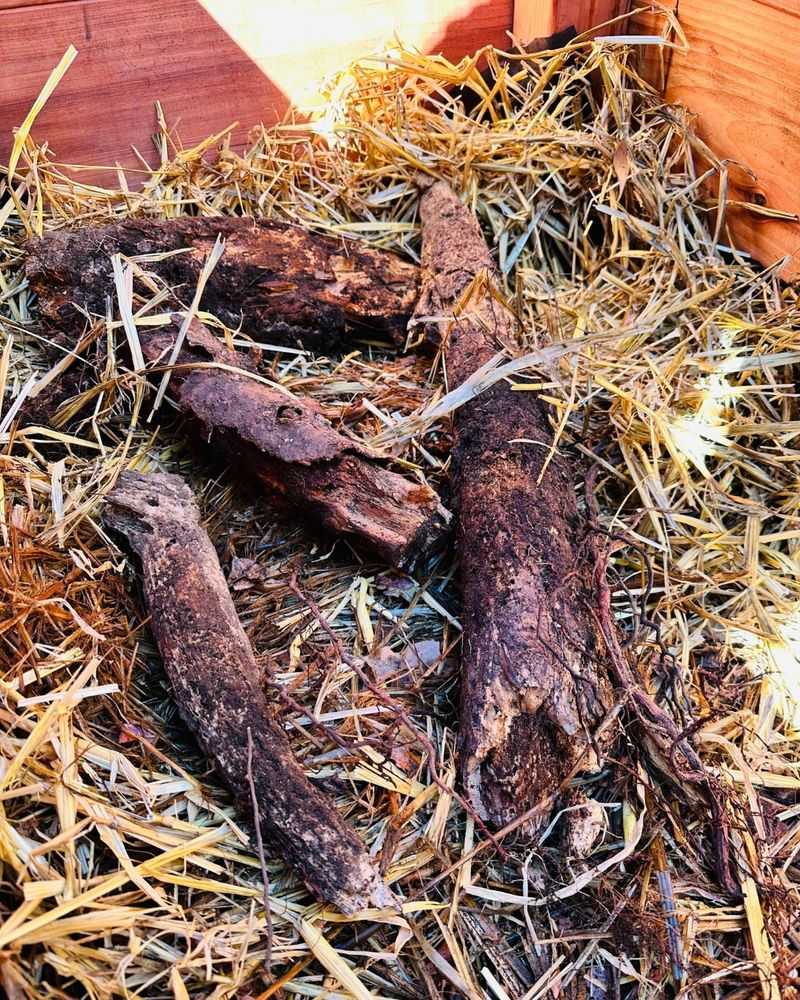
Picture a giant wooden sponge sitting right beneath your vegetable garden, quietly soaking up every drop of rain and holding onto it for weeks. That is exactly what buried logs do inside a raised bed.
Wood is naturally porous, and it can absorb an impressive amount of water during a heavy North Carolina rainstorm.
When the summer heat kicks in across North Carolina, that stored moisture slowly releases back into the surrounding soil. Your plants get a steady, consistent water supply even when the skies stay dry for days.
Gardeners who have tried this method often notice their beds stay moist much longer than traditional setups.
This concept comes from an old European farming practice called hugelkultur, which has been used for centuries to grow food in dry conditions. North Carolina summers can be brutally hot and dry, especially in the Piedmont and western mountain regions.
Having a natural water reservoir buried right beneath your plants is like giving your garden its own underground irrigation system.
You do not need fancy equipment or expensive tools to make this work. Simply layer logs at the bottom of your raised bed before adding soil on top.
Over time, the wood breaks down and continues improving the soil, making every growing season better than the last.
2. Logs Improve Drainage In Heavy Clay Soil
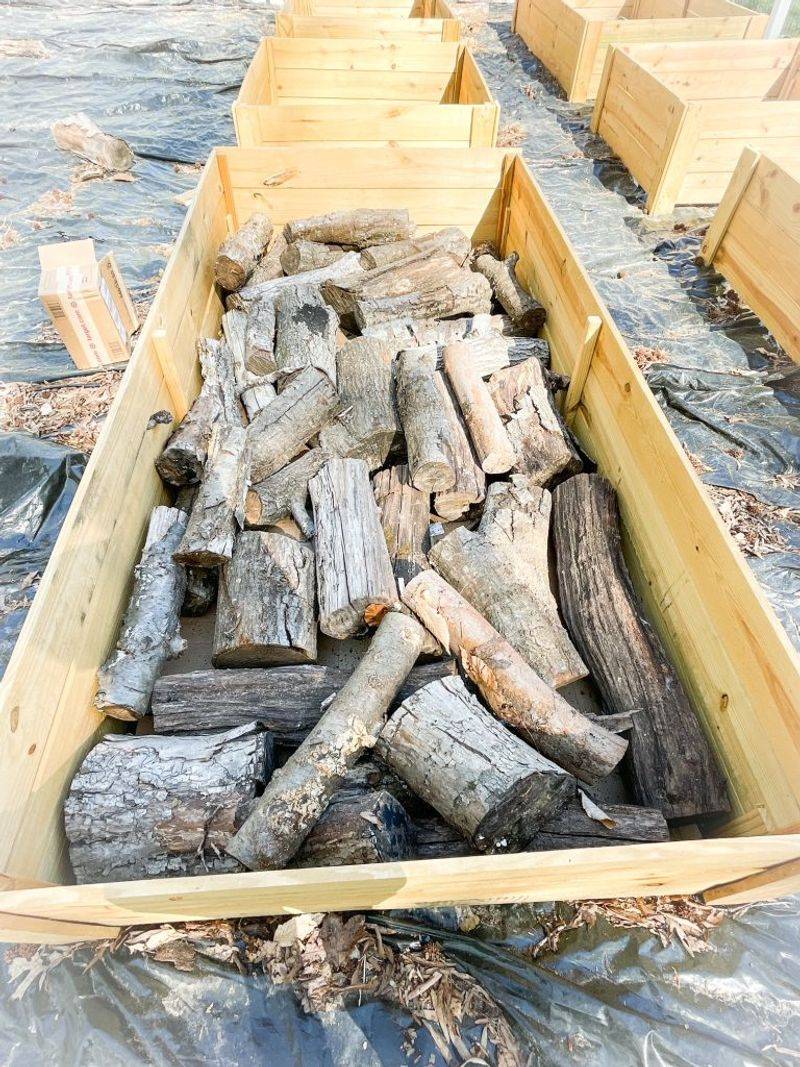
Anyone who has tried to garden in North Carolina knows the struggle with clay soil. It clumps together, stays waterlogged after rain, and makes it nearly impossible for plant roots to breathe.
Fortunately, logs buried inside raised beds offer a surprisingly effective solution to this frustrating problem.
As wood gradually breaks down over months and years, it creates small air pockets throughout the lower layers of your bed. Those pockets allow excess water to drain away instead of pooling around plant roots.
In a state where heavy spring rains are common, this drainage improvement can mean the difference between thriving plants and struggling ones.
Clay soil is found across a large portion of North Carolina, from the red clay of the Piedmont region to the dense soils near the foothills.
Your North Carolina Garden Changes Every Week. Your Plan Should Too.
Gardening in North Carolina changes quickly throughout the season. Every Friday you’ll receive a simple weekly plan showing exactly what to plant, prune, fertilize, harvest, and protect so you never miss the right timing.
When you place logs beneath your growing medium, you essentially build a natural drainage layer that works passively without any effort on your part. The structure of the wood keeps things loose and open.
Over time, as the logs continue to soften and decompose, beneficial organisms like earthworms and fungi move in and further improve the soil structure. The result is a raised bed that handles both wet and dry periods with ease.
North Carolina gardeners dealing with poor native soil will find this method genuinely life-changing for their garden setup.
3. Reduce Watering Needs During Hot Summers
Watering a garden during a North Carolina summer can feel like a full-time job. The heat rolls in fast, the sun bakes the soil, and shallow beds dry out within a day or two.
Gardeners with logs buried in their raised beds often report a noticeable drop in how often they need to reach for the hose.
Wood holds moisture the way a thick towel holds water after a bath. As the logs beneath your soil slowly release that stored moisture upward, your plants stay hydrated for longer stretches between waterings.
During the hottest months in North Carolina, from late June through August, this moisture retention can seriously cut down your watering schedule.
Reducing watering frequency is not just about saving time. It also means lower water bills, less stress on your plants from inconsistent moisture, and a more environmentally friendly garden overall.
In parts of North Carolina that sometimes face summer drought conditions, using every possible advantage matters.
Beginners especially benefit from this setup because overwatering and underwatering are two of the most common gardening mistakes. When logs are helping regulate moisture from below, the soil naturally stays in a more balanced state.
You spend less time worrying and more time enjoying the garden you worked so hard to build across your North Carolina yard.
4. Logs Slowly Release Nutrients As They Break Down
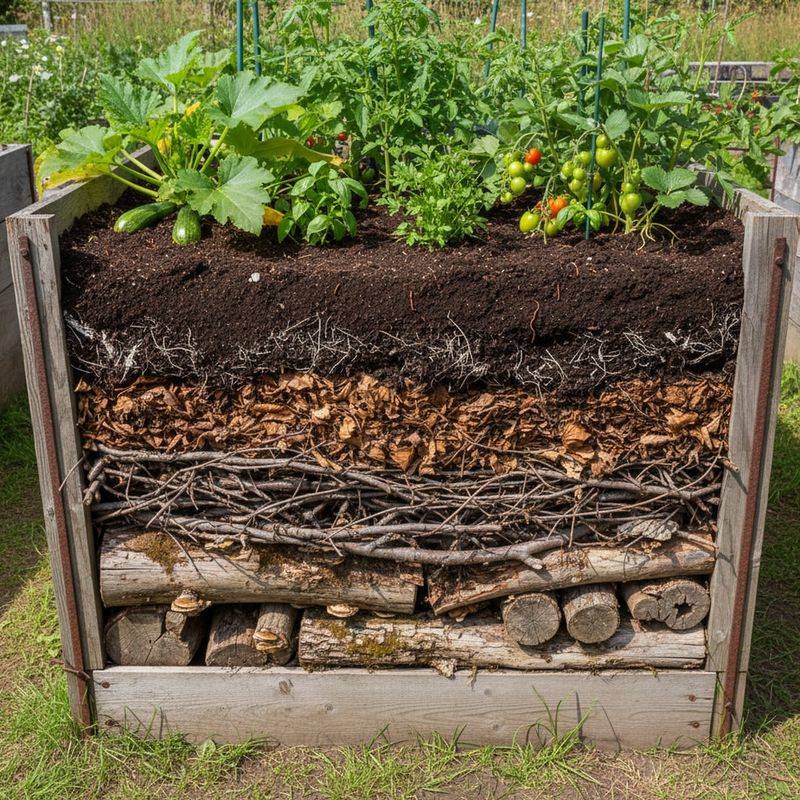
Healthy plants need a steady supply of nutrients to grow strong, produce fruit, and resist pests. Buying bags of fertilizer every season adds up quickly, both in cost and effort.
Buried logs offer a natural, slow-release alternative that feeds your soil for years without any extra work.
As wood breaks down inside your raised bed, it releases carbon, nitrogen, potassium, and other minerals directly into the surrounding soil. This process happens gradually, which is actually ideal for plant growth.
A slow, steady nutrient supply is far better for most vegetables than a sudden spike followed by a long dry spell.
North Carolina has a long growing season that stretches from early spring through late fall in many regions. A nutrient-rich bed that feeds itself over time is a huge advantage for gardeners who want to grow multiple crops back to back throughout the year.
The logs keep working underground even when you are not paying attention.
Different types of wood break down at different rates, which means the nutrient release schedule varies depending on what you bury. Softer woods like pine or poplar, both common in North Carolina forests, break down faster and release nutrients more quickly.
Hardwoods like oak take longer but provide a more extended feeding window. Either way, your garden soil benefits enormously from having this organic material working away beneath the surface.
5. Decomposition Creates Warmer Soil In Early Spring
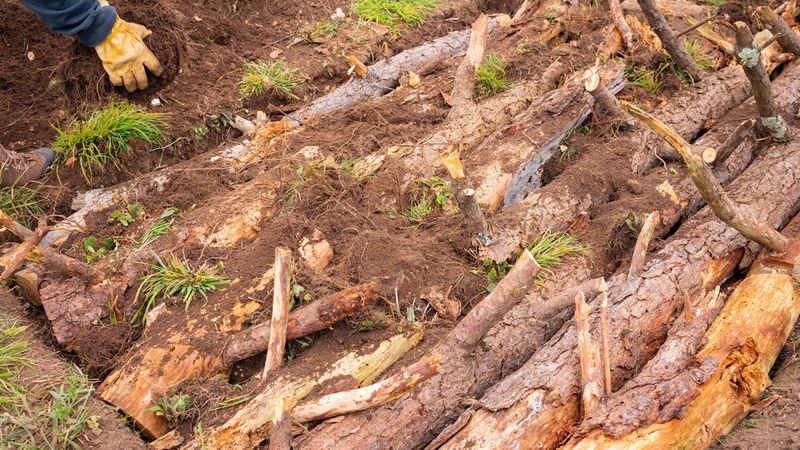
Spring in North Carolina can be unpredictable. One week feels warm and sunny, and the next brings a cold snap that threatens tender seedlings.
Getting a head start on the growing season means finding ways to warm up your soil faster, and this is where buried logs offer a surprisingly clever advantage.
When organic material like wood breaks down, it generates a small but real amount of heat through microbial activity.
That gentle warmth radiates upward through the soil layers above the logs, raising the overall temperature of your raised bed slightly faster than an unmodified bed would warm up. Even a few extra degrees can make a meaningful difference for early spring planting.
North Carolina gardeners in the mountains, where spring arrives later and frosts linger longer, stand to gain the most from this effect.
Getting warm soil a week or two earlier opens the door to planting cool-season crops like lettuce, spinach, and kale sooner than your neighbors might be able to. That translates directly into more food and a longer harvest window.
The warming effect is not dramatic, but it is consistent and reliable year after year as long as there is active decomposition happening below the surface. Pairing logs with a dark-colored raised bed frame or a layer of black mulch on top amplifies the warming effect even further.
Early spring gardening in North Carolina just got a whole lot more manageable with this approach.
6. Fill Your Bed For Less By Using Logs As Filler
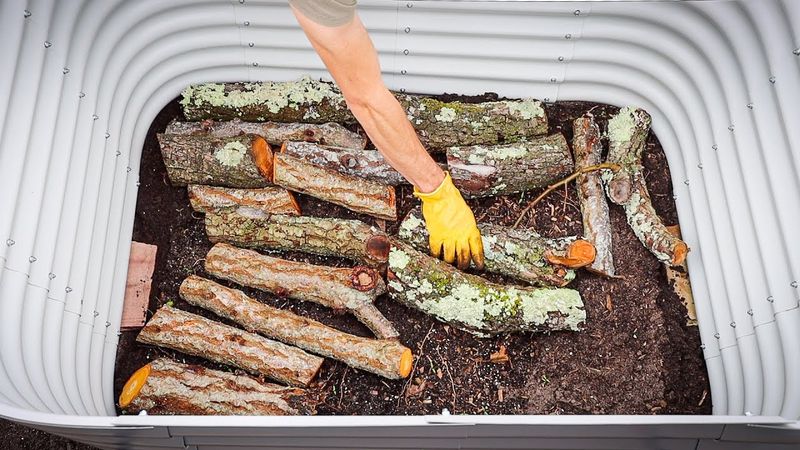
Filling a raised bed from top to bottom with purchased garden soil is one of the most expensive parts of setting up a new garden. A large bed can require dozens of cubic feet of soil, and the costs add up fast.
Smart gardeners across North Carolina have found a much more budget-friendly approach by using logs to fill the lower portion of their beds.
Logs take up real volume in the bottom layer of a raised bed, which means you need significantly less purchased soil to fill the rest. If your bed is twelve inches deep, filling the bottom four to six inches with logs cuts your soil needs nearly in half.
Over time, the logs compress as they break down, and you simply top off with compost or fresh soil as needed.
For North Carolina homeowners who have fallen trees or woodland areas on their property, this approach is essentially free.
Branches, logs, and woody debris that would otherwise sit in a pile or need hauling away become valuable garden building materials instead. You save money and recycle organic material at the same time.
Even gardeners without access to free wood can find affordable sources at local tree services, neighbors clearing land, or community wood-chip programs offered in some North Carolina counties.
The savings over purchasing premium raised bed soil mixes can be substantial, especially when building multiple beds across a larger garden space.
7. Long-Term Soil Structure And Microbial Health Improve
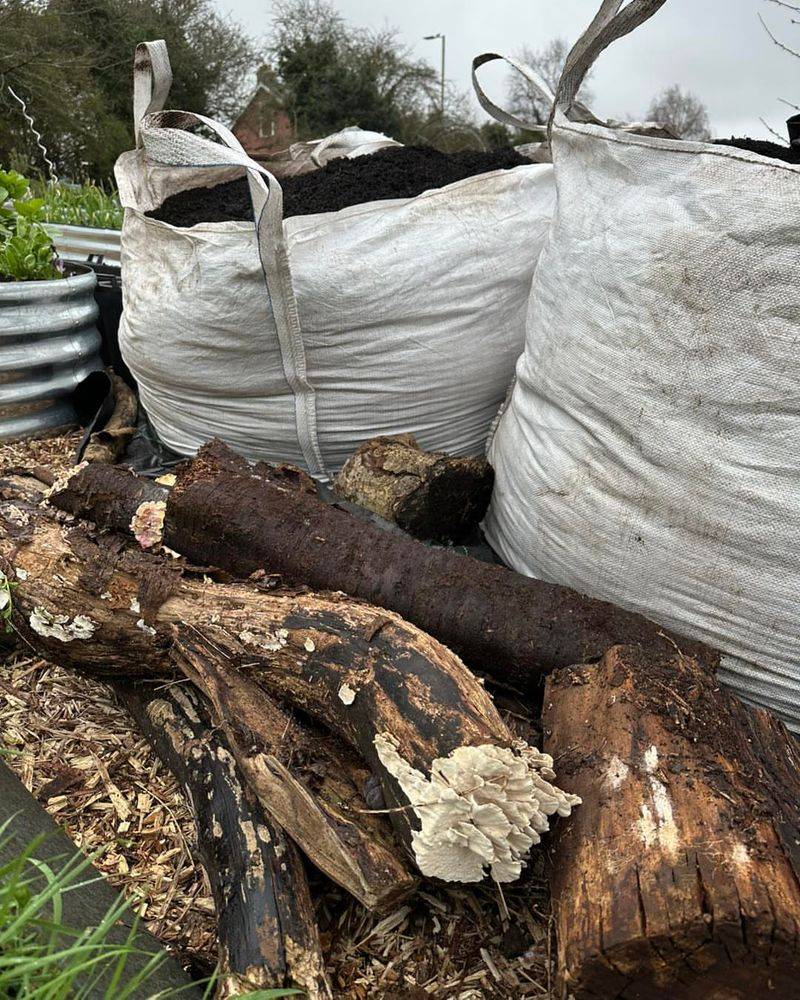
One of the most exciting things about using logs in raised beds is what happens years down the road. The benefits do not stop after one growing season.
In fact, the longer the logs sit underground and break down, the richer and more biologically active your soil becomes over time.
Decomposing wood is one of the best habitats for beneficial soil organisms, including bacteria, fungi, and earthworms. These organisms work constantly to break down organic matter, cycle nutrients, and improve soil texture.
A raised bed filled with active microbial life grows healthier, more productive plants than one with plain, lifeless fill dirt.
North Carolina has a warm, humid climate for much of the year, which actually speeds up the decomposition process compared to colder states. That means the benefits arrive faster and the biological activity in your soil stays high throughout most of the growing season.
Your garden essentially gets more productive every single year. After several years, fully decomposed wood leaves behind a dark, crumbly material called humus, which is one of the most fertile substances a garden soil can contain.
The texture improves, drainage stays excellent, and water retention remains strong even without fresh logs present.
North Carolina gardeners who commit to this method find that their raised beds become some of the most productive growing spaces on their entire property, season after season, with very little extra effort required.