Texas Gardeners Are Dealing With This Silent Pest That Destroys Plants From The Roots
A thriving Texas garden can turn dramatic fast. One week, your tomatoes look proud, your flowers are showing off, and your herbs are practically begging to be picked.
Then suddenly, plants start wilting, roots weaken, and seedlings disappear like something is working against you from below. The frustrating part is that this pest does not always announce itself right away.
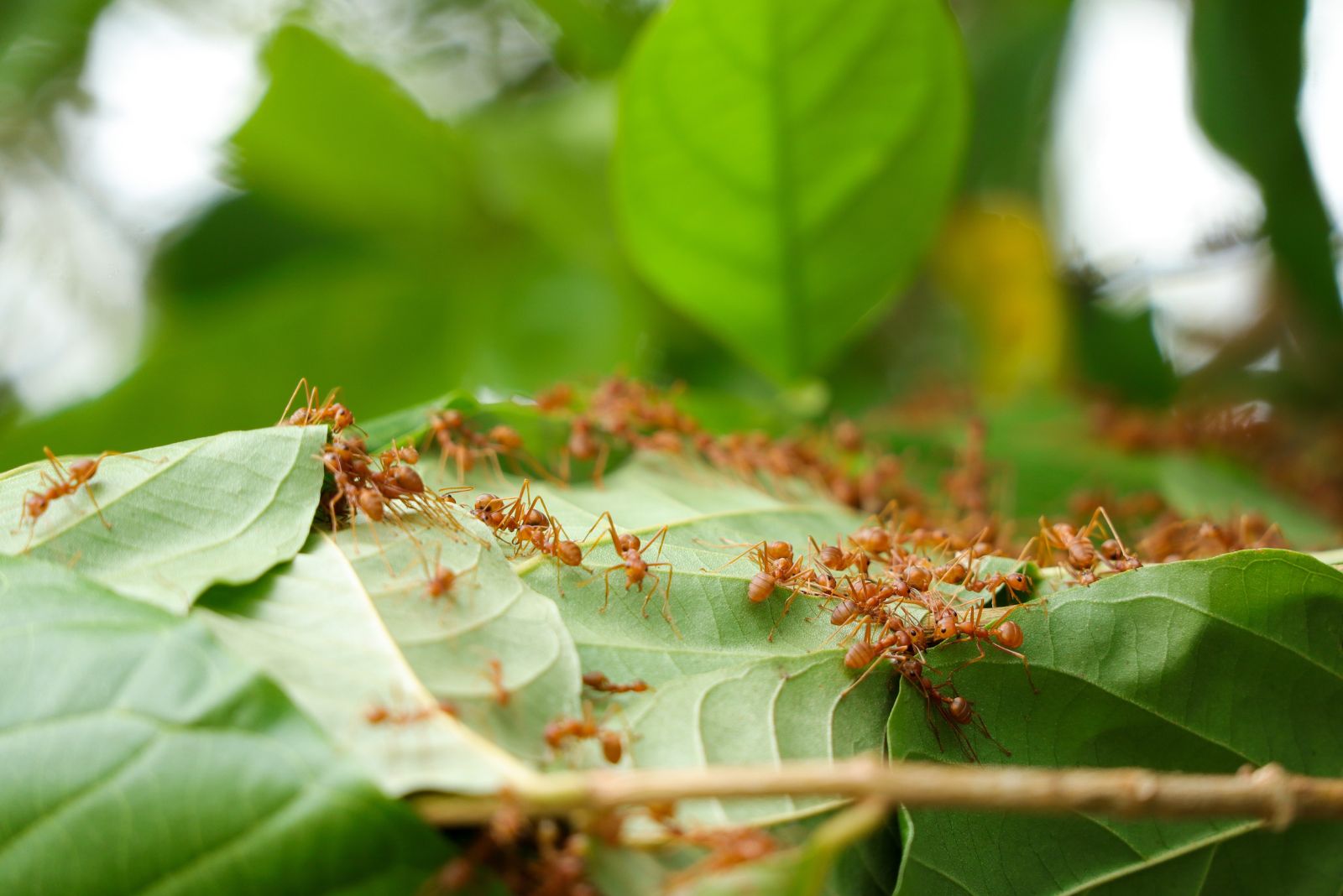
Fire ants are more than a painful backyard nuisance. In gardens, they can disturb soil, damage tender roots, protect other harmful insects, and make simple tasks like weeding or harvesting feel like a risky mission.
Their underground colonies spread quickly, and once they settle near your plants, they can be surprisingly hard to ignore.
For Texas gardeners already dealing with heat, drought, clay soil, and surprise storms, fire ants add one more headache to the list. Knowing how they harm plants and what signs to watch for can help you protect your garden before the damage gets worse.
The Garden Pest Hiding In Plain Sight
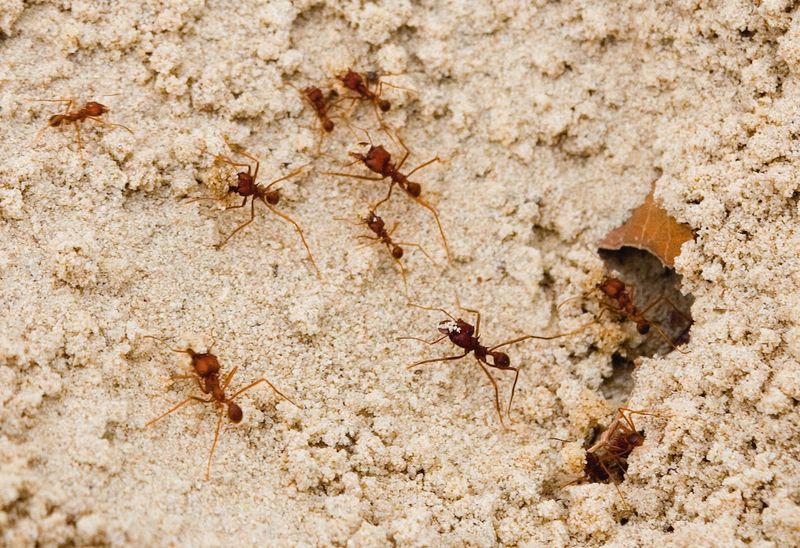
Most Texas gardeners have seen fire ant mounds before, but not everyone connects them to struggling plants. These small red insects are experts at staying hidden.
They build their colonies underground, where they go unnoticed for weeks or even months at a time.
Fire ants first arrived in the United States through Mobile, Alabama, in the 1930s. Since then, they have spread aggressively across the South, and Texas has become one of their favorite places to settle.
Today, fire ants are found in nearly every county across the state. The sneaky part is how quietly they move in. A gardener might water their tomatoes every day and still not realize a fire ant colony is growing just inches below the roots.
The ants prefer warm, sunny spots, which makes raised beds and vegetable gardens perfect targets.
By the time plants start wilting or showing signs of stress, the colony could already have thousands of workers tunneling through the soil. Many gardeners blame heat, drought, or disease before ever suspecting fire ants.
Paying close attention to the base of your plants is one of the best habits any Texas gardener can build. Look for small mounds of loose, fluffy soil that appear near plant stems or garden borders.
Sometimes the mound is barely visible, especially right after rain. Fire ants are not just a nuisance. They are a genuine threat to the health of your garden.
Understanding that they operate mostly out of sight is the first step toward protecting your plants before real damage sets in.
Why Fire Ants Are So Harmful To Plants
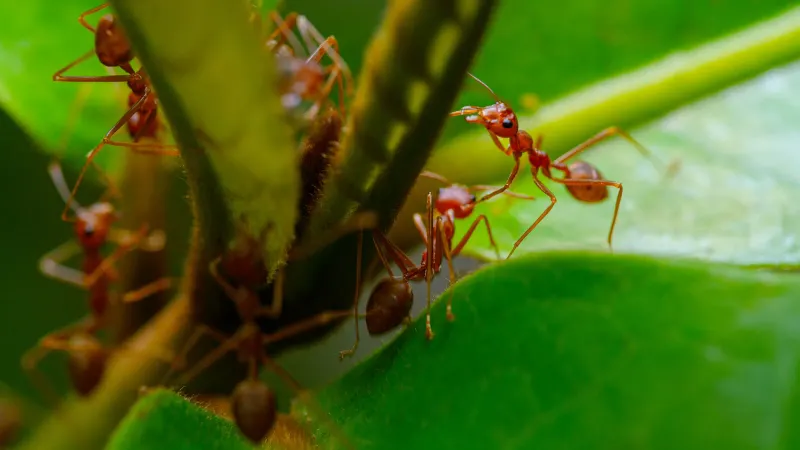
Underground tunnels are the real weapon fire ants use against plants. When a colony sets up beneath your garden in Texas, the workers dig hundreds of small tunnels through the soil.
These tunnels cut right through root systems, separating roots from the water and nutrients they need to survive.
Roots need steady contact with moist soil to absorb water properly. Fire ant tunnels create air pockets around the roots, which causes the soil to dry out much faster than normal.
Your Texas Garden Changes Every Week. Your Plan Should Too.
Gardening in Texas changes quickly throughout the season. Every Friday you’ll receive a simple weekly plan showing exactly what to plant, prune, fertilize, harvest, and protect so you never miss the right timing.
Even if you water your garden regularly, those air pockets can leave roots thirsty and stressed.
Young plants are especially vulnerable. Seedlings and transplants have small, fragile root systems that cannot handle disruption well.
A fire ant colony growing beneath a newly planted pepper or squash can slow its growth significantly within just a few weeks.
There is also a chemical factor. Fire ants release formic acid when they feel threatened or when they are active near the surface.
High concentrations of this acid near roots can cause tissue irritation and weaken plant cells over time.
Older, more established plants in Texas gardens can sometimes handle a nearby colony for a while, but they will eventually show signs of stress too. Yellowing leaves, slow growth, and drooping stems are all signals that something underground is not right.
What makes fire ants so tricky is that the damage they cause looks almost identical to other common garden problems.
Gardeners often try adding fertilizer or adjusting watering schedules without ever finding the real source hiding just beneath the soil surface.
Signs Fire Ants Are Damaging Your Garden
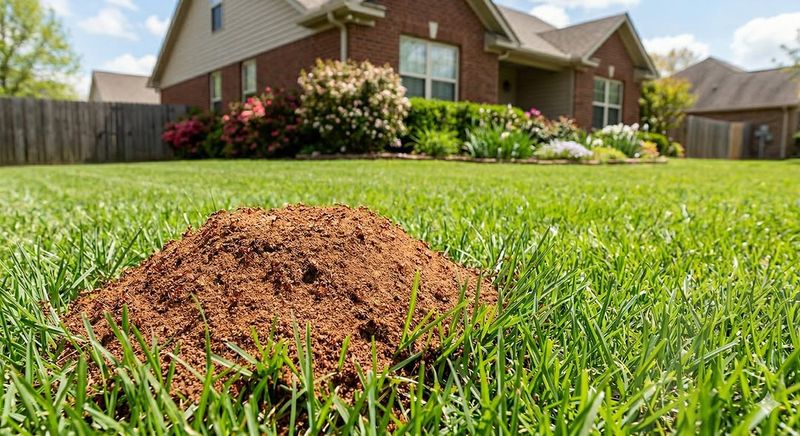
Spotting fire ant damage early can save your plants a lot of trouble. Luckily, there are several clear warning signs to look for in your Texas garden.
Knowing what to watch for makes a big difference when it comes to stopping the problem before it spreads too far.
The most obvious sign is a mound of loose, dome-shaped soil near your plants or along garden borders. Fire ant mounds do not have a visible hole at the top like many other ant mounds do. Instead, the ants enter and exit through tunnels on the sides or beneath the mound itself.
Wilting plants are another strong clue, especially when the wilting seems to come out of nowhere. If a plant looks healthy one day and droopy the next despite regular watering, check the soil around its base.
Gently disturbing the soil with a stick near a wilting plant can quickly reveal whether fire ants are present, as they swarm fast when their colony is disturbed.
Poor or stunted growth is also worth paying attention to. When a plant in your Texas garden is not keeping up with others of the same type, underground pest activity could be slowing it down.
Loose, crumbly soil around the base of plant stems is another red flag. Fire ant tunneling breaks up the soil structure, making it feel almost sandy or powdery near the roots.
Checking your garden at least once a week, especially during warm months, gives you the best chance of catching fire ant activity early. Early action always leads to better results for your plants.
Why Texas Gardens Are So Vulnerable
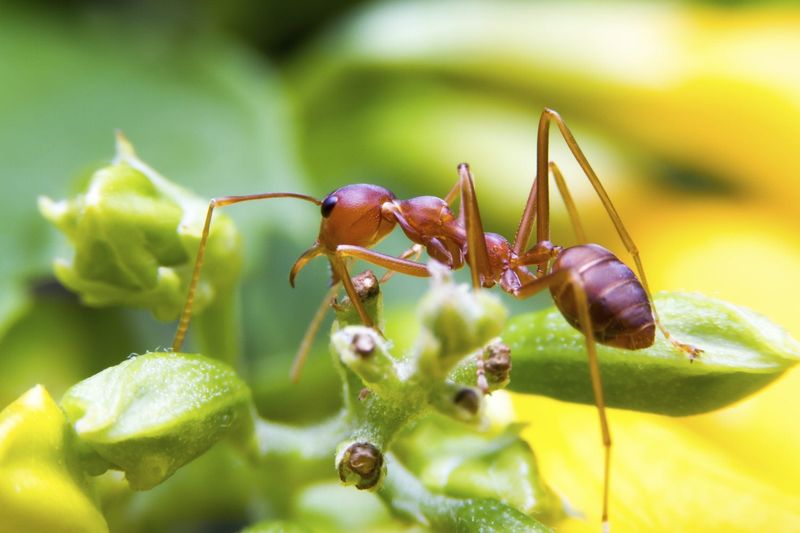
Texas is practically a paradise for fire ants. The warm climate, long summers, and stretches of dry weather create exactly the kind of environment these insects love.
Unlike colder states where winter slows them down, Texas fire ants can stay active and keep building colonies almost year-round.
Dry, sandy, or disturbed soil is especially attractive to fire ant colonies. That makes freshly tilled garden beds, raised beds, and vegetable gardens some of the most at-risk spots in any Texas yard.
When you dig and loosen soil to prepare a new garden, you are essentially rolling out a welcome mat for fire ants looking for a new home.
Lawns surrounding garden areas also play a role. Fire ants move easily from grass into garden beds, especially when the lawn is stressed from heat or drought.
Texas summers push ants to seek out spots with more moisture, and a freshly watered garden bed is exactly what they are looking for.
Raised beds are particularly tricky because gardeners often fill them with loose, well-draining soil mix. While that is great for plant roots, it is also very easy for fire ants to tunnel through.
The warmth that builds up in raised beds also makes them attractive nesting spots. Urban and suburban gardens in Texas cities like Austin, Houston, and San Antonio face high fire ant pressure because the ants have fewer natural predators in developed areas.
Without birds and other wildlife keeping populations in check, colonies can grow large very quickly.
Understanding why Texas conditions favor fire ants helps gardeners plan smarter defenses from the very start of planting season.
How To Control Fire Ants Without Hurting Your Plants
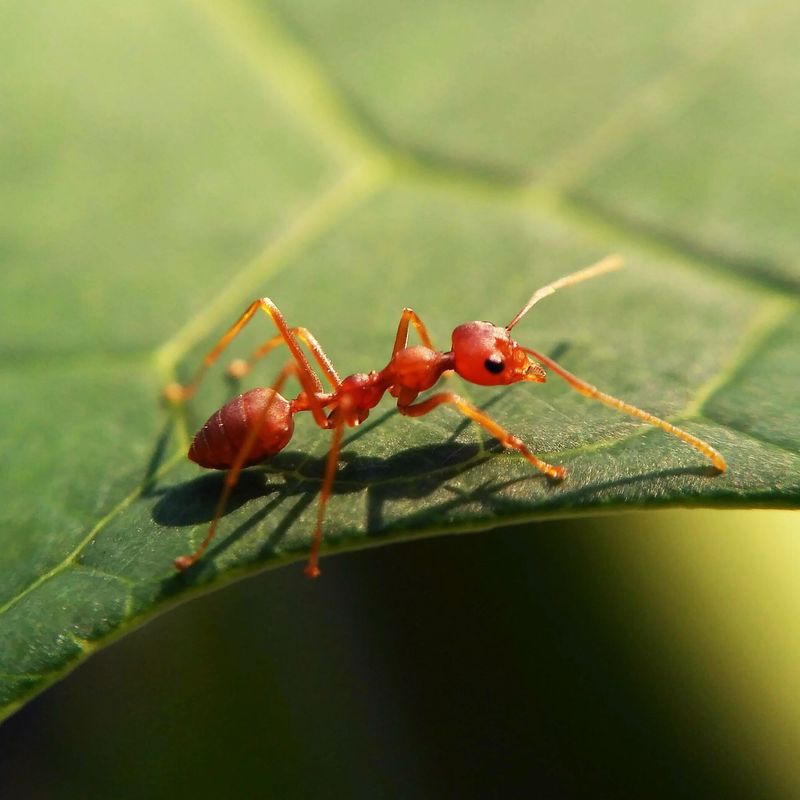
Getting rid of fire ants does not have to mean using harsh chemicals that harm your vegetables or flowers. There are several garden-friendly methods that work well for Texas gardeners who want to protect their plants without causing other problems in the process.
Bait products are one of the most effective and low-impact options available. Fire ant baits contain a slow-acting ingredient that worker ants carry back to the colony and share with the queen.
Because the bait is spread through the colony gradually, it can wipe out the entire nest without requiring you to drench your garden in chemicals. Spread bait granules around the perimeter of your garden beds rather than directly on top of plants.
Individual mound treatments are useful when you spot a specific mound close to your plants. Products designed for mound drenching can be applied carefully around the base of the mound.
Always follow the label instructions closely, especially when treating mounds near edible plants in your Texas garden.
Careful watering habits also help. Fire ants prefer dry conditions, so keeping your soil consistently moist can make your garden less attractive to new colonies looking for a place to settle.
Some gardeners in Texas have had good results using food-grade diatomaceous earth sprinkled around garden beds. It is non-toxic to humans and pets and works by damaging the outer shell of insects that come into contact with it.
Avoid pouring boiling water near plant roots, as this method can harm the roots just as much as the ants. Choosing targeted, careful treatments always gives your plants the best chance of staying healthy and strong throughout the growing season.
How To Keep Fire Ants From Coming Back
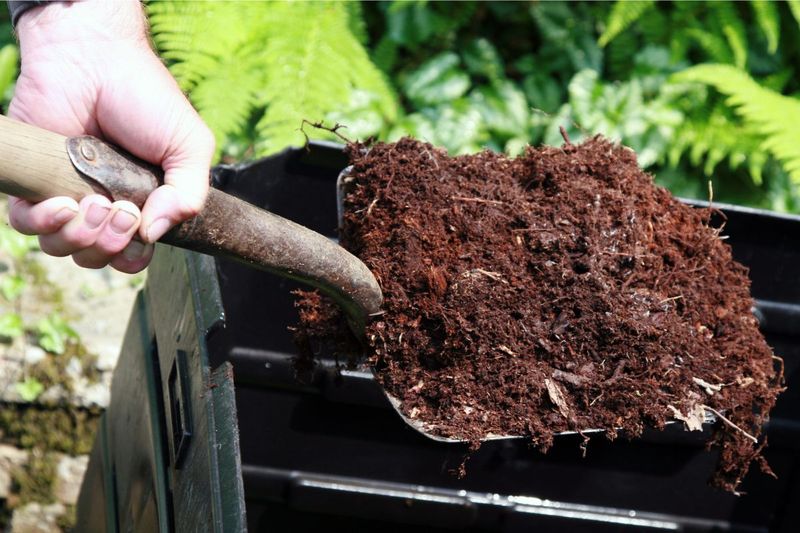
Stopping fire ants once is great, but keeping them away for good takes a little ongoing effort. The good news is that a few simple habits built into your regular gardening routine can make a huge difference in keeping your Texas garden fire-ant-free season after season.
Regular inspections are the most powerful tool you have. Walking through your garden every week and scanning for new mounds or disturbed soil lets you catch fresh colonies before they grow large enough to cause serious damage.
Early-stage colonies are much easier to handle than established ones with thousands of workers.
Healthy soil also plays a big role. Well-balanced soil that holds moisture evenly is less attractive to fire ants than dry, loose soil.
Adding compost and organic matter to your garden beds improves soil structure and helps keep conditions less favorable for new colonies.
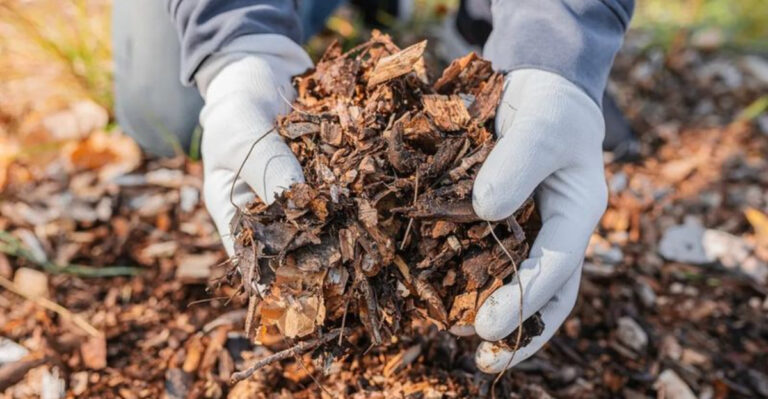
Mulch management matters too. A thick layer of mulch can actually provide cover for fire ants if it is not managed properly.
Keep mulch pulled back slightly from the base of plants and check underneath it regularly for signs of tunneling or mound formation.
Removing food sources near your garden helps as well. Leftover fruit, compost piles placed too close to beds, and standing water can all attract fire ants and encourage them to move in nearby.
Treating new mounds immediately, before the colony has time to expand, is one of the smartest strategies any Texas gardener can use. The longer a colony is allowed to grow, the harder it becomes to manage.
Staying proactive keeps your garden healthy and gives your plants the safe, stable environment they need to thrive all year long.