7 Perennials To Fertilize Now In Texas For Jaw-Dropping Summer Blooms
Texas summers do not play around, and neither do the perennials trying to bloom through them. If you want your garden to burst with color instead of looking tired by June, timing matters more than most people think.
A little fertilizer at the right moment can give your plants the boost they need before the real heat rolls in.
Perennials are tough, but even the strongest bloomers can struggle when Texas sun, dry spells, and hungry soil start teaming up.
Feeding them now helps support stronger roots, fuller growth, and more dramatic flowers later in the season. It is like giving your garden a good breakfast before a long, hot day.
The best part is that you do not need to fuss over every plant in the yard. Some perennials respond especially well to a spring feeding, rewarding you with brighter blooms, healthier leaves, and that “wow, what are you growing?” kind of summer display.
1. Lantana
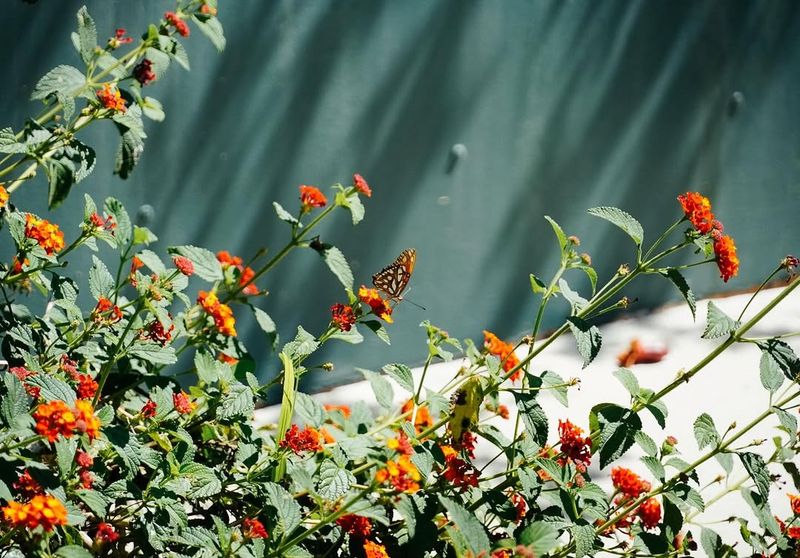
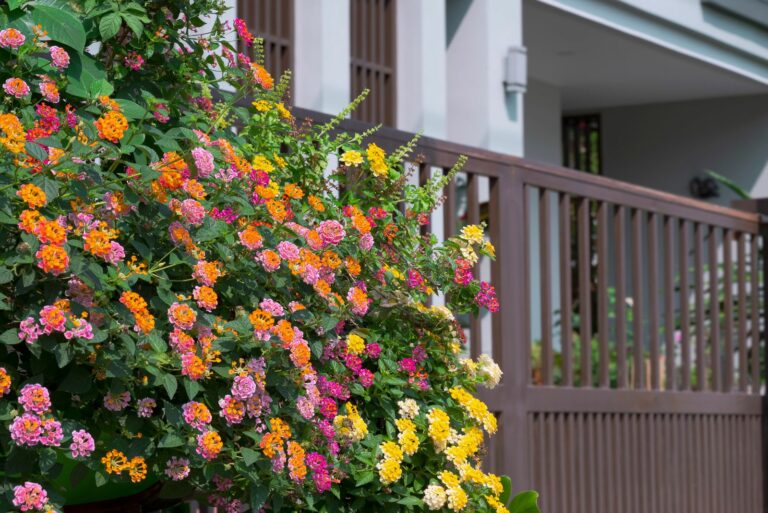
Few plants bring the kind of color punch that lantana delivers in a Texas summer garden. This tough, heat-loving perennial thrives in the brutal Texas sun and just keeps blooming, week after week, without much fuss.
Butterflies and hummingbirds absolutely love it, making your yard feel like a living nature show.
Fertilizing lantana in early spring sets it up for a season full of non-stop color. Use a balanced fertilizer like a 10-10-10 formula and apply it around the base of the plant.
Always water thoroughly after feeding to push the nutrients down to the roots and prevent any leaf burn.
One thing to keep in mind is that too much nitrogen can make lantana grow lots of leaves but fewer flowers. So go easy on high-nitrogen fertilizers and stick with a balanced blend. A light feeding once a month through early summer is plenty for most Texas gardens.
Lantana comes in dozens of color combinations, from bright orange and yellow to soft pink and white. Planting a mix of varieties along a sunny border creates a rainbow effect that lasts all season long.
Deadheading spent blooms encourages even more flowers to form. In warmer parts of Texas, lantana can grow into a large, woody shrub over time. Cut it back hard in late winter before new growth appears to keep it tidy and encourage fresh, vigorous stems.
With the right fertilizing routine, lantana will reward you with jaw-dropping color from spring straight through fall.
2. Salvia (Autumn Sage / Greggii)
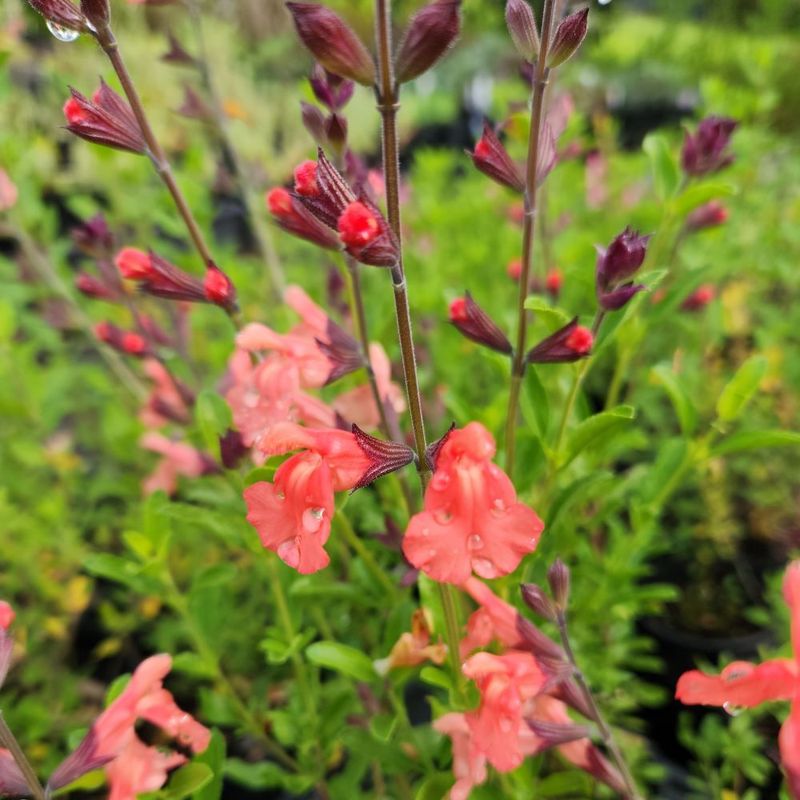
Salvia greggii, commonly called Autumn Sage, is basically made for Texas. It is a native perennial that handles heat, drought, and poor soil like a champion.
Hummingbirds go wild for the tubular blooms, which come in shades of red, coral, pink, and white.
Fertilizing Autumn Sage in early spring gives it the energy it needs to push out those first flushes of flowers before summer fully arrives. A light application of a balanced, slow-release fertilizer works best.
Too much fertilizer can actually cause the plant to get leggy and produce fewer blooms, so moderation is the key here.
Your Texas Garden Changes Every Week. Your Plan Should Too.
Gardening in Texas changes quickly throughout the season. Every Friday you’ll receive a simple weekly plan showing exactly what to plant, prune, fertilize, harvest, and protect so you never miss the right timing.
Did you know that Salvia greggii was named after Josiah Gregg, a 19th-century explorer and naturalist who traveled extensively through Texas and northern Mexico? That bit of history makes it even more special to grow in a Texas garden.
After each flush of blooms fades, give the plant a light trim to encourage a fresh round of flowers. This simple habit keeps your salvia looking tidy and blooming strong through the hottest months of the Texas summer.
Pair it with ornamental grasses or black-eyed Susans for a stunning native plant combination.
Autumn Sage thrives in full sun and well-drained soil. If your garden has heavy clay, mix in some compost before planting to improve drainage.
Water deeply but infrequently once established, and your salvia will reward you with color from spring all the way into early winter.
3. Black-Eyed Susan (Rudbeckia)
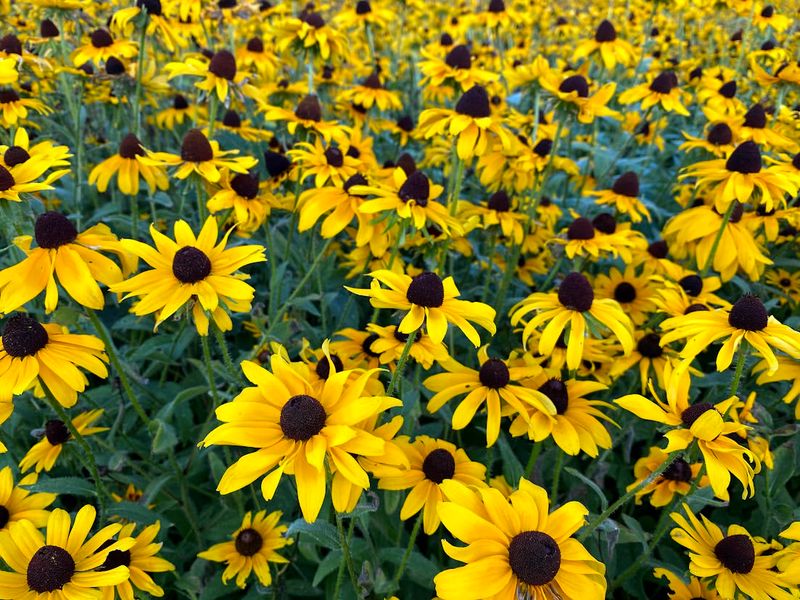
Walking past a patch of Black-Eyed Susans in full bloom feels like sunshine in plant form. Those golden-yellow petals surrounding a dark chocolate-brown center are one of the most cheerful sights in any Texas garden.
Rudbeckia is tough, reliable, and blooms generously all summer long. Getting your fertilizer down in early spring, right as new growth starts pushing up from the ground, makes a noticeable difference in how well Black-Eyed Susans perform.
A balanced granular fertilizer worked lightly into the soil around the base of each plant is a solid approach. Water it in well so the nutrients move down to where the roots can actually use them.
Rudbeckia is not a heavy feeder, so one or two applications per growing season is usually enough for Texas gardens. Over-fertilizing pushes lots of leafy green growth at the expense of those beautiful blooms. Keep it simple and let the plant do what it does best.
Black-Eyed Susans spread naturally over time, filling in bare spots and creating bold drifts of yellow throughout the garden. They also make excellent cut flowers, so feel free to snip some stems for indoor arrangements.
Leaving the seed heads standing at the end of the season feeds birds through fall and winter.
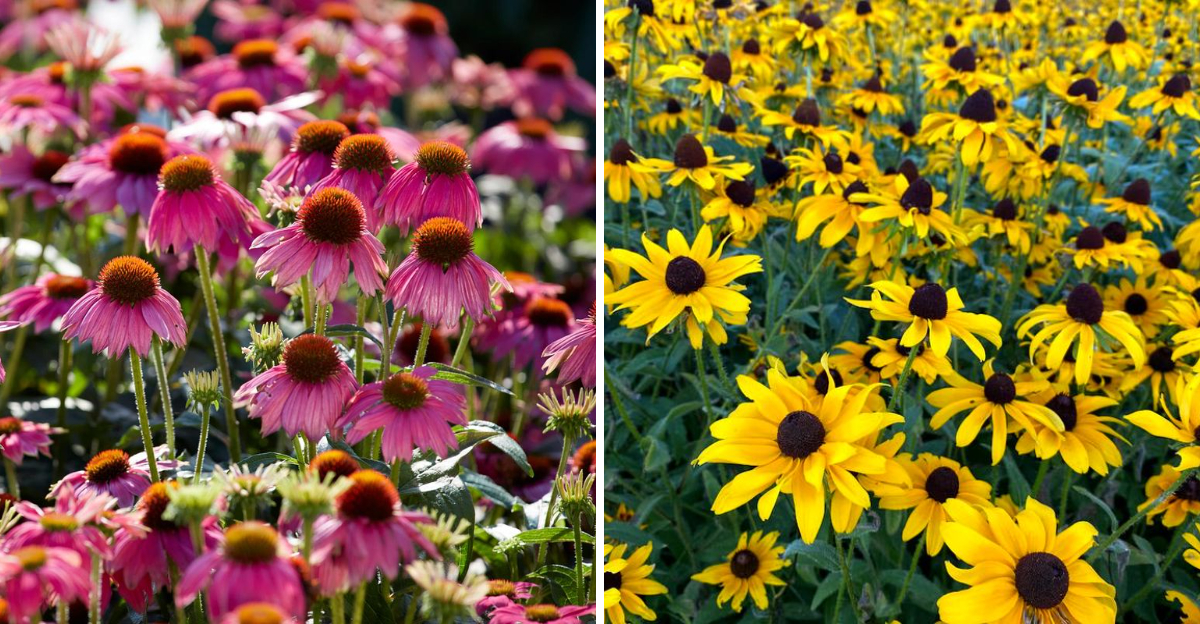
In Texas, Rudbeckia pairs beautifully with purple coneflower and salvia for a wildflower-inspired look. Full sun and decent drainage are really all it needs to thrive.
With a little fertilizer now, your Black-Eyed Susans will be absolutely glowing by midsummer.
4. Coneflower (Echinacea)
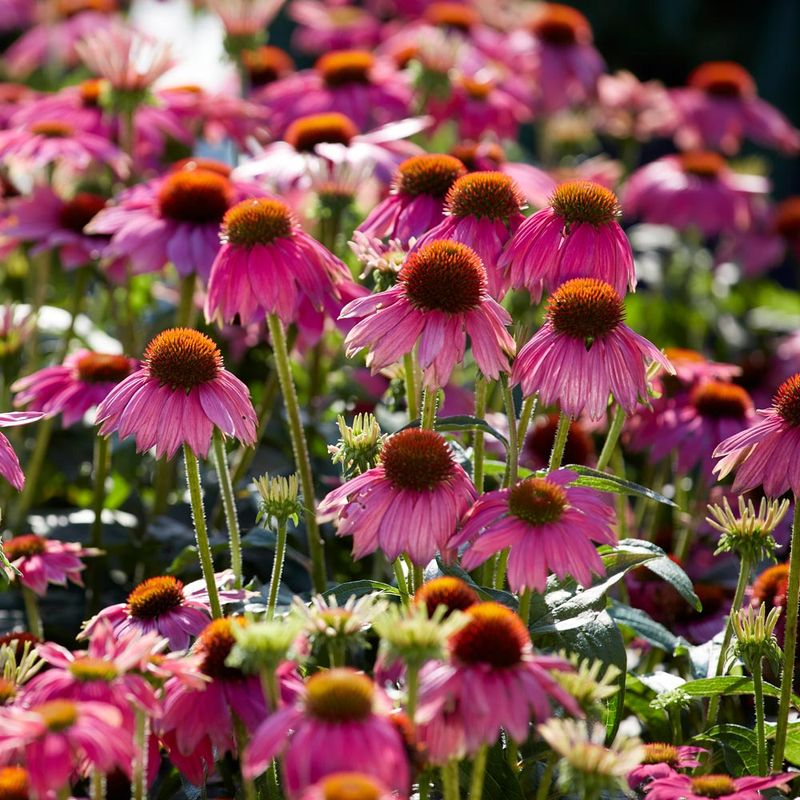
Echinacea, better known as coneflower, has earned its place in Texas gardens for good reason. The spiky, raised center cones and swept-back petals give it a wild, natural look that fits right into both formal and casual garden designs.
Plus, pollinators absolutely flock to it all summer long. Fertilizing coneflowers in early spring gives them a strong start as they break dormancy. A balanced slow-release fertilizer applied around the base of the plant works really well.
Because coneflowers are naturally adapted to lean soils, a light feeding is all they need. Too much fertilizer, especially nitrogen-heavy blends, can lead to floppy stems and fewer blooms.
One of the best things about growing Echinacea in Texas is how well it handles the summer heat. Once established, it is remarkably drought-tolerant and can handle the dry stretches that are common across Central and South Texas.
A deep watering after fertilizing helps nutrients reach the roots quickly. Purple coneflower is the most popular variety, but modern breeding has produced plants in shades of orange, yellow, red, and even white.
Mixing a few different colors together creates a vibrant, eye-catching display that blooms from late spring well into fall. Deadheading spent flowers encourages more blooms to form.
At the end of the season, let some seed heads remain on the plant. Goldfinches and other birds will visit regularly to pick out the seeds.
Coneflower is also known for its use in herbal remedies, adding a fun layer of history to this already impressive Texas garden staple.
5. Daylilies
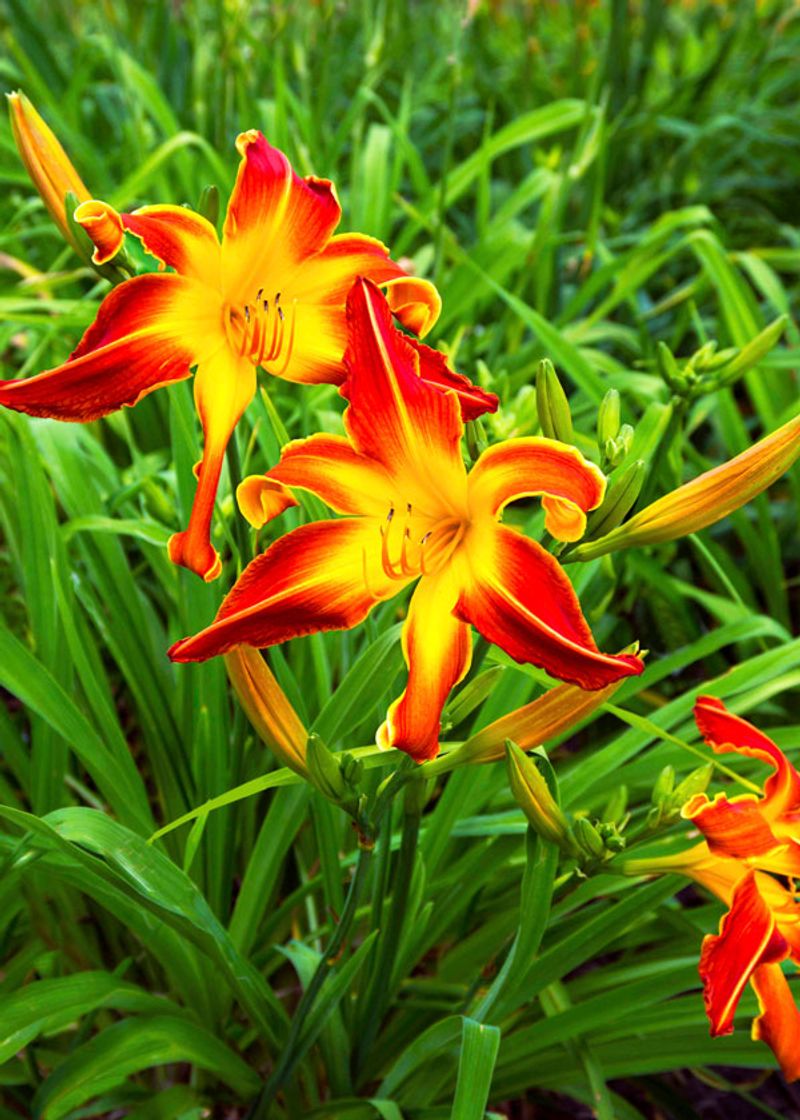
There is something almost magical about daylilies. Each individual flower lasts only one day, yet the plant keeps producing new blooms in a steady relay that can last for weeks.
In Texas, where summers stretch long and hot, daylilies are one of the most dependable perennials you can grow.
Fertilizing daylilies in early spring, just as the new foliage starts to emerge, sets the stage for a spectacular bloom season. A balanced fertilizer like a 10-10-10 or a slow-release granular blend works great.
Apply it around the drip line of the plant, not right at the crown, and water it in well to avoid any fertilizer burn on the roots.
A second light feeding right before the blooming season kicks off can push even more flower stalks up from the plant. Skip the heavy nitrogen formulas, though.
Too much nitrogen makes daylilies produce loads of lush green leaves with very few flowers, which is the opposite of what any Texas gardener wants.
Daylilies come in a staggering range of colors, from classic orange and yellow to deep burgundy, lavender, and bi-colored varieties.
Planting early, mid-season, and late-blooming varieties together keeps flowers coming from late spring through late summer. They look especially stunning planted in large groups along sunny borders.
One fun fact worth knowing: daylilies are not true lilies at all. They belong to the genus Hemerocallis, which comes from Greek words meaning beautiful and day.
Whatever you call them, they are a Texas garden treasure worth every bit of fertilizer you give them.
6. Coreopsis (Tickseed)
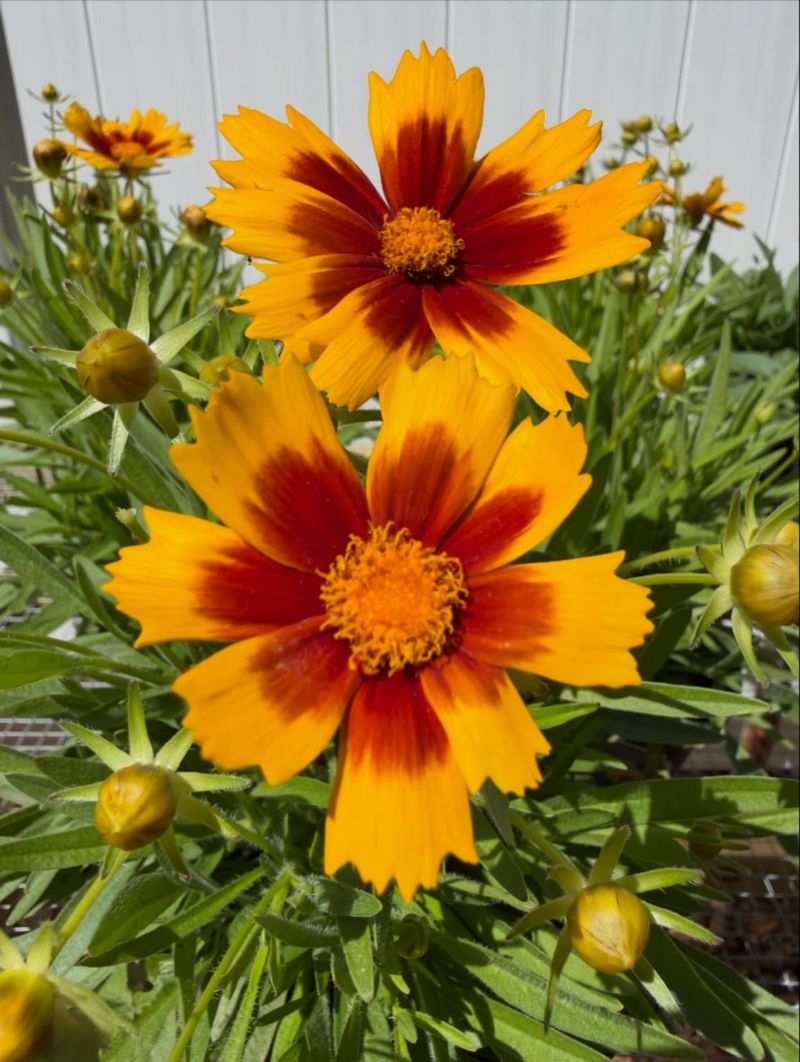
Coreopsis, nicknamed tickseed, is one of those plants that makes Texas gardeners look like total pros with very little effort.
The cheerful, daisy-like yellow flowers bloom almost non-stop from spring through fall, and the plant handles heat and drought without skipping a beat. It is practically built for the Texas climate.
Feeding coreopsis in early spring with a balanced fertilizer gives it the nutrients it needs to hit the ground running. Because this perennial is naturally adapted to lean, well-drained soils, it does not need heavy feeding.
A single application of a slow-release balanced fertilizer in spring, followed by a light top-up in midsummer, is usually more than enough.
Overfeeding coreopsis is actually a common mistake. Too much fertilizer causes the plant to produce lots of soft, floppy growth that falls over easily in Texas storms and strong winds.
Keeping the feeding light and consistent gives you a compact, sturdy plant loaded with flowers all season long.
Regular deadheading, meaning snipping off the faded blooms, keeps coreopsis flowering continuously.
Some gardeners give the whole plant a light shearing mid-season to refresh the foliage and trigger a fresh flush of blooms. It bounces back quickly and often looks better than ever after a trim.
Coreopsis pairs beautifully with black-eyed Susans and salvia in a Texas wildflower-style planting. The bright yellow flowers create a warm, sunny backdrop that makes neighboring purple and red blooms really pop.
With just a little fertilizer and some basic care, tickseed delivers big color payoff all summer long in Texas gardens.
7. Turk’s Cap (Malvaviscus Arboreus)
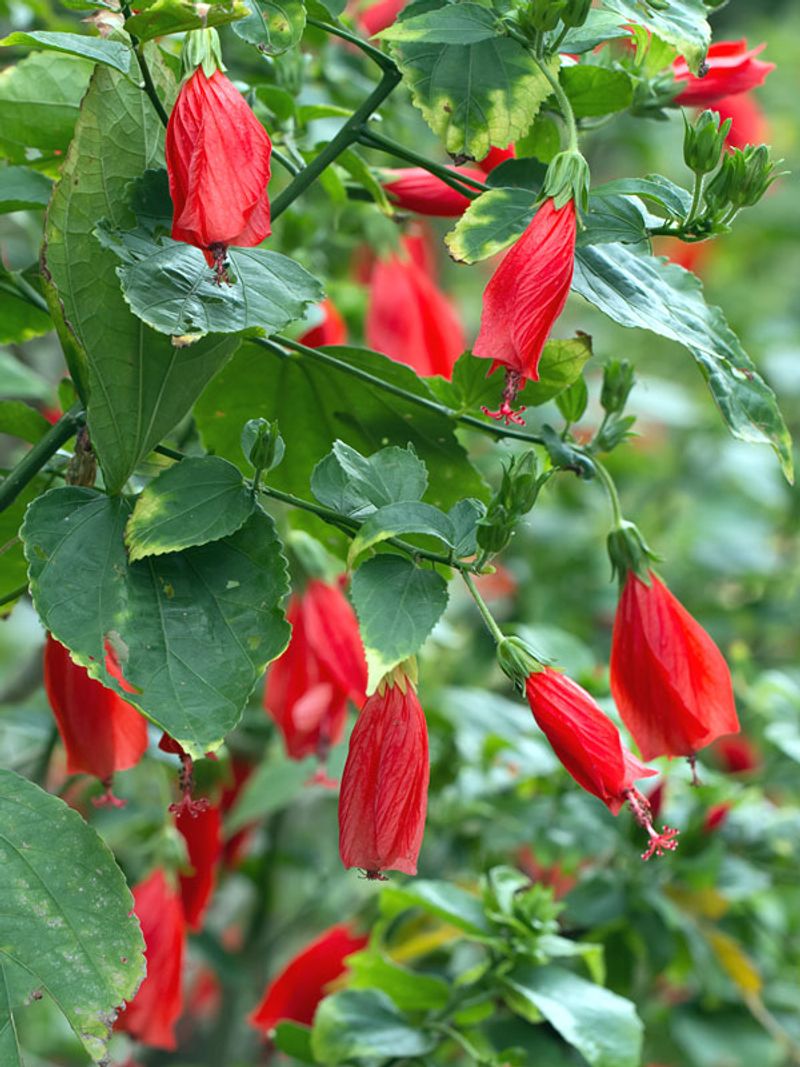
Turk’s Cap is one of those quietly spectacular plants that experienced Texas gardeners swear by. The twisted red blooms, which look like little turbans that never fully open, are absolutely irresistible to hummingbirds and butterflies.
Best of all, it thrives in spots where many other plants struggle, like shady corners and dry areas under trees.
Fertilizing Turk’s Cap in early spring gives it a strong push into the growing season. A balanced, slow-release granular fertilizer applied around the base of the plant works perfectly.
Because it is a native Texas perennial adapted to tough conditions, it does not demand heavy feeding. One application in spring and maybe one light follow-up in early summer is all it really needs.
What makes Turk’s Cap especially valuable in Texas landscapes is its ability to handle both shade and full sun. Most flowering perennials need lots of direct sunlight to bloom well, but Turk’s Cap performs beautifully under the dappled shade of trees.
That makes it a go-to solution for tricky spots in the garden that other plants simply cannot handle.
After fertilizing, water the area deeply to help nutrients soak into the soil and reach the roots. Mulching around the base of the plant helps retain moisture, which is especially helpful during the driest stretches of a Texas summer.
The plant may go semi-dormant in extreme heat but bounces back vigorously as temperatures ease.
By late summer and fall, Turk’s Cap produces small, round red fruits that birds love to snack on. It is a full-service plant for Texas wildlife gardens, offering food and shelter from spring all the way through the cooler months.