Pennsylvania Birds Usually Avoid These 7 Plants
Not every plant rolls out the welcome mat for birds. Some may look pretty in a Pennsylvania yard, but birds usually pass them by in favor of plants with better seeds, berries, shelter, or insects nearby.
If your garden feels oddly quiet, a few of your plant choices might be part of the reason. Birds are picky in practical ways. They want food, safety, nesting spots, and cover from predators.
When a plant offers little value or has features they dislike, it often becomes background scenery instead of a busy feathered hangout. That does not always mean the plant is bad, but it may not help much if your goal is a lively, bird-friendly space.
For Pennsylvania gardeners hoping to attract cardinals, finches, chickadees, robins, and other backyard favorites, knowing which plants birds tend to ignore can be surprisingly helpful. A few swaps can make your yard feel much more alive.
1. Lavender (Lavandula)
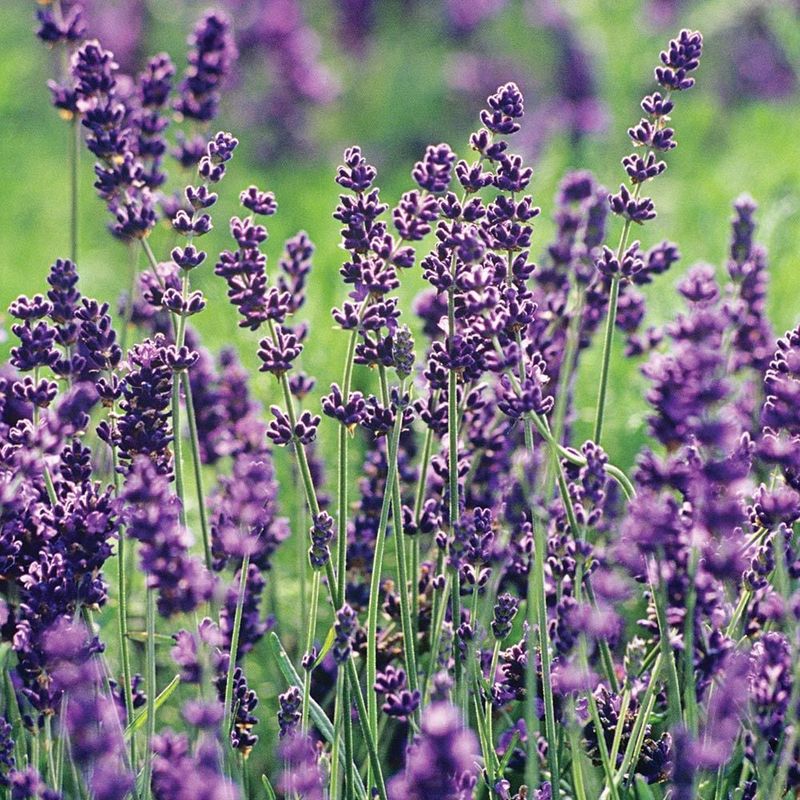
Walk through any Pennsylvania garden in summer and you will likely catch the sweet, calming scent of lavender floating through the air. Humans absolutely love it. Birds? Not so much.
Lavender produces strong aromatic oils that most birds find overwhelming and unappealing. The scent that relaxes people actually works as a natural repellent for many backyard birds.
Birds rely heavily on their senses to find food and stay safe. When a plant gives off such a powerful fragrance, it can mask the smells birds use to detect seeds, insects, and other food sources nearby.
This makes lavender a confusing and uncomfortable stop for birds passing through Pennsylvania yards and gardens. Robins, sparrows, and finches are especially likely to skip right past it.
Lavender also does not produce berries, nuts, or seeds that Pennsylvania birds commonly eat. Its flowers do attract bees and butterflies, but birds do not typically feed on those pollinators in garden settings.
So from a bird’s perspective, lavender offers very little reward for the visit. If you want to keep lavender for its beauty and fragrance, that is perfectly fine. Just know that it will not bring many birds to your yard.
Consider planting native Pennsylvania alternatives like coneflowers or black-eyed Susans nearby to balance things out. Those plants give birds the seeds and shelter they actually need to thrive throughout the seasons.
2. Russian Sage (Perovskia Atriplicifolia)
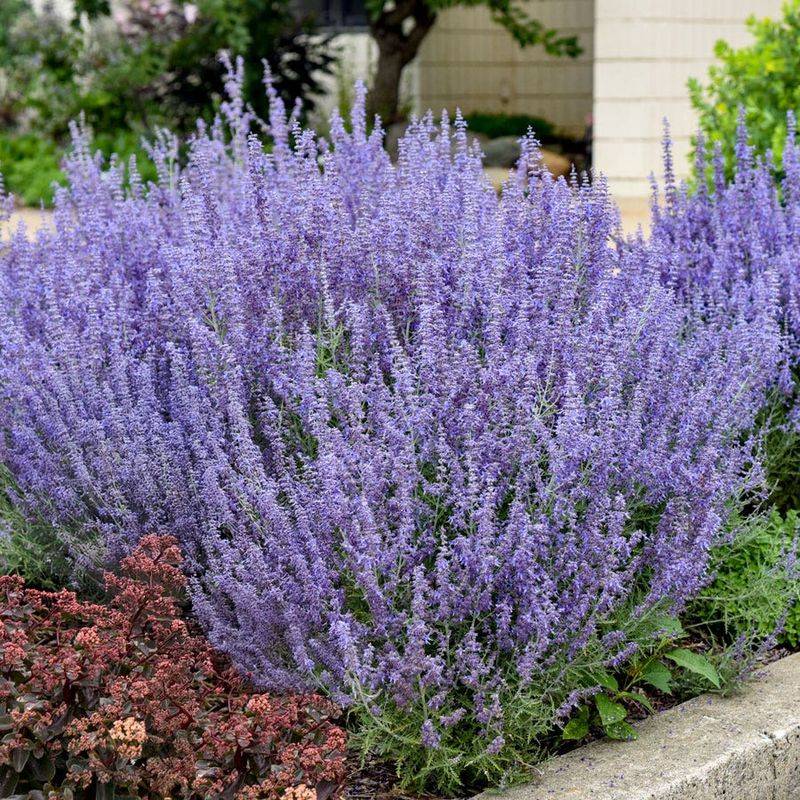
Russian sage looks stunning in a Pennsylvania garden. Its tall, wispy purple-blue flower spikes sway gracefully in the breeze, and it is incredibly easy to grow.
But if you are hoping to attract birds with it, you are probably going to be disappointed. Most birds across Pennsylvania give Russian sage a pass, and there are some pretty clear reasons why.
Much like lavender, Russian sage produces strong aromatic compounds in its leaves and stems. These compounds are what make the plant so resistant to deer and pests, but they also make it unattractive to birds.
The intense herbal scent tends to signal to birds that there is nothing worth eating here. Birds in the wild are efficient foragers, and they do not waste time on plants that offer no payoff.
Your Pennsylvania Garden Changes Every Week. Your Plan Should Too.
Gardening in Pennsylvania changes quickly throughout the season. Every Friday you’ll receive a simple weekly plan showing exactly what to plant, prune, fertilize, harvest, and protect so you never miss the right timing.
Russian sage does not produce fleshy berries or large seeds that Pennsylvania birds commonly seek out. The tiny flowers may attract some insects, but the plant overall lacks the food value that local songbirds, thrushes, or wrens are looking for.
Even during migration season, when birds passing through Pennsylvania are desperate to fuel up, Russian sage rarely makes it onto their menu.
Gardeners across the Keystone State can still enjoy Russian sage for its visual appeal and low-maintenance nature. Pairing it with native shrubs like serviceberry or elderberry can help compensate.
Those native plants will draw in the birds while Russian sage adds its gorgeous color and texture to the garden backdrop without competing for wildlife attention.
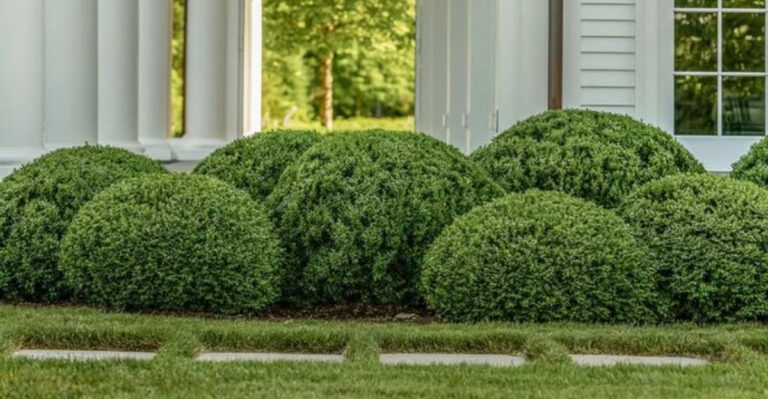
3. Boxwood (Buxus)
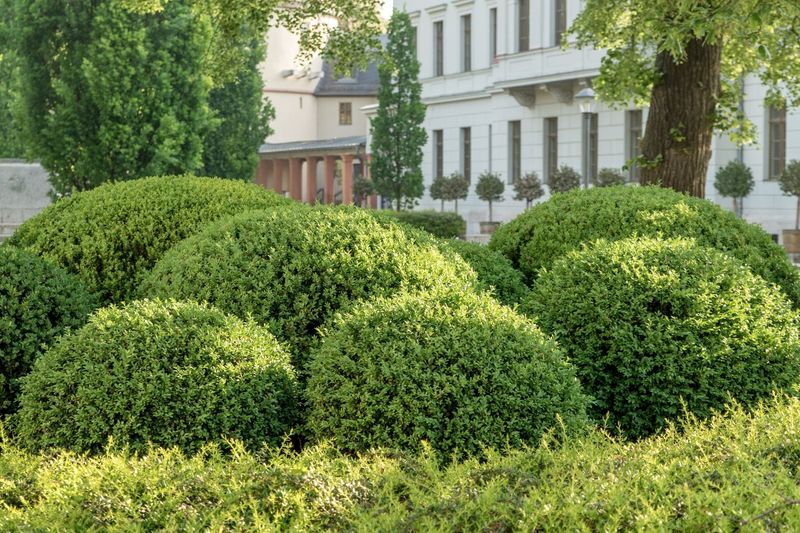
Boxwood is one of the most popular landscaping shrubs in Pennsylvania. You see it everywhere, from formal front yards in the suburbs to grand estates in Chester County.
It stays green all year, holds its shape beautifully, and looks polished and tidy. But here is something most homeowners do not know: boxwood is one of the least bird-friendly plants you can put in your yard.
The leaves of boxwood contain alkaloids that are toxic to many animals, including birds. While birds are generally good at avoiding plants that make them sick, the presence of these compounds means boxwood offers no safe food source.
Birds will not eat the leaves, and the small seeds it occasionally produces are not a preferred food for Pennsylvania species like cardinals, chickadees, or tufted titmice.
Boxwood also tends to be planted in dense, manicured hedges that leave little room for birds to nest comfortably. Native birds prefer loose, layered shrubs with natural structure.
A perfectly trimmed boxwood hedge might look great to human eyes, but to a bird, it looks like a wall with no entry points, no food, and no reason to stop.
If you are serious about making your Pennsylvania yard more bird-friendly, consider replacing some boxwood with native alternatives like inkberry holly or native viburnum. These plants provide berries, shelter, and nesting spots that local birds genuinely need.
You can still keep some boxwood for structure, but balancing it with wildlife-friendly plants will make a noticeable difference in bird activity.
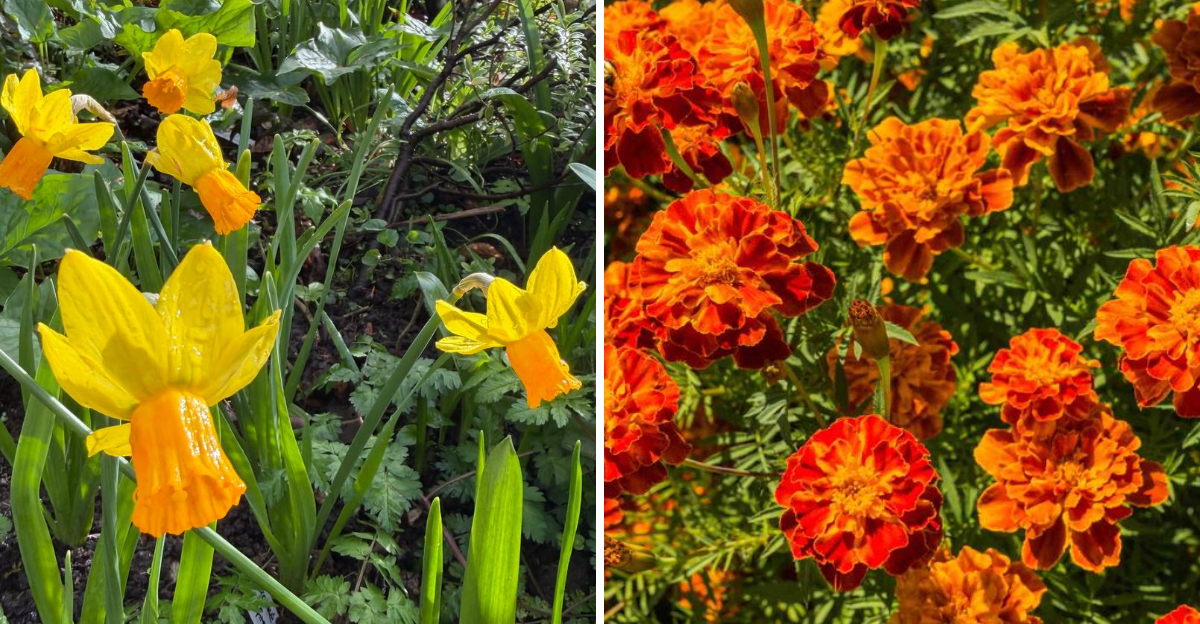
4. Daffodils (Narcissus)
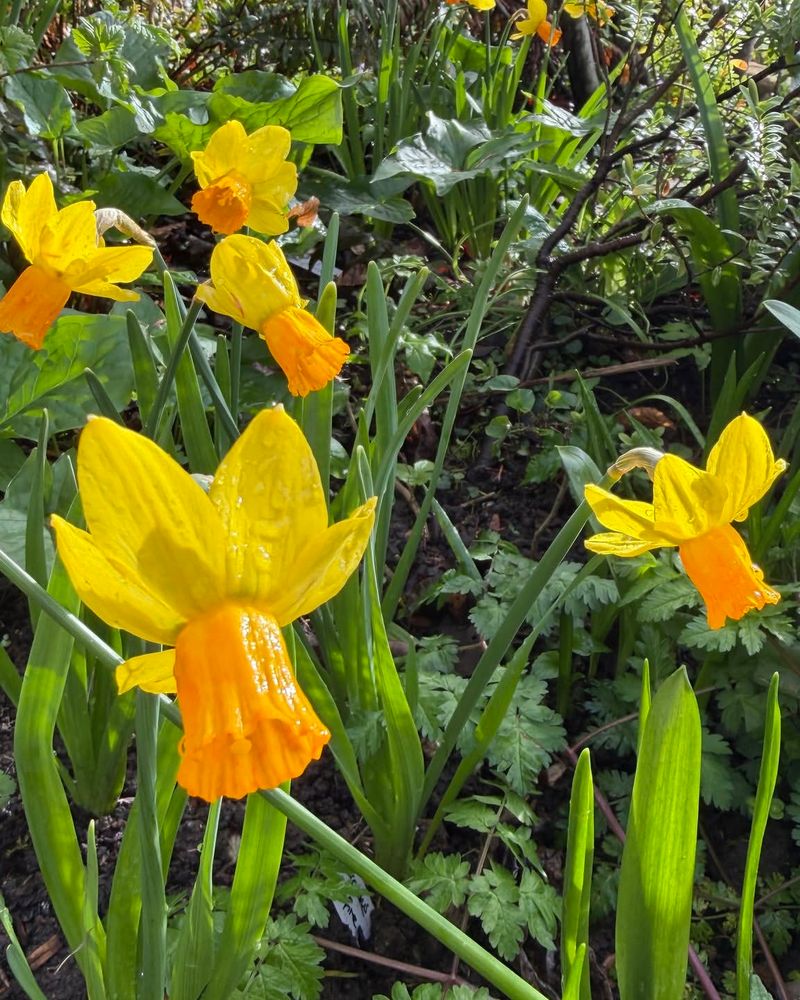
Few plants shout spring in Pennsylvania quite like daffodils. Those cheerful yellow blooms popping up after a long winter are a welcome sight for gardeners across the state.
But while people celebrate their arrival, birds are largely unimpressed. Daffodils are actually one of the plants that Pennsylvania birds most consistently avoid, and the reason comes down to chemistry.
Every part of a daffodil plant contains lycorine and other alkaloids that are highly unpleasant and harmful to many animals. Birds seem to have a built-in ability to detect these compounds and steer clear.
You will rarely see a bird pecking at daffodil bulbs, stems, or flowers. Even squirrels and deer tend to leave them alone, which is exactly why so many Pennsylvania gardeners plant them as a natural deterrent.
Daffodils also do not produce berries or seeds that birds find useful. The flowers are pollinated by insects, not birds, so there is no evolutionary reason for birds to be attracted to them in the first place.
They bloom early in spring when birds returning to Pennsylvania from migration are actively searching for food, but daffodils offer nothing to fuel that journey.
You can absolutely keep daffodils in your garden. They are gorgeous and nearly maintenance-free.
Just pair them with early-blooming native plants like red maple or serviceberry to give returning birds something to eat. Adding a bird feeder nearby during early spring can also help bridge the gap while your more bird-friendly plants are still waking up from winter.
5. Marigolds (Tagetes)
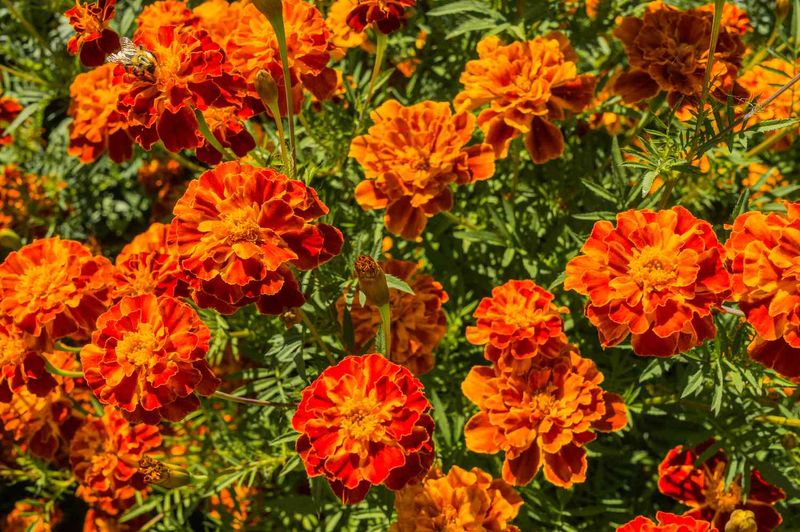
Marigolds are a garden staple across Pennsylvania. Gardeners plant them along borders, in vegetable beds, and in containers on porches from Erie to Easton.
They are bright, cheerful, and well known for keeping certain pests away. That pest-repelling ability, however, is also a big reason why birds tend to avoid them. The same strong scent that deters insects and rabbits also puts birds off.
The pungent smell of marigold leaves and flowers comes from terpene compounds that the plant produces naturally. Birds have sensitive olfactory systems, and this sharp, almost medicinal scent is a signal to many species that the plant is not worth investigating.
Pennsylvania birds like sparrows and juncos that forage along garden edges will often skip right over beds of marigolds in favor of less fragrant areas.
Marigolds do produce seeds after their flowers fade, and some birds will occasionally eat them. But compared to native seed-producing plants, marigolds rank pretty low on the preference list.
The seeds are not particularly nutrient-dense, and the strong smell of the surrounding plant can still deter birds from getting close enough to feed.
If pest control is your main goal, marigolds are a smart choice and worth keeping in your Pennsylvania garden. But if attracting birds is also on your list, try adding some native zinnias or sunflowers to the mix.
Sunflowers in particular are a favorite of goldfinches and other Pennsylvania seed-eaters, and they can help bring more bird activity to your garden space throughout the growing season.
6. Lamb’s Ear (Stachys Byzantina)
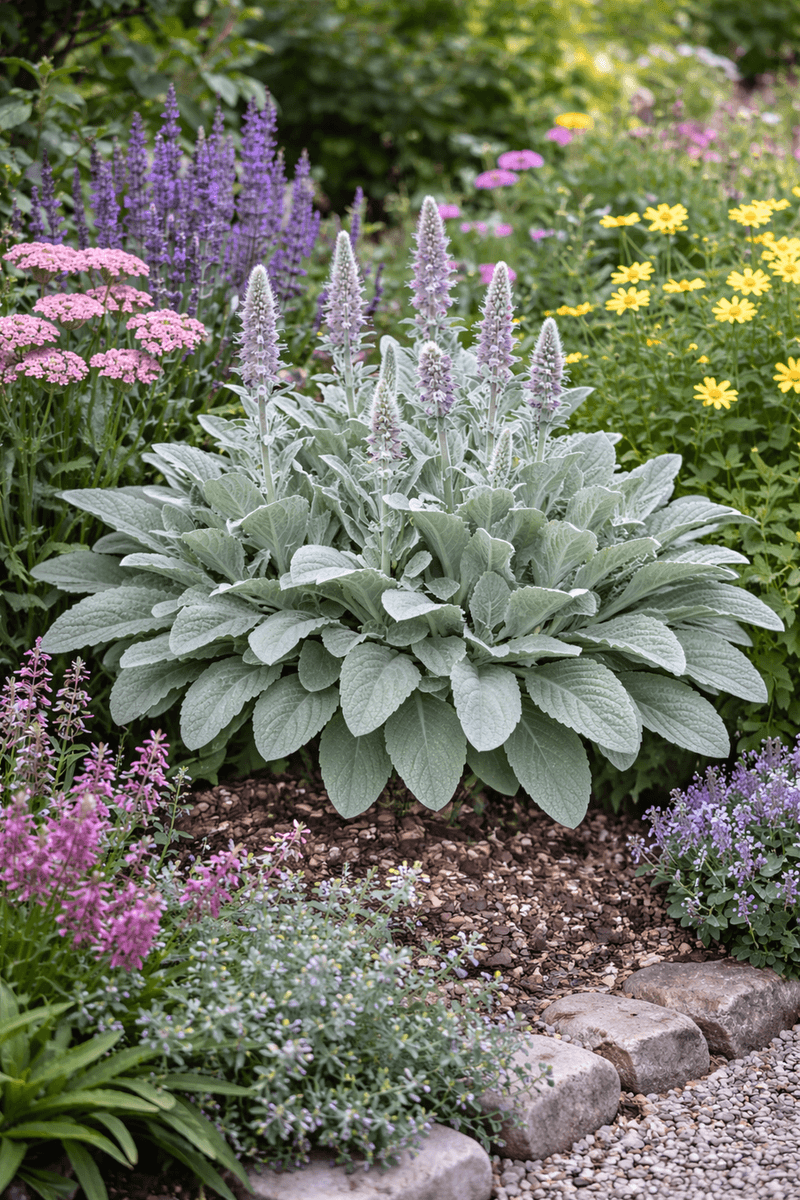
There is something almost irresistible about lamb’s ear. Those soft, fuzzy, silver-green leaves feel like velvet, and kids especially love touching them.
It is a popular ground cover in Pennsylvania gardens because it spreads easily, tolerates drought, and looks unique. But birds passing through or living in Pennsylvania yards tend to find it completely uninteresting, and that is not just a coincidence.
Lamb’s ear is covered in dense, woolly hairs that give it that signature soft texture. These tiny hairs make the plant physically difficult for birds to land on comfortably or explore for food.
Birds that forage on the ground or in low plantings prefer plants with clear access to seeds, insects, or berries. Lamb’s ear offers none of those things in a form that is easy for birds to access.
The plant also produces small flowers that are mildly fragrant, which can further discourage birds that are sensitive to scent. While bees do visit the flowers, birds have little reason to follow.
Pennsylvania species like song sparrows or white-throated sparrows that typically forage in ground cover will usually pass over lamb’s ear patches entirely.
Lamb’s ear makes a lovely addition to a sensory garden or a low-water landscape. If you grow it in Pennsylvania, just know it will not bring birds flocking to your yard.
Try growing it alongside native ground covers like wild ginger or creeping phlox to add some bird-friendly options at the same level. That layered approach supports more wildlife without sacrificing the visual appeal of your garden design.
7. Dusty Miller (Senecio Cineraria)
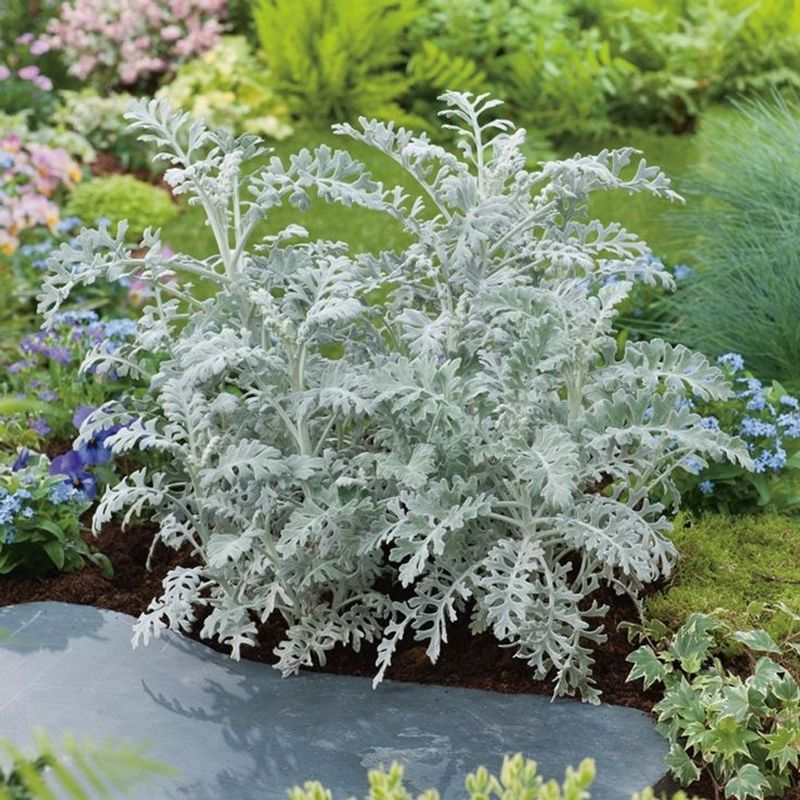
Dusty miller is one of those plants that earns its place in Pennsylvania gardens almost entirely based on looks. Those silvery-white, almost glowing leaves are a designer’s dream for adding contrast and texture to flower beds.
It is low-maintenance, heat-tolerant, and pairs well with almost any color of bloom. But from a bird’s perspective, dusty miller is basically invisible, and not in a good way.
The plant gets its striking silver color from a dense coating of fine white hairs on its leaves. These hairs reflect sunlight and help the plant conserve moisture, but they also make it unappealing to birds.
Similar to lamb’s ear, the fuzzy texture discourages birds from landing or foraging around the plant. There are no seeds, berries, or insects hiding in those silvery leaves that would be worth a bird’s time.
Dusty miller also contains pyrrolizidine alkaloids, which are natural chemical compounds that can be harmful if consumed. Birds appear to recognize and avoid plants with these compounds, which is part of why dusty miller sits untouched in so many Pennsylvania gardens while nearby plants get picked clean.
Even during fall migration, when birds in Pennsylvania are actively searching for energy-rich food, dusty miller gets completely overlooked.
Using dusty miller as a border accent or container plant is a great design choice. Just do not rely on it to bring birds to your yard.
Surrounding it with native Pennsylvania plants like coneflowers, switchgrass, or berry-producing shrubs will create a much more welcoming space for local birds. That combination gives you visual beauty and real wildlife value all in one garden.