These 9 California Lawn Alternatives Choke Out Weeds Naturally
A traditional lawn can be a real diva. It wants more water, more mowing, more fertilizer, and somehow still finds room for weeds to crash the party.
Not exactly the effortless, polished look most homeowners are going for. The good news is there are smarter options that look great, spread beautifully, and help crowd out unwanted growth without turning your yard into a weekend chore factory.
In California, lawn alternatives that thrive with less water can do a lot of heavy lifting while bringing texture, color, and a more natural feel to the landscape.
Some stay soft underfoot, some create a lush green carpet, and some add that wild, relaxed charm that makes a yard feel instantly cooler.
Best of all, they work with the climate instead of fighting it. Your sprinkler system might actually get a day off. Miracles do happen.
1. Red Fescue
Some lawns just have a way of making you stop and stare. Red Fescue is one of those ground covers that looks effortless but works incredibly hard beneath the surface.
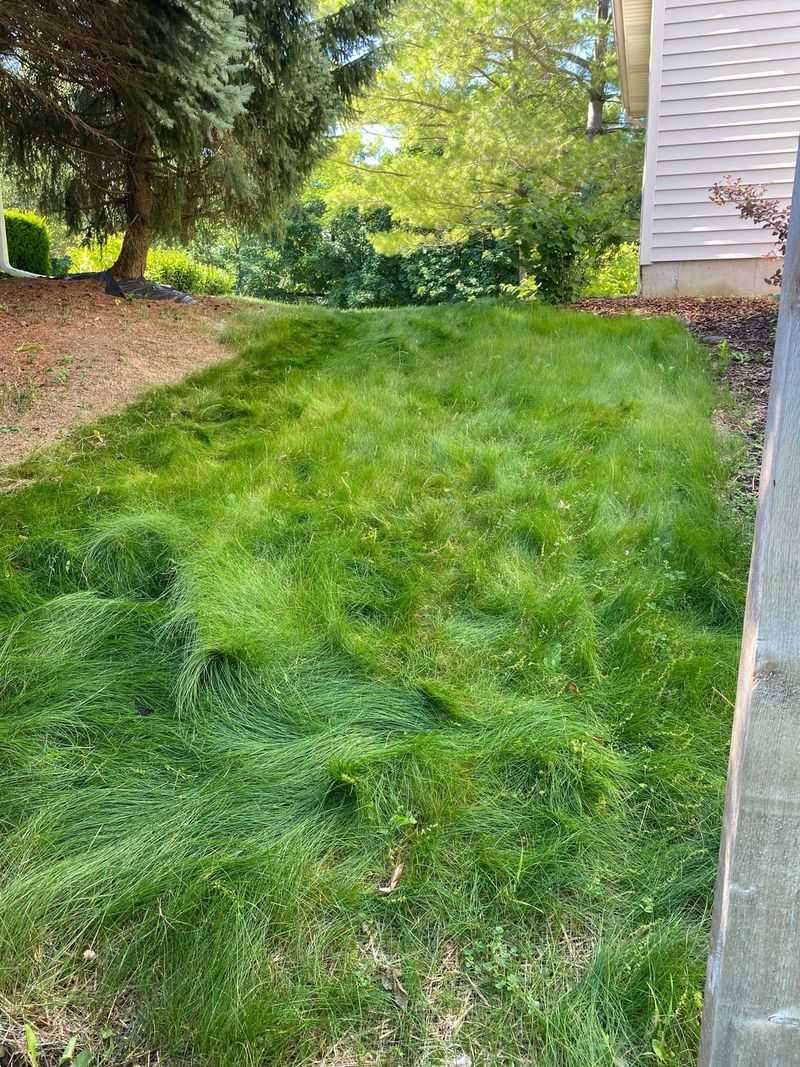
It forms a dense, fine-textured mat that leaves almost no room for weeds to sneak through.
In California, this grass does especially well in coastal and inland areas where summers stay mild. It thrives in partial shade, making it perfect for yards with trees or structures that block direct sunlight.
You can grow it in sandy or clay-heavy soils, and it still performs beautifully.
One of the best things about Red Fescue is how little water it needs once it gets established. During dry California summers, it can actually go semi-dormant and bounce back when cooler weather returns.
That natural toughness saves homeowners a lot of money on irrigation.
Mowing is totally optional. Many California homeowners let it grow freely into a soft, flowing meadow look.
It stays relatively low on its own, usually reaching only six to twelve inches. For a weed-suppressing, drought-tolerant, and genuinely attractive lawn alternative, Red Fescue checks every box with ease.
2. Thyme
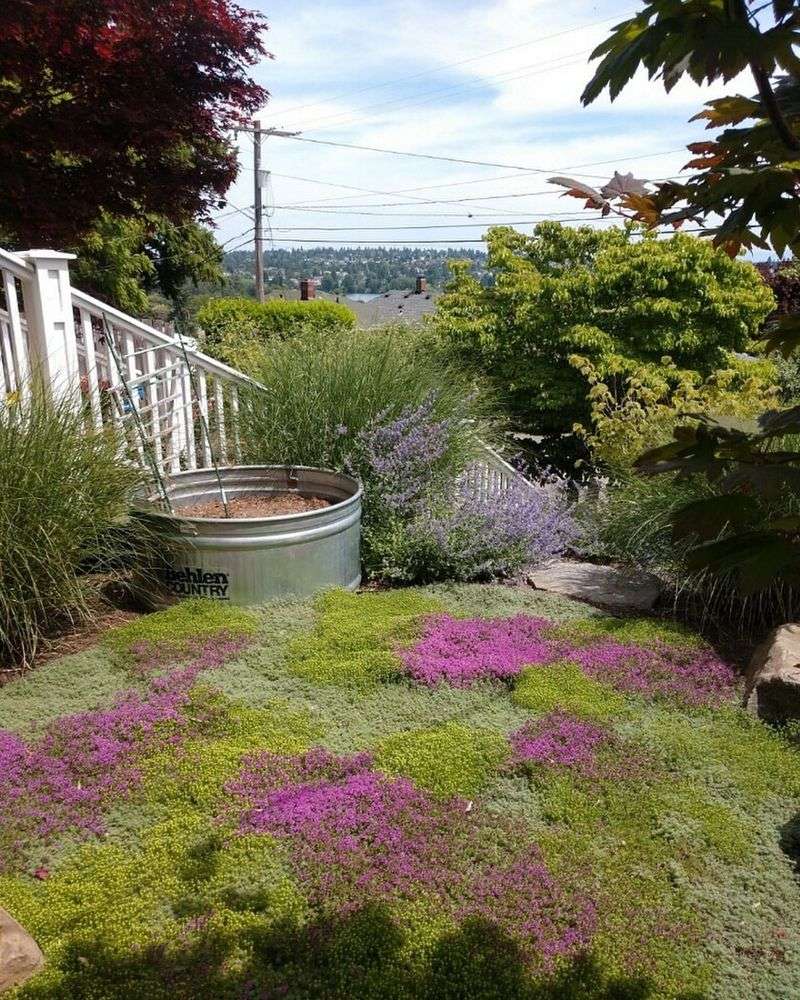
Walk across a patch of creeping thyme and you will immediately understand why so many California gardeners are obsessed with it. The moment your foot brushes the leaves, a warm herbal scent fills the air.
It is one of the most sensory-rich ground covers you can plant.
Beyond the smell, thyme is a powerhouse weed fighter. It spreads low and tight across the soil, forming a thick carpet that blocks sunlight from reaching weed seeds below.
Without light, those seeds simply cannot sprout. That natural shading effect does the hard work for you.
Thyme loves the dry, sunny conditions that define so much of California. It handles heat well and requires very little water once established.
You can plant it between stepping stones, along pathways, or across open garden beds for a polished, textured look that stays tidy without much effort.
In spring and early summer, creeping thyme bursts into tiny pink or purple blooms that attract bees and butterflies. So not only are you replacing your lawn with something practical, you are also helping local pollinators.
Your California Garden Changes Every Week. Your Plan Should Too.
Gardening in California changes quickly throughout the season. Every Friday you’ll receive a simple weekly plan showing exactly what to plant, prune, fertilize, harvest, and protect so you never miss the right timing.
That is a pretty solid trade for a plant that practically takes care of itself.
3. Common Lippia
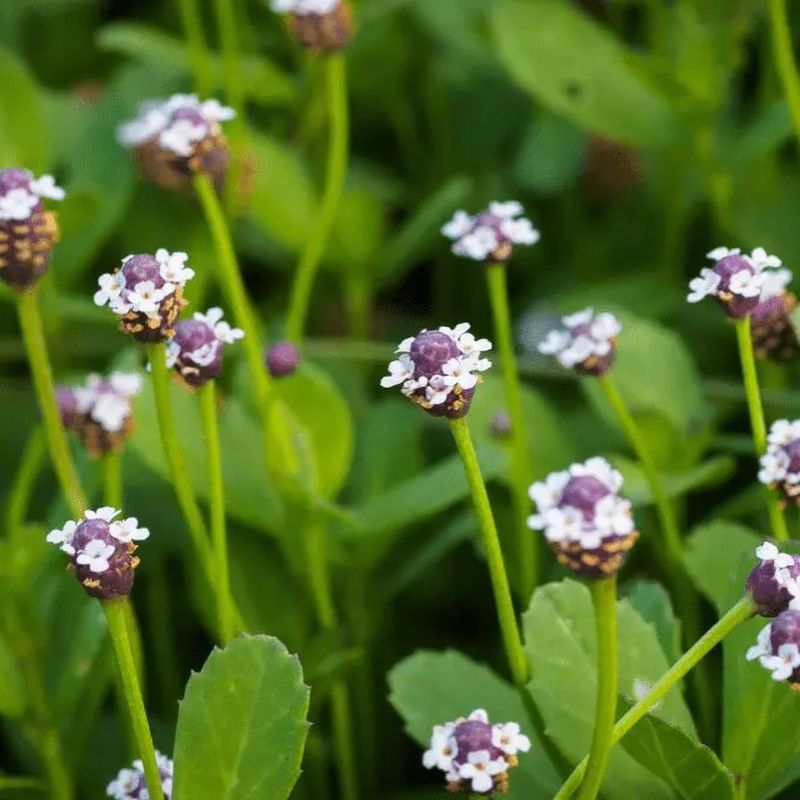
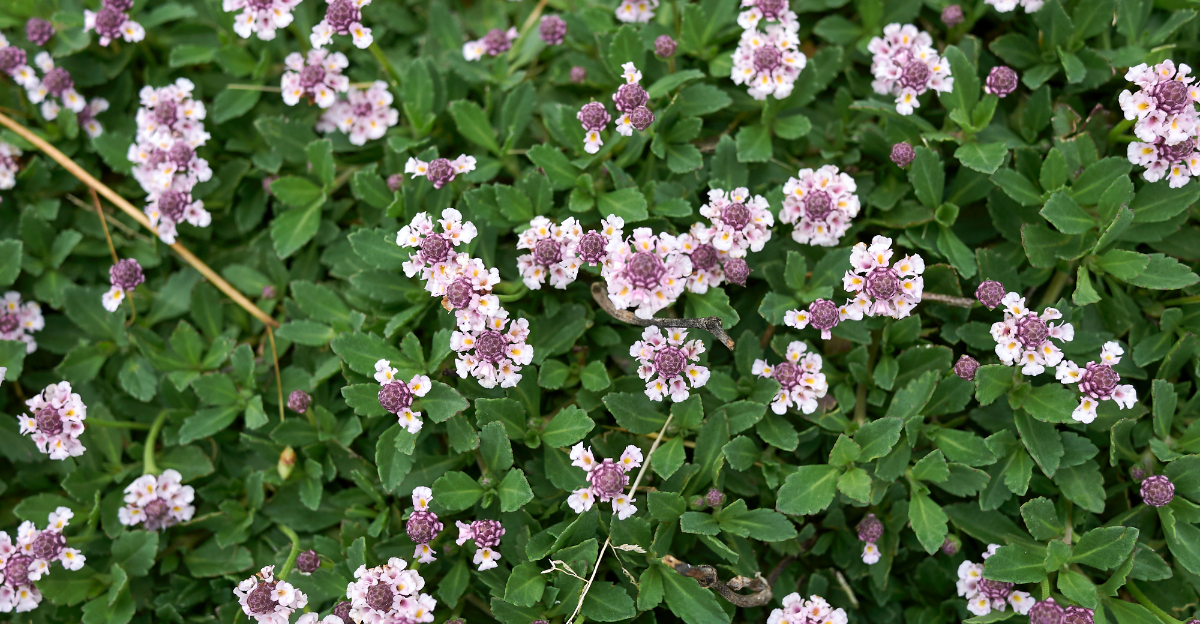
Not many ground covers can handle foot traffic, drought, and full California sun all at once, but Common Lippia pulls it off with ease. Also known as Phyla nodiflora, this low-growing plant has been used as a lawn substitute in warm climates for decades.
It spreads aggressively, which is exactly what you want when fighting weeds.
The dense growth habit of Common Lippia is its secret weapon. It fills in gaps quickly, leaving weeds with nowhere to establish roots.
Once it covers your yard, maintaining it becomes surprisingly simple. Occasional mowing keeps it tidy, but many homeowners skip that step entirely.
Throughout the warmer months in California, tiny white and lavender flowers dot the surface of the plant. These blooms attract bees, making your yard a friendly spot for pollinators.
The flowers are small and subtle, so the overall look stays clean and ground-hugging rather than wild or overgrown.
Water needs are minimal after the first growing season. Common Lippia can handle dry spells that would stress traditional grass lawns significantly.
For California homeowners looking for a tough, flowering, weed-choking ground cover that handles heat and drought without complaint, this plant is absolutely worth considering for any sunny yard space.
4. Yerba Buena
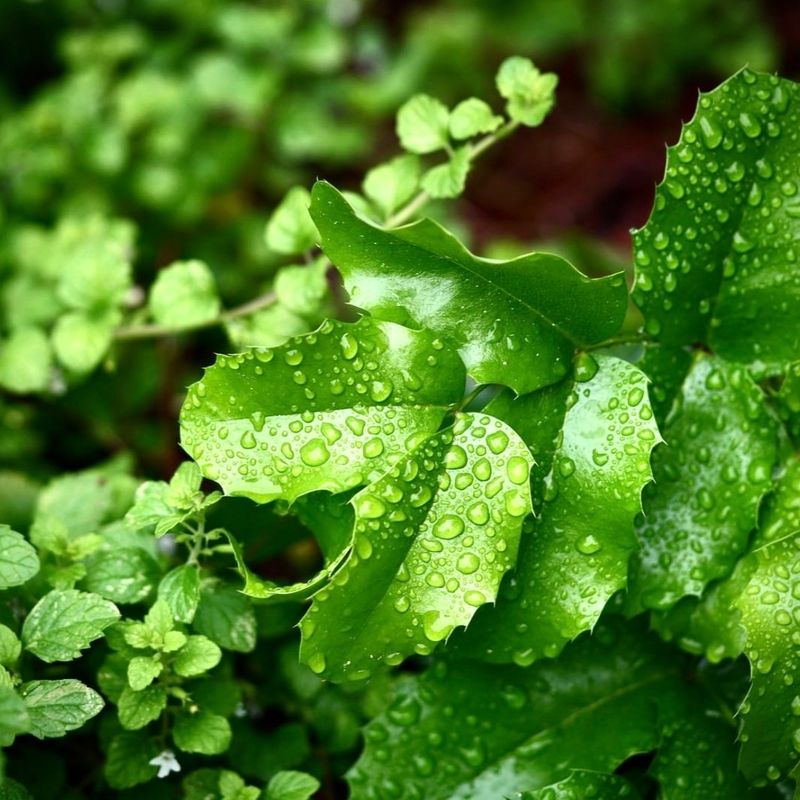
There is something deeply Californian about Yerba Buena. Its name literally means good herb in Spanish, and it was so beloved by early settlers that the city of San Francisco was originally named after it.
Growing this plant in your yard feels like connecting with a rich piece of local history.
Yerba Buena is a native California ground cover that thrives in shaded, moist conditions. If your yard has areas under large trees where grass refuses to grow and weeds keep creeping in, this plant is a smart solution.
It spreads steadily across the ground, forming a soft, fragrant mat that crowds out unwanted plants naturally.
The leaves release a pleasant minty scent when touched or brushed, which makes walking through a Yerba Buena-covered area a genuinely enjoyable experience. It is also edible, traditionally used to brew a soothing herbal tea.
Having a functional and beautiful ground cover is a rare and rewarding combination.
Because it is native to California, Yerba Buena supports local insects and wildlife in ways that non-native plants simply cannot match. It adapts well to the natural rainfall patterns of Northern California and needs very little supplemental watering once settled in.
For shady spots, it truly has no equal among native ground covers.
5. White Clover
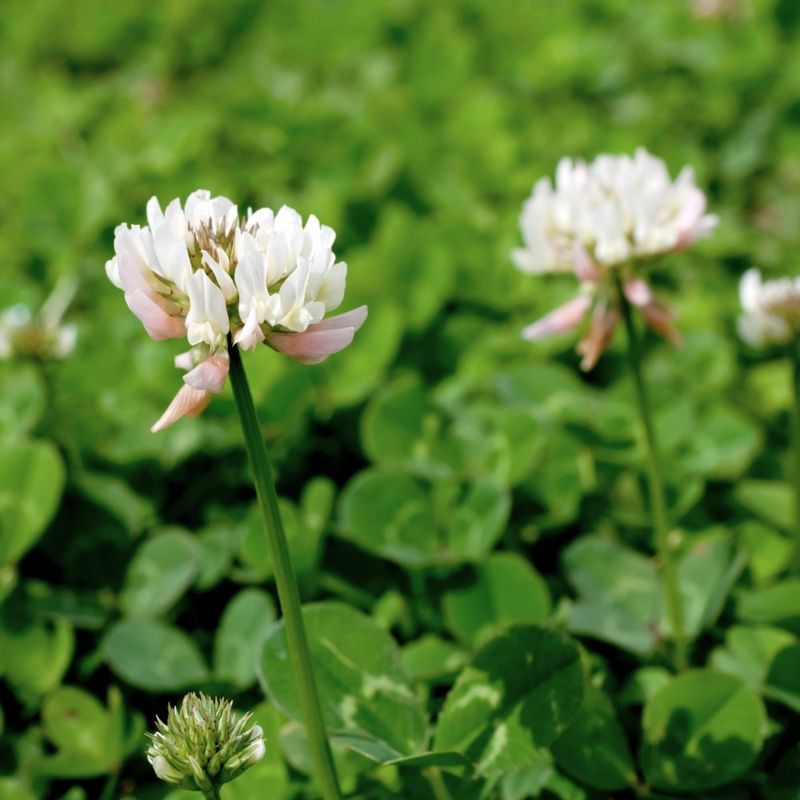
White Clover has made a major comeback in California yards, and honestly, it deserves all the attention it is getting. For years, people treated it like a weed.
Now gardeners are realizing it is one of the most useful, low-maintenance ground covers available. The shift in thinking has been pretty dramatic.
One of clover’s biggest advantages is its ability to fix nitrogen from the air directly into the soil. That means it actually feeds the ground around it, improving soil health over time.
You end up with a healthier yard without spending money on fertilizer. That is a practical benefit that grass simply cannot offer.
Clover spreads densely and stays low, which makes it very effective at blocking weed growth. The thick canopy of leaves shades the soil so well that most weed seeds never get the light they need to sprout.
In California’s warm climate, it stays green for a good portion of the year.
The white flowers that appear throughout the season attract bees and other beneficial insects. If you have pets or children who play outside, clover is soft underfoot and non-toxic.
It handles light foot traffic well and bounces back quickly. For a hardworking, eco-friendly lawn replacement in California, White Clover genuinely delivers results.
6. Catlin Sedge
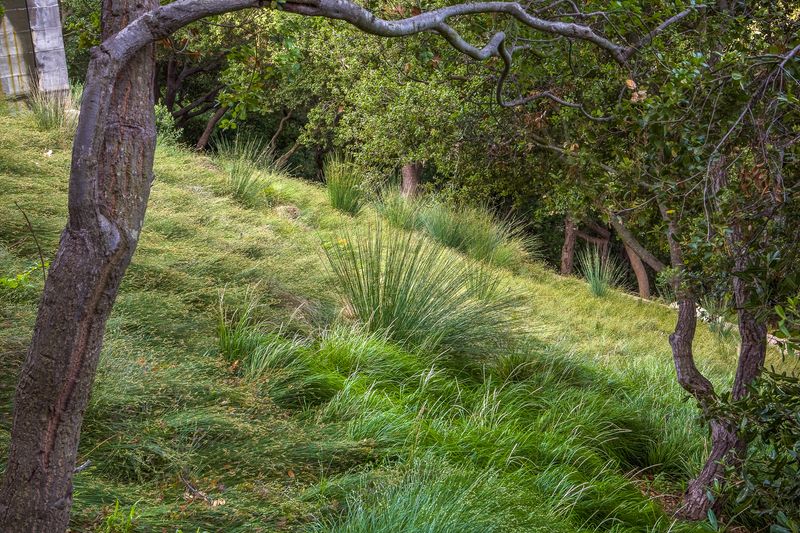
If you want something that genuinely looks like a lawn but requires a fraction of the maintenance, Catlin Sedge might be exactly what your California yard has been missing. Its fine, arching blades create a soft, elegant texture that passes for traditional grass from a distance.
Up close, it is even more interesting.
Catlin Sedge grows naturally in shaded woodland areas, which makes it ideal for yards that do not get much direct sun. It handles both dry shade and occasionally moist conditions, giving it impressive flexibility for the varied microclimates found across California.
Coastal yards, valley gardens, and hillside properties all work well.
The plant spreads slowly but steadily, filling in bare patches over time and leaving weeds with less and less space to establish themselves. Its dense root system also helps stabilize soil on slopes, which is a bonus for California homeowners dealing with erosion concerns during the rainy season.
Mowing is rarely needed. Most people let Catlin Sedge grow to its natural height of about six to eight inches and simply enjoy the flowing, meadow-like result.
Water requirements are low once established, fitting perfectly within California’s conservation goals. It is a quiet, understated ground cover that consistently impresses everyone who tries it.
7. Native Bentgrass
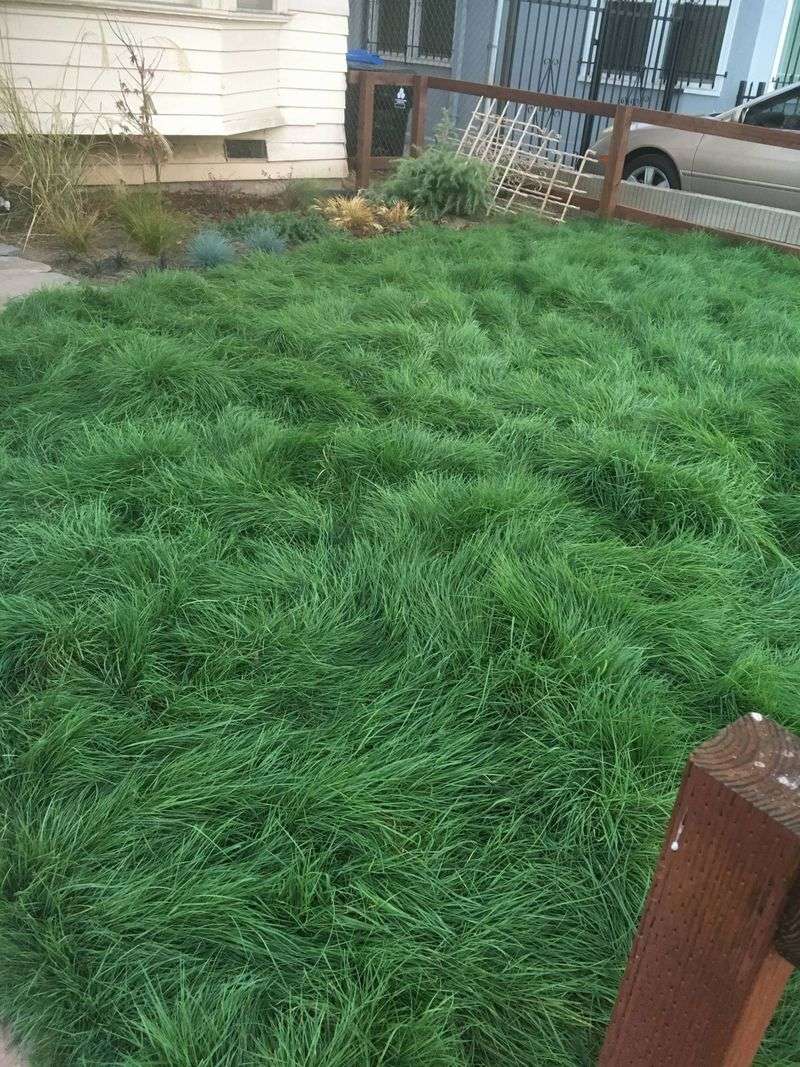
Native Bentgrass has a reputation for being one of the most refined-looking lawn alternatives available in California. It produces incredibly fine, soft blades that create a luxurious, carpet-like surface underfoot.
For homeowners who love the look of a traditional lawn but want something more sustainable, this is a compelling choice.
Found naturally in Northern California meadows and coastal areas, this grass is well adapted to the state’s climate and rainfall patterns. It performs best in cool, coastal regions where summers do not get too extreme.
In those conditions, it stays lush and green with very little supplemental irrigation needed throughout the year.
Because it grows densely, Native Bentgrass crowds out weeds effectively. The tight root structure and thick blade coverage leave almost no open soil for weed seeds to find a foothold.
Over time, a well-established patch essentially manages itself, requiring only occasional attention to stay in good shape.
Mowing is possible but not always necessary, depending on the look you prefer. Left unmowed, it develops a soft, flowing appearance that feels natural and relaxed.
Cut short, it resembles a conventional lawn quite closely. Either way, you are working with a plant that belongs in California’s ecosystem and supports native soil health in meaningful ways.
8. Beach Strawberry
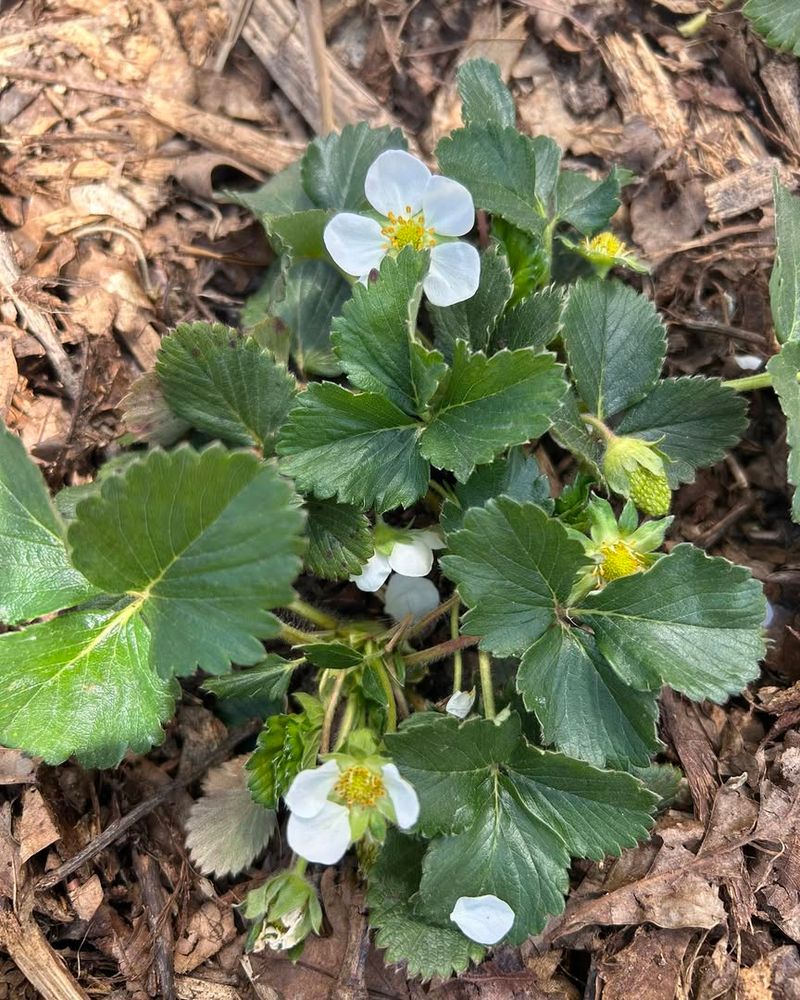
Few ground covers manage to be both gorgeous and genuinely useful, but Beach Strawberry pulls off that combination with style. Native to the California coast, this low-growing plant spreads through runners that root as they travel, forming a thick, weed-suppressing mat that looks beautiful in any season.
The small red berries are a bonus.
Beach Strawberry thrives in sandy, well-drained soils and handles coastal conditions that would stress most other plants. Salt air, wind, and occasional dry spells do not slow it down.
If your California yard is near the coast or has sandy, difficult soil, this plant will likely outperform almost anything else you try.
White flowers appear in spring, followed by tiny edible strawberries that birds and wildlife love. That natural food source makes your yard part of a larger ecological system, which is something traditional grass lawns simply cannot offer.
Watching birds visit your ground cover is one of those small joys that makes gardening rewarding.
The spreading habit of Beach Strawberry is what makes it such an effective weed fighter. New runners constantly fill in open spaces before weeds get a chance to settle.
It needs very little water once established and thrives under California’s natural rainfall patterns. For coastal gardens, it is one of the most practical and rewarding choices available.
9. Creeping Rosemary
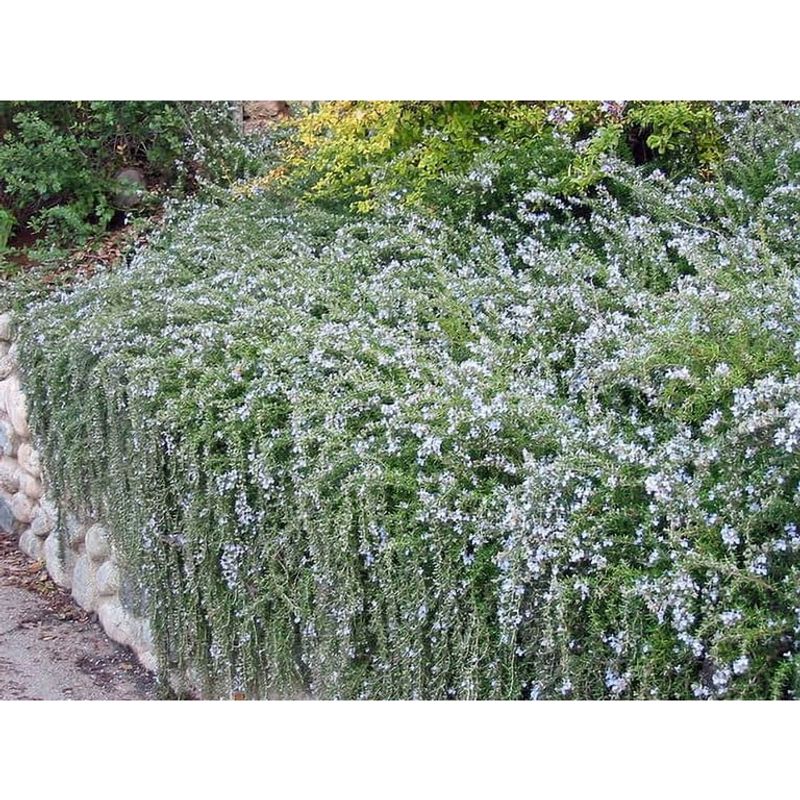
Creeping Rosemary is the kind of plant that makes your yard smell incredible while doing serious work keeping weeds out. Unlike upright rosemary bushes, the creeping variety stays low and spreads horizontally, blanketing the soil with dense, aromatic foliage that blocks light and discourages weed growth effectively.
It is both practical and beautiful.
In California, Creeping Rosemary thrives in hot, dry conditions that challenge most other ground covers. It is perfectly suited to the Mediterranean-style climate found across much of the state.
Once established, it handles long dry summers with minimal irrigation, making it a smart choice for water-conscious homeowners throughout Southern and Central California.
The plant works especially well on slopes and hillsides where erosion can be a problem. Its woody stems and deep root system hold soil in place during heavy winter rains.
That erosion control benefit adds real value in many California landscapes where sloped terrain is common and soil stability matters.
Small blue-purple flowers appear in late winter and early spring, attracting bees and other pollinators just when they need food most. The needle-like leaves stay evergreen year-round, so your yard always looks covered and tidy.
For a fragrant, drought-tough, weed-blocking ground cover that fits naturally into California’s landscape, Creeping Rosemary is an outstanding and rewarding option.