Overlooked Native Texas Groundcovers That Replace Grass And Survive Winter
Grass is high maintenance and most people just accept it. You mow it, water it, fertilize it, fight off the brown patches, and then do it all over again the following week.
For a lot of Texas yards, it’s basically a part-time job that nobody signed up for. Here’s something worth considering though.
There are native Texas groundcovers that have been quietly thriving in this state for centuries, covering soil beautifully, choking out weeds naturally, and coming back strong every single spring after winter rolls through.
No excessive watering. No weekly mowing. No dramatic brown patches that make your yard look abandoned.
The wild part is that most gardeners completely overlook these plants, even though they’re perfectly adapted to Texas conditions from day one.
If you’re ready to ditch the grass guilt and replace it with something that actually works with your climate instead of against it, keep reading.
1. Horseherb
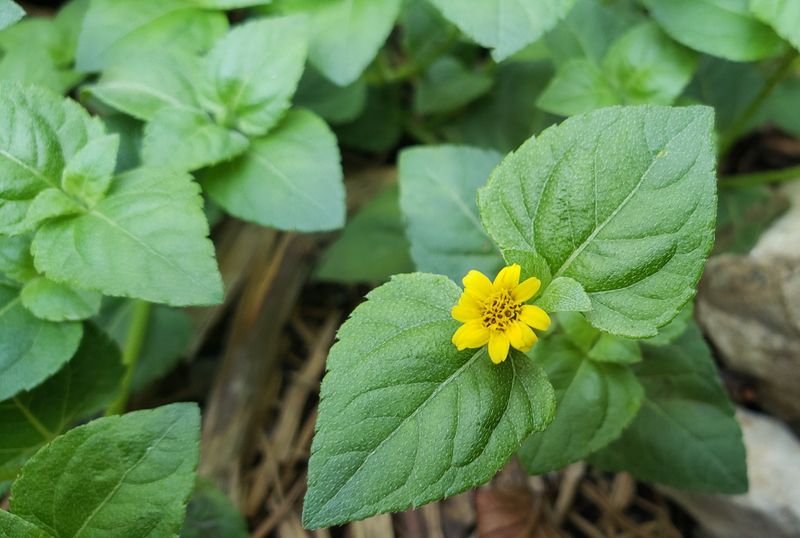
Walk through almost any shaded yard in Central Texas and you have probably stepped on horseherb without knowing it. This tough little plant grows flat against the ground, spreading quietly under trees and along fences where grass refuses to cooperate.
Gardeners who discover it often wonder why they ever bothered with traditional lawn grass in the first place.
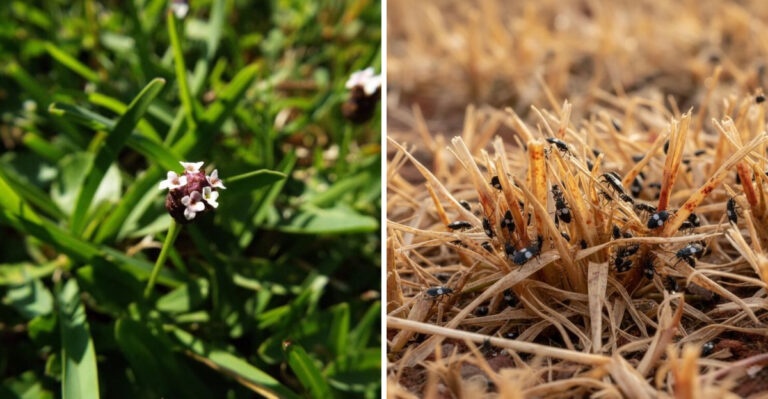
Horseherb, also called Straggler Daisy, produces tiny yellow flowers that bloom almost year-round in mild Texas weather.
The Lady Bird Johnson Wildflower Center notes that it stays evergreen during mild winters, which makes it one of the most reliable native lawn alternatives in the state. It handles shade beautifully, something most grass varieties simply cannot do.
One of the best things about this plant is how little work it needs once it gets established. You do not have to mow it, fertilize it, or water it much at all.
It spreads on its own by creeping along the soil, filling in bare patches naturally. In areas of Texas with clay-heavy soil, horseherb actually performs better than many introduced grass types.
If you have a yard with lots of tree coverage in Austin, San Antonio, or Houston, horseherb is one of the first plants you should consider. It tolerates foot traffic reasonably well and bounces back quickly.
Birds and small insects are drawn to it too, making your yard feel more alive. Starting from transplants or seeds is easy, and it takes off fast once it finds a spot it likes.
2. Frogfruit
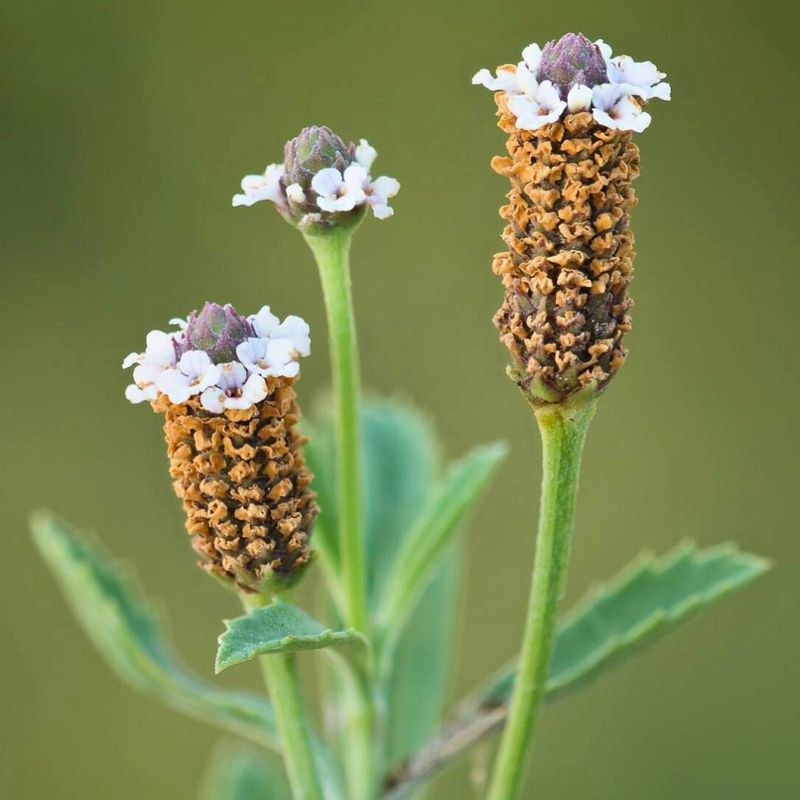
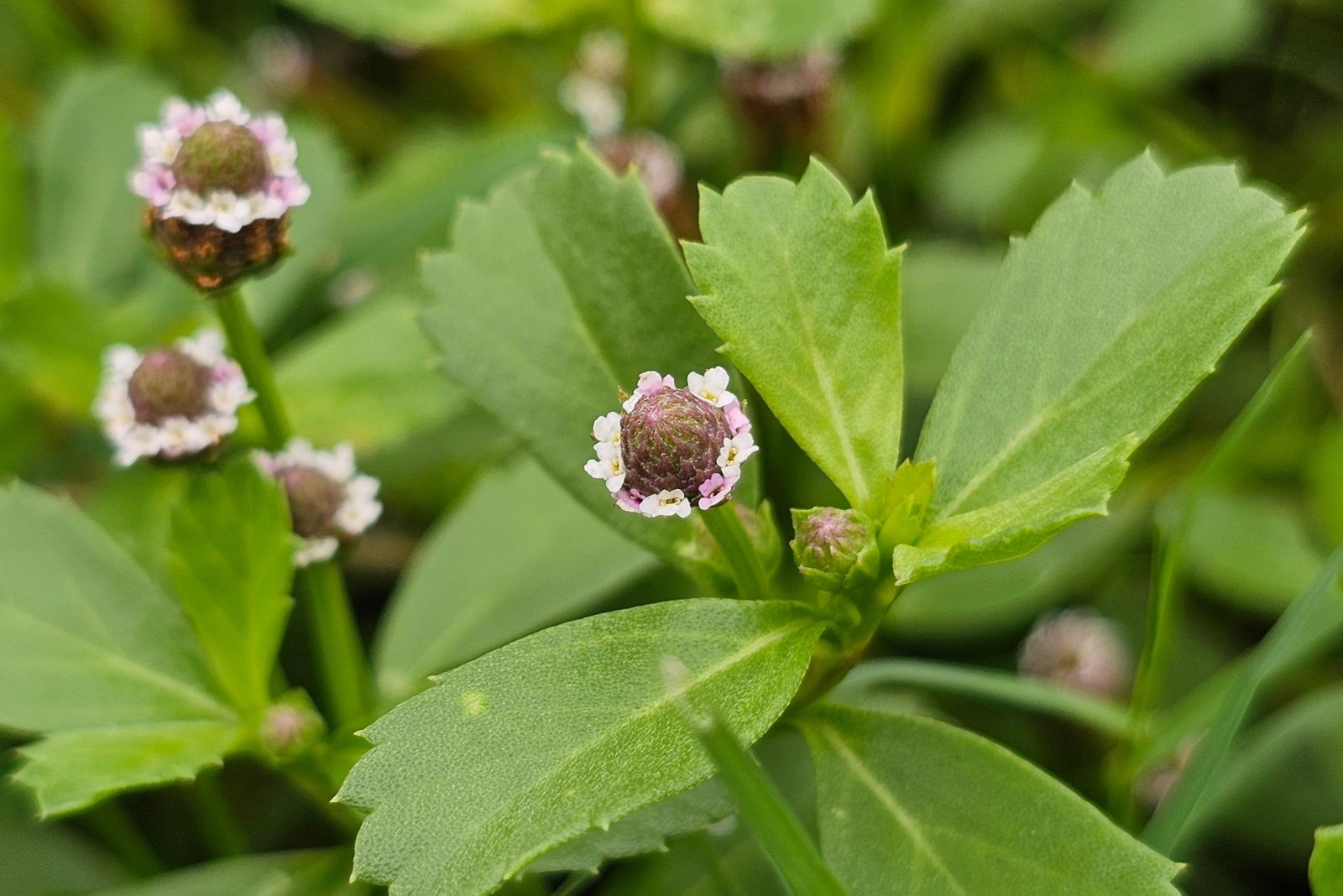
Frogfruit might have the most fun name in the Texas native plant world, and it backs that personality up with serious performance. This plant forms a dense, low mat that hugs the ground tightly, spreading by runners that creep outward and root as they go.
Once it gets going, it fills in bare ground fast and chokes out weeds without any chemical help.
What makes frogfruit stand out beyond its spreading habit is the way it feeds pollinators. The tiny white and pink flowers bloom from spring through fall, attracting bees, butterflies, and even the larvae of several native butterfly species.
Your Texas Garden Changes Every Week. Your Plan Should Too.
Gardening in Texas changes quickly throughout the season. Every Friday you’ll receive a simple weekly plan showing exactly what to plant, prune, fertilize, harvest, and protect so you never miss the right timing.
If you want a yard that buzzes with life in the warm months, frogfruit delivers that experience better than almost any other Texas native groundcover.
It grows well in both full sun and part shade, which gives it a flexibility that many groundcovers lack. It handles wet spots and dry spots, clay soil and sandy soil, making it one of the most adaptable options for Texas landscapes.
In areas around San Antonio and the Hill Country, it is especially well-suited to the rocky, well-drained terrain.
Frogfruit stays low enough that you rarely need to trim it. It can handle light foot traffic and recovers well after a freeze, coming back strong when temperatures warm up.
If you want a true grass replacement that works hard and supports wildlife, this mat-forming native deserves a spot in your Texas yard. Plant it in spring for the fastest establishment results.
3. Texas Sedge
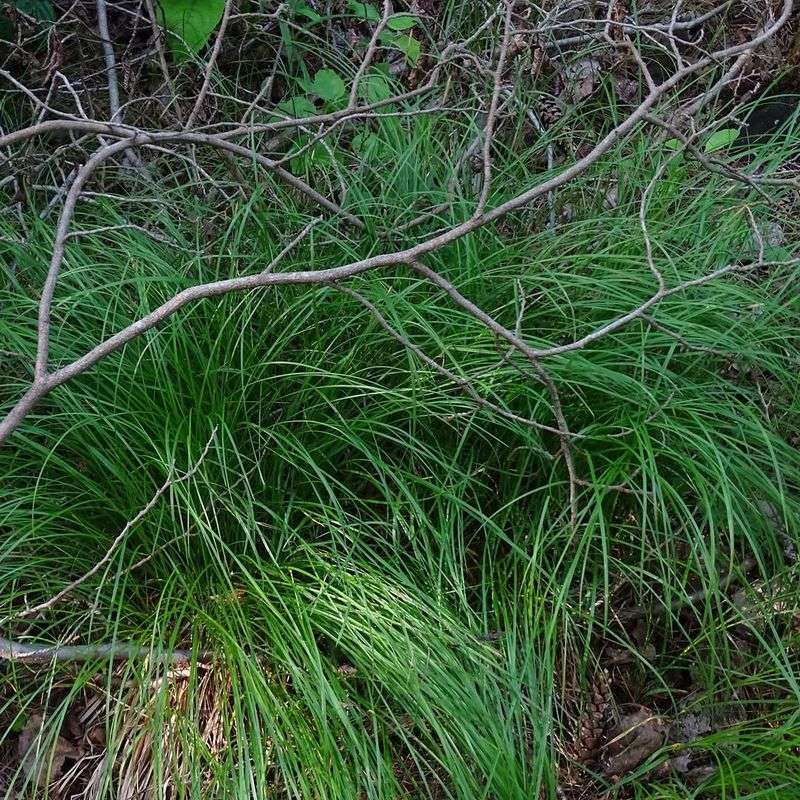
If you have ever wished for something that looks like grass but requires almost none of the maintenance, Texas Sedge might be the answer you have been searching for. It grows in neat, arching clumps of fine green foliage that move gently in the breeze.
From a distance, a yard full of Texas Sedge looks remarkably similar to a traditional lawn, but without the constant watering and mowing demands.
The Lady Bird Johnson Wildflower Center recommends Texas Sedge specifically for Austin-area groundcover use, and it is easy to see why.
It thrives in shade and part shade, making it ideal for spots under large oak trees or along the north side of a house where sunlight is limited.
Most grasses struggle in those conditions, but Texas Sedge settles in comfortably and spreads steadily over time.
This plant is also impressively cold-hardy for a Texas native. It stays green through most winters across Central and North Texas, only browning slightly during the harshest cold snaps.
When warmer weather returns, it bounces back without any extra care from the gardener. That kind of reliability is hard to find in a shade-tolerant groundcover.
Texas Sedge works especially well when planted in masses under trees or along shaded pathways. It pairs nicely with other native plants like horseherb or lyreleaf sage for a layered, natural look.
It does not handle heavy foot traffic as well as some other groundcovers, so plan pathways around it rather than through it. Spacing plants about twelve inches apart gives them room to fill in within a single growing season.
4. Woolly Stemodia
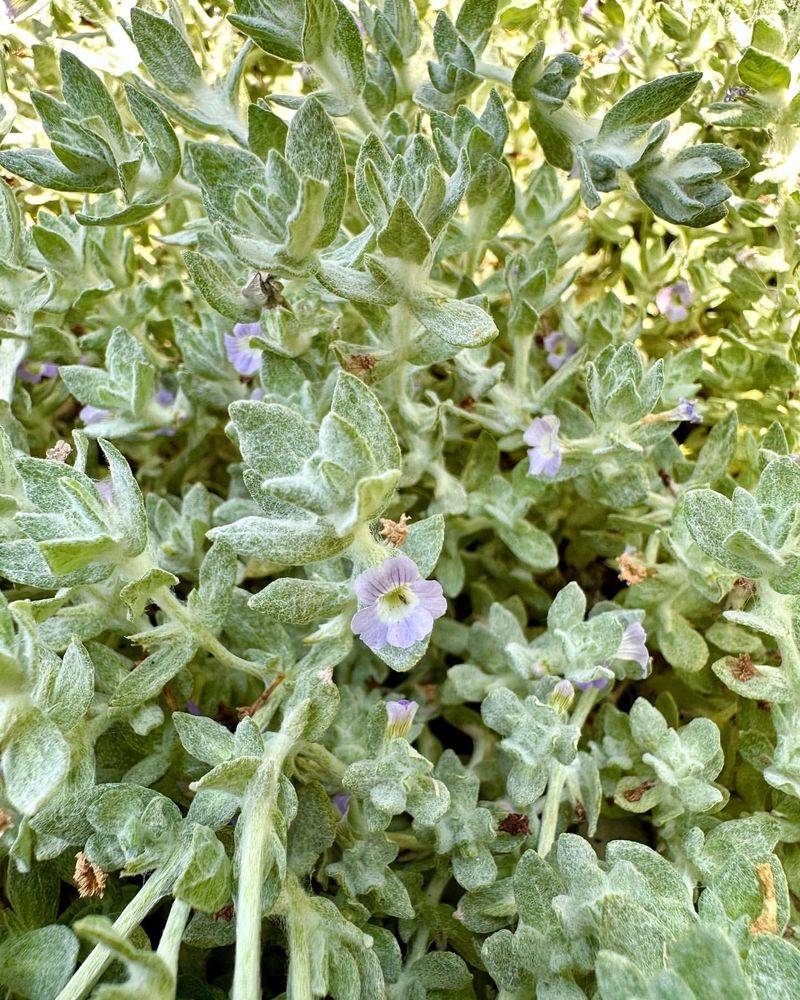
Not many plants can survive a Texas summer in full blazing sun without wilting, but Woolly Stemodia takes the heat and keeps on spreading.
This low-growing native stays right around six inches tall, hugging the ground with fuzzy silver-gray foliage that almost seems to glow in bright sunlight.
The woolly texture is not just for looks either. Those tiny hairs on the leaves help the plant hold moisture and reflect intense heat, which is exactly what you need in a Texas garden.
Woolly Stemodia is native to the drier parts of Texas, particularly the western and southern regions where rainfall is sparse and temperatures climb high. It spreads slowly but steadily, eventually covering several feet of ground without needing any help from you.
That spreading habit makes it a practical choice for filling in rocky slopes, dry garden beds, or areas along sidewalks and driveways where the reflected heat is brutal.
One fun detail about this plant is how it smells. Rub the leaves gently and you get a pleasant, slightly herbal scent that is hard to describe but easy to enjoy.
It is a small bonus that makes working in the garden a little more interesting. Small purple flowers appear periodically through the growing season, adding a soft pop of color to the silver foliage.
Because it is so drought-tolerant, Woolly Stemodia pairs naturally with other xeric Texas natives like prairie verbena or winecup. It needs excellent drainage and does not appreciate soggy soil at all.
In West Texas landscapes or Hill Country gardens, it is one of the most reliable low-maintenance groundcovers you can plant. Give it full sun and well-drained soil and it will reward you for years.
5. Prairie Verbena
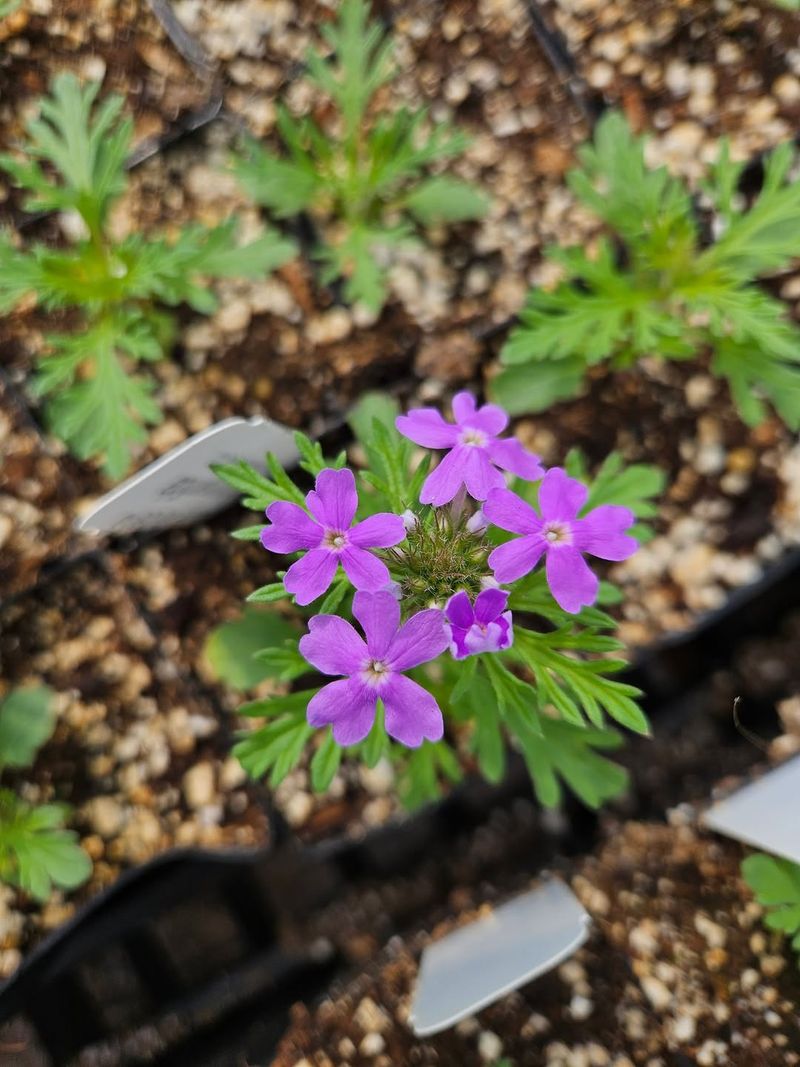
Purple flowers carpeting the ground in early spring is one of the most cheerful sights a Texas gardener can wake up to, and Prairie Verbena delivers that show reliably every year.
This native spreads low along the ground, rarely growing more than a foot tall, and it blooms generously from late winter through summer.
The clusters of bright purple flowers are small but vivid, drawing in bees and butterflies from the first warm days of the season.
Prairie Verbena is a natural fit for sunny, well-drained spots across Texas. It grows wild along roadsides and open fields from Central Texas all the way to the Panhandle, which tells you a lot about how tough it is.
Rocky or sandy soil is actually preferred, and it handles dry spells without complaint once it gets established in your yard.
What makes this plant especially appealing as a grass replacement is how it fills space. It spreads from a central crown, sending stems outward in all directions and eventually forming a soft, flowing mat.
Plant several together and they merge into a continuous patch of color that looks both intentional and effortless. It is the kind of groundcover that makes visitors ask what your secret is.
Prairie Verbena goes semi-dormant in the hottest part of summer but typically rebounds with renewed blooming in early fall. It is also a host plant for the Theona Checkerspot butterfly, adding ecological value beyond just good looks.
Cutting it back lightly after the first bloom flush encourages a fuller, more compact shape for the rest of the growing season. It is a true low-effort, high-reward native for Texas gardens.
6. Winecup
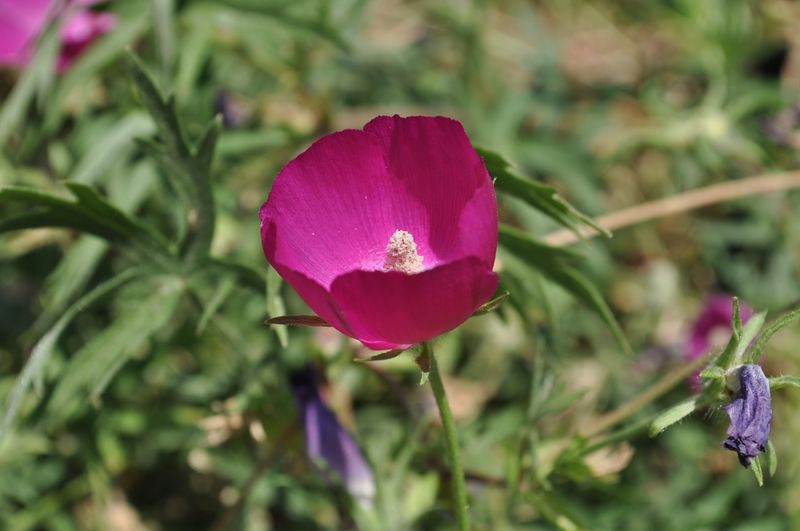
Bold, dramatic, and impossible to ignore, Winecup is the kind of plant that stops people in their tracks. The flowers are a deep, rich magenta that catches the eye from across the yard, and they bloom in abundance from spring through early summer.
Each flower is shaped like a wide open cup, held up just above the trailing stems that hug the ground as they spread outward. It is one of those plants that looks like it belongs in a magazine but thrives with almost no effort on your part.
Winecup grows from a deep taproot that stores water and energy, which is a big reason why it handles Texas drought conditions so well. Once established, it can go weeks without rain and still push out new flowers.
That taproot also helps it survive cold winters across most of Texas, coming back reliably each spring even after hard freezes. Gardeners in North Texas and the Dallas area have found it to be one of the most winter-hardy native perennials available.
The trailing stems can spread three to four feet in every direction from the center of the plant, making it excellent for covering ground quickly in a sunny bed.
It works well on slopes and along the edges of garden paths where its sprawling habit can be appreciated rather than contained. It does not compete well with aggressive plants, so give it some space to do its thing.
Pairing Winecup with ornamental grasses or other drought-tolerant Texas natives creates a stunning, low-water landscape that practically takes care of itself.
The flowers attract native bees in impressive numbers, making it a strong ecological choice as well as a beautiful one. Plant it in well-drained soil in full sun for the best flowering performance each season.
7. Lyreleaf Sage
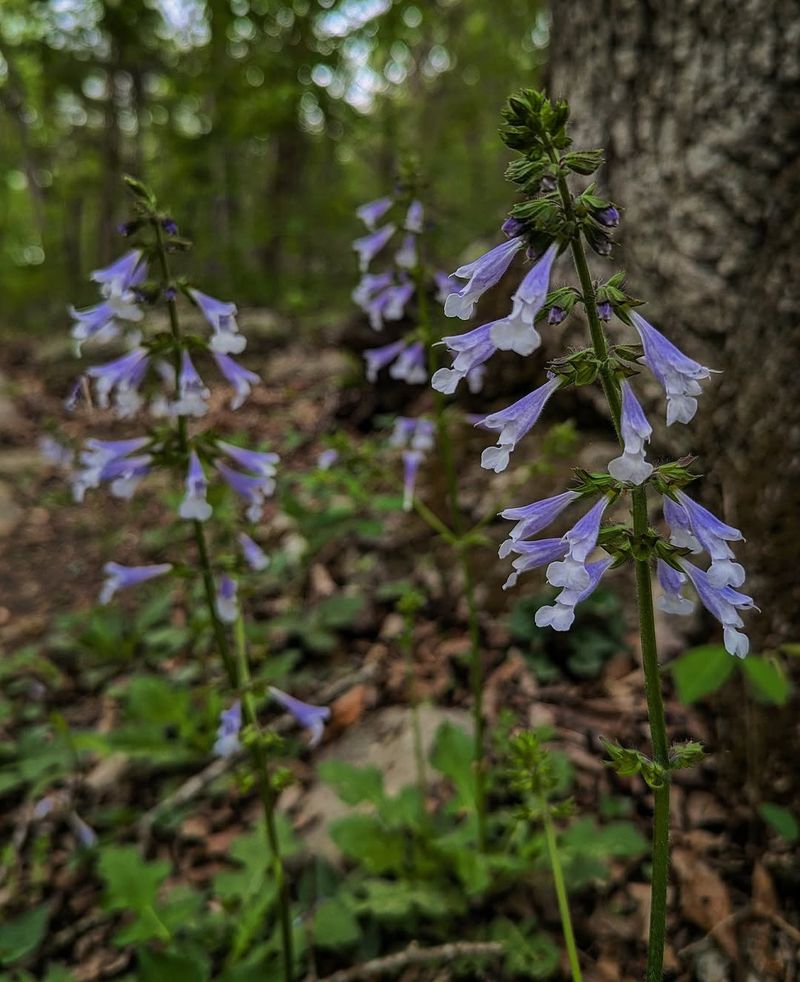
Tucked beneath the pine trees of East Texas or growing quietly along the shaded edges of North Texas woodlands, Lyreleaf Sage is one of the most underappreciated native groundcovers in the state.
It forms a low rosette of dark green, deeply lobed leaves that stay close to the ground most of the year.
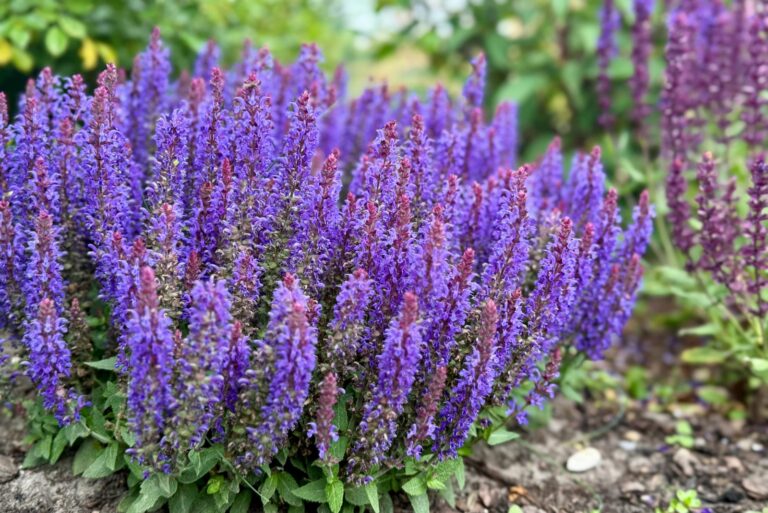
In spring, it sends up slender spikes of soft purple flowers that rise above the foliage and attract bees and hummingbirds with impressive regularity.
What sets Lyreleaf Sage apart from other native groundcovers is its ability to thrive in part shade conditions where many plants struggle to bloom at all.
Under the canopy of large deciduous trees, where filtered light is the norm, this plant settles in and spreads gradually by self-seeding.
Over time, a small planting can become a quiet, naturalistic carpet that looks like it has always been there.
The foliage itself is attractive even when the plant is not in bloom. The leaves often develop deep burgundy or purplish tones in cooler weather, adding winter color to shaded garden spaces.
In mild Texas winters, it stays semi-evergreen, holding its leaves through most of the cold season and greening back up quickly when spring arrives.
Lyreleaf Sage is particularly valuable for gardeners in East Texas and North Texas who deal with heavy shade and acidic soil. It handles those conditions far better than most groundcovers.
It pairs well with Texas Sedge and horseherb in layered shade gardens. Give it a little room to self-seed and it will gradually fill in bare shaded areas with minimal effort from you, season after season.