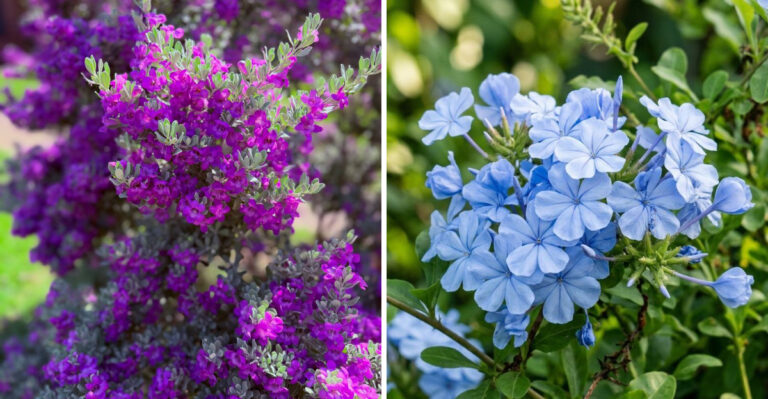
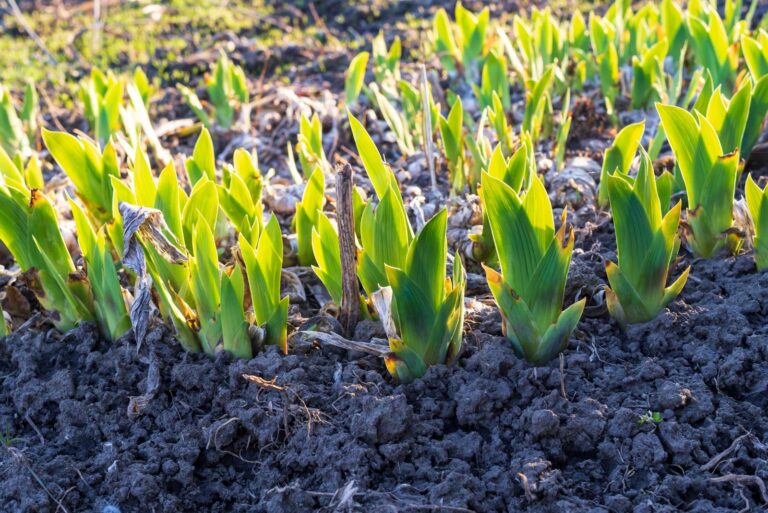
7 Plants You’ll Never Need To Replant In Your Texas Garden
Imagine planting something once and never having to think about replacing it again. No scrambling to the nursery every spring, no mourning the plants that didn’t make it through summer, and no spending money on the same annuals year after year just to watch them struggle through August and call it quits.
That’s exactly what perennials and long-lived plants bring to the table. And in Texas, where the climate can be genuinely brutal, finding plants that stick around takes on a whole new level of importance.
The heat alone is enough to send most delicate plants packing, and that’s before you factor in the unpredictable winters, the clay soil, and the stretches of drought that show up without warning. The plants on this list are built differently.
They put down deep roots, they bounce back season after season, and once they’re established in your yard, they’re basically yours to keep forever.
1. Black-Eyed Susan
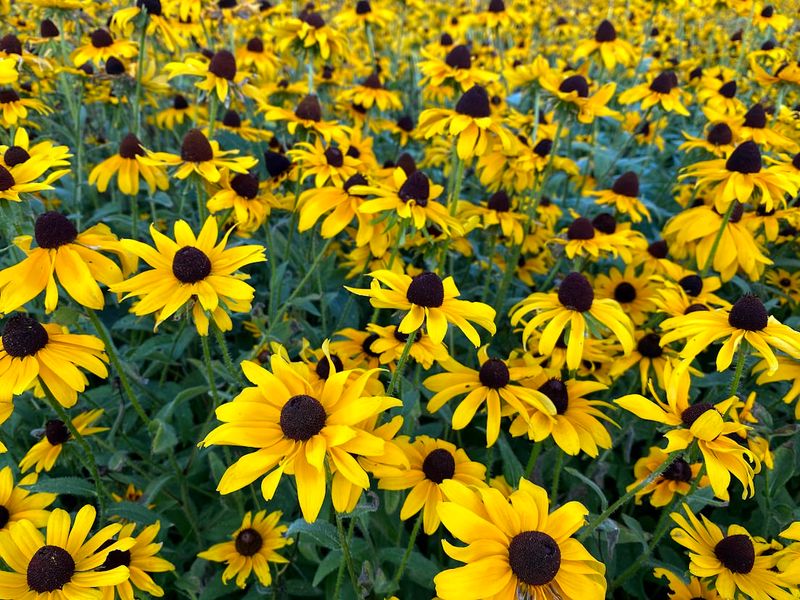
Picture a sea of golden yellow blooms nodding in the summer breeze across a Texas garden bed. That’s the magic of Black-Eyed Susan.
Once this wildflower gets comfortable in your soil, it pretty much takes care of itself from that point forward.
Black-Eyed Susan is a champion self-seeder. When the flowers finish blooming, they drop seeds right into the ground.
Those seeds sprout the following season, and before you know it, you have even more plants than you started with. No replanting needed, no fuss, no extra work on your end.
Texas summers can be brutal, but this plant doesn’t flinch. It handles heat, dry spells, and poor soil with ease.
Full sun is where it shines brightest, and it actually prefers soil that isn’t overly rich or watered too much. Less is genuinely more with this one.
Gardeners across Texas love Black-Eyed Susan because it also attracts pollinators. Bees, butterflies, and even birds are drawn to its cheerful blooms.
Planting it along borders or in open garden beds gives it room to naturalize and spread at its own pace.
If you want a low-maintenance wildflower that rewards you with color every single summer without lifting a finger, Black-Eyed Susan is the plant for you. It’s a Texas classic for good reason, and once it’s in your garden, it’s there to stay.
2. Lantana
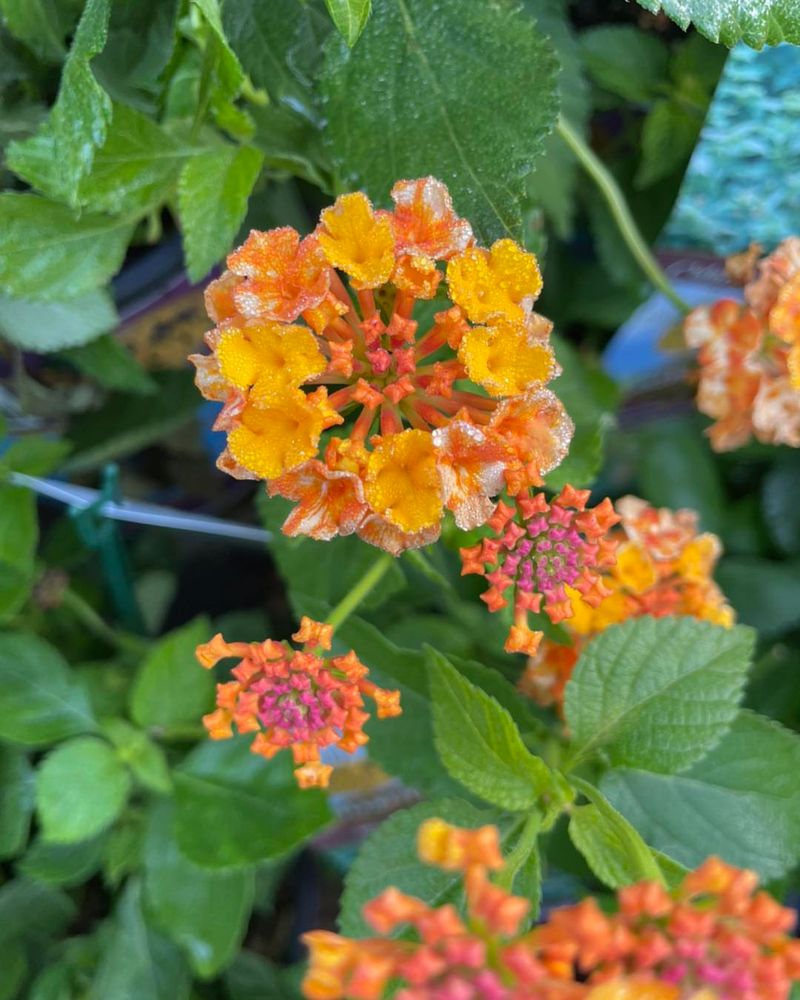
Few plants can handle a Texas summer the way lantana can. This tough, heat-loving shrub laughs in the face of triple-digit temperatures and keeps right on blooming when other plants have completely given up.
In Central and South Texas especially, lantana behaves like a true perennial. During winter, lantana may die back a bit and look like it’s done for good. Don’t be fooled.
Come spring, it pushes right back up from the roots with fresh new growth and a full season of blooms ahead. It’s one of the most reliable comeback plants in the entire Texas landscape.
Lantana comes in a stunning range of colors, from bright orange and yellow to pink, red, and purple. The clusters of tiny flowers are absolutely irresistible to butterflies, which makes it a favorite among wildlife-friendly gardeners throughout the state.
Your Texas Garden Changes Every Week. Your Plan Should Too.
Gardening in Texas changes quickly throughout the season. Every Friday you’ll receive a simple weekly plan showing exactly what to plant, prune, fertilize, harvest, and protect so you never miss the right timing.
Hummingbirds occasionally visit too, which is always a treat Drought tolerance is another major selling point. Once established, lantana rarely needs watering.
It thrives in full sun and well-drained soil, making it perfectly suited for the dry stretches that Texas summers are famous for. Overwatering is actually one of the few things that can cause problems for this plant.
Planting lantana once and watching it return stronger each spring is one of the most satisfying experiences a Texas gardener can have. It’s bold, beautiful, and completely built for the Texas climate.
3. Turk’s Cap
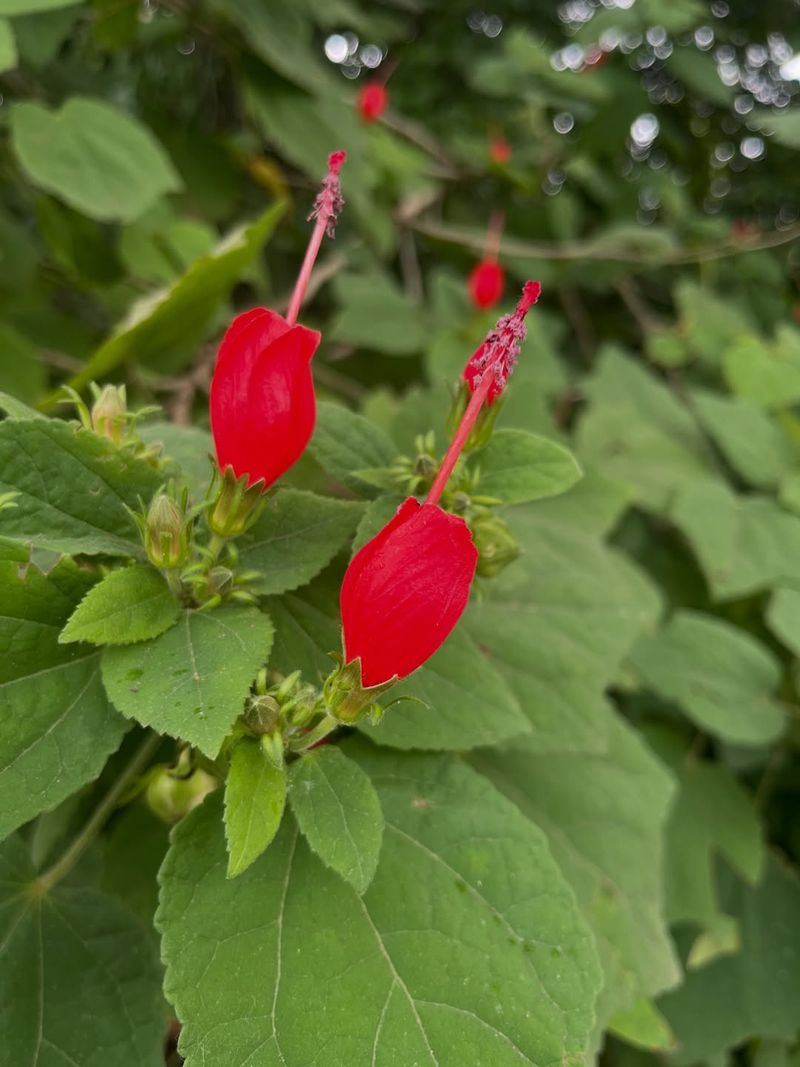
If your garden has a shady spot that nothing seems to survive in, Turk’s Cap is about to become your new best friend. This Texas native thrives in conditions that would stress most other plants, and it comes back reliably year after year without any help from you.
The flowers are truly one of a kind. They never fully open, staying twisted into a tube shape that looks like a tiny red turban, which is exactly how the plant got its memorable name.
Hummingbirds absolutely adore these blooms and will visit your garden regularly once Turk’s Cap is established. Butterflies love it too.
What makes this plant so special for Texas gardeners is its toughness. It handles drought, heavy shade, poor soil, and summer heat without complaint.
Most plants struggle with even one of those conditions. Turk’s Cap handles all of them at the same time, which is pretty remarkable for any garden plant.
In the fall, it produces small red berries that birds enjoy eating. This means Turk’s Cap supports local wildlife throughout multiple seasons, not just during its long blooming period. It’s a plant that keeps giving long after you’ve stopped thinking about it.
Across Texas, from Houston’s humid gardens to the shadier spots in the Hill Country, Turk’s Cap has earned a devoted following.
Plant it once in a shaded area, step back, and watch nature do the rest. It’s practically indestructible in the Texas landscape.
4. Autumn Sage
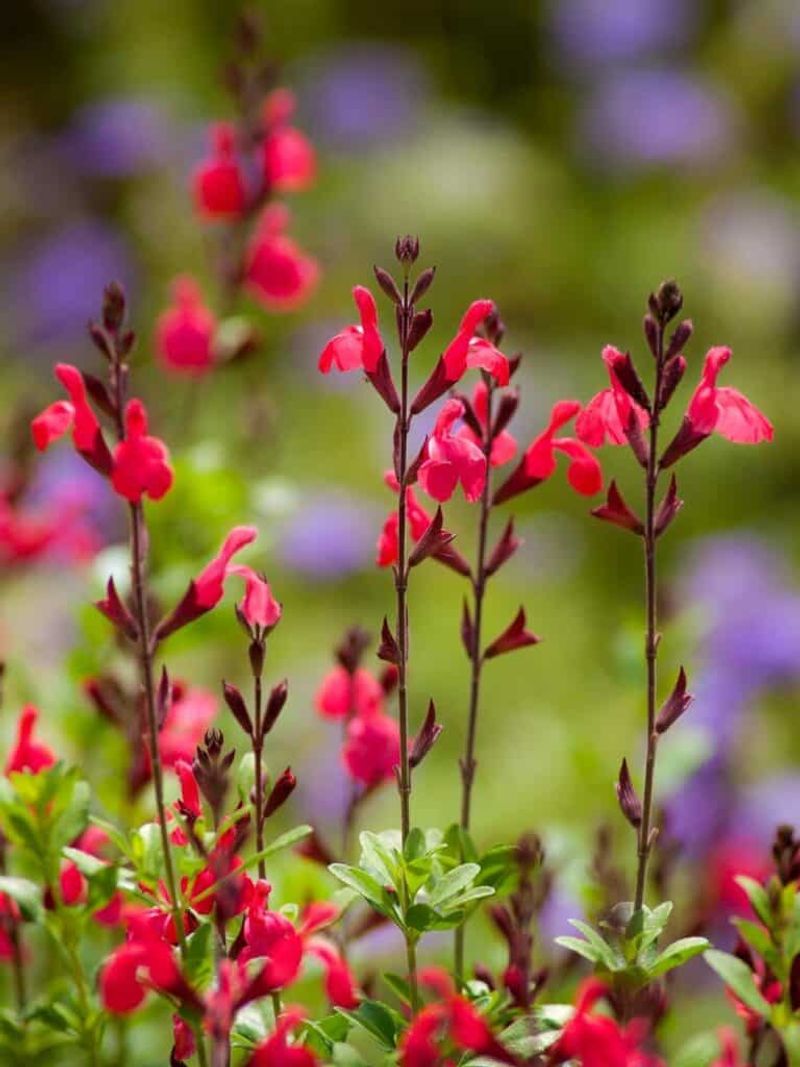
Autumn Sage might just be the hardest-working plant in the Texas garden. It blooms in spring, keeps going through summer, and then gives one final spectacular show in the fall. All of that, and it comes back on its own every single year without needing to be replanted.
Native to Texas and northern Mexico, Salvia greggii has adapted perfectly to the local climate. It handles drought like a pro, shrugs off intense heat, and doesn’t need rich soil or frequent fertilizing to perform well.
In fact, giving it too much water or fertilizer can actually make it bloom less. Simple neglect is often the secret to success with this plant.
The flowers are usually red, but you can also find varieties in pink, coral, white, and salmon. Hummingbirds are extremely attracted to the tubular blooms, and you’ll likely notice them visiting your garden soon after planting. Bees and butterflies follow closely behind.
Pruning Autumn Sage back by about one-third in late summer encourages a fresh flush of fall blooms. It’s one of the few maintenance tasks this plant actually benefits from, and it takes only a few minutes. Beyond that, it really doesn’t ask for much attention from you.
Texas gardeners from Austin to San Antonio have relied on Autumn Sage for decades as a dependable, colorful anchor plant. Once it’s settled into your garden, it becomes one of those plants you simply stop worrying about, and that’s a wonderful thing.
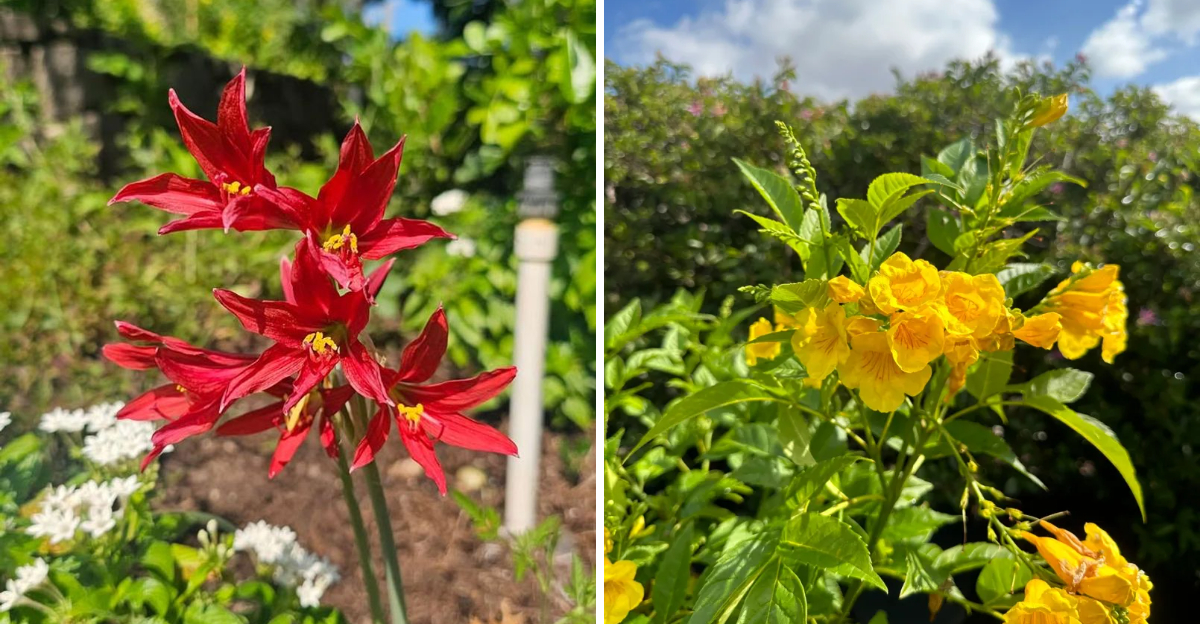
5. Esperanza
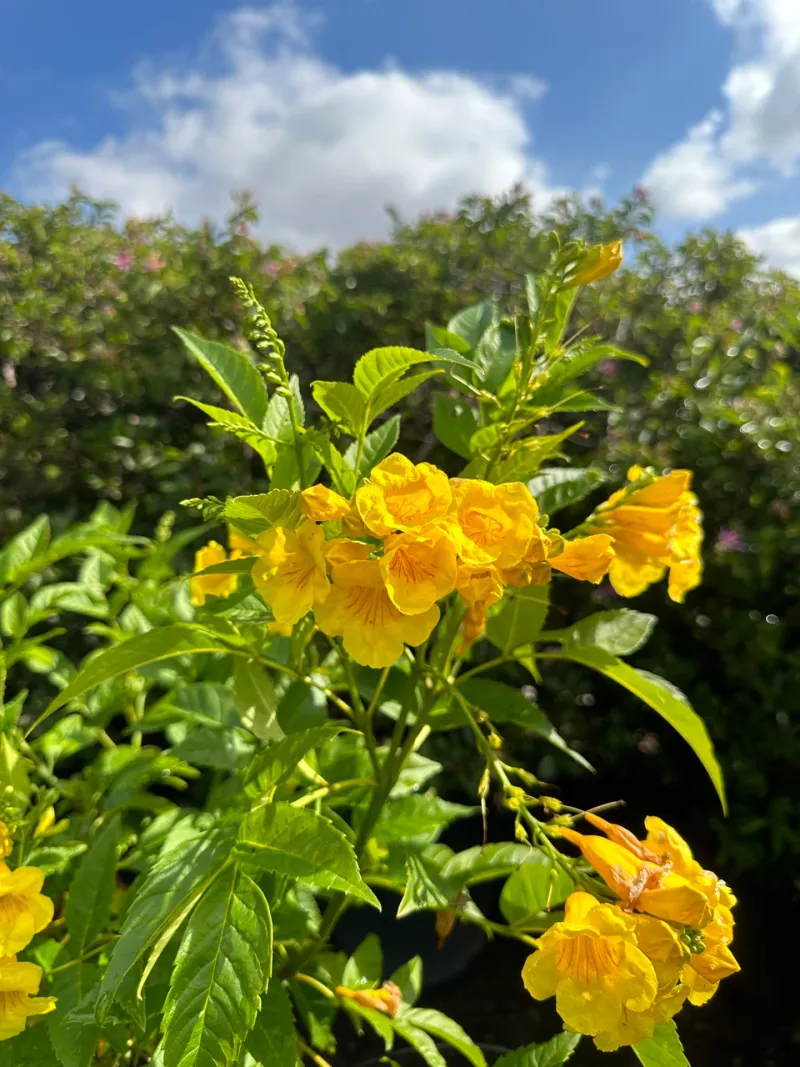
Walk through any neighborhood in San Antonio or Austin during summer, and you’ll likely spot a burst of brilliant yellow flowers spilling over a fence or filling a garden bed.
That’s Esperanza, and it’s one of the most eye-catching plants you can grow in Central and South Texas without ever replanting it.
Esperanza, which means “hope” in Spanish, is an incredibly fitting name for this plant. Even when winter frosts knock it back to the ground, it doesn’t stay down for long.
Each spring, new shoots emerge from the roots and grow back fast, often reaching several feet tall before summer is even in full swing.
The bright yellow trumpet-shaped blooms appear in clusters and keep coming all summer long. Hummingbirds and butterflies are frequent visitors, drawn in by the vivid color and abundant nectar.
It’s the kind of plant that turns an ordinary garden into a full-on wildlife habitat without much effort at all.
Full sun and well-drained soil are really all Esperanza needs to perform at its best. Once established, it’s extremely drought-tolerant, which makes it a perfect fit for the long, dry summers that are a signature of the Texas climate. It grows quickly and fills in large spaces beautifully.
If you live in Central or South Texas and want a bold, low-maintenance plant that rewards you with nonstop summer color, Esperanza deserves a prominent spot in your garden. Plant it once and enjoy it for many years to come.
6. Mealy Blue Sage
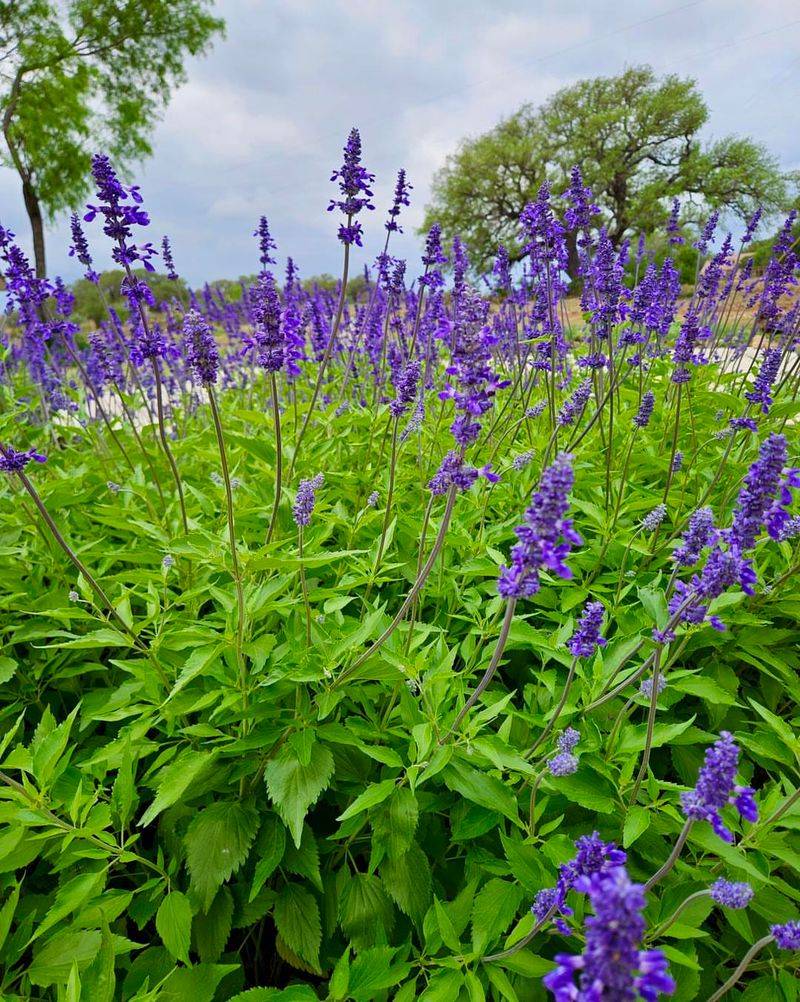
There’s something deeply satisfying about a plant that just keeps showing up without being asked. Mealy Blue Sage is exactly that kind of plant.
Once it’s established in your Texas garden, it reseeds itself so generously that you’ll have new plants popping up season after season with zero effort on your part.
This Texas native produces tall, elegant spikes of violet-blue flowers that look stunning in garden beds and work beautifully as cut flowers too. The blooms have a slightly powdery or “mealy” texture on the stems, which is how the plant got its common name.
It’s a small but interesting detail that makes this plant stand out from other salvias. Pollinators go absolutely wild for Mealy Blue Sage. Bees, especially native bees, flock to the flowers throughout the blooming season.
Butterflies are regular visitors too, and the plant is also known to attract hummingbirds during migration periods. Planting it in Texas means you’re supporting local ecosystems in a meaningful way.
Heat and drought are no problem for this plant. It thrives in full sun and handles the dry stretches that are so common during Texas summers.
It doesn’t need much fertilizer either, and overwatering can actually cause more harm than good.
For gardeners who want reliable color, wildlife activity, and self-renewing growth, Mealy Blue Sage checks every box. It spreads naturally, fills in gaps in garden beds, and makes your outdoor space look fuller and more vibrant with each passing year.
7. Oxblood Lily
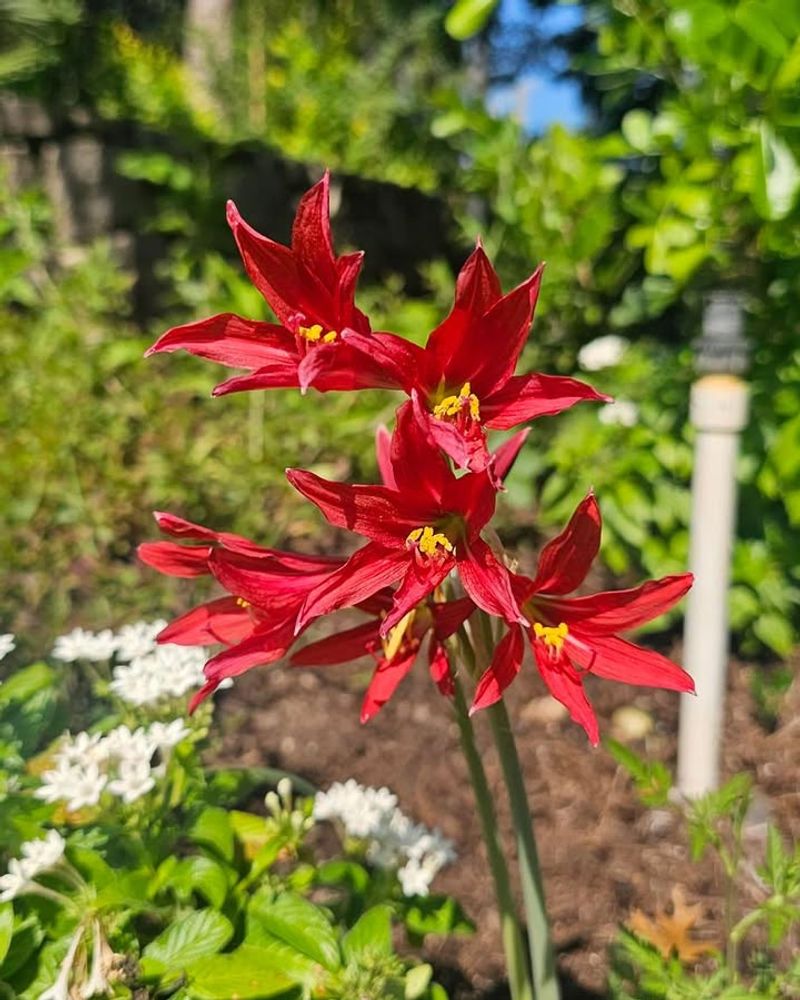
Every September, something almost magical happens in old Texas gardens. Deep red flowers shoot up from bare ground almost overnight, seemingly out of nowhere, with no leaves and no warning.
These are Oxblood Lilies, and they’ve been surprising and delighting Texas gardeners for well over a hundred years.
Originally brought to Texas by German and Czech settlers in the 1800s, Oxblood Lilies have naturalized beautifully in the state’s soil and climate. You plant the bulbs once, and they take it from there.
Each year, the clumps multiply on their own, producing more and more blooms without any help from you whatsoever.
The timing of their bloom is part of what makes them so dramatic. They appear right after the first fall rains, often before any foliage shows up.
The bold crimson red color pops against dry fall landscapes in a way that feels almost theatrical. Neighbors will definitely stop to ask what those gorgeous red flowers are.
Oxblood Lilies thrive in full sun to partial shade and are remarkably drought-tolerant once established. They ask for very little, just well-drained soil and a spot where they won’t be disturbed.
Since they naturalize by multiplying underground, it’s best to leave them in place and let them spread at their own pace.
Across Texas, from old farmsteads to modern suburban gardens, Oxblood Lilies have earned a loyal following. They’re a living piece of Texas gardening history, and once you plant them, you’ll be enjoying their brilliant fall display for decades to come.