8 Vegetables You Can Plant In Georgia In May For A Strong Summer Garden
Warm soil and longer days open up a fresh window in Georgia gardens right as May settles in. Some crops take off in these conditions and build strength fast, especially with steady sun and consistent moisture.
Missing that timing can mean slower growth or weaker plants that never quite catch up. Not every vegetable handles early heat the same way, so choosing the right ones makes a big difference.
Strong starters push through rising temperatures and keep producing as the season moves forward, instead of fading once summer pressure builds.
Spacing, sunlight, and simple care all play a role in how well things take off from the start.
A well planned mix can turn a small area into something productive and reliable through the hottest stretch, with steady harvests that keep showing up week after week without slowing down.
1. Okra Thrives In Heat And Produces All Summer
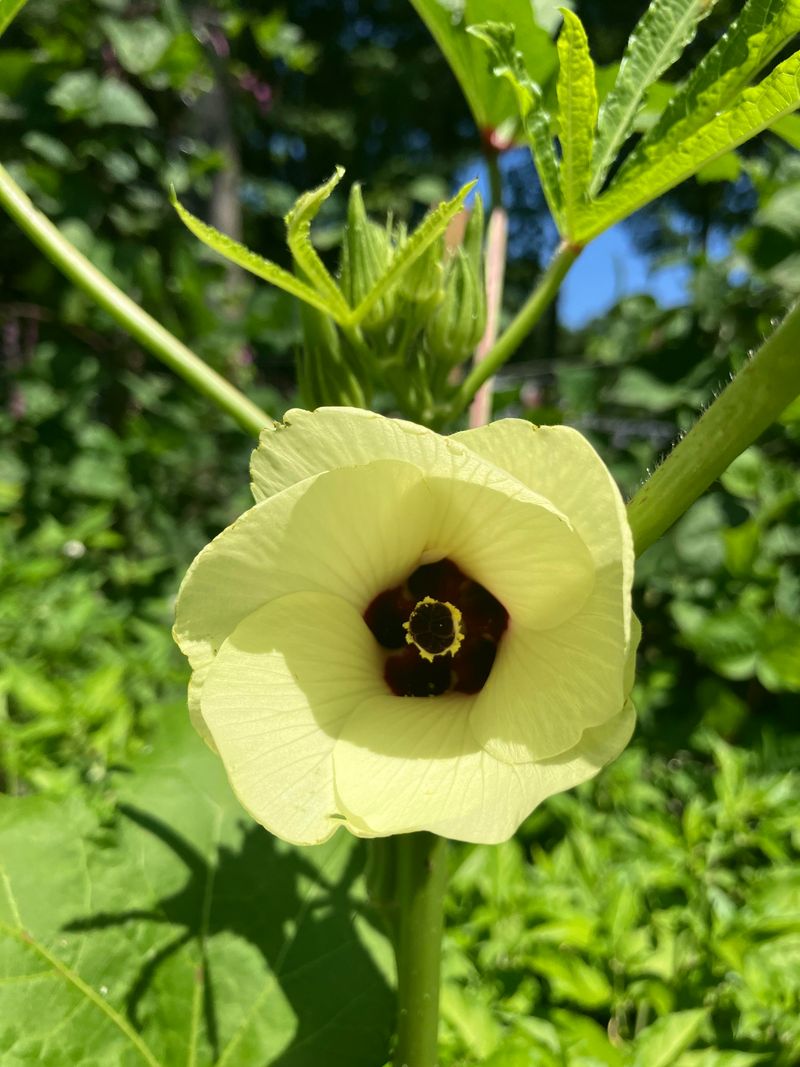
Few vegetables handle a Georgia summer better than okra. When temperatures climb into the 90s and other plants start struggling, okra just keeps going.
It was practically made for the Deep South, and May is the ideal time to get seeds or transplants in the ground.
Plant okra in a spot that gets full sun all day. Georgia’s clay-heavy soils can be a challenge, so mixing in compost before planting helps with drainage and root development.
Seeds do best when the soil is at least 65 degrees, which is easy to hit by early May in most parts of the state.
Space plants about 18 inches apart so they have room to grow tall. Okra can reach five to six feet in a single season, so planting it on the north side of your garden keeps it from shading smaller crops.
Water consistently when plants are young, but once established, okra handles dry spells better than most vegetables.
Harvest pods when they are two to four inches long. Waiting too long makes them tough and fibrous.
Check plants every two days during peak production because pods grow fast in Georgia’s summer heat. Regular harvesting also encourages the plant to keep producing new pods through late summer.
Wear gloves and long sleeves when harvesting, since okra stems and pods have tiny hairs that can irritate skin on contact.
Remove overgrown pods promptly even if they are too tough to eat, because leaving them on the plant slows down new production.
2. Southern Peas Handle Heat And Poor Soil Well
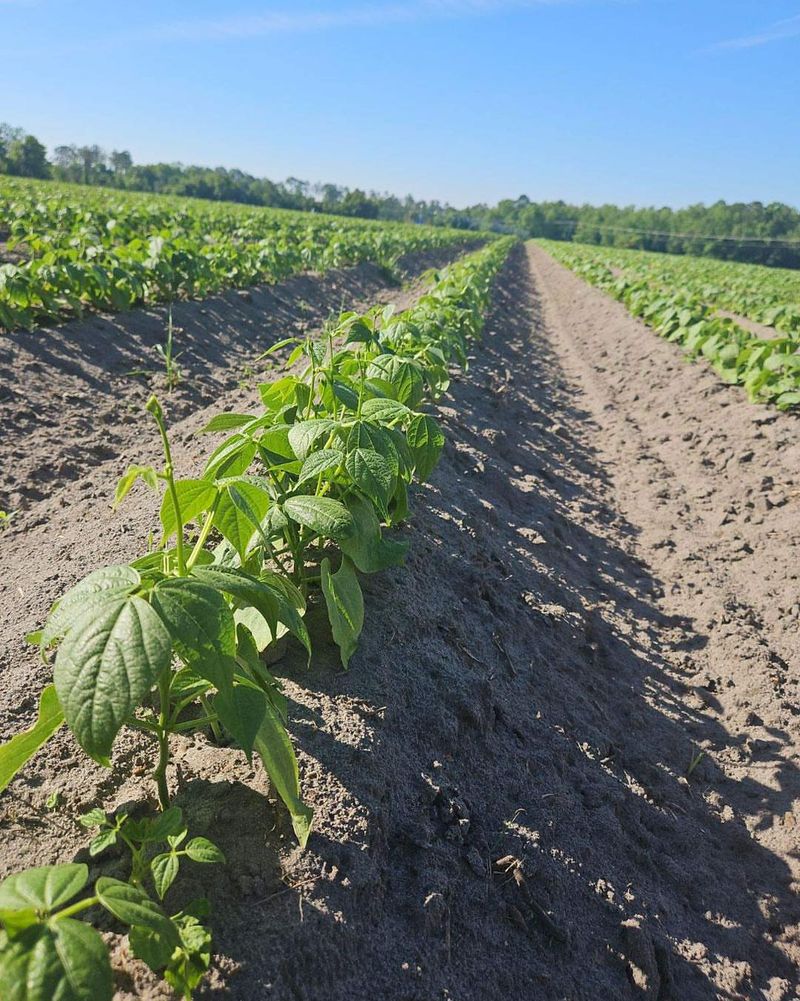
Southern peas have been feeding Georgia families for generations, and there is a good reason they never went out of style. Crowder peas, black-eyed peas, and zipper cream peas all fall under this category, and every one of them is built for hot, humid conditions.
What makes southern peas especially useful is their ability to fix nitrogen in the soil. Even if your garden bed is not the most fertile ground around, these plants can make do and actually improve the soil for whatever you plant next season.
Work in a little compost and you are already ahead of the game.
Your Georgia Garden Changes Every Week. Your Plan Should Too.
Gardening in Georgia changes quickly throughout the season. Every Friday you’ll receive a simple weekly plan showing exactly what to plant, prune, fertilize, harvest, and protect so you never miss the right timing.
Sow seeds directly in the garden about an inch deep and four to six inches apart. May planting in Georgia gives them plenty of warm weather to establish before the hottest weeks of July and August hit.
They do not need much fertilizer, and overfeeding them with nitrogen actually reduces pod production.
Keep an eye out for aphids and stink bugs, both common pests in Georgia gardens during summer. A strong spray of water handles most aphid problems early on.
Pods are ready to pick fresh in about 60 to 70 days, or you can let them dry on the vine for storage. Either way, a May planting sets you up well.
Avoid overwatering once plants are established, since southern peas prefer slightly drier soil and can struggle in consistently soggy conditions. Rotate them to a new spot the following season to maintain soil health and reduce pest buildup.
3. Sweet Potatoes Grow Strong In Warm Soil Conditions
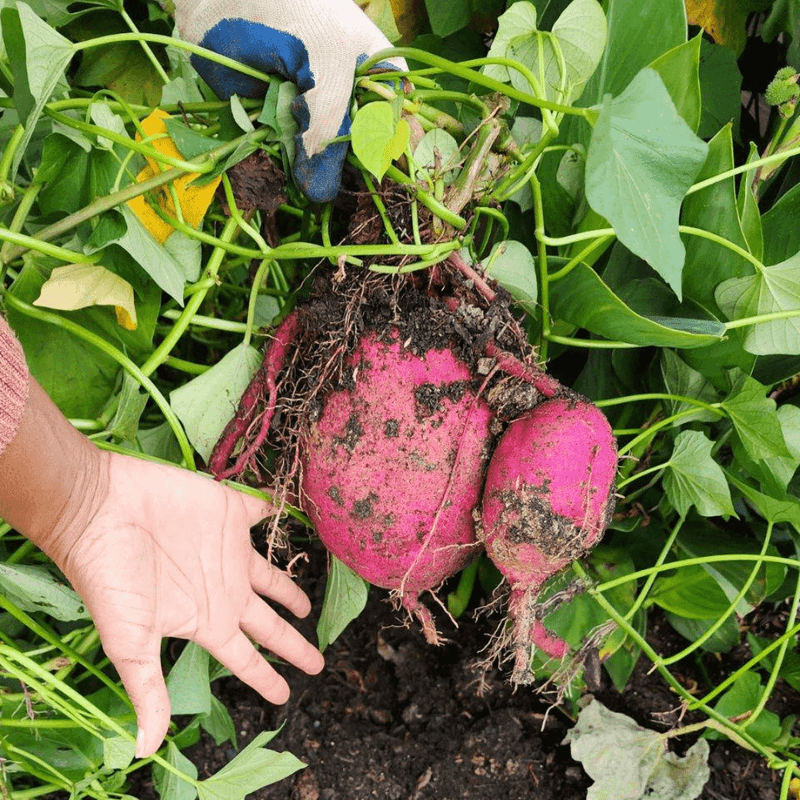
Sweet potatoes need a long growing season, and planting slips in May gives Georgia gardeners exactly that. With around 100 to 120 frost-free days ahead after a May planting, there is plenty of time for roots to develop into full-sized tubers by fall harvest.
Slips, not seeds, are how sweet potatoes get started. You can buy them at local garden centers or order them online.
Plant each slip about 12 inches apart in raised rows or mounded beds. Loose, well-drained soil is important here because compacted ground leads to misshapen roots that are harder to dig up come harvest time.
Georgia’s sandy loam soils in the southern part of the state are nearly perfect for sweet potatoes. In the Piedmont region, raised beds with amended soil work well as an alternative.
Either way, full sun is non-negotiable. These plants spread out aggressively, so give them space, at least three to four feet between rows.
Watering is most critical during the first few weeks after planting while slips get established. Once vines are running, sweet potatoes are fairly drought-tolerant.
Pull back on watering in the last three to four weeks before harvest to help cure the skins. Expect to dig tubers in late September or October depending on your Georgia location.
4. Cucumbers Grow Fast And Produce Quickly In Heat
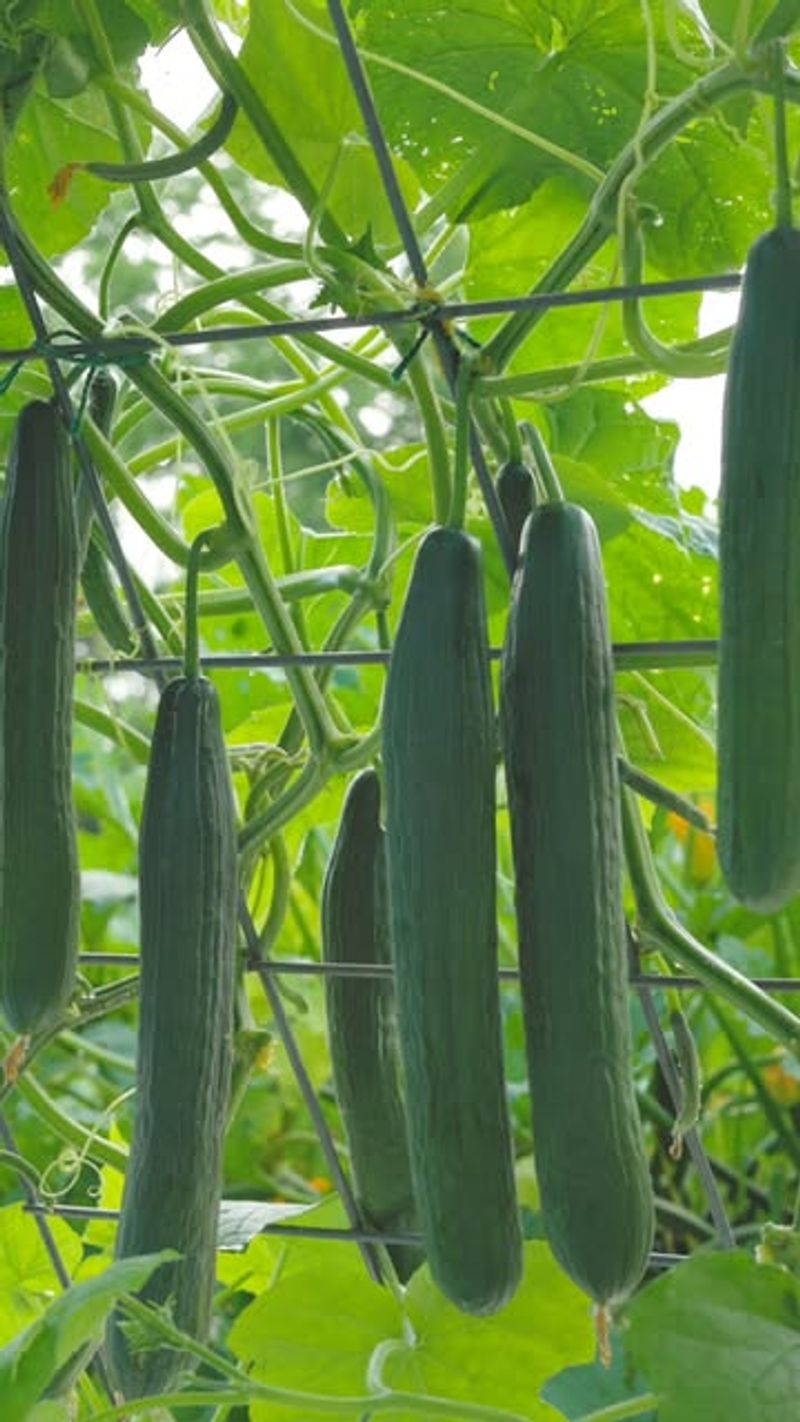
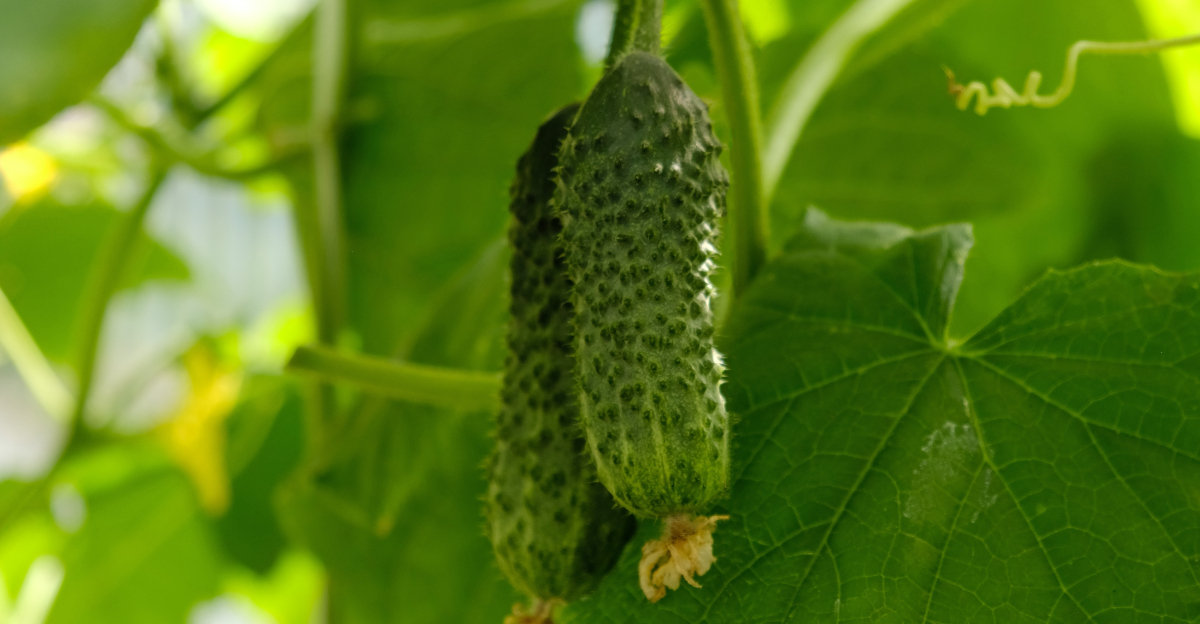
Cucumbers might be one of the fastest-producing vegetables you can grow in a Georgia summer garden. From seed to first harvest can take as little as 50 days, which means a May planting can have you picking cucumbers by late June or early July.
Plant seeds about half an inch deep, spacing them 12 inches apart if you are using a trellis or about 18 to 24 inches apart for bush varieties that sprawl on the ground. Trellising is worth the extra setup time because it keeps fruit off the soil, reduces rot, and makes harvesting much easier in Georgia’s humid conditions.
Cucumbers are heavy drinkers. Consistent moisture is key, especially during flowering and fruiting.
Uneven watering causes bitter-tasting fruit and misshapen cucumbers. Mulching around the base of plants holds moisture in and keeps soil temperatures steady during Georgia’s hot summer afternoons.
Powdery mildew is a real issue in Georgia, especially later in the season when humidity spikes. Choosing resistant varieties like Straight Eight, Marketmore 76, or any labeled as mildew-resistant helps extend your harvest window.
Pick cucumbers young for the best flavor. Once they turn yellow or get oversized, the plant slows down production.
Staying on top of harvesting keeps new fruit coming all summer long.
5. Squash Produces Early And Keeps Going In Warm Weather
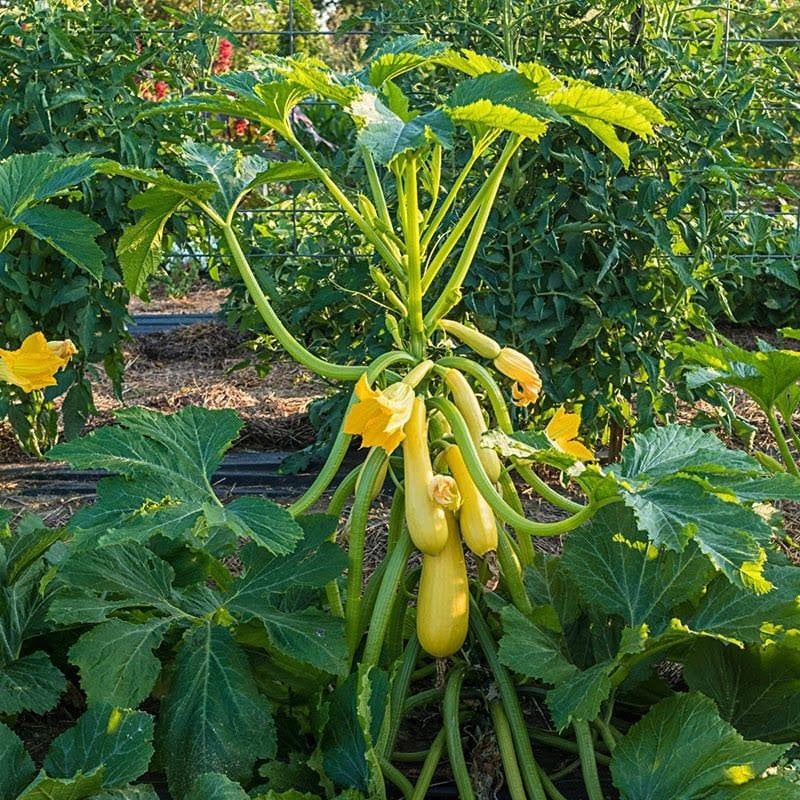
Squash is one of the most rewarding vegetables you can grow in Georgia because it starts producing fast and does not ask for much in return. Yellow crookneck squash and zucchini are especially popular choices for May planting across the state.
Direct sow seeds about an inch deep in hills or rows once soil temps are consistently above 60 degrees. By May in Georgia, you are well past that threshold.
Two or three plants per hill is plenty. Squash spreads out quickly and takes up more space than most gardeners expect, so give each hill at least four feet of room on all sides.
Pollination matters a lot with squash. You will notice male flowers appear first, followed by female flowers with a tiny fruit at the base.
Bees handle most of the work, but if you notice small fruits shriveling before they size up, hand-pollinating with a small brush can fix the problem. Georgia gardens generally have good bee activity in summer, so this is usually not a major issue.
Squash vine borers are the biggest threat to summer squash in Georgia. Check stems regularly for entry holes and sawdust-like frass.
Planting in late May can help you catch a second planting window that partially avoids the peak borer season. Harvest squash when fruit is six to eight inches long for the best texture and flavor.
6. Bush Beans Grow Fast And Handle Late Spring Planting
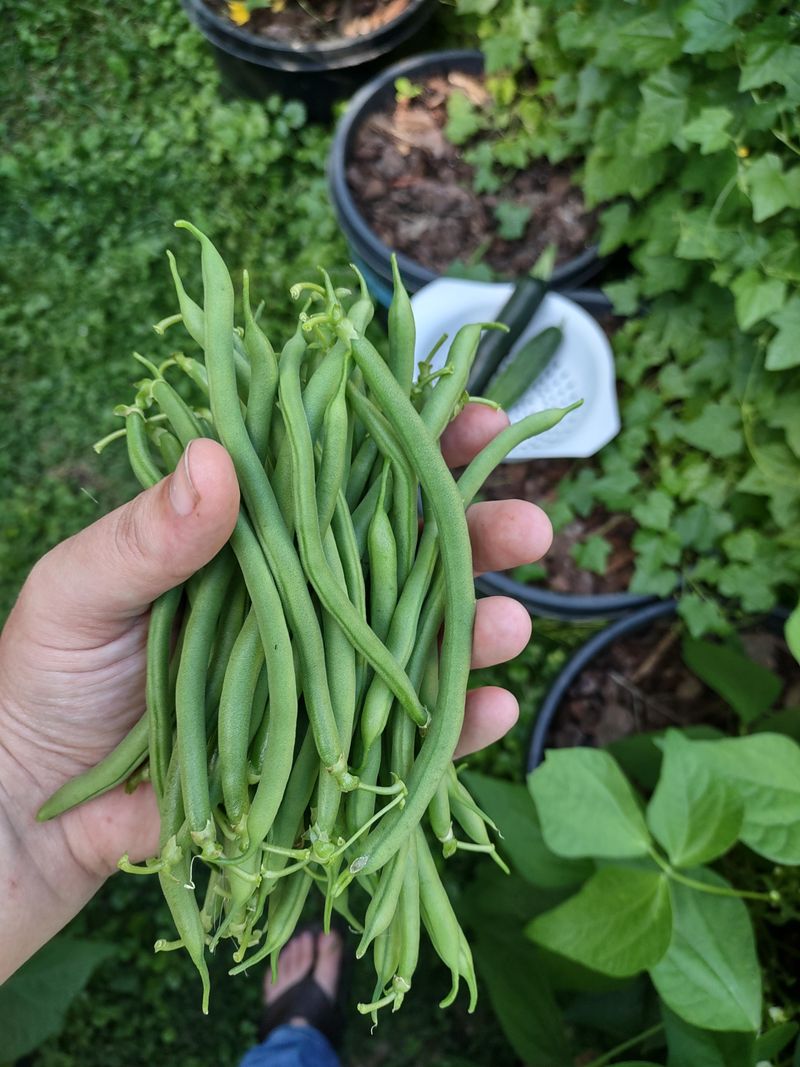
Bush beans are as straightforward as gardening gets. No trellises, no complicated spacing, no fuss.
You put the seeds in the ground and within 50 to 60 days, you are snapping beans for dinner. May planting in Georgia gives them warm soil and long days, which is exactly what they need to take off quickly.
Sow seeds about an inch deep and three to four inches apart in rows. Bush beans do not need much fertilizer, especially if your soil already has decent organic matter.
Too much nitrogen pushes leaf growth at the expense of pods, so hold back on heavy feeding. A light application of balanced fertilizer at planting is usually enough.
Water regularly but avoid getting foliage wet when possible. Wet leaves in Georgia’s humid conditions invite fungal problems.
Soaker hoses or drip irrigation work much better than overhead watering for beans. Keep soil consistently moist but not waterlogged, especially during flowering.
One of the smartest moves Georgia gardeners make is succession planting bush beans every two to three weeks through May and into early June. Each planting gives you a fresh harvest window a few weeks apart, stretching your bean season well into summer.
Popular varieties like Provider, Contender, and Blue Lake 274 all do well in Georgia’s heat and humidity. Pick pods before they get tough for the best eating quality.
7. Peppers Thrive Once Soil And Air Temperatures Rise
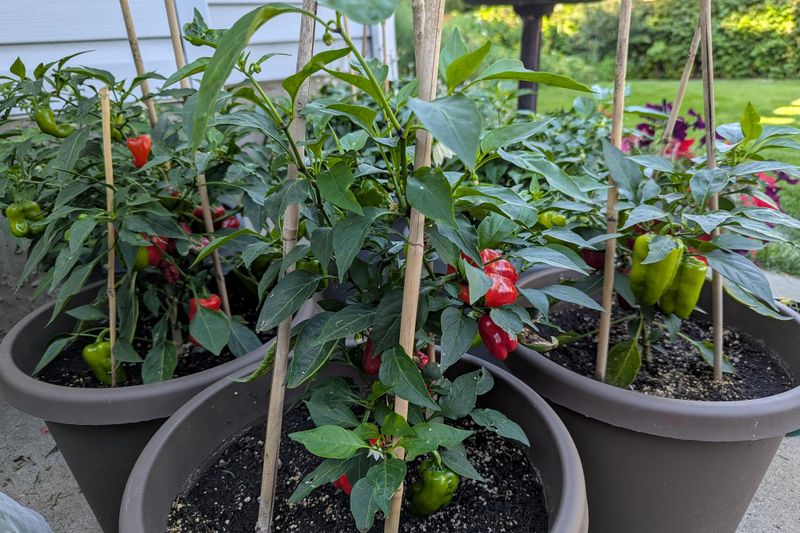
Peppers are slow starters, but once Georgia’s heat kicks in, they turn into some of the most productive plants in the garden. May is the sweet spot for transplanting pepper seedlings because the soil has warmed and nighttime temperatures have settled above 55 degrees, which peppers absolutely need to grow well.
Set transplants about 18 inches apart in full sun. Peppers prefer well-drained soil with a slightly acidic pH, somewhere between 6.0 and 6.8.
If your Georgia garden bed runs heavy and wet, raised beds make a big difference. Peppers planted in waterlogged soil stall out and rarely catch up.
Consistent watering matters more with peppers than most gardeners realize. Irregular moisture causes a condition called blossom end rot, where the bottom of the fruit turns dark and sunken.
Mulching heavily around plants helps keep soil moisture even through Georgia’s unpredictable summer rain patterns.
Calcium deficiency can also contribute to blossom end rot, so a soil test before planting is worth doing. Peppers do not need heavy feeding, but a balanced fertilizer at transplanting and again when fruit starts setting keeps plants healthy.
Both sweet bell peppers and hot varieties like jalapeños, cayennes, and banana peppers perform well in Georgia through the entire summer season.
8. Eggplant Loves Heat And Produces Through Summer
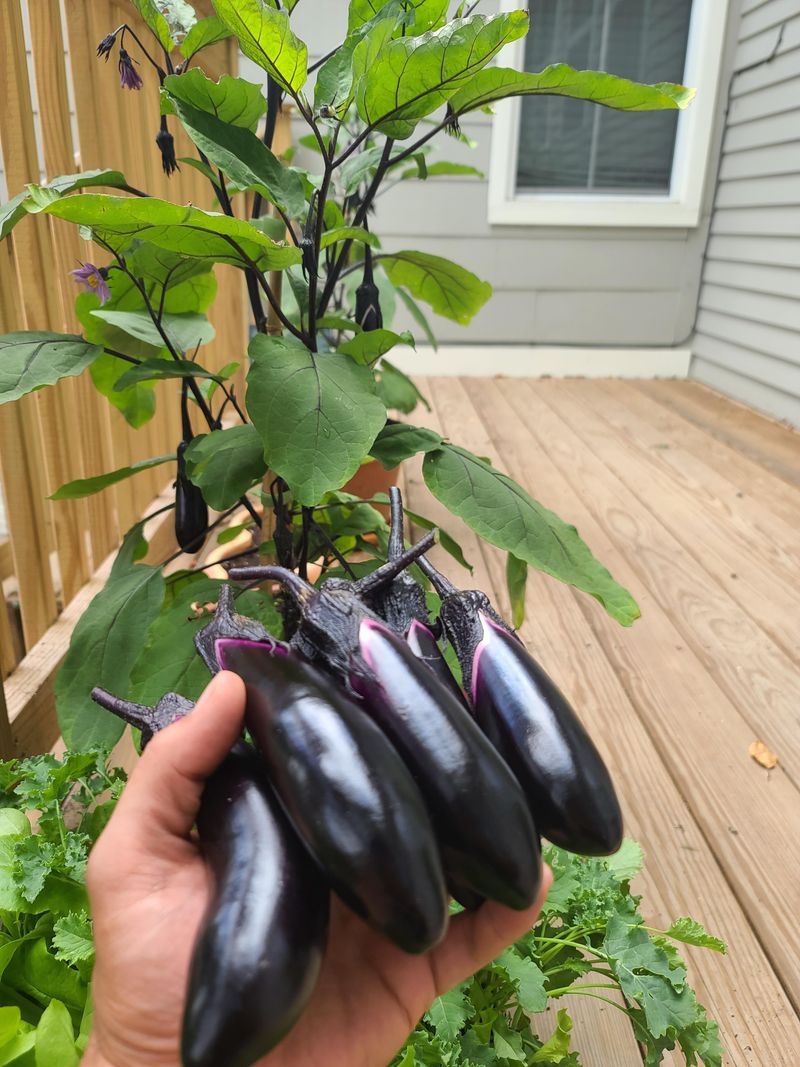
Eggplant is one of those vegetables that actually gets better as the Georgia summer heats up. While cool-season crops are long finished by July, eggplant is hitting its stride.
May transplanting gives plants enough time to establish roots before the hottest stretch of summer arrives.
Set transplants about 24 inches apart in full sun. Eggplant is a heavy feeder compared to some other summer vegetables, so working compost into the bed before planting and side-dressing with a balanced fertilizer once fruit sets helps maintain steady production.
Sandy soils common in south Georgia drain fast, so regular watering is especially important there.
Flea beetles are the most common pest problem for eggplant in Georgia. These tiny insects chew small holes in leaves and can seriously set back young transplants.
Row cover fabric over new plants for the first few weeks after planting provides good protection. Once plants are larger and established, they handle flea beetle damage much better.
Classic Italian varieties like Black Beauty and Ichiban do reliably well across Georgia. Harvest fruit when the skin is still glossy and firm.
Dull skin means the fruit is past its prime and seeds inside have hardened. Eggplant left on the plant too long also signals the plant to slow down production, so keep harvesting to keep new fruit coming all summer.