April Fruit Tree Care Tips For Florida Gardens
April has a way of making Florida gardens feel gloriously busy. One minute your fruit trees look calm, and the next they are covered in fresh leaves, blossoms, or tiny fruit that seems to appear overnight.
It is exciting, a little chaotic, and very Florida. The weather is warming up, spring growth is moving fast, and some yards start feeling dry just when trees are trying to put on their big seasonal show.
That can make April an important time to pay attention. A mango may be doing one thing, a peach another, and citrus likes to keep gardeners on their toes too.
Add in the fact that North Florida, Central Florida, and South Florida can look pretty different this time of year, and fruit tree care gets interesting fast.
A few smart moves in April can help your trees stay stronger, handle spring stress better, and keep that backyard harvest dream looking a lot more realistic.
1. Adjust Watering In Spring Dry Spells
Spring in Florida can fool even experienced gardeners. Temperatures rise quickly in April, and rainfall does not always keep up with how fast trees are growing and transpiring.
Dry stretches that show up between rain events can put real stress on fruit trees, especially those that are flowering or setting early fruit.
When soil moisture drops too low during this active growth period, young fruit can drop before it has a chance to develop. Trees may also show wilting leaves or slow growth as a sign that they are not getting enough water.
Checking the soil a few inches down is a reliable way to know whether watering is actually needed.
Established fruit trees in Florida often have deeper roots that can pull moisture from lower in the soil profile, but they still benefit from supplemental watering during prolonged dry spells.
Newly planted trees have shallower roots and need more consistent attention.
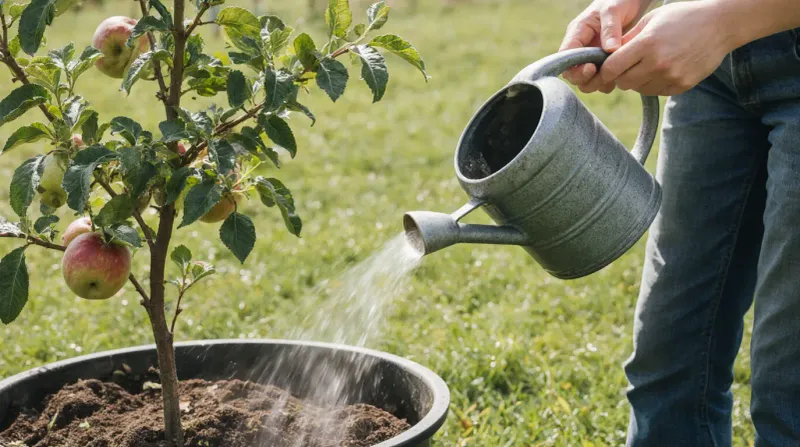
Watering deeply and less frequently encourages roots to grow downward rather than staying near the surface.
Drip irrigation or soaker hoses work well for fruit trees because they deliver water directly to the root zone without wetting the foliage. Wet leaves can invite fungal issues, especially as Florida humidity builds through spring.
Morning watering also gives any accidental leaf moisture time to dry off before temperatures cool in the evening.
2. Fertilize Based On Tree Type And Age
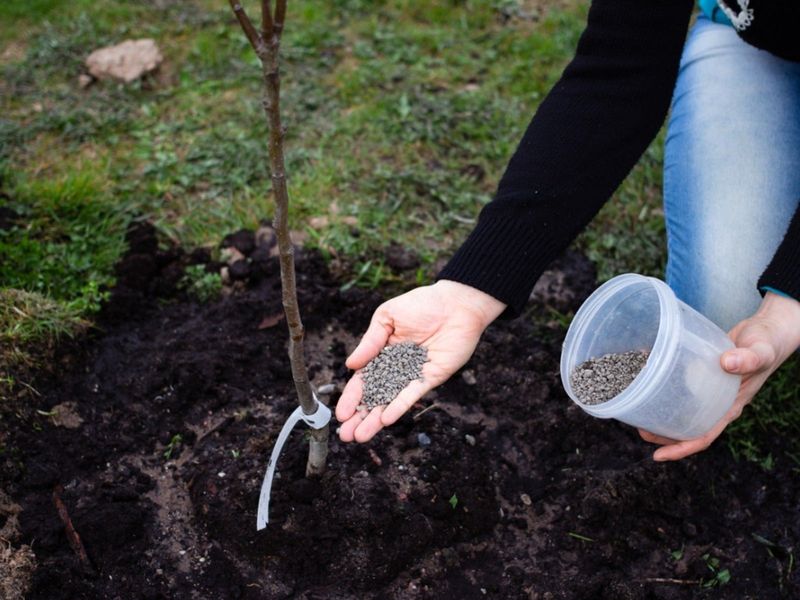
Fertilizing fruit trees in April is one of the most effective things a Florida gardener can do to support healthy growth and good fruit production.
April falls right in the middle of the spring flush, when many trees are actively pushing new leaves and developing flowers or small fruit.
Feeding trees at this stage gives them the nutrients they need to keep that momentum going.
Citrus trees in Florida generally respond well to a balanced fertilizer that includes nitrogen, phosphorus, potassium, and important micronutrients like magnesium and manganese.
Citrus-specific fertilizer blends are widely available and take the guesswork out of what to apply.
Your Florida Garden Changes Every Week. Your Plan Should Too.
Gardening in Florida changes quickly throughout the season. Every Friday you’ll receive a simple weekly plan showing exactly what to plant, prune, fertilize, harvest, and protect so you never miss the right timing.
Avocados and mangoes also benefit from spring feeding, though they tend to prefer fertilizers with lower phosphorus levels.
The age of the tree matters quite a bit when deciding how much to apply. Young trees that were planted within the last year or two need smaller, more frequent applications to avoid root burn and nutrient overload.
Older, established trees can handle a larger application spread out over the root zone rather than concentrated near the trunk.
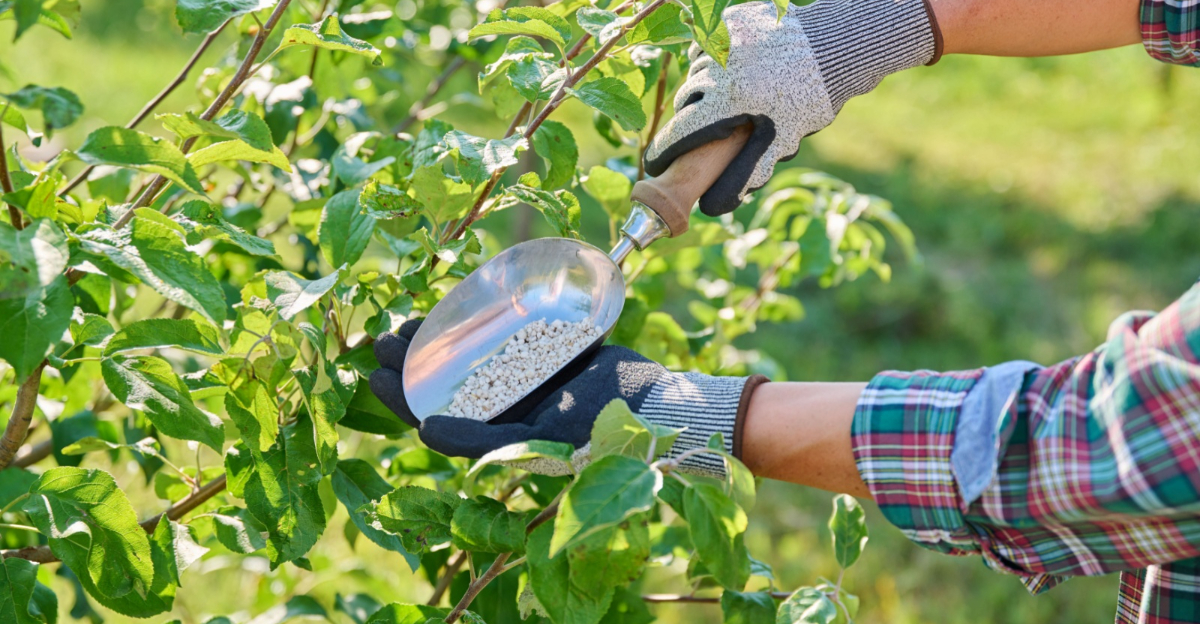
Slow-release granular fertilizers are a practical choice for most home gardeners because they feed trees gradually over several weeks.
Always water the fertilizer in after applying to help move nutrients into the root zone and reduce the chance of burning surface roots or nearby grass.
3. Refresh Mulch The Right Way
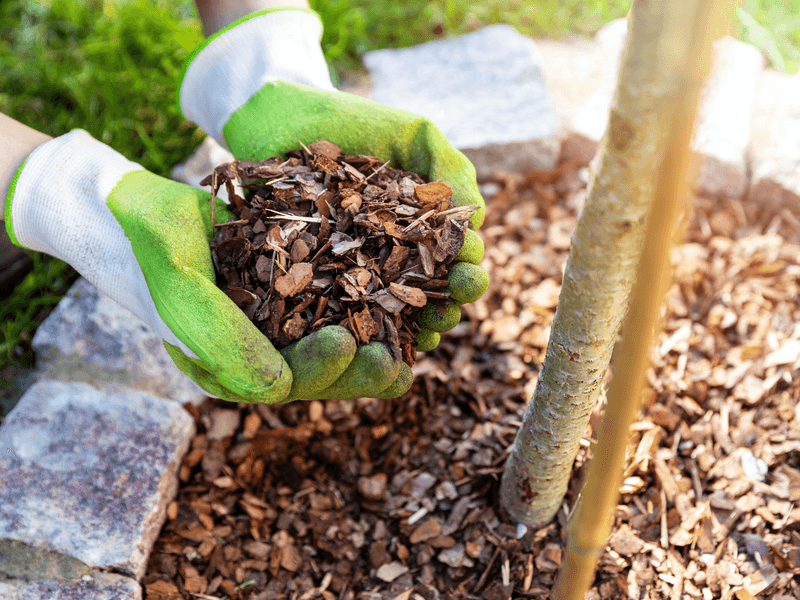
Mulch breaks down over time, and by April, whatever was laid down in fall or winter may be thin, compacted, or nearly gone. Refreshing the mulch layer around fruit trees in spring is a simple step that pays off in several ways.
It helps hold soil moisture during dry spells, keeps soil temperatures more stable, and reduces weed competition that would otherwise steal water and nutrients from the tree.
Organic mulches like wood chips, pine bark, or shredded leaves work well around fruit trees in Florida. As they break down, they also add organic matter to the soil, which improves its structure and water-holding capacity over time.
A layer of about two to three inches is usually enough to get the benefits without causing problems.
One mistake that shows up often in Florida gardens is piling mulch directly against the trunk of the tree. This is sometimes called volcano mulching, and it can create a moist environment at the base of the trunk that encourages rot and pest issues.
Keeping the mulch pulled back a few inches from the trunk allows the bark to stay dry and breathe properly.
Spreading the mulch out to the drip line of the tree, or even a little beyond, covers more of the root zone and gives the tree better overall benefit.
Fruit trees with a wider mulch ring tend to show healthier growth and better fruit development through the warmer months ahead.
4. Skip Heavy Pruning In April
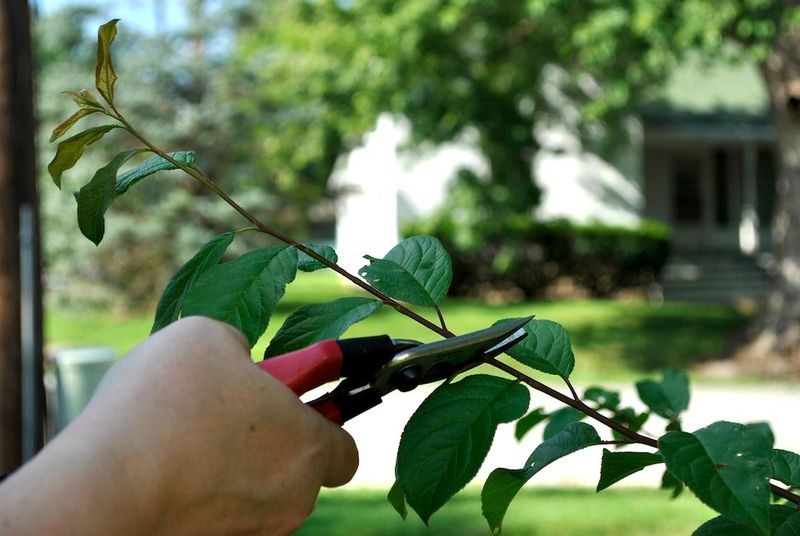
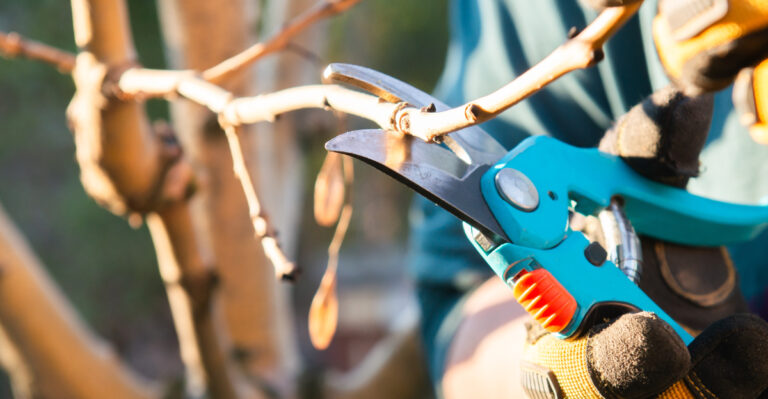
Pruning habits can make a real difference in how well a fruit tree performs, and April is generally not the right time for heavy cutting in Florida. Many fruit trees are either flowering, setting fruit, or pushing vigorous new growth during this month.
Removing large amounts of growth at this stage can disrupt the tree’s energy and reduce the fruit crop that was already in progress.
Light pruning is a different story. Removing damaged branches, crossing limbs, or any growth that looks diseased is reasonable to do at any time of year.
These small corrections help improve airflow through the canopy and remove potential entry points for pests and pathogens without setting the tree back.
Citrus trees in Florida are especially sensitive to heavy pruning during active growth periods. Hard cuts can stimulate a flush of vigorous but unproductive water sprouts that take energy away from fruit development.
Waiting until after harvest, when the tree is in a less active phase, is a more reliable approach for any major shaping or size reduction.
Tropical fruit trees like mangoes and avocados follow their own pruning timing, and April may fall during a critical flowering or fruiting window for these trees depending on the variety and location.
Observing what the tree is doing before reaching for the pruning shears is always a smart starting point.
Patience with pruning in spring tends to reward Florida gardeners with better fruit sets later in the season.
5. Give New Trees Extra Care
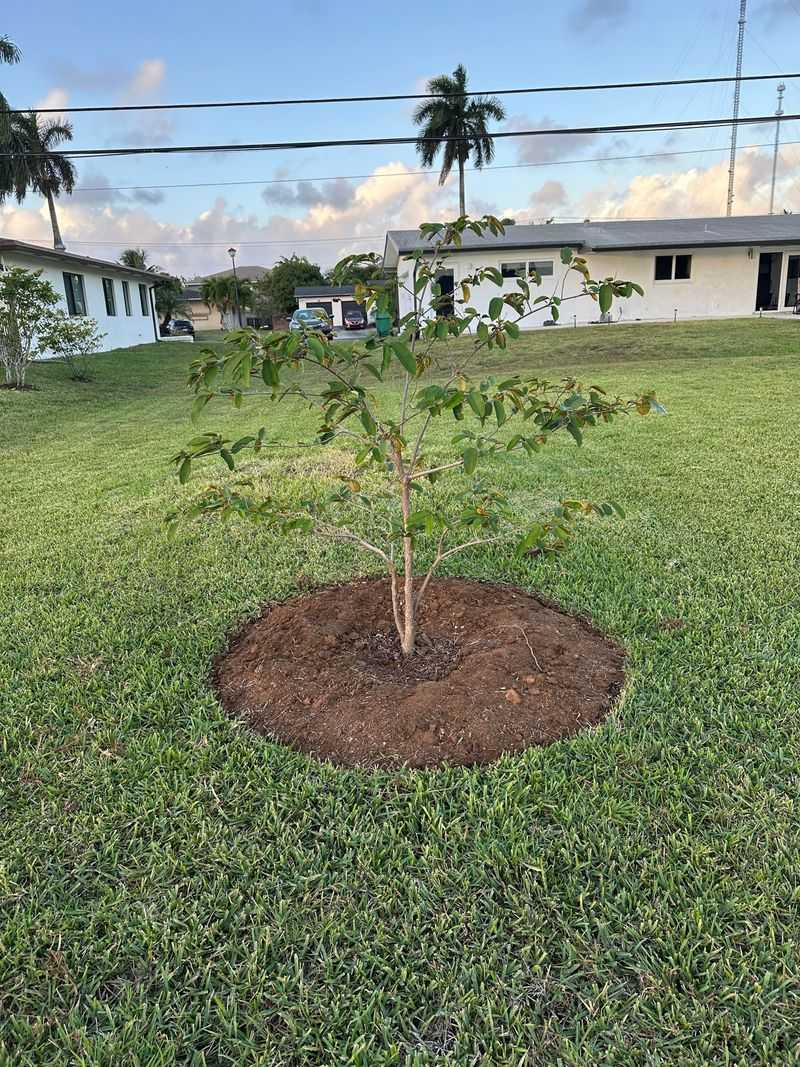
A fruit tree that was planted in the last six to twelve months is still getting established, and April can be one of its more challenging months in Florida. Warm temperatures, occasional dry stretches, and the energy demands of new growth all come together at once.
Without consistent attention, a young tree can fall behind quickly during spring.
Root development is the most important thing happening underground during this early stage. The tree is working to extend its root system into the surrounding soil, and that process depends heavily on having reliable moisture available.
Letting the soil dry out too much or too often during spring can slow root growth and leave the tree struggling to support the new leaves and shoots it is trying to push.
Young trees also have less stored energy than mature trees, which means they are more vulnerable to stress from pests, disease, or nutrient gaps. Checking in on newly planted trees every few days in April is a reasonable habit.
Looking at the leaves for signs of yellowing, wilting, or unusual spots can catch problems early before they become harder to manage.
Fertilizing new trees should be done carefully and with lighter rates than established trees would receive. Too much fertilizer on a young root system can cause more harm than good.
Slow-release products applied in small amounts work well for new trees in Florida and support steady, healthy growth without overwhelming the developing roots.
6. Watch For Spring Pests
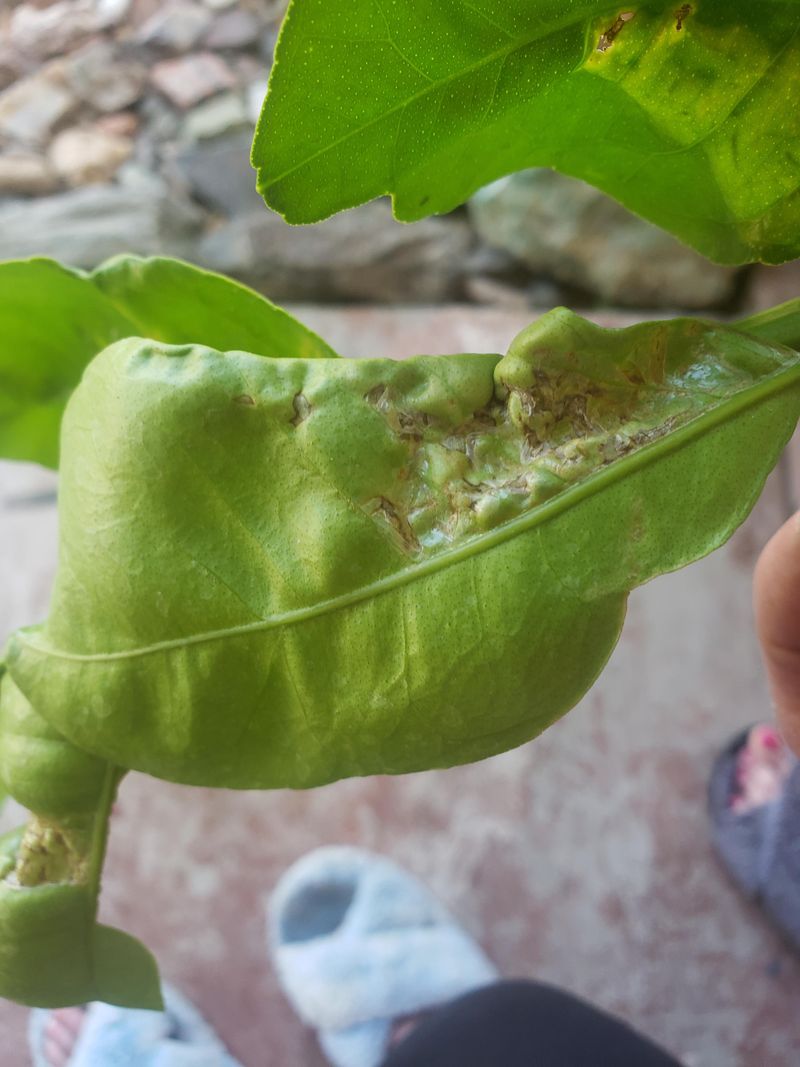
Warm spring temperatures in Florida bring out more than just new tree growth. Pest populations tend to build up quickly once the weather shifts, and April is often when gardeners start noticing the first signs of insect activity on their fruit trees.
Catching pest problems early makes management much more manageable than dealing with a full infestation later.
Citrus trees are frequently targeted by pests like citrus leafminer, Asian citrus psyllid, and various scale insects. The citrus leafminer attacks new leaf flushes, leaving behind silvery, winding trails in the leaf tissue.
Scale insects often cluster on stems and the undersides of leaves, where they feed on plant sap and can weaken the tree over time if populations go unchecked.
Mango trees may attract mango seed weevils or various caterpillars that feed on new foliage during spring flushes. Avocado trees can be affected by mites and thrips, especially during dry conditions when natural predator populations are lower.
Peach trees in North and Central Florida often face borers and aphids as temperatures warm in April.
Walking through the garden and flipping leaves over to check undersides is one of the most effective monitoring habits a home gardener can develop.
Horticultural oils and insecticidal soaps are low-impact options that work well for many soft-bodied pests on fruit trees.
Applying treatments in the early morning or evening reduces the chance of leaf burn in Florida’s strong spring sunshine.
7. Check For Early Disease Problems
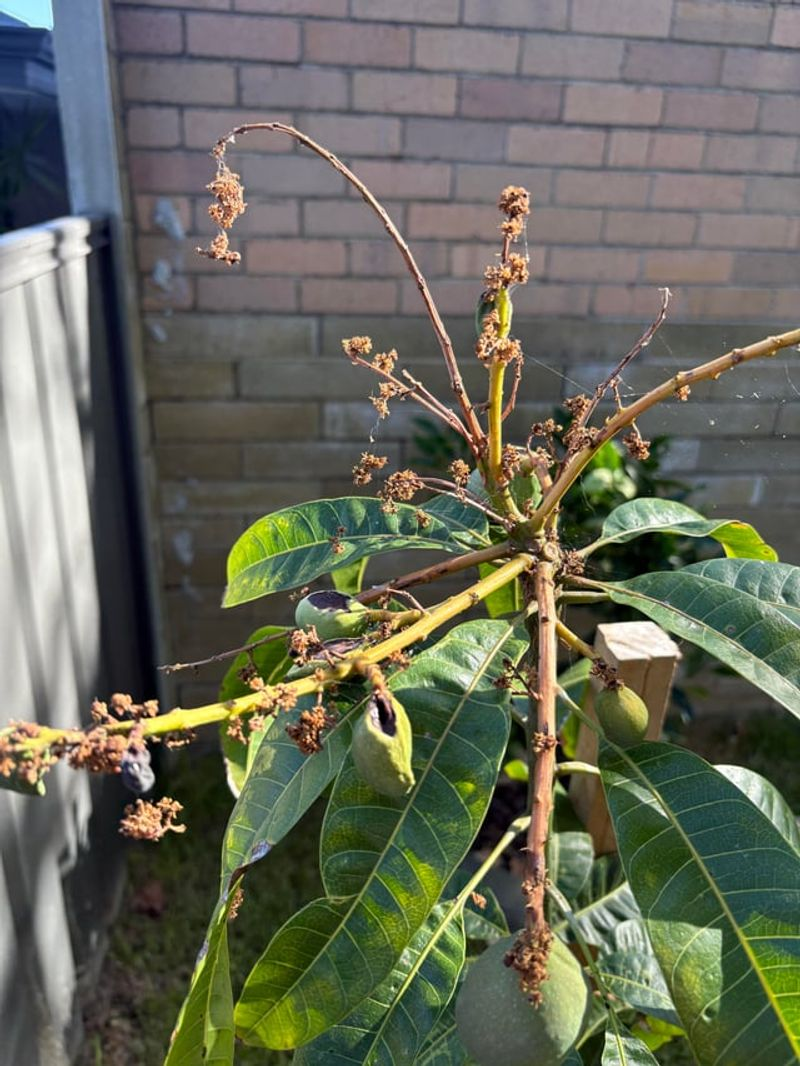
Disease pressure on fruit trees in Florida tends to build through spring as humidity levels rise and trees push out tender new growth that is more vulnerable to fungal and bacterial pathogens.
April is a good time to start paying close attention because catching problems early can prevent them from spreading and becoming much harder to manage by summer.
Greasy spot is a common fungal disease that affects citrus trees in Florida. It shows up as yellowish-brown spots on the undersides of leaves and can cause significant leaf drop if left unmanaged.
The spores spread through rain splash and wind, so trees in areas with frequent wet weather may show symptoms earlier in the season.
Copper-based fungicides are often used to manage greasy spot and are most effective when applied before symptoms become widespread.
Mango trees in Florida can be affected by anthracnose, a fungal disease that causes dark, sunken spots on leaves, flowers, and developing fruit.
Humid, wet conditions during flowering are especially favorable for anthracnose development, which is why spring weather patterns matter so much for mango growers.
Avocado root rot caused by Phytophthora is another concern, particularly in areas with heavy clay soils or poor drainage. Trees showing yellowing leaves, slow growth, or sparse canopies in spring may be dealing with root issues rather than nutrient problems.
Improving drainage and avoiding overwatering are the most practical steps a home gardener can take to reduce this risk.
8. Care For Each Fruit Tree Differently
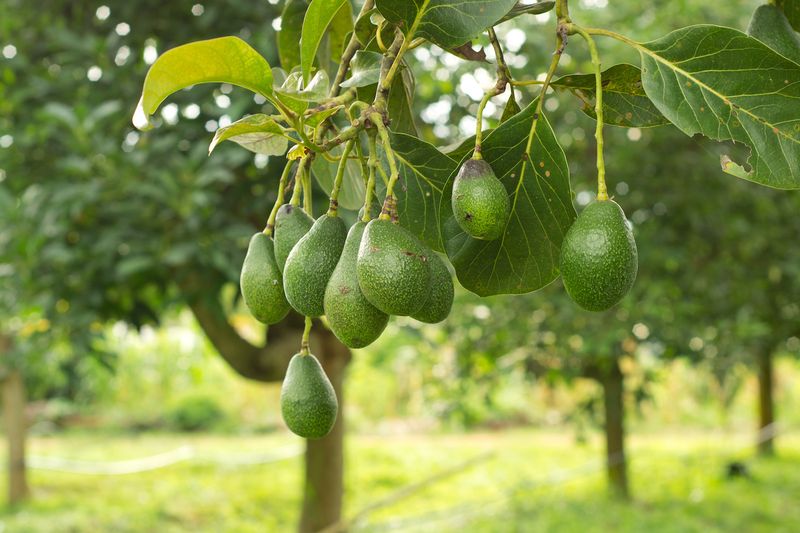
Not every fruit tree in a Florida garden follows the same schedule or responds to April conditions in the same way.
Citrus, deciduous fruit trees, and tropical fruit trees each have their own growth patterns, and understanding those differences helps gardeners make smarter decisions throughout the spring season.
Citrus trees in Florida are generally evergreen and may be in full bloom or early fruit set during April, depending on the variety and location.
Sweet oranges, grapefruits, and tangerines often bloom in late winter to early spring, and by April, small fruitlets may already be visible.
Keeping citrus trees well-watered and fed during this window supports fruit retention and reduces the chance of excessive fruit drop.
Deciduous fruit trees like peaches, plums, and persimmons behave differently. In North and Central Florida, these trees leaf out in late winter and may already have small developing fruit by April.
They benefit from consistent watering and light fertilization but generally need less intervention than tropical varieties at this time of year.
Tropical trees like mangoes, avocados, and lychees are often in the middle of their flowering or fruiting season in April, especially in South Florida.
These trees are sensitive to cold snaps that can still occasionally occur in Central and North Florida in early spring.
Monitoring local weather forecasts and being ready to protect tender new growth or developing fruit from unexpected temperature drops is a worthwhile habit for any Florida gardener growing tropical varieties.