Why Ohio Gardeners Who Prune Roses In May Get More Blooms By July

Ohio spring likes to keep gardeners guessing, but by May, rose bushes usually start putting on quite a show.
Fresh canes are stretching out, leaves are filling in fast, and those first buds make it very tempting to just stand back and admire the view for a minute.
Fair enough. Still, May is also the moment when a little attention can pay off in a big way later.
Many Ohio gardeners start snipping off spent blooms, trimming awkward stems, and shaping plants before summer growth really takes off.
That quick cleanup might not look dramatic at first, but repeat-blooming roses often respond with stronger regrowth and a better shot at more flowers by July.
Not bad for a few well-placed cuts. If your roses tend to look great early and then lose momentum, this part of the season may be doing more heavy lifting than you think.
1. Repeat-Blooming Roses Respond Well To May Pruning
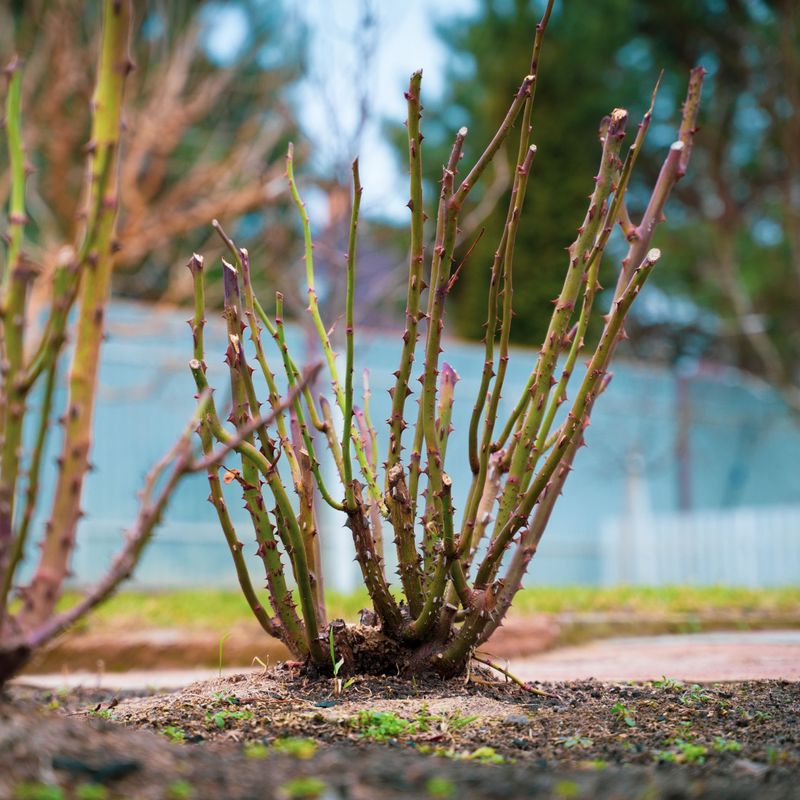
Some roses bloom once and call it a season, but repeat-blooming varieties follow a different pattern entirely.
These roses have a built-in cycle that allows them to produce new flower buds after each bloom period ends, which means what you do during and after the first flush of flowers can influence how well the plant performs through summer and into fall.
In Ohio, May is often when that first round of blooms wraps up or is just finishing its peak. For repeat-blooming shrub roses, hybrid teas, and many modern landscape roses, this timing lines up well with a light pruning session.
Removing spent flowers and trimming back a few inches of stem signals the plant to redirect its energy toward producing new growth rather than setting seed.
Gardeners who skip this step sometimes notice their roses slow down noticeably in June, with fewer buds forming and plants looking a bit ragged heading into summer.
A modest amount of pruning at the right moment can support the plant’s natural rebloom cycle without stressing it.
It helps to know which roses you are growing before reaching for the pruners. Once-blooming roses, like many old garden varieties, should not be cut back heavily in May since they bloom on older wood.
Repeat-blooming types, on the other hand, tend to respond well to this kind of encouragement, which is why May pruning has become a reliable habit for many Ohio home gardeners.
2. May Deadheading Can Speed Summer Rebloom
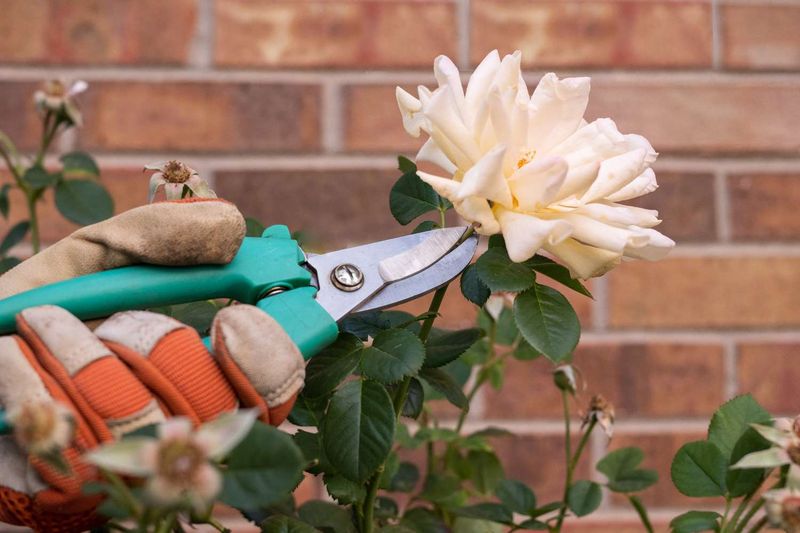
Deadheading sounds like a dramatic term, but it simply means removing flowers that have already bloomed and are beginning to fade.
For repeat-blooming roses, this one habit can make a meaningful difference in how quickly new buds form and how many flowers appear during the summer months in Ohio.
When a rose bloom fades and is left on the plant, the bush begins putting energy into forming a rose hip, which is essentially the seed pod. That process pulls resources away from producing new flower buds.
By removing spent blooms before the hip starts developing, you encourage the plant to move straight into its next growth cycle rather than pausing to set seed.
Your Ohio Garden Changes Every Week. Your Plan Should Too.
Gardening in Ohio changes quickly throughout the season. Every Friday you’ll receive a simple weekly plan showing exactly what to plant, prune, fertilize, harvest, and protect so you never miss the right timing.
In Ohio, where June can bring warm temperatures fairly quickly after a mild May, roses that have been deadheaded regularly often show new bud development within a few weeks.
Gardeners sometimes notice tight new buds appearing along the upper canes within two to three weeks of a good deadheading session, though timing can vary by variety and growing conditions.
The technique matters too. Rather than just snapping off the flower head, cutting back to just above the first set of five leaflets encourages stronger new growth from a more productive part of the cane.
Keeping your pruners clean and sharp reduces the chance of introducing disease to fresh cuts. A small habit practiced consistently through May and early June can add up to noticeably more color in Ohio gardens by midsummer.
3. Outward-Facing Cuts Can Improve Results
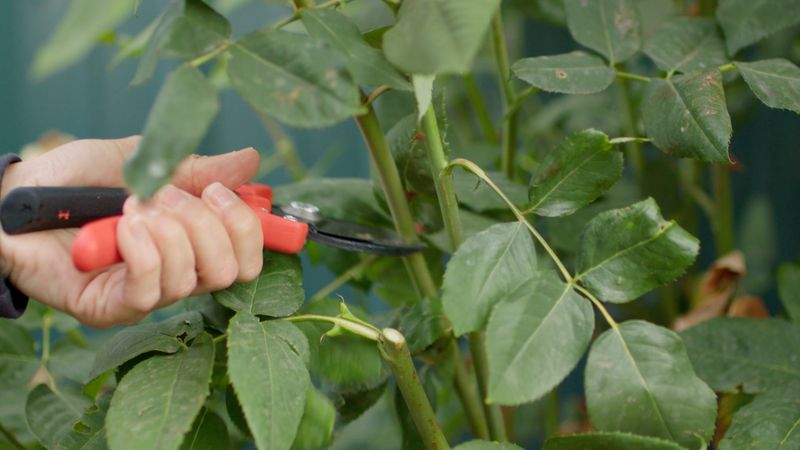
Where you make the cut on a rose cane matters more than most beginners expect. Experienced Ohio gardeners often talk about cutting just above an outward-facing bud, and there is a practical reason behind that advice.
New growth tends to emerge in the direction the bud is pointing, so choosing an outward-facing bud encourages canes to grow away from the center of the plant.
When new canes grow outward rather than crossing through the middle of the bush, the overall shape stays more open. An open shape means better light penetration into the plant and less crowding between branches.
Both of those factors support healthier growth and can contribute to more flower production as the season moves into summer.
The cut itself should be made at a slight angle, sloping away from the bud. This helps water run off the cut surface rather than sitting on it, which lowers the risk of moisture-related issues on the exposed stem.
A clean, angled cut just above an outward-facing bud is a small detail that tends to produce noticeably better results over time.
Ohio gardeners growing shrub roses, hybrid teas, or climbing roses that rebloom will find this technique useful across different plant types. It does not require special tools, just a sharp pair of bypass pruners and a moment to look at the cane before cutting.
Paying attention to bud direction during May pruning sessions can lead to a more balanced plant shape and a better flower display by July.
4. Better Airflow Supports Healthier Growth
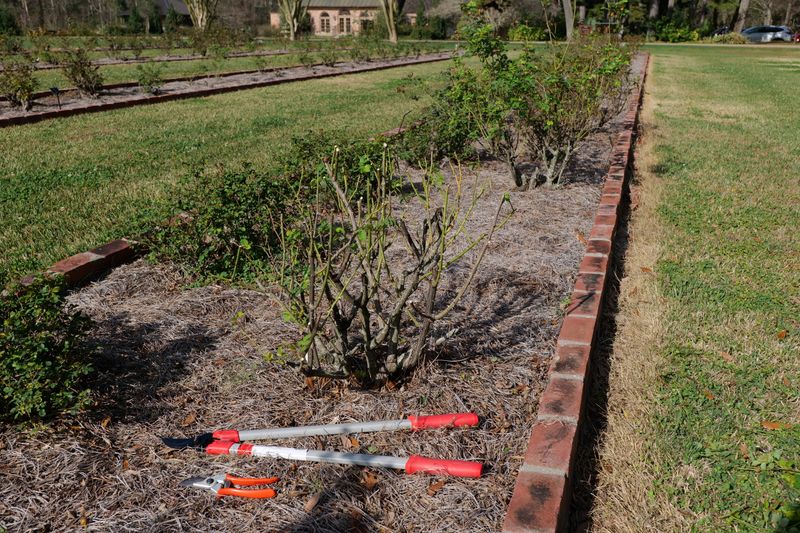
Crowded rose bushes struggle in ways that are easy to overlook until problems become visible.
When canes cross over each other and foliage presses together without much space between branches, air movement through the plant slows down significantly.
That kind of environment can encourage fungal issues like black spot and powdery mildew, both of which are common complaints among Ohio rose growers during humid summer months.
Light pruning in May that opens up the center of the bush can help address this before summer heat and humidity arrive.
Removing a few crossing canes or trimming back growth that is heading inward rather than outward gives the remaining canes more breathing room.
Even modest improvements in airflow can make a difference in how quickly leaves dry after rain or morning dew.
Ohio summers can bring stretches of warm, humid weather that favor fungal disease development on roses.
Gardeners who have dealt with repeated black spot problems sometimes find that improving plant shape and airflow in spring reduces how severe the issue becomes later in the season.
Healthy foliage also supports better photosynthesis, which feeds the plant’s ability to produce new buds and flowers.
Pruning for airflow does not mean cutting the plant back severely. Removing a handful of inward-growing or crossing canes, combined with general deadheading, is often enough to open up the structure meaningfully.
The goal is a plant with a reasonably open center where light and air can move through rather than getting trapped by dense overlapping growth.
5. Spent Blooms Can Slow Rebloom
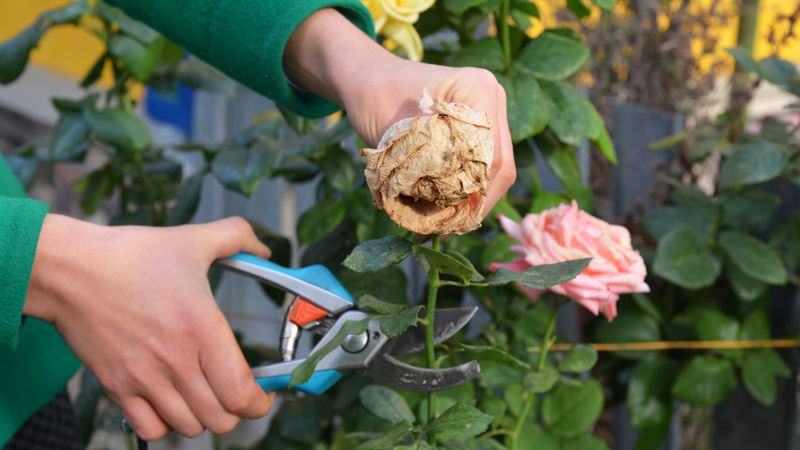
Faded rose blooms left on the plant are not just a visual issue. Once a flower passes its peak and starts to wither, the plant shifts its attention toward forming a seed structure at the base of that bloom.
That shift in energy is completely natural, but for gardeners who want continuous flowering through summer, it can work against the goal.
Rose hips, the small fruit-like structures that form after blooms fade, represent a significant investment of plant resources. Varieties that are allowed to set hips freely will often slow their flower production noticeably, especially on repeat-blooming types.
Removing spent blooms before hips develop keeps the plant focused on vegetative growth and new bud formation instead.
In Ohio, where summer arrives relatively quickly after a mild May, staying on top of spent blooms during late spring can give repeat-blooming roses a meaningful head start.
Gardeners who check their plants every week or so and remove fading flowers tend to see new bud development moving along at a faster pace than plants that go several weeks without attention.
Not every rose variety responds the same way. Some modern shrub roses have been bred to be less focused on hip production, and a few varieties rebloom reasonably well even without regular deadheading.
But for most repeat-blooming roses in Ohio home gardens, removing spent blooms in May and keeping up with the habit through early summer is one of the more straightforward ways to support a stronger July flower display.
6. Ohio Spring Timing Shapes Pruning Results
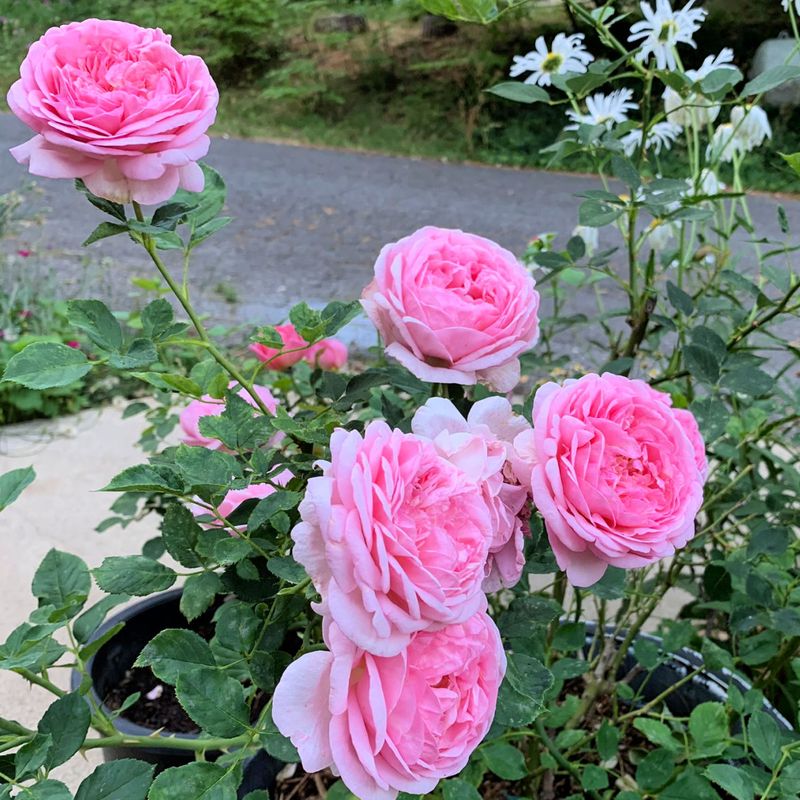
Spring in Ohio does not follow a strict schedule. Some years bring warm temperatures in early April while other years keep things cool and unsettled well into May.
That variability affects when roses break dormancy, how fast new growth develops, and ultimately when the best window for light pruning or deadheading arrives in a given season.
By mid to late May in most parts of Ohio, roses have typically pushed out enough new growth to make pruning decisions clearer.
The first flush of buds is often visible or already opening, which gives gardeners a good sense of which canes are productive and which ones might benefit from trimming.
Waiting until this point, rather than pruning too early when plants are still waking up, tends to produce better results.
Ohio’s location in the Midwest also means that summer heat can build fairly quickly once June arrives.
Roses that receive timely pruning and deadheading in May often have enough time to push out new growth and set new buds before the hottest stretch of summer.
That timing is part of why May pruning connects so directly to July bloom performance for many Ohio gardeners.
Local conditions like soil warmth, recent rainfall, and the specific microclimate of a given yard can all shift the ideal pruning window slightly.
Paying attention to what the plants are actually doing, rather than following a fixed calendar date, helps Ohio gardeners make pruning decisions that match their specific spring conditions rather than a general rule that may not fit every year.
7. The Right May Pruning Supports New Blooms
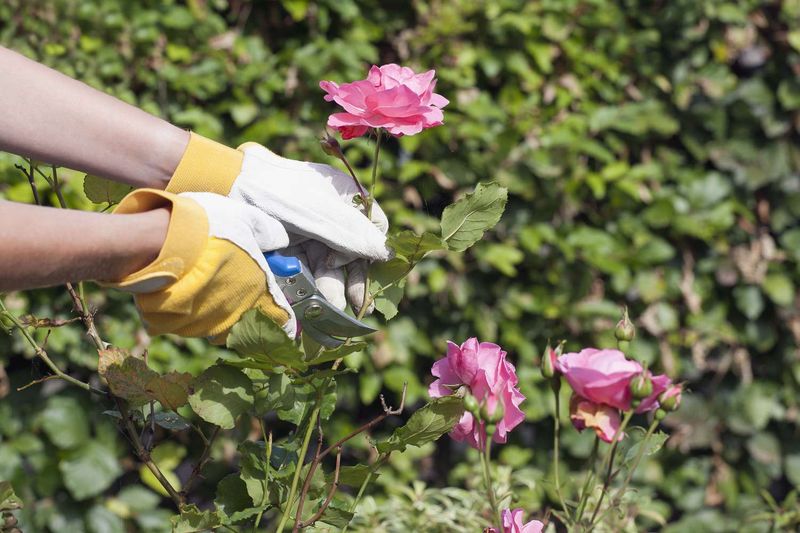
Pulling together everything that goes into a good May pruning session starts with understanding what you are actually trying to accomplish. The goal is not to reshape the entire plant from scratch or cut it back dramatically.
For most repeat-blooming roses in Ohio home gardens, May pruning is more about guiding the plant toward its next bloom cycle than about any major structural change.
Light trimming, deadheading spent flowers, removing crossing or inward-growing canes, and cutting just above healthy outward-facing buds are the core actions that tend to make the most difference.
Done together during a single May session, these steps can noticeably improve how a plant looks, how it grows through June, and how many flowers it produces heading into July.
Keeping tools clean is a detail worth taking seriously. Wiping pruner blades with a diluted bleach solution or rubbing alcohol between plants helps avoid spreading fungal spores or bacterial issues from one rose to another.
Sharp blades make cleaner cuts that heal more efficiently than ragged ones made with dull tools.
Ohio gardeners who build this kind of May routine into their spring garden schedule often find that their repeat-blooming roses reward the effort noticeably.
Fuller plants, more evenly distributed blooms, and better overall plant health through the summer months are the kinds of results that show up gradually but consistently.
May pruning is not a guaranteed fix for every rose challenge, but as a seasonal habit, it supports the kind of healthy growth that leads to a more colorful July garden.