Pennsylvania Flowers That Are Surprisingly Easy To Start In May
May is finally here, and in Pennsylvania, that means we can officially stop side-eyeing the thermometer every five minutes. The soil is cozy, the frost is packing its bags, and the sun is actually staying awake long enough to get some work done.
If you spent all winter moping because you forgot to start seeds in your basement back in February, I have some great news for you. You are definitely not behind!
Pennsylvania gardens are prime real estate for flowers that love being tossed straight into the dirt once the weather settles down. You can skip the messy indoor trays and head right to your sunny backyard beds or patio pots.
Plenty of gorgeous varieties thrive when they hit the ground running during these long May days.
These easygoing plants are perfect for everyone, from seasoned pros to people who usually struggle to keep a plastic cactus alive.
1. Zinnias Fill Beds With Bright, Easy Color
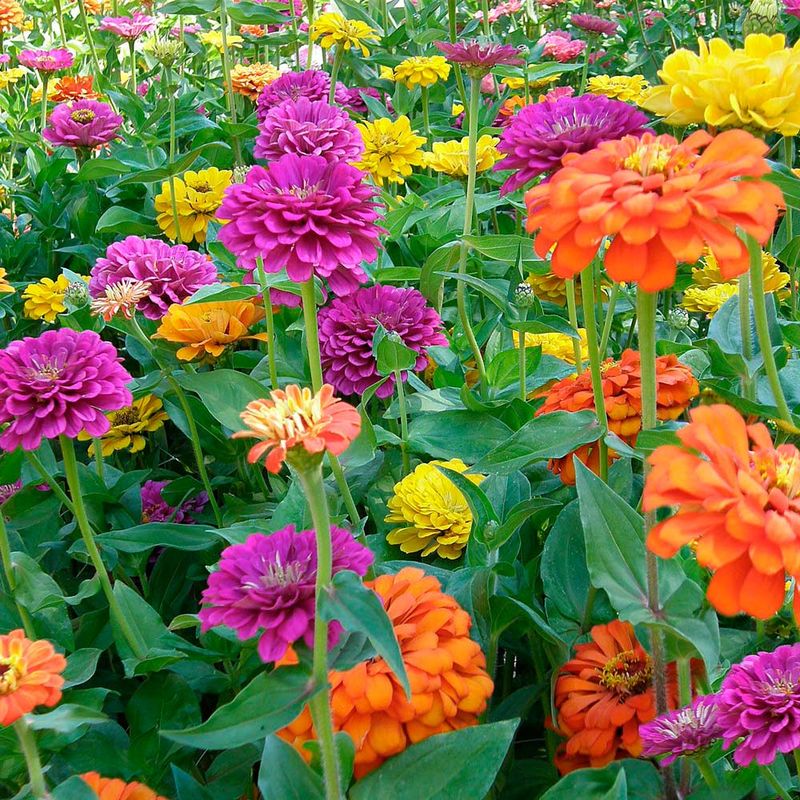
Warm soil and full sun are basically an open invitation for zinnias, and Pennsylvania gardens in May offer both.
These cheerful annuals are one of the most rewarding flowers a home gardener can grow from seed, largely because they sprout quickly and start producing blooms without much fuss.
Sowing zinnia seeds directly into a prepared garden bed once nighttime temperatures stay consistently above 50 degrees Fahrenheit tends to work well across much of Pennsylvania by mid-May.
Zinnias come in an almost dizzying range of colors, from deep red and bright orange to soft salmon and creamy white. Gardeners can choose compact varieties that stay low in borders or taller types that make excellent cut flowers for indoor arrangements.
Either way, these plants tend to reward regular deadheading with a steady stream of new blooms from midsummer through fall.
One thing Pennsylvania gardeners often appreciate about zinnias is how forgiving they are during the early weeks of growth. They do not need particularly rich soil, though decent drainage helps.
Spacing seeds about six to eight inches apart gives plants room to fill out without crowding. Once established, zinnias handle summer heat well, making them a solid choice for those sunny Pennsylvania beds that can get quite warm by July.
Few flowers offer this kind of colorful return for such minimal effort at planting time.
2. Sunflowers Bring Tall Stems And Bold Summer Color
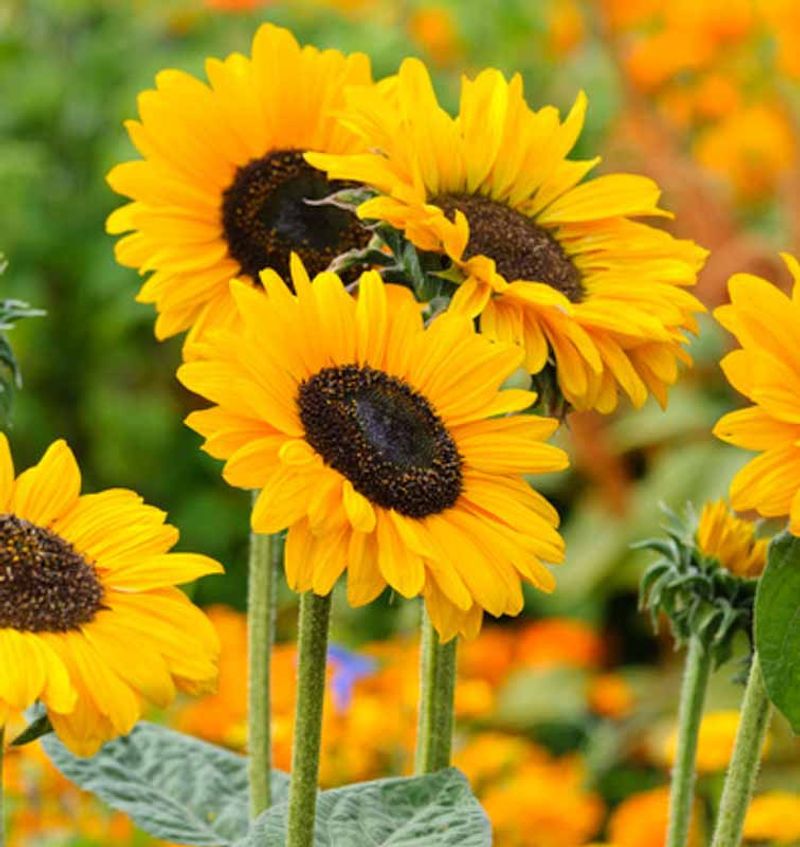
Few garden plants spark as much excitement as a sunflower pushing up through freshly warmed Pennsylvania soil.
Planting sunflower seeds directly in the garden during May is genuinely one of the easier gardening moves a person can make, and the payoff by midsummer is hard to beat.
These seeds prefer to be sown where they will grow rather than transplanted, which actually makes May direct sowing a great fit for Pennsylvania gardens once frost risk has passed.
Sunflowers thrive in full sun and well-drained soil, and they are notably tolerant of the kind of dry stretches that sometimes hit Pennsylvania gardens in July and August.
Sowing seeds about an inch deep and giving taller varieties at least a foot of spacing gives each plant room to develop a strong root system.
Your Pennsylvania Garden Changes Every Week. Your Plan Should Too.
Gardening in Pennsylvania changes quickly throughout the season. Every Friday you’ll receive a simple weekly plan showing exactly what to plant, prune, fertilize, harvest, and protect so you never miss the right timing.
Dwarf varieties work well in containers or along the front of a border, while standard types can reach six feet or more and create a striking backdrop in any yard.
One aspect of sunflowers that many gardeners find particularly satisfying is how quickly the seedlings emerge, often within a week or two of planting.
Watching a sunflower go from a seed in the ground to a towering bloom in a matter of weeks makes this plant especially appealing for newer gardeners.
Beyond the visual impact, sunflowers attract bees and other pollinators, adding real ecological value to Pennsylvania home gardens throughout the summer season.
3. Marigolds Add Classic Blooms And Simple Garden Charm
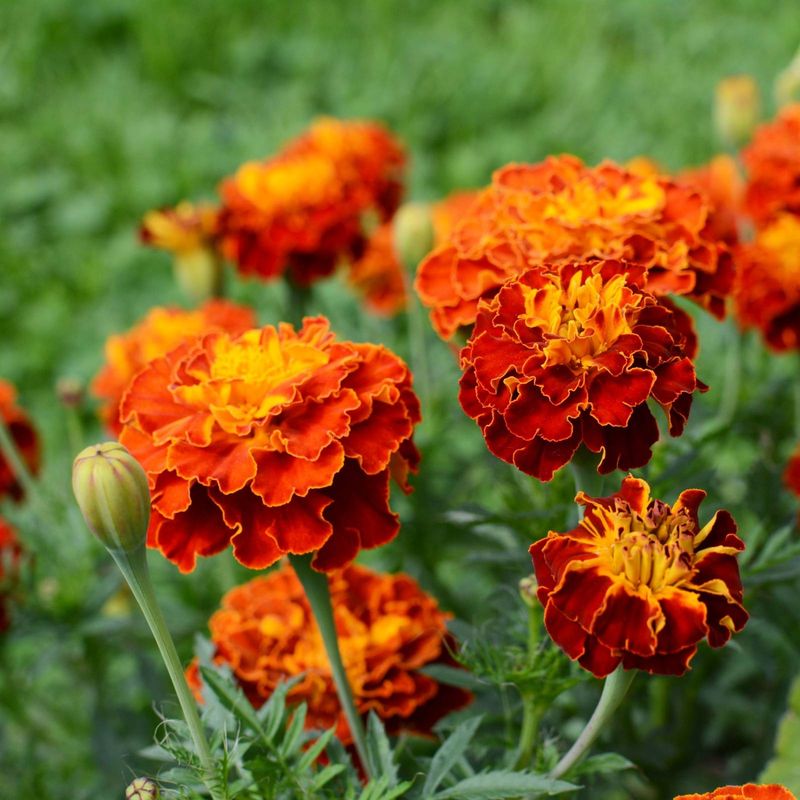
Marigolds have been a staple in American home gardens for generations, and their reputation for being easy to grow is well earned.
In Pennsylvania, May is a natural time to get marigold seeds or transplants into the ground, especially once the last frost has passed for your particular region of the state.
Gardeners in the northern parts of Pennsylvania may want to keep a close eye on overnight temperatures a little longer before committing, but much of the state is ready for marigolds by early to mid-May.
These plants ask for very little in return for their consistent blooming.
Full sun, reasonable soil, and occasional watering during dry spells are about all they need to keep producing those familiar pom-pom shaped flowers from early summer right through the first frost of fall.
The French and African varieties are both widely available at Pennsylvania nurseries in May, with French types staying more compact and African varieties growing larger and bolder.
Beyond their cheerful color, marigolds are often planted near vegetables because some gardeners believe their scent discourages certain insects from settling in nearby beds.
Whether or not that holds up in every garden situation, marigolds undeniably add a warm, familiar beauty to borders and containers alike.
Their long bloom season and low-maintenance nature make them one of the most practical flowers a Pennsylvania gardener can reach for when the May planting urge kicks in.
4. Cosmos Bring Soft Color And Airy Garden Movement
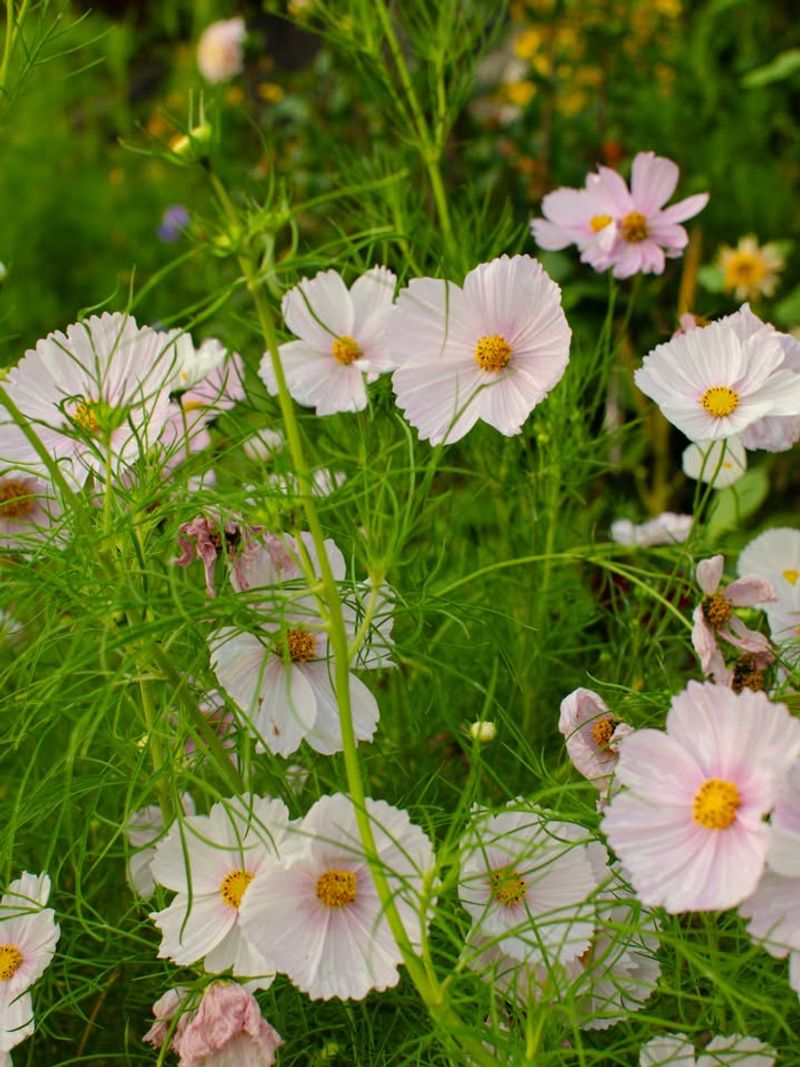
Cosmos have a kind of effortless elegance that feels almost too easy to achieve given how little effort they actually require.
Sowing cosmos seeds directly in a sunny Pennsylvania garden bed in May tends to produce results that look far more intentional than the planting process would suggest.
These tall, wispy annuals grow quickly in warm soil and begin blooming by midsummer, filling beds and borders with soft, daisy-like flowers that move beautifully in a breeze.
One of the most appealing things about cosmos is that they actually perform better in poorer soils.
Overly rich or heavily fertilized ground tends to push cosmos toward leafy growth at the expense of flowers, so Pennsylvania gardeners with average or even slightly sandy soil may find these plants especially rewarding.
Spacing seeds about twelve inches apart and giving them a sunny spot with good drainage is really the main recipe for success.
Cosmos come in shades of pink, white, magenta, and soft lavender, and the flowers attract butterflies and bees with real consistency throughout the summer.
They blend naturally with other garden plants without overpowering them, which makes them a thoughtful choice for mixed borders.
Taller varieties may benefit from light staking in windier spots, but in sheltered Pennsylvania gardens they often hold up on their own. Few annuals offer this combination of visual softness and genuine ease of care when started from seed in May.
5. Nasturtiums Add Bright Flowers And Trailing Growth
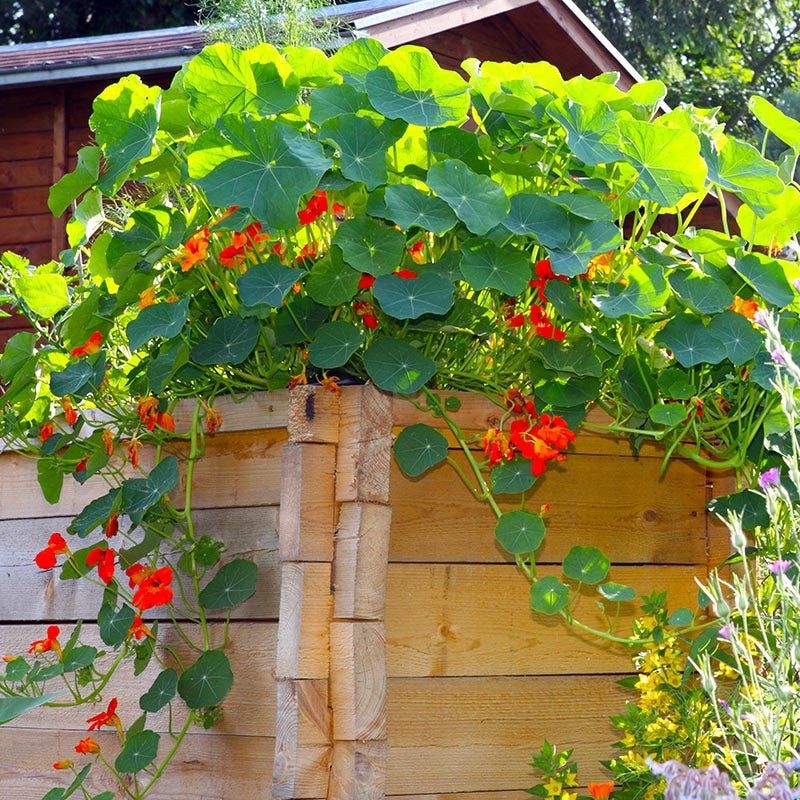
Nasturtiums are the kind of flower that rewards a gardener almost immediately for very little effort, which makes them a natural fit for Pennsylvania gardens in May.
These seeds do best when sown directly into the ground rather than started indoors and transplanted, and May soil temperatures across much of Pennsylvania are just right for encouraging quick germination.
Within a week or two of planting, little round seedlings typically push up through the soil with a satisfying confidence.
The trailing habit of nasturtiums makes them especially versatile in home gardens. They spill beautifully over the edges of containers, hang over raised bed walls, and wind their way along the front of sunny borders.
Both climbing and compact varieties are widely available, giving Pennsylvania gardeners flexibility depending on the space they are working with. The flowers come in warm shades of orange, yellow, and red, with some varieties offering a softer cream tone.
What many people find surprising about nasturtiums is that the entire plant is edible. The flowers and leaves carry a peppery flavor that works well in salads, and some home cooks enjoy using the blooms as a colorful garnish.
Beyond the kitchen novelty, nasturtiums genuinely attract pollinators and add a lively, cottage-garden feel to any Pennsylvania backyard.
They tend to prefer lean soil and do not need heavy feeding, making them one of the more low-effort flowers a gardener can add to a May planting plan.
6. Lady In Red Salvia Brings Vivid Spikes And Pollinator Appeal
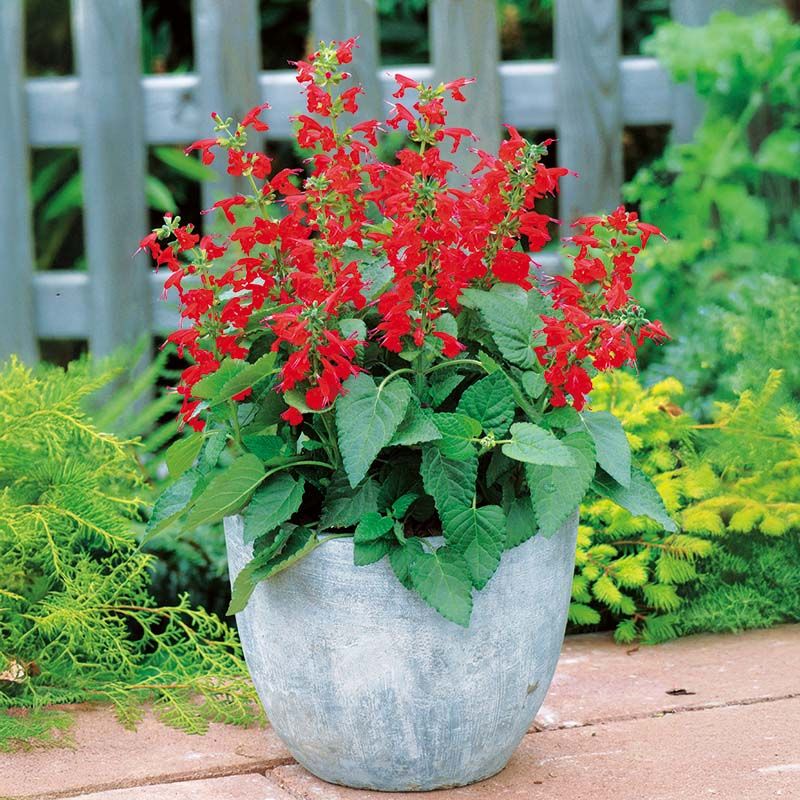
Gardeners who want to attract hummingbirds and bees to their Pennsylvania yard would be hard-pressed to find a more reliable choice than Lady in Red salvia.
This annual salvia variety produces slender, upright spikes covered in bright scarlet flowers that stand out sharply against green summer foliage.
Starting this plant from seed or transplant in May works well in Pennsylvania once warm temperatures have settled in and the risk of late frost has largely passed.
Lady in Red tends to prefer full sun but can manage in spots with light afternoon shade, which is useful in Pennsylvania gardens where some areas get blocked by trees or fences during part of the day.
The plant stays relatively compact compared to some salvia types, reaching around eighteen to twenty-four inches in height, which makes it a tidy fit for mid-border placement or container arrangements on a sunny deck or patio.
One of the most satisfying aspects of growing Lady in Red salvia is watching the pollinators respond to it.
Hummingbirds are drawn to the tubular red flowers with noticeable enthusiasm, and bees work the blooms steadily throughout the summer months.
Deadheading spent flower spikes encourages fresh growth and keeps the plant looking tidy through the season.
In a Pennsylvania garden, this salvia tends to bloom from early summer until frost, offering a long stretch of vivid color and genuine wildlife value in a single, easy-to-grow plant.
7. Calendula Offers Cheerful Blooms And Cottage Garden Color
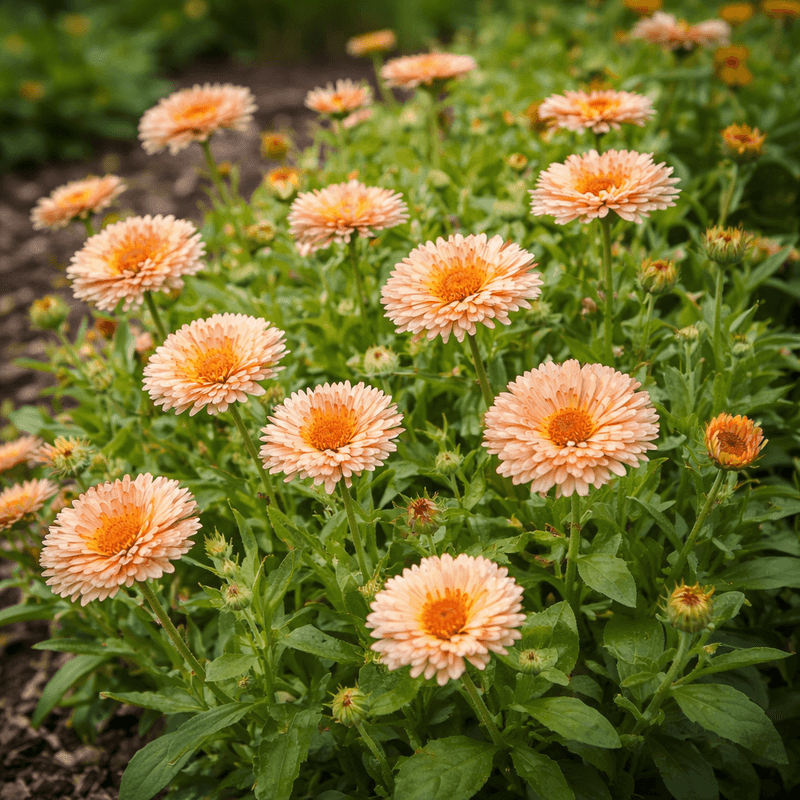
Calendula stands apart from most of the other easy annuals on this list because it actually enjoys cooler growing conditions, which makes it a particularly good match for Pennsylvania’s variable May weather.
While some warm-season flowers need fully settled heat to thrive, calendula can handle a light cool stretch without missing a beat.
Sowing seeds directly in the garden in early May, even when nights are still a bit chilly, tends to work out well for this resilient plant.
The flowers themselves are warm and inviting, ranging from golden yellow to deep burnt orange, with some varieties offering softer cream or apricot tones.
Calendula fits naturally into cottage garden styles and looks at home alongside other spring and early summer bloomers.
The plants typically stay between twelve and twenty-four inches tall depending on the variety, making them easy to place in borders, raised beds, or containers without overwhelming neighboring plants.
Calendula has a long history of use in herbal preparations, and gardeners sometimes grow it as much for its traditional reputation as for its looks.
The flowers are edible and have been used as a natural food colorant and in skin-care preparations for centuries.
In a Pennsylvania home garden, though, its main appeal is straightforward: it blooms reliably, requires minimal fuss, and brings a warm, sunny color to the garden during a season when many gardeners are still waiting for summer flowers to fully kick in.
Few plants deliver this much charm for such modest effort.