7 May Garden Tasks Ohio Homeowners Always Regret Skipping
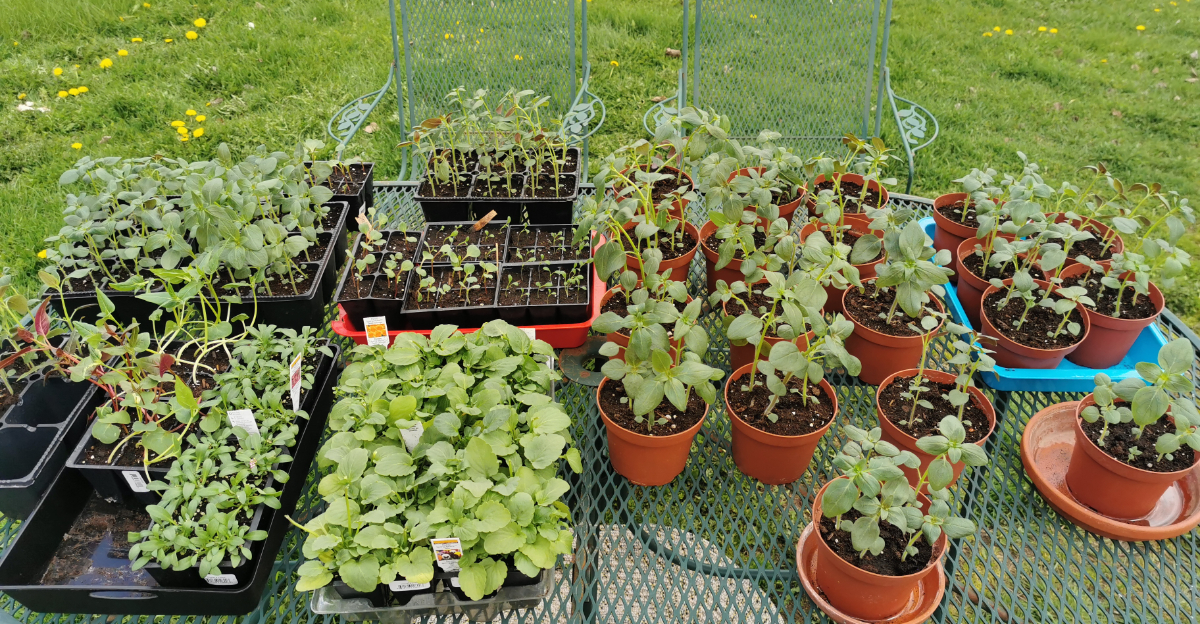
May is when Ohio gardens start moving faster than your weekend plans.
One warm afternoon says, “plant everything.” One cold night says, “not so fast.”
Weeds pop up like they were paid by the hour, mulch bags sit in the driveway, and those tomato seedlings on the porch look ready until the forecast suddenly drops into the 30s.
Sound familiar?
That is the trap May sets. It feels like the month for planting, but it is also the month when small skipped jobs quietly turn into summer headaches.
By July, the signs are everywhere, stressed plants, weedy beds, chewed leaves, dry soil, crowded perennials, and shrubs that never bounced back after winter.
The smart move is not doing everything at once. It is knowing which May tasks matter most before the garden gets away from you.
1. Harden Off Seedlings Before Planting Them Outside
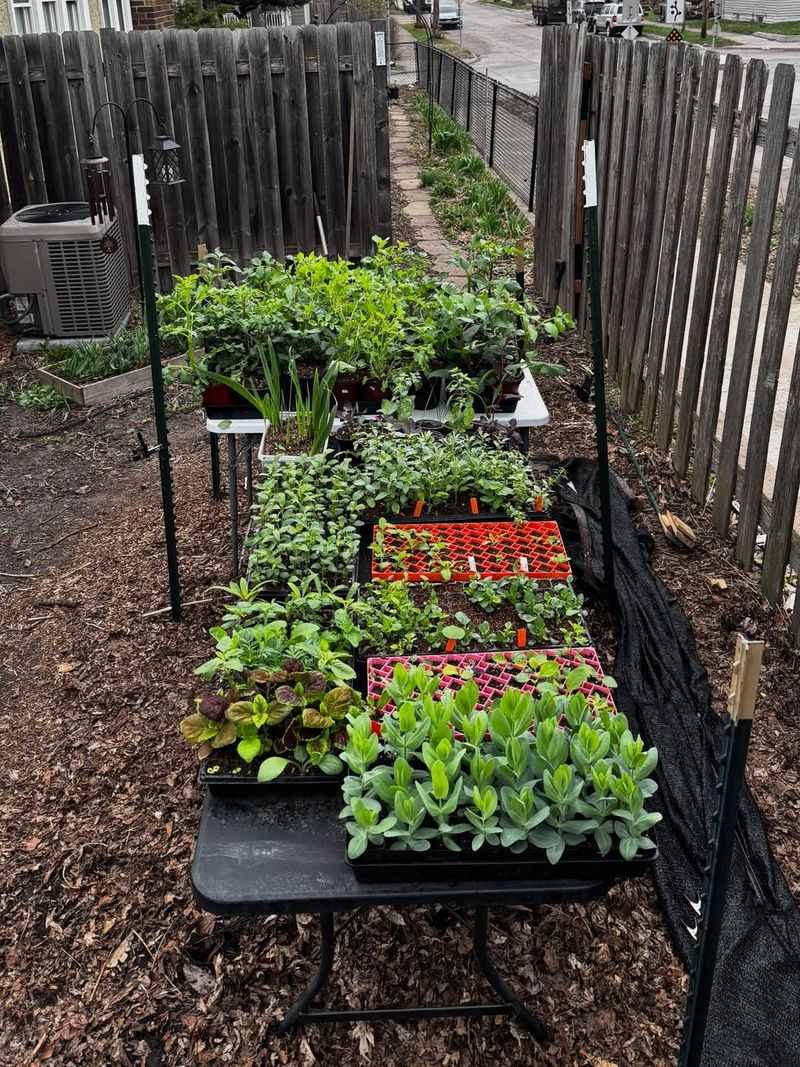
Those seedlings sitting under your grow lights have had a pretty comfortable life so far, and throwing them straight into an Ohio May garden is a shock their systems are not ready for.
Wind, direct sun, cool nights, and temperature swings are all things your indoor-grown plants have never experienced.
Skipping the hardening-off step is one of the most common reasons transplants turn pale, wilt, or just sit there doing nothing for weeks after planting.
Hardening off simply means giving your plants a gradual introduction to outdoor conditions over about seven to ten days. Start by setting them outside in a sheltered, shaded spot for just an hour or two on the first day.
Each day, increase the time outdoors and slowly introduce them to more sun and light wind. Bring them back inside before temperatures drop in the evening, especially if nights are still dipping below 50 degrees Fahrenheit.
Ohio State University Extension recommends watching nighttime lows closely during this process, since a cold snap can undo days of careful work.
By the end of the hardening period, your seedlings should be spending most of the day outside and tolerating direct morning sun without wilting.
A cold frame or row cover can help bridge the gap if the weather turns unpredictable. Once plants look sturdy, have thick stems, and no longer droop in the afternoon heat, they are ready to go in the ground.
Taking this extra week pays off with faster growth and stronger plants all season long.
2. Watch The Forecast Before Moving Tender Plants
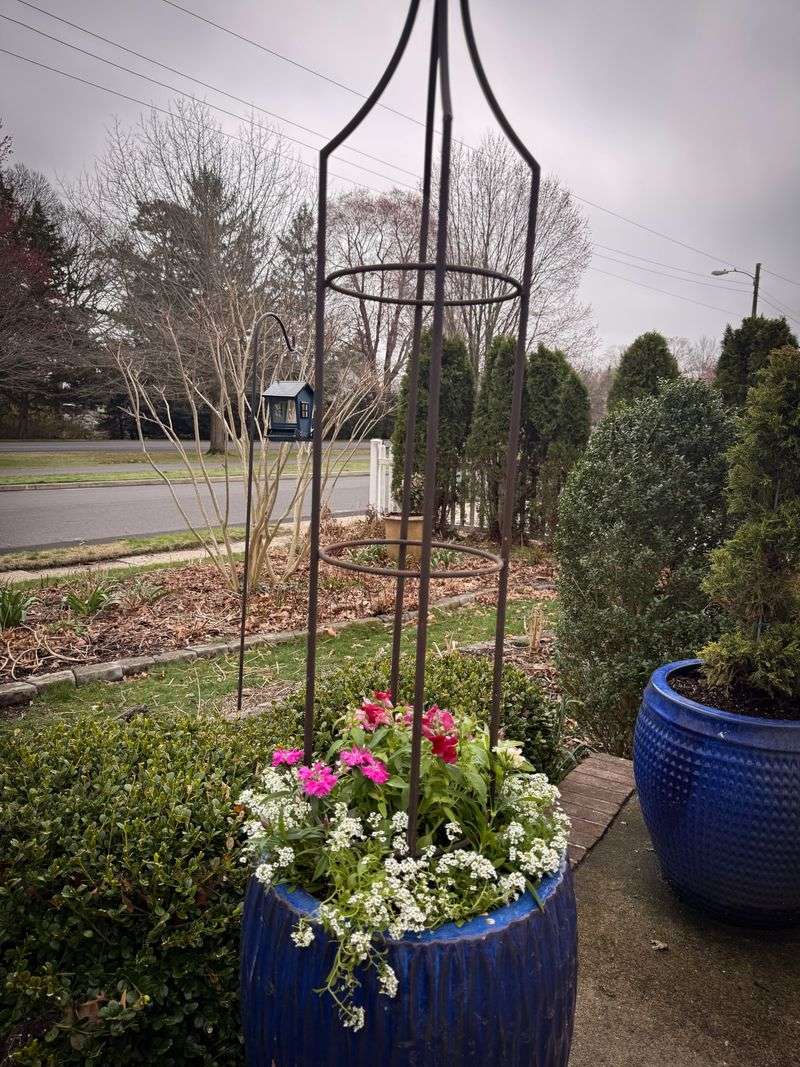
A few sunny days in a row can make it feel like winter is long gone, but Ohio’s late frost risk is very real well into May.
Tender plants like tomatoes, peppers, basil, impatiens, and tropical patio favorites can suffer serious damage when temperatures dip below 40 degrees Fahrenheit, and even a brief frost can wipe out unprotected annuals overnight.
Rushing them outside just because it feels warm is a gamble that rarely pays off.
Frost dates vary across the state. According to Ohio State University Extension, average last frost dates range from late April in the southern counties to mid-May in northern Ohio near Lake Erie, where lake-effect cold can linger.
Your Ohio Garden Changes Every Week. Your Plan Should Too.
Gardening in Ohio changes quickly throughout the season. Every Friday you’ll receive a simple weekly plan showing exactly what to plant, prune, fertilize, harvest, and protect so you never miss the right timing.
That means a gardener in Cincinnati and a gardener in Cleveland need to follow different timelines. Always check your local forecast, not just the calendar, before moving tender plants outside for good.
Practical steps make a big difference here. Watch the ten-day forecast regularly and pay close attention to nighttime lows.
If there is any chance of frost, keep tender plants in a sheltered spot or bring containers back indoors. Lightweight frost cloth or old bedsheets can protect plants already in the ground during a surprise cold snap.
Peppers and basil are especially sensitive to cold soil and cool nights, so waiting until soil temperatures are consistently above 60 degrees Fahrenheit before planting them is a smart move.
A little patience in May means you won’t be replacing plants you already invested time and money into growing from seed or buying at a nursery.
3. Pull Weeds Before They Set Seed
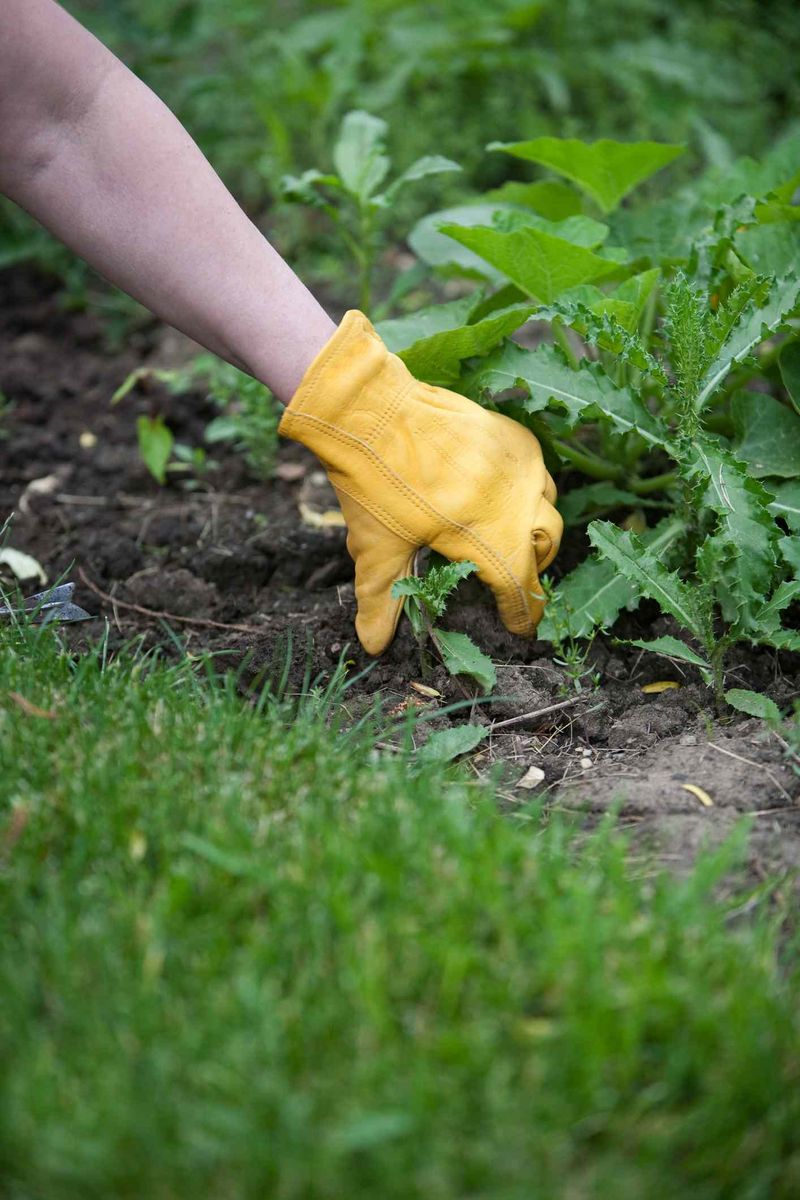
After a good spring rain, weeds don’t just appear slowly. They explode.
Chickweed, hairy bittercress, dandelions, henbit, and ground ivy can go from tiny seedlings to flowering plants in what feels like a few days when Ohio May soil is warm and wet.
Once those flowers turn to seed heads, one plant can scatter hundreds of seeds into your beds, lawn edges, and gravel paths, setting you up for a much harder job all summer.
Small weeds are dramatically easier to remove than large, established ones. After a rain is actually the best time to pull them, because moist soil releases roots more cleanly and completely.
Getting the full root out matters because many common Ohio weeds, including dandelions and dock, will regrow from root fragments left behind. A hand weeder or long-handled hoe works well for getting under stubborn roots without a lot of bending.
One detail that many gardeners overlook: if a weed is already flowering or forming seed heads when you pull it, don’t leave it lying on the soil surface. Seeds can still mature and drop even after the plant has been pulled from the ground.
Bag them up or move them to the compost pile only if your pile gets hot enough to break down seeds, otherwise toss them in the trash. Keeping beds weed-free in May takes much less time than fighting a full summer weed population.
Even thirty minutes of weeding each week right now can prevent hours of frustrating work once the heat of June and July sets in.
4. Mulch Beds Before Summer Heat Arrives
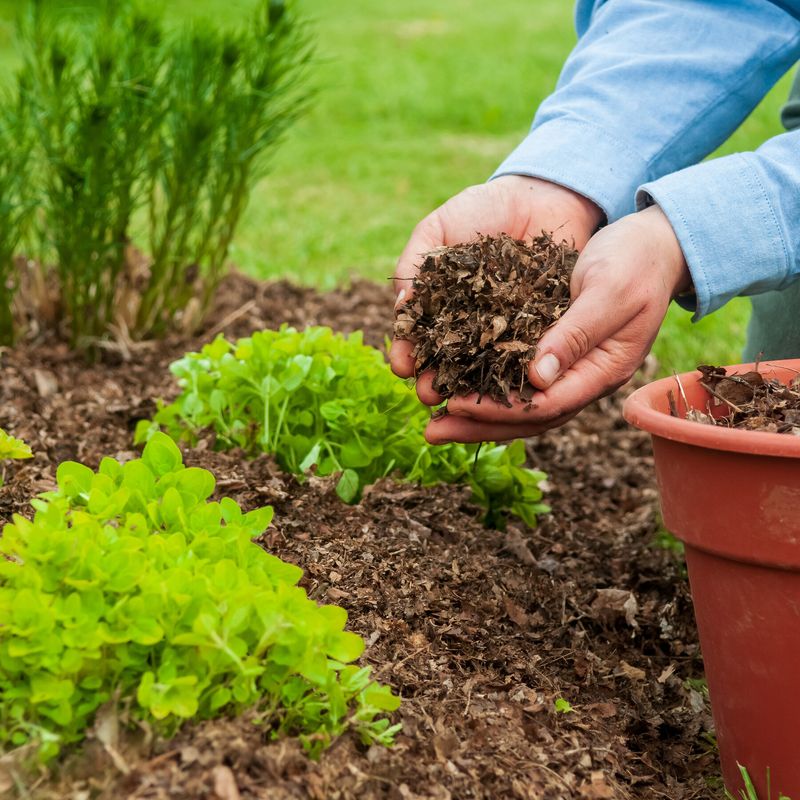
Bags of mulch sitting in the driveway are practically a May rite of passage in Ohio neighborhoods. But there’s a right time and a wrong way to apply it, and getting both right makes a noticeable difference in how your beds look and perform all summer.
Mulch applied in May, after weeds have been pulled and the soil has warmed slightly, does three valuable things at once: it holds moisture in, moderates soil temperature as summer heats up, and slows down the next round of weed germination.
Aim for a layer about two to three inches deep. Much less than that and you won’t get the weed-suppression or moisture-retention benefits.
Much more than that and you can trap excess moisture against plant stems, reduce airflow, and create conditions where fungal problems are more likely to develop. Keep mulch pulled a few inches away from the base of any plant, shrub, or tree trunk.
Piling it up against stems, sometimes called volcano mulching, is a widespread habit that causes long-term problems for woody plants and perennials alike.
Extension resources commonly recommend organic mulches such as shredded bark or wood chips for many landscape beds because they break down over time and help improve soil conditions.
Before you spread anything, take a few minutes to rake out old mulch that has compacted into a crust, since a solid mat can actually repel water rather than absorb it.
Fresh mulch on top of clean, weeded beds gives your garden a polished look and puts far less stress on plants when the real Ohio summer heat settles in.
5. Divide Crowded Perennials While They Recover Fast
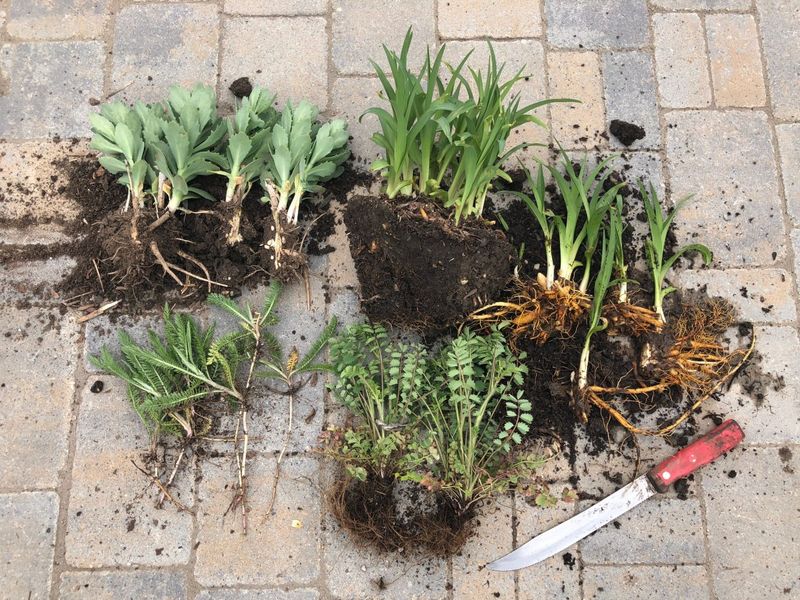
Perennials that have been in the same spot for three or more years often start showing signs that they need more room.
A hollow or bare center in the clump, noticeably smaller blooms, or stems flopping over more than usual are all clues that the plant has run out of space and nutrients in its current spot.
Dividing those clumps can refresh the original plant, give you free divisions to fill in other areas, and improve overall garden health.
Early to mid-May can be a good window for dividing many perennials that are not yet in full bloom, including hostas, daylilies, black-eyed Susans, ornamental grasses, and many groundcovers.
Plants are actively growing at this point, which helps them recover and establish before the heat of summer arrives.
That said, not every perennial should be divided while it’s blooming or about to bloom. Spring-flowering plants like bleeding heart and bearded iris are generally better divided after they finish flowering.
Preparation matters a lot here. Water the clump thoroughly the day before you plan to divide it so the roots are well hydrated going into the process.
Use a sharp spade or garden fork to lift the whole clump, then separate it into sections that each have healthy roots and several shoots. Replant divisions promptly so roots don’t dry out, water them in well, and add a light layer of mulch around each new planting.
Give divisions enough space to grow into their full size over the next season or two. Overcrowding them again right away will just restart the same cycle sooner than you’d like.
6. Check Shrubs And Trees For Winter Damage
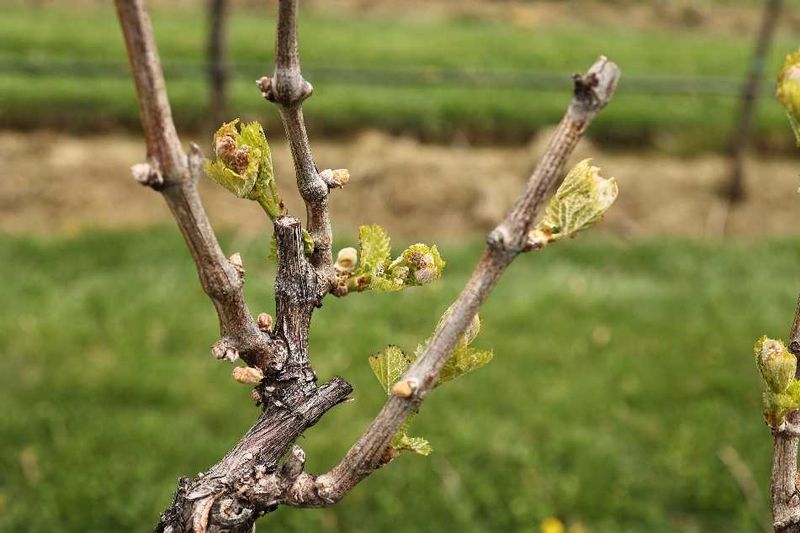
Once leaves start filling in on trees and shrubs, it becomes much easier to spot what winter actually did to your woody plants.
Broken branches from ice storms, brown tips on evergreens from winter burn, frost cracks in bark, and sections that simply never leafed out all become visible in May in a way that wasn’t obvious back in February or March.
Getting a clear picture of the damage now helps you decide what needs attention before the rest of the season gets busy.
Branches that are clearly snapped, hanging, or rubbing against each other should be pruned cleanly back to a healthy lateral branch or the main stem.
A clean cut heals better than a ragged one, and removing damaged wood reduces the risk of fungal or bacterial problems moving in.
For branches that look questionable but still have some green showing, wait a bit longer before cutting. Scratch the bark lightly with a fingernail, and if you see green underneath, give that stem a few more weeks to show what it’s going to do.
One important timing note: if you have spring-flowering shrubs like forsythia, lilac, azalea, or viburnum, hold off on heavy pruning until after they finish blooming.
Those plants set their flower buds the previous fall, and pruning before bloom removes the show you’ve been waiting for all winter.
Save major shaping for right after the flowers fade.
For evergreens with winter-burned tips, wait until new growth begins before trimming browned sections, since the new growth will help fill in gaps naturally and give you a clearer sense of what actually needs to come off.
7. Start Slug And Pest Patrol Before Damage Spreads
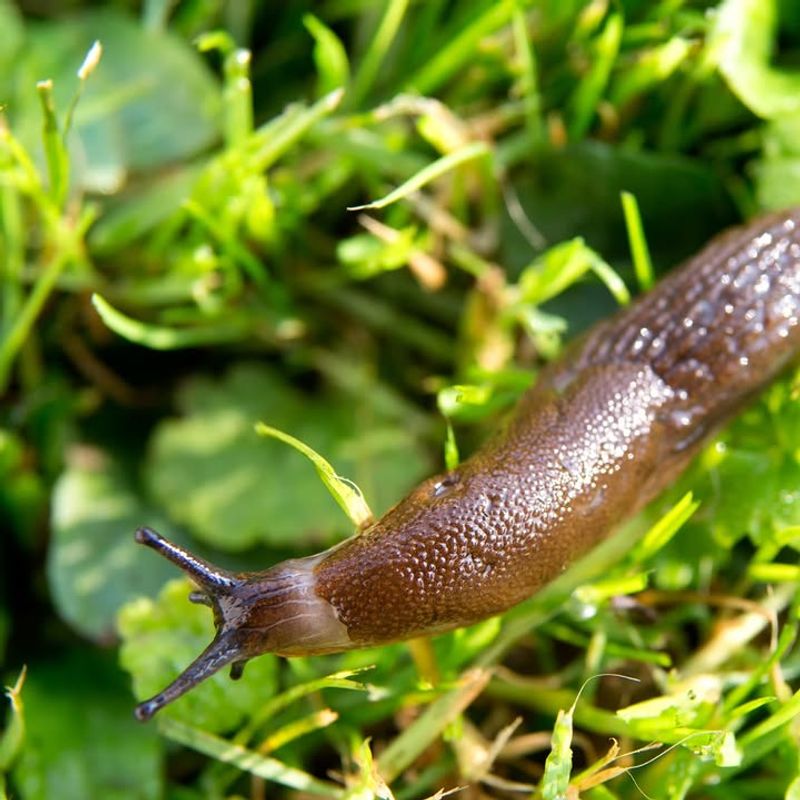
Slug season in Ohio typically picks up in earnest during May, when nights are still cool and damp and tender new growth is everywhere. Hostas, seedlings, lettuce, basil, and young perennials are prime targets.
The frustrating thing about slug damage is that it usually happens overnight, so by the time you notice the ragged holes in your hosta leaves or the missing seedlings in your vegetable bed, the slugs are already hiding under mulch or debris waiting for dark again.
Checking for slime trails in the morning is one of the simplest early detection tools you have. Look along the soil surface, under low-growing leaves, and beneath any boards, pots, or damp debris near your beds.
Reducing hiding spots by clearing out old plant debris and keeping mulch a bit thinner near vulnerable plants can make a real difference.
Beer traps or iron phosphate-based slug baits, applied according to label directions, are commonly used options that Ohio State University Extension considers among the lower-risk choices for home gardens.
Slugs aren’t the only thing worth watching for in May. Aphids tend to cluster on new growth and the undersides of leaves, and sawfly larvae can shred rose or viburnum foliage quickly if you miss the early signs.
Japanese beetles haven’t arrived yet in most of Ohio in May, but checking for grubs in lawn areas near garden beds is worthwhile if you had heavy beetle pressure last summer.
A quick ten-minute walk through your garden every few days, looking closely at new growth and leaf undersides, gives you the best shot at catching problems while they’re still small and manageable.