These 11 Plants Help Cool Down A California Yard Naturally
California yards can feel like they are auditioning for a frying pan once summer heat settles in. The patio gets blazing, bare soil bakes, and even a short walk across the yard can feel a little too dramatic.
Plants can help change that story in the best way. The right trees, vines, shrubs, grasses, and leafy groundcovers create shade, soften reflected heat, protect soil, and add moisture through their natural cooling process.
Suddenly, a harsh yard starts feeling more like a breezy little retreat instead of a sun trap. Some plants cool walls and fences, some shelter seating areas, and some keep the ground comfortable around walkways and beds.
Add enough layers, and the whole space begins to feel calmer, greener, and much more inviting. For a yard that needs relief before summer turns up the heat, these plant picks bring beauty with a built-in chill factor.
1. Manzanita
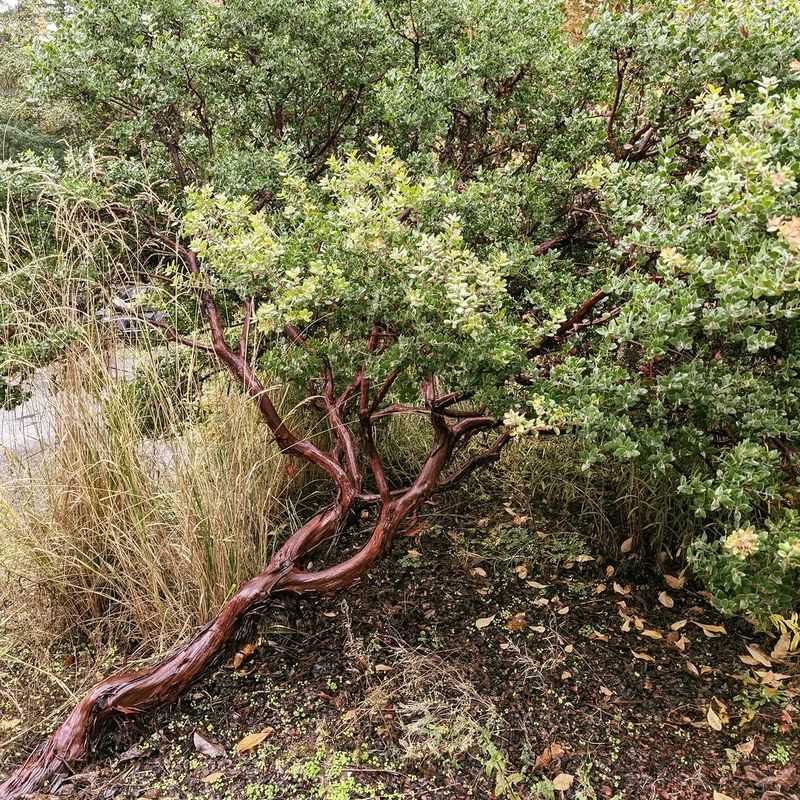
Few plants in California look quite as striking as Manzanita. Its smooth, reddish-brown bark almost glows in the afternoon light, and its twisted branches create a natural canopy that shades the soil below.
That shade matters more than people realize. When soil stays cool and shaded, the air just above it stays cooler too.
Manzanita is one of the most drought-tolerant shrubs you can plant in a California yard. Once it gets established, it barely needs any extra water.
It pulls moisture from deep in the ground and holds it efficiently. This makes it a smart pick for homeowners who want a low-maintenance cooling plant that actually works.
The dense branching of Manzanita also helps block hot afternoon winds, which can raise yard temperatures fast. Plant it along a fence line or near a patio for the best results.
Birds love it too, so you get wildlife benefits on top of the cooling effect. There are dozens of Manzanita varieties native to California, so you can find one that fits your space, whether your yard is small or sprawling.
It is a plant that works hard without asking for much in return.
2. Cleveland Sage
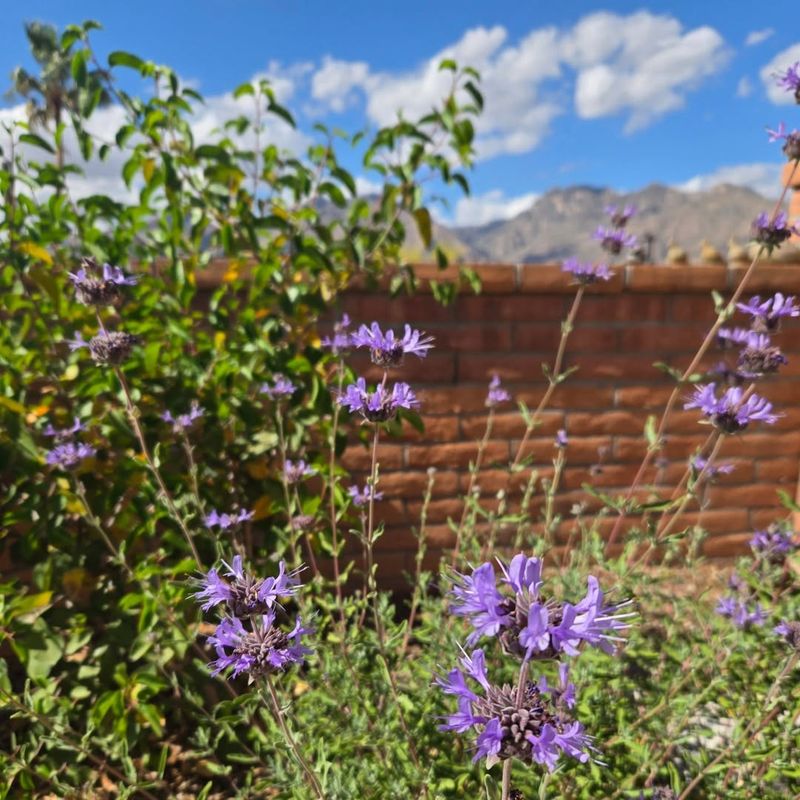
Walk past a Cleveland Sage on a warm afternoon and you will immediately notice the scent. It is sharp, herbal, and unmistakably California.
But beyond its amazing fragrance, Cleveland Sage is a genuine cooling powerhouse for yards across the state.
The leaves of Cleveland Sage are covered in tiny hairs that reflect sunlight. This reflection helps reduce heat absorption in the plant and in the soil around it.
When planted in groups, these shrubs create a microclimate that feels several degrees cooler than open, bare ground. That is a big deal during a California heatwave.
Cleveland Sage grows to about four or five feet tall, making it useful as a windbreak or border plant. It thrives in full sun and well-drained soil, which describes most California yards perfectly.
It needs very little water once established, fitting right in with California water conservation goals. The purple flower spikes that bloom in spring attract hummingbirds and bees, adding life and color to your outdoor space.
Your California Garden Changes Every Week. Your Plan Should Too.
Gardening in California changes quickly throughout the season. Every Friday you’ll receive a simple weekly plan showing exactly what to plant, prune, fertilize, harvest, and protect so you never miss the right timing.
If you want a plant that cools your yard, smells incredible, and supports local wildlife all at once, Cleveland Sage is one of the best choices you can make for a California garden.
3. Deer Grass
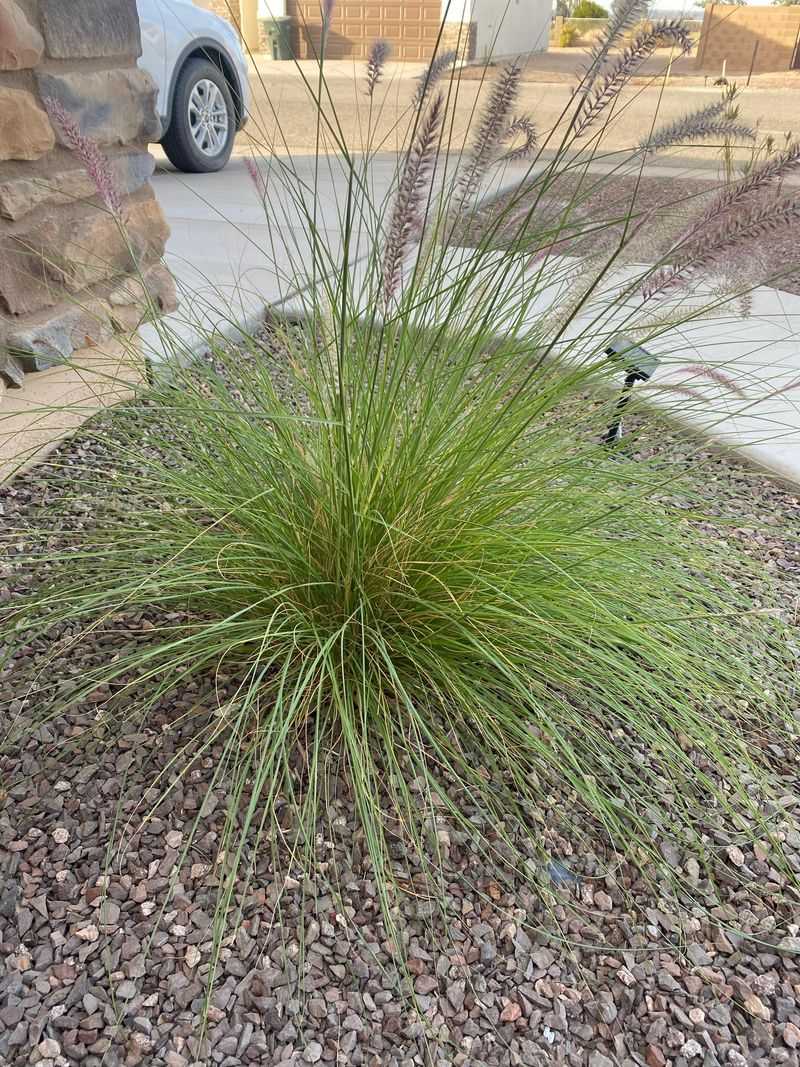
Grasses might not be the first thing you think of when it comes to cooling a yard, but Deer Grass is genuinely impressive at it. This native California bunchgrass forms dense, rounded clumps that shade the soil beneath them.
Shaded soil absorbs less heat, and that keeps the ground and air around it noticeably cooler.
Deer Grass also helps with something called transpiration. That is the process where plants release water vapor through their leaves.
As that moisture moves into the air, it creates a cooling effect similar to how sweating cools your body. In a hot California yard, a few clumps of Deer Grass can make a real difference.
One of the best things about Deer Grass is how easy it is to grow. It tolerates drought, poor soil, and full sun without complaint.
It does not spread aggressively, so it stays where you plant it. The tall golden seed stalks that appear in summer add a beautiful, natural look to the landscape.
It pairs well with other California native plants like California Fuchsia and Manzanita. If you are building a cooling plant strategy for your yard, Deer Grass is a reliable and attractive foundation to build on.
4. Island Alum Root
Not every corner of a California yard gets full sun. Shady spots under trees or along north-facing walls can be tricky to plant.
That is exactly where Island Alum Root thrives, and it does a fantastic job of cooling those areas naturally.
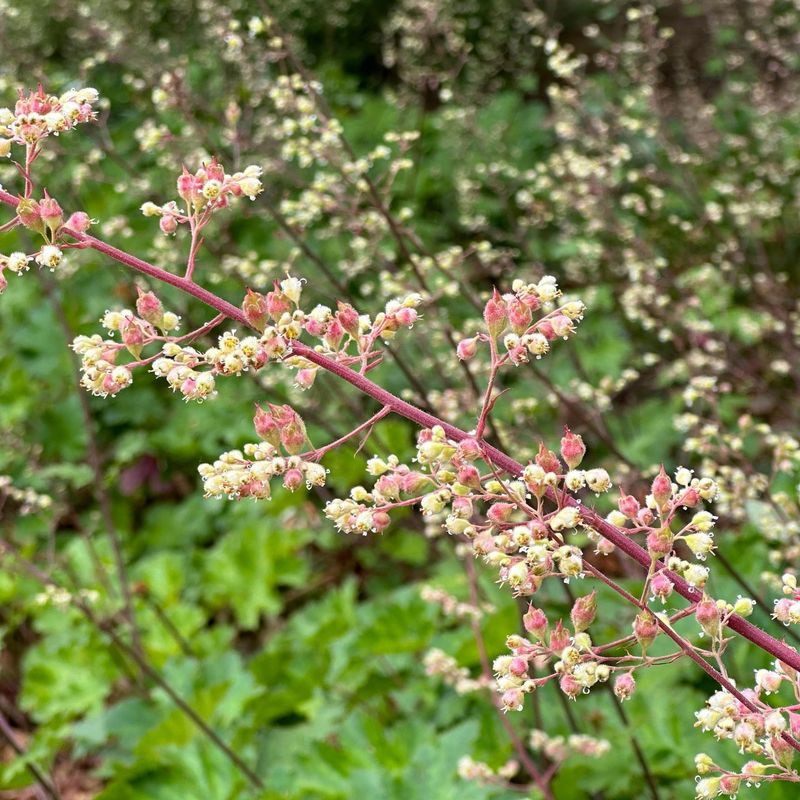
Island Alum Root is a low-growing perennial with broad, rounded leaves that hug the ground. Those leaves create dense ground cover that keeps soil cool and moist by blocking direct sunlight.
In California, where soil can bake and crack in summer, having a plant that protects the ground this well is genuinely valuable.
The plant also has a high moisture content in its leaves, which contributes to localized cooling through transpiration. Even in partial shade, it releases enough moisture to lower the temperature around it.
It is native to the Channel Islands off the California coast, which means it is perfectly suited to the Mediterranean-style climate found across much of the state. It pairs beautifully with ferns, Western Redbud, and other shade-loving plants.
Gardeners who want to cool down every part of their yard, not just the sunny spots, will find Island Alum Root to be an underrated and extremely useful addition to their planting plan.
5. California Fuchsia
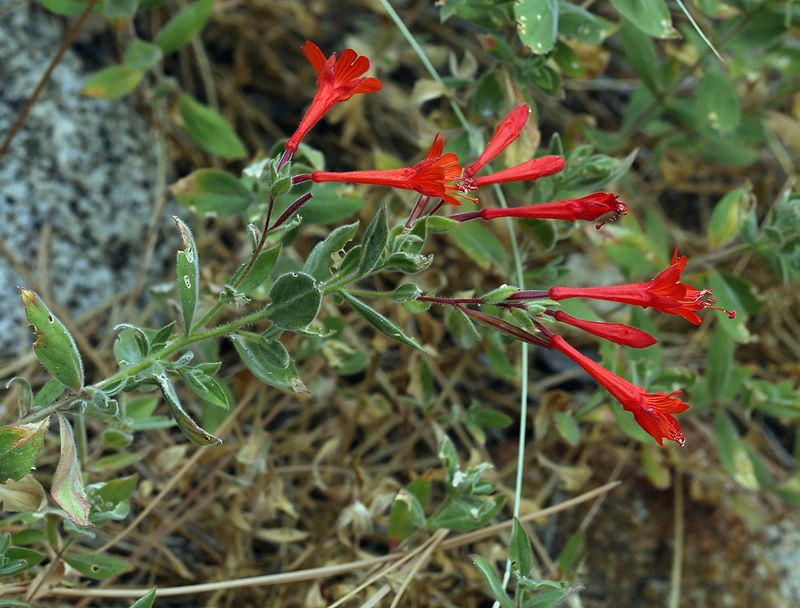
Bright red-orange flowers and silver-green leaves make California Fuchsia one of the most eye-catching plants you can grow in a California yard. But its beauty is just the beginning.
This tough little perennial also plays a real role in keeping outdoor spaces cooler during the hottest months of the year.
California Fuchsia spreads low and wide, creating a blanket of dense foliage over the soil. That coverage is key.
When soil is exposed to direct sun, it heats up fast and radiates that heat back into the air. California Fuchsia blocks that process by keeping the ground shaded and insulated throughout the day.
The plant blooms from late summer through fall, which is exactly when California heat tends to linger longest. It is drought-tolerant and thrives in full sun, making it a natural fit for most California gardens.
Hummingbirds are obsessed with its flowers, so you will have constant visitors all season long. It grows well along pathways, slopes, and garden borders where ground coverage is most needed.
If your yard has hot, exposed areas that feel unbearable in summer, planting California Fuchsia is a smart, low-effort way to bring both color and natural cooling to those problem spots.
6. Western Redbud
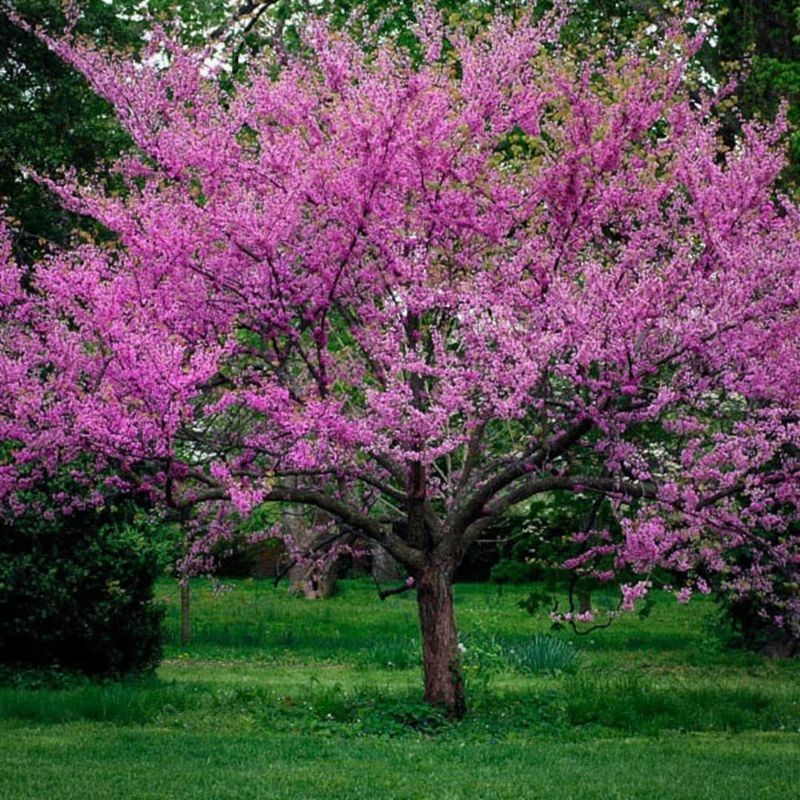
There is something almost magical about a Western Redbud in bloom. In early spring, the bare branches explode with tiny magenta-pink flowers before a single leaf appears.
It is one of the most beautiful sights in any California garden. But once summer arrives, this small tree earns its keep in a very different way.
Western Redbud grows to about ten to fifteen feet tall and spreads wide with a full, rounded canopy. That canopy provides excellent shade for patios, walkways, and garden beds underneath it.
Shade from a tree like Western Redbud can lower surface temperatures by as much as twenty degrees compared to areas in direct sun.
The heart-shaped leaves are thick and full, creating dense overhead coverage that blocks intense California sunlight effectively. The tree is also highly drought-tolerant once established, which is a major plus in a state that often faces water restrictions.
It grows naturally in California foothills and canyons, so it is perfectly adapted to local conditions. Planting one near a sitting area or south-facing wall can make a noticeable difference in comfort during hot summer afternoons.
Western Redbud is truly a four-season tree that rewards you with beauty in spring and real relief from heat all summer long.
7. Desert Willow
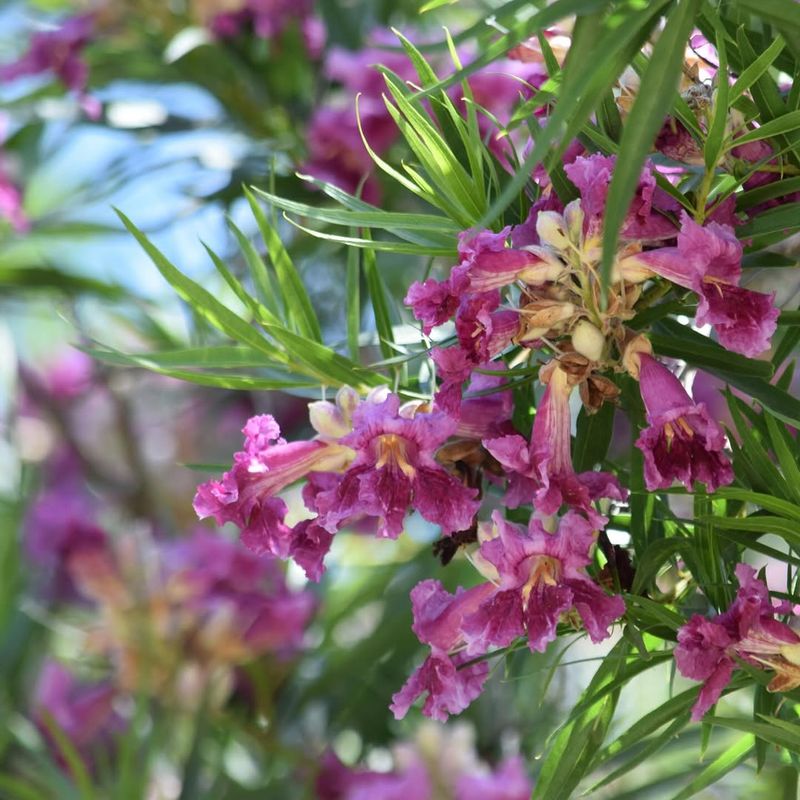
Despite its name, Desert Willow is not a true willow. It is actually a flowering tree that belongs to a completely different plant family.
What it shares with willows is a love of warmth and an ability to bring life to dry, sun-baked landscapes. In California yards, it is a standout choice for natural cooling.
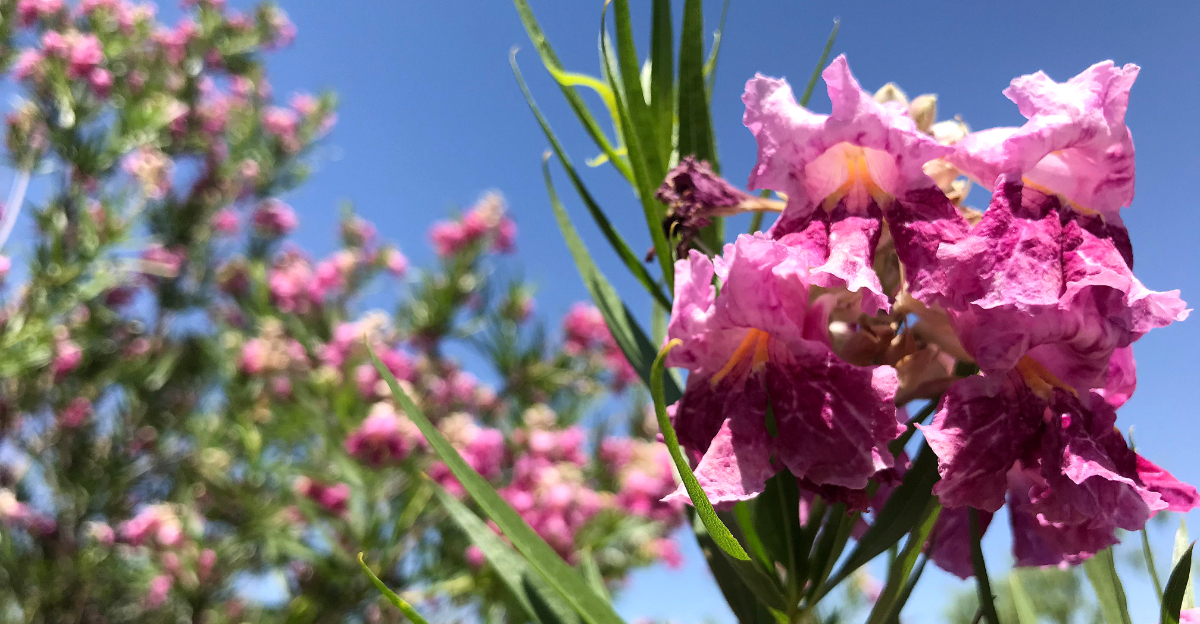
Desert Willow can grow up to twenty feet tall, and its long, slender leaves create a light, airy canopy that filters sunlight rather than blocking it completely. This filtered shade is actually ideal for plants growing underneath it, and it still reduces ground temperature significantly.
The tree acts like a natural umbrella that takes the edge off intense California heat without making the space feel dark or heavy.
The trumpet-shaped flowers in shades of pink, lavender, and white bloom repeatedly from spring through fall. They attract hummingbirds, bees, and butterflies consistently throughout the season.
Desert Willow is extremely drought-tolerant and handles the hot, dry summers of Southern California with ease. It needs very little pruning and stays relatively tidy on its own.
For homeowners in inland California or desert-adjacent communities, Desert Willow is one of the most practical and rewarding trees you can add to a yard that needs both beauty and natural cooling.
8. California Sycamore
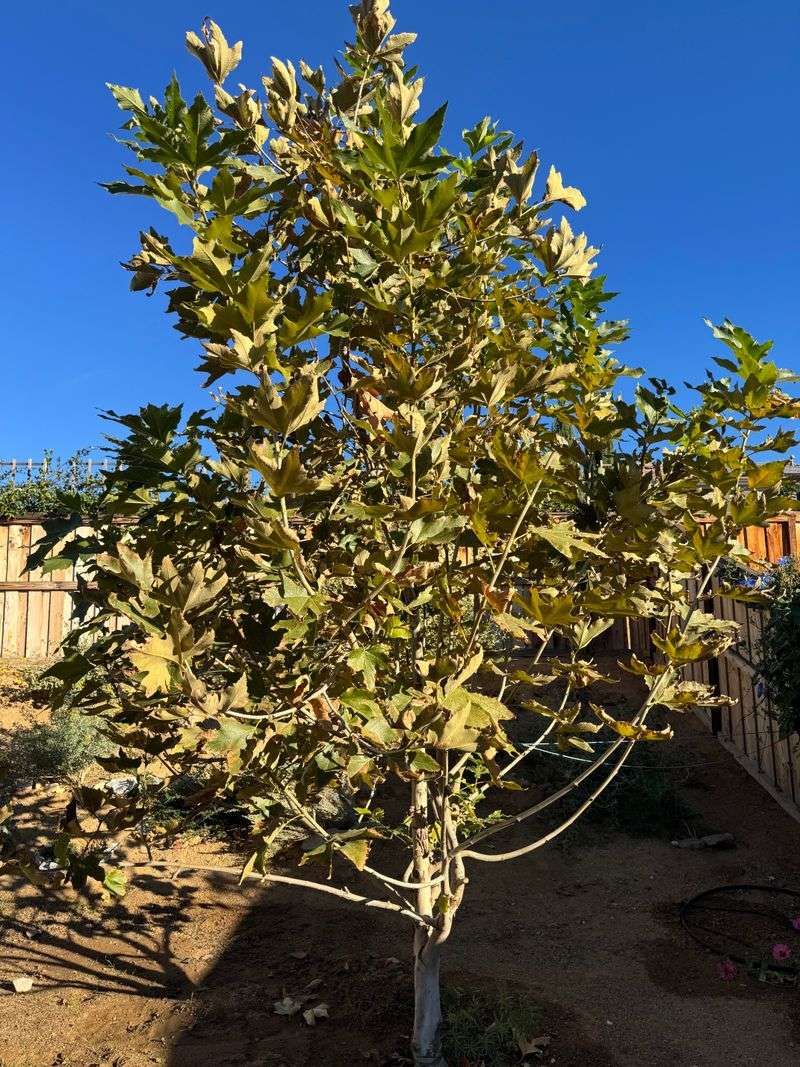
If you want serious shade, nothing beats a California Sycamore. These giants can grow up to eighty feet tall with a canopy that spreads just as wide.
Standing under a mature California Sycamore on a hot summer day feels like stepping into a natural air conditioner. The temperature difference is that dramatic.
The large, maple-like leaves create incredibly dense overhead coverage. That coverage blocks sunlight from reaching the ground, which keeps soil temperatures low and reduces the heat radiating back up into the air.
In urban parts of California where pavement and buildings trap heat, planting a California Sycamore nearby can genuinely lower the surrounding temperature by several degrees.
California Sycamores are native to stream banks and river valleys throughout California, so they love a little extra water compared to some drought-tolerant natives. They are best suited for larger yards where their roots and canopy have room to grow freely.
The distinctive white and tan mottled bark makes them one of the most visually striking trees in any California landscape. They also support a huge range of wildlife, from birds to insects.
If you have the space for one, a California Sycamore is quite possibly the single most effective natural cooling plant you can add to your California yard.