This Is How To Grow Avocados In Pots In Florida
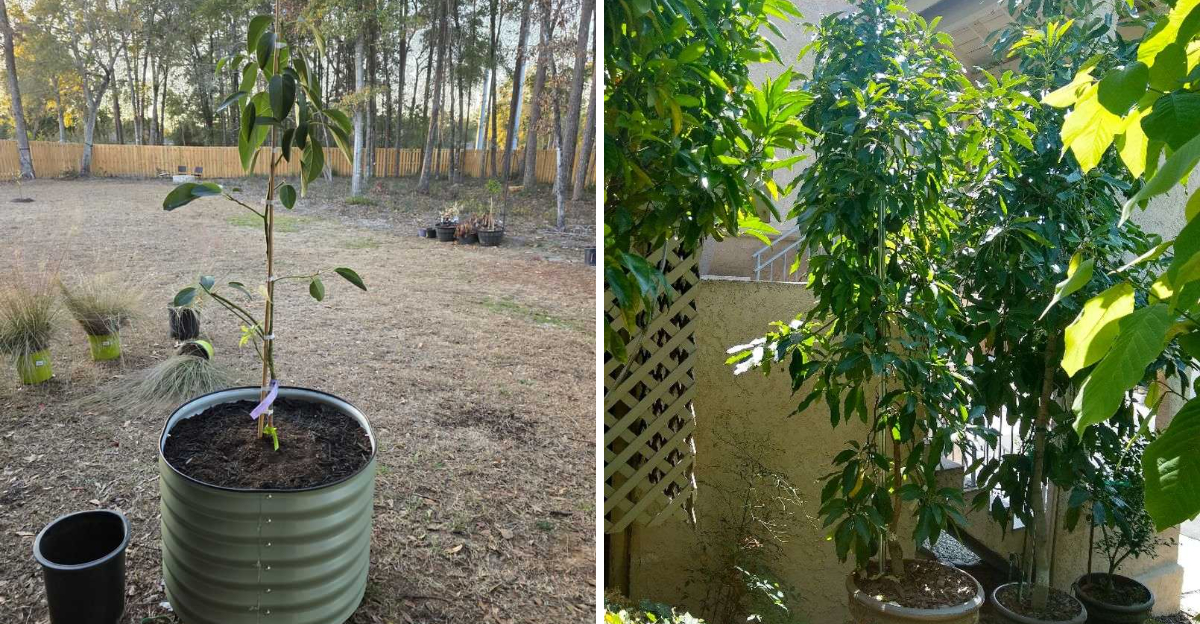
Florida makes avocado dreams feel almost too easy. Buy a little tree, set it on the patio, picture fresh slices on toast.
Then reality taps the pot. Avocados are not tiny houseplants with a fruit bonus.
They are real trees, even in containers, and they need sun, drainage, steady watering, smart variety choices, and room to grow. The payoff can still be worth it.
A potted avocado gives Florida gardeners more control than an in-ground tree, especially when cold fronts roll through or patio space is all you have.
The secret is starting with the right tree and treating the container like a serious growing setup, not a decorative afterthought.
Do that, and your avocado has a much better shot at becoming a healthy, productive patio tree instead of a forgotten nursery impulse buy.
1. Start With A Grafted Florida-Friendly Avocado
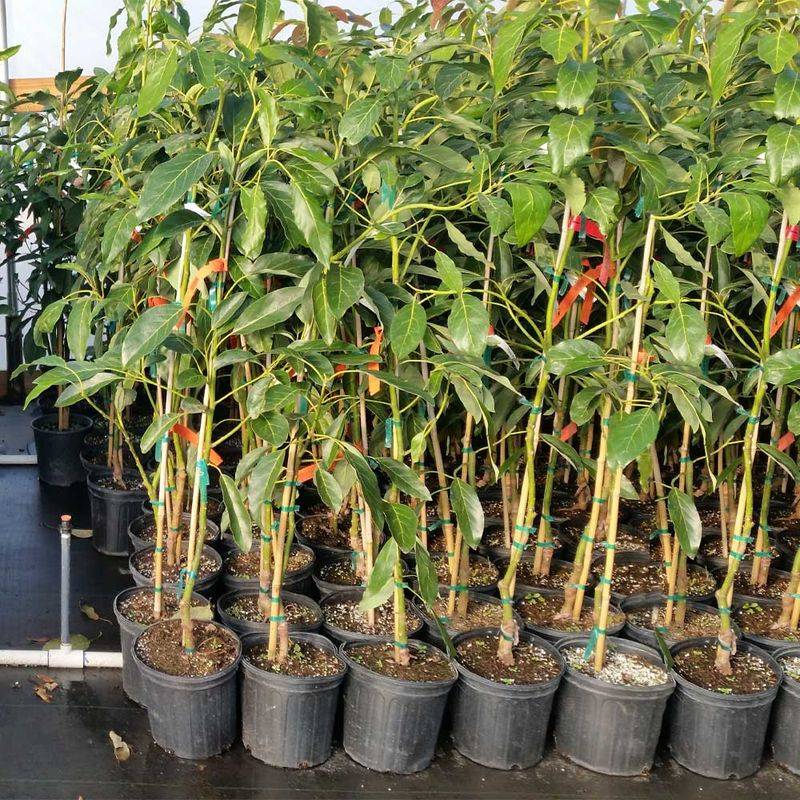
Standing in the nursery aisle, you might be tempted to grab whatever avocado tree looks tallest or greenest. Before you do, check whether it is grafted.
According to UF/IFAS, avocado varieties do not reliably come true from seed, which means a tree grown from a pit could produce fruit nothing like the one you ate. Grafted trees give you a known variety with predictable fruit quality and generally earlier production.
Growing from a pit can be a fun experiment, especially with kids, but it is not the best route if you actually want to harvest avocados. A grafted tree from a reputable Florida nursery is a smarter investment.
Look for the graft union, a slight bump or angle near the base of the trunk, which confirms the tree was propagated correctly.
Check the variety label before buying. A tag without a name is a red flag.
Ask staff whether the tree was grown for Florida conditions, and look the variety up if you can. Avoid trees that look rootbound, have circling roots pushing out of the pot, or show yellowing leaves and soft stems.
A stressed tree at purchase will struggle even more once you get it home. Starting with a healthy, named, grafted tree gives your container avocado the strongest possible foundation from day one.
2. Choose A Variety That Matches Your Part Of Florida
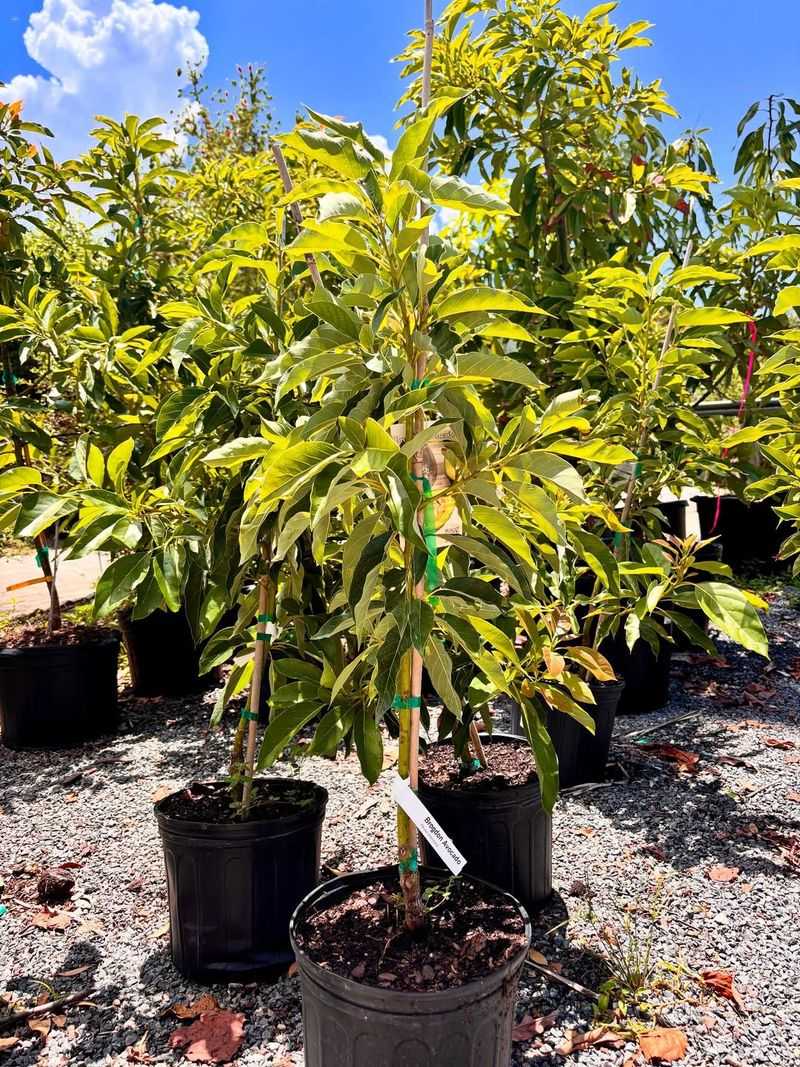
Not every avocado variety will work in every part of Florida. UF/IFAS groups avocados into three main types: West Indian, Guatemalan, and Mexican.
Each type differs in cold tolerance, fruit season, and how well it handles Florida’s climate. West Indian types thrive in South Florida’s warm conditions but are more sensitive to cold.
Mexican and some Guatemalan or hybrid types generally handle cooler temperatures better, which makes cold tolerance especially important for Central Florida and protected North Florida sites.
South Florida growers often have more variety options available, including many West Indian and Guatemalan-West Indian selections. In cooler parts of the state, cold-tolerant choices such as ‘Brogdon’ may be worth asking local nurseries about.
If you live in the Tampa Bay area, Orlando corridor, or further north, cold tolerance becomes a much bigger factor in your decision.
Your Florida Garden Changes Every Week. Your Plan Should Too.
Gardening in Florida changes quickly throughout the season. Every Friday you’ll receive a simple weekly plan showing exactly what to plant, prune, fertilize, harvest, and protect so you never miss the right timing.
Ask your local UF/IFAS Extension office or a reputable Florida nursery which varieties have performed well in your specific county or zip code.
Local knowledge matters more than any general list.
Look for varieties described as compact or manageable where possible, since container growing works best when the tree does not push aggressively toward twenty feet. Avoid picking up unlabeled or generic trees just because they are cheap.
A variety mismatch between your climate zone and the tree you buy can mean years of struggle, poor fruit set, or cold damage that sets the tree back significantly every winter. Matching variety to region from the start saves a lot of frustration.
3. Use A Big Pot That Still Drains Fast
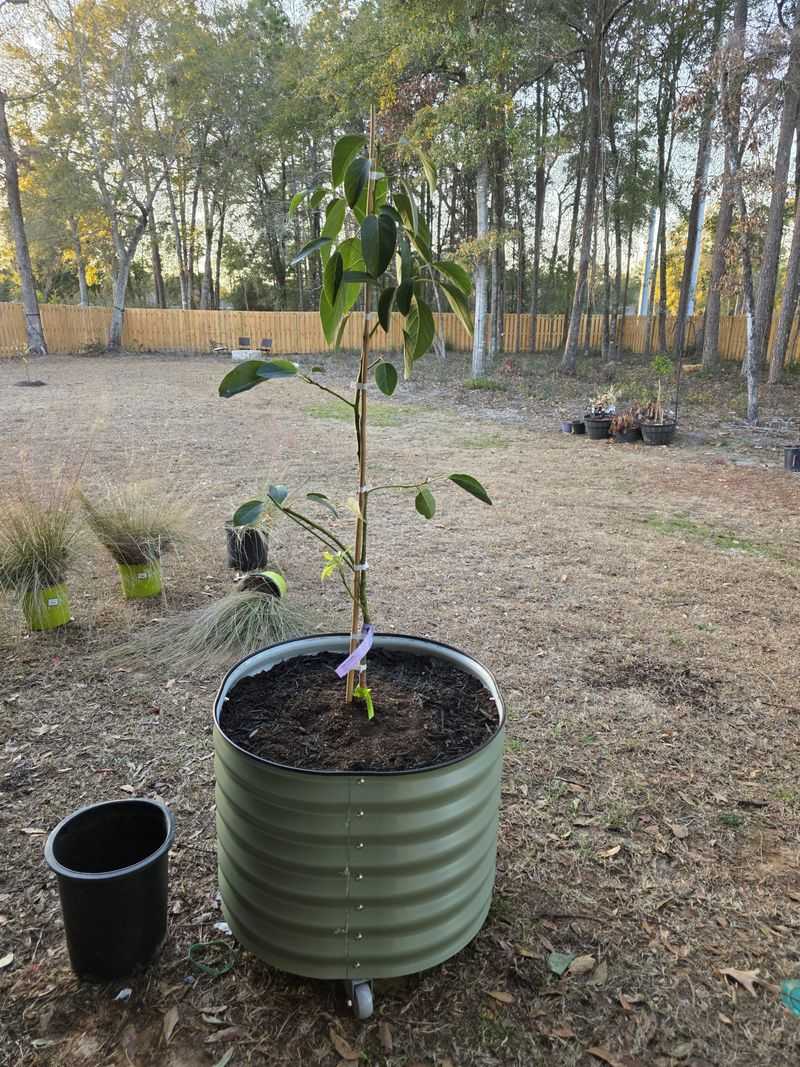
One of the most common container mistakes Florida gardeners make with avocados is choosing a pot that looks impressive but drains poorly.
Avocados have a well-documented sensitivity to waterlogged roots, and Florida’s heavy summer rains make drainage even more critical in containers than in the ground.
A pot that holds water after a storm is a serious problem for root health.
Choose a large container with room for root growth, and plan to move up in size as the tree develops. Avoid decorative outer pots or cache pots that catch and hold water underneath the growing container.
If your patio surface tends to block drainage holes, set the pot up on pot feet or bricks so water can flow freely. Size matters, but drainage matters more.
Fill the container with a fast-draining potting mix rather than standard garden soil or dense mixes that compact over time. Some Florida container growers blend a quality potting mix with perlite or coarse pine bark to improve drainage further.
Check the mix every season and refresh or repot when it starts to break down and hold water longer than it should. A big pot with poor drainage is actually worse for an avocado than a smaller pot that drains quickly and consistently after every rain or watering session.
4. Give The Tree Full Sun And Room To Breathe
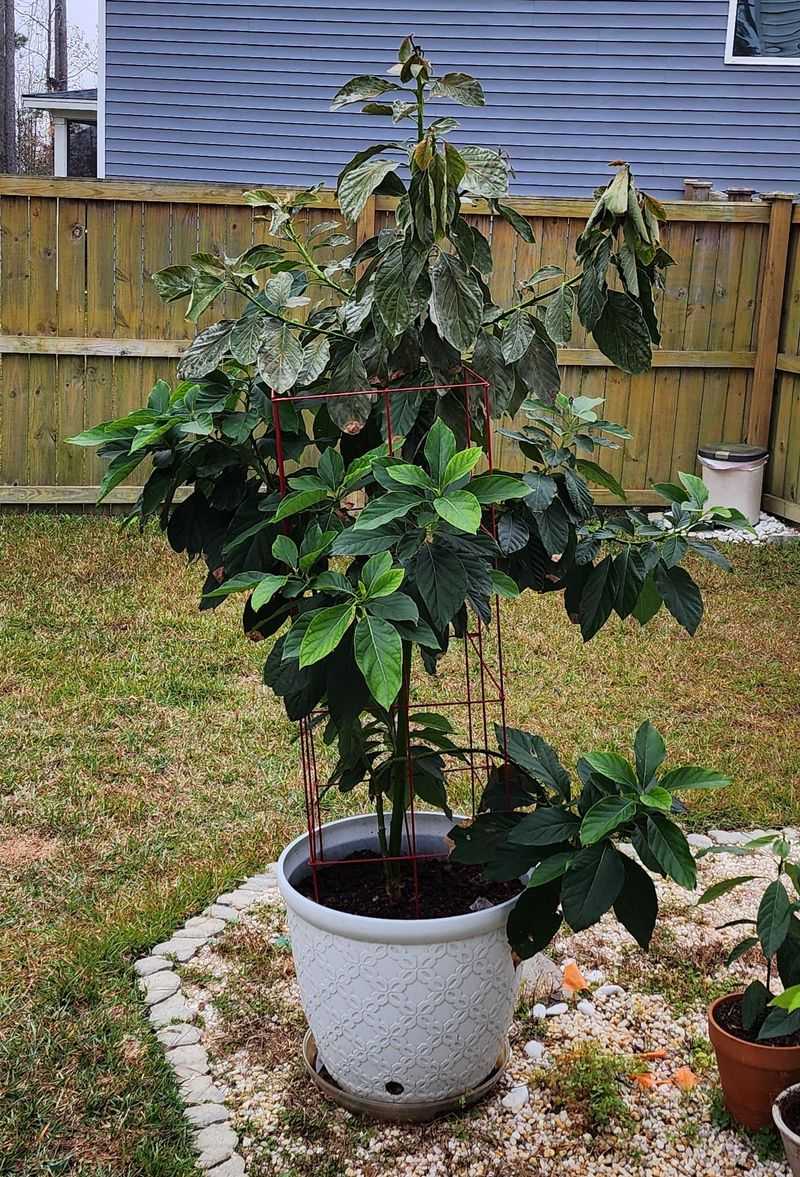
Avocados are sun lovers. UF/IFAS recommends full sun for avocado trees, and a container-grown tree is no different.
Placing your potted avocado in a shady corner or under an overhang because it looks decorative there is a setup for weak, stretched growth and poor fruit potential.
Aim for at least six to eight hours of direct sunlight daily, and more is generally better in most Florida locations.
South-facing patios, sunny driveway edges, open courtyards, and spots away from large shade trees are all solid choices. Beyond light, airflow matters too.
Florida’s heat and humidity create conditions where fungal problems can develop on crowded or poorly ventilated plants. Giving your avocado room to breathe, meaning space between it and walls, fences, or other container plants, helps reduce that risk.
If you purchased your tree from a nursery where it was grown under shade cloth, move it into full sun gradually over one to two weeks rather than all at once. A sudden shift from shade to intense Florida sun can stress leaves on a tree that has not adjusted yet.
Also think ahead about cold protection. Position the pot somewhere you can easily roll or carry it to a sheltered spot when temperatures are forecast to drop, because mobility is one of the biggest advantages of container growing in Florida.
5. Water Steadily Without Keeping Roots Soaked
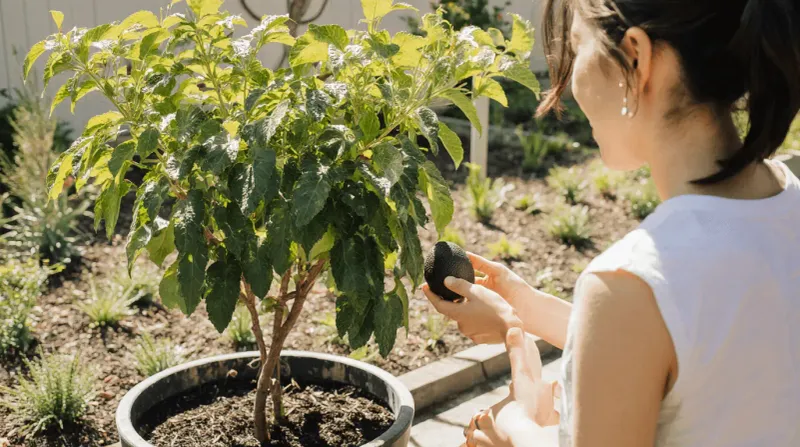
Watering a potted avocado in Florida requires more attention than most people expect. During Florida’s dry season, containers can dry out surprisingly fast, especially in full sun and warm temperatures.
During the rainy season, a pot sitting outside can receive so much water from daily afternoon storms that the roots barely get a chance to breathe between soakings. Neither extreme is good for an avocado.
Before reaching for the hose, press your finger two to three inches into the potting mix. If it still feels damp, wait.
If it feels mostly dry, water deeply until water runs freely from the drainage holes, then stop. This approach gives the whole root zone water without keeping the mix constantly wet.
Avoid the habit of giving the pot a quick splash every morning regardless of actual soil conditions.
Watch the tree for signals. Slightly drooping leaves during the hottest part of the day can be normal, but persistent wilting in the morning suggests the tree is too dry.
Yellowing lower leaves and a soggy mix that stays wet for days after rain suggests the opposite problem.
Adjust your watering schedule after heavy rains, and during prolonged wet stretches consider moving the pot under a covered area temporarily to prevent the mix from staying saturated for too long.
6. Feed Lightly And Let The Tree Grow At Its Pace
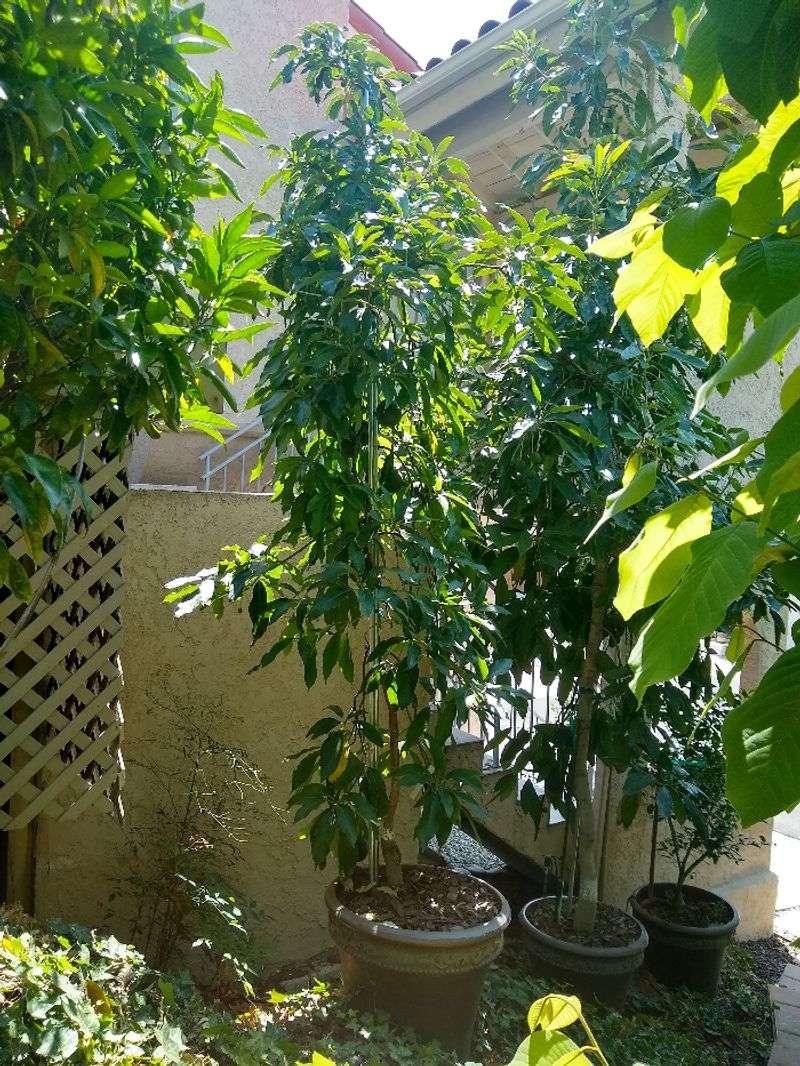
Fertilizing a container avocado feels satisfying, like you are actively helping the tree along. But heavy feeding in a pot can contribute to salt buildup and tender growth, so small, label-rate applications are the safer approach.
UF/IFAS avocado production guides emphasize balanced, consistent nutrition over aggressive feeding schedules, and that principle applies even more to container trees with limited root space.
During active growing periods, typically spring through early fall in Florida, small and regular applications of a balanced fertilizer formulated for avocados or tropical fruit trees can support healthy growth.
Always follow label directions for container use, since in-ground rates do not apply to pots.
Never fertilize a tree that is drought-stressed, newly repotted, or showing signs of root problems. Water the tree before fertilizing if the mix is very dry to avoid root burn.
Watch for white crusty deposits on the surface of the mix or along the inside of the pot, which can indicate salt buildup from repeated fertilizer applications. Flushing the container thoroughly with water periodically helps reduce this.
Pull back on feeding as fall approaches, especially in Central and North Florida, so the tree is not being pushed into tender new growth right before cold weather. Let the tree set its own pace rather than forcing it.
7. Prune For Size Before The Tree Outgrows The Pot
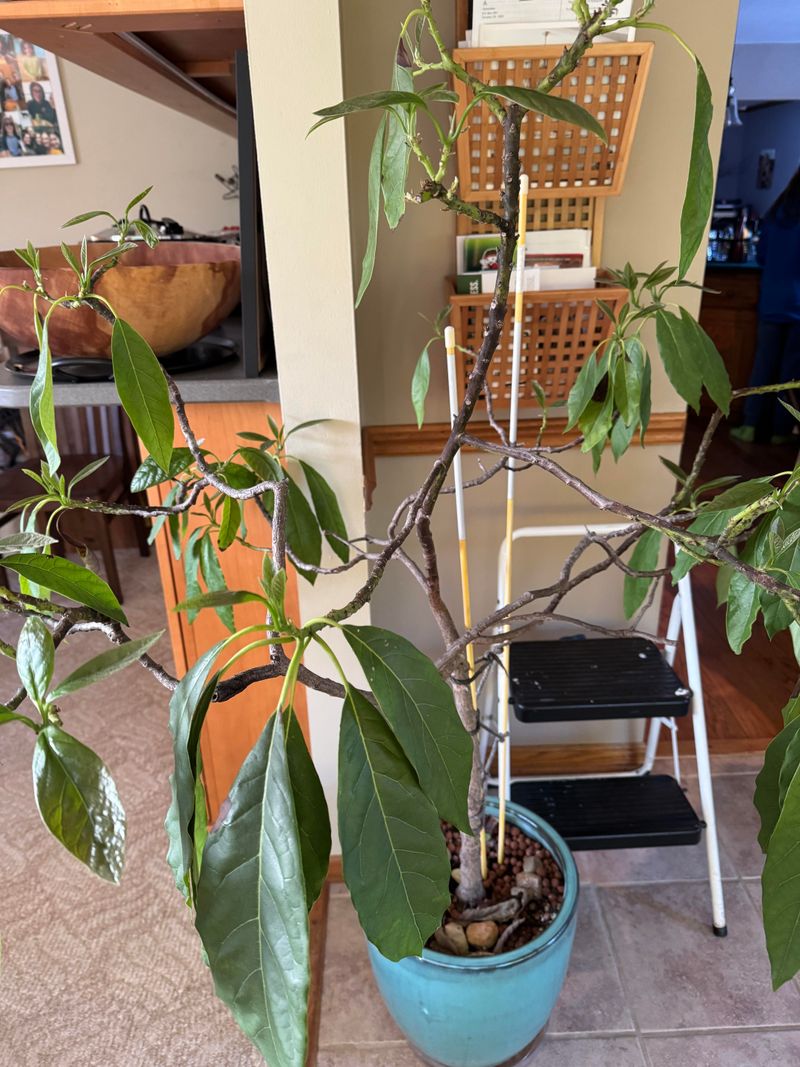
Here is something the seed-to-guacamole fantasy glosses over: avocados are trees. Left unpruned, even a container-grown avocado will push upward and outward until it becomes impossible to manage on a patio.
Starting light shaping early, while the tree is still young and manageable, is much easier than trying to cut back a large tree later without stressing it significantly.
Pruning goals for a container avocado are different from in-ground trees. The focus is on keeping height manageable, encouraging branching for a fuller shape, and balancing the canopy so it does not become top-heavy over the pot.
Remove any broken, crossing, or inward-growing branches first. Then consider trimming the main leader, the central upward shoot, to encourage the tree to spread outward rather than shooting straight up.
Use clean, sharp tools and make cuts just above a leaf node or side branch. Wipe blades with rubbing alcohol between cuts if you are concerned about spreading any disease.
Keep in mind that heavy pruning can reduce the number of flowering shoots available in the coming season, so size control should be gradual and thoughtful rather than drastic.
A container can slow an avocado down, but it will not shrink a tree into a permanent miniature.
Honest, consistent pruning over time is the only real size management tool you have.
8. Protect Potted Avocados Before Cold Snaps Hit
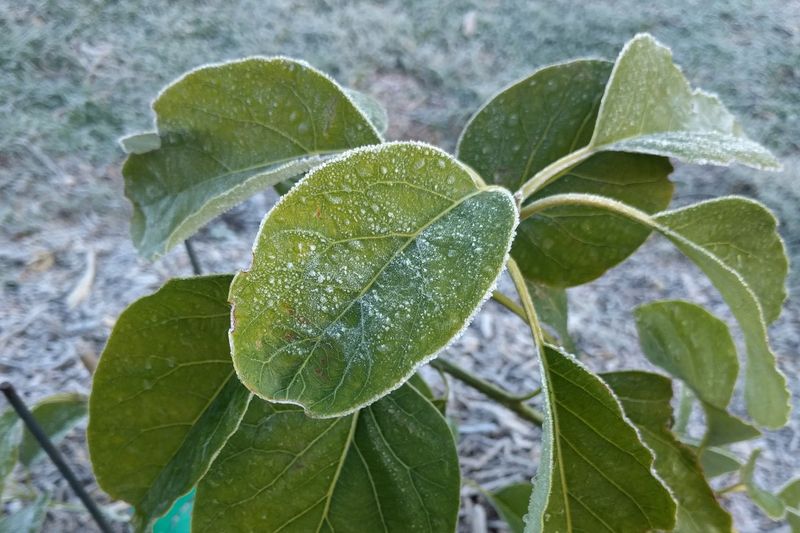
Florida winters are mild by most standards, but they can still deliver damaging cold to avocado trees, especially young ones growing in containers.
UF/IFAS notes that avocado cold tolerance varies by type, with West Indian varieties being the most cold-sensitive and Mexican or Mexican-hybrid types handling cooler temperatures better.
A potted tree has less thermal mass than an in-ground tree, meaning its roots are more exposed to cold air and temperature swings.
Watch weather forecasts from October through February if you live anywhere outside Miami-Dade, Broward, and the warmest coastal areas of South Florida. When freezing temperatures or a hard cold snap are forecast, act before the cold arrives rather than after.
Move pots to a protected spot such as a garage, enclosed porch, or a south-facing wall that holds daytime heat. Group containers together near a structure to help hold warmth overnight.
Cover the canopy with frost cloth or an old bedsheet if moving the pot indoors is not possible. Do not use plastic directly on the leaves.
Remove coverings during the day when temperatures rise so the tree gets light and airflow.
Avoid fertilizing in the weeks leading up to cold season because new soft growth is more vulnerable to cold injury than mature hardened growth.
One of the genuine advantages of container growing is exactly this ability to move your tree to safety, so take full advantage of it every time a cold front approaches.