The Right Way To Prune Texas Sage In Texas For Steady Flowering
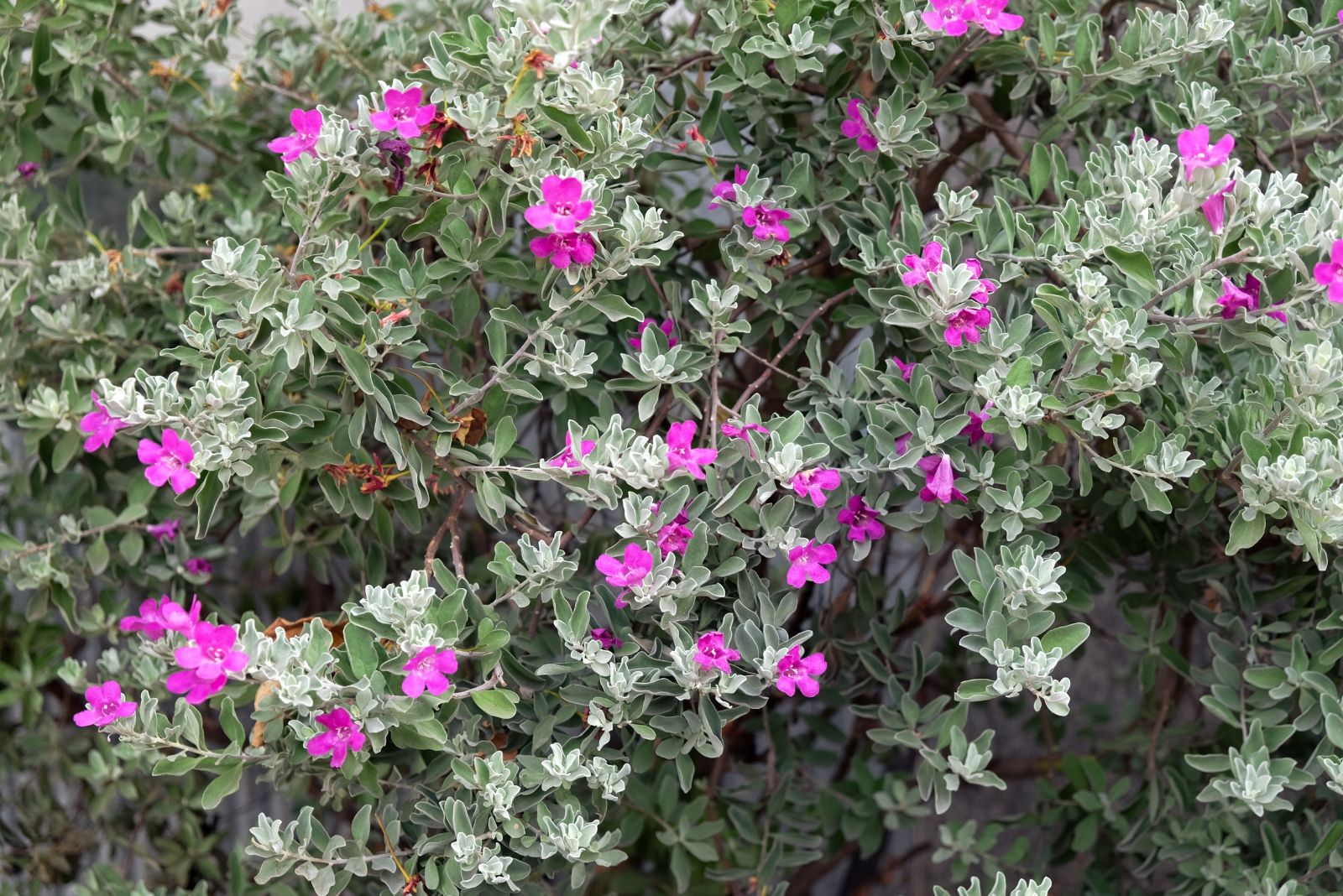
Texas sage is one of those plants that makes you feel like a genius gardener right up until it isn’t. It establishes easily, handles drought without complaint, and puts on a genuinely beautiful show of purple blooms that seem to appear almost magically after a good rain.
For a while, everything about it feels effortless, which is exactly what you want from a landscape shrub in Texas. Then the blooms start thinning out.
The plant gets a little leggy, a little shapeless, and that reliable flush of color you were counting on becomes less predictable. A lot of gardeners assume something is wrong with the plant, but nine times out of ten, the real issue comes down to pruning.
Specifically, how it’s being done, when it’s happening, and whether the approach is actually working with the plant’s natural growth habits or against them. Get the pruning right and steady flowering practically takes care of itself.
Why Texas Sage Blooms The Way It Does
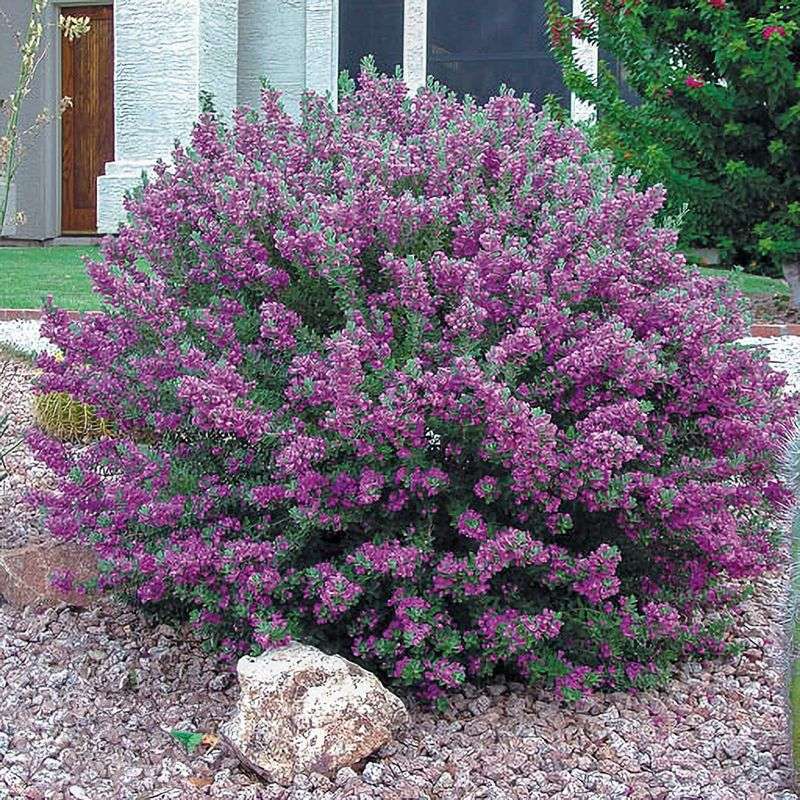
Most people are surprised to learn that Texas sage blooms on new growth. Every single pruning decision you make should be based on that one fact.
When you encourage new stems to form, you are directly encouraging more flowers to appear.
Texas sage has earned a fun nickname across the state: the barometer bush. That nickname comes from the way the plant responds to humidity and rainfall.
When moisture levels rise after a dry spell, Texas sage almost magically bursts into bloom within just a few days. Gardeners across South Texas and West Texas have used this natural pattern to predict rain for generations.
Because blooming is triggered by environmental changes rather than a fixed calendar date, the plant can bloom multiple times in a single season. That is great news for homeowners who want color throughout the warmer months.
Strategic pruning works with this natural cycle instead of fighting it. Removing older, woody growth pushes the plant to produce fresh stems. Fresh stems mean more blooming points.
More blooming points mean fuller, more frequent flower flushes across the entire shrub. Think of pruning as setting the stage for the next big show.
Understanding this blooming behavior also helps you avoid common mistakes. Many people in Central Texas prune their sage at the wrong time and wonder why blooms are sparse.
Once you understand that new growth equals new flowers, every cut you make becomes more intentional and more rewarding for your garden overall.
The Best Time To Prune Texas Sage In Texas
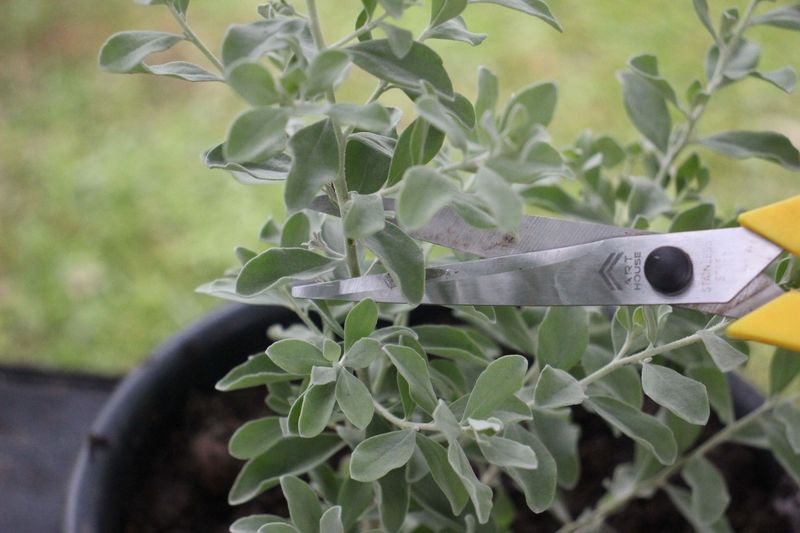
Timing your pruning correctly is just as important as how you prune. Late winter and early spring make up the most important pruning window for Texas sage throughout the state.
At this point, the plant is waking up from its slower winter period and is ready to push out strong new growth.
Pruning in late winter gives the shrub a clean start before the growing season really kicks in. Across Texas, this typically falls somewhere between late February and mid-March, depending on where you live.
Your Texas Garden Changes Every Week. Your Plan Should Too.
Gardening in Texas changes quickly throughout the season. Every Friday you’ll receive a simple weekly plan showing exactly what to plant, prune, fertilize, harvest, and protect so you never miss the right timing.
Gardeners in South Texas can often prune a little earlier than those in North or Central Texas because of the warmer temperatures.
Light pruning after each bloom cycle is another smart habit to build. Once a flush of blooms fades, removing spent flower clusters and trimming lightly encourages the plant to start building toward the next round of flowers.
This keeps the shrub looking tidy and productive at the same time. There are two things you really want to avoid. Pruning in late fall removes the growth that could support blooms during the following season.
Pruning during extreme summer heat, which is very common in West Texas and Central Texas, stresses the plant at the worst possible time and slows recovery significantly.
Choosing the right window makes a huge difference in how your plant performs. Stick to late winter for your main annual trim, and add light follow-up cuts after each bloom flush.
Your Texas sage will reward that simple routine with more color and healthier growth throughout the entire season.
How To Prune Texas Sage The Right Way
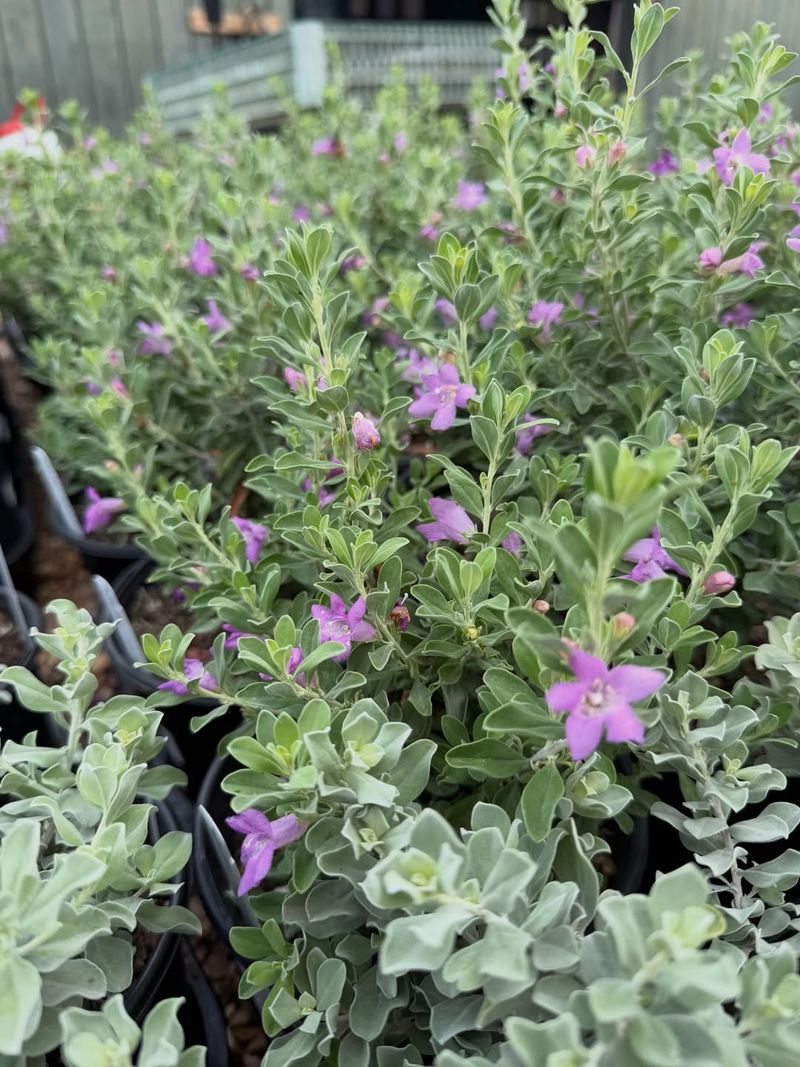
Grab your sharpest pair of pruning shears before you start. Clean, sharp tools make smooth cuts that heal quickly.
Dull blades crush stems instead of cutting them cleanly, which opens the door to disease and slows the plant down.
Always follow the natural rounded shape of the shrub as you work. Texas sage grows in a soft, mounded form, and that shape is worth protecting.
Shearing it into tight geometric boxes or flat walls is one of the most common mistakes gardeners in Texas make. That kind of hard shearing removes too much foliage at once and often leaves the plant looking bare and stressed for weeks.
A good rule to follow every single time is to remove no more than one-third of the plant during any single pruning session. Taking off too much at once shocks the shrub and reduces its ability to bounce back quickly.
Spreading heavier pruning across two light sessions is always safer than one aggressive cut. Focus your cuts on specific types of growth. Dry branches should always come out first.
Branches that cross over each other and rub together create wounds that invite pests. Inward-growing stems block airflow through the center of the plant, which can lead to fungal problems, especially during humid stretches in East Texas and along the Gulf Coast.
Working slowly and stepping back often to check the overall shape helps you avoid over-cutting. Good pruning looks almost invisible when done right.
The shrub should look naturally full and balanced, not chopped or hollow, when you finish up your session.
How Often To Prune For Steady Flowering
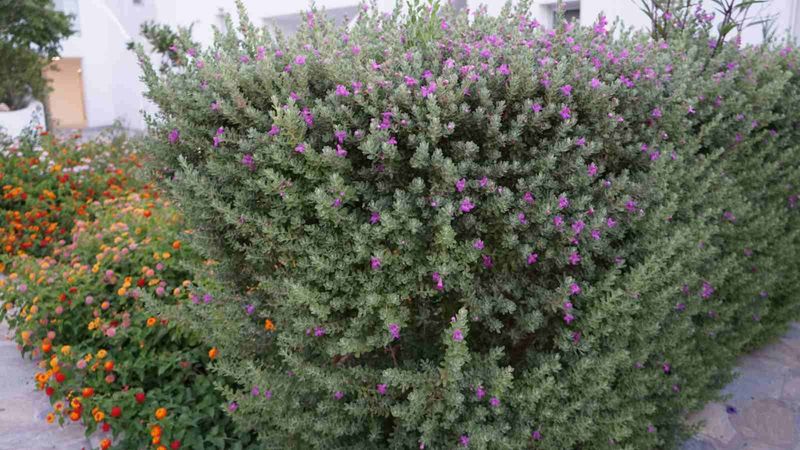
One solid annual pruning in late winter is the foundation of a good Texas sage care routine. That main session cleans up winter damage, removes old wood, and sets the plant up to grow strong through spring and summer.
Most gardeners across Texas do this once a year and see great results. After each bloom flush fades, a light trim keeps the momentum going. You do not need to do anything dramatic.
Simply remove the spent blooms and snip back the tips of stems that have finished flowering. This small step signals the plant to start building toward the next cycle of new growth and fresh flowers.
Pruning frequency can also vary depending on where in Texas you are gardening. In South Texas, the longer warm season means Texas sage can bloom three or even four times a year. That means more light trims between bloom cycles to keep things tidy and productive.
In West Texas, the dry climate means the plant may bloom less frequently, often only when significant rain arrives. Pruning there tends to be less frequent overall, with the main late-winter session doing most of the heavy lifting for the entire year.
Central Texas falls somewhere in between, with two to three bloom cycles being fairly common in a good year. Light follow-up trims after each cycle work well in this region.
Paying attention to your specific location and adjusting your pruning schedule to match the local climate is one of the smartest habits any Texas gardener can develop for long-term success.
What Happens If You Prune Texas Sage The Wrong Way
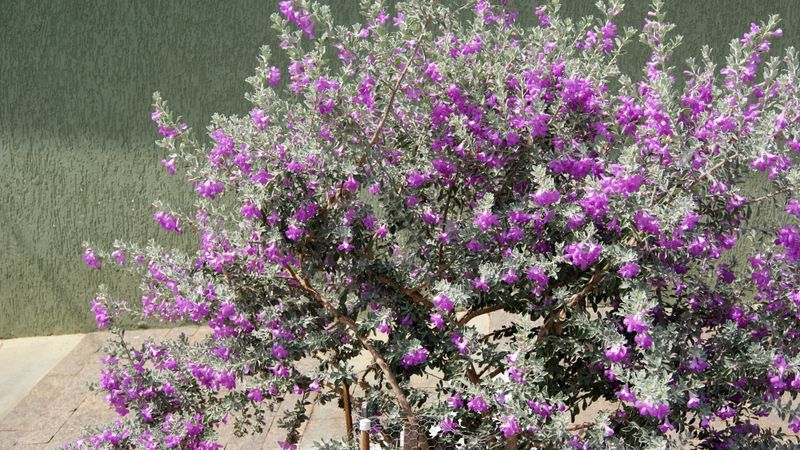
Pruning Texas sage incorrectly can set the plant back badly, and in serious cases, the damage may be permanent. Over-pruning is the number one mistake gardeners across Texas make with this shrub.
Cutting back too hard seems like a good idea in the moment, but the results are often frustrating.
Here is something many people do not realize: Texas sage does not reliably regrow from old, bare wood the way some other shrubs do.
If you cut stems back to thick, woody sections with no green growth left on them, the plant may struggle to push out new shoots from those areas. Some branches may never recover at all.
Bare patches can form where over-pruned sections fail to regrow. Those patches can become permanent features of the shrub, leaving it looking uneven and sparse for years.
In severe cases, repeated hard pruning can weaken the plant so much that it eventually fails entirely, especially during a hot Texas summer or a period of drought.
Geometric shearing is another form of wrong-way pruning that causes long-term problems. Shearing removes the natural growing tips all at once and forces the plant into an unnatural shape.
Over time, the interior of the shrub becomes dense and woody with very little productive growth near the center.
Pruning too late in the season is also harmful. Cutting Texas sage in late fall removes the new growth that would have supported early blooms the following spring.
Avoid that window entirely and save your energy for the correct late-winter timing that keeps this tough and beautiful Texas shrub at its very best.
Extra Tips For Keeping Texas Sage Blooming Its Best
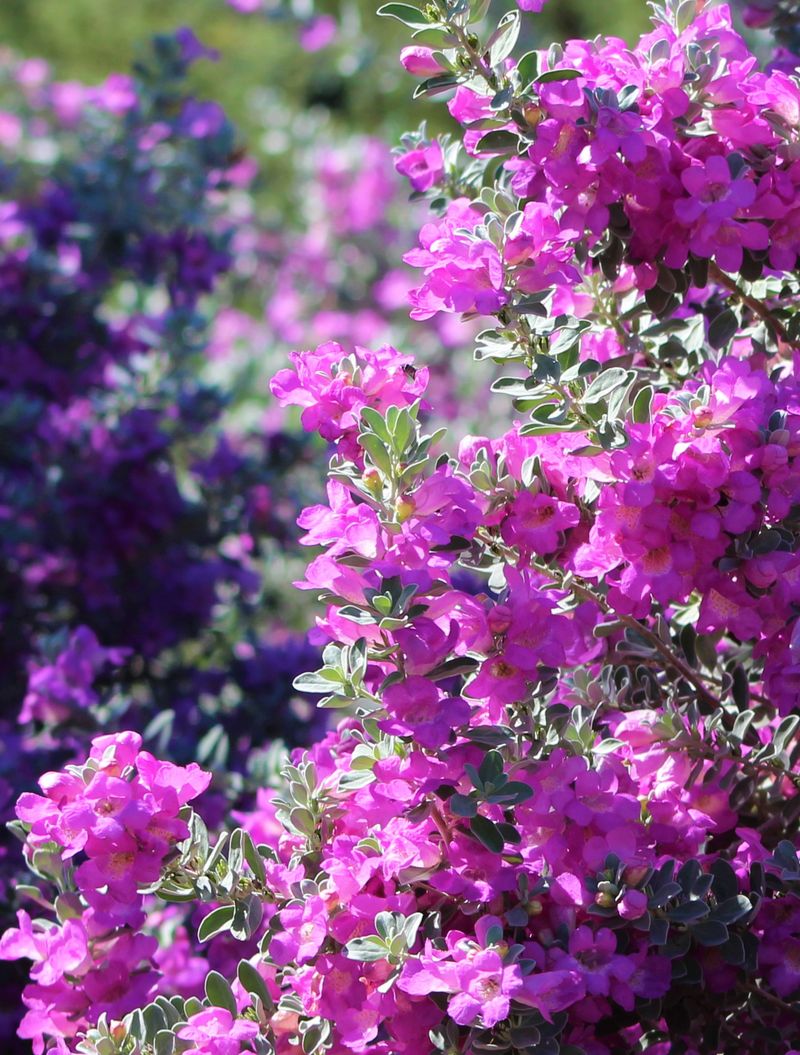
Sun is non-negotiable for Texas sage. The shrub needs a minimum of six to eight hours of direct sunlight every single day to bloom at its best.
Planting it in a shady spot or letting nearby trees grow over it will reduce flowering dramatically, no matter how well you prune.
Soil drainage matters just as much as sunlight. Texas sage absolutely cannot tolerate wet feet.
In the heavy clay soils found in parts of Central Texas and North Texas, planting in a raised bed or amending the soil with gravel and coarse sand can make a real difference. Good drainage keeps roots healthy and the plant thriving through wet seasons.
Fertilizer is something to use very carefully with Texas sage. Too much nitrogen pushes the plant to produce lots of leafy green growth at the expense of flowers.
If you feel the need to fertilize, use a low-nitrogen product sparingly and only in early spring. Many experienced Texas gardeners skip fertilizer entirely and let the native soil do its job.
Watering habits also play a role in long-term blooming success. Once established, Texas sage is extremely drought-tolerant.
Deep, infrequent watering trains the roots to grow down into the soil rather than staying shallow. Shallow roots make the plant more vulnerable during dry stretches, which are very common in West Texas and South Texas.
Combining smart pruning with these simple care habits gives Texas sage everything it needs to perform beautifully year after year. A little attention at the right moments goes a very long way with this remarkable native shrub.