These Low-Growing Grasses Are Perfect For Clean Edges In Pennsylvania Gardens
Ever notice how some yards just look sharper than others, even when the plants and flowers are basically the same? It’s not always about what’s growing in the beds – a lot of the time it comes down to the edges.
Clean, defined borders are what give a garden that intentional, well-thought-out look that makes the whole yard feel like it was actually designed rather than just planted. Low growing grasses are one of the best kept secrets for achieving exactly that kind of polished edge.
They stay compact, they spread in a controlled and predictable way, and they create a natural transition between lawn and garden beds that looks intentional without requiring constant upkeep.
In Pennsylvania, where gardens have to push through cold winters and humid summers, finding plants that hold their shape through all of it makes a real difference.
The right grass along your borders can completely transform how your entire yard reads from the street.
1. Pennsylvania Sedge
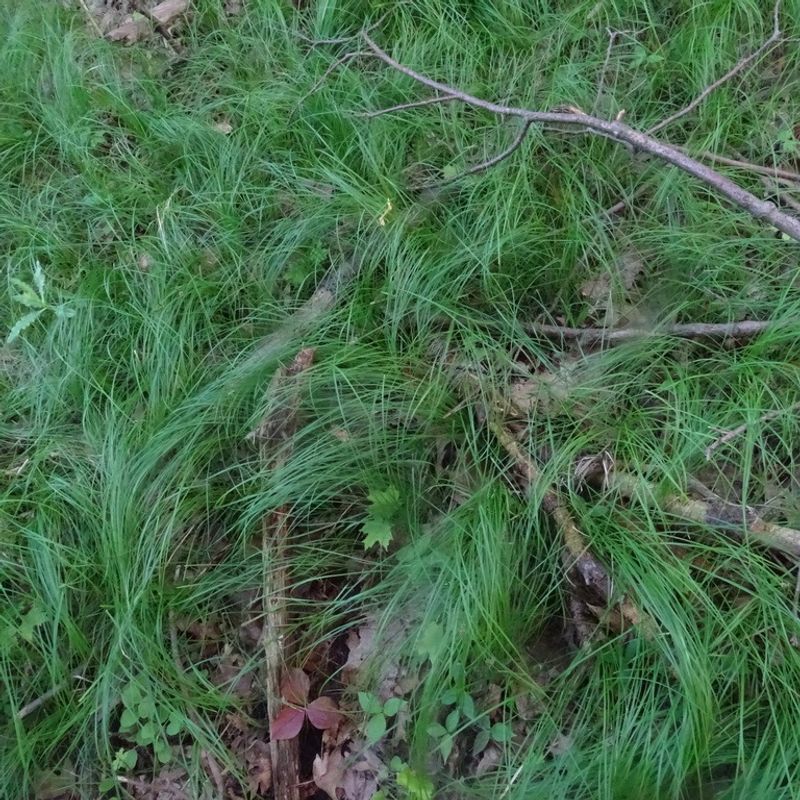
If there’s one plant that was practically born for Pennsylvania garden edges, it’s this one. Pennsylvania Sedge carries the state’s name for a reason.
It grows naturally across the region and has adapted perfectly to local soils, seasons, and weather patterns over thousands of years. Gardeners across Pennsylvania have started to recognize just how valuable this humble little plant really is.
Growing just 6 to 12 inches tall, Pennsylvania Sedge forms dense, tidy clumps that stay naturally neat without any trimming. You won’t need to mow it, edge it, or fuss over it once it gets settled in.
It spreads slowly over time to fill in gaps along borders, creating a beautifully clean and consistent edge that looks intentional and polished. Few plants deliver that kind of result with so little effort.
One of its biggest strengths is its flexibility. It grows well in both full sun and deep shade, which makes it incredibly useful in all kinds of Pennsylvania gardens.
Got a shady border under a big oak tree? Pennsylvania Sedge handles it with ease. Sunny front border along a walkway? It thrives there too.
It also stays green well into Pennsylvania’s cold winters, giving your garden color and structure even when most other plants have gone dormant.
For low-maintenance, clean-edged garden borders anywhere in Pennsylvania, this sedge is simply unbeatable. It’s the kind of plant that makes you wonder why you didn’t try it sooner.
2. Plantain-Leaved Sedge
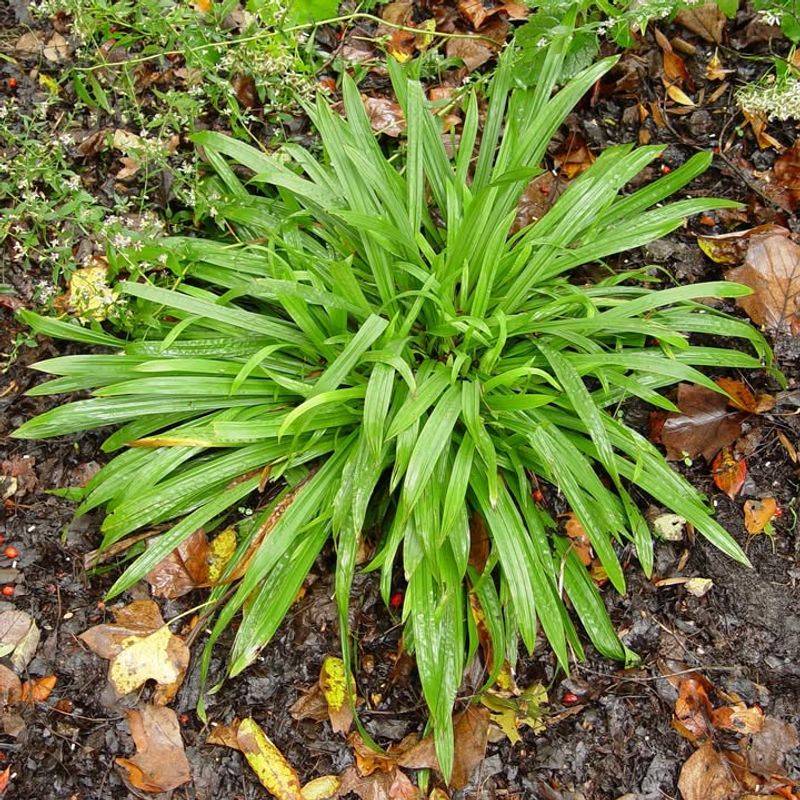
Most gardeners walk right past Plantain-Leaved Sedge at the nursery without giving it a second look. That’s a real shame, because this underused native is one of the most handsome low-growing plants you can put along a shaded garden edge in Pennsylvania.
Its broad, strappy leaves have a bold, lush texture that sets it apart from the typical fine-leaved sedges most people are familiar with.
Staying compact at just 8 to 12 inches tall, it forms low, rounded clumps that hold their shape beautifully throughout the growing season. Along shaded garden edges where traditional lawn grasses thin out and struggle, Plantain-Leaved Sedge steps up and delivers.
Your Pennsylvania Garden Changes Every Week. Your Plan Should Too.
Gardening in Pennsylvania changes quickly throughout the season. Every Friday you’ll receive a simple weekly plan showing exactly what to plant, prune, fertilize, harvest, and protect so you never miss the right timing.
It creates a rich, green border that looks deliberately designed rather than accidental. The wide leaves catch filtered light in a way that makes shaded garden corners feel alive and intentional.
Native to Pennsylvania’s woodland landscapes, this sedge is right at home under trees and along north-facing borders where moisture lingers in the soil.
It pairs beautifully with hostas, ferns, and native wildflowers, helping to tie together a naturalistic garden design with clean, defined edges.
Because it spreads gradually through clumping rather than aggressive runners, you stay in control of where it grows. Maintenance is minimal once established, which is always a bonus for busy gardeners.
If you have a shaded garden edge in Pennsylvania that needs some structure and beauty, Plantain-Leaved Sedge deserves a serious spot on your planting list this season.
3. Tufted Hair Grass
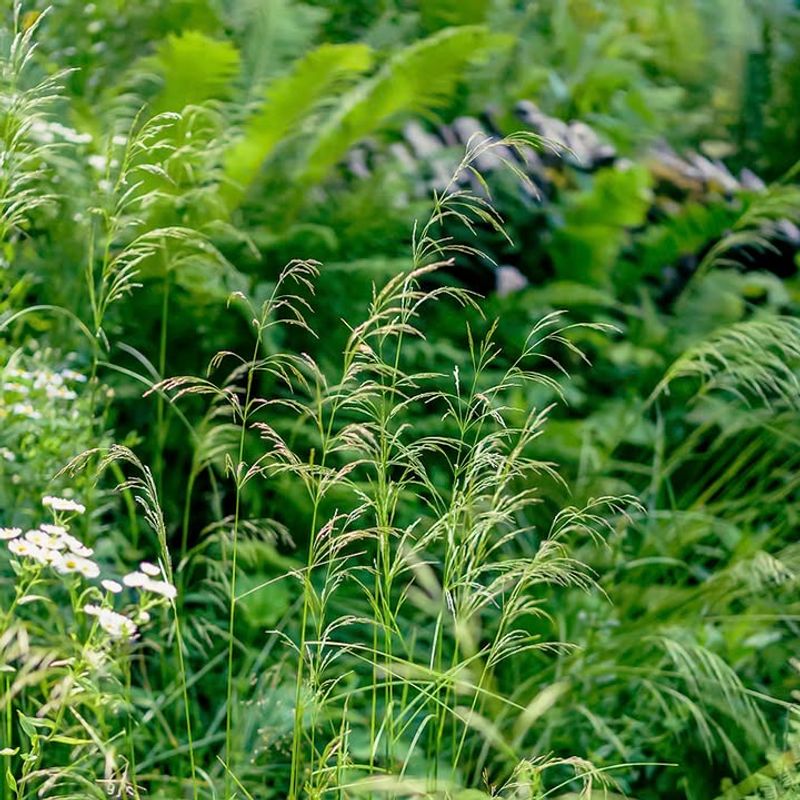
There’s something almost magical about Tufted Hair Grass when it catches the light on a summer morning. The delicate, cloud-like flower stems sway gently in the breeze, creating a soft, airy effect that feels both elegant and effortless.
But underneath all that graceful beauty is a seriously tough and reliable plant that Pennsylvania gardeners can count on season after season.
The foliage itself stays low and compact, forming tidy, well-defined clumps that work beautifully as clean garden edge plants. The leaves are fine-textured and deep green, creating a dense base that holds its shape without spreading aggressively.
In late spring and early summer, slender flowering stems shoot up above the foliage, reaching two to three feet and creating a stunning layered effect along garden borders. It’s one of those plants that earns its place in a garden twice over.
Tufted Hair Grass thrives in moist, partially shaded spots, which are very common in Pennsylvania gardens, especially in yards with mature trees or low-lying areas that hold moisture after rain.
It handles clay soils reasonably well too, which is great news for many Pennsylvania homeowners who deal with heavy soil.
Plant it along a stream edge, a shaded walkway border, or a rain garden perimeter and watch it transform the space. It requires very little care once established and stays looking clean and attractive with almost no intervention.
For Pennsylvania gardeners who want texture, movement, and clean edges all in one plant, Tufted Hair Grass is a wonderful choice.
4. Poverty Oat Grass
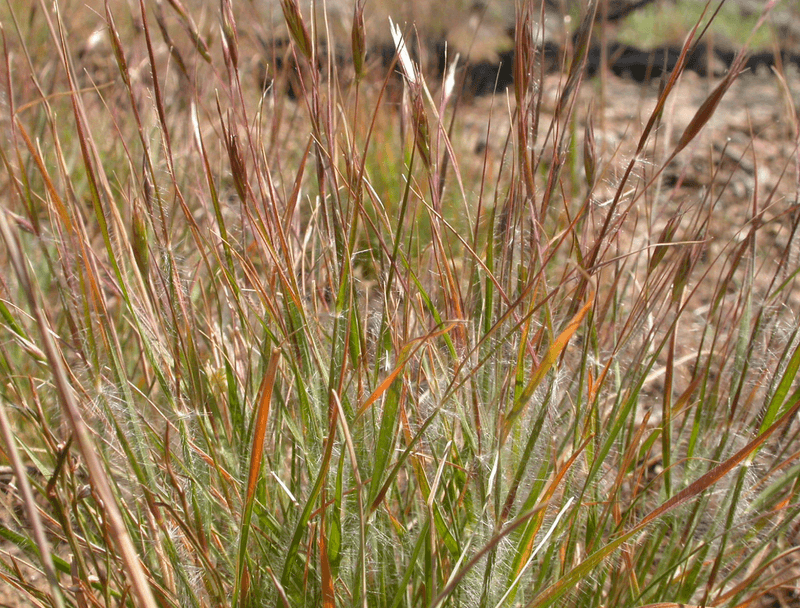
Don’t let the name fool you. Poverty Oat Grass may sound like a plant that’s struggling, but in the right spot it’s actually one of the most charming and dependable low-growing grasses you can use along garden edges in Pennsylvania.
Its name comes from its ability to thrive in poor, dry soils where most other plants simply give up. That’s not a weakness. That’s a superpower.
Forming tight, neat clumps that rarely grow taller than 12 inches, Poverty Oat Grass has a distinctive look that sets it apart from other native grasses.
Its leaves have a fine texture and a tendency to curl slightly, giving the plant a playful, whimsical appearance that adds personality to garden borders.
Along dry, sunny edges where the soil is lean and water is scarce, this grass creates a clean, natural-looking boundary that requires virtually zero irrigation or fertilizing.
Pennsylvania has no shortage of challenging garden spots with dry, compacted, or nutrient-poor soil. Slopes, rocky borders, roadside edges, and sunny beds with sandy soil are all places where Poverty Oat Grass can shine.
It establishes quickly in these tough conditions and gradually fills in to create a consistent, tidy edge. Because it stays so compact and doesn’t spread aggressively, it’s easy to manage and keep looking neat.
If you have a dry, difficult border in your Pennsylvania garden that you’ve been struggling to fill, give Poverty Oat Grass a real chance. You might be genuinely surprised by how good it looks.
5. Little Bluestem
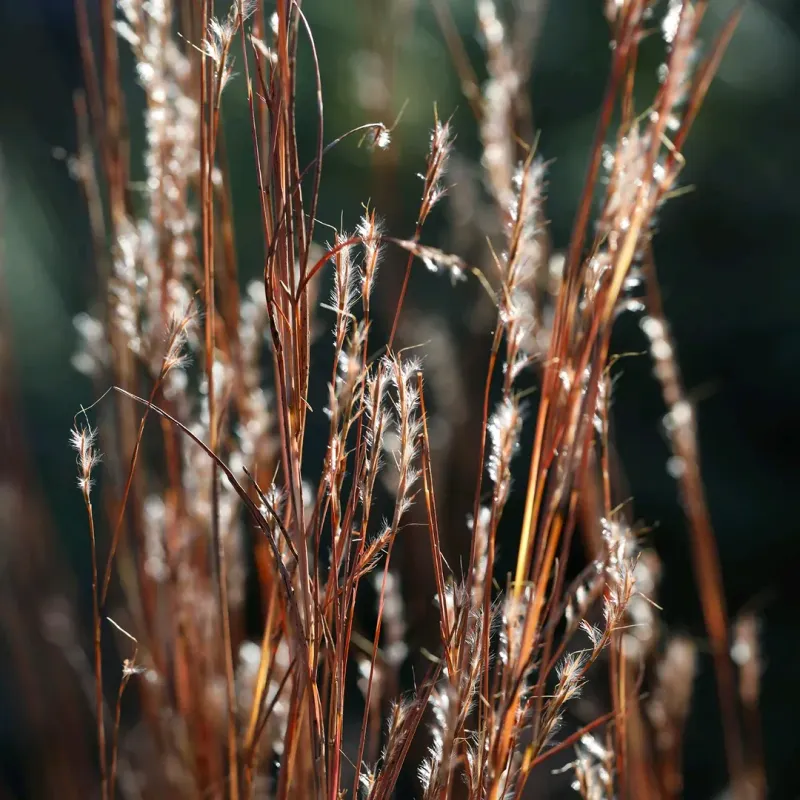
Ask any experienced Pennsylvania gardener to name their favorite native grass and Little Bluestem comes up again and again. It has earned that reputation honestly.
From spring through fall and even into winter, this grass puts on a show that very few other plants can match.
It starts the season with blue-green upright foliage, and by autumn it transforms into breathtaking shades of copper, bronze, and deep red that make garden edges look absolutely spectacular.
Growing in tight, upright clumps that reach about two to three feet tall, Little Bluestem brings structure and definition to mid-border edges. The clumps stay neat and well-contained throughout the growing season without flopping over or spreading out of bounds.
That upright habit is part of what makes it so effective as an edging plant. Each clump acts like a small exclamation point along a border, giving the garden a strong sense of rhythm and design.
Little Bluestem is native to Pennsylvania’s meadows and open woodlands, so it’s completely at home in the local climate. It handles summer heat, winter cold, and dry spells without complaint.
It grows well in average to poor soils and actually performs better with less fertilizer, which keeps maintenance simple and affordable. The feathery seed heads that appear in late summer add another layer of interest and attract birds throughout the colder months.
For Pennsylvania gardeners who want a native grass that delivers four-season beauty and clean, defined edges, Little Bluestem belongs at the top of the list.
6. Side-Oats Grama
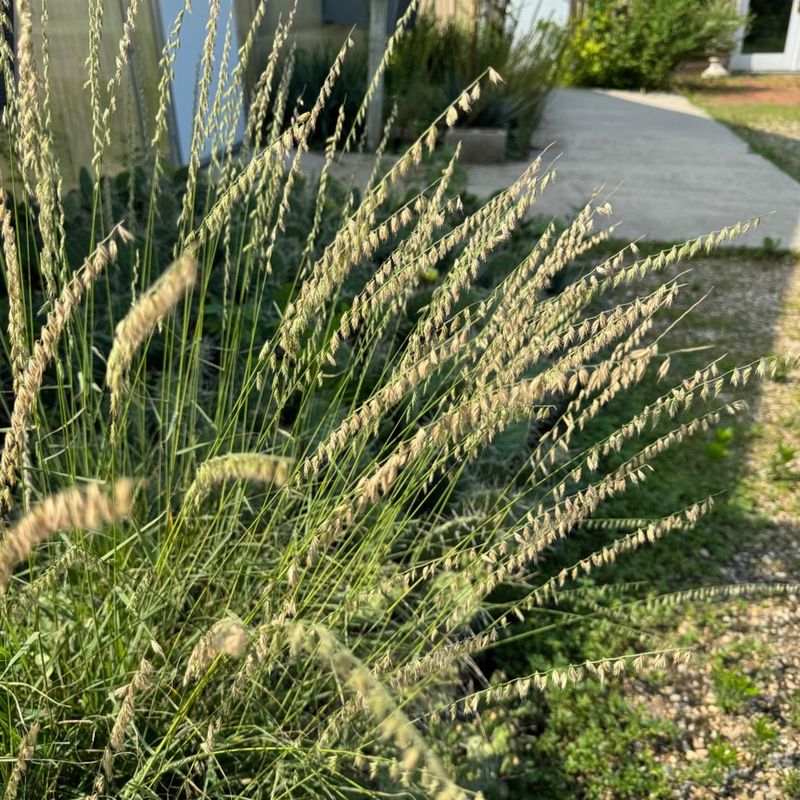
Few native grasses have a more instantly recognizable look than Side-Oats Grama. The moment those distinctive seed heads appear in summer, hanging neatly along one side of each stem like a row of tiny oats, you know exactly what you’re looking at.
That quirky, charming detail is how the plant got its memorable name, and it’s one of the reasons gardeners in Pennsylvania are falling in love with it as a garden edge plant.
Side-Oats Grama stays low and compact, typically reaching just 18 to 24 inches tall when in flower, with the foliage base staying much lower.
It forms tidy, well-behaved clumps that create wonderfully clean and attractive garden edges without spreading aggressively into neighboring plants.
The overall look is natural and relaxed, but still organized enough to give a border a clear, intentional structure. It’s the kind of grass that makes a garden feel both wild and well-tended at the same time.
Dry conditions are no problem for Side-Oats Grama. It thrives in sunny, well-drained spots and handles Pennsylvania’s summer heat with ease.
Sandy or rocky soils that would stress other plants are perfectly fine for this tough native. Once established, it needs very little water and no fertilizing, making it one of the most low-maintenance edging grasses available to Pennsylvania gardeners.
The seed heads that develop through summer and fall add movement and visual interest to borders, and they attract small birds looking for a snack. For a dry, sunny garden edge in Pennsylvania, Side-Oats Grama is a genuinely delightful choice.
7. Rosy Sedge
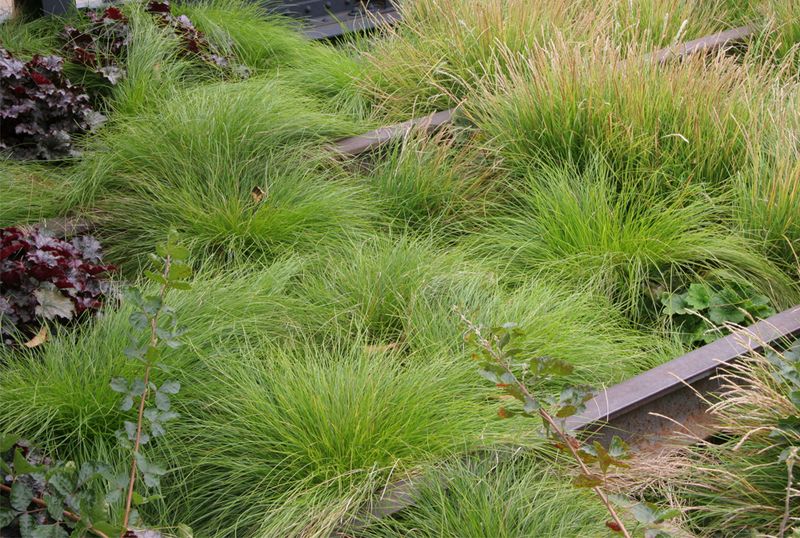
Finding a well-behaved, good-looking native plant for a shaded garden edge in Pennsylvania is genuinely one of gardening’s trickier challenges. Rosy Sedge solves that problem beautifully.
With its fine, arching leaves and naturally tidy growth habit, it fills shaded borders with a soft, graceful texture that feels right at home under the canopy of Pennsylvania’s trees. It’s the kind of plant that makes a difficult spot suddenly look effortless.
Growing to just 12 to 18 inches tall, Rosy Sedge forms low, rounded clumps of narrow, bright green leaves that arch outward in a fountain-like shape. The overall effect along a garden edge is clean, lush, and refined without being stiff or formal.
In late spring it produces small, star-shaped seed clusters on slender stems that add a delicate seasonal detail to the border. The foliage remains attractive and green throughout most of Pennsylvania’s growing season, holding its good looks from early spring well into autumn.
Rosy Sedge is native to Pennsylvania’s woodland understory, which means it’s perfectly suited to the shaded, moist conditions found in many local backyards.
It grows well under deciduous trees, along shaded fence lines, and beside north-facing foundation plantings where other grasses simply refuse to perform.
It spreads slowly and politely, filling in over time without becoming invasive or overwhelming neighboring plants. Maintenance is minimal, which makes it ideal for gardeners who want beautiful edges without constant upkeep.
If you have a shaded corner in your Pennsylvania garden that needs a reliable, attractive native edging plant, Rosy Sedge is exactly what you’ve been looking for.