7 Pollinators That Are Active In May In Arizona And How To Support Them
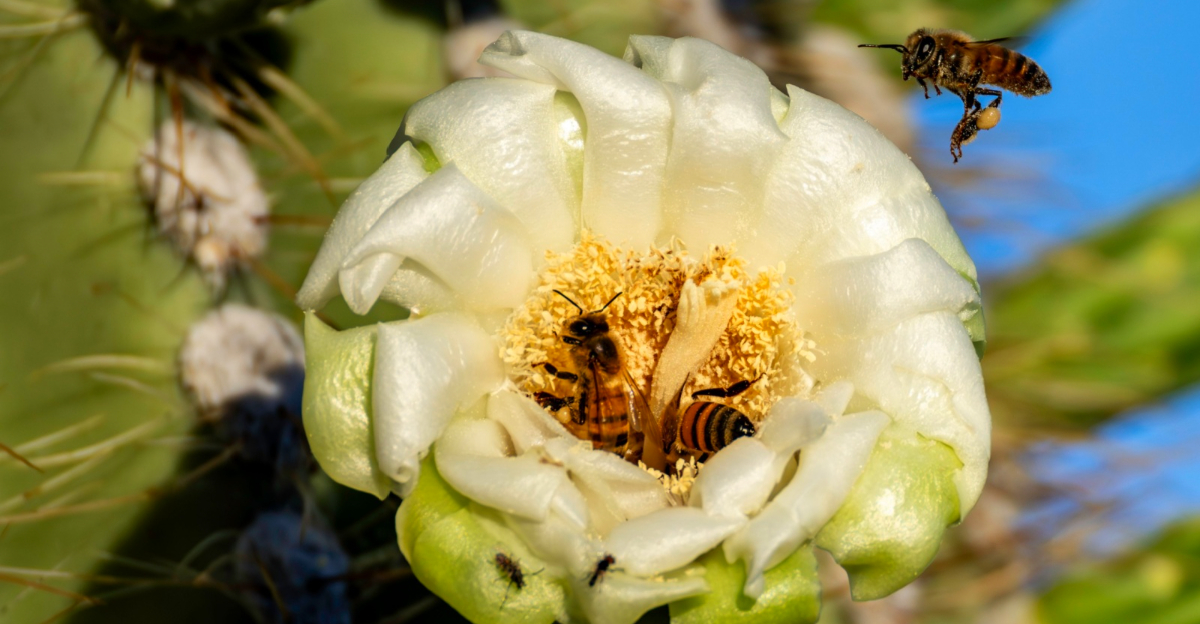
May in Arizona is basically the ultimate outdoor party for our local wildlife. While we are busy cranking up the air conditioning, the local pollinators are hitting the desert buffet like there is no tomorrow!
Between the blooming saguaros and the neighborhood garden snacks, insects, birds, and even bats are working overtime under that famous copper sun.
It is the perfect moment when the desert heat meets a nectar explosion, creating a busy highway of wings and fuzzy bodies right in our backyards.
You might have a massive native landscape or just a couple of pots on a tiny stucco patio, but you can still be a five-star host. Supporting these tiny neighbors is the best way to keep our local ecosystems humming along.
Getting to know the guests arriving at your garden party helps you provide exactly what they crave.
1. Native Bees Power Pollination Across Arizona Gardens
Walk past a blooming palo verde or desert marigold on a warm May morning in Arizona, and chances are you will hear buzzing before you see anything.
Native bees are some of the most active and hardworking pollinators in the state, and May is when many species are at their peak.
Arizona is home to more than 1,000 native bee species, including cactus bees, leafcutter bees, and sweat bees, which are all well adapted to the desert climate.
Unlike honey bees, most native bees are solitary. They do not live in large colonies but instead nest in small burrows in the ground or inside hollow plant stems.
This makes them easy to overlook, but their contribution to pollination is enormous. Native bees tend to be highly efficient pollinators because they often specialize in certain plant families, transferring pollen with great accuracy.
Supporting native bees in Arizona is straightforward with the right approach. Plant a variety of native flowering plants such as desert willow, globe mallow, and brittlebush to provide consistent nectar through the season.
Leave some bare soil patches in your yard where ground-nesting bees can build their homes. Avoid broad-spectrum pesticides, especially during morning hours when bees are most active.
A shallow dish of water with small stones for landing spots can also make a meaningful difference for these essential Arizona pollinators.
2. Honey Bees Stay Busy In Flowering Landscapes
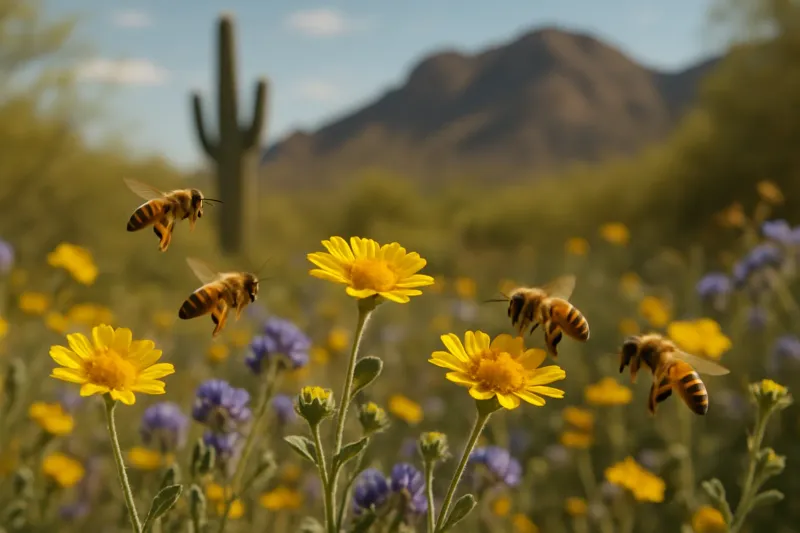
Few sights in a May garden are more familiar than a honey bee moving steadily from flower to flower, loading up pollen and heading back to the hive.
In Arizona, honey bee colonies are especially active during spring when temperatures are warm but not yet reaching the extreme heat of summer.
This makes May one of the most productive months for hive activity across the state.
Honey bees thrive in areas where flowering plants are abundant and varied. In Arizona landscapes, they are frequently spotted on lavender, rosemary, citrus trees, and flowering vegetables like squash and cucumber.
If you grow a vegetable garden, honey bees are likely visiting regularly, and their activity directly improves your fruit and vegetable yields. Even a small patch of flowering herbs near a patio can attract them consistently.
Your Arizona Garden Changes Every Week. Your Plan Should Too.
Gardening in Arizona changes quickly throughout the season. Every Friday you’ll receive a simple weekly plan showing exactly what to plant, prune, fertilize, harvest, and protect so you never miss the right timing.
Supporting honey bees does not require owning a hive. Simply offering a reliable source of water, such as a birdbath with pebbles or a shallow container, helps them stay hydrated during warm Arizona days.
Planting a mix of flowering plants that bloom at different times keeps foraging opportunities open throughout the season.
Reducing or eliminating pesticide use near flowering plants is one of the most impactful steps any Arizona homeowner can take.
When bees have access to chemical-free food sources and clean water, they tend to visit gardens far more often and contribute meaningfully to plant health.
3. Hummingbirds Bring Energy To Spring Blooms
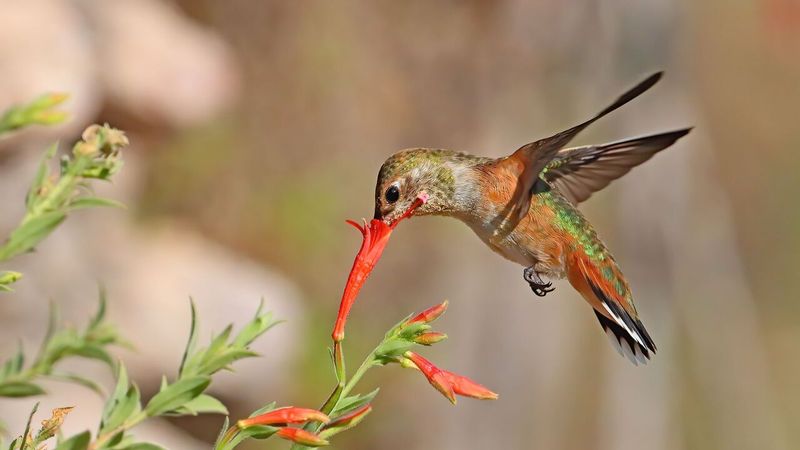
There is something almost electric about watching a hummingbird hover at a red tubular flower on a warm May morning in Arizona. These tiny birds move with incredible speed and precision, visiting hundreds of flowers each day in search of nectar.
Arizona is home to several hummingbird species, including the Anna’s hummingbird, which is active year-round, and the black-chinned hummingbird, which arrives in spring and is very active throughout May.
Hummingbirds are attracted to brightly colored, tubular flowers that hold large amounts of nectar. In Arizona gardens, plants like penstemon, salvia, desert honeysuckle, and hummingbird trumpet are reliable favorites.
These plants are also well suited to low-water landscapes, making them practical choices for Arizona homeowners who want to support wildlife without overwatering.
Adding a clean hummingbird feeder filled with plain sugar water, using a ratio of one part sugar to four parts water, can supplement natural nectar sources during May. Avoid red food dye, as it is unnecessary and may be harmful.
Clean feeders every few days to prevent mold, especially as Arizona temperatures climb. Providing dense shrubs or small trees nearby gives hummingbirds a place to perch and rest between feeding bursts.
When your yard offers both flowers and shelter, hummingbirds tend to return consistently throughout the spring season, making them one of the most rewarding pollinators to attract in Arizona.
4. Butterflies Add Color And Movement To Yards
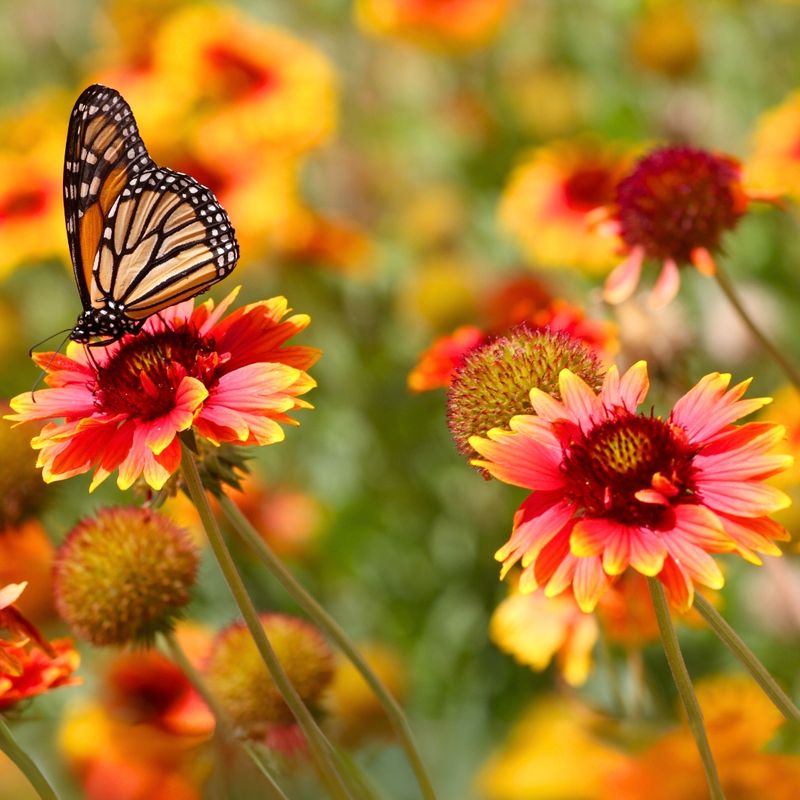
Spotting a butterfly drifting across a flowering yard on a sunny May afternoon is one of those small pleasures that makes Arizona gardening feel especially rewarding.
Butterflies are active pollinators during the day and are drawn to a wide range of flowering plants.
In Arizona, May brings out species like the painted lady, queen butterfly, pipevine swallowtail, and several sulphur species, all of which are looking for nectar and, in many cases, places to lay eggs.
Butterflies tend to prefer open, sunny areas where they can warm their wings and feed without obstruction. Flat-topped flowers like zinnias, lantana, and desert marigold are especially attractive to them because of their easy landing surfaces.
Native milkweed species are critical for monarch and queen butterflies, providing both nectar and a host plant for their caterpillars. Planting a mix of these in a sunny Arizona yard can support multiple butterfly life stages at once.
Creating a butterfly-friendly space also means thinking about more than just flowers. Butterflies need shelter from wind and a source of moisture, which can come from a shallow puddling dish with damp sand or soil.
Avoid trimming plants too aggressively in spring, since caterpillars may be feeding on leaves.
Skipping pesticides entirely in garden areas where butterflies are active is one of the most effective ways to support their populations across Arizona throughout May and beyond.
5. Moths Support Nighttime Pollination In Quiet Hours
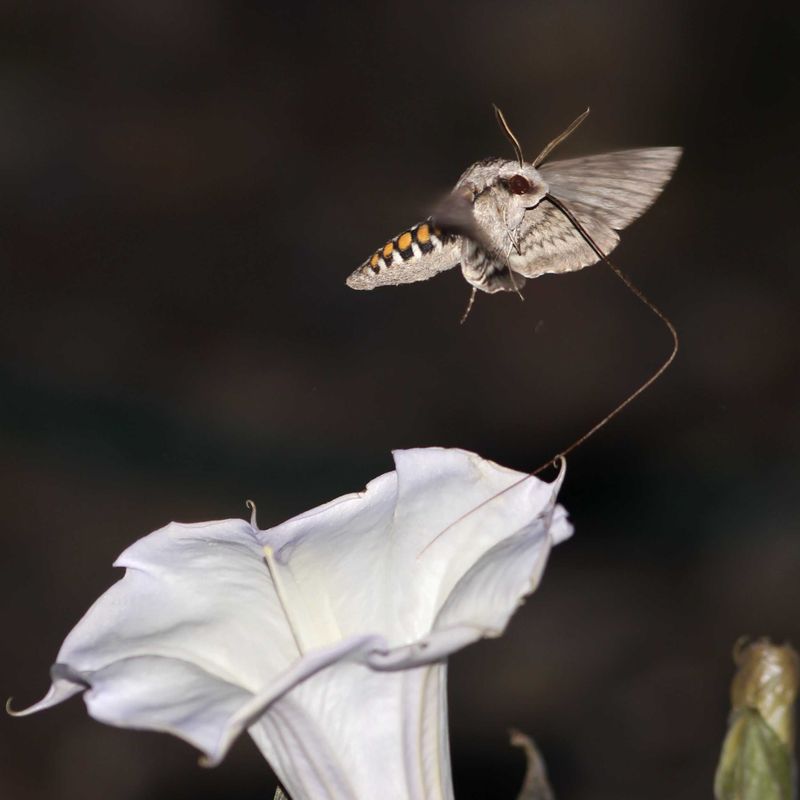
When the sun goes down over the Arizona desert in May, a whole new group of pollinators takes over.
Moths are among the most underappreciated pollinators in the region, quietly moving from flower to flower during the evening and nighttime hours when most other pollinators have settled in.
The white-lined sphinx moth, sometimes called a hawk moth, is one of the most recognizable species in Arizona and is especially active during warm May nights.
Moths are particularly drawn to pale or white flowers that are highly fragrant after dark. Sacred datura, which blooms widely across Arizona in May, is one of the most important moth-pollinated plants in the desert.
Its large, trumpet-shaped white flowers open in the evening and close by morning, perfectly timed for nighttime pollinators.
Moonflower and evening primrose are other good options for Arizona gardeners who want to attract moths to their yards.
Supporting moths does not require much effort, but a few intentional choices help. Leaving outdoor lights off or switching to amber-toned bulbs reduces the disorienting effect that bright lights can have on moths during their active hours.
Planting night-blooming flowers in a corner of your yard or along a fence creates a dedicated space for evening pollinator activity.
Avoiding pesticide applications in the evening, when moths are most active, also makes a meaningful difference for these quiet and often overlooked contributors to Arizona’s spring pollinator community.
6. Bats Play A Key Role In Desert Plant Life
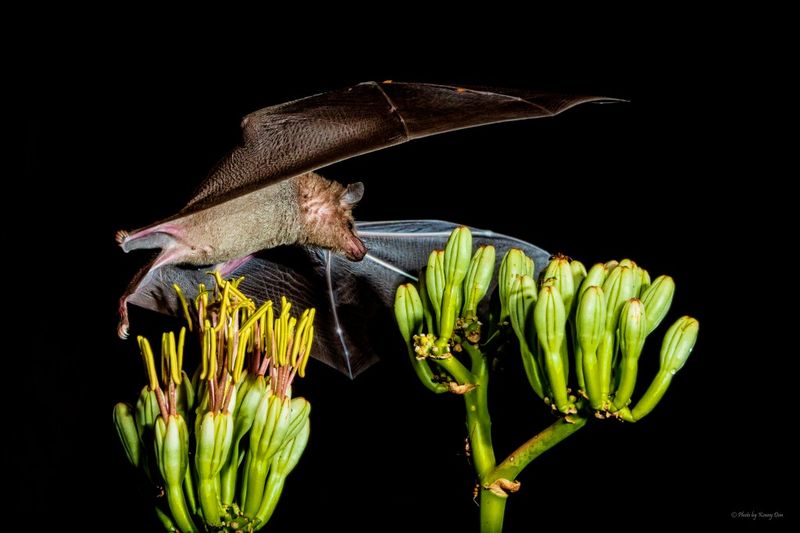
On warm May evenings across the Sonoran Desert, lesser long-nosed bats emerge from their roosts and begin one of the most fascinating pollination stories in Arizona.
These bats fly long distances each night, feeding on the nectar of saguaro and organ pipe cactus flowers, which bloom in late spring and are specifically adapted for bat pollination.
The bats lap up nectar with their long tongues and carry pollen from flower to flower as they feed, playing a role that few other creatures can fill.
Bats are not always the first thing people think of when they picture pollinators, but in the Sonoran Desert, they are genuinely important to the reproduction of several iconic plant species.
Without bat pollination, saguaro fruit production would be significantly reduced, and that fruit is a critical food source for many other desert animals during summer months.
Arizona homeowners near natural desert areas can take steps to support bats by installing a bat box on a south-facing wall or post where it receives morning sun. Bat boxes provide roosting shelter for smaller bat species that may be active near neighborhoods.
Keeping native flowering plants like agave, saguaro, and night-blooming cereus in your landscape offers food sources that attract bats naturally.
Reducing unnecessary outdoor lighting and avoiding pesticide use near natural areas helps maintain healthy bat activity in and around Arizona communities during May and throughout the warmer months ahead.
7. Flower Flies Help Pollinate Small Garden Blooms
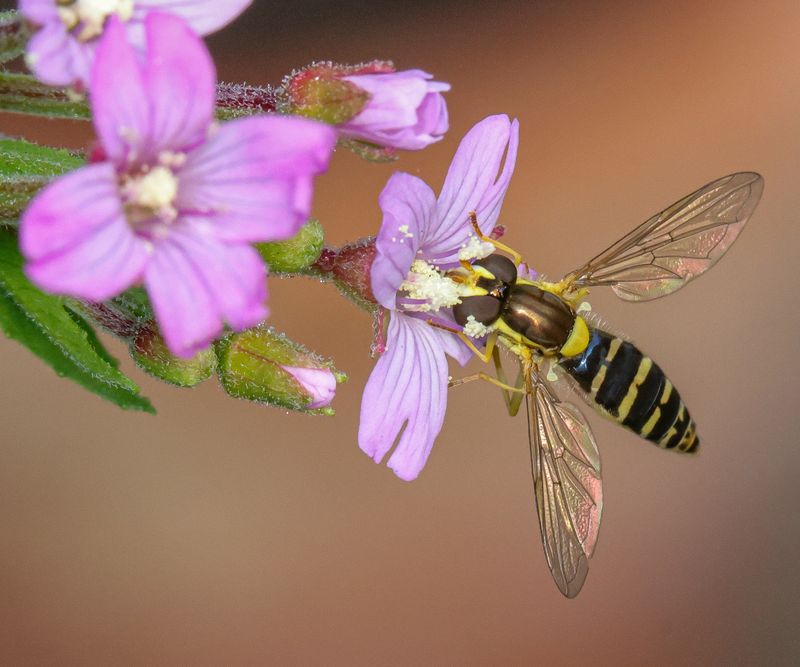
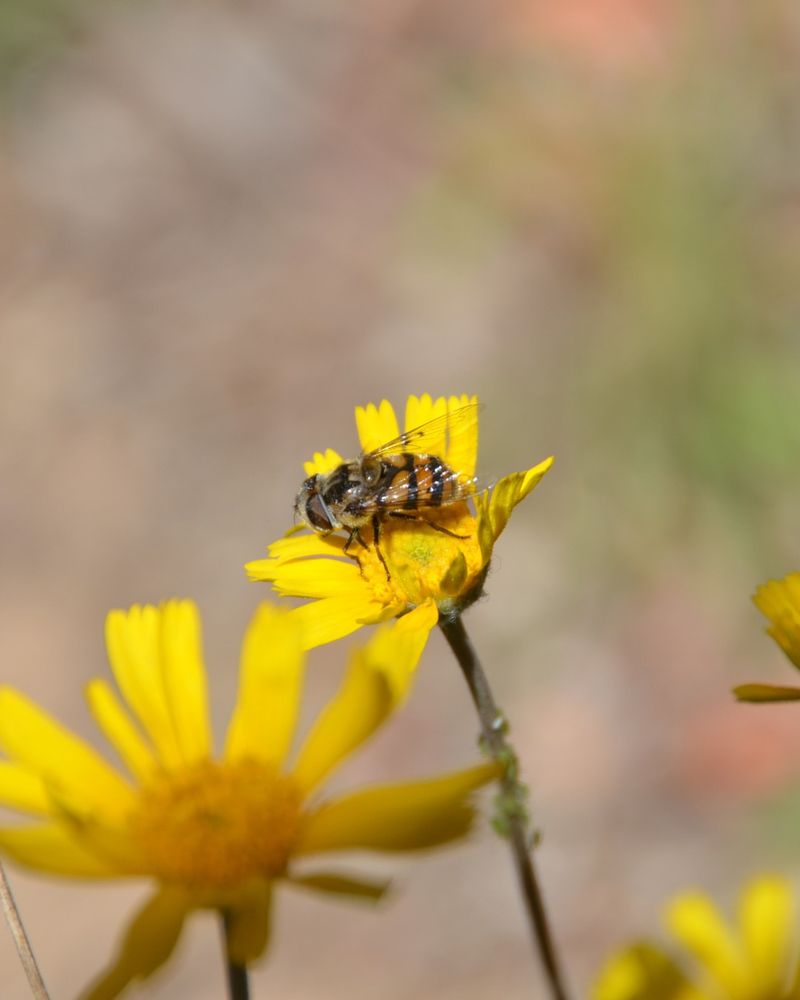
At first glance, you might mistake a flower fly for a small bee or wasp hovering near your garden blooms. Flower flies, also called hoverflies, are expert mimics that have evolved to look like stinging insects, even though they are completely harmless.
In Arizona, these flies are active throughout spring and are especially noticeable in May when small-flowered plants like yarrow, desert marigold, and sweet alyssum are in full bloom.
Flower flies are efficient pollinators for small, open-faced flowers where their shorter mouthparts can easily reach the nectar.
They tend to prefer flowers with shallow blooms rather than deep tubular shapes, which makes them a good complement to bees and hummingbirds that focus on different flower types.
Their presence in a garden often signals a healthy, chemical-free environment where a variety of beneficial insects feel comfortable.
Encouraging flower flies in your Arizona yard is mostly about plant selection and avoiding pesticides.
Planting clusters of small-flowered herbs like cilantro, dill, and fennel that are allowed to bolt and flower gives these flies reliable food sources through the season.
Flat-topped native wildflowers also attract them consistently. Flower fly larvae are an added bonus for gardeners since many species feed on aphids, helping to reduce pest pressure naturally.
Keeping some leaf litter and organic mulch in garden beds gives larvae a place to develop, which supports the next generation of these quiet, helpful Arizona pollinators.