How To Spot Early Nutrient Problems In Arizona As Spring Growth Begins
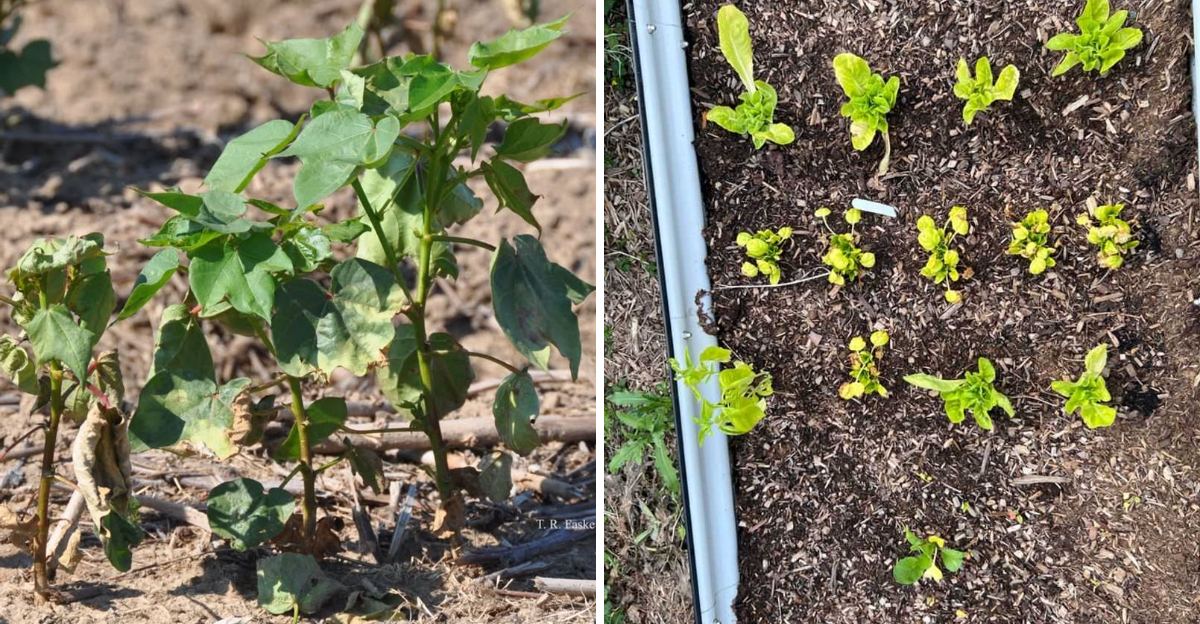
Something always feels a little off in Arizona right as spring growth begins, even when everything looks green and active. New leaves push out quickly, plants start filling in, and it seems like the season is off to a strong start.
But if you look a little closer, small changes can start showing up before anything obvious goes wrong.
A leaf might not look as rich in color as it should. New growth can seem slightly uneven.
Nothing looks serious at first, which is exactly why it is easy to ignore. Most problems do not show up all at once.
They build quietly while everything still appears to be moving in the right direction.
That early window matters more than it seems. Once conditions shift, those small issues can start affecting how plants handle the rest of the season.
Catching what others miss at the beginning can make a noticeable difference in how everything grows from this point forward.
1. Older Leaves Turn Yellow First When Nitrogen Starts Running Low
Yellow leaves on the bottom of a plant while the top stays green — that’s one of the clearest signals your soil is running short on nitrogen. Nitrogen moves fast inside a plant, and when supplies get tight, the plant pulls it away from older growth first to keep the new stuff alive.
So the bottom leaves take the hit first.
In Arizona, spring soils warm up quickly, and that warmth speeds up how fast existing nitrogen gets used up. If you didn’t amend your beds before the season started, you might already be behind.
Sandy desert soils especially struggle to hold nitrogen for long.
Start by checking the leaves closest to the ground. If several of them look pale yellow or almost washed out compared to the upper leaves, nitrogen is almost certainly the culprit.
A quick soil test can confirm it, but the visual clue is usually enough to act on.
A balanced fertilizer with a higher nitrogen ratio is your best move here. Liquid fertilizers work faster if you need quick results.
Granular slow-release options are better for long-term feeding throughout the spring growing season.
2. Reddish Or Purple Tones Show Up When Phosphorus Is Lacking
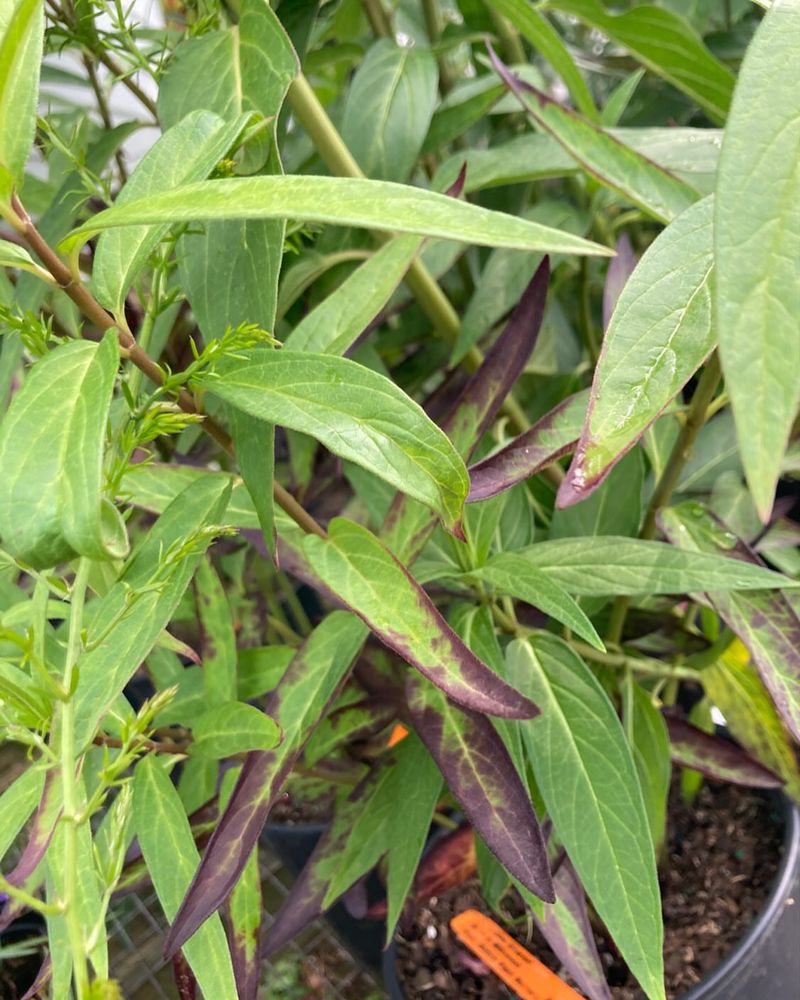
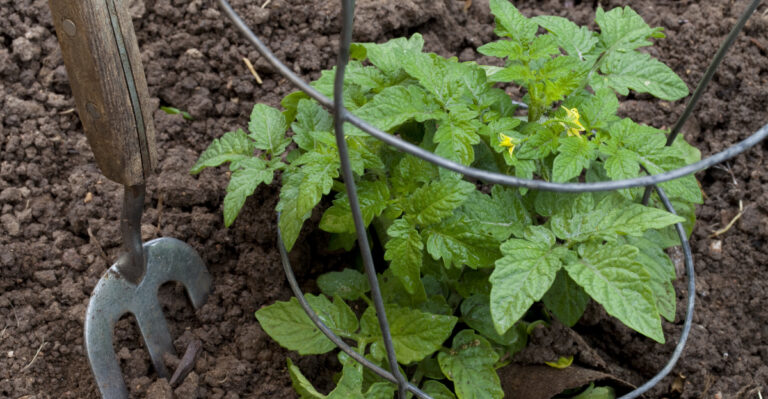
Purple leaves on a tomato seedling or reddish stems on a pepper plant might look kind of cool at first, but that color change is actually a warning sign. Phosphorus deficiency is what causes it, and in Arizona’s spring gardens, it shows up more often than people expect.
Cold soil temperatures slow down phosphorus absorption even when the nutrient is technically present. Early spring in Arizona can still bring chilly nights, and if your soil hasn’t fully warmed yet, roots struggle to pull in phosphorus no matter how much is available.
That trapped phosphorus triggers the red and purple pigments in plant tissue.
Check the undersides of leaves first — that’s where the purple coloring usually appears before it spreads to the top surface. Stems may also look darker or more reddish than normal.
Your Arizona Garden Changes Every Week. Your Plan Should Too.
Gardening in Arizona changes quickly throughout the season. Every Friday you’ll receive a simple weekly plan showing exactly what to plant, prune, fertilize, harvest, and protect so you never miss the right timing.
Young seedlings are especially vulnerable during transplant week when root systems are still getting established.
Incorporating a phosphorus-rich fertilizer into the planting area before setting seedlings out is the smartest preventive step. If plants are already showing symptoms, a foliar spray with a diluted phosphorus solution can give quick results while soil applications catch up.
3. Leaf Edges Turn Brown As Potassium Levels Drop
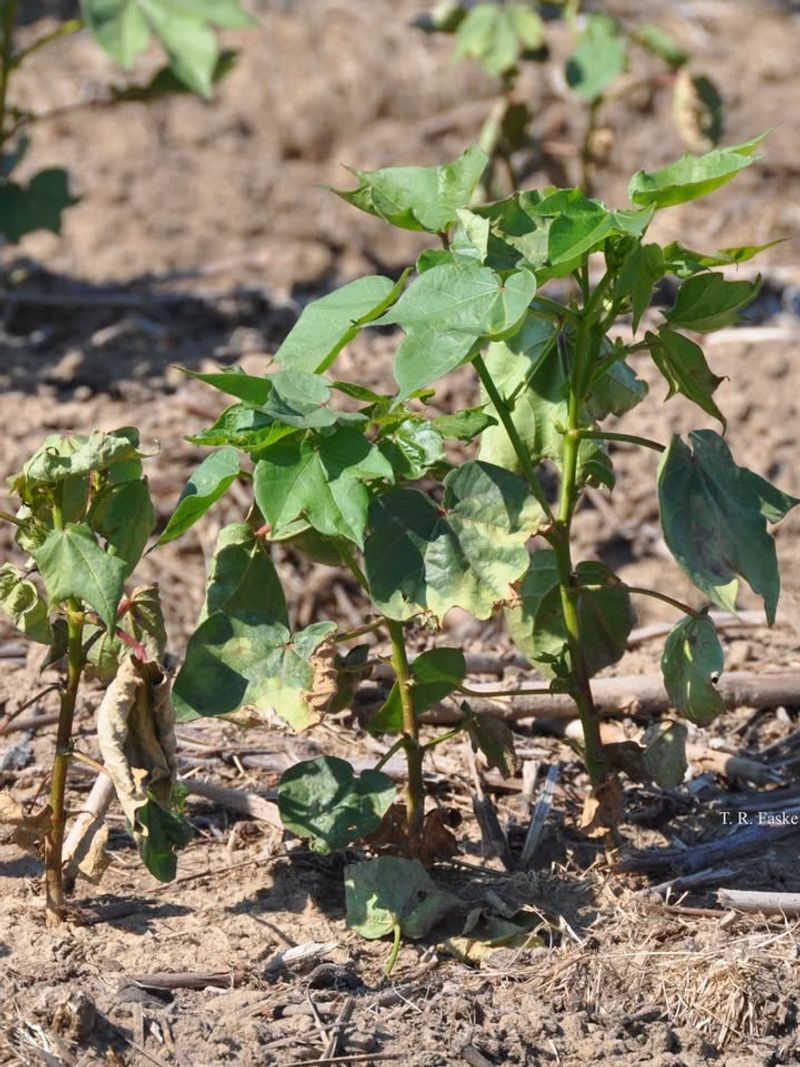
Crispy brown edges on otherwise healthy-looking leaves are easy to blame on heat or wind, but potassium deficiency is often the real cause. In Arizona, where spring winds kick in early and temperatures swing between warm days and cool nights, this symptom gets misread constantly.
Potassium helps plants regulate water movement through their tissues. When levels drop, leaf edges lose moisture faster than the plant can replace it, leading to that scorched brown look along the margins.
Older and middle leaves usually show it first before the problem spreads upward through the plant.
Pull a leaf and look closely at the edge — if the browning follows the leaf border in a clean line while the center of the leaf still looks green, potassium is almost certainly low. Stems may also feel weaker than usual, and fruit development can slow down noticeably in vegetable plants.
A potassium-based fertilizer applied to the soil surface and watered in well is the standard fix. Products labeled with higher potassium numbers, like a 0-0-60 potash blend, work well when the deficiency is confirmed.
Regular garden fertilizers with balanced potassium also help if you prefer a simpler approach.
4. New Growth Looks Pale While Veins Stay Green With Iron Issues
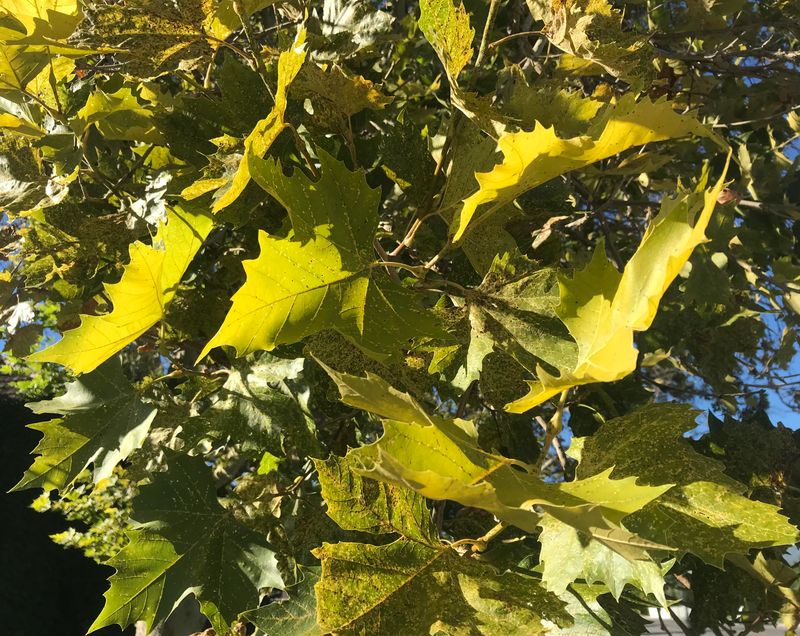
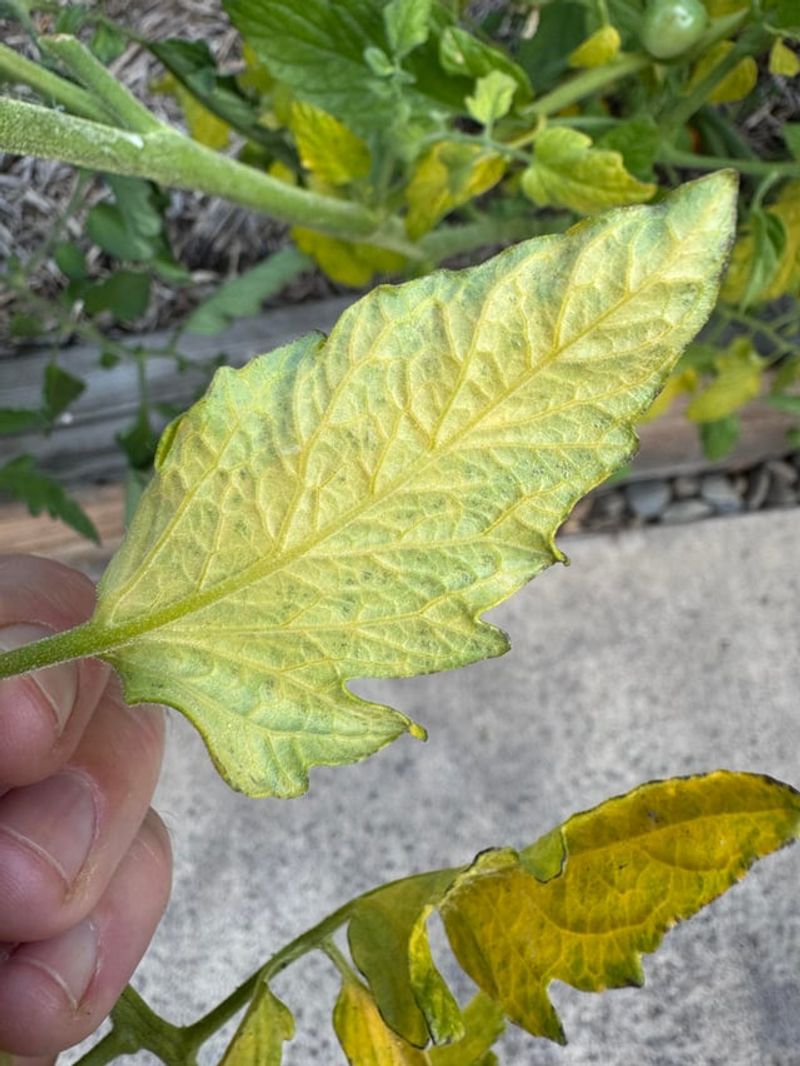
Pale yellow leaves on the newest growth while the leaf veins stay a deep, sharp green — that pattern is called interveinal chlorosis, and it points directly to an iron problem. Arizona gardeners run into this more than almost anywhere else in the country, and the reason comes down to soil chemistry.
Arizona soils are naturally alkaline, often with a pH above 7.5 or even 8.0 in some areas. At those pH levels, iron in the soil gets locked into forms that plant roots simply cannot absorb, even when iron is technically present.
Watering with hard tap water makes it worse over time by continuing to raise pH.
New leaves show it first because iron doesn’t move easily through plant tissue. Unlike nitrogen, which gets recycled from old growth, iron stays put.
So the plant’s newest leaves come out pale and washed out while older leaves may still look relatively normal. Act fast when you spot it on young growth.
Chelated iron products are specifically designed to stay available in high-pH soils. Regular iron sulfate can work too, but chelated forms are more reliable in Arizona’s alkaline conditions.
Foliar sprays give the fastest visible response, usually showing improvement within a week or two.
5. Plants Stay Small And Weak When Nutrients Are Missing
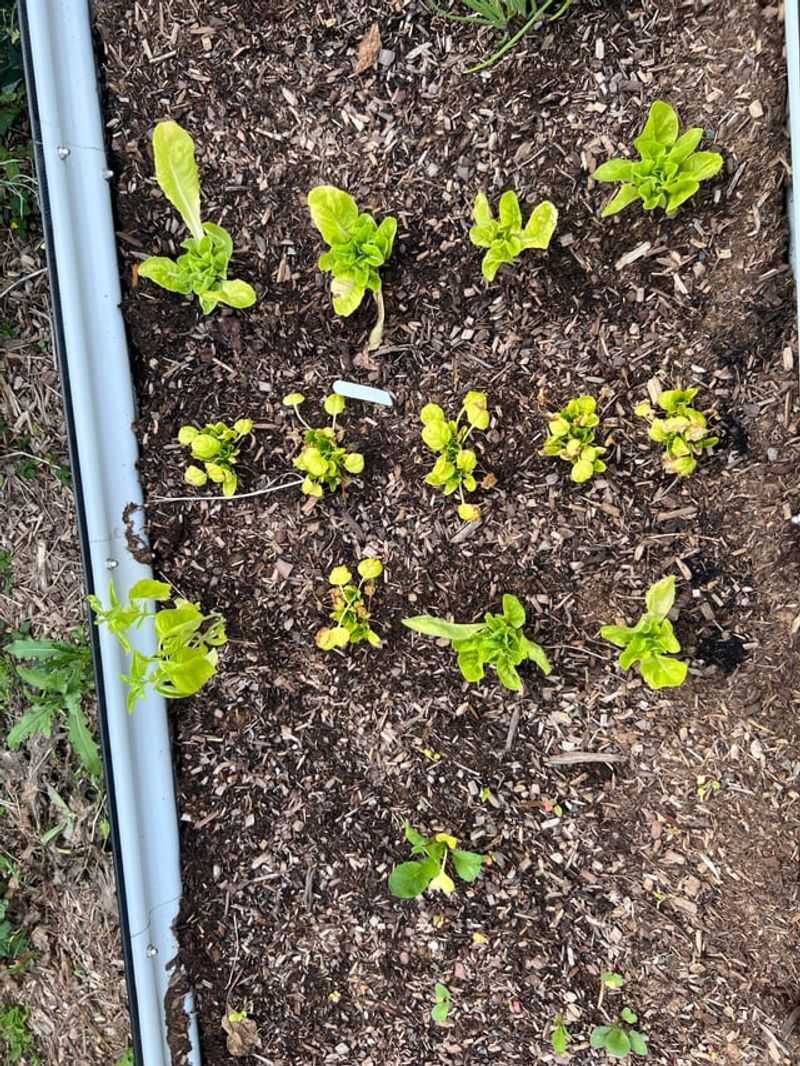
Stunted plants that just don’t seem to grow no matter how much water they get are frustrating. But slow growth isn’t always about water — in many Arizona spring gardens, the real issue is that the soil simply isn’t feeding the plants what they need to actually get bigger.
Multiple nutrient deficiencies happening at the same time can lock a plant into survival mode. Instead of putting energy into new shoots and leaves, it just maintains what it already has.
Growth slows to almost nothing, stems stay thin, and the whole plant looks like it’s stuck in first gear.
Compare your struggling plants to healthy ones in a neighbor’s garden or even to photos of what the same plant should look like at the same stage. If yours look noticeably smaller with thinner stems and fewer leaves, nutrient deficiency is a strong possibility worth investigating.
A soil test is your best diagnostic tool here. Arizona’s Cooperative Extension service offers affordable testing and can tell you exactly what your soil is missing.
Without that data, you’re guessing, and adding the wrong nutrients can make things worse rather than better.
6. Leaves Twist Or Grow Uneven When Micronutrients Are Off
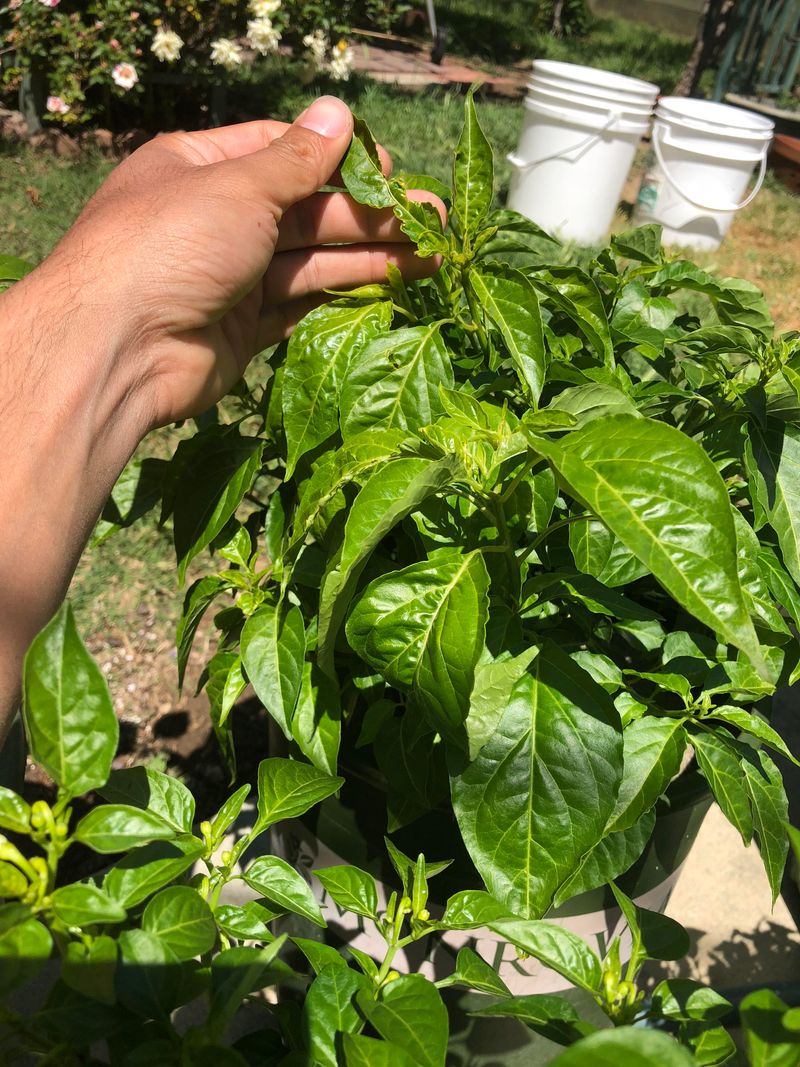
Twisted leaves, curled edges, or new growth that comes out lopsided and strange-looking are signs that something is off at a very small scale. Micronutrients like zinc, manganese, boron, and copper are needed in tiny amounts, but when any one of them is missing, plant growth can get weird fast.
Zinc deficiency is especially common in Arizona soils, particularly in areas with heavy clay or soils that have been over-irrigated for years. It shows up as shortened spaces between leaves on a stem, small distorted leaves, and sometimes a rosette-like cluster of stunted growth at the tips.
Spring is when it tends to become visible as new growth pushes out.
Boron issues cause a different kind of distortion — new leaves may look thick, brittle, or curled inward, and growing tips sometimes stop developing entirely. Manganese deficiency looks similar to iron chlorosis but typically affects slightly older leaves rather than the very newest growth.
Foliar sprays are the fastest way to address micronutrient shortfalls because the nutrients absorb directly through leaf surfaces. Products containing a mix of trace elements are widely available and work well as a general treatment when you’re not sure exactly which micronutrient is causing the problem.
7. Growth Looks Patchy When Soil Nutrients Are Out Of Balance
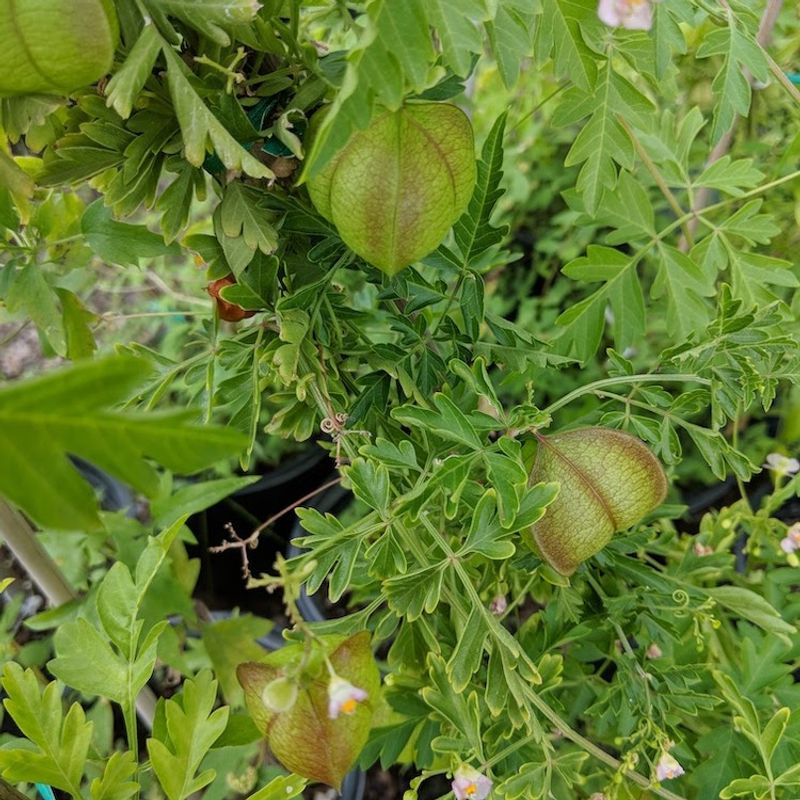
Patchy growth in a garden bed — where some plants look great and others right next to them look terrible — is one of the more confusing problems to figure out. Uneven nutrient distribution in the soil is usually behind it, and it’s more common in Arizona than most people realize.
Desert soils don’t start out uniform. Years of irrigation, amendments added in some spots and not others, and variations in soil texture across a single bed create pockets where nutrients concentrate or wash away.
When spring growth starts, those differences become visible almost overnight.
Walk your garden beds and look for patterns. If the struggling plants are clustered in one corner or along one edge, that’s a clue that the soil in that specific area is different from the rest.
Compaction, drainage issues, or old amendments that weren’t mixed in evenly are all possible explanations.
Taking multiple soil samples from different spots in a single bed and testing them separately gives you a clearer picture than one combined sample.
Arizona’s warm spring temperatures speed up nutrient activity in the soil, so imbalances that were invisible over winter can suddenly become obvious as plants start actively feeding.