8 Easy Houseplants To Grow From Cuttings In Arizona
Arizona homes deal with intense sun, dry air, and conditions that push many plants to their limit, yet some houseplants handle it far better than expected, especially when started the right way.
Instead of buying new plants every time, many gardeners turn to cuttings to build a full, healthy collection with very little effort.
It sounds simple, but results often depend on choosing the right plant and knowing how it reacts in a dry indoor environment. Some cuttings root quickly and stay strong, while others struggle without the right conditions.
Once the right choices are made, it becomes much easier to multiply plants that actually hold up well inside Arizona homes. With a few smart picks, it is possible to create steady growth without dealing with constant setbacks or weak results.
1. Pothos Roots Quickly From Cuttings In Warm Indoor Conditions
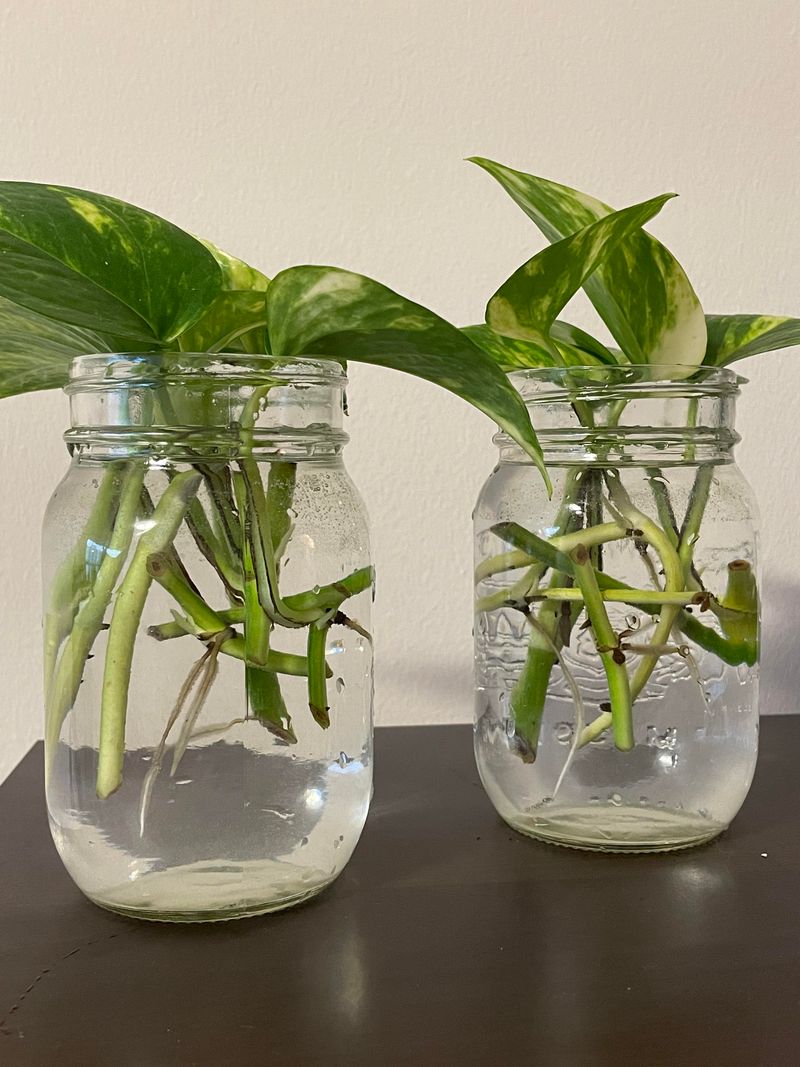
Pothos might be the most forgiving plant you will ever put scissors to. Cut a stem that is four to six inches long, making sure there are at least two nodes along it.
Nodes are those small brown bumps where leaves attach, and roots will grow from them.
Strip off the leaves closest to the cut end so they are not sitting in water, then drop the cutting into a clear glass or jar. Set it near a bright window, but keep it out of direct Arizona sun, which can stress a fresh cutting fast.
Roots typically appear within one to two weeks indoors.
Once the roots are an inch or two long, move the cutting into a small pot with regular potting mix. Water it lightly at first and let the soil dry out a little between waterings.
Pothos handles the dry indoor air common in Arizona homes better than most plants, which helps new cuttings settle in without too much fuss.
You can also skip the water step entirely and push the cutting straight into moist soil. Either method works, though water rooting lets you watch progress without disturbing the roots.
Keep temperatures above 60 degrees Fahrenheit and your cutting should establish steadily over the first few weeks.
Keep the container clean and refresh the water every few days to prevent buildup that can slow rooting. If growth seems slow at first, give it a little time, since pothos often focuses on root development before pushing new leaves.
2. Spider Plant Produces Offsets That Root Easily In Water
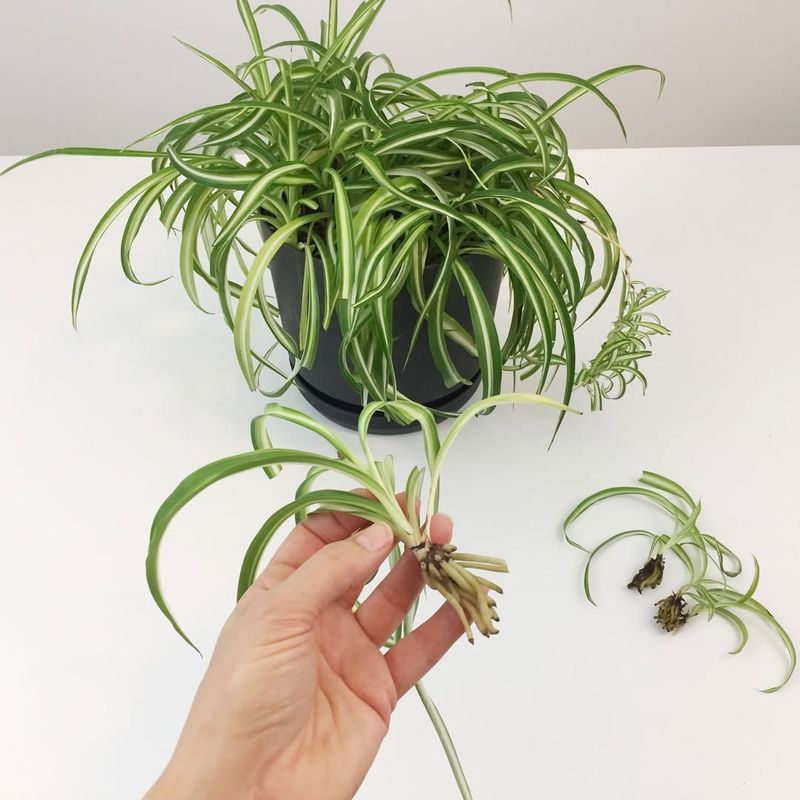
Spider plants practically hand you new plants for free. Mature spider plants grow long, arching stems with tiny plantlets, often called pups or spiderettes, hanging off the ends.
These little guys are already trying to root before you even touch them.
Snip a pup from the parent plant and place it in a small glass of water. Keep just the base submerged and set it somewhere with bright, indirect light.
Roots usually show up within two to three weeks, sometimes faster if your Arizona home stays on the warmer side.
Once roots reach about an inch long, pot the pup in a light, well-draining potting mix. Spider plants are not picky about soil as long as water moves through it easily.
Your Arizona Garden Changes Every Week. Your Plan Should Too.
Gardening in Arizona changes quickly throughout the season. Every Friday you’ll receive a simple weekly plan showing exactly what to plant, prune, fertilize, harvest, and protect so you never miss the right timing.
Overwatering a new pup is the most common issue, so let the top inch of soil dry between waterings.
You can also skip the water stage and plant the pup directly into moist soil while it is still attached to the parent. Detach it once you see the plant standing on its own.
Spider plants adjust well to the low-humidity conditions inside many Arizona homes, making them a practical choice for anyone just getting started with cuttings. They grow steadily without needing much intervention once they settle in.
3. Tradescantia Grows Fast From Simple Stem Cuttings
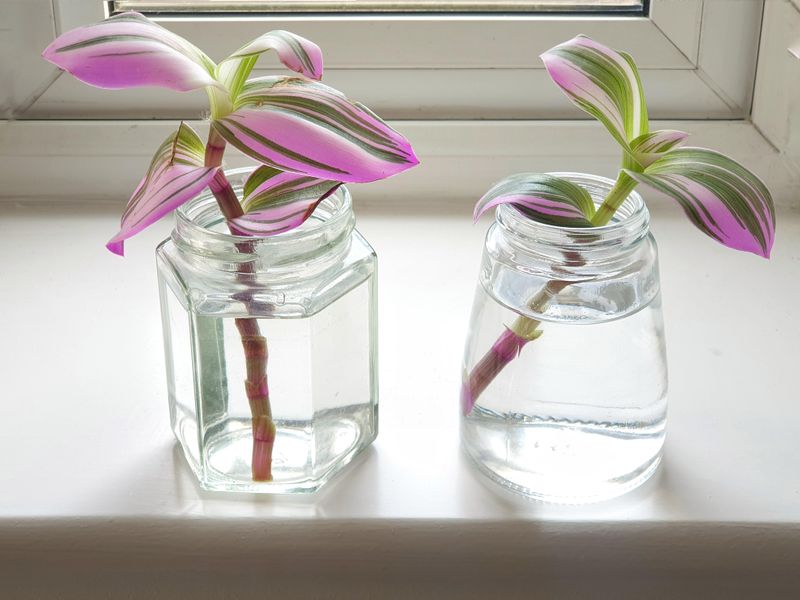
Cut a piece of Tradescantia and it almost seems eager to root. Also called spiderwort or wandering dude, this plant pushes out roots quickly and does not ask much from you in return.
A stem cutting just three to four inches long is all you need to get started.
Pinch off the lower leaves so the bottom inch or two of stem is bare, then drop it into a glass of water. Place the glass somewhere with good indirect light and check on it every few days.
Roots often appear within a week, especially during Arizona’s warmer months when indoor temperatures stay consistently above 65 degrees.
Once roots are visible and about half an inch to an inch long, move the cutting into a small pot. A basic indoor potting mix works fine.
Tradescantia is not fussy about soil, but it does appreciate decent drainage so the roots do not sit in soggy conditions for too long.
Water the new plant when the top of the soil feels dry to the touch. Tradescantia grows quickly once it roots, so you may find yourself taking more cuttings from the new plant within a couple of months.
Its trailing stems look great in hanging baskets or on shelves where the vines can spill downward. It handles Arizona’s dry indoor air reasonably well with occasional watering.
4. Snake Plant Can Be Propagated From Leaf Sections
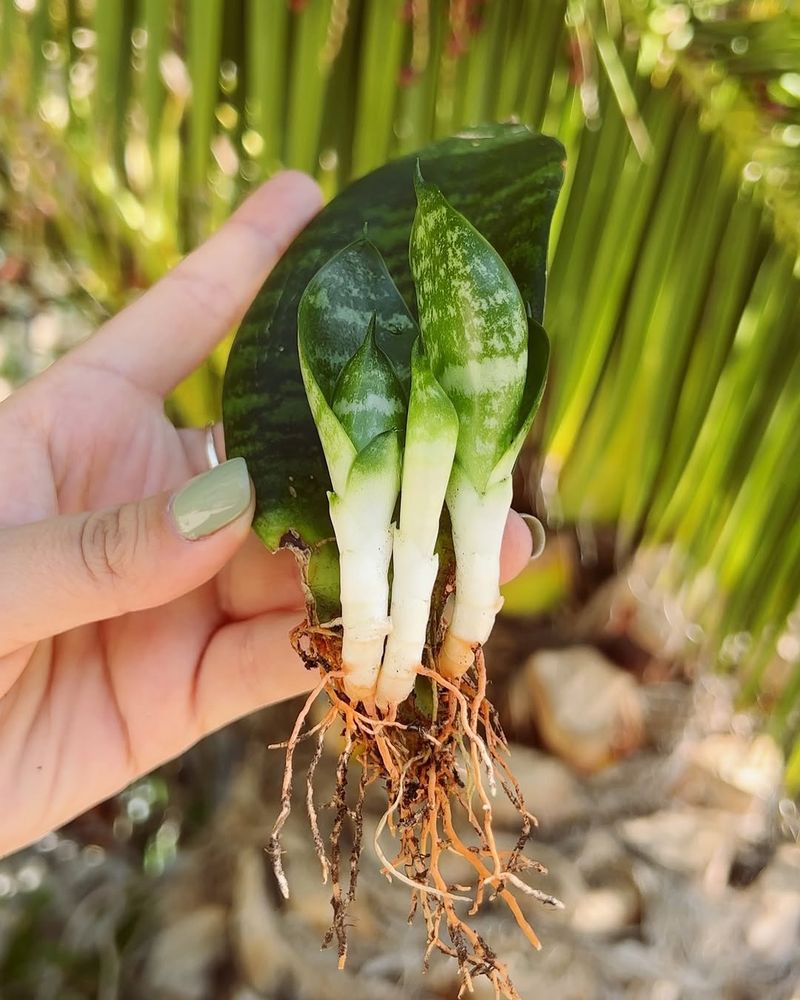
Snake plants are slow but steady when it comes to propagation. Unlike most plants on this list, you do not need a stem at all.
A single healthy leaf can produce an entirely new plant if you handle it right.
Cut a leaf into sections about three to four inches long. Keep track of which end is the bottom, because planting a section upside down will prevent rooting.
Let the cut ends dry out for a day before placing them into a pot of lightly moist, well-draining soil. Push each section about an inch into the mix.
Place the pot in a spot with indirect light and be patient. Snake plant cuttings are genuinely slow, often taking six weeks or more before roots form.
Do not overwater during this period. In Arizona’s dry indoor air, the soil can stay lightly moist without much watering at all.
One thing worth knowing is that leaf cuttings from variegated snake plants will not keep the yellow or white striping on the new plant. If that matters to you, propagate by dividing the root ball instead.
For solid green varieties, leaf sections work well and eventually produce small new shoots at the base. It takes longer than most plants on this list, but snake plants are tough and rarely give up once they get started in warm Arizona conditions.
5. Jade Plant Forms Roots Easily From Stem Or Leaf Cuttings
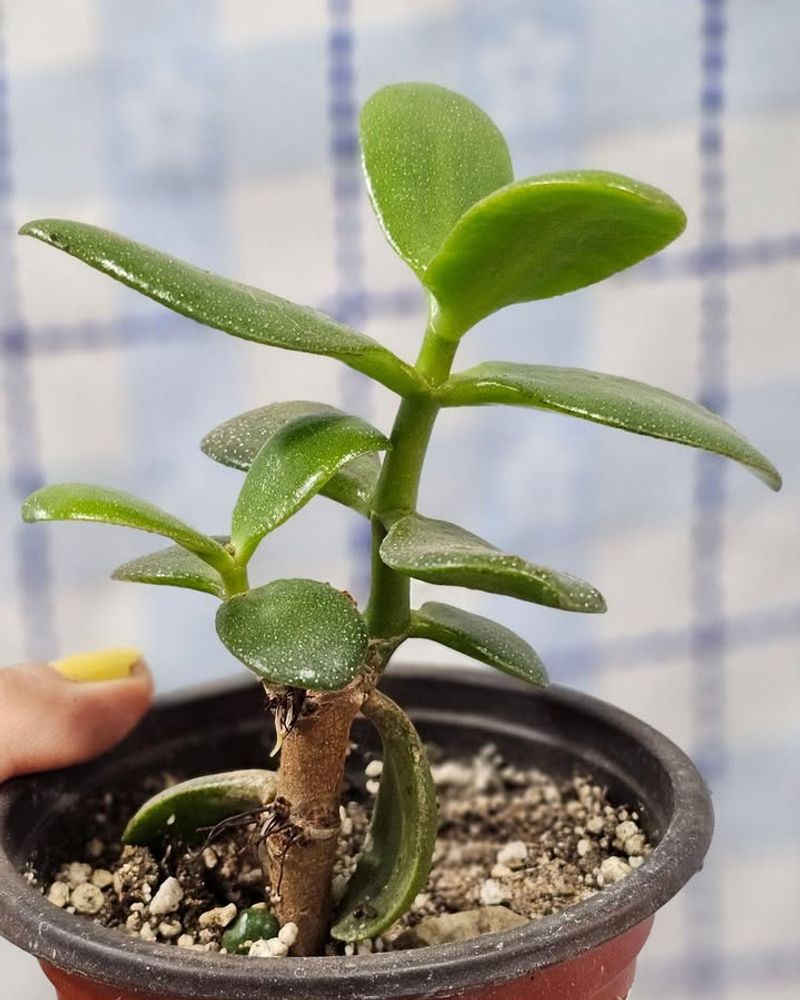
Jade plants have a reputation for being nearly impossible to mess up, and that reputation is mostly earned. Whether you take a stem cutting or just a single leaf, this succulent has a solid track record of rooting without much help from you.
For stem cuttings, snip a healthy piece that has at least two or three pairs of leaves. Set it on a dry surface, out of direct sun, and let the cut end callous over for one to two days.
Skipping this step can lead to rot, especially if you plant it into moist soil too soon.
Once the cut end looks dry and slightly sealed, place the cutting into a pot of sandy, well-draining cactus mix. Do not water right away.
Wait about a week, then water lightly. In Arizona’s dry climate, jade cuttings tend to do better with less water than you might think is necessary.
Leaf cuttings work similarly. Pull a healthy leaf cleanly from the stem, let it callous for a day, then lay it on top of dry cactus mix.
Mist lightly every few days. Tiny roots and a small new rosette will eventually appear at the base of the leaf.
Stem cuttings root faster and are generally more reliable. Either way, jade plants are a great starting point for anyone new to propagating succulents in Arizona’s warm, dry environment.
6. Philodendron Roots Readily In Water Or Soil
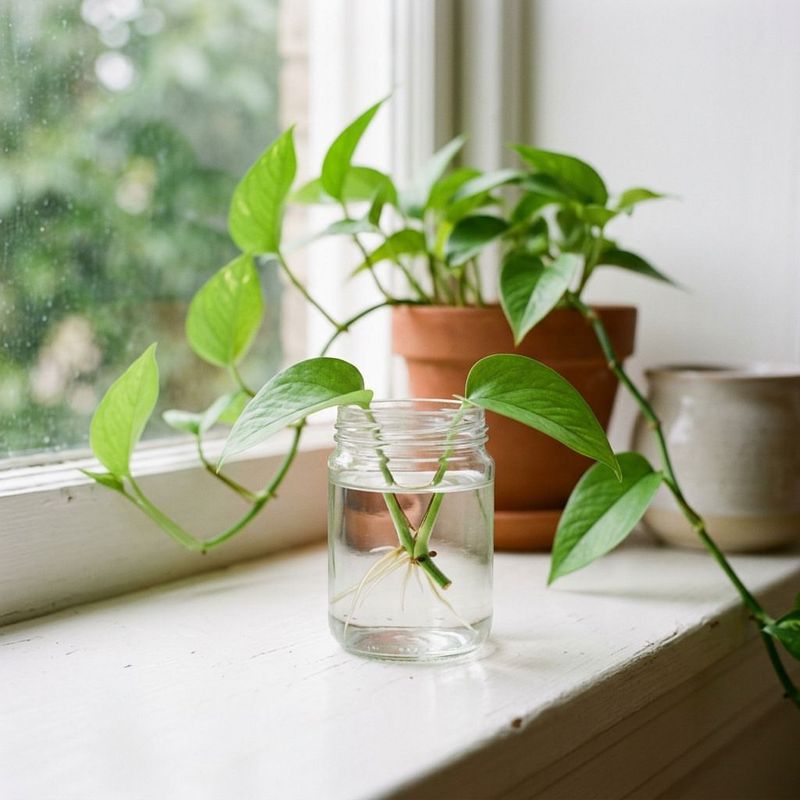
Philodendrons are one of those plants that seem almost designed to be propagated. Heartleaf philodendrons, which are the most common variety found in Arizona homes, root so readily that even a small cutting with a single node will often push out roots within a week or two.
Take a cutting just below a node and make sure it has at least one or two leaves attached. If the cutting already has small aerial roots, those will speed up the process noticeably.
Drop it into a glass of water, making sure the node is fully submerged while the leaves stay above the waterline.
Change the water every few days to keep it fresh and reduce the chance of bacterial buildup. Roots grow faster in warm conditions, and Arizona’s indoor temperatures during spring and summer are usually ideal.
Once roots reach an inch or two, transfer the cutting to a pot with standard indoor potting mix.
Philodendrons also root directly in soil, which some growers prefer because it avoids the transition shock that occasionally happens when moving water-rooted cuttings into soil.
Either way, keep the new plant in bright, indirect light and water moderately.
Philodendrons are somewhat flexible about humidity, which works in your favor inside Arizona homes where the air tends to be quite dry year-round. New growth usually appears within a month of potting.
7. Coleus Propagates Quickly From Soft Stem Cuttings
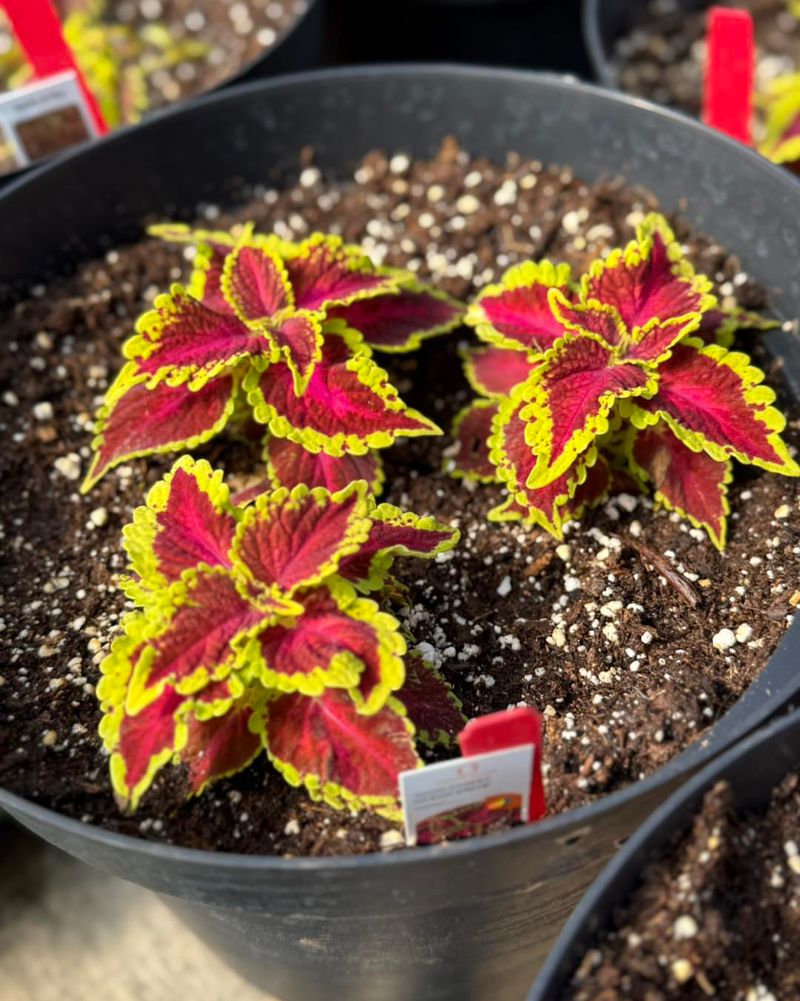
Coleus is one of the fastest-rooting plants you can work with, and its colorful foliage makes every new cutting feel worth the effort. The leaves come in combinations of red, purple, green, yellow, and pink, and a cutting will produce a plant that looks identical to the parent.
Take a stem cutting about three to four inches long, cutting just below a leaf node. Remove the bottom leaves so the lower inch or two of stem is bare, then place it in a glass of water.
Set the glass near a bright window but away from harsh direct sun, which can wilt a fresh cutting quickly.
Roots typically appear within seven to fourteen days, sometimes faster when Arizona’s indoor temps stay above 70 degrees. Once roots reach about an inch, pot the cutting in a light, well-draining potting mix.
Coleus prefers consistently moist soil but does not like sitting in water, so make sure the pot drains well.
Coleus can also be rooted directly in moist potting mix if you prefer skipping the water stage. Cover the pot loosely with a plastic bag to hold in humidity for the first week, then remove it once new growth appears.
Pinching off any flower buds as they appear keeps the plant focused on leaf production. In Arizona, coleus does best indoors where temperatures are more stable and intense afternoon sun is not a factor.
8. Geranium Roots Well From Healthy Stem Cuttings
Geraniums have been passed along from neighbor to neighbor for generations, and it is easy to see why. A healthy stem cutting roots reliably and produces a flowering plant that looks just like its parent, which makes propagating them feel genuinely satisfying.
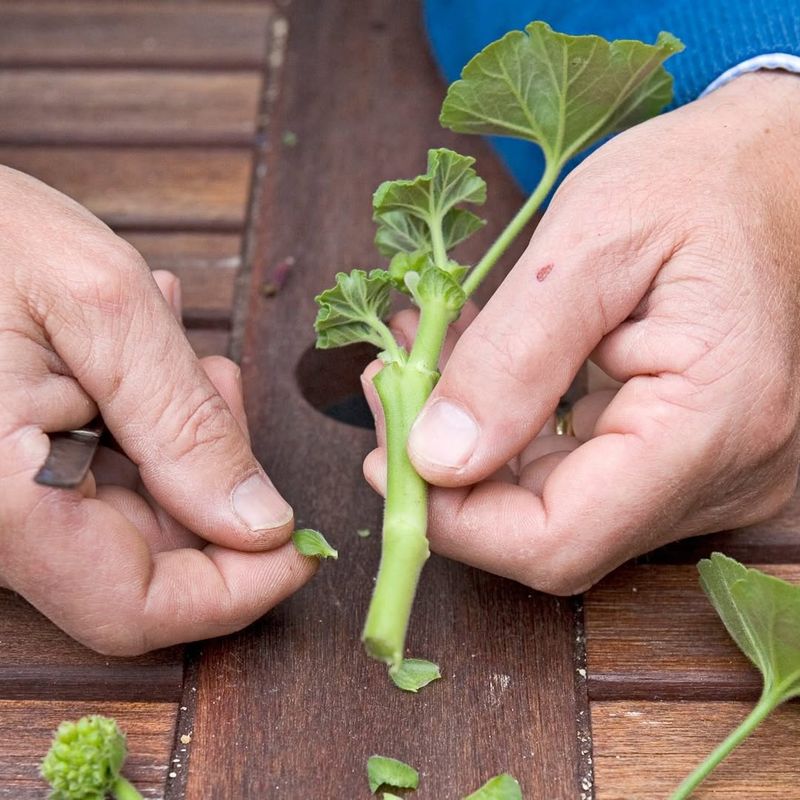
Choose a stem that is four to six inches long and has at least three or four leaves. Cut just below a node using clean scissors or a blade.
Remove the lower leaves and any flower buds, then let the cutting sit in a dry, shaded spot for a few hours so the cut end can form a slight seal before planting.
Push the cutting into a small pot of moist, well-draining potting mix. Geraniums root better in soil than in water, so skip the glass-of-water method here.
Place the pot in bright, indirect light and water sparingly until you see new growth, which signals that roots have formed and the plant is settling in.
In Arizona, geraniums root well during spring and fall when indoor temperatures are moderate.
Summer heat indoors can stress fresh cuttings, so try to propagate during cooler parts of the day and keep pots away from south-facing windows during the hottest months.
Once rooted, geraniums reward you with consistent blooms and bushy growth. Pinching the tips of new growth encourages the plant to branch out rather than grow tall and leggy.