9 Smart Ways Ohio Gardeners Are Reusing And Revitalizing Old Soil
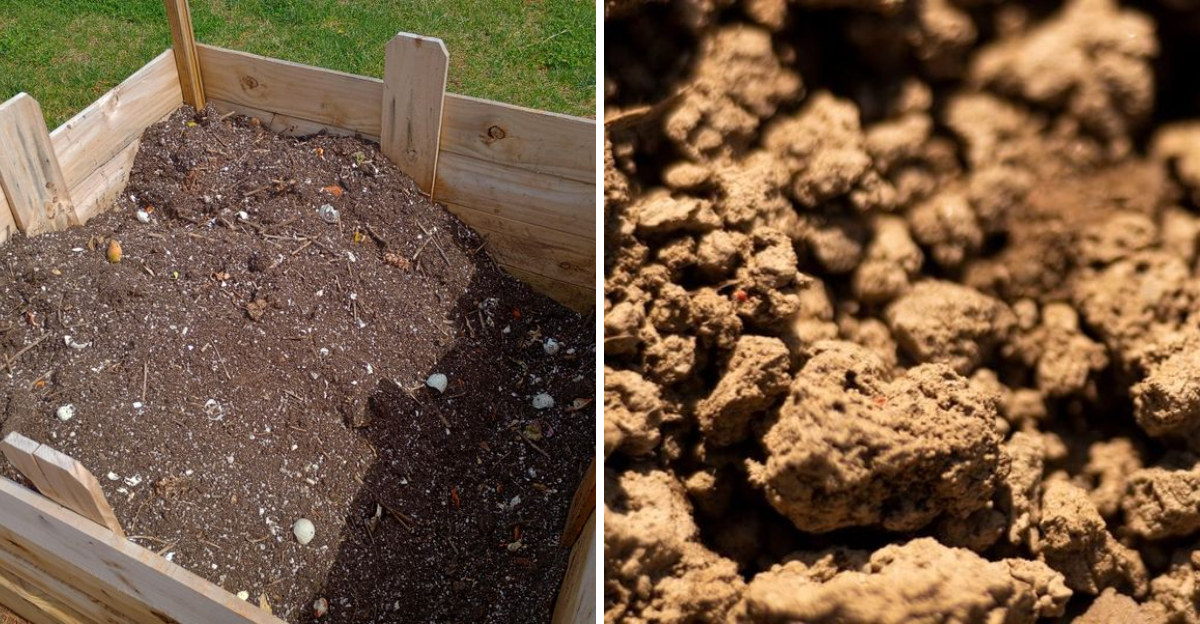
Old soil has a way of piling up on Ohio gardeners. A few tired pots from last summer, a raised bed that sank over winter, a bag of mix that looks too dry to trust, and suddenly it feels easier to toss the whole mess.
But old soil is not always finished. Sometimes it is just worn out, compacted, hungry, or in need of a little help before it gets another job.
The trick is knowing what can be refreshed, what should be reused somewhere lower-stakes, and what belongs nowhere near your next tomato plant.
That matters even more in Ohio, where clay, freeze-thaw cycles, soggy springs, and dry summer stretches can all change how soil behaves.
With a smarter approach, leftover soil can stretch your garden budget and cut waste. It can also give containers, beds, and borders a second chance each season.
1. Test Old Soil Before Adding Anything New
Guessing what your soil needs is one of the most common and costly mistakes a gardener can make. Adding fertilizer, lime, or compost without knowing your soil’s pH and nutrient levels can lead to over-amending and wasted money.
It can also cause plant problems from too much of a good thing.
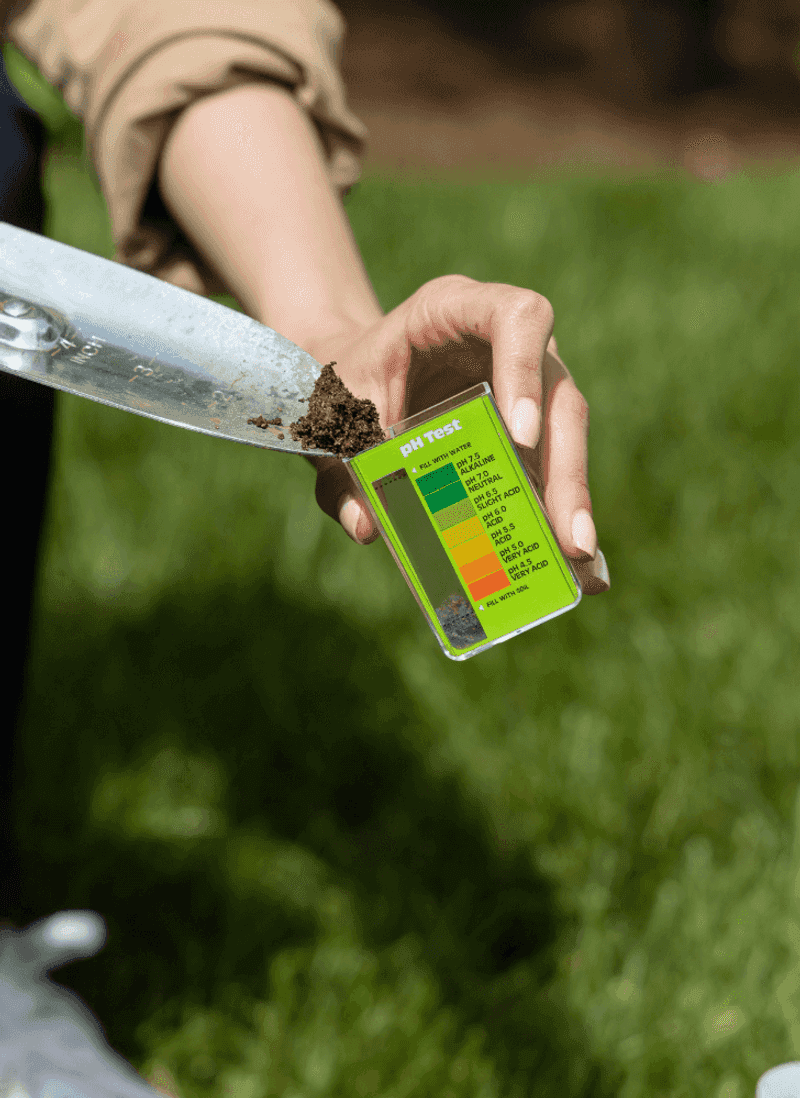
A soil test takes the guesswork out of the equation. Ohio State University Extension offers soil testing through the OSU Extension Service.
The results tell you what your soil has, what it is missing, and how to fix it. Tests typically measure pH, phosphorus, potassium, and organic matter levels.
Some tests also check for lead or other contaminants, which matters especially in urban lots or older properties.
pH affects how well plants absorb nutrients, so even a well-fed bed can underperform if the pH is off. Most vegetables prefer a pH between 6.0 and 7.0, but that can vary by crop.
Testing before you add anything new gives you a clear starting point. It is especially important after a difficult growing season, when soil may have been depleted or altered by heavy rainfall, heat, or disease pressure.
Start with the test, then build your plan from there.
2. Refresh Tired Beds With Finished Compost
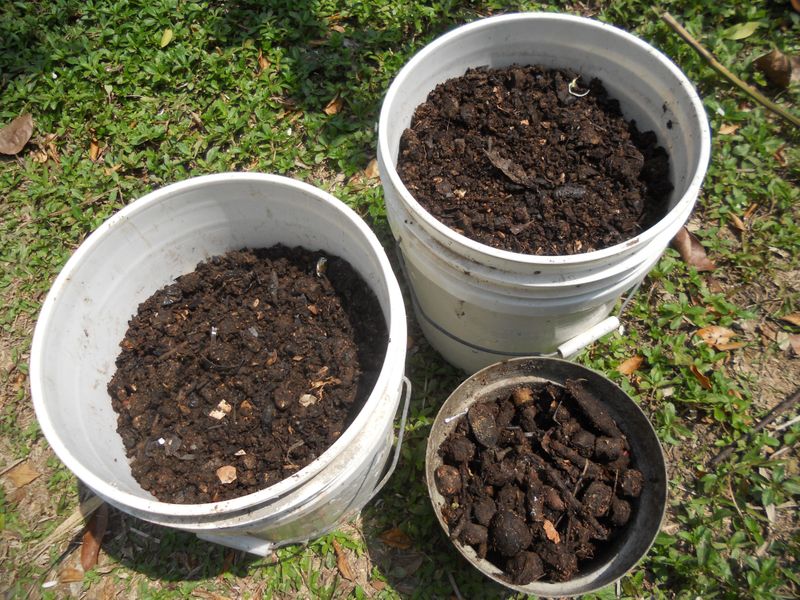
Few things do as much for a tired garden bed as a good layer of finished compost worked into the top several inches of soil.
Compost improves soil structure, feeds beneficial microorganisms, and adds organic matter that helps soil hold both moisture and nutrients more effectively.
That matters a lot in clay-heavy yards, where structure and drainage are already a challenge.
The key word here is finished. Raw or partially broken-down compost can actually pull nitrogen away from your plants as it continues to decompose.
Finished compost looks dark, crumbles easily, smells earthy, and has no recognizable food scraps or plant material left in it. If yours still smells strong or looks chunky, give it more time before adding it to a bed you plan to plant soon.
Compost is genuinely helpful, but it is not a cure for every soil problem. If your bed has a serious pH imbalance or a significant nutrient deficiency, compost alone may not be enough.
Your Ohio Garden Changes Every Week. Your Plan Should Too.
Gardening in Ohio changes quickly throughout the season. Every Friday you’ll receive a simple weekly plan showing exactly what to plant, prune, fertilize, harvest, and protect so you never miss the right timing.
That is why testing first makes such a difference. Use compost as part of a broader soil care plan, not as a standalone fix.
According to OSU Extension, adding organic matter regularly over time is one of the best long-term investments a gardener can make.
3. Blend Used Potting Mix With Fresh Material
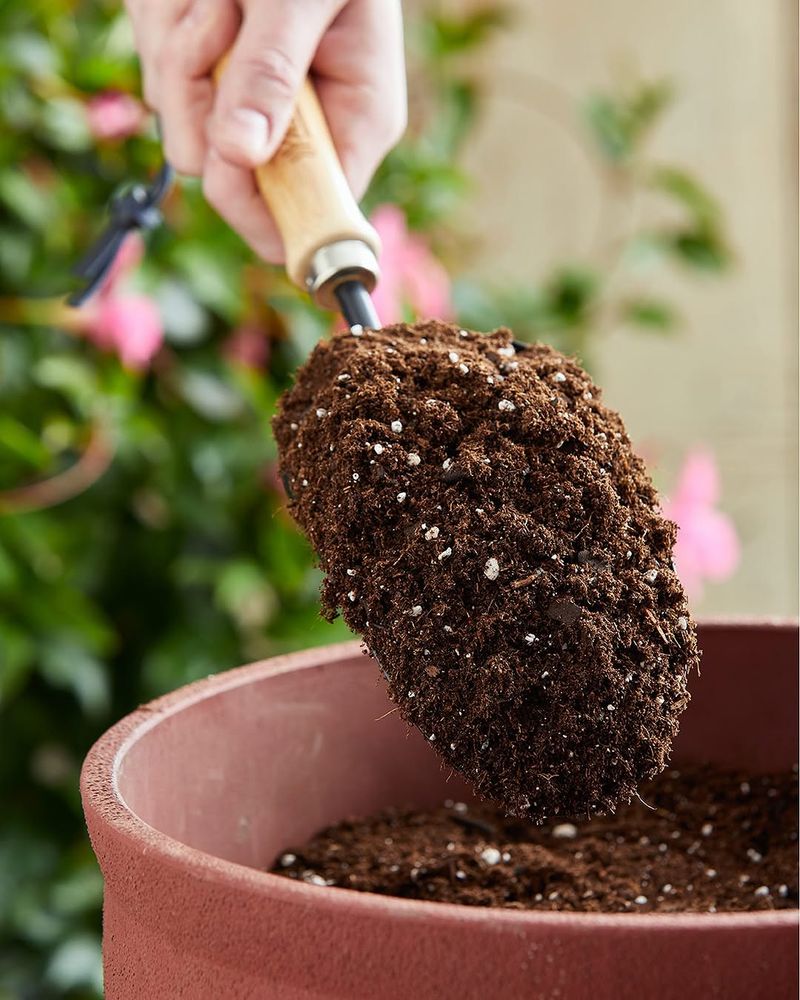
Container soil works hard every season. By the end of a growing year, old potting mix often loses the light, airy texture that made it useful in the first place.
It can become compacted, hydrophobic, or stripped of the nutrients plants need. Reusing it straight from the container, without any refreshing, usually leads to poor drainage and sluggish plant growth.
Blending old potting mix with fresh material is a practical middle ground. Mixing spent mix with new bagged potting soil can restore some of the structure and drainage quality that was lost.
University Extension sources consistently note that container mixes need to stay well-aerated and well-drained to support healthy root development.
Heavy garden soil should not be used as the main component in any container mix, even when blending, because it compacts too easily and restricts roots.
A general approach supported by horticulture guidance is to blend used mix with fresh potting soil and then assess the texture. It should feel light and drain freely when watered.
If the old mix came from a container where plants struggled, showed signs of disease, or had pest issues, blending is not the right move. Set that mix aside and handle it differently.
Healthy plants, healthy mix, better results.
4. Move Spent Container Soil Into Garden Beds
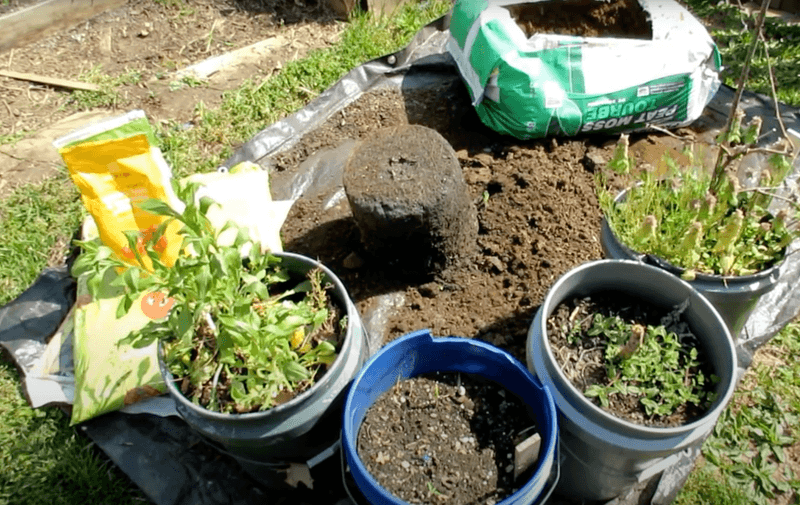
Spent potting mix from healthy containers does not have to end up in the trash. One of the most practical ways to reduce garden waste is to work old container soil into raised beds, ornamental borders, or in-ground garden areas.
It adds organic matter and can improve soil texture over time, especially in areas with heavy clay that drains poorly.
The important step is mixing it in rather than dumping it in thick layers. Potting mix that sits in a concentrated layer can actually interfere with water movement through the soil profile.
Work it into the top few inches of your existing bed and let it blend in naturally. This approach is supported by general horticulture guidance on organic matter incorporation and soil structure improvement.
One firm caution: do not move container soil into new beds if the original plants showed signs of disease. Fungal problems, wilting from root rot, or unusual spotting on leaves can all point to pathogens that may survive in the soil.
Even if the rest of the mix looks fine, it is not worth the risk of spreading the problem to a new planting area. Soil from clean, healthy containers is the only kind worth relocating to your beds.
5. Skip Reuse When Disease Was A Problem
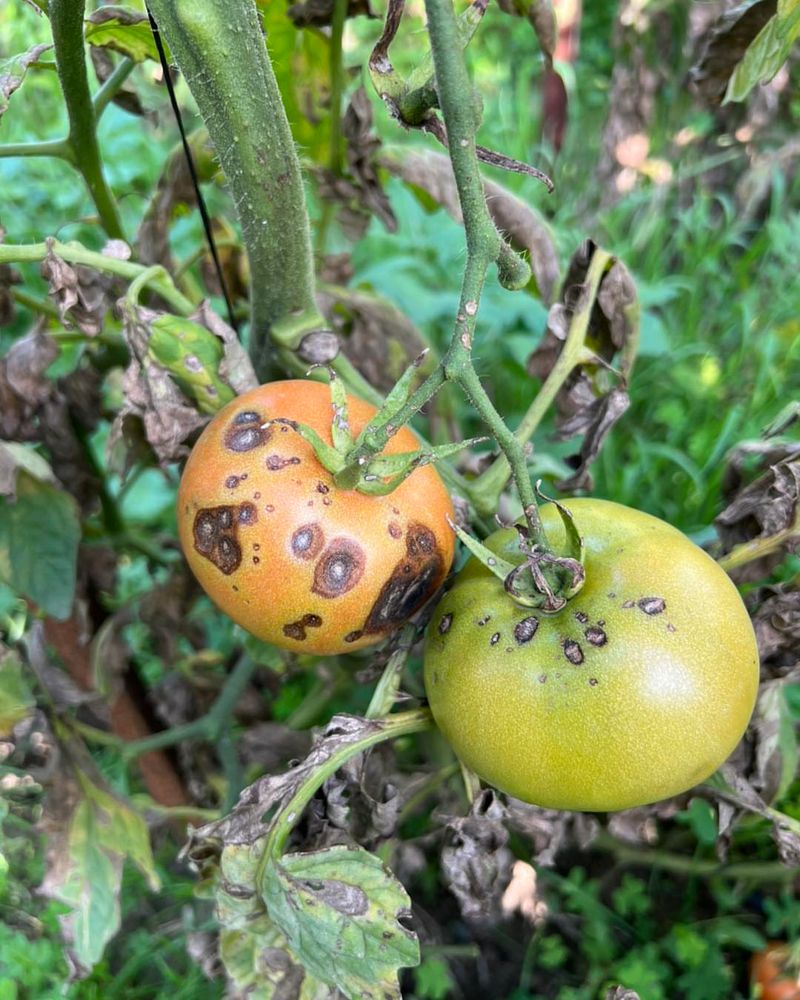
Reusing old soil is a smart habit, but only when the plants that grew in it were healthy. Soil from containers or beds where plants showed serious disease symptoms is a different story entirely.
Pathogens including certain fungi, bacteria, and water molds can survive in soil long after the growing season ends, and they can cause the same problems again in the next round of planting.
Tomatoes, peppers, and other vegetables are especially vulnerable to soilborne diseases that can persist and spread. OSU Extension and other university Extension resources advise against reusing soil from diseased plants.
That includes plants with root rot, disease-related wilting, or soil-linked foliar problems. The risk of reintroducing those problems is real, and it is not always easy to tell from looking at the soil whether it is safe.
If you are unsure whether a problem was disease-related, reach out to your local Extension office for guidance before deciding what to do with that soil. They can help you figure out whether the soil can be salvaged or whether it should be handled in another way.
Erring on the side of caution protects your new plants and saves you the frustration of repeating a bad season. Some soil is simply not worth reusing.
6. Loosen Compacted Soil Before Planting Again
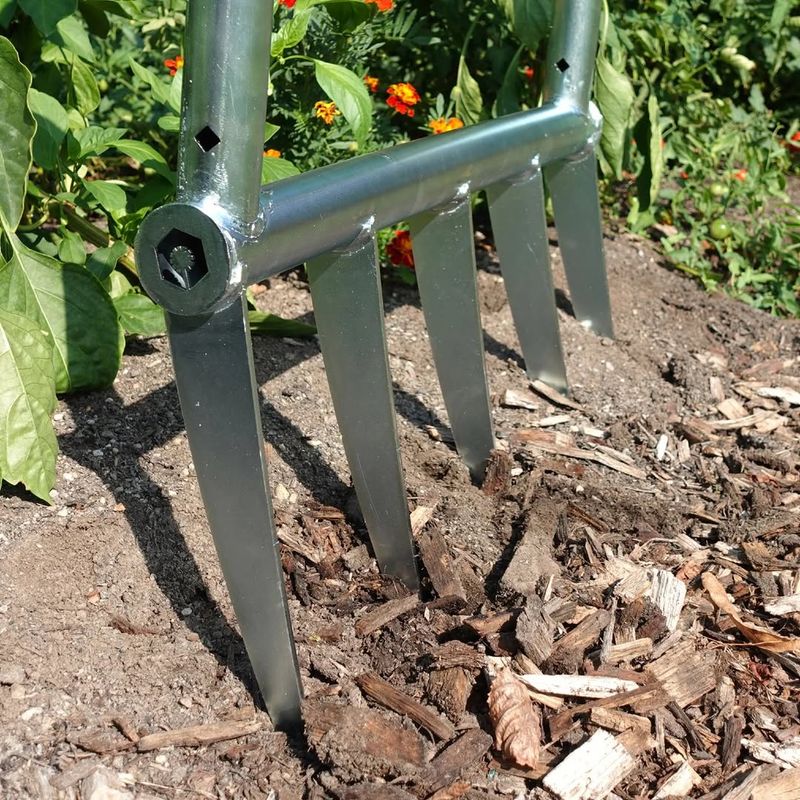
Compacted soil is one of the most common problems in both in-ground beds and reused container mixes. After a full growing season, foot traffic, heavy rain, and watering can press soil particles together.
Water barely moves through, and roots struggle to spread. You can often spot compaction by the way water pools on the surface instead of soaking in.
Loosening compacted soil before replanting gives roots a better environment from the start. A garden fork or broadfork worked gently into the top several inches can help break up dense layers without fully inverting the soil.
OSU Extension and university horticulture resources generally caution against aggressive deep tilling as routine practice. It can disrupt soil structure and harm beneficial organisms over time.One important rule: never work soil when it is too wet.
Squeezing a handful of soil and having it hold its shape like clay is a sign it is not ready. Working wet soil makes compaction worse, not better.
Adding finished compost after loosening helps rebuild structure and improves the soil’s ability to handle both moisture and air. Compaction is fixable, but it takes patience and a gentle hand rather than a heavy machine approach.
7. Use Mulch To Protect Revitalized Soil
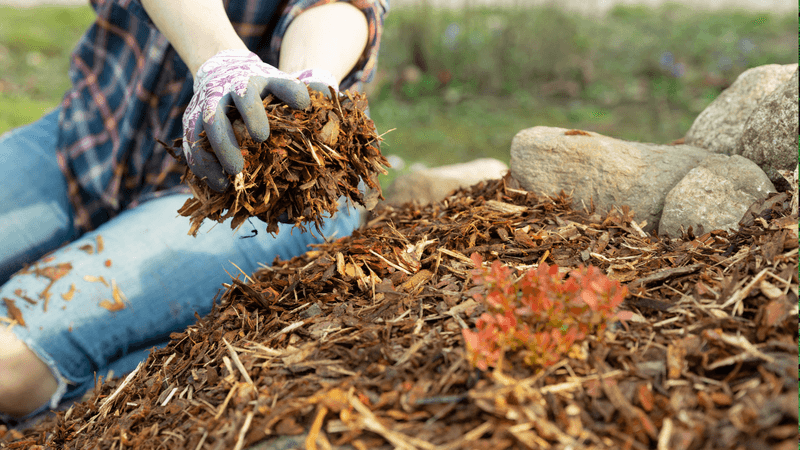
After putting real effort into improving your soil, protecting it matters just as much as the work you already put in. Mulch acts as a buffer between your improved soil and the elements.
It slows evaporation, so soil stays moist longer between waterings. It also moderates soil temperature and limits weeds that steal nutrients and water from your plants.
Mulch also helps prevent erosion. Heavy summer rains common in the Midwest can wash away improved topsoil faster than most gardeners expect.
A two to three inch layer of organic mulch, such as shredded leaves, straw, or wood chips, can absorb some of that impact and keep your soil where it belongs.
OSU Extension recommends keeping mulch pulled back a few inches from plant stems to reduce the risk of rot and pest harborage near the crown of plants.
Not all mulch is created equal. Avoid using dyed, treated, or questionable mulch materials near edible plants.
Stick with clean, natural organic options when mulching vegetable beds or areas where you grow food. As organic mulch breaks down, it adds a small amount of organic matter back into the soil.
That makes it a double-duty tool for long-term soil health.
8. Match Amendments To Clay Sandy Or Urban Soil
Soil is not the same from one yard to the next, and the amendments that help one type of soil can do very little for another. Knowing what kind of soil you are working with makes your efforts more effective and keeps you from wasting time and money on the wrong fix.
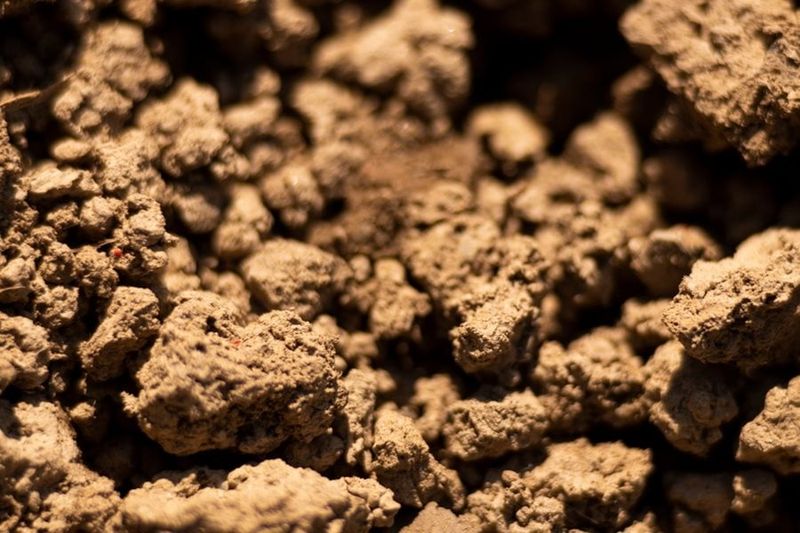
Clay-heavy soil, which is common across many parts of the state, tends to drain slowly and compact easily. Adding organic matter like finished compost over several seasons gradually improves its structure and drainage.
Sandy soils behave differently. They drain quickly, warm up fast in spring, but also lose nutrients faster because water moves through them so rapidly.
Organic matter helps sandy soil hold onto moisture and nutrients longer, but it may need more frequent replenishment.
Urban lots present their own set of challenges. Compaction from construction activity, buried debris, road salt exposure, and possible contamination from older land uses are all real concerns.
OSU Extension and university urban horticulture resources suggest testing urban soil for lead and other potential contaminants before growing edible crops in it. Raised beds filled with clean, known soil are often the safest option for urban food gardening.
Matching your amendment strategy to your actual soil type is what separates thoughtful gardening from guesswork.
9. Turn Old Soil Into A Smarter Compost Ingredient
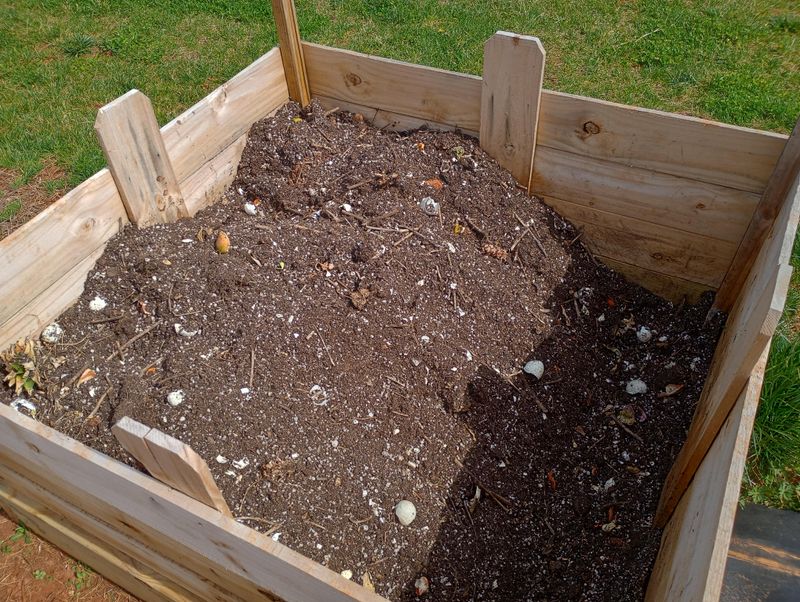
Old soil and spent potting mix can play a supporting role in a compost system, even when they are not ready to go straight back into a bed or container.
Adding small amounts of soil to a compost pile can help introduce minerals and add some bulk to a pile that might be too fluffy or too wet to turn well.
It can also help balance a pile that is heavy on green materials.
The key word is small. Soil should be a minor ingredient in a compost system, not the main one.
Too much soil slows down the composting process by reducing airflow and making the pile dense. A light layer added between other materials is a reasonable approach based on general composting guidance from university Extension sources.
There is one firm boundary here. Diseased soil or contaminated container soil should not go into a home compost pile.
Only do this if credible local Extension guidance says it is safe. Home compost piles do not consistently reach the temperatures needed to neutralize all pathogens.
When in doubt, contact your local Extension office before adding questionable material to your pile. Using old soil wisely in compost is a great habit, but only when the source material is clean and known.