Better Alternatives To Knockout Roses That Thrive In Texas Heat
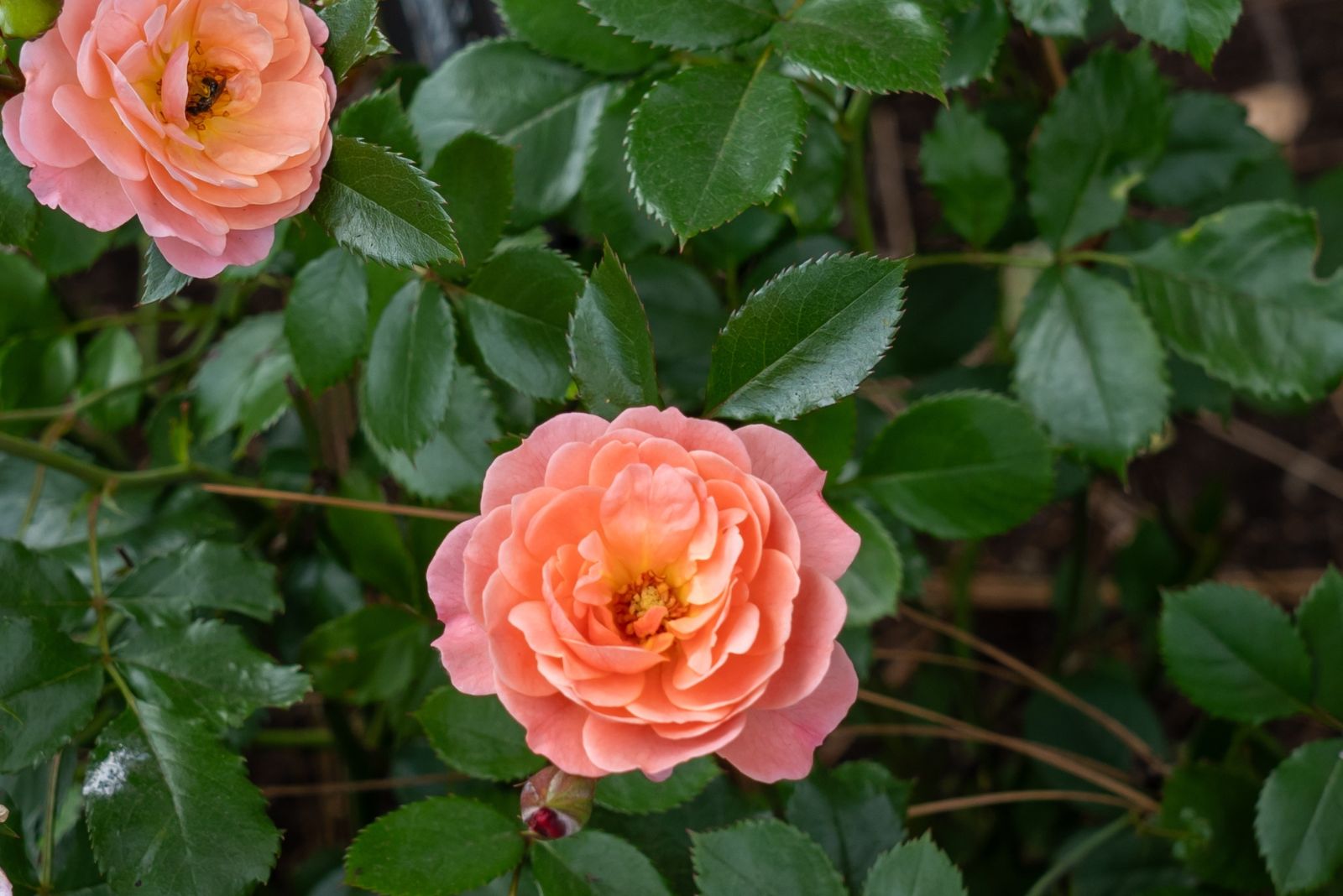
Knockout roses had a good run. For years they were the go-to answer for Texas gardeners who wanted reliable color without a lot of drama, and to their credit, they delivered.
Easy to find, easy to grow, and pretty enough to earn a spot in millions of yards across the state. Nobody is going to pretend they aren’t a solid plant.
But here’s the thing. The Texas gardening world has moved on, and there are options out there now that outperform Knockout roses in ways that actually matter.
Better heat tolerance, longer bloom periods, more interesting color ranges, stronger resistance to the diseases that have been creeping into Knockout populations over the years, and in many cases, a look that feels a lot less generic than a shrub you’ll find in every third yard in the neighborhood.
If you’ve been planting Knockout roses out of habit, it might be time to see what else is out there.
1. Drift Roses (Rosa ‘Drift’ Series)
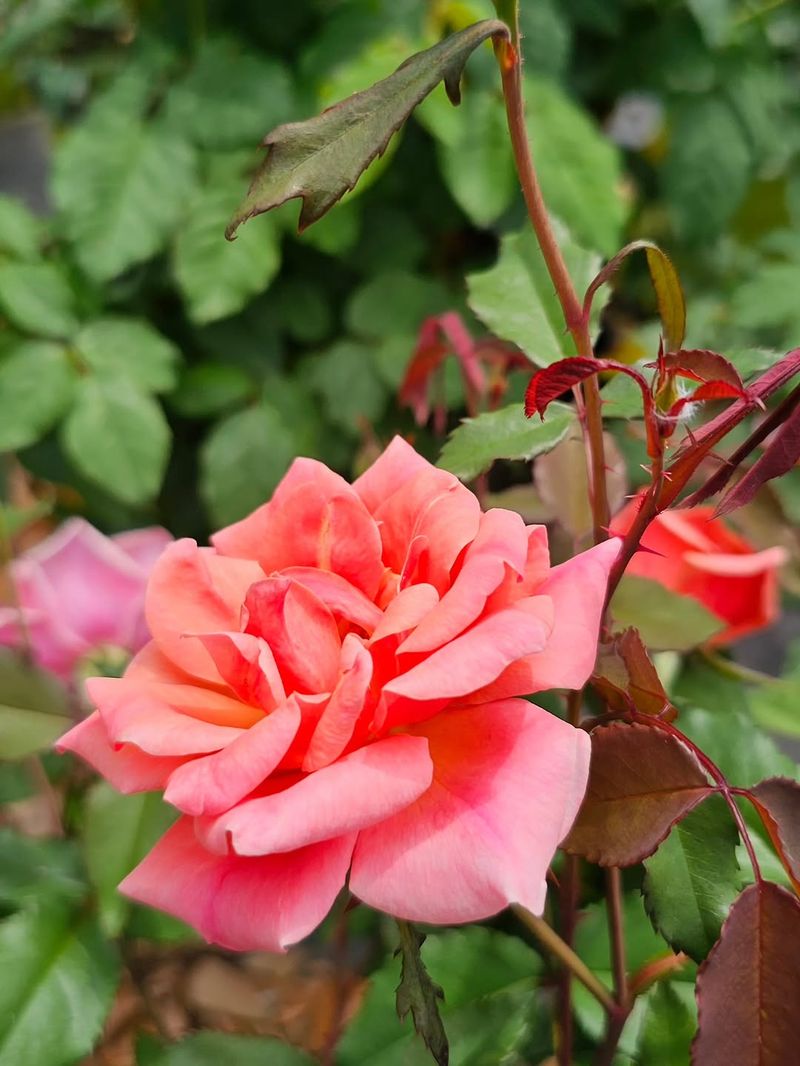
Picture a rose that stays perfectly tidy, never gets too big, and keeps blooming all season long without demanding much attention. That is exactly what Drift roses bring to Texas gardens.
They are compact, ground-hugging plants that stay just one to two feet tall, making them ideal for borders, garden beds, and even container planting across the state.
Drift roses were developed as a cross between miniature roses and groundcover roses, which gave them incredible hardiness and a naturally spreading growth habit.
They cover themselves in small but plentiful blooms from spring all the way through fall, and they do it repeatedly without needing constant deadheading or fertilizing. In Texas heat, that kind of reliability is genuinely rare.
One of the biggest advantages of Drift roses over Knockout roses is their outstanding disease resistance. Black spot and powdery mildew are real problems in Texas, especially in humid areas like Houston and the Gulf Coast.
Drift roses hold up remarkably well against both. They handle full sun and heat without skipping a beat, and once established, they are quite drought tolerant too.
Maintenance is refreshingly simple. A light pruning in late winter, occasional watering during dry spells, and some slow-release fertilizer in spring is really all they need.
They come in several colors including red, pink, coral, peach, and white. For Texas gardeners who want the charm of a rose without the high-maintenance reputation, Drift roses are a perfect match for the climate.
2. Belinda’s Dream Rose (Rosa ‘Belinda’s Dream’)
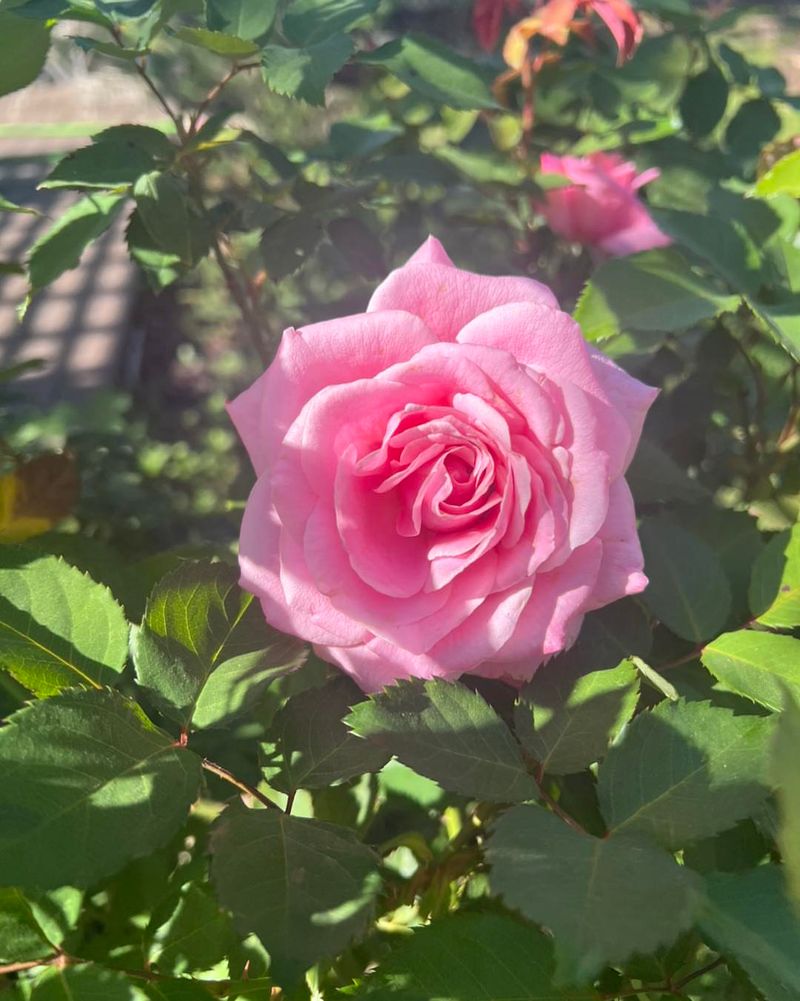
There is a reason Texas gardeners talk about Belinda’s Dream rose with such enthusiasm. Developed at Texas A&M University specifically for Southern growing conditions, this rose was practically born to handle everything the Texas climate throws at it.
It is not just tough, it is beautiful in a way that stops people in their tracks. Belinda’s Dream produces large, full, intensely fragrant pink blooms that look like something out of a classic rose garden. The petals spiral elegantly, and the fragrance is rich and sweet.
Your Texas Garden Changes Every Week. Your Plan Should Too.
Gardening in Texas changes quickly throughout the season. Every Friday you’ll receive a simple weekly plan showing exactly what to plant, prune, fertilize, harvest, and protect so you never miss the right timing.
What makes it truly special for Texas is its outstanding disease resistance, particularly against black spot, which thrives in the humid conditions found across much of the state, especially in East Texas and along the Gulf Coast.
Unlike many traditional roses that need weekly spraying and constant fussing, Belinda’s Dream thrives with minimal intervention. It blooms repeatedly throughout the growing season, taking short breaks between flushes rather than burning itself out.
It grows to about four to six feet tall, making it a great choice for a flowering hedge, a focal point in a garden bed, or a backdrop for smaller plants.
Planting it in full sun with good air circulation gives it the best chance to perform at its peak. Water deeply but not too frequently, and give it a balanced fertilizer in early spring to kick off the season strong.
For Texas gardeners who have always wanted a classic, fragrant rose without the drama, Belinda’s Dream is the answer.
3. Lantana (Lantana Camara)
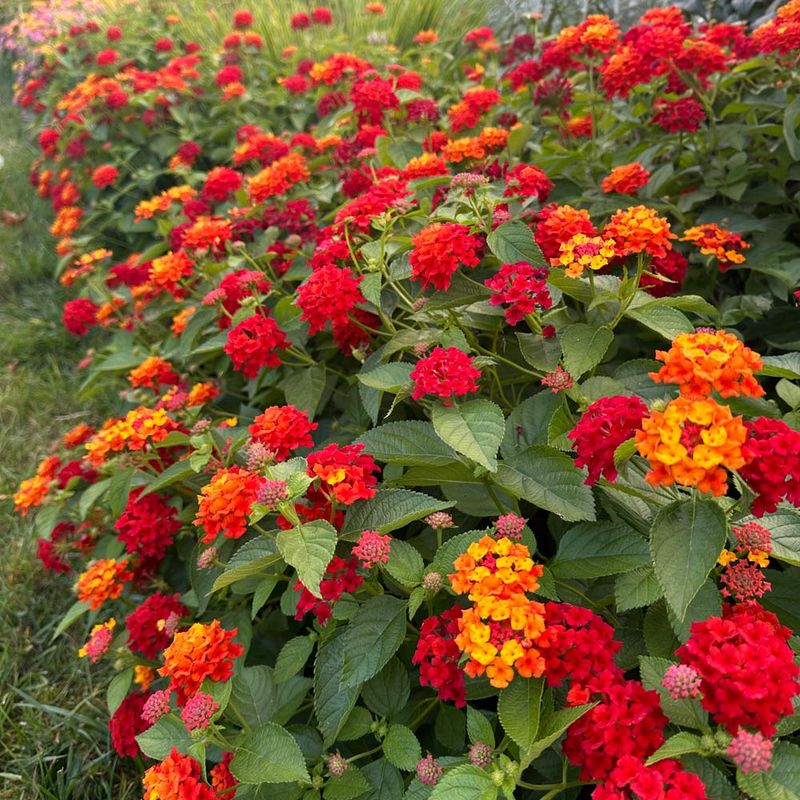
Honestly, few plants earn their place in a Texas garden quite like lantana. It is not a rose, not even close, but when it comes to replacing Knockout roses with something that delivers more color, more wildlife activity, and far less fuss, lantana wins almost every time.
Texas summers are brutal, and lantana does not just survive them, it absolutely thrives in them.
From spring until the first frost, lantana keeps pumping out clusters of tiny flowers in combinations of yellow, orange, pink, red, and white. The blooms attract butterflies, bees, and hummingbirds in remarkable numbers, turning your garden into a lively, buzzing ecosystem.
In cities like Austin, San Antonio, and Dallas, lantana is practically a staple of low-maintenance landscaping for exactly this reason.
Drought tolerance is where lantana really shines. Once established, it can go weeks without supplemental watering and still look fantastic.
It loves full sun and actually blooms more intensely when temperatures climb. Poor soil, rocky ground, reflected heat from pavement, none of it slows lantana down. It just keeps going when other plants start struggling.
Pruning lantana back hard in late winter encourages fresh, vigorous growth and more blooms throughout the season. It can get quite large if left unchecked, so shaping it once or twice during summer keeps it looking tidy.
Some varieties are sterile and will not spread aggressively. For Texas gardeners wanting maximum color with minimum effort, lantana is genuinely hard to beat as a Knockout rose replacement.
4. Esperanza / Yellow Bells (Tecoma Stans)
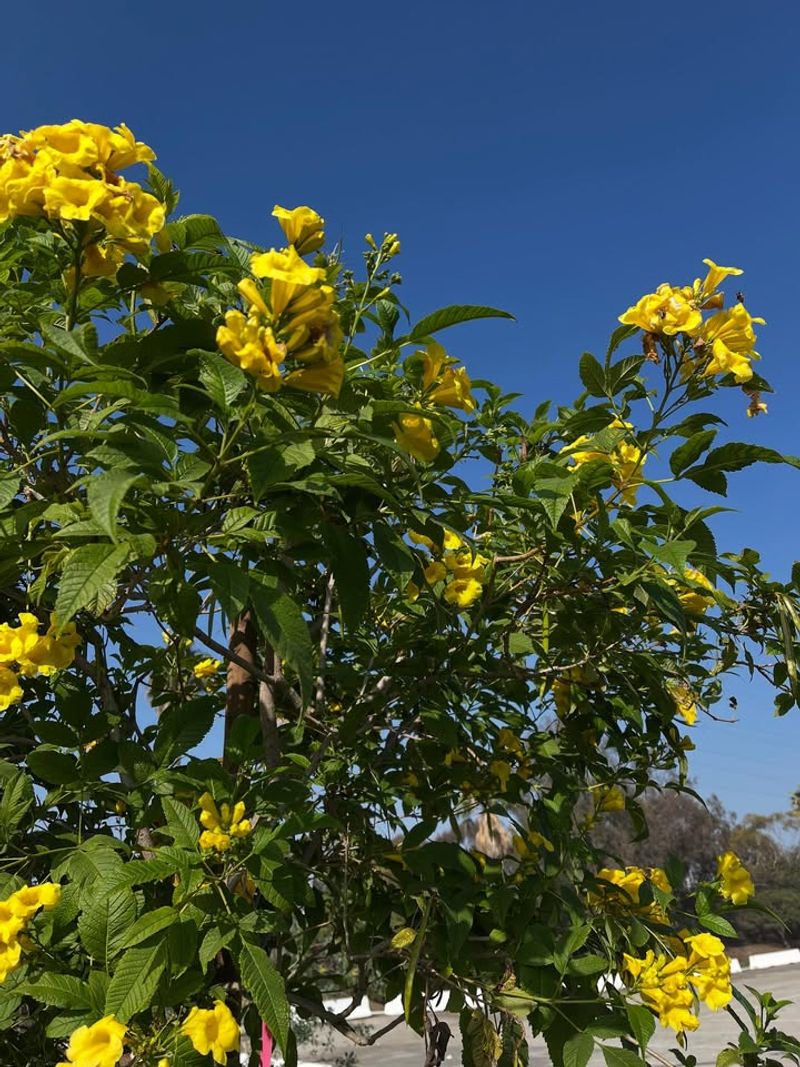
Walk past an Esperanza plant in full bloom on a hot Texas afternoon and it is almost impossible not to stop and stare. The clusters of bright yellow, trumpet-shaped flowers are bold, cheerful, and absolutely relentless through the hottest months of the year.
While many plants slow down in the peak of a Texas summer, Esperanza speeds up, blooming more and more as temperatures climb higher.
Known by several names including Yellow Bells and Tecoma stans, this stunning shrub is native to the Americas and has adapted beautifully to Texas conditions.
It thrives in full sun and well-drained soil, handles serious drought once established, and grows into a full, rounded shrub that can reach four to eight feet tall depending on conditions.
In Central and South Texas, it comes back reliably from its roots each spring after winter dormancy.
Hummingbirds are absolutely wild about Esperanza blooms. The long, tubular flowers are perfectly shaped for them, and you will often see multiple hummingbirds hovering around an established plant at the same time. Butterflies visit frequently too, adding even more life and movement to the garden.
Planting Esperanza in a spot with excellent drainage and at least six hours of direct sun gives it the best results. It does not need much fertilizer, and heavy feeding can actually reduce flowering.
Light pruning in early spring encourages bushy growth and more blooms. For Texas gardens that need bold, reliable summer color when everything else is struggling, Esperanza is a standout performer worth every inch of garden space it takes up.
5. Salvia Greggii / Autumn Sage (Salvia Greggii)
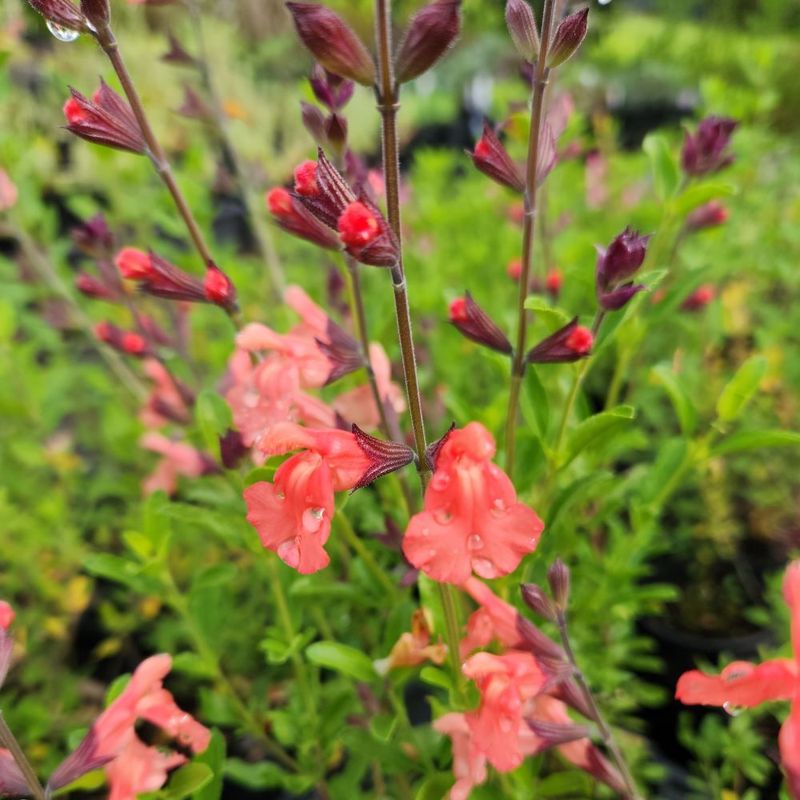
Few plants in the Texas landscape are as reliably cheerful as Salvia greggii, commonly called Autumn Sage. Do not let the name fool you though, this plant blooms from spring all the way through fall, not just in autumn.
It is a Texas native, which means it evolved right alongside the heat, the drought, and the rocky soils that challenge so many garden plants across the state.
Salvia greggii comes in a wide range of colors including bright red, hot pink, coral, salmon, and white. The tubular flowers are magnets for hummingbirds, which visit constantly throughout the blooming season.
Butterflies show up regularly too, making this plant a triple win for gardeners who want color, wildlife activity, and low maintenance all in one compact package.
What makes Autumn Sage stand out compared to Knockout roses is its almost zero-maintenance lifestyle. It needs no spraying for disease, no complicated pruning schedule, and very little supplemental water once it is established in the ground.
It actually performs better in poor, lean soils than in rich, heavily amended beds. Full sun and good drainage are really the only things it asks for.
Cutting it back by about one-third in late winter encourages fresh growth and a stronger bloom season. It typically grows two to three feet tall and wide, making it ideal for borders, rock gardens, and natural-style plantings throughout Texas.
From El Paso to Houston, Salvia greggii is one of the most dependable, charming, and wildlife-friendly plants any Texas gardener can choose for season-long color.
6. Pride Of Barbados (Caesalpinia Pulcherrima)
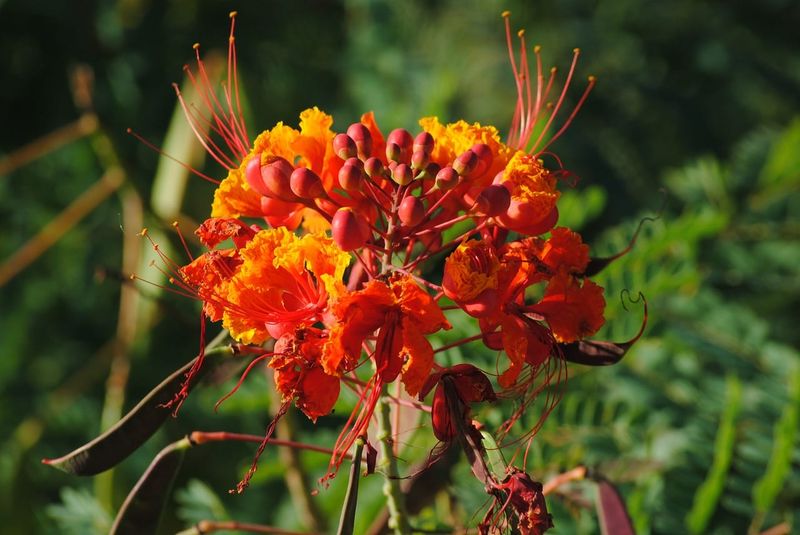
If you want a plant that makes people stop their cars to ask what it is, Pride of Barbados is the one.
The flowers are almost unbelievably showy, with clusters of bright orange and red blooms accented by long, dramatic red stamens that give the whole plant an exotic, almost tropical look. And here is the really exciting part: the hotter it gets, the more it blooms.
In Texas, where summer temperatures regularly climb past 100 degrees, Pride of Barbados hits its stride right when most other plants are struggling just to survive. It is a large, fast-growing shrub that can reach six to ten feet tall in a single season in South and Central Texas.
In North Texas it may behave more like a perennial, coming back from the roots each spring after being knocked back by winter cold.
Hummingbirds and butterflies are absolutely drawn to the blooms, making this plant a lively centerpiece in any Texas garden. It tolerates poor soil, reflected heat, and extended dry periods with impressive ease.
Full sun is a must, as shaded plants bloom far less vigorously. Once established, it is remarkably self-sufficient and rarely needs supplemental watering except during extreme drought.
Pruning in early spring, after the threat of cold weather has passed, encourages a full, bushy shape and a stronger bloom display. It works beautifully as a large specimen plant, a colorful privacy screen, or a bold anchor in a mixed garden bed.
For Texas gardeners craving something dramatic and different, Pride of Barbados delivers a level of spectacle that Knockout roses simply cannot match.
7. Turk’s Cap (Malvaviscus Arboreus)
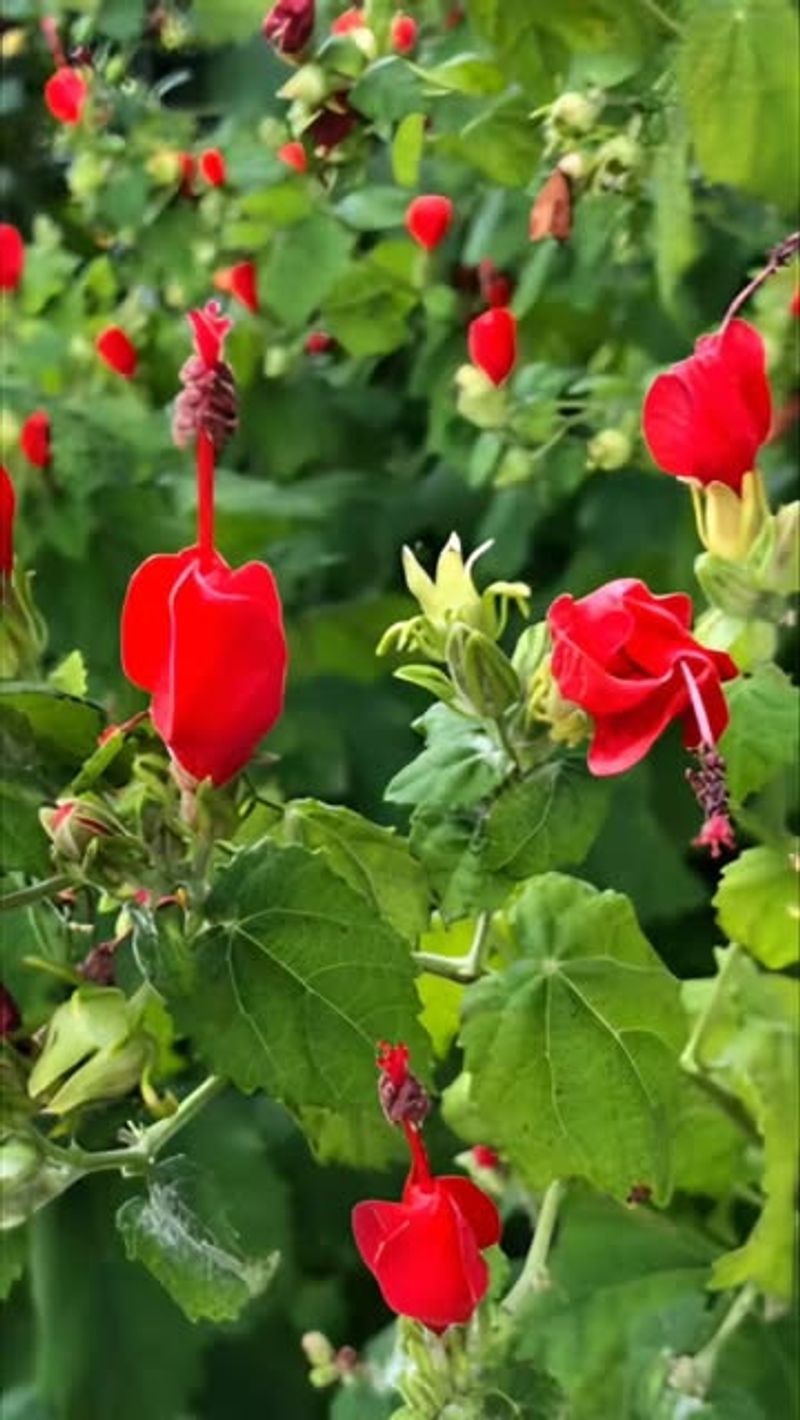
There is something wonderfully quirky about Turk’s Cap. The bright red blooms look like roses that never quite decided to open all the way, staying twisted into a cheerful little spiral that gives the plant a unique, endlessly charming personality.
It is one of those plants that looks like it belongs in a Texas garden because it literally does, having grown wild across the state for centuries.
Turk’s Cap is a beloved Texas native that handles conditions most other flowering shrubs would struggle with.
It grows happily in partial shade to full shade, which makes it incredibly valuable for those tricky spots under trees or along the north side of a fence where little else will bloom reliably.
It also handles drought with remarkable ease once established, asking for very little once it has settled into the ground.
Hummingbirds are obsessed with Turk’s Cap. The twisted, tubular blooms are perfectly designed for hummingbird feeding, and established plants can attract a steady stream of visitors from summer all the way through fall.
Butterflies and bees visit regularly too, and the small red fruits that follow the blooms are a favorite food source for birds during the fall and winter months.
It grows three to nine feet tall depending on conditions, and can spread into a substantial colony over time, which makes it excellent for naturalized areas or large garden beds. A hard cutback in late winter keeps it tidy and encourages vigorous new growth each spring.
For Texas gardeners looking for a tough, native, wildlife-friendly alternative to Knockout roses that thrives where other plants struggle, Turk’s Cap is an absolutely unbeatable choice.