Start These Flower Seeds In May For Nonstop Summer Blooms In North Carolina
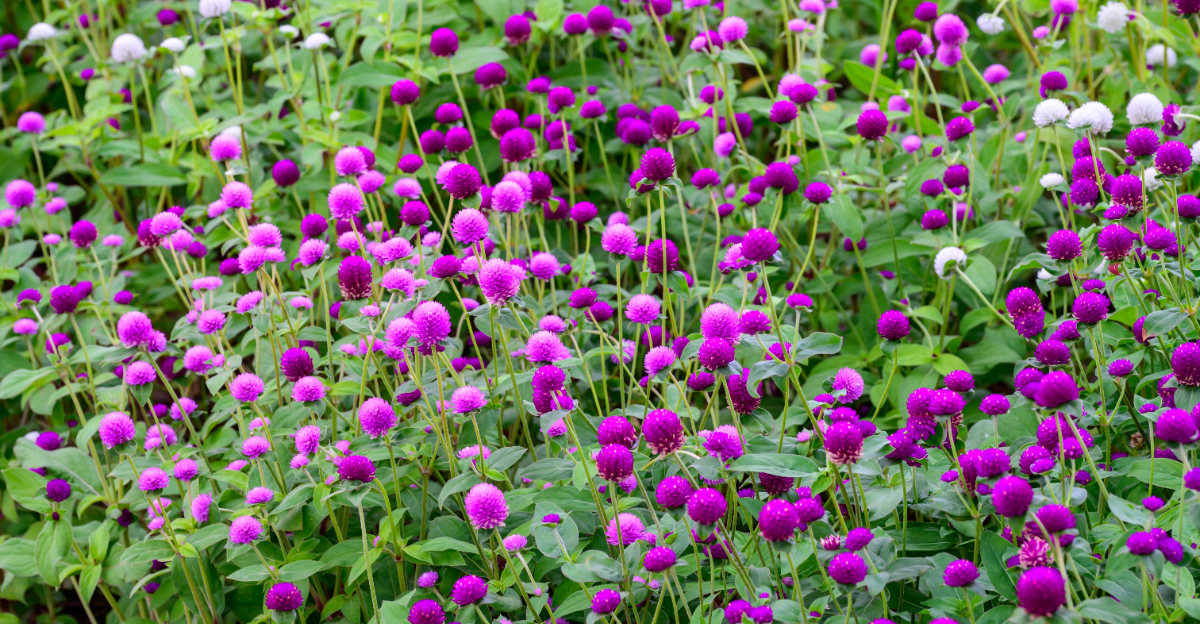
May is the perfect time in North Carolina to start flower seeds that will keep your garden full of color all summer long. As the soil warms and the risk of cold nights fades, many fast growing flowers are ready to take off.
Starting seeds now gives them just enough time to establish before the real heat arrives, which helps them bloom stronger and longer.
North Carolina’s climate works in your favor this time of year, with warm days and steady growth conditions that support quick germination.
Choosing the right flowers can lead to continuous blooms instead of short bursts of color. With a little planning, your garden can stay bright and lively from early summer into the hottest months.
If you want nonstop blooms without constant replanting, these seeds are a great place to start.
1. Zinnias (Zinnia elegans)
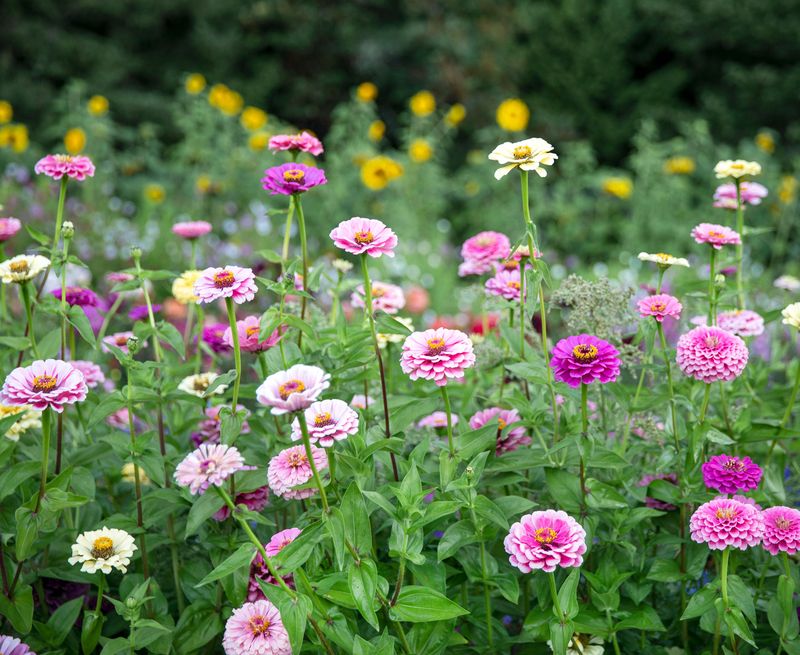
Few flowers match the energy and color that zinnias bring to a North Carolina summer garden. These cheerful bloomers love warm soil and grow incredibly fast once you direct sow them in May.
Within weeks, you will see seedlings popping up and racing toward the sun with impressive speed.
Zinnias come in just about every color you can imagine, from hot pink and orange to cream and deep red. They thrive in the heat and humidity that North Carolina summers are known for, which makes them a natural fit for this region.
Butterflies and bees absolutely cannot resist them, so your garden becomes a buzzing, beautiful ecosystem all on its own.
The real secret to keeping zinnias blooming all summer long is deadheading. Snip off spent blooms regularly and the plant keeps pushing out fresh flowers nonstop.
You can also cut them for bouquets, which encourages even more blooms to form. Plant a wide row in a sunny bed and you will have armfuls of fresh-cut flowers from July straight through the first cool nights of autumn.
North Carolina gardeners who try zinnias once rarely skip them the following year.
2. Marigolds (Tagetes spp.)
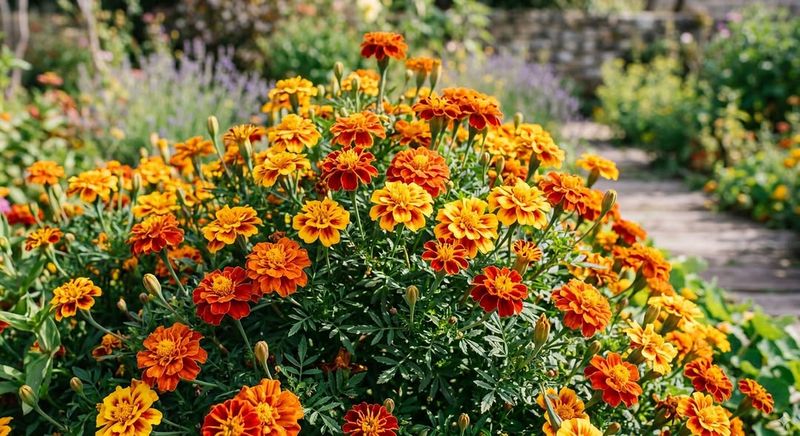
Marigolds have been a garden favorite for generations, and once you grow them in a North Carolina summer, it is easy to see why. Sow seeds directly into warm May soil and they germinate in just a few days.
The plants establish quickly and start blooming before you know it.
One of the best things about marigolds is how well they handle heat. North Carolina summers can be intense, with high temperatures and humidity lasting for months, but marigolds barely flinch.
They keep producing their bold orange and yellow blooms from early summer right through fall without much fuss at all.
Beyond their beauty, marigolds are incredibly practical in the garden. Plant them along the edges of vegetable beds and they help confuse certain insects that would otherwise snack on your crops.
Their strong scent works as a natural barrier, which is a bonus that most ornamental flowers simply cannot offer. They also look stunning in containers on a patio or porch, adding a pop of warm color wherever you place them.
Your North Carolina Garden Changes Every Week. Your Plan Should Too.
Gardening in North Carolina changes quickly throughout the season. Every Friday you’ll receive a simple weekly plan showing exactly what to plant, prune, fertilize, harvest, and protect so you never miss the right timing.
With almost no effort required, marigolds deliver season-long beauty that rewards every North Carolina gardener who makes room for them.
3. Cosmos (Cosmos bipinnatus)
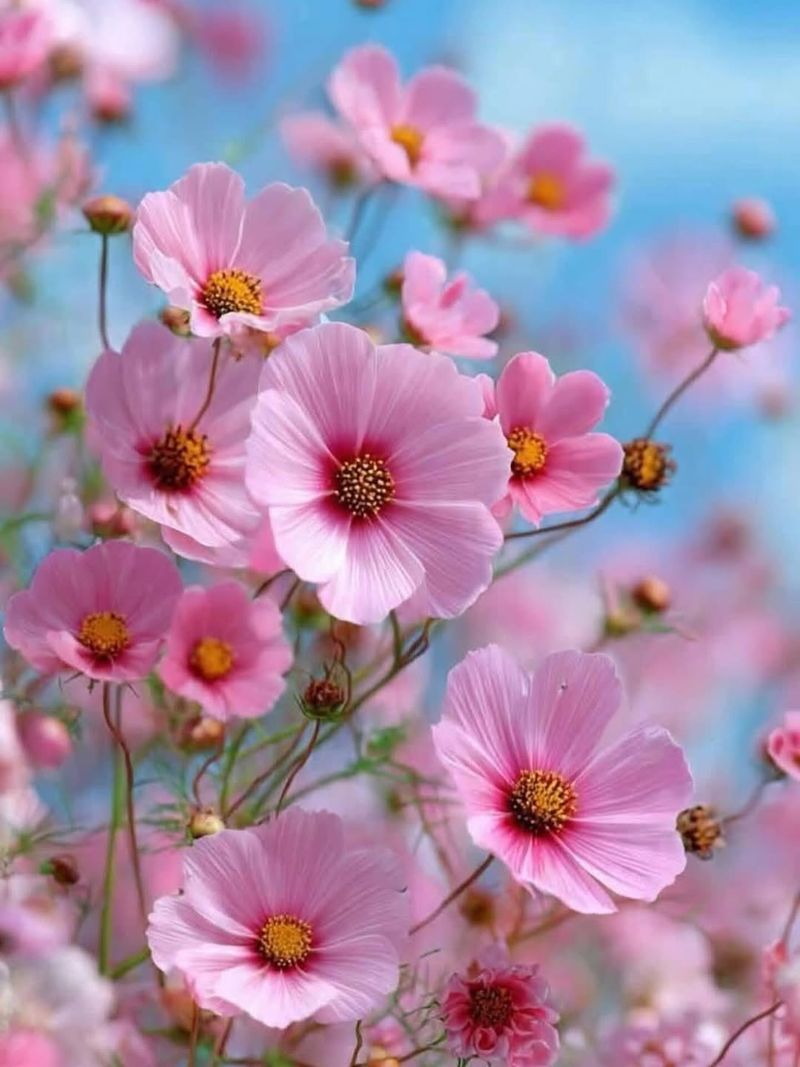
Cosmos have a wild, carefree charm that makes a garden feel alive and natural. Scatter seeds in a sunny spot in May, barely cover them with soil, and step back to watch the magic unfold.
They ask for almost nothing in return and reward you with weeks and weeks of gorgeous blooms.
What makes cosmos especially interesting is that they actually prefer lean soil. Rich, heavily fertilized ground causes them to grow lots of leaves but very few flowers.
A sunny patch with average or even slightly poor soil in your North Carolina yard is honestly the perfect home for them.
The flowers themselves are delicate and airy, with silky petals in shades of pink, white, magenta, and soft lavender. They sway beautifully in a summer breeze and attract pollinators throughout the season.
Removing spent blooms encourages continuous flowering, and if you let a few go to seed at the end of summer, cosmos will often reseed themselves and return the following year. That means one packet of seeds can give you years of color with minimal effort.
North Carolina gardeners who love a naturalistic, cottage-style garden will find cosmos absolutely irresistible from the moment they first bloom.
4. Sunflowers (Helianthus annuus)
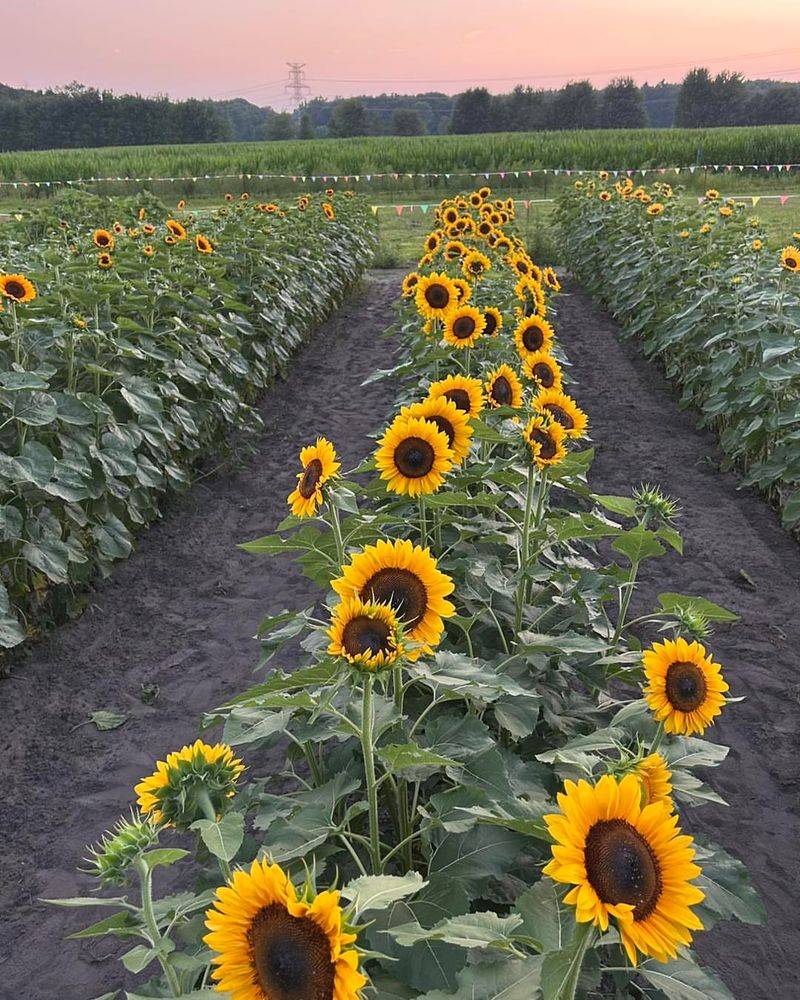
There is something undeniably joyful about a row of sunflowers standing tall in a summer garden. Sunflowers are one of the easiest flowers to grow from seed, and May is the ideal time to sow them directly in the ground across North Carolina.
Warm soil speeds up germination, and seedlings can appear in as little as a week.
Sunflowers grow fast and reach impressive heights depending on the variety you choose. Dwarf types stay compact and work well in containers, while giant varieties can tower well above six feet tall.
Both types thrive in the full sun and warm temperatures that North Carolina summers deliver in abundance.
A clever trick that experienced North Carolina gardeners use is succession planting. Instead of sowing all your seeds at once, plant a new batch every two to three weeks throughout May and into early June.
This staggers the blooming times so you get fresh flowers opening over a much longer stretch of summer rather than all at once. Sunflowers also attract birds and pollinators, making your yard feel lively and full of energy.
After blooming, leave a few seed heads standing for goldfinches and other birds to enjoy. Few plants give back to the garden as generously as a well-grown sunflower.
5. Globe Amaranth (Gomphrena globosa)
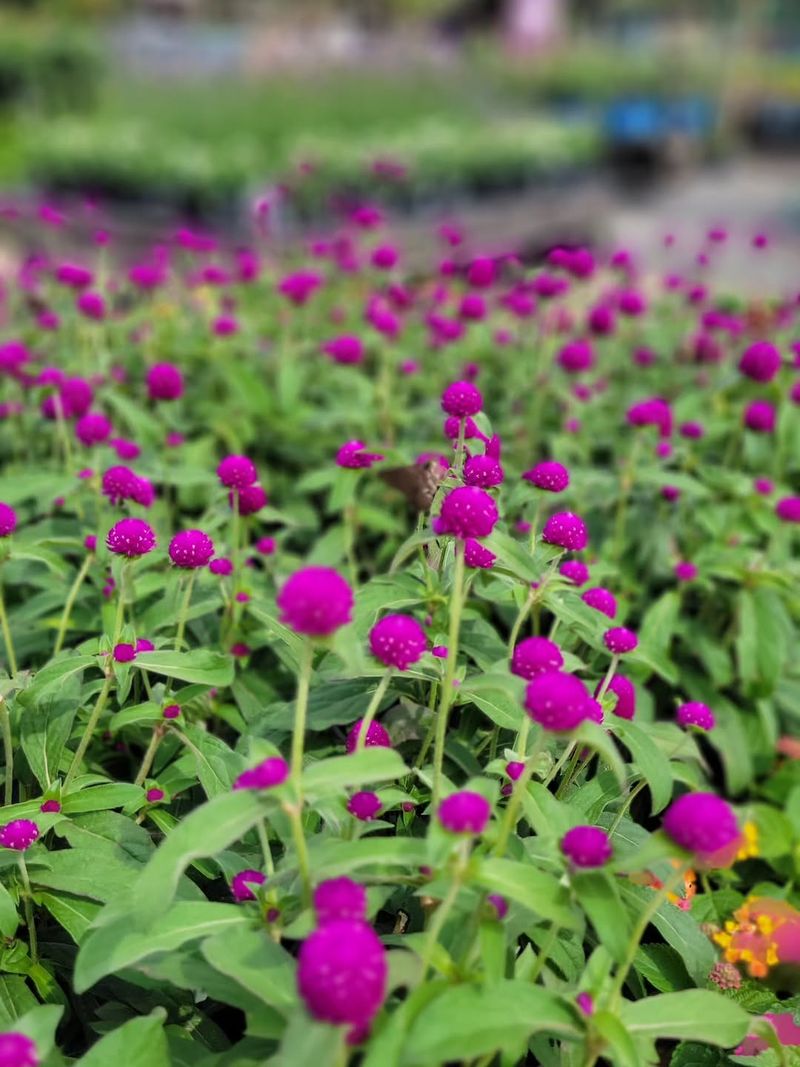
Globe amaranth might not be the most talked-about flower, but gardeners who grow it in North Carolina quickly become devoted fans. Its round, clover-like blooms in shades of purple, pink, magenta, and white hold their color and shape even in sweltering summer heat.
That kind of toughness is rare and seriously valuable. Start seeds indoors a few weeks before May or direct sow them once the soil has warmed. Germination can be a bit slow, so patience pays off.
Once globe amaranth establishes in your garden, it practically takes care of itself through the hottest and most humid stretches of a North Carolina summer.
Drought tolerance is one of its greatest strengths. While other flowers wilt and struggle when rainfall gets scarce, globe amaranth keeps right on blooming without missing a beat.
It works beautifully as a border plant, in mixed flower beds, or even in containers on a sunny porch. The blooms also dry perfectly and hold their color for months, making them a fantastic choice for dried arrangements and crafts.
Pollinators love visiting the flowers too, which adds extra life and movement to your outdoor space. Globe amaranth is a quiet overachiever that earns its spot in any North Carolina summer garden.
6. Celosia (Celosia argentea)
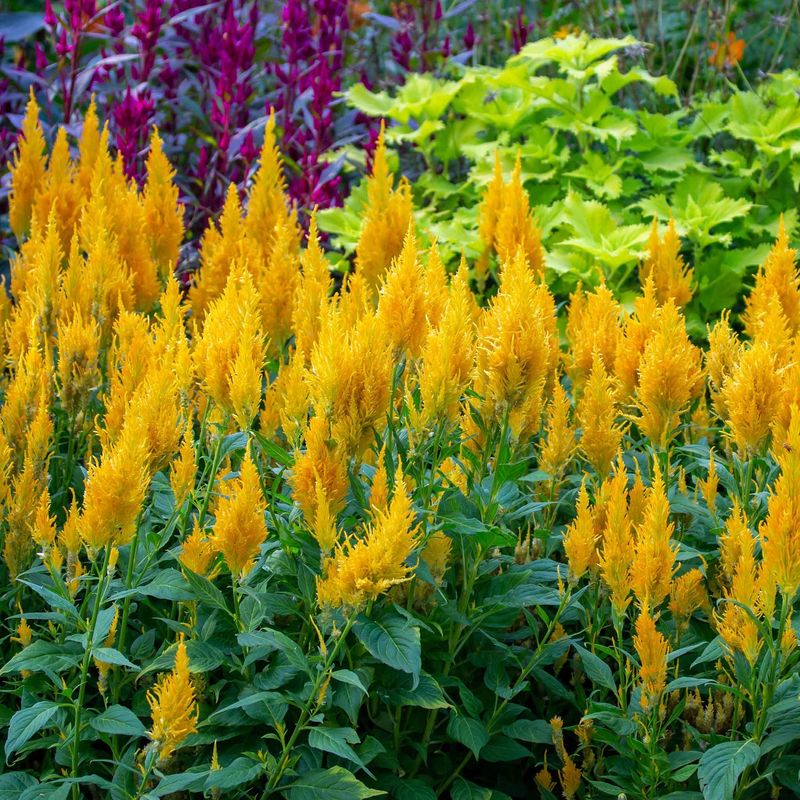
Celosia brings a level of boldness to the summer garden that few other flowers can match. The velvety plumes and crested forms come in electric shades of red, orange, yellow, and deep magenta that practically glow under the bright North Carolina sun.
Sow seeds in May when the soil is reliably warm and watch the plants take off quickly.
Heat is where celosia truly shines. While some flowers slow down or struggle once temperatures climb past 90 degrees, celosia leans right into the warmth and keeps producing new blooms without hesitation.
North Carolina summers are long and hot, which means celosia has plenty of time to put on a spectacular show from midsummer all the way to fall.
There are several forms to choose from, including feathery plumes, brain-like crested tops, and slender wheat-style spikes. Mixing different types in a single bed creates a wildly textured and visually exciting display.
Celosia also works wonderfully as a cut flower, lasting a long time in a vase. If you let the blooms dry on the plant, they hold their color and structure beautifully for dried arrangements.
Both beginning gardeners and experienced growers in North Carolina love celosia for its reliability and its ability to make a garden look truly spectacular all summer.
7. Nasturtiums (Tropaeolum majus)
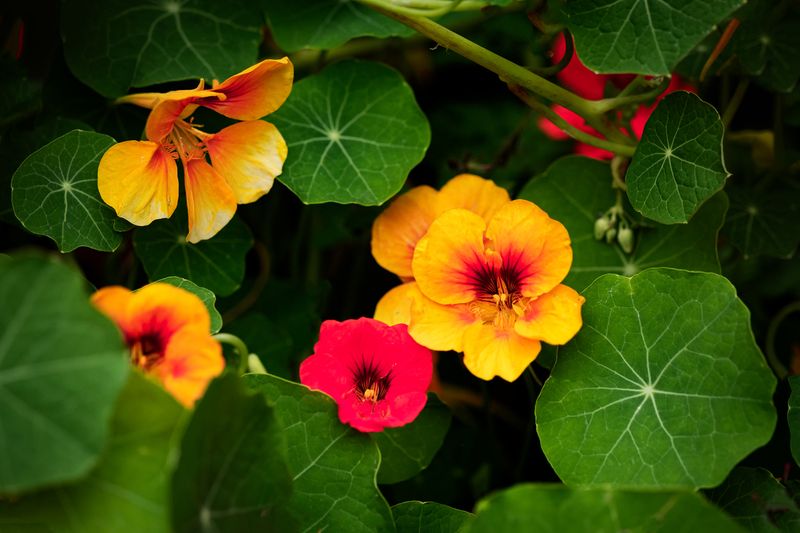
Nasturtiums are one of those plants that surprise people every single time. The flowers are edible, the leaves are edible, they grow from seed in about a week, and they look absolutely stunning spilling over the edges of containers or climbing a low trellis.
Starting them in May works well across much of North Carolina, especially if you choose a spot with morning sun and some afternoon shade.
In the hotter inland areas of North Carolina, nasturtiums appreciate a little shelter from the intense afternoon heat. A spot on an east-facing porch or near a taller plant that filters the harsh midday sun will help them thrive longer into summer.
Coastal and mountain areas with slightly cooler temperatures may find nasturtiums blooming happily well into the season.
The flavor of nasturtium flowers is peppery and bright, making them a fun addition to salads, lemonade, or even as a garnish on a summer appetizer plate. Kids especially love discovering that a flower is actually something you can eat.
Keep the soil on the drier side because overly rich or wet conditions lead to more leaves than flowers.
A pot on a sunny patio filled with nasturtiums in orange, yellow, and red is one of the most cheerful sights a North Carolina gardener can create with just one simple seed packet.
8. Four O’Clocks (Mirabilis jalapa)
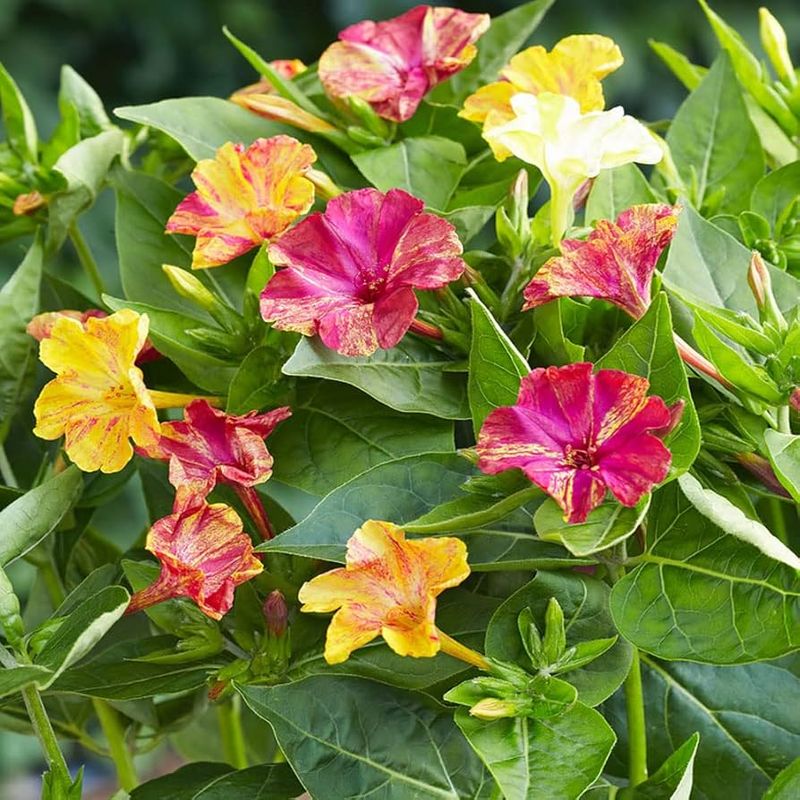
Four o’clocks have a bit of old-fashioned magic to them. They open their trumpet-shaped blooms in the late afternoon and stay open through the evening and into the night, releasing a sweet fragrance that drifts through warm North Carolina summer air.
Sow the large seeds directly in May once the soil has warmed and germination happens fairly quickly.
What makes four o’clocks so fascinating is that a single plant can produce flowers in multiple colors at the same time. Pink, yellow, white, and even striped blooms can all appear on one plant, which creates an unexpected and delightful display.
They grow into bushy, full plants that fill in a border or cottage garden bed with lush green foliage topped by colorful flowers every evening.
These plants develop thick tuberous roots over the season, and in milder parts of North Carolina, those roots may even survive the winter and return the following spring.
They handle heat and humidity remarkably well, which makes them a reliable choice for the long, steamy summers the state is known for.
Evening gardeners and people who spend time outside after work will especially love having four o’clocks in bloom right when they step outside to relax.
Few flowers make a summer evening feel as pleasant and fragrant as a healthy patch of these charming bloomers.
9. Tithonia / Mexican Sunflower (Tithonia rotundifolia)
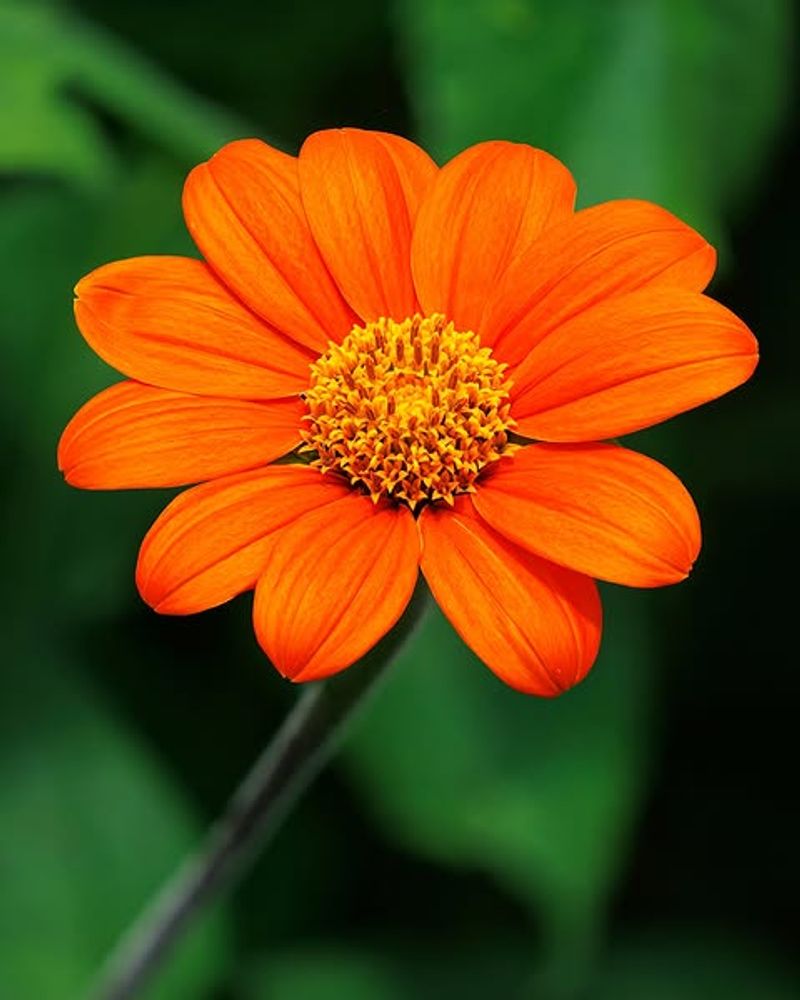
If you want to stop people in their tracks when they walk past your yard, plant Mexican sunflower. The blooms are a vivid, almost neon orange that catches the eye from across the street.
Tithonia grows tall, sometimes reaching four to six feet, and produces an abundance of flowers through the hottest weeks of a North Carolina summer.
Sow seeds directly in the garden in May after the soil has warmed thoroughly. Tithonia grows quickly once it gets going and needs full sun to perform at its best.
Give it plenty of space because the plants get wide and bushy, and crowded conditions limit how well they bloom throughout the season.
Butterflies are absolutely drawn to Mexican sunflower like nothing else. A single plant in full bloom can host dozens of butterflies on a warm afternoon, turning your yard into an active and exciting pollinator garden.
Swallowtails, monarchs, and painted ladies are among the frequent visitors, which makes tithonia a fantastic choice for anyone who loves watching wildlife in the garden. The blooms also make striking cut flowers with a long vase life.
North Carolina gardeners who grow tithonia for the first time are often stunned by how much impact a single plant can have. It is bold, beautiful, and built for the heat.
10. Moss Rose (Portulaca grandiflora)
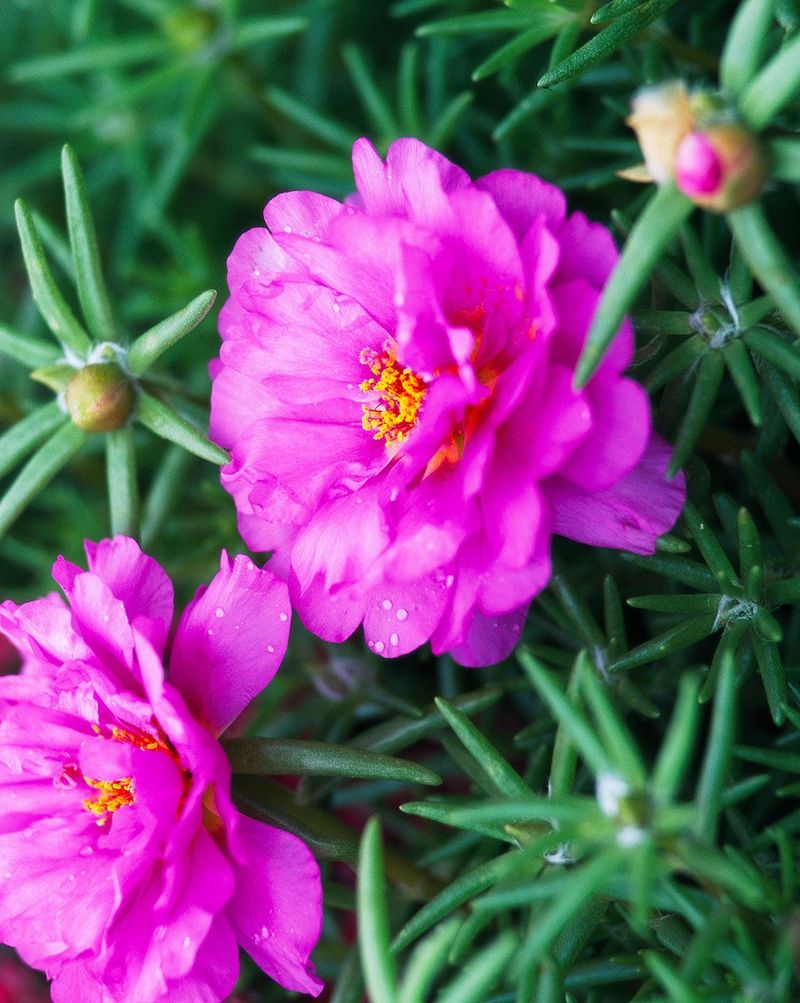
Moss rose is the flower you plant in the spots where nothing else seems to survive. Sandy soil, blazing sun, dry conditions, and intense heat are exactly where portulaca thrives.
Sow seeds in warm May soil across North Carolina and the low-growing plants will spread into a colorful carpet of blooms that lasts all summer.
The flowers open fully in bright sunlight and come in a dazzling range of colors including hot pink, orange, yellow, red, and white. Some varieties even have striped or bicolor petals that add an extra layer of visual interest.
The succulent-like foliage stores moisture, which helps the plant push through dry spells without needing much attention from the gardener.
Moss rose is a top pick for rock gardens, sunny slopes, raised beds with fast-draining soil, and containers on a south-facing porch or patio.
In North Carolina, where summer sun can be relentless and drought is always a possibility, portulaca earns its keep by blooming beautifully through conditions that would stress most other flowers.
It stays low, rarely growing more than six inches tall, which makes it ideal for edging along pathways or filling in the front of a flower border. Once established, it often reseeds itself, coming back year after year with almost no effort on your part.
11. Cleome (Cleome hassleriana)
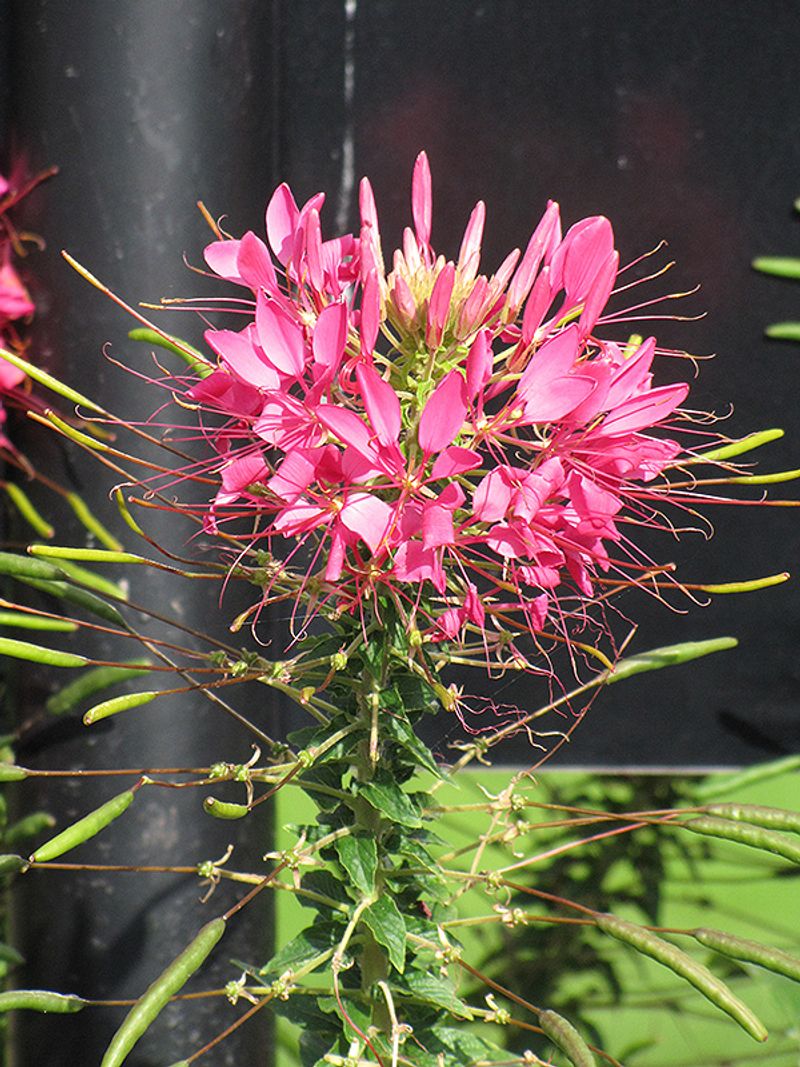
Cleome earns its nickname spider flower honestly. The blooms have long, spidery stamens that stretch out from the center of each flower cluster, creating a wild and architectural look that adds real drama to a summer garden.
Sow seeds directly in May across North Carolina and they will germinate reliably in warm soil within one to two weeks.
Height is one of cleome’s biggest assets in the garden. Plants can easily reach three to five feet tall, which makes them perfect for the back of a flower border or as a living screen along a fence line.
Their airy, open structure allows shorter plants in front of them to still catch sunlight, so they play nicely with everything around them.
Pollinators go wild for cleome blooms. Hummingbirds, bumblebees, and butterflies visit the flowers regularly throughout the long North Carolina summer season.
The plant also reseeds prolifically, meaning once you grow cleome in a spot, it tends to return on its own the following year without any replanting effort. Some gardeners thin the seedlings each spring to keep things tidy, while others let them naturalize freely for a wilder cottage look.
Either approach works beautifully. Cleome is a tall, reliable, and genuinely striking flower that fills vertical space in the garden with elegance and charm all summer long.
12. Morning Glory (Ipomoea purpurea)
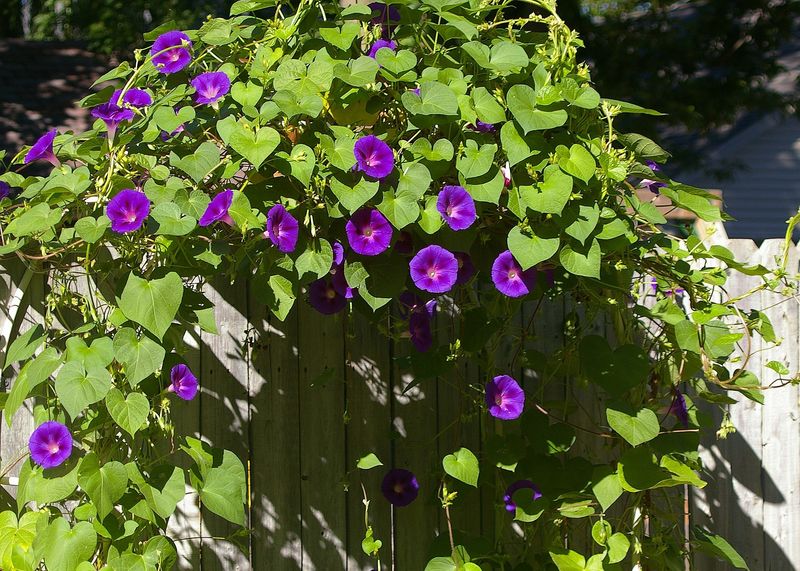
Morning glory is one of those flowers that feels almost magical in the early hours of the day.
The trumpet-shaped blooms open wide in the morning light, showing off gorgeous shades of deep blue, purple, pink, and white before slowly closing as the afternoon heat builds.
Sow seeds in May once nights stay consistently warm, and the vines will take off fast. A trellis, fence, mailbox post, or porch railing gives morning glory something to climb, and it will cover that structure generously throughout the summer.
In North Carolina, the warm nights and long growing season allow vines to reach impressive lengths, sometimes climbing ten feet or more by midsummer.
Scratching the seed coat lightly before planting or soaking seeds overnight helps speed up germination.
One thing worth keeping in mind is that morning glory reseeds very enthusiastically. Choose your planting spot thoughtfully so the vines do not spread into areas where you would prefer other plants to grow.
Keeping a few blooms from going to seed helps manage this tendency. Despite that one consideration, morning glory remains one of the most rewarding vining flowers you can grow in North Carolina.
The daily routine of stepping outside each morning to see fresh blooms opening on the trellis is genuinely one of summer gardening’s best simple pleasures.