7 Heat-Tolerant Vines That Thrive On Arizona Trellises In Spring
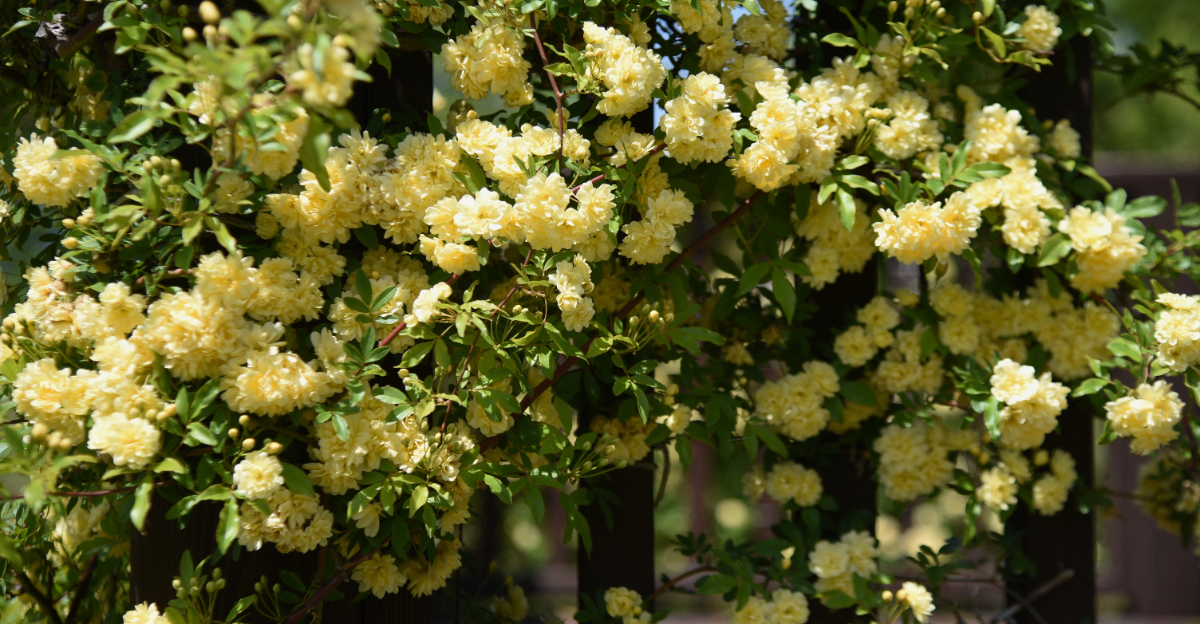
Bare fences and plain walls are such a missed opportunity in an Arizona garden. With the right plants climbing up a trellis, that empty vertical space transforms into something that actually adds life, color, and character to your outdoor area.
Spring is the perfect time to get vines established before the intense summer heat sets in. Most people wait too long to plant, and then wonder why their vines struggle to take hold once temperatures really start climbing.
Arizona’s climate is actually ideal for certain vines that love warmth and sun. The key is knowing which ones are built to handle the heat rather than just tolerate it for a short period before burning out or going dormant.
Vertical gardening has been growing in popularity across Arizona for good reason.
Space is often limited, but walls and fences are everywhere, and covering them with the right plants creates a lush, layered look that completely changes how a yard feels.
1. Bougainvillea Climbs Fast And Thrives In Full Sun
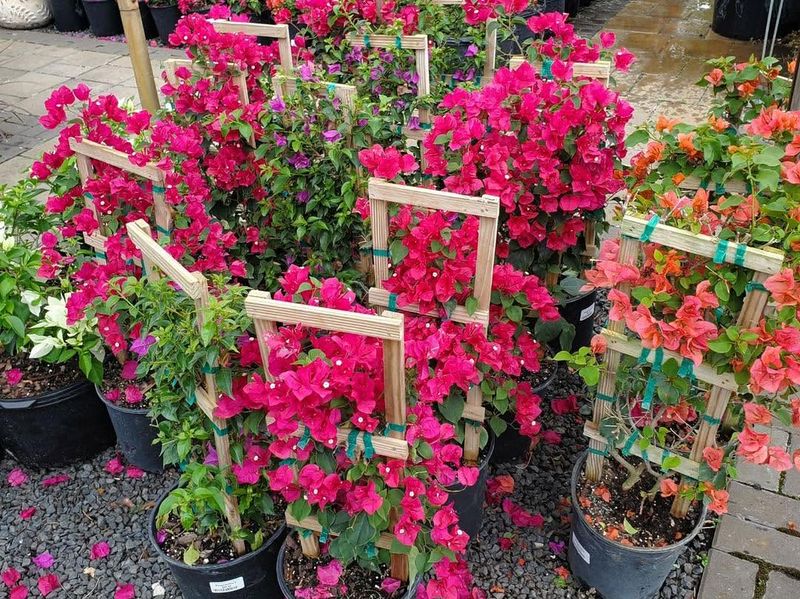
Few plants put on a show quite like bougainvillea does on an Arizona trellis in spring. Those electric pink, orange, and purple bracts are not actually flowers but modified leaves, which is part of why they last so long in the blazing sun.
Once established, this vine is one of the toughest climbers you can plant in the desert Southwest.
Bougainvillea grows aggressively in Arizona, sometimes adding several feet in a single season when given full sun and decent drainage. It does not need much water once it settles in, and overwatering is actually one of the most common mistakes people make.
A little drought stress tends to push the plant into producing more of those dramatic, colorful bracts rather than extra foliage.
Spring planting works well across most of Arizona because the warming soil encourages fast root development before summer heat peaks. Plant it near a sturdy trellis or wall since the canes can get heavy over time.
Sharp thorns are part of the package, so wear gloves when pruning or training the vine.
In Phoenix and Tucson, bougainvillea often blooms multiple times per year if given the right conditions. Cut it back after each bloom cycle to encourage fresh growth and more color.
With minimal care and maximum sun, this vine delivers results that most other plants simply cannot match in Arizona’s intense spring climate.
Give it room to spread and train the canes early, because once it takes off, it quickly becomes the main feature of the space.
2. Queen’s Wreath Covers Trellises Quickly With Strong Growth
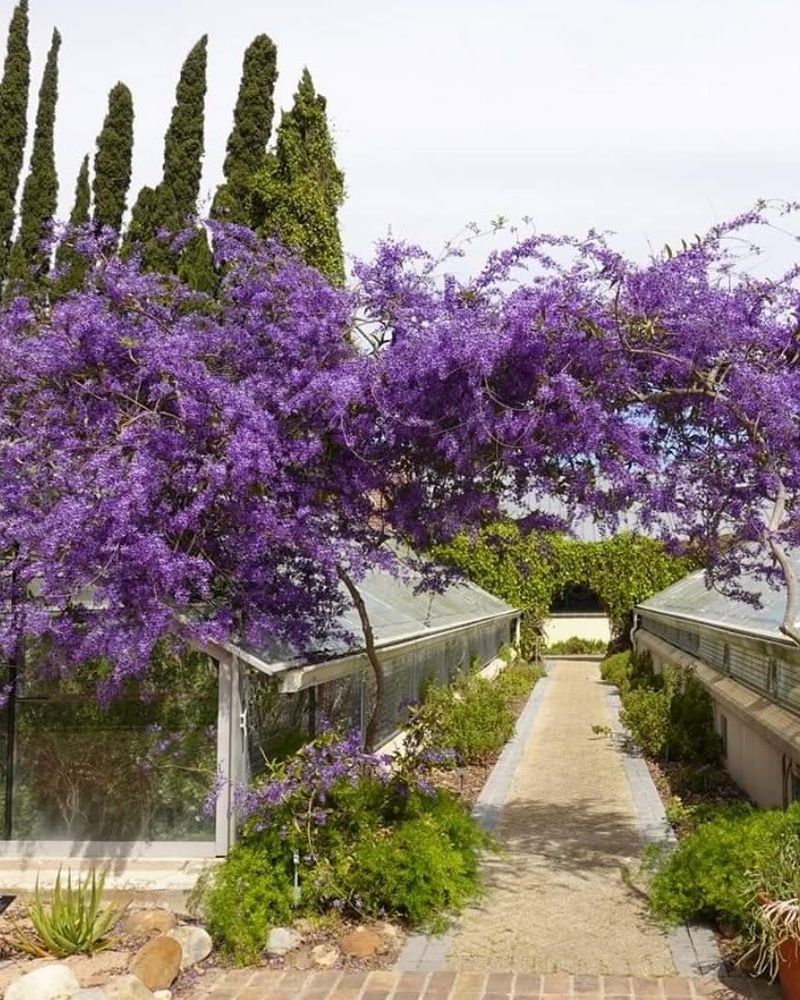
Walk past a Queen’s Wreath vine in full bloom and you will stop in your tracks. Those long, drooping clusters of tiny purple flowers look almost tropical, yet this vine handles Arizona heat with surprising ease.
It is a warm-season grower, meaning spring in Arizona is exactly when it wants to take off.
Botanically known as Antigonon leptopus, Queen’s Wreath is native to Mexico and thrives in climates that mirror the desert Southwest. It grows fast once temperatures rise, and in Tucson or Phoenix, a single plant can cover a large trellis within one growing season.
Your Arizona Garden Changes Every Week. Your Plan Should Too.
Gardening in Arizona changes quickly throughout the season. Every Friday you’ll receive a simple weekly plan showing exactly what to plant, prune, fertilize, harvest, and protect so you never miss the right timing.
Afternoon sun does not slow it down, which is exactly what you want in a vine meant for an exposed Arizona patio or fence line.
Watering needs are moderate during the active growing season, but the plant can handle some drought once established. It grows from tuberous roots that store energy and moisture, giving it a built-in advantage during dry spells.
Mulching around the base helps keep soil temperatures stable and reduces how often you need to water.
One thing worth knowing is that Queen’s Wreath is deciduous in cooler areas of Arizona, dropping its leaves when temperatures fall in late fall or winter. But come spring, it bounces back fast and starts climbing again with energy.
Training the new growth onto your trellis early in the season helps it spread evenly and fill in gaps more efficiently than leaving it to climb on its own.
Guide new shoots early so the vine fills the trellis evenly instead of bunching in one spot.
3. Baja Passion Vine Handles Heat Better Than Most Varieties
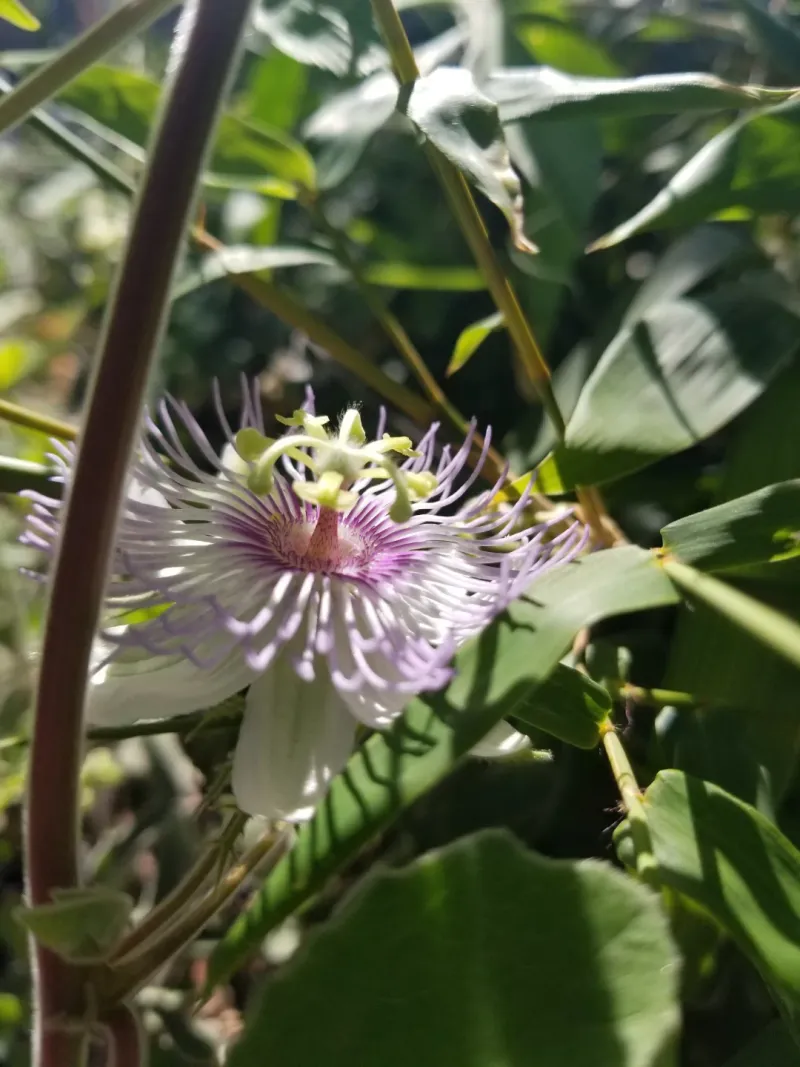
Passion vines are stunning, but many varieties struggle when Arizona summer starts knocking on the door in late spring. Baja passion vine is different.
Native to the Baja California peninsula and parts of Sonora, it evolved in conditions that closely match what Arizona gardeners deal with every season.
Passiflora mexicana and related Baja-region varieties produce intricate, exotic-looking flowers that draw hummingbirds and butterflies without asking much in return. The foliage stays relatively compact compared to some of the more aggressive passion vine species, making it easier to manage on a standard backyard trellis in Scottsdale or Mesa.
It will still climb with enthusiasm, but it does not take over the way some tropical varieties can.
Full sun to partial shade works for this vine, though it genuinely performs best when it gets at least six hours of direct light per day in spring. Well-draining soil is important because standing water around the roots can cause problems fast in Arizona’s clay-heavy areas.
Raised beds or amended garden soil give it the best start.
Watering every few days during the first month after planting helps the roots establish without stress. Once the vine shows strong new growth, you can back off and water more deeply but less often.
Baja passion vine tends to be more cold-sensitive than heat-sensitive, so spring planting in Arizona aligns perfectly with its natural growth cycle. Expect flowers by late spring if conditions stay warm and sunny.
Tie new growth loosely to the trellis so it climbs where you want instead of sprawling.
4. Lilac Vine Climbs Easily And Handles Dry Conditions
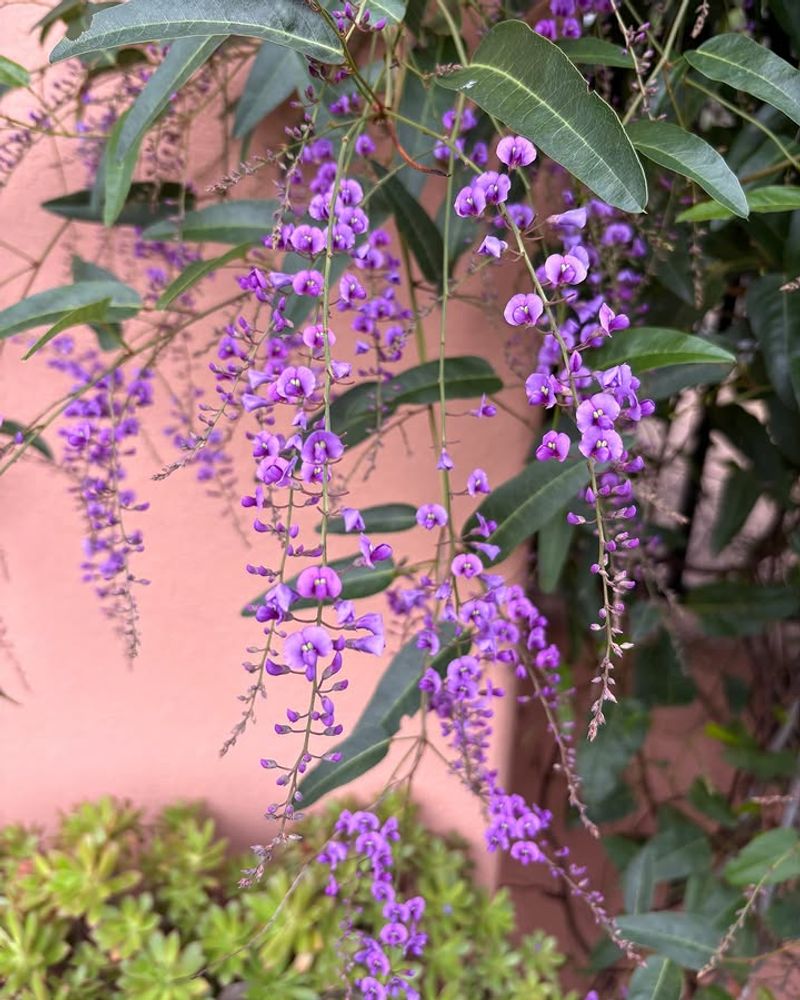
Lilac vine earns its spot on this list by doing something most flowering vines refuse to do in Arizona: it blooms in late winter and early spring, right when everything else is still warming up.
By the time March rolls around in Phoenix or Tucson, Hardenbergia violacea can already be covered in small, pea-shaped purple flowers that cascade down trellises and walls in a soft, elegant way.
Originally from Australia, this vine adapted to dry, hot summers and mild winters, which maps almost perfectly onto Arizona’s low desert climate. It handles drought well once established and does not need rich soil to perform.
In fact, too much fertilizer pushes leafy growth at the expense of flowers, so a light hand with nutrients tends to produce better results.
Lilac vine grows at a moderate pace, which some gardeners actually prefer over fast-growing species that need constant pruning to stay under control. On a trellis, it fills in steadily and clings well with twining stems.
It works nicely along a fence line, on a pergola, or trained up a post near an entryway where the spring flowers can be enjoyed up close.
One practical note for Arizona growers: plant it where it gets morning sun and some afternoon shade in exposed low desert areas. Full afternoon sun in summer can stress the foliage, even though the plant is generally heat-tolerant.
A little protection from the harshest midday rays helps it stay lush through the warmer months and return strong the following spring.
5. Grape Vine Grows Strong And Covers Trellises Well
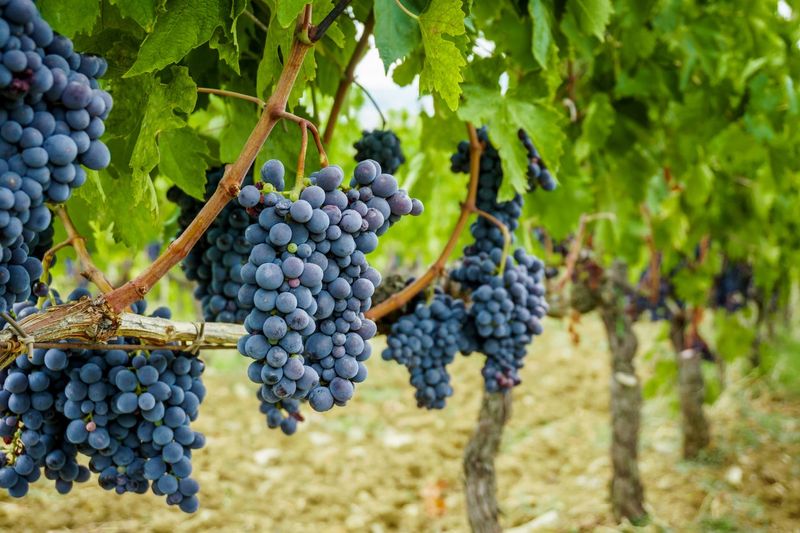
Grape vines and Arizona have a longer history together than most people realize. Wine grapes have been grown in parts of southern Arizona since Spanish missionaries planted them centuries ago, and table grapes do remarkably well in the low desert climate when given the right support.
Spring is when grape vines wake up fast, pushing out new shoots and broad green leaves that can shade a patio surprisingly quickly.
For Arizona home gardeners, varieties like Thompson Seedless, Black Monukka, and Flame Seedless are popular choices because they handle heat well and ripen before the peak of summer. Plant them along a sturdy trellis or pergola frame where the canes have room to spread horizontally.
Training the vine along wires or wooden rails makes it easier to manage and improves air circulation around the foliage.
Water needs are moderate in spring but increase significantly as summer approaches. Deep watering once or twice a week encourages roots to grow down rather than stay near the surface, which makes the vine more resilient during Arizona’s intense heat.
Drip irrigation works well and reduces the risk of fungal issues that can develop when foliage stays wet.
Pruning in late winter or very early spring, before new buds break, sets the vine up for a productive growing season. Remove old, woody canes and leave healthy younger wood to carry the season’s growth.
With consistent care and a solid trellis structure, grape vines in Arizona can live and produce for decades, offering both beauty and edible rewards.
6. Star Jasmine Climbs Steadily In Protected Areas
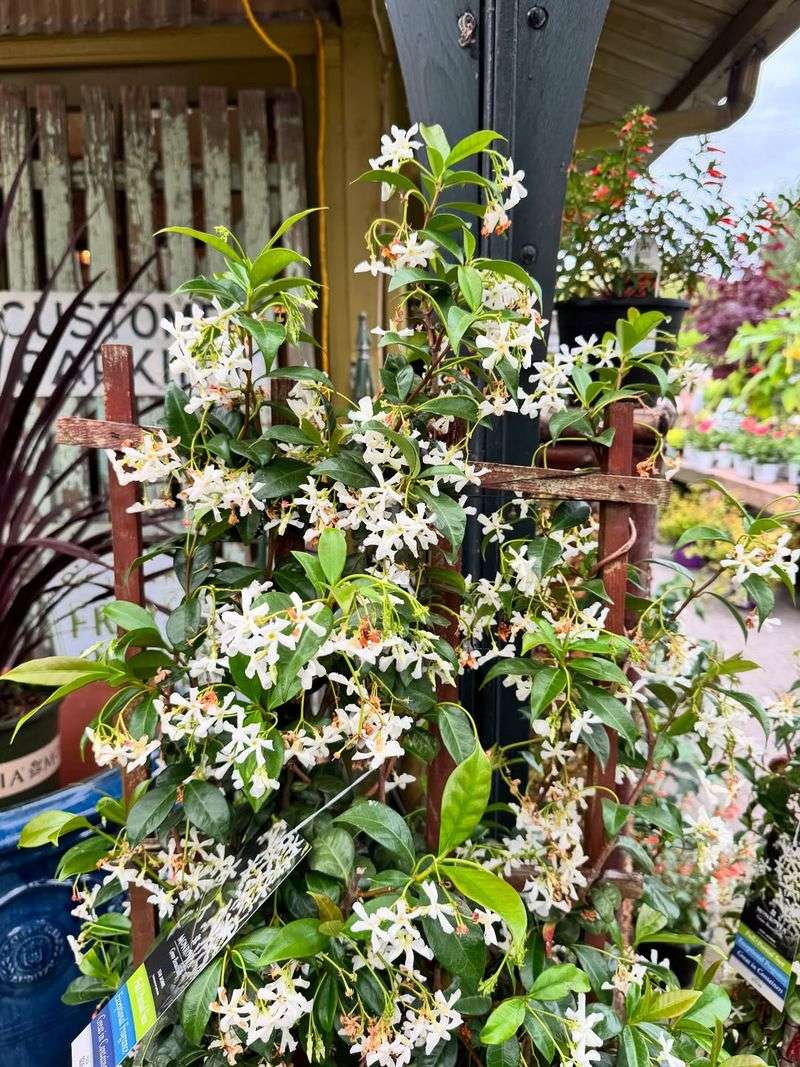
Star jasmine is the vine you plant when you want fragrance as much as coverage. On a warm Arizona spring evening, a single established plant can fill a courtyard or covered patio with a scent that stops people mid-conversation.
It is not the fastest climber on this list, but steady, reliable growth on a trellis is exactly what many Arizona homeowners are looking for.
Trachelospermum jasminoides, as it is formally known, grows best in spots with morning sun and afternoon shade in Arizona’s low desert. Full exposure to intense afternoon sun in Tucson or Phoenix can bleach the leaves and stress the plant, especially during late spring when temperatures start climbing toward triple digits.
A north-facing or east-facing wall is often the sweet spot for this vine.
Watering consistently during the first growing season is important for getting the roots established. Once star jasmine settles in, it becomes more drought-tolerant, though it appreciates regular moisture during the warmest months.
A layer of mulch around the base helps retain soil moisture and keeps root temperatures from spiking on hot afternoons.
Growth rate is moderate, so patience is part of the deal with this vine. Expect the first year to be mostly root development with modest above-ground progress.
By the second and third spring, it typically takes off and starts filling the trellis with glossy dark green leaves and those distinctive white, pinwheel-shaped flowers. Regular light pruning after blooming keeps the shape tidy and encourages fresh growth through the season.
Tie stems gently to the trellis as they grow so they stay on track and create even coverage over time.
7. Lady Banks Rose Climbs Fast And Handles Warm Conditions
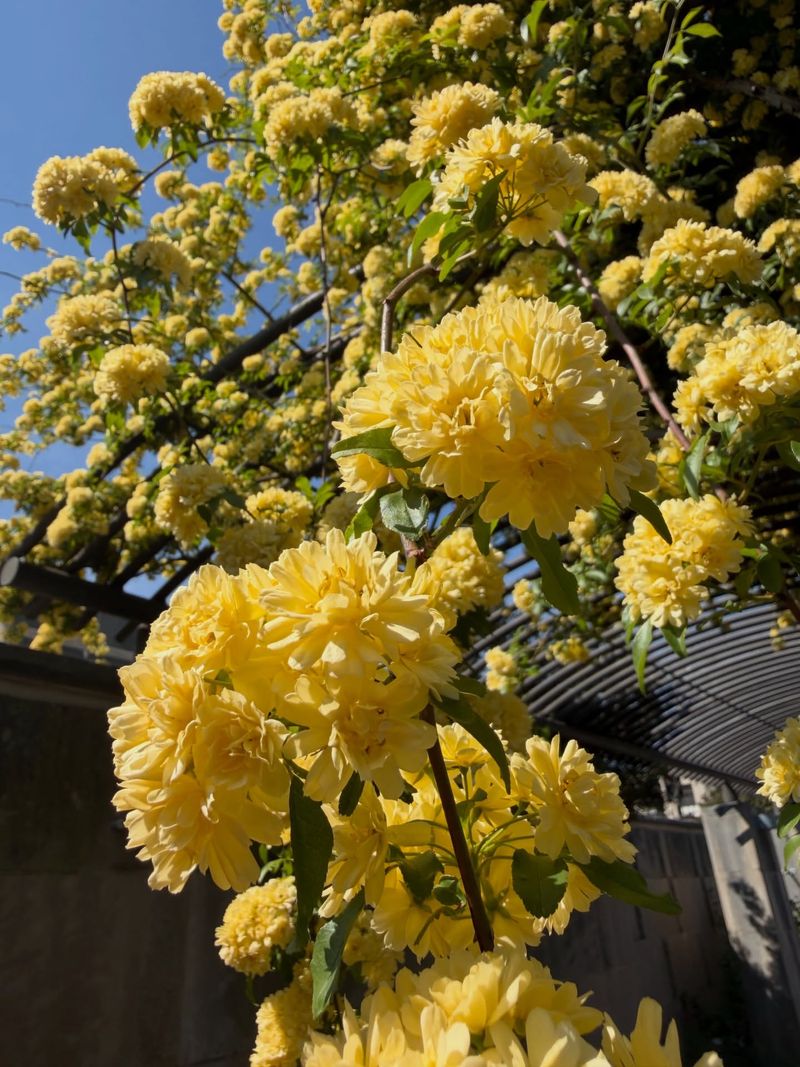
Lady Banks rose is one of those plants that makes you do a double take the first time you see it in full bloom. Covered in hundreds of small, tightly clustered flowers in soft yellow or white, a mature plant on an Arizona trellis in spring looks like something out of a garden magazine.
What makes it even more impressive is how little fuss it demands to get there.
Rosa banksiae is thornless, which immediately sets it apart from most other climbing roses. Training it onto a trellis or over an arbor is much easier without worrying about scratches, and maintenance pruning becomes a much more pleasant task.
It grows vigorously in Arizona’s warm climate, sometimes reaching 15 to 20 feet or more when given the space and support to do so.
Spring is peak bloom time for Lady Banks rose across most of Arizona, typically from late February through April depending on elevation and local temperatures. It is one of the earliest flowering vines in the low desert, often showing color while other plants are still getting started.
After blooming, the plant shifts into a leafy green phase that continues providing coverage and shade through summer.
Water requirements are low to moderate once the vine is established, which usually takes one full growing season. Well-draining soil and full sun produce the strongest plants with the most flowers.
In areas like the Tucson foothills or Chandler suburbs, Lady Banks rose has become a go-to choice for homeowners who want a dramatic, low-maintenance spring vine that genuinely delivers on its promise.