These Popular Plants Struggle In Texas (And Why)
Texas has a way of humbling even the most confident gardeners. You see a plant at the nursery, it looks healthy, the tag says it grows in full sun, and you think — perfect, that’s exactly what I have.
A few weeks later it’s struggling, a few weeks after that it’s gone, and you’re left wondering what went wrong when you followed all the directions. The problem is that full sun in Ohio and full sun in Texas are two completely different experiences.
A lot of plants that thrive across the rest of the country simply were not built for the combination of intense heat, unpredictable rainfall, alkaline soil, and humidity swings that Texas throws at them on a regular basis. The nursery doesn’t always make that clear, and the plant tags certainly don’t mention it.
Knowing which popular plants consistently struggle in Texas before you buy them saves a lot of time, money, and genuine gardening heartbreak.
1. Hydrangeas (Bigleaf Types)
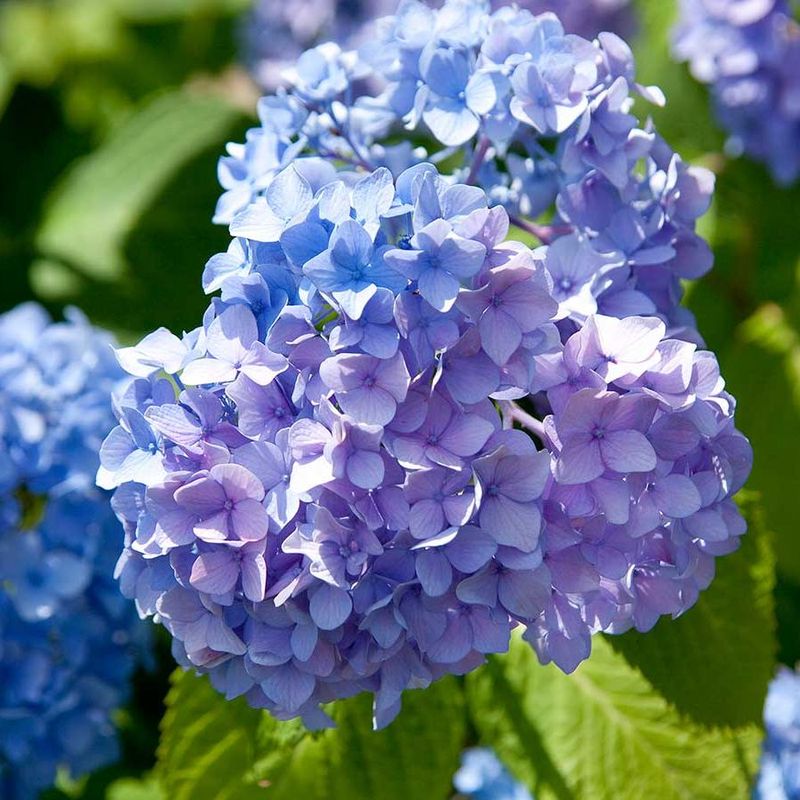
Walk through almost any garden center in Texas and you will spot them right away. Big, beautiful bigleaf hydrangeas with their giant, colorful blooms look absolutely stunning on store shelves. But bring them home to a Texas garden, and the story changes pretty fast.
Bigleaf hydrangeas, also known as Hydrangea macrophylla, are native to Japan, where summers are warm but not nearly as brutal as what Texas dishes out. In Texas, summer temperatures regularly climb past 95 degrees Fahrenheit.
That kind of heat causes these plants to wilt badly, sometimes within just a few hours of direct afternoon sun. The large leaves scorch easily, turning brown and crispy at the edges.
Another big problem is moisture. Bigleaf hydrangeas are thirsty plants. They need consistently moist soil to stay healthy and produce those gorgeous blooms everyone loves. In Texas, the soil dries out incredibly fast during the summer months.
Even if you water every single day, it can be hard to keep up with what these plants need. If you really want to try growing bigleaf hydrangeas in Texas, placement is everything. Choose a spot that gets morning sun but is shaded from the harsh afternoon rays.
Mulching heavily around the base of the plant can help hold moisture in the soil longer. Even with all that effort, results in Texas can be disappointing compared to cooler climates.
Oakleaf hydrangeas are a much better choice for Texas gardeners who love the look of hydrangeas without all the struggle.
2. Hostas
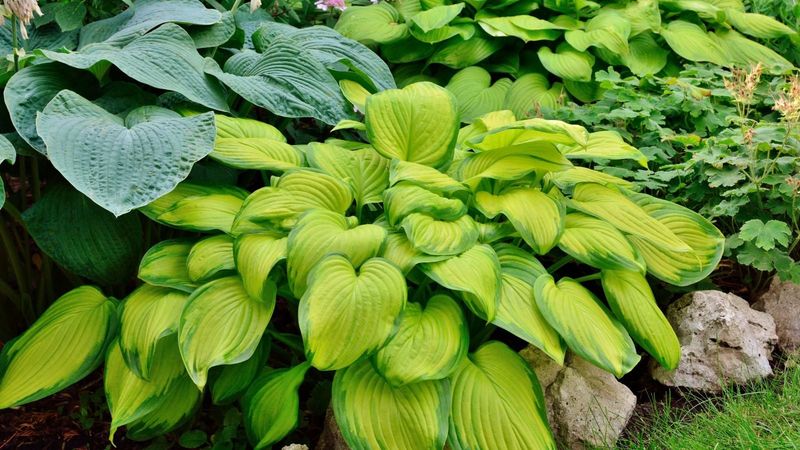
Hostas are one of the most beloved shade plants in the entire country. Their bold, lush foliage comes in dozens of colors and sizes, making them a favorite for gardeners who want to add texture to shady spots.
Up north, they practically grow themselves. In Texas, though, hostas face a serious uphill battle.
The core issue is that hostas are simply not built for the kind of heat Texas throws at them. Even when planted in full shade, the air temperature alone in a Texas summer can stress these plants out.
Your Texas Garden Changes Every Week. Your Plan Should Too.
Gardening in Texas changes quickly throughout the season. Every Friday you’ll receive a simple weekly plan showing exactly what to plant, prune, fertilize, harvest, and protect so you never miss the right timing.
Soil temperatures rise significantly during the hottest months, and hostas struggle when their roots get too warm. Leaves that once looked vibrant can start to look pale, burned, or just plain sad by midsummer.
Watering becomes a constant chore when growing hostas in Texas. The soil dries out quickly, and hostas need consistent moisture to stay healthy.
Without enough water, the leaf tips turn brown and crispy, making the plant look rough even in a shaded garden bed.
Humidity can also create problems. While hostas like moisture, the combination of heat and humidity in parts of Texas can actually encourage fungal diseases that damage the foliage.
Gardeners in North Texas sometimes have slightly better luck than those in South Texas, where conditions are more extreme.
If you want a lush, leafy look in a Texas shade garden, consider swapping hostas out for cast iron plants or turk’s cap, both of which handle the Texas climate with much more ease.
3. Gardenias
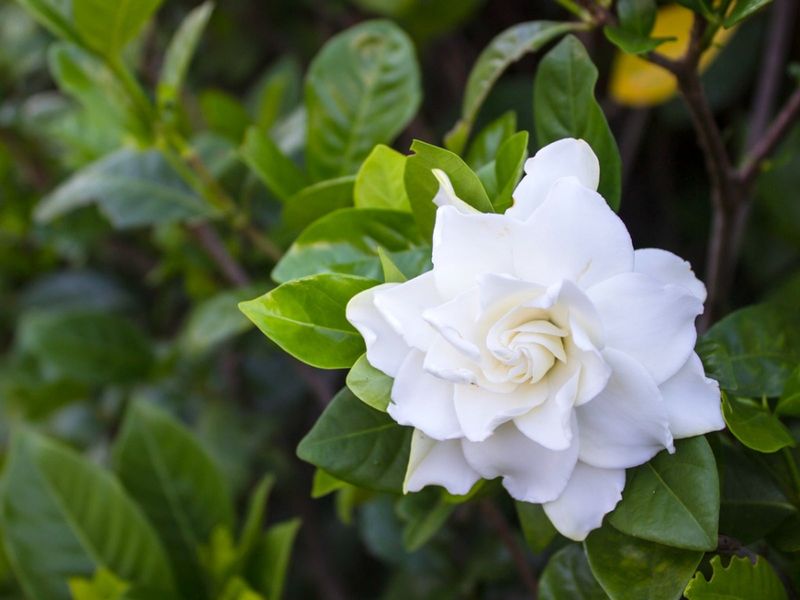
Few flowers smell as wonderful as a gardenia in full bloom. That rich, creamy fragrance is hard to beat, and the waxy white flowers are absolutely gorgeous.
It is no surprise that so many Texas gardeners try to grow them. Unfortunately, gardenias and Texas have a complicated relationship.
One of the biggest challenges is soil. Gardenias need acidic soil to thrive, ideally with a pH between 5.0 and 6.0.
Much of Texas has alkaline soil, especially in Central and West Texas, where limestone is common. When gardenias are planted in alkaline soil, they struggle to absorb the nutrients they need, particularly iron.
This leads to a condition called chlorosis, where the leaves turn yellow while the veins stay green. It looks bad, and it means the plant is not doing well.
On top of the soil issue, Texas summers are simply too extreme for most gardenia varieties. The intense heat causes flower buds to drop before they even open, which is incredibly frustrating after waiting all season for those beautiful blooms.
Gardenias also prefer high humidity, which sounds like it should work in East Texas, but the combination of heat and humidity there often brings on fungal problems instead.
Growing gardenias in Texas is not impossible, but it takes real commitment. You will need to amend the soil regularly, water consistently, and protect the plant from harsh afternoon sun.
Choosing heat-tolerant varieties like “Frostproof” or “Kleim’s Hardy” gives you a better shot at success in the Texas climate.
4. Impatiens (Traditional Varieties)
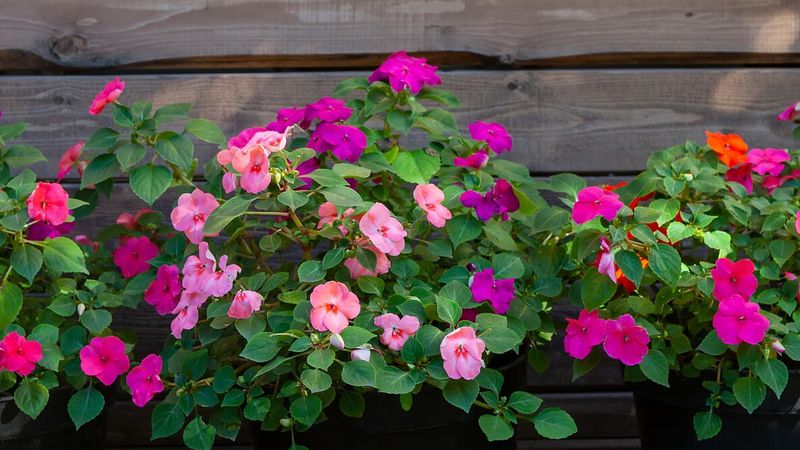
For decades, traditional impatiens were the go-to flower for shady garden beds and hanging baskets across America. Their bright colors, easy growth, and ability to bloom all season long made them incredibly popular.
But in Texas, traditional impatiens have a tough time making it through the summer. Heat is the main villain here. Traditional impatiens, particularly Impatiens walleriana, are not heat-tolerant plants.
They prefer mild temperatures and indirect light. Once Texas summer temperatures start climbing into the 90s, these plants begin to struggle almost immediately.
The stems get weak and floppy, the leaves wilt even when the soil is moist, and flower production drops off sharply. By the time July arrives in most parts of Texas, traditional impatiens often look completely worn out.
Direct sunlight makes things even worse. Even in spots that get just a couple of hours of direct afternoon sun, traditional impatiens can scorch badly.
They really need deep, consistent shade to have any chance in the Texas heat. Even then, the air temperature alone can cause problems.
There is good news for Texas gardeners who love the cheerful look of impatiens. New Guinea impatiens are significantly more heat-tolerant and handle the Texas summer much better than traditional varieties.
They come in equally vibrant colors and can even handle some morning sun. SunPatiens, a hybrid variety developed specifically for hot and sunny conditions, are another excellent option.
Making the switch to these tougher varieties can bring that classic impatiens look back to your Texas garden without the constant disappointment.
5. Delphiniums
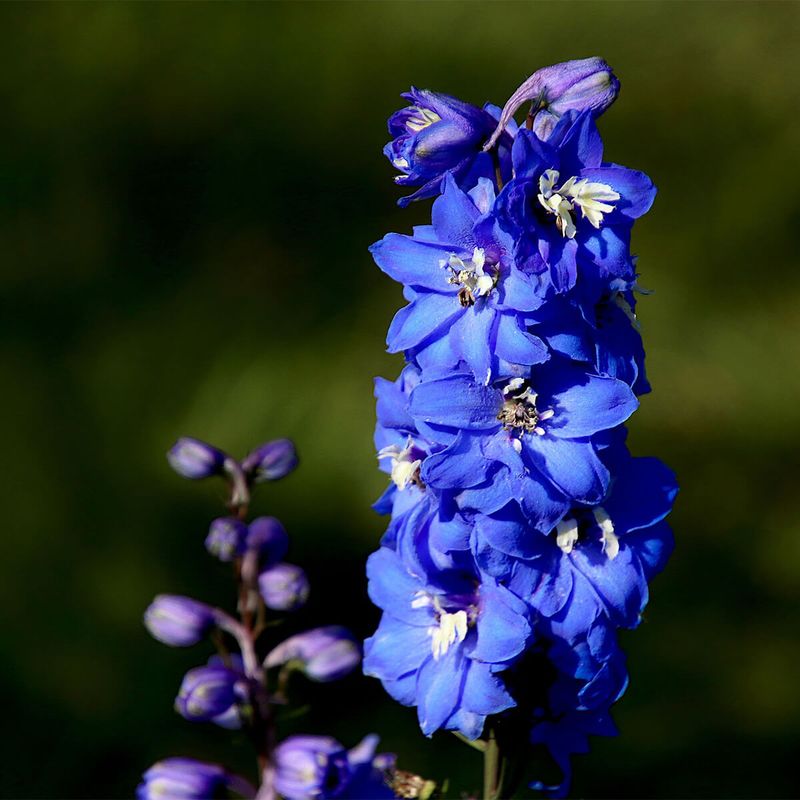
Tall, dramatic, and breathtakingly blue, delphiniums are the kind of flowers that stop you in your tracks. They are a staple in English cottage gardens and look absolutely magical in photographs.
Naturally, gardeners in Texas want them too. Sadly, delphiniums are about as far from a Texas-friendly plant as you can get.
Delphiniums are cool-climate plants through and through. They thrive in places like the Pacific Northwest and the UK, where summers are mild and temperatures rarely get extreme.
In Texas, summer heat arrives early and stays late. Delphiniums simply cannot handle prolonged exposure to temperatures above 75 to 80 degrees Fahrenheit.
Once the Texas heat kicks in, these plants decline rapidly, with stems weakening and flowers fading fast.
Humidity adds another layer of trouble. Texas summers bring high humidity to much of the state, and delphiniums are highly susceptible to fungal diseases like powdery mildew and crown rot.
These diseases spread quickly in warm, humid conditions and can wipe out a delphinium plant in a very short amount of time.
Some Texas gardeners try planting delphiniums in late fall or very early spring, hoping to catch the brief cool season before summer arrives. This strategy can produce a short-lived display, but it requires careful timing and a bit of luck.
Larkspur is often suggested as a cool-season annual alternative that performs better in Texas conditions. For a perennial with similar vertical drama, Mexican bush sage offers stunning purple spikes and thrives beautifully across Texas without any fuss.
6. Peonies
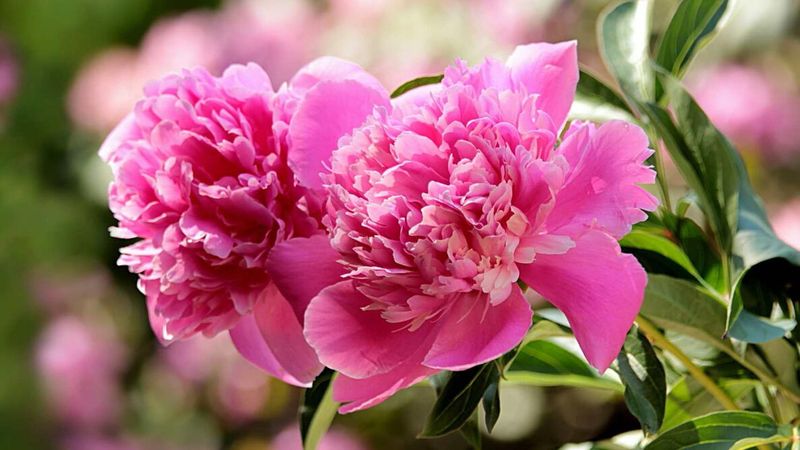
There is something almost magical about peonies. Their enormous, ruffled blooms and sweet fragrance make them one of the most treasured flowers in the gardening world.
People plant them expecting a long, glorious relationship, since peonies are known to bloom for decades in the right conditions. In Texas, however, getting peonies to bloom reliably is a real challenge.
The issue comes down to something called chill hours. Peonies need a certain number of hours during winter where temperatures stay between 32 and 45 degrees Fahrenheit.
This cold exposure triggers the plant to bloom come spring. Most peony varieties need somewhere between 500 and 1,000 chill hours per year.
In much of Texas, especially South Texas and the Gulf Coast region, winters simply do not get cold enough or stay cold long enough to meet that requirement.
Without enough chill hours, peonies may grow leaves and stems just fine, but they will produce very few flowers, or sometimes none at all. After investing time, money, and effort into planting them, that is a really disappointing result.
Even in North Texas, where winters are colder, chill hours can vary significantly from year to year, making peony blooms unpredictable at best.
Gardeners in Texas who are set on growing peonies should look for low-chill varieties, which have been bred to bloom with fewer cold hours.
Itoh peonies, also called intersectional peonies, tend to perform better in warmer climates than traditional herbaceous types.
Still, managing expectations is important when growing peonies anywhere in the Lone Star State.
7. Astilbe
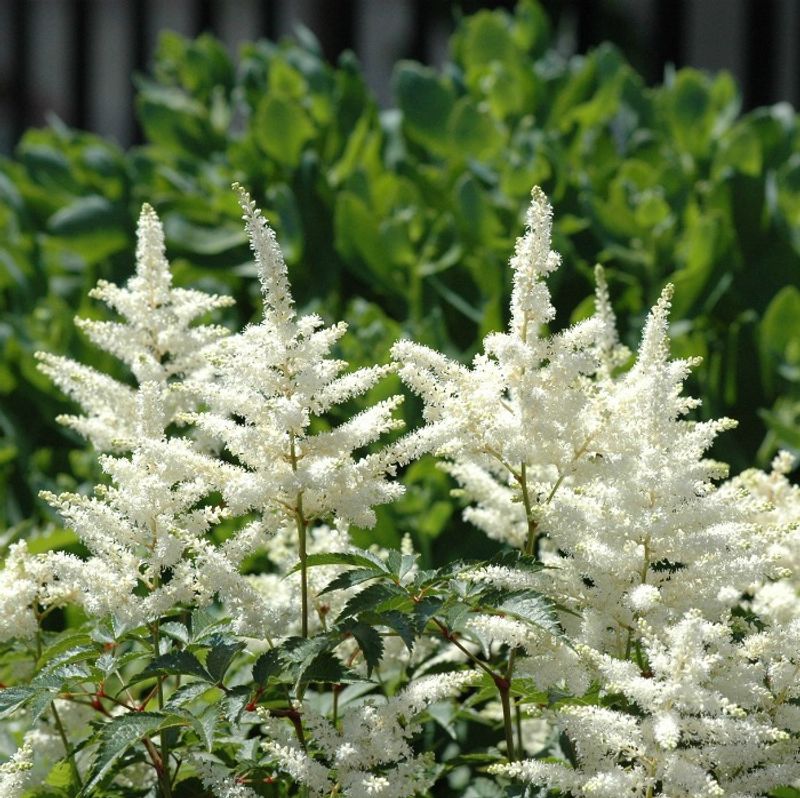
Feathery, colorful, and elegant, astilbe is one of those plants that looks right at home in a lush, shaded garden. The fluffy plumes of flowers in pink, red, white, and purple are truly eye-catching.
In cool, moist climates, astilbe is practically effortless to grow. In Texas, it is a completely different story.
Astilbe needs two things to survive: cool temperatures and consistently moist soil. Texas summers deliver the exact opposite.
Temperatures soar, the sun is relentless, and the soil in many parts of Texas bakes dry within a day or two of watering. Even in shaded spots, the soil temperature in a Texas summer garden can get high enough to stress astilbe roots badly.
Once the roots are stressed, the plant stops growing, the foliage turns brown, and the flower plumes dry out and crumble.
Watering more frequently can help a little, but it rarely solves the problem completely. The ambient heat in Texas during July and August is simply too much for astilbe to handle comfortably.
In East Texas, where rainfall is more consistent and shade is more available, gardeners sometimes have slightly better results. But even there, summer heat takes a serious toll on these plants.
For a similar feathery, textured look that actually works in Texas gardens, Mexican feathergrass or inland sea oats are worth exploring. Both are native or well-adapted plants that bring movement and texture to the garden without demanding the cool, moist conditions that astilbe requires.
Working with Texas conditions rather than against them always leads to a more rewarding garden experience.