Why This Texas Plant Thrives In Austin, But Not In El Paso
Texas is a big state, and that fact matters a lot more in gardening than most people give it credit for.
A plant that practically grows itself in one part of Texas can turn into a frustrating, short-lived disappointment just a few hundred miles away, and the reasons behind that gap are more interesting than simply blaming the heat or chalking it up to bad luck.
One particular plant sits right at the center of this regional divide, thriving beautifully in Austin gardens while struggling to establish itself in El Paso despite gardeners there giving it every advantage they can think of.
The difference comes down to a combination of climate factors, soil chemistry, humidity levels, and water quality that vary dramatically between these two Texas cities.
Understanding exactly why this happens doesn’t just solve the mystery – it gives Texas gardeners a smarter framework for choosing plants that will actually succeed in their specific corner of the state.
Why Hydrangeas Are So Popular In Texas Gardens
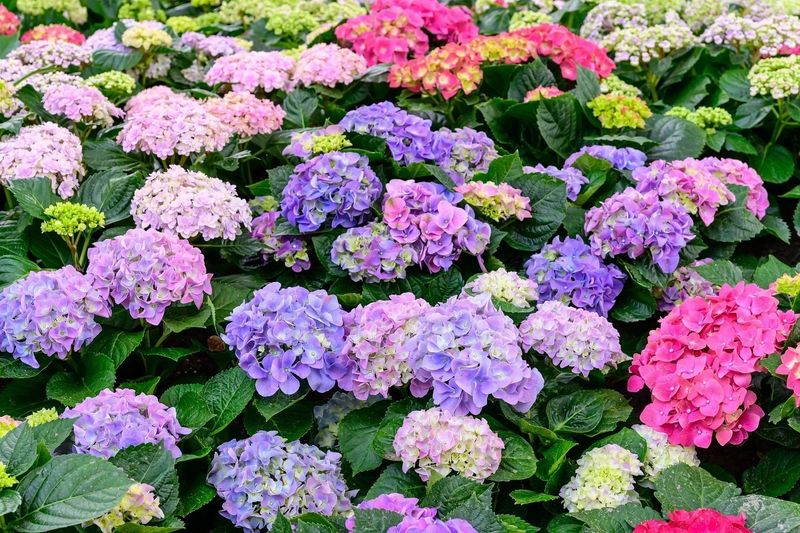
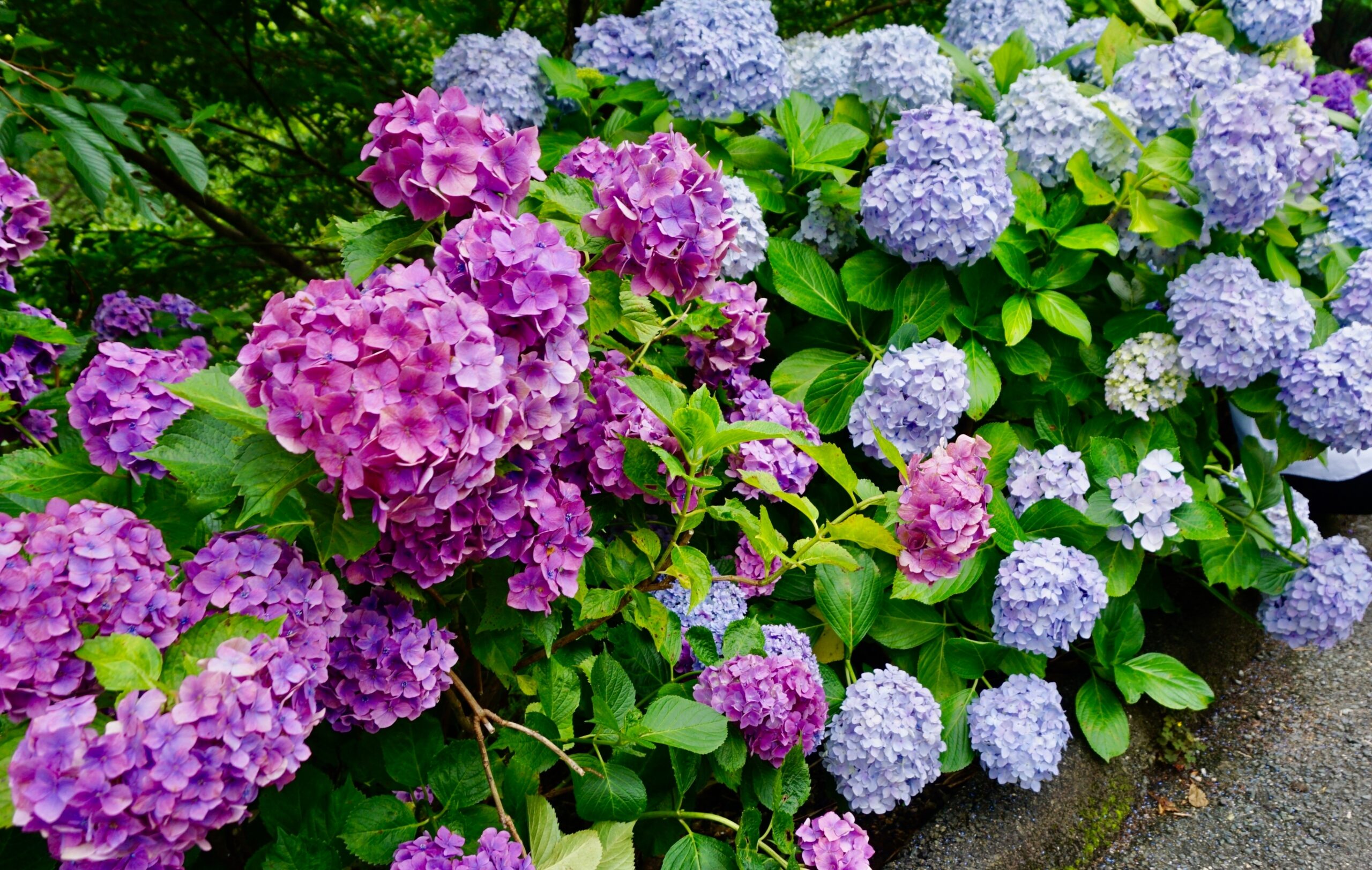
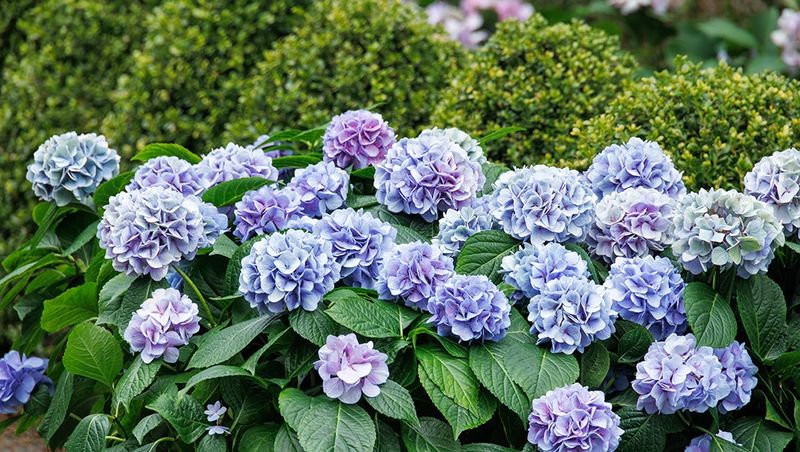
Few flowering plants stop people in their tracks the way hydrangeas do. Their oversized, ball-shaped blooms come in shades of pink, blue, purple, and white, making them one of the most eye-catching plants you can add to any yard.
It is no surprise that gardeners across Texas have fallen in love with them. Hydrangeas are known for their ability to transform a plain front yard into something that looks like it belongs in a garden magazine.
Many homeowners in Austin plant them along walkways, near fences, or beneath windows where their big blooms can really show off. The curb appeal alone is enough reason to give them a try.
Beyond looks, hydrangeas are also fairly rewarding to grow when conditions are right. They come back year after year, which means you plant them once and enjoy the blooms for many seasons. That kind of low-effort payoff makes them a smart choice for busy gardeners.
Texas has a wide range of climates, and hydrangeas do not perform the same in every part of the state. In Central Texas, especially around Austin, the conditions line up well with what hydrangeas need.
However, head west toward El Paso and the story changes quickly. Understanding what makes a hydrangea happy is the first step to figuring out why it thrives in some Texas cities and struggles in others.
Knowing the basics about this plant helps gardeners make smarter choices before they ever put a shovel in the ground.
Austin’s Climate: A Perfect Match For Hydrangeas
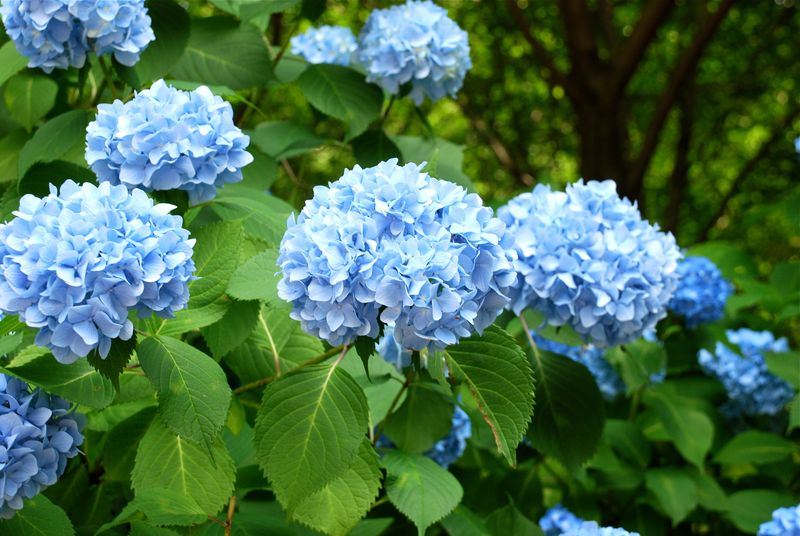
Austin sits in Central Texas and enjoys what weather experts call a humid subtropical climate.
That means hot summers, mild winters, and a decent amount of rain spread throughout the year. For hydrangeas, this combination is pretty close to ideal growing conditions.
One of the biggest things hydrangeas need is consistent moisture. Austin receives around 34 inches of rain per year on average, which gives these plants a steady supply of water without gardeners having to run a hose every single day.
Your Texas Garden Changes Every Week. Your Plan Should Too.
Gardening in Texas changes quickly throughout the season. Every Friday you’ll receive a simple weekly plan showing exactly what to plant, prune, fertilize, harvest, and protect so you never miss the right timing.
That regular rainfall keeps the soil from drying out too fast between watering sessions. Humidity also plays a big role. Hydrangeas love moist air, and Austin’s higher humidity levels help keep the leaves from drying out and crisping up in the summer heat.
Even on hot days, the moisture in the air gives the plant a little extra protection against stress.
Austin winters are mild enough that most hydrangea varieties can survive outdoors without much protection. The plants go dormant in cooler months and then bounce back with fresh growth and blooms when spring arrives.
This cycle keeps them healthy and strong year after year. There is also the matter of sunlight. Austin gets plenty of sunshine, but the tree cover in many neighborhoods provides the kind of partial shade that hydrangeas prefer.
A few hours of morning sun followed by afternoon shade is the sweet spot, and many Austin yards naturally offer exactly that setup. It is easy to see why hydrangeas feel right at home in this city.
El Paso’s Climate: Where Hydrangeas Struggle
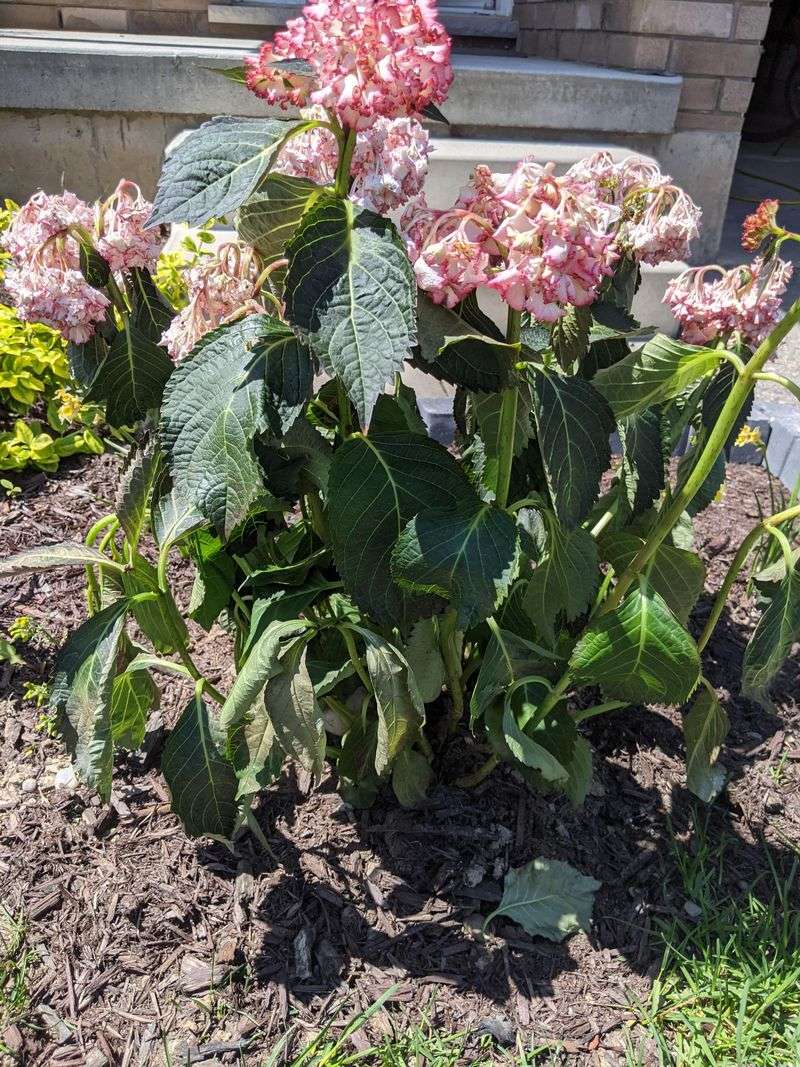
El Paso is a completely different world when it comes to weather. Located in far West Texas right on the border with New Mexico, El Paso has a desert climate that is hot, dry, and relentless.
For a moisture-loving plant like a hydrangea, these conditions are genuinely tough to handle.
Rainfall in El Paso averages only about 9 inches per year. Compare that to Austin’s 34 inches and you start to understand the problem.
Hydrangeas are thirsty plants. They need regular watering to stay healthy, and in a city where rain is rare, that burden falls entirely on the gardener every single week.
The sun in El Paso is intense. Unlike Austin, where tree cover and humidity soften the heat, El Paso gets blasted with direct sunlight for most of the day.
That strong UV exposure scorches hydrangea leaves, turning them brown and crispy before the summer is even halfway over.
Low humidity makes things even harder. Hydrangeas release moisture through their leaves, and when the surrounding air is extremely dry, they lose water faster than their roots can replace it.
This leads to wilting, leaf burn, and a plant that looks exhausted no matter how much you water it.
Winter in El Paso can also surprise gardeners with sudden cold snaps that catch hydrangeas off guard. The temperature swings between seasons are more extreme compared to Austin, leaving less room for error.
Growing hydrangeas in El Paso is not impossible, but it requires a serious commitment and the right setup from the start.
The Role Of Soil And Water Retention
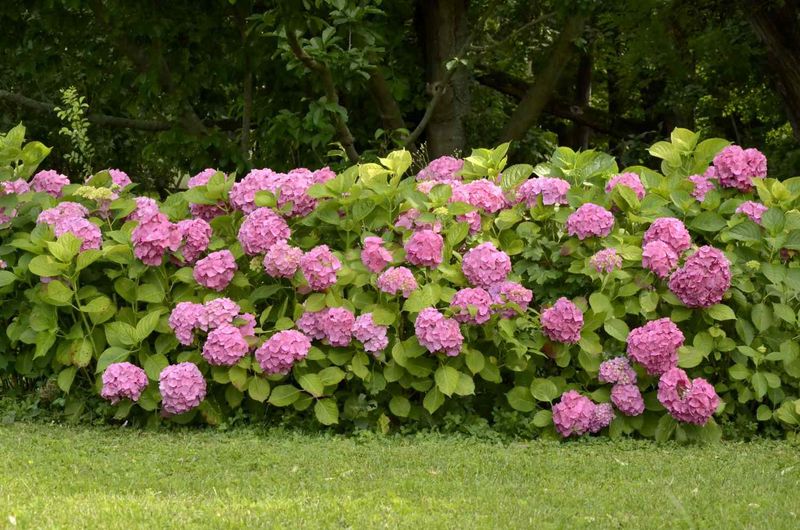
Soil might not seem exciting, but it plays a huge role in whether a hydrangea survives or struggles. The type of soil a plant sits in determines how well water is absorbed and held around the roots.
In Austin, the soil tends to be clay-rich or loamy in many areas, which means it holds onto moisture much longer than sandy soil does.
Hydrangeas need that moisture retention to stay hydrated between watering sessions. When soil holds water well, the roots have time to absorb what they need.
Austin gardeners often find that a good layer of mulch on top of already decent soil is enough to keep their hydrangeas happy even during warm spells.
El Paso’s soil is a different story. The region’s sandy, alkaline soil drains water incredibly fast.
Pour water on it and it disappears almost immediately, leaving the roots with very little to work with. Sandy soil also lacks the organic matter that helps plants access nutrients, which makes growing any moisture-loving plant a real challenge out west.
Alkaline soil creates another layer of difficulty. Hydrangeas prefer slightly acidic soil, and El Paso’s naturally high pH works against them.
When soil pH is off, plants cannot absorb certain nutrients even if those nutrients are present. This can lead to yellowing leaves and weak, stunted growth even when the gardener is doing everything else right.
Improving El Paso soil takes real effort. Gardeners need to add compost, peat moss, and soil amendments regularly to create a more hydrangea-friendly environment. It is doable, but it requires ongoing work that Austin gardeners rarely need to worry about.
Common Problems Gardeners Face In West Texas
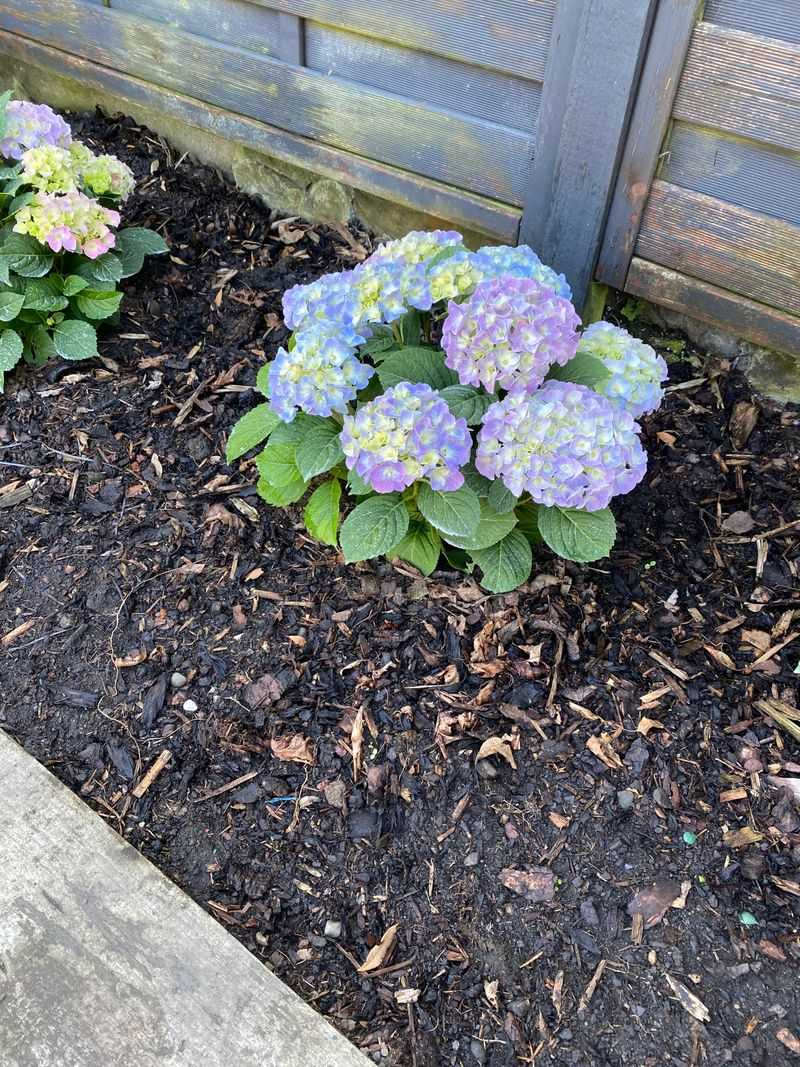
Ask any gardener in El Paso who has tried growing hydrangeas and you will likely hear a familiar list of complaints. Leaf burn is one of the most common issues.
The harsh afternoon sun causes the edges of hydrangea leaves to turn brown and brittle, almost like someone held a lighter to them. No matter how much water you add, the sun keeps causing damage.
Wilting is another constant battle. Hydrangeas in El Paso can look fine in the morning and completely drooped over by noon.
The combination of heat, dry air, and fast-draining soil means the plant loses water faster than it can take it in. Even with daily watering, some plants never fully recover from the stress of a West Texas summer.
Lack of blooms is a heartbreaker for gardeners who put in all the work. Hydrangeas that are under stress often skip flowering entirely.
When a plant is spending all its energy just trying to stay hydrated and cool, it has nothing left to put toward producing those big, beautiful flower clusters that made you want to grow it in the first place.
Watering itself becomes a full-time job. In El Paso, gardeners sometimes need to water their hydrangeas twice a day during peak summer heat.
That is a lot of time, water, and money compared to what Austin gardeners deal with. Water bills go up, patience wears thin, and many gardeners eventually give up on hydrangeas altogether after a season or two of frustrating results.
Can You Still Grow Hydrangeas In El Paso?
Plenty of determined gardeners in El Paso refuse to give up on hydrangeas, and honestly, that stubbornness can pay off with the right strategy.
Growing them in El Paso is not easy, but it is possible if you are willing to put in extra effort and make some smart choices from the beginning.
Location is everything. Planting hydrangeas in a spot that gets morning sun but is shaded from the brutal afternoon rays is the single most important thing you can do.
A spot along the east side of your home or under a large tree can provide the shelter these plants desperately need during the hottest parts of the day in El Paso.
Heavy mulching is another game-changer. Piling 3 to 4 inches of mulch around the base of the plant slows down soil moisture evaporation significantly.
Wood chips, bark, or straw all work well and can make a noticeable difference in how long soil stays moist after watering. Combined with drip irrigation, mulch gives your hydrangea a fighting chance.
Amending the soil before planting is also critical. Mixing in compost and peat moss helps the sandy El Paso soil hold more water and lowers the pH closer to what hydrangeas prefer.
Some gardeners even grow them in raised beds filled with specially mixed soil for better control.
At the end of the day, growing hydrangeas in El Paso takes real dedication. For some gardeners, the challenge is part of the fun.
For others, choosing a drought-tolerant plant better suited to West Texas conditions might save a lot of time, water, and frustration in the long run.