No Mow May In Ohio: What Actually Happens To Your Yard After 30 Days
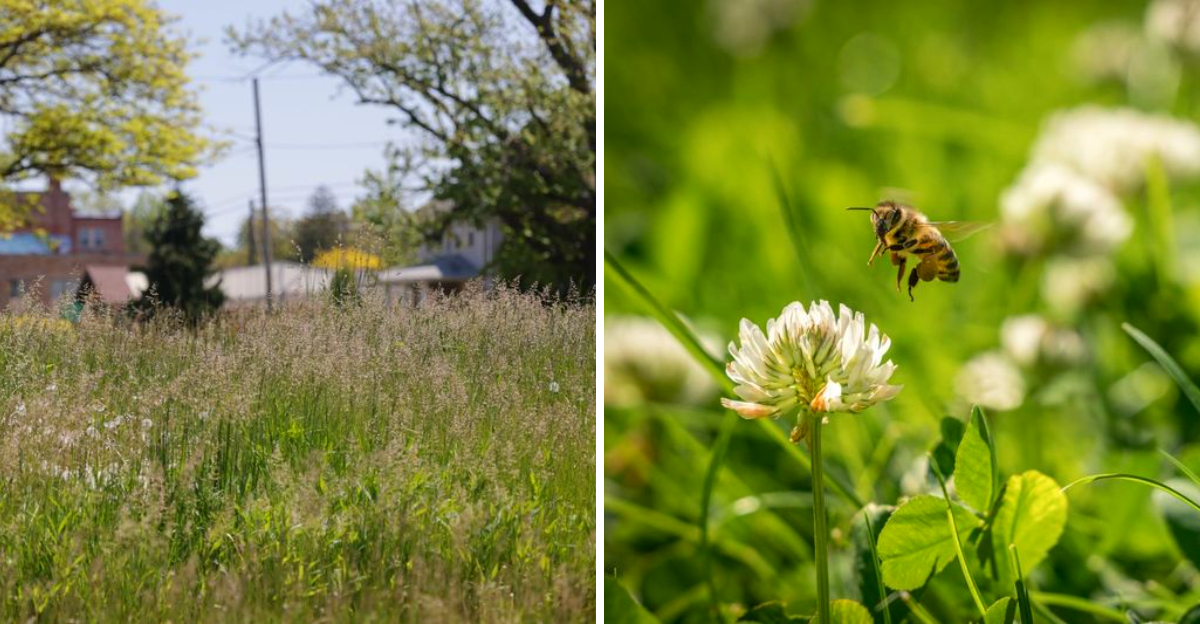
No Mow May has definitely caught people’s attention in Ohio, and you can see why. The idea sounds wonderfully easy: park the mower, let the lawn grow, and give pollinators a little extra help.
Nice plan, right? The reality can be a bit more complicated once Ohio spring really gets going.
Grass can shoot up fast, clippings can turn into a headache later, and the yard may look very different by the end of the month depending on what is growing there in the first place.
A lawn sprinkled with clover and low flowers can tell one story, while a yard made up mostly of turfgrass can tell a very different one.
That is what makes No Mow May so interesting. It is not just about mowing less.
It is about what your lawn actually becomes after 30 days of rain, growth, weeds, blooms, and a little bit of backyard suspense.
1. What No Mow May Actually Means For Ohio Lawns
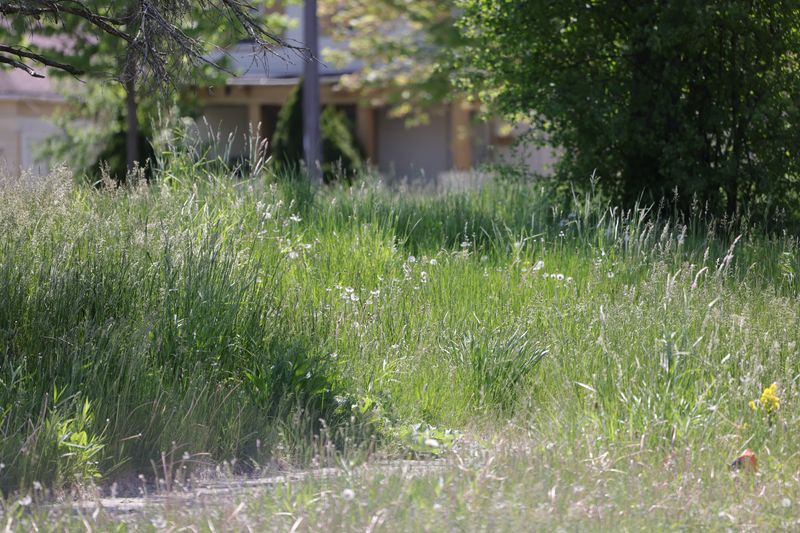
No Mow May started as a movement encouraging homeowners to skip lawn mowing for the entire month of May to support early-season pollinators.
The goal is to allow flowering plants already growing in the lawn to bloom without being cut down before bees and other beneficial insects can use them.
In Ohio, May is one of the fastest growth months of the year for cool-season grasses like tall fescue and Kentucky bluegrass.
Skipping the mower for 30 days means lawns can grow well beyond a typical maintained height, sometimes reaching six inches or more depending on rainfall and temperatures.
The results vary widely from yard to yard. A lawn that already contains clover, dandelions, or creeping thyme will look and function differently than a lawn made up almost entirely of turf with little else growing in it.
Ohio homeowners considering No Mow May should think about what is actually in their lawn before deciding whether skipping a month of mowing will produce the kind of results they are hoping to see.
2. Grass Gets Taller Faster Than Many Gardeners Expect
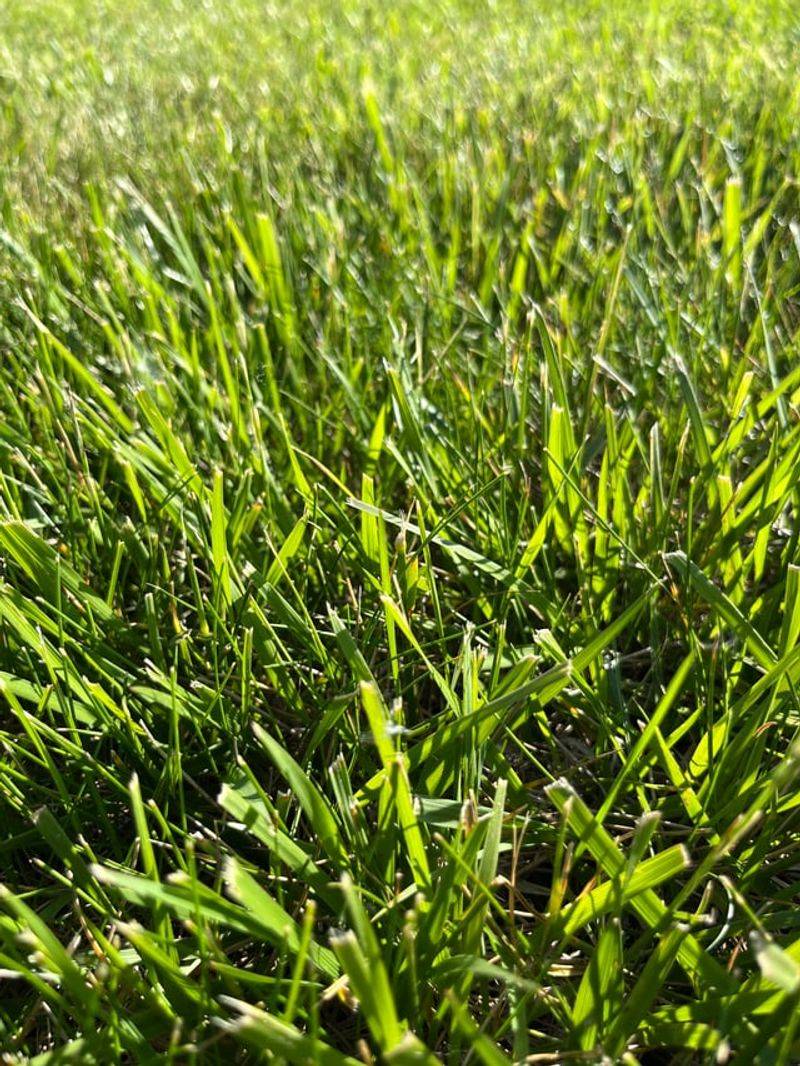
Spring in Ohio brings warm days, regular rain, and soil temperatures that kick cool-season grasses into high gear. By the time May rolls around, lawns can add several inches of growth in just a week or two, especially after a rainy stretch.
Most maintained Ohio lawns are mowed at around three to four inches. After 30 days without mowing, that same lawn can easily reach eight to twelve inches, and in some cases even taller.
The grass does not just grow upward – it also begins to flop over, creating a layered, uneven look that many neighbors and local ordinances may not welcome.
Tall grass also traps more moisture at the base, which can create conditions where fungal issues are more likely to develop. Ohio’s spring humidity adds to that risk, especially in shaded areas or low spots in the yard.
Watching how quickly grass grows during May is genuinely eye-opening for many homeowners who have never let it go more than two weeks without a trim.
Your Ohio Garden Changes Every Week. Your Plan Should Too.
Gardening in Ohio changes quickly throughout the season. Every Friday you’ll receive a simple weekly plan showing exactly what to plant, prune, fertilize, harvest, and protect so you never miss the right timing.
The speed of growth is one of the first things people notice once they commit to skipping the mower for a full month.
3. The First Mow Back Can Be Rough On Turf
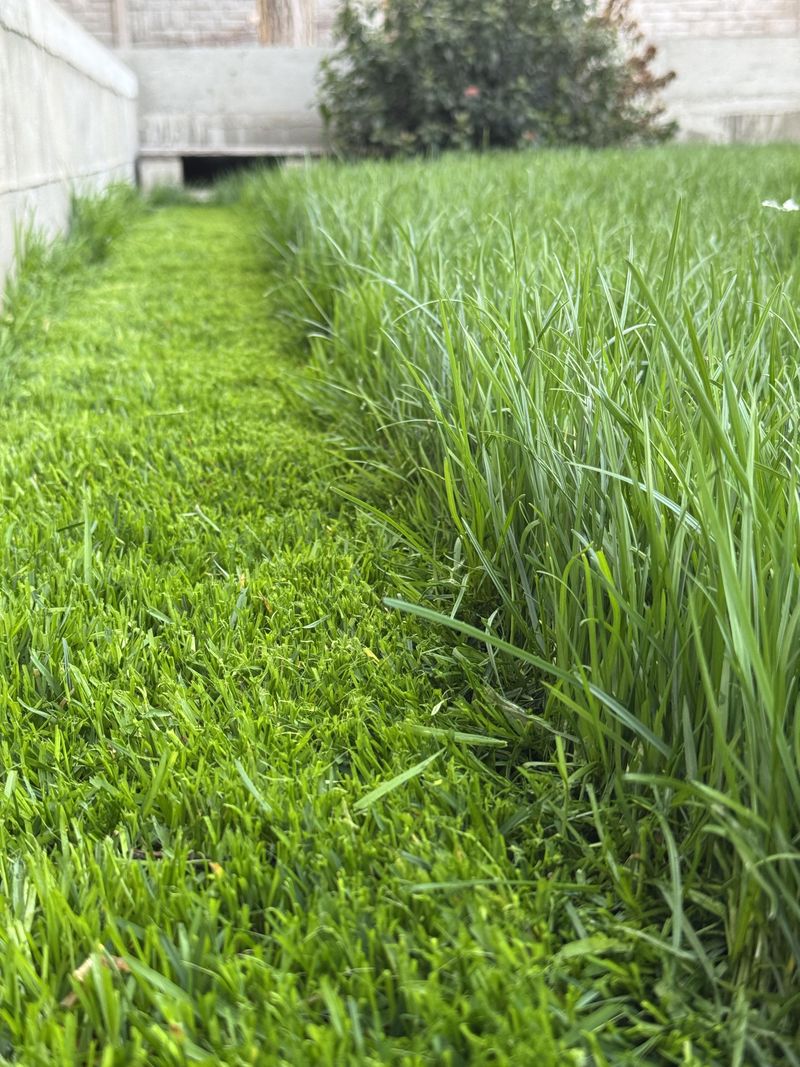
Coming back to a lawn that has been left unmowed for a full month is not as simple as starting the mower and pushing it across the yard.
Cutting grass that has grown to eight or ten inches all at once can put serious stress on the turf, especially if the mower removes more than one-third of the blade height in a single pass.
The one-third rule is a widely recommended guideline in lawn care, and it exists for good reason. When too much of the grass blade is removed at once, the plant has to redirect energy from root development back into rebuilding leaf tissue.
In Ohio’s early summer heat, that kind of stress can leave turf looking thin, pale, or uneven for several weeks.
A smarter approach after No Mow May is to gradually step the lawn back down to its normal height over two or three mowing sessions spaced a few days apart. Cutting a little at a time lets the grass adjust without as much strain.
Skipping this gradual approach is one of the most common mistakes Ohio homeowners make after letting their lawn grow tall through May, and the turf often shows it for weeks afterward.
4. Pollinator Results Depend On What Is Already Growing
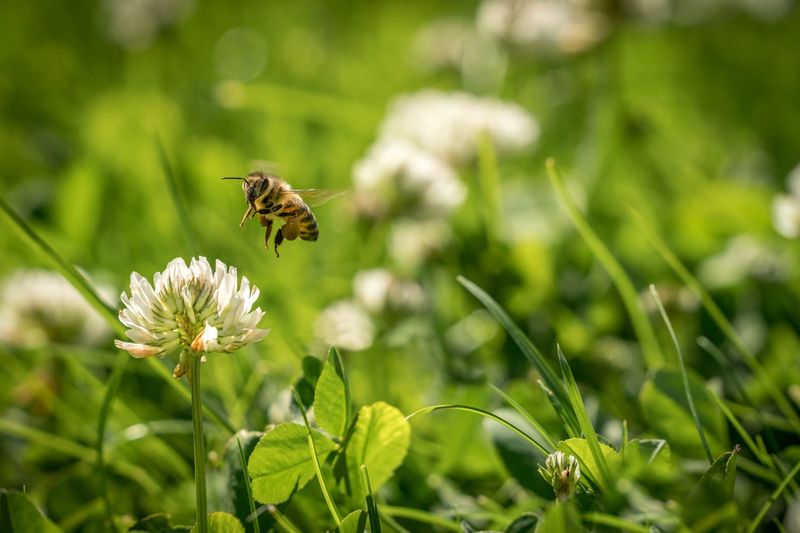
One of the biggest promises of No Mow May is that it helps pollinators, and that can absolutely be true – under the right conditions.
Bees, butterflies, and other beneficial insects need flowering plants to feed on, and if a lawn already contains clover, dandelions, ground ivy, or other blooming plants, letting those flowers stand through May gives pollinators a real food source.
Yards that are mostly turfgrass with very few flowering weeds or low-growing wildflowers may not offer much pollinator value even after a full month without mowing. Grass itself does not produce the kind of blooms that bees rely on for nectar and pollen.
The pollinator benefit is directly tied to what is actually flowering in the lawn, not simply to how tall the grass gets.
Ohio lawns with a healthy presence of white clover, which is common in older lawn mixes and naturalized yards, tend to show the most visible pollinator activity during No Mow May.
Dandelions, which bloom early in the month, are also a useful food source for early-emerging bees.
Knowing what is growing in a yard before May starts helps set realistic expectations for how much pollinator support the lawn can realistically provide.
5. Turf-Only Lawns May Not Help Pollinators Much
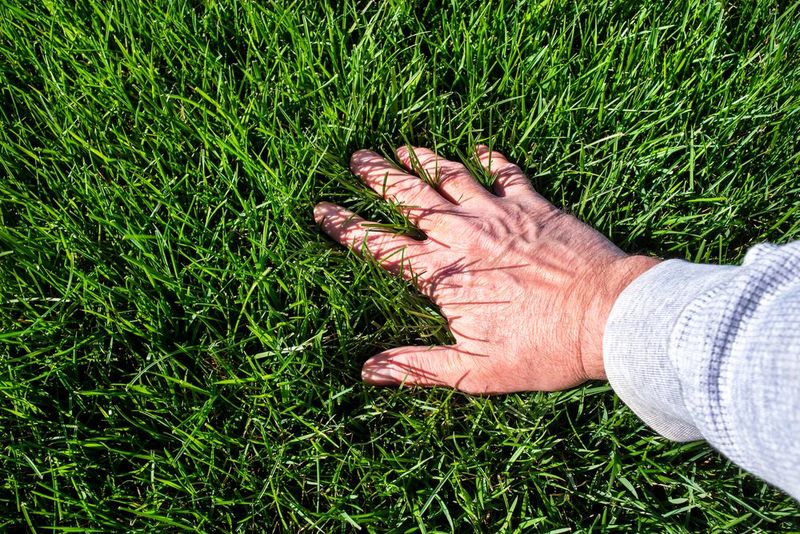
Plenty of Ohio homeowners manage lawns that are almost entirely composed of turfgrass varieties like Kentucky bluegrass, perennial ryegrass, or tall fescue.
These grasses are bred for density, appearance, and durability, and they do a great job of creating a lush green surface.
What they do not do particularly well is support pollinators, even when left to grow tall.
When a turf-only lawn goes unmowed through May, the grass grows long and eventually begins to develop seed heads.
While grass seed heads do produce some pollen, they are wind-pollinated rather than insect-pollinated, meaning bees do not typically seek them out as a food source the way they would clover or wildflowers.
For Ohio homeowners with this kind of lawn, skipping May mowing may result in a tall, floppy yard without much visible pollinator activity to show for it.
The lawn ends up stressed from the eventual hard mow-back, the neighbors may not be thrilled with the look, and the bees may not have benefited much in the process.
Understanding the composition of a lawn before committing to No Mow May helps homeowners make a more informed choice about whether the trade-off is worth it for their specific yard.
6. Higher Mowing Often Works Better Than Skipping May
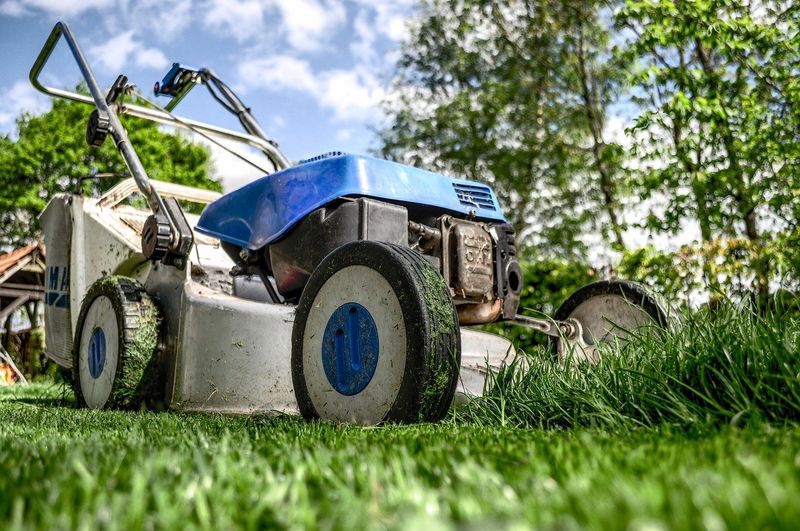
Raising the mowing height throughout May is an approach that many lawn care professionals suggest as a practical middle ground.
Instead of skipping the mower entirely, homeowners can set the deck higher – around four to five inches – and continue mowing on a regular schedule.
Mowing at a higher setting allows low-growing flowers like clover and creeping thyme to bloom between mowing sessions, giving pollinators access to food without letting the entire lawn grow out of control.
It also keeps the turf healthier, since grass mowed at a higher height tends to develop deeper root systems and handle summer heat better than closely cropped turf.
In Ohio, where May temperatures can swing from cool and wet to warm and dry within the same week, keeping the lawn at a consistent taller height offers more flexibility than stopping mowing altogether.
The grass stays manageable, the clippings remain light enough to mulch back into the lawn, and the transition into summer is much smoother.
For homeowners who want to support pollinators without the challenges that come with a full month of no mowing, raising the deck height is a genuinely useful and low-stress option worth trying.
7. Heavy Clippings Can Cause A Mess Fast
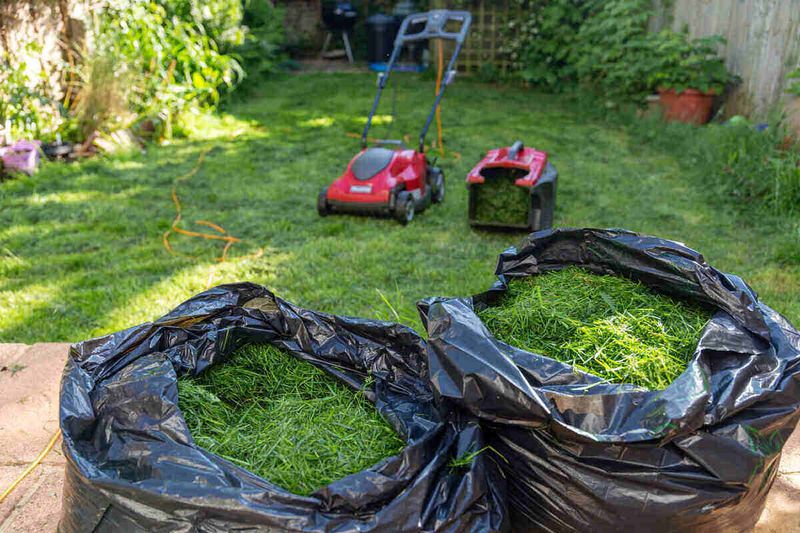
After a full month of growth, the first mow of June tends to produce a staggering amount of grass clippings.
When grass has been allowed to grow eight or more inches tall, the volume of material cut in a single mowing session is far greater than what a lawn mower can typically mulch back into the turf.
Thick clumps of clippings left on the surface of the lawn can block sunlight, trap moisture, and create conditions where the grass underneath struggles to recover.
In Ohio’s early summer humidity, clipping piles that sit on the lawn for more than a day or two can start to break down in ways that leave yellow or brown patches beneath them.
Bagging clippings after the first post-May mow is often the most practical choice, even for homeowners who normally mulch. It keeps the lawn looking cleaner and reduces the risk of clipping-related turf damage.
Some homeowners choose to rake clippings off the surface and add them to a compost pile, which is a great way to put that organic material to use.
Managing clippings carefully after No Mow May is one of the steps that makes the biggest difference in how quickly the lawn bounces back to a healthy, even appearance.
8. Some Ohio Lawns May Need Fall Repair
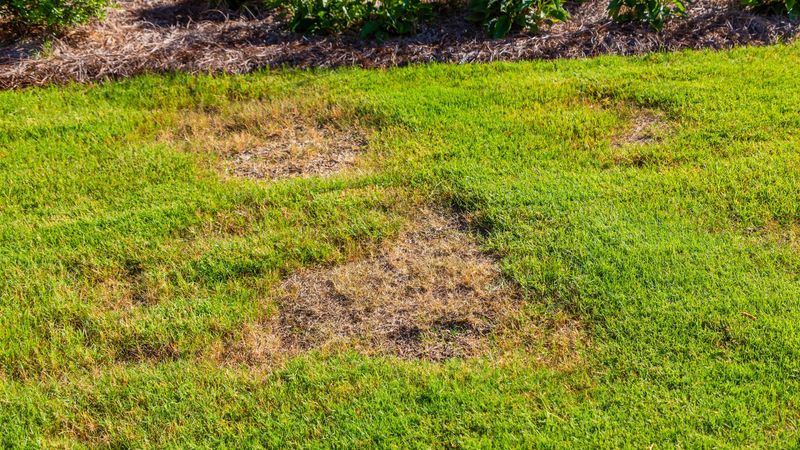
Letting a lawn grow tall for a month can sometimes reveal weak spots that were not visible before.
In other cases, the stress of the hard mow-back, combined with Ohio’s summer heat and humidity, can thin out areas that were already borderline in terms of grass density.
Cool-season grasses common in Ohio, including tall fescue and Kentucky bluegrass, can show stress more visibly in summer if they were already under pressure heading into the season.
A lawn that came out of a long May growth period and then received a drastic first mow may show thin or patchy areas by July or August that need attention.
The good news is that fall is an excellent time to overseed Ohio lawns, and many of the thin spots that develop over summer can be repaired with a proper seeding in late August or September.
Aerating before overseeding helps seed make good contact with the soil, and Ohio’s cooler fall temperatures give new grass a strong start.
Homeowners who notice their lawn looking uneven or thin after No Mow May should not panic – a planned fall repair can bring the lawn back to a healthy, full appearance before winter arrives and sets the turf up well for the following spring.
9. Bee Lawns Can Offer More Than Unmowed Grass
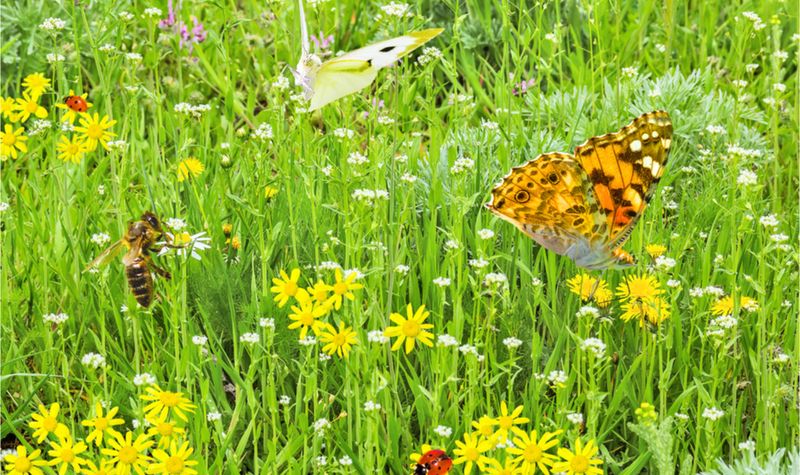
A bee lawn is a low-growing mix of flowering plants and fine-bladed grasses that stays naturally short, blooms repeatedly, and supports pollinators across a much longer season than a single month of unmowed turfgrass.
Plants like creeping thyme, white clover, and self-heal are common components that work well in Ohio’s climate.
Unlike a standard turfgrass lawn left unmowed for May, a bee lawn is designed from the ground up to offer habitat and food for pollinators.
It can be mowed occasionally at a high setting without removing the flowers entirely, which means the lawn stays tidy enough to satisfy most neighborhood expectations while still functioning as a pollinator resource.
Transitioning a section of an Ohio yard to a bee lawn takes some planning – it usually involves loosening the soil, seeding the right mix, and managing the establishment period – but the long-term results can be more rewarding than a single month of skipped mowing.
Many Ohio homeowners who have tried both approaches find that a small dedicated bee lawn patch provides more consistent pollinator activity, a more intentional look, and less stress on the surrounding turf than simply letting the whole yard grow out in May.
It is a longer-term investment that tends to pay off season after season.
10. No Mow May In Ohio Can Look Different Than Expected
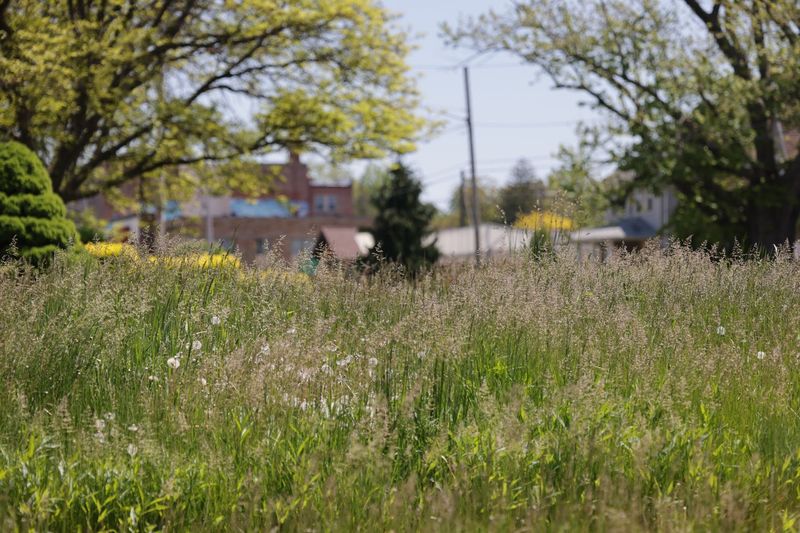
Many Ohio homeowners picture a lush, wildflower-dotted meadow when they imagine skipping mowing for a month.
What they often get instead is a mix of tall grass, seed heads, visible weeds, and a yard that looks more overgrown than intentional – at least to outside eyes.
The reality of No Mow May depends heavily on what was already in the lawn before May started. Yards with diverse plant communities and plenty of flowering low-growers can look genuinely beautiful by mid-month.
Yards that are mostly uniform turfgrass tend to look like they simply have not been mowed, without much visual reward to balance the scraggly appearance.
Ohio also has local ordinances in many municipalities that regulate grass height, and some homeowners find that participating in No Mow May puts them at odds with community rules or HOA guidelines.
Checking local regulations before committing to the full month is a smart first step.
For homeowners who want the spirit of No Mow May without the potential friction, raising the mowing height or adding clover to the lawn can offer a more manageable way to support pollinators.
Setting aside a small naturalized patch can also help while keeping the yard looking cared-for and intentional throughout the spring season.