What Oregon Gardeners Should Know Before Switching On Irrigation This Spring
Spring in Oregon loves to keep gardeners guessing. One week the soil feels soggy enough to squish under your shoes, and the next you are eyeing the hose like summer has already arrived.
Very sneaky of spring, honestly. That is what makes irrigation season a little more complicated than it looks.
Flipping the system on too soon can waste water, send it running where you do not need it, and add extra stress to plants that are still settling into the season. Oregon also does not dry out on one neat schedule.
Western Oregon can stay damp surprisingly late, while Central and Eastern Oregon often start shifting toward drier conditions much sooner. A watering plan that makes sense in one part of the state can be a poor fit somewhere else.
Taking a little time before that first switch-on can help you work with Oregon’s spring weather instead of trying to outguess it.
1. Do Not Start Your System Too Early In Spring
Soggy soil is one of the most common conditions Oregon gardeners deal with in March and April, and yet the urge to start irrigation the moment sunshine shows up is surprisingly strong.
Western Oregon in particular tends to stay wet much longer than gardeners expect.
The Willamette Valley, the coast, and areas around Portland can see meaningful rainfall well into May, which means the ground may still be holding plenty of moisture even when the air starts feeling dry.
Starting your irrigation system before the soil actually needs water can lead to overwatering, compaction, and runoff that carries nutrients away from plant roots.
Plants that sit in constantly saturated soil can develop root problems that slow their growth and reduce their overall health through the season.
Central and Eastern Oregon dry out faster due to lower rainfall and higher winds, so gardeners in those areas may need to turn on irrigation earlier than their counterparts west of the Cascades.
The key is resisting the urge to follow a fixed calendar date and instead paying attention to what your specific yard and region are actually experiencing.
A little patience in early spring can save significant water and protect your plants through the warmer months ahead.
2. Check Soil Moisture Before You Turn Anything On
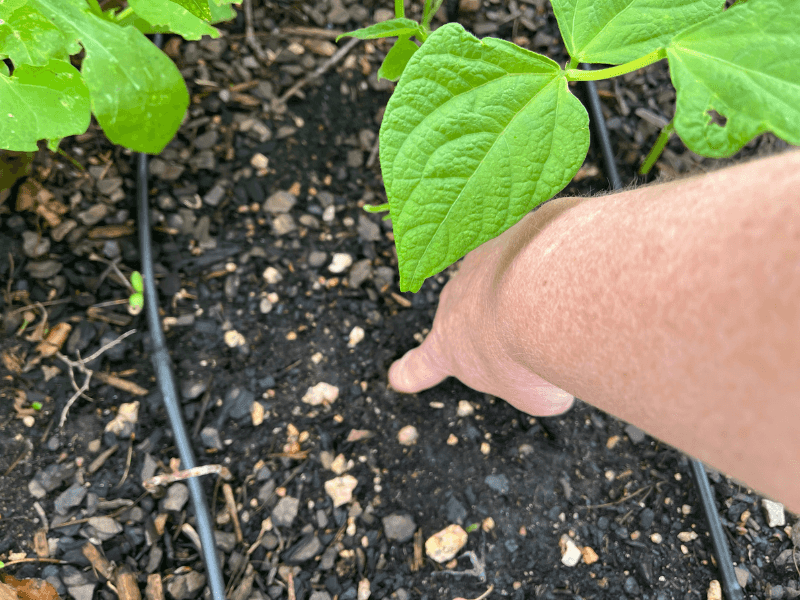
Feeling the soil with your own hands is one of the most reliable ways to know whether your irrigation system actually needs to run. Push a finger or a small trowel about four to six inches into the ground in several spots around your yard.
If the soil at that depth feels cool and moist, your plants likely have enough water to keep growing without any help from your sprinklers just yet.
Many Oregon gardeners are surprised to find that their soil holds moisture at deeper levels even when the surface looks and feels dry after a few warm days.
Surface drying is common and can be misleading, especially in clay-heavy soils that are widespread across western Oregon.
Your Oregon Garden Changes Every Week. Your Plan Should Too.
Gardening in Oregon changes quickly throughout the season. Every Friday you’ll receive a simple weekly plan showing exactly what to plant, prune, fertilize, harvest, and protect so you never miss the right timing.
Clay holds water longer and releases it slowly, which means roots may still have access to moisture that you cannot see from above.
Checking soil moisture in multiple areas of your yard matters because shaded spots, slopes, and areas under trees can hold water very differently than open lawn sections.
Sandy soils found in parts of Eastern Oregon drain quickly and may need irrigation sooner in the season.
Taking a few minutes to assess actual soil conditions before setting a schedule helps you water smarter, reduce waste, and give your plants exactly what they need rather than what the calendar suggests.
3. Test Sprinkler Output Before The Season Gets Busy
Running your sprinklers for the first time after a long winter without testing them first is a bit like driving across town without checking your tires.
Small problems that went unnoticed at the end of last season can turn into bigger issues once the heat of summer arrives and your landscape depends on consistent watering.
Walk your yard while each irrigation zone runs and look for heads that are tilted, clogged, broken, or spraying in the wrong direction. A single misdirected sprinkler can miss entire sections of lawn or garden while soaking a sidewalk or driveway instead.
Catching these issues in spring, before your schedule is set, saves water and prevents dry patches from developing later in the season.
One practical method for measuring how much water your system actually delivers is the catch-cup test. Place several small containers like empty cans or cups across a zone, run the sprinklers for a set amount of time, and measure the water collected in each cup.
Uneven amounts across cups point to distribution problems worth fixing.
Oregon State University Extension Service recommends knowing your system’s application rate so you can set run times that deliver the right amount of water without overwatering or underwatering your lawn and beds.
Getting this right in spring sets you up for a much smoother irrigation season overall.
4. Deep Watering Beats Frequent Light Sprinkles
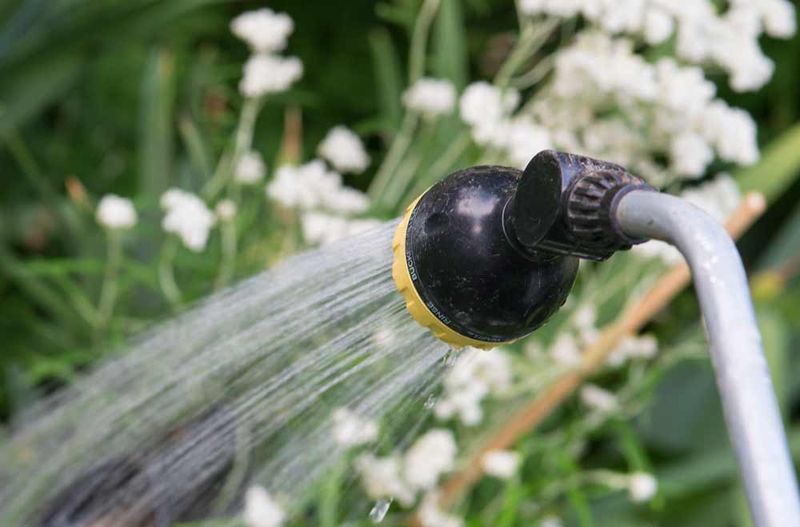
Watering a little bit every day might feel like good plant care, but it often does more harm than good. Frequent light watering encourages plant roots to stay shallow because moisture never reaches deeper into the soil.
Shallow roots make plants less able to handle dry spells, which become more common in Oregon as summer progresses and rainfall drops off significantly.
Deep, less frequent watering pushes moisture down into the root zone, which encourages roots to follow it deeper into the ground.
Deeper roots can access moisture stored lower in the soil profile during dry stretches, making plants more resilient without needing your sprinklers to run as often.
This approach works well across Oregon landscapes, whether you are growing lawn grass, shrubs, perennials, or young trees.
A general guideline for established lawns is to apply about one inch of water per week during the growing season, ideally in one or two sessions rather than small daily doses.
Garden beds with shrubs or perennials often need less frequent watering once plants are established.
Newly planted trees and shrubs are an exception and may need more consistent moisture while their root systems get established in Oregon’s spring soils.
Adjusting your irrigation schedule to favor depth over frequency is one of the most effective changes any Oregon gardener can make heading into the warmer months.
5. Early Morning Watering Makes More Sense In Oregon
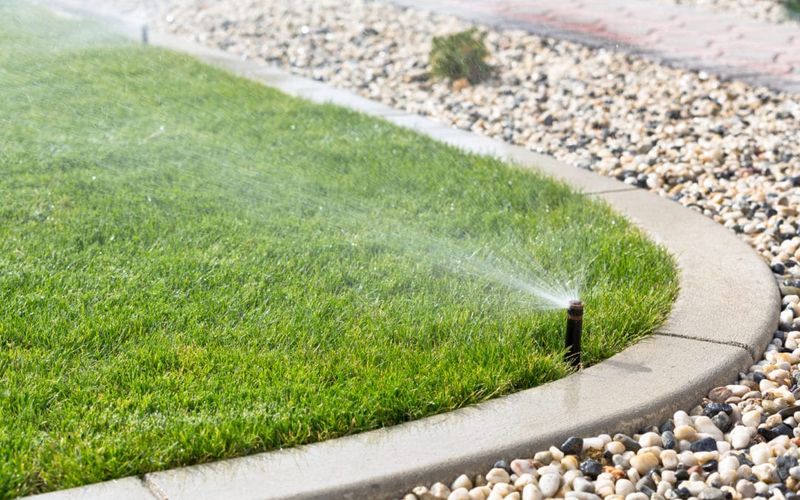
Timing matters just as much as how much water you apply, and early morning is widely regarded as the most effective window for running irrigation in Oregon home landscapes.
Water applied in the early morning hours has time to soak into the soil before temperatures rise, which reduces the amount lost to evaporation during the warmest part of the day.
Watering in the evening might seem convenient, but it leaves moisture sitting on foliage and soil surfaces through the night.
Wet leaves overnight create conditions that can encourage fungal problems, which are already a concern in Oregon’s naturally damp climate.
Powdery mildew, leaf spot, and other moisture-related issues tend to show up more often on plants that stay wet for long periods after watering.
Running irrigation between roughly 4 a.m. and 9 a.m. gives water time to reach the root zone while foliage dries off relatively quickly once the sun comes up.
On cooler or overcast spring mornings, which are common across western Oregon, the evaporation rate is low enough that early watering is especially efficient.
Midday watering during warm weather is less ideal because more water evaporates before reaching roots, though it is not harmful if that is the only option.
Shifting your irrigation timer to an early morning window is a straightforward adjustment that can meaningfully improve how well your system performs.
6. Adjust For Soil Type Before Setting A Schedule
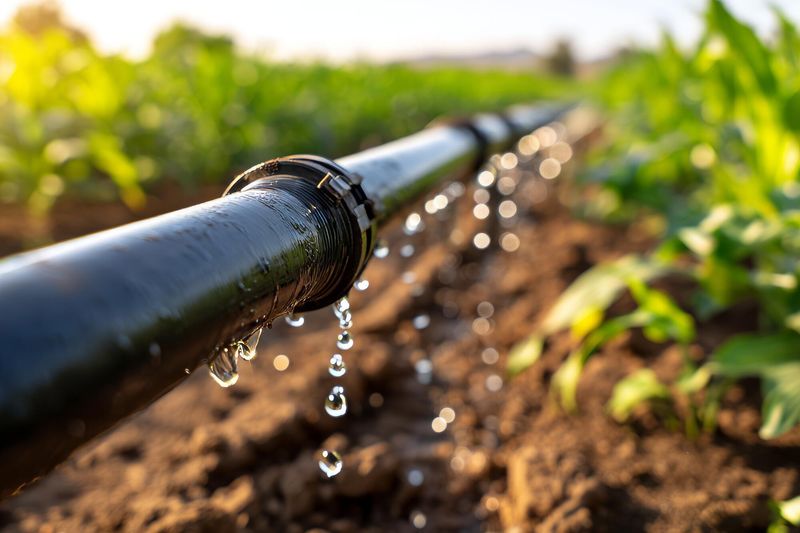
Not every yard in Oregon holds water the same way, and soil type plays a bigger role in irrigation scheduling than many gardeners realize.
Clay soils, which are common across the Willamette Valley and other parts of western Oregon, absorb water slowly and hold it for a long time.
Applying water faster than clay soil can absorb it often leads to runoff and puddling rather than deep penetration where roots can use it.
Sandy soils, found more frequently in Central and Eastern Oregon, behave in the opposite way. Water moves through sandy soil quickly, which means more frequent irrigation may be needed during dry periods to keep the root zone moist.
Loamy soils fall somewhere in between and are generally considered easier to manage for irrigation purposes.
Knowing your soil type helps you set run times and frequencies that match how your soil actually absorbs and retains moisture.
One useful technique for clay soils is cycle-and-soak irrigation, where you run a zone for a short period, pause to let water absorb, then run it again.
This reduces runoff and gets water deeper into the ground more effectively. A simple jar test using soil and water can help you determine your soil texture at home.
Taking soil type into account before setting your spring irrigation schedule helps you use water more efficiently and keeps your plants in better shape through the growing season.
7. Spring Rain Should Change Your Watering Plan
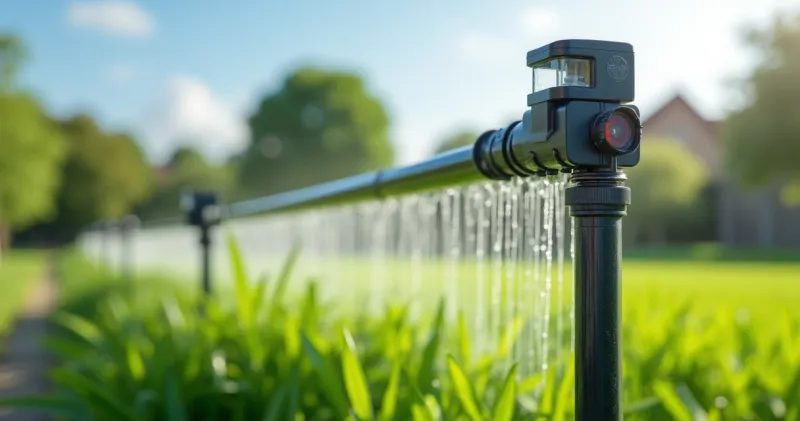
One of the most common irrigation mistakes Oregon gardeners make in spring is running their scheduled watering even after a good rain.
Irrigation controllers set to a fixed schedule do not automatically account for rainfall, which means your sprinklers can end up running the morning after a half-inch downpour that already gave your lawn and garden plenty of moisture.
Tracking rainfall with a simple rain gauge in your yard is one of the easiest ways to stay on top of this.
When Oregon delivers meaningful precipitation, skipping one or more scheduled irrigation cycles makes sense and can save thousands of gallons of water over the course of a season.
Western Oregon typically sees rain events well into spring, so manual overrides or rain sensors on irrigation controllers can be genuinely useful tools.
Smart irrigation controllers with weather-based scheduling, sometimes called evapotranspiration controllers, can automatically adjust run times based on local weather data.
These systems factor in temperature, humidity, wind, and recent rainfall to calculate how much water the landscape actually needs on a given day.
Even without a smart controller, checking a local weather forecast before each irrigation cycle and adjusting manually is a habit that pays off.
Staying responsive to Oregon’s spring rainfall patterns rather than sticking rigidly to a preset schedule keeps your plants healthier and your water bill lower through the season.
8. Lawns And Landscape Beds Need Different Irrigation Strategies
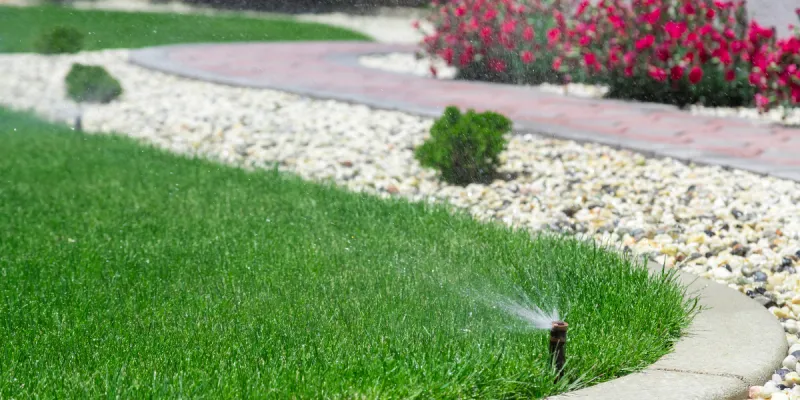
Treating your entire yard as one irrigation zone is a setup that rarely works well for long.
Lawns and landscape beds have genuinely different water needs, and running them on the same schedule tends to either underwater the grass or overwater the shrubs and perennials, neither of which is good for plant health or water efficiency.
Turfgrass tends to need more frequent watering than established shrubs, trees, and perennials because grass roots are relatively shallow and the leaf surface area exposed to sun and wind is significant.
In contrast, most landscape shrubs and perennials in Oregon benefit from deeper, less frequent watering once they get established through the spring.
Overwatering shrubs and perennials can lead to root problems and make plants more susceptible to disease over time.
Drip irrigation or soaker hoses work especially well in garden beds because they deliver water directly to the root zone with minimal evaporation and without wetting foliage. Spray heads or rotary sprinklers are generally better suited to lawns.
Separating your irrigation zones so that lawn areas and garden beds run on independent schedules gives you much more flexibility and control.
If your current system does not separate these areas, adjusting run times zone by zone at the controller is a reasonable workaround.
Taking a zone-specific approach to irrigation in spring sets your entire Oregon landscape up for a healthier, more water-efficient season.