Why Your Florida Southern Magnolia Drops Leaves In May (And What It Needs Now)
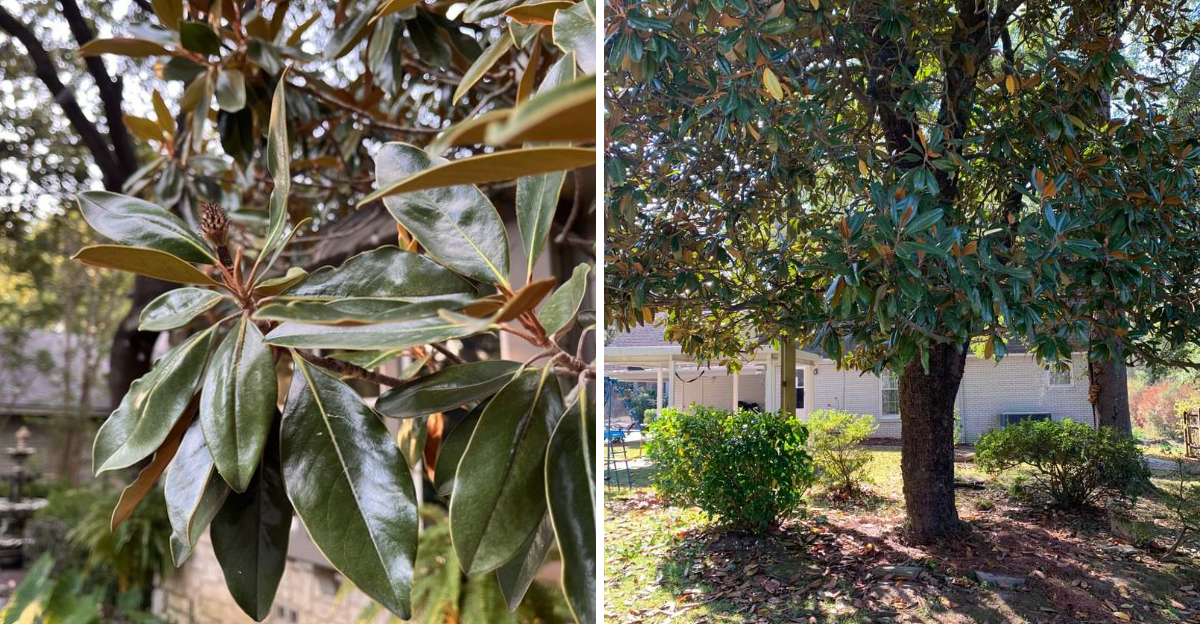
A Southern Magnolia dropping leaves in May tends to send Florida gardeners straight into panic mode. The tree looked fine a few weeks ago, and now there are leaves on the ground and the whole thing seems like it might be in trouble.
It is an unsettling sight, especially for gardeners who have never seen it happen before. Here is the thing.
May leaf drop on a Southern Magnolia is one of the most misread situations in the garden.
What looks like a problem is often the tree doing exactly what it is supposed to do, and treating it like an emergency can sometimes cause more harm than the leaf drop itself ever would.
That said, not every case is harmless. Knowing the difference is what actually matters.
1. Stop Panicking When Old Leaves Drop In Spring
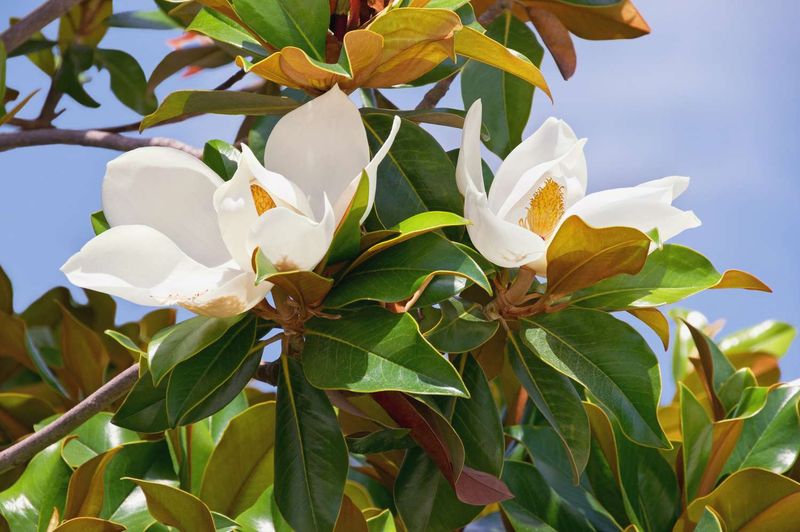
Every spring, some Florida homeowners convince themselves their magnolia is in serious trouble, but scattered leaf drop in May is often the tree doing exactly what it should.
Southern magnolia is evergreen, which means it keeps leaves year-round, but evergreen does not mean permanent.
Older leaves on the lower and inner canopy naturally yellow, brown, and fall as fresh new growth pushes out from branch tips.
May tends to be when this process becomes hard to ignore in Florida yards. The combination of warming temperatures, longer days, and new growth all push the tree to shed leaves it no longer needs.
In North Florida, leaf drop often follows the cooler months and lines up with the spring growth flush. In Central Florida, rising heat can make the mess feel more sudden.
In South Florida, heat, reflected sunlight, and sandy or alkaline soils can add some extra stress on top of the normal cycle, so it is worth paying a little more attention there.
A healthy tree losing older leaves while producing new ones is not a reason to reach for a fertilizer bag or call for help right away. Look at the whole picture before reacting.
2. Look For Fresh Growth Before You Assume Trouble
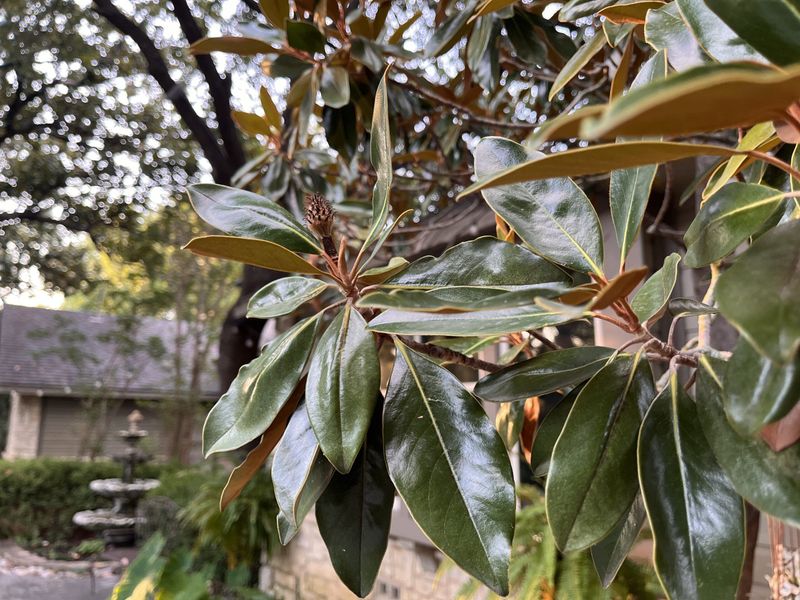
Before assuming the worst, spend five minutes reading the tree itself. Walk around the canopy and look at the branch tips.
Fresh green leaves unfurling, firm healthy buds, and new shoots pushing out are all reassuring signs that the tree is actively growing, not struggling. A Southern magnolia can look like a mess on the ground while still performing perfectly well overhead.
The mistake most homeowners make is judging the tree by what landed on the driveway instead of checking what is happening at the growing tips. New growth appearing after or alongside leaf drop is a very good sign.
Bare branches that are not leafing out, widespread canopy thinning, or a complete lack of new growth are the patterns worth watching more carefully.
Regional timing matters here. In warmer Central and South Florida sites, new growth can appear earlier in the season and may overlap with periods of heat stress or dry soil, so the tree might look a little rough even while it is actively growing.
Your Florida Garden Changes Every Week. Your Plan Should Too.
Gardening in Florida changes quickly throughout the season. Every Friday you’ll receive a simple weekly plan showing exactly what to plant, prune, fertilize, harvest, and protect so you never miss the right timing.
North Florida trees often follow a more noticeable spring flush after cooler weather eases. Either way, the branch tips tell the real story, so start there before drawing any conclusions.
3. Expect Southern Magnolia To Make A Spring Mess
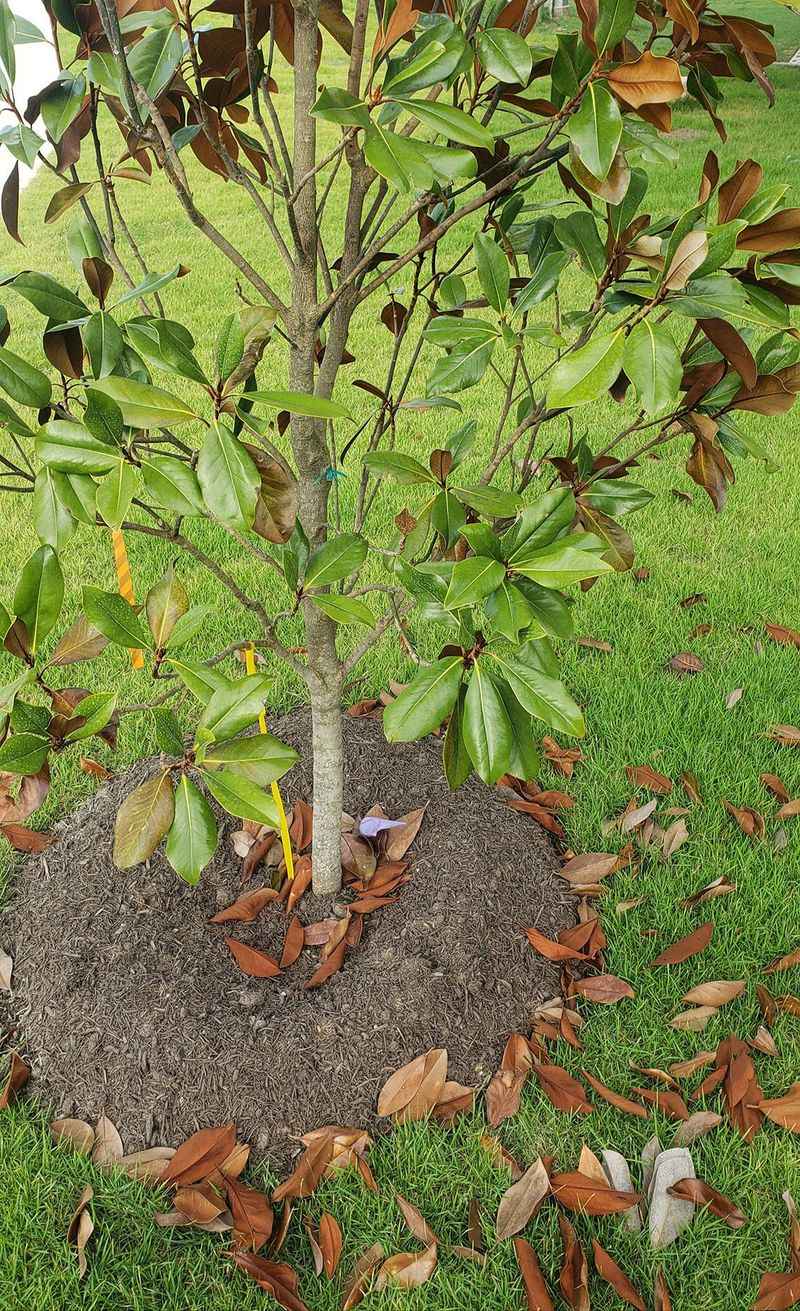
Let’s be honest: owning a Southern magnolia means making peace with yard debris. Large, leathery leaves, spent flower petals, and seedpods all find their way to the ground throughout the year, and spring is one of the busiest seasons for cleanup.
The leaves do not crumble quickly like oak leaves, so they tend to sit on turf, driveways, patios, and mulch beds in a very obvious way.
One practical lesson many Florida homeowners learn over time is that Southern magnolia is much easier to live with when it is planted in a defined landscape bed rather than surrounded by lawn.
Raking stiff magnolia leaves out of grass repeatedly is a real chore, and the combination of leaf litter, dense shade, and surface roots makes growing turf beneath the canopy a constant battle anyway.
Spring cleanup in Florida also means managing this debris while the lawn is growing fast and the weather is already warming up. Staying on top of it helps prevent leaves from smothering turf or blocking drainage near sidewalks.
The mess is seasonal, it is manageable, and it is completely normal. The tree is not broken, it is just doing what Southern magnolias do every spring in Florida yards.
4. Check Whether Heat And Dry Soil Are Piling On
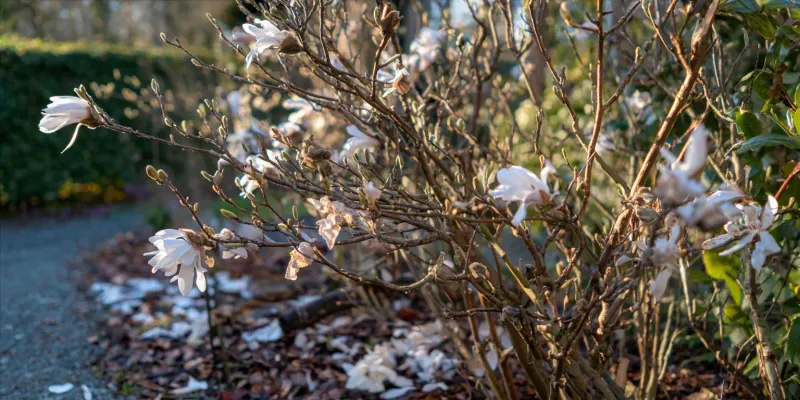
Late spring in Florida can bring a tough combination of hot sun, warm nights, gusty winds, and stretches of little to no rainfall.
That kind of weather does not just make the yard uncomfortable, it can push a magnolia to shed more leaves than it normally would during its spring cycle.
Normal leaf drop and stress-related leaf drop can happen at the same time, making it harder to sort out what is really going on.
Sandy soils, which are common across much of Florida, drain fast and dry out faster than homeowners often expect. A tree that looks fine on the surface may have a root zone that is already running low on moisture.
Young trees and recently planted magnolias are especially vulnerable because their root systems have not yet spread wide enough to find water on their own.
North Florida may still swing between mild days and sudden heat waves in May. Central Florida often sees dry pockets and intense afternoon sun that can stress trees in exposed spots.
South Florida gardeners should pay close attention to reflected heat from pavement, alkaline soil conditions, and fast-drying sandy sites. To check soil moisture, push a screwdriver or finger several inches into the ground near the outer edge of the canopy.
If it comes out dry, the tree likely needs water.
5. Water Deeply Instead Of Sprinkling The Surface
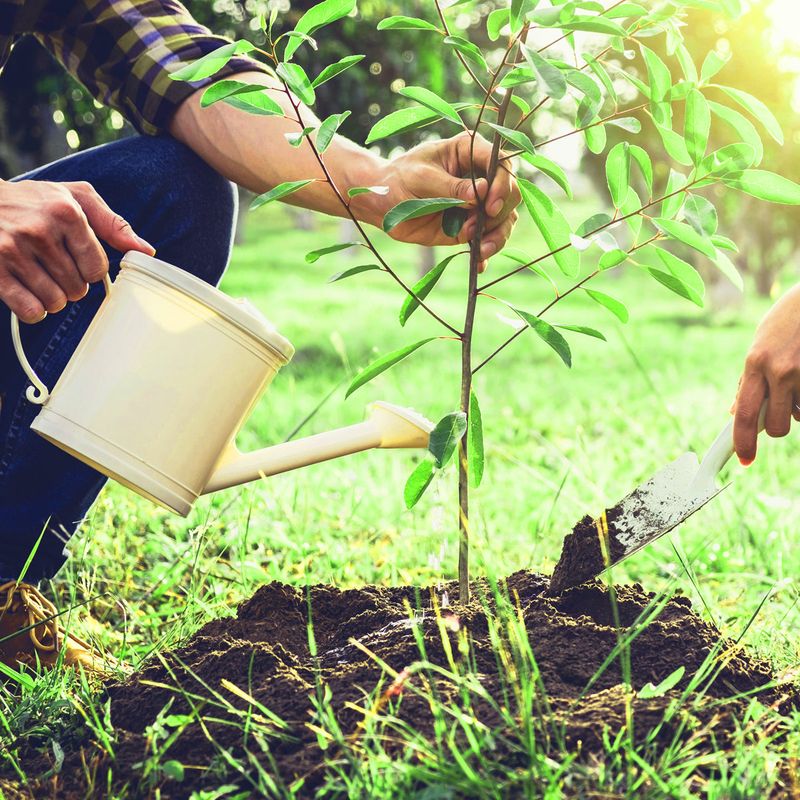
Quick sprays near the trunk do very little for a magnolia that is thirsty. Water needs to reach the wider root zone, which extends well beyond the base of the tree, often out to the drip line and beyond.
Shallow surface watering encourages roots to stay near the top of the soil where they dry out fastest, which is not what you want during a warm, dry May in Florida.
For young or recently planted trees, slow and deep watering under the canopy and slightly past the drip line makes a real difference. A soaker hose or slow-running garden hose left in place for an extended period works better than a quick sprinkle.
Established Southern magnolias are more drought-tolerant once their roots are well spread, but they can still benefit from a deep watering during extended dry spells.
South Florida and coastal gardeners should factor in fast-draining sandy or rocky soils and sites exposed to reflected heat from driveways or walls. In North and Central Florida, adjust watering based on recent rainfall and local watering restrictions.
The goal is moist, well-drained soil, not soggy ground that stays wet for days. Overwatering causes its own problems, so the screwdriver test is a simple way to check before you water again.
6. Move Fallen Leaves Into A Better Mulch Zone
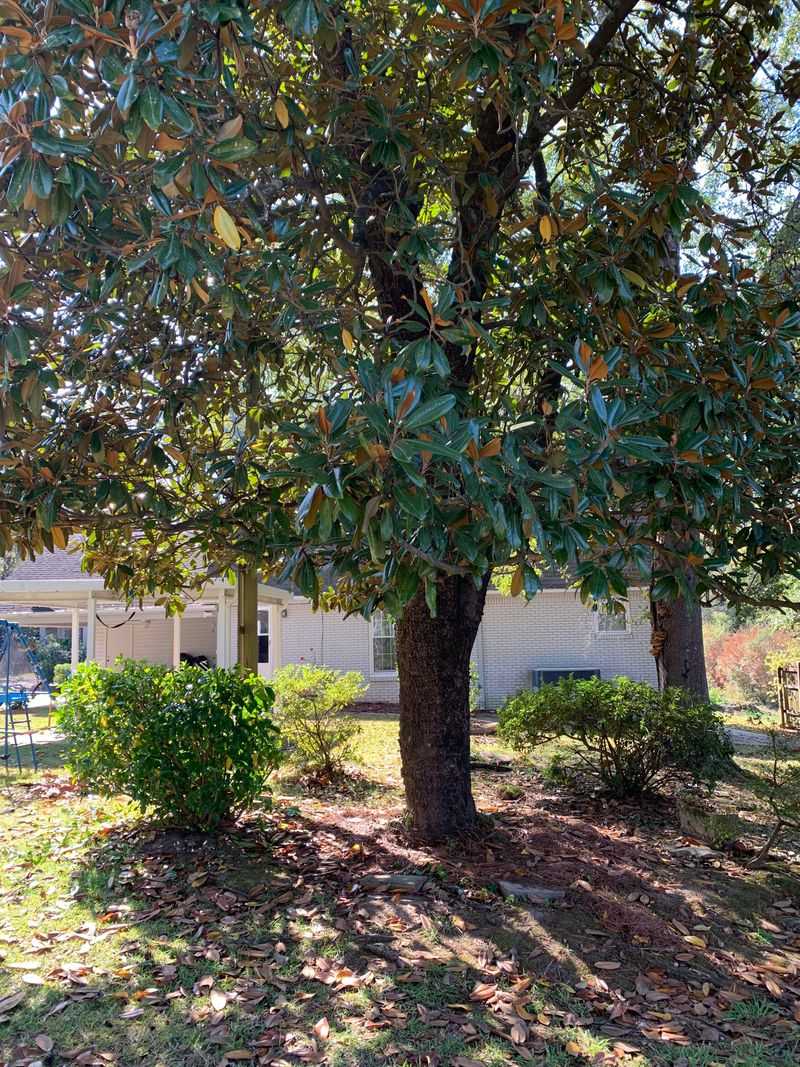
Magnolia leaves break down slowly, which can feel like a headache when they pile up on the lawn, but that same quality makes them useful in a mulch bed under the tree.
Instead of bagging every fallen leaf, try raking them out of the turf and using them as part of a natural ground layer in the planting bed beneath the canopy.
They add organic matter as they slowly break down, and they help shade the soil from intense Florida sun.
The key rule is to keep leaves and mulch away from the trunk itself. Piling debris directly against the bark traps moisture and can create conditions that are not good for the tree over time.
Leave a clear gap of several inches around the base so the root flare stays visible and air can circulate freely.
A wider bed under the tree also makes spring cleanup much more manageable. Instead of fighting leaves across an entire lawn, you contain most of the debris to one defined area.
In Florida, keeping drainage paths, sidewalks, and driveways clear of wet leaves is also a practical safety step during the rainy season ramp-up. Moving leaves into a bed is a simple habit that works in the tree’s favor and saves time in the yard.
7. Keep Grass And Mowers Away From Surface Roots
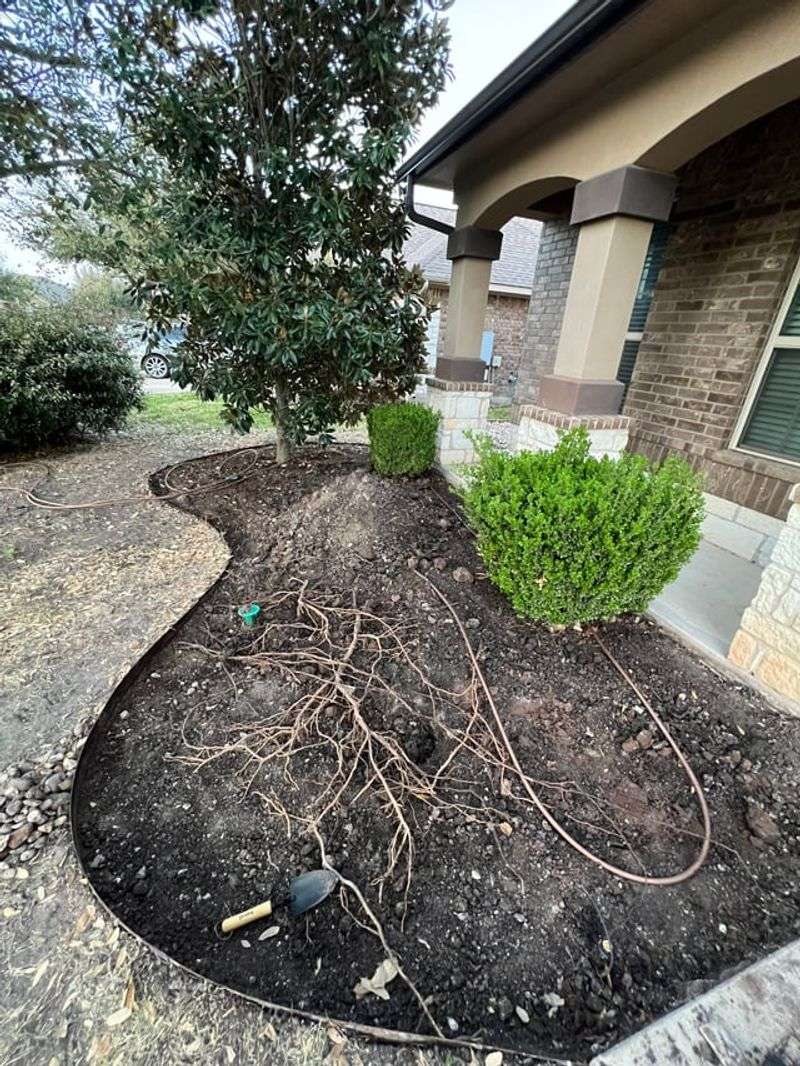
One of the most overlooked sources of stress for a mature Southern magnolia is what happens at ground level every week during mowing season. Surface roots are common on established trees, and repeatedly running a mower or string trimmer over them causes small wounds that add up over time.
Stressed roots mean a stressed tree, and a tree that is already managing spring leaf drop has less energy to recover from repeated injuries.
Turf under the canopy is a constant battle for another reason too. Dense shade, surface roots, and leaf litter make it nearly impossible to maintain healthy grass in that zone.
Homeowners often respond by mowing closer and trimming more aggressively, which only adds to the problem. Replacing struggling grass under the canopy with a defined mulch bed is a practical solution that protects the roots and eliminates the battle entirely.
In hot Central and South Florida sites, reducing turf competition and reflected heat around the root zone can be especially helpful during warm months. Grass roots compete with tree roots for water and nutrients, and in a dry May, that competition matters.
Giving the magnolia a clear, mulched zone around its base is one of the most straightforward things a homeowner can do to support the tree through seasonal stress.
8. Mulch Wide Without Burying The Trunk
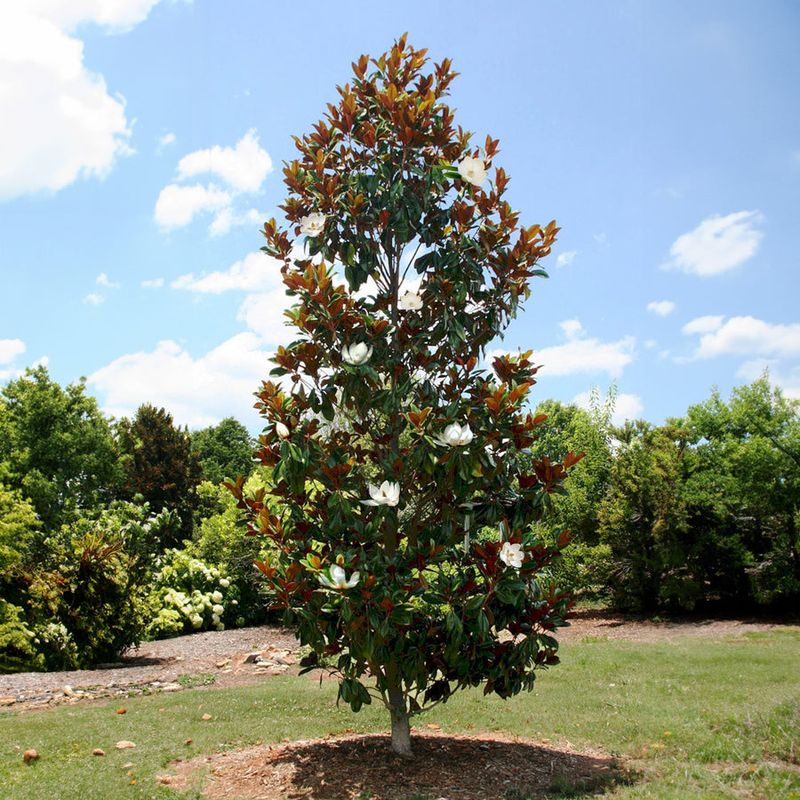
A proper mulch ring is one of the best low-effort steps you can take for a Southern magnolia in May.
Mulch conserves soil moisture during dry stretches, keeps soil temperatures more stable under the intense Florida sun, suppresses weeds that compete for water and nutrients, and cushions the shallow roots from foot traffic and heat.
All of those benefits matter especially during the warm, dry weeks of late spring.
The ring should be wide, ideally extending several feet out from the trunk to cover a good portion of the root zone. A thin ring that only reaches a foot or two from the base does not do much.
Apply mulch at a depth of about two to three inches across the bed. Going deeper than that can reduce oxygen reaching the roots and hold too much moisture against the bark.
The most common mulching mistake is piling material against the trunk in a volcano shape.
That traps moisture at the base, can encourage rot, and hides problems that might otherwise be spotted early.
Keep a clear gap of a few inches around the root flare so the base of the tree stays visible and dry. Water still needs to penetrate through the mulch and reach the root ball, so make sure the layer is even and not compacted into a solid mat.
9. Watch For Full Canopy Drop Or Branch Decline
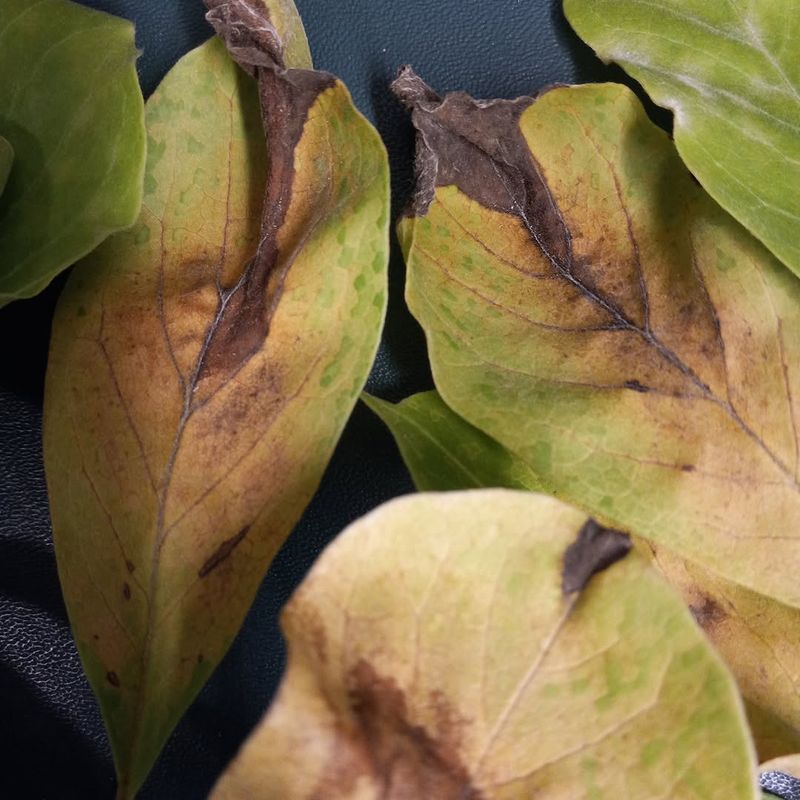
Scattered older leaves dropping from the lower canopy while fresh growth appears at the tips is one thing.
Heavy leaf loss across most of the canopy, bare limbs that are not leafing out, one-sided decline, blackened or shriveled branch tips, or repeated severe shedding season after season is something else entirely.
Those patterns are worth taking seriously rather than chalking up to normal spring behavior.
Several conditions can push a Southern magnolia into real decline.
Recent planting or transplanting, construction damage to roots, flooding, extended drought, root disturbance from digging, soil compaction, pest pressure, fungal issues, or poor site selection can all change what the leaf drop means.
Trunk wounds from mowers or vehicles, soil pH problems, and improper irrigation can also play a role depending on the situation.
South Florida gardeners should be especially alert to poor site choices, alkaline or compacted soil, reflected heat from pavement, and irrigation that misses the actual root zone.
North and Central Florida readers should also think about recent cold snaps, drought periods, or storm damage that may have weakened the tree before May arrived.
If the pattern looks severe, confusing, or is getting worse instead of better, reach out to your county Extension office or a certified arborist for a local diagnosis. Early attention is always easier than late intervention.