8 Lavender Care Jobs North Carolina Gardeners Should Do In May For Strong Healthy Growth
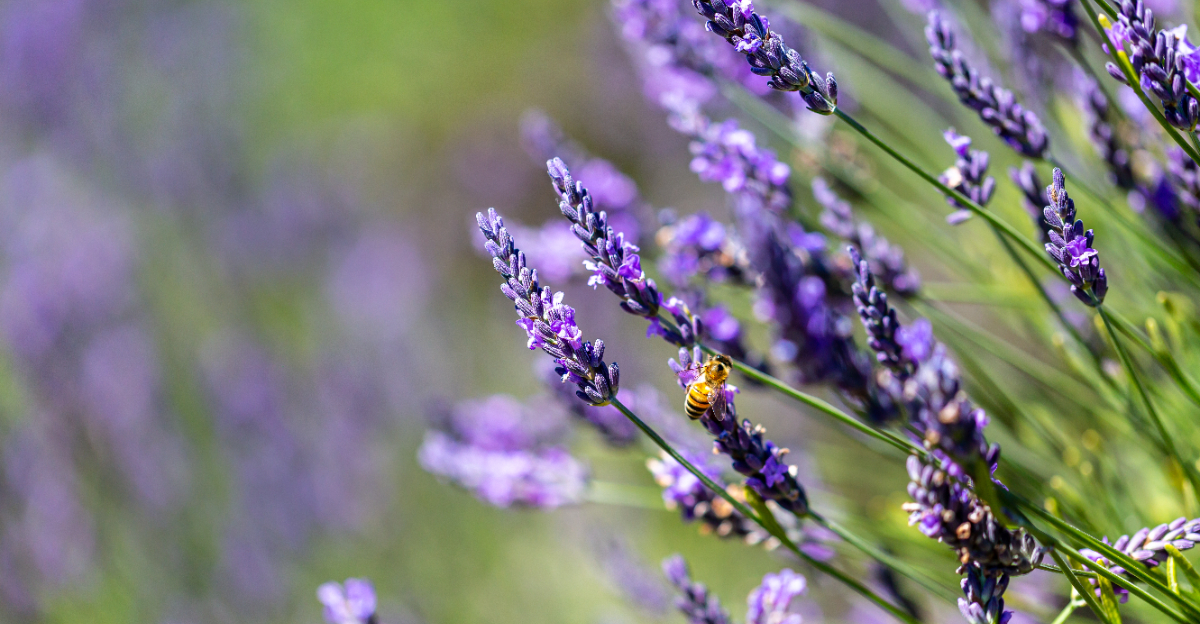
Lavender has a devoted following among North Carolina gardeners, and for good reason. When it is happy, it brings fragrance, pollinators, and low maintenance beauty that very few plants can match across a long season.
Getting it to that happy place in a state with hot humid summers and variable winters takes more intentional care than most people expect when they first plant it.
May is one of the most important months for lavender in North Carolina, sitting right at the intersection of active growth and the approaching summer conditions that stress the plant most.
What you do during this window directly shapes how your lavender handles the season ahead, how full it gets, how well it blooms, and how cleanly it comes back the following year.
Skipping or delaying these care tasks often shows up as leggy growth, reduced flowering, or plants that decline faster than they should after just a few seasons in the ground.
These eight jobs cover exactly what your lavender needs in May and why each one makes a measurable difference in how the plant performs.
1. Check Drainage Before Summer Rains
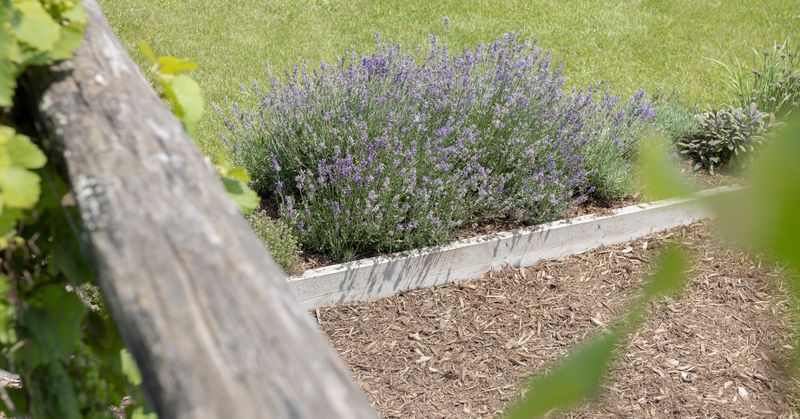
Poor drainage is the number one reason lavender struggles in North Carolina gardens. Unlike most flowering plants, lavender roots simply cannot sit in wet soil for long without developing rot and other serious problems.
May is the perfect time to test your drainage before the heavier summer rains arrive and make things much worse.
Push a stick or your finger about six inches into the soil near your lavender plants. If water pools or the soil feels soggy hours after rain, your drainage needs serious improvement right away.
Raised beds and mounded planting areas are two of the most reliable solutions North Carolina gardeners use to fix this issue quickly.
Sandy or gritty soil mixes drain much faster than heavy clay, which is common across many parts of the state. Adding coarse sand or pea gravel to your planting area can make a huge difference in how quickly water moves away from the roots.
Lavandula angustifolia and Lavandula x intermedia, two popular varieties grown in North Carolina, both perform noticeably better when their roots stay dry between waterings. Fixing drainage now means fewer headaches and much healthier plants by midsummer.
2. Prune Lightly To Shape And Encourage Branching
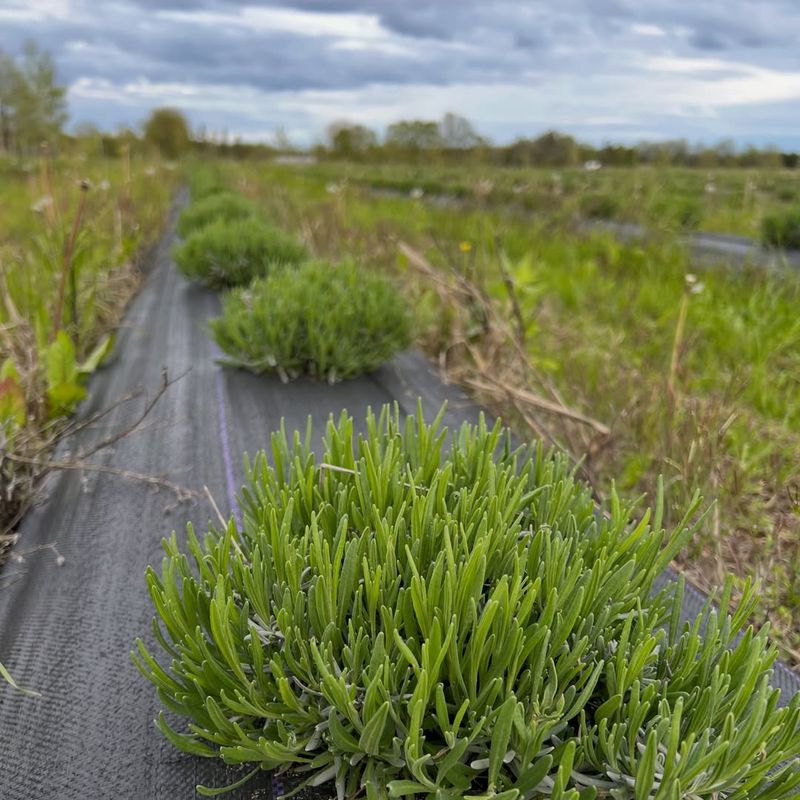
Grabbing your pruning shears in May is one of the most rewarding things you can do for your lavender. A light trim at this time of year encourages the plant to branch out, creating a fuller and more compact shape that looks beautiful and stays healthy through summer.
North Carolina gardeners who skip this step often end up with leggy, open plants that flop over by July.
Focus only on the soft, green growth at the tips of the stems. Trimming back about one third of the new growth encourages the plant to push out multiple new shoots from each cut point, which means more flowers and a denser overall shape.
Never cut into the hard, woody base of the stems because that older wood does not regrow reliably and can leave permanent gaps in the plant.
Your North Carolina Garden Changes Every Week. Your Plan Should Too.
Gardening in North Carolina changes quickly throughout the season. Every Friday you’ll receive a simple weekly plan showing exactly what to plant, prune, fertilize, harvest, and protect so you never miss the right timing.
A good rule of thumb is to shape the plant into a rounded mound, which also improves airflow through the center of the plant.
Better airflow means less moisture trapped between stems, which is especially important as North Carolina humidity climbs through late spring.
Use clean, sharp shears to make smooth cuts that heal quickly. Light pruning now rewards you with a stunning flush of blooms just weeks later.
3. Remove Any Winter Damage From Stems
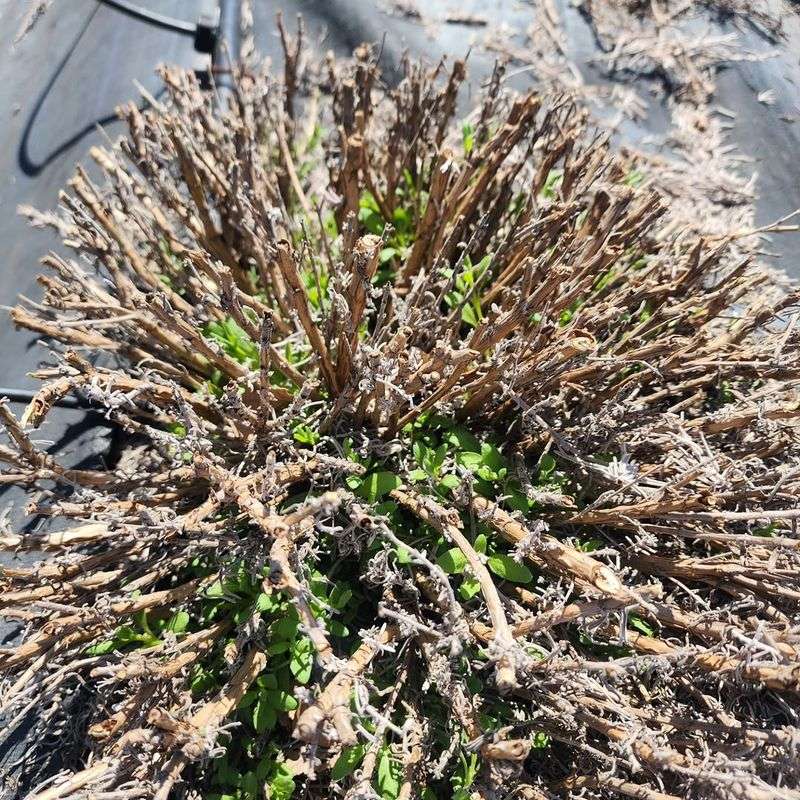
Winter in North Carolina can be unpredictable, and lavender plants often carry some battle scars into spring. Brittle, brown, or shriveled stems that did not bounce back with new growth are a clear sign of cold or moisture damage from the past few months.
Removing this old damaged growth in May is one of the simplest ways to give your plants a fresh and healthy start.
Work through each plant carefully and snap or cut away any stems that feel hollow, dry, or completely stiff with no signs of green. Healthy lavender stems will feel slightly flexible and show green when lightly scratched near the surface.
Leaving damaged stems in place traps moisture and creates the ideal environment for fungal problems, which spread quickly once North Carolina humidity picks up in late spring and early summer.
After removing the damaged material, step back and look at the overall shape of the plant. You may want to do a light shaping trim at the same time to even out any uneven areas left behind.
Dispose of removed stems away from the garden rather than composting them, just in case any fungal spores are present.
Clearing out this old growth improves airflow dramatically, helps sunlight reach the center of the plant, and gives healthy new stems the space they need to grow strong.
4. Space Plants Properly For Better Airflow
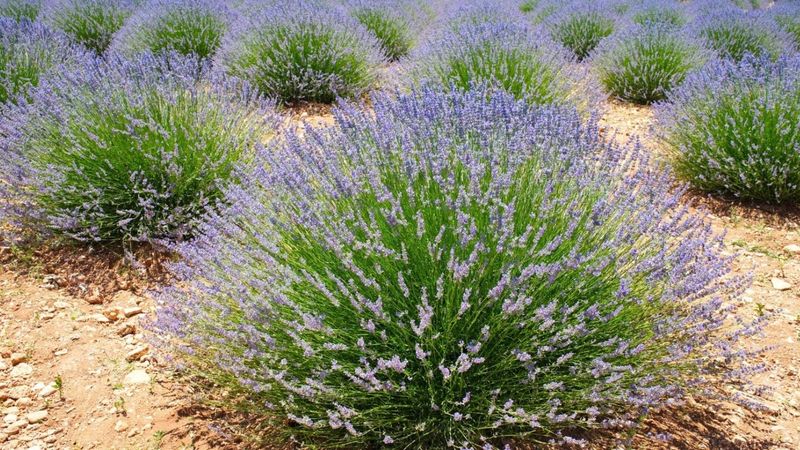
Crowded lavender plants are an open invitation for fungal problems, and North Carolina’s humid climate makes the risk even higher than in drier parts of the country.
If your plants have been in the ground for a few years and are now touching each other, May is a smart time to evaluate whether spacing is working in your favor or against you.
Most lavender varieties need at least 24 to 36 inches between plants to allow air to circulate freely around all sides of each one.
Good airflow keeps foliage dry after rain or morning dew, which significantly reduces the chance of fungal issues like botrytis and root rot taking hold.
When plants are too close, moisture lingers between the stems and creates a humid microclimate that lavender simply does not tolerate well.
If you planted too close together and notice crowding now, consider transplanting some of the smaller or weaker plants to a new location with more room. Early May is a reasonable time to do this carefully while temperatures are still mild.
North Carolina gardeners growing lavender in containers can also take advantage of this tip by grouping pots far enough apart that foliage does not overlap. Proper spacing is one of those simple adjustments that pays off in a big way throughout the entire growing season.
5. Skip The Heavy Mulch Around The Crown
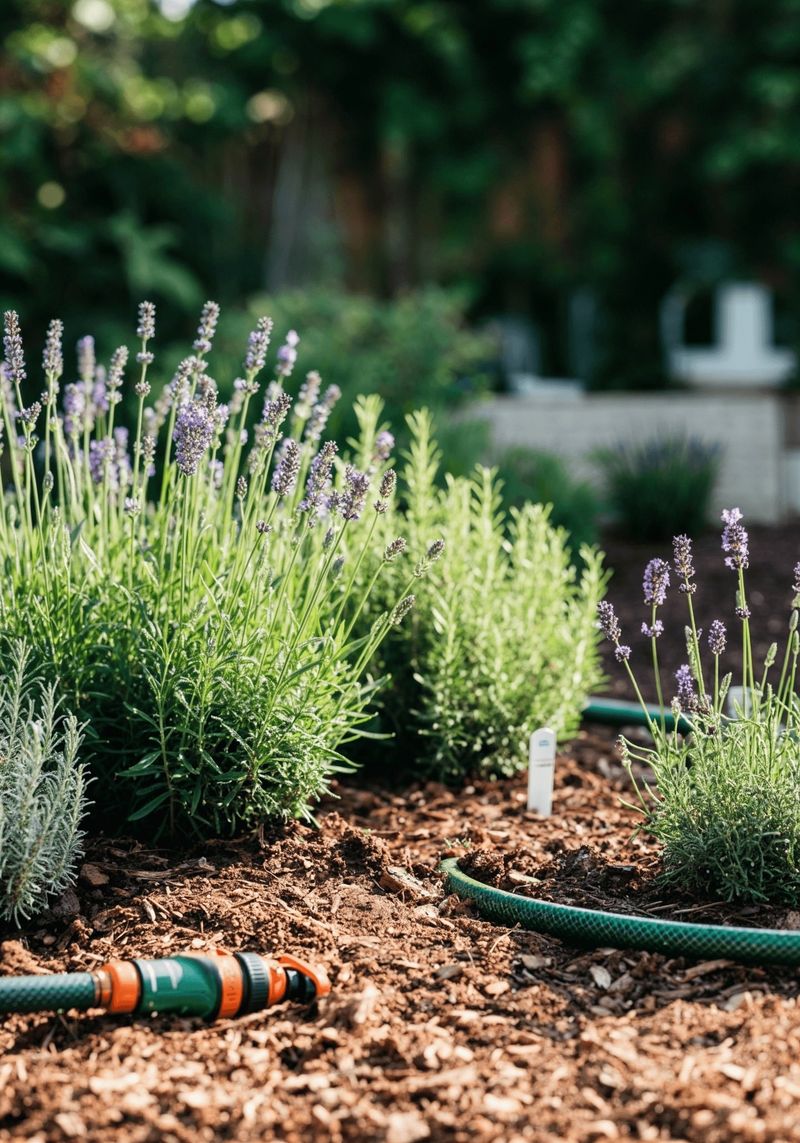
Mulching around plants is usually great advice, but lavender is a notable exception to that general rule.
Thick layers of organic mulch like wood chips or bark hold moisture directly against the base of the plant, which is one of the worst things you can do for lavender in a humid place like North Carolina. The crown of the plant needs to stay as dry as possible to stay healthy.
If you feel the urge to mulch, reach for a thin layer of pea gravel or crushed stone instead of organic materials. Gravel reflects heat back up toward the plant, keeps the soil surface dry, and still helps suppress weeds without creating a moisture trap.
Spread it no deeper than one to two inches and keep it pulled slightly back from the very base of the stems so air can flow freely around the crown.
Gardeners in North Carolina who grow lavender in areas with heavy clay soil benefit especially from this gravel trick because it creates a drier microenvironment right at the surface where the plant is most vulnerable.
Organic mulch also breaks down over time and can raise soil nitrogen levels, which encourages the kind of soft, lush growth that looks nice but actually makes lavender more prone to disease.
Keeping the crown dry is one of the easiest ways to protect your plants heading into summer.
6. Water Deeply But Give Soil Time To Dry
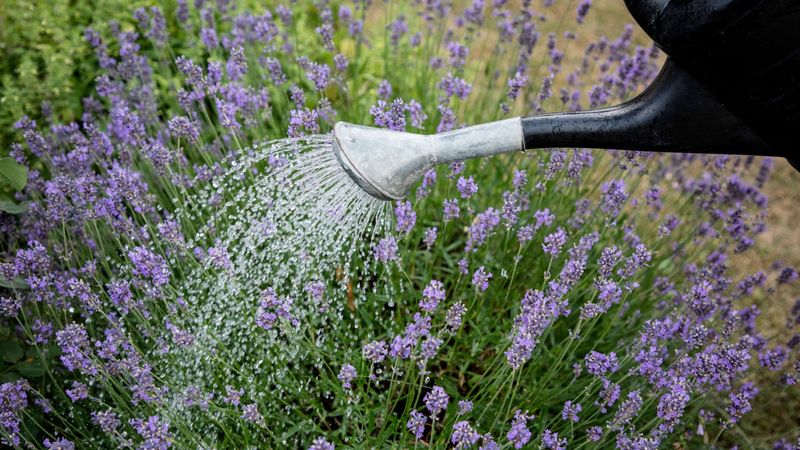
Lavender is a Mediterranean plant at heart, and it thrives on a watering schedule that mimics the dry, sunny conditions of its homeland. Many North Carolina gardeners make the mistake of watering too often, thinking more water means more growth.
The opposite is actually true for lavender, which performs best when allowed to dry out between waterings.
In May, check the soil before reaching for the hose. Push your finger two to three inches into the ground near the roots.
If the soil still feels damp at that depth, hold off and check again in a day or two. When the soil does feel dry at that level, water slowly and deeply so moisture reaches all the way down to the root zone rather than just wetting the surface.
Deep, infrequent watering encourages roots to grow downward in search of moisture, which creates a stronger and more drought-tolerant plant over time.
Shallow watering keeps roots near the surface where they are more vulnerable to heat and drying out between rains.
North Carolina summers can bring both heavy rains and dry spells, so training your lavender to handle dry periods now makes it much more resilient later.
Aim for watering once every ten to fourteen days in May unless rainfall covers the need, and always water at the base rather than overhead.
7. Avoid Fertilizing With Heavy Or Rich Mixes
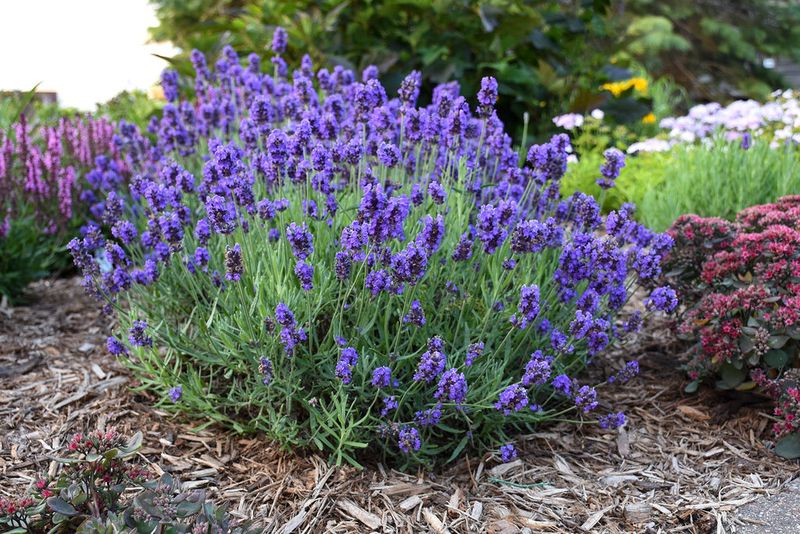
Lavender has a reputation for thriving on neglect, and fertilizer is one area where less is genuinely more. Rich fertilizers packed with nitrogen encourage fast, lush, soft growth that looks impressive at first glance but actually weakens the plant over time.
In North Carolina’s humid climate, that kind of soft growth becomes a magnet for fungal disease and other problems as temperatures rise through summer.
Healthy lavender grows compact, sturdy stems with tightly packed foliage, and that only happens in lean, low-nutrient soil. If your soil is already fertile from composting or previous fertilizing, your lavender may actually benefit from being moved to a slightly less rich spot.
Adding too much nutrition throws off the balance that makes these plants so naturally tough and long-lasting.
If you feel like your lavender genuinely needs a little boost, a very light application of a low-nitrogen, slow-release fertilizer in early spring is the most you should ever need.
By May in North Carolina, the plants should already be showing healthy new growth without any additional feeding. Focus your energy on soil drainage, sunlight, and airflow rather than feeding schedules.
Lavender grown in lean conditions produces more aromatic oils, stronger stems, and flowers with deeper, richer color than plants grown in overly rich garden beds. Trust the plant to do its thing without extra help.
8. Make Sure Plants Get Full Sun Every Day
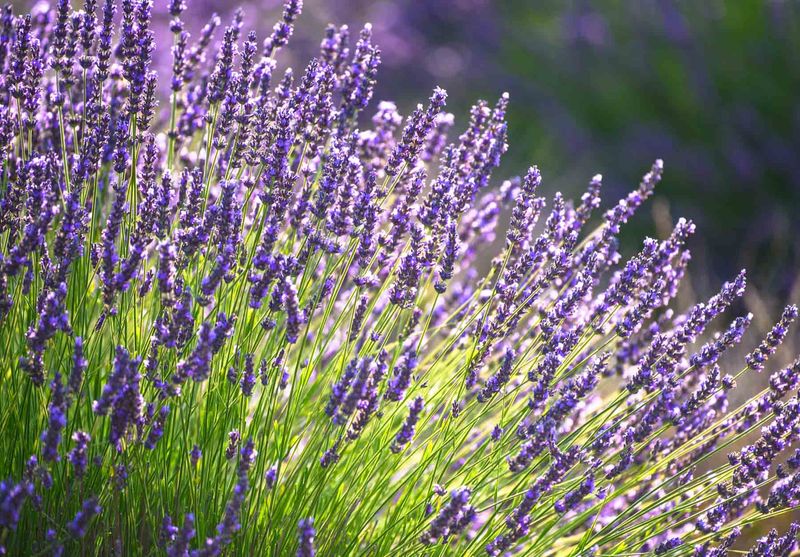
Sunlight is not optional for lavender, and six to eight hours of direct sun every single day is the bare minimum these plants need to truly thrive.
North Carolina offers plenty of sunshine through May, which makes this the perfect time to evaluate whether your lavender is getting the light exposure it needs or whether nearby trees and structures are starting to cast more shade as leaves fill in for the season.
Full sun does more than just fuel growth through photosynthesis. Strong, direct sunlight also helps dry out foliage and soil quickly after rain or morning dew, which reduces the window of time that moisture sits on the plant.
Lavender growing in partial shade stays wetter for longer, which is a real problem in a state as humid as North Carolina. Shaded plants also tend to stretch and lean toward the light, creating a weak and uneven shape over time.
Walk around your garden on a sunny day in early May and observe exactly how many hours of direct sun each lavender plant receives. If a plant is getting less than six hours, consider relocating it to a sunnier spot while temperatures are still mild enough for transplanting.
South-facing slopes and open areas away from large trees are ideal locations across North Carolina. More sun means more compact growth, more aromatic foliage, and a much stronger plant heading into the heat of summer.