8 Best Florida Shade Gardening Tips For Hot Summers Ahead
Florida summer does not ease into the garden. It arrives all at once with blazing sun, thick humidity, and heat that can push plants to their limits.
Beds that looked lush and healthy in spring can suddenly start fading. Leaves scorch, soil dries faster than expected, and once-happy plants struggle to keep up with the relentless weather.
That is when shade becomes a gardener’s secret weapon. A well-planned shade garden can stay cooler, hold moisture longer, and protect plants from the worst of Florida’s summer extremes.
In the right spot, foliage stays vibrant and the garden keeps growing even when the sun feels unforgiving. The trick is knowing how to turn that shade into an advantage before the worst heat of summer arrives.
1. Choose Plants That Thrive In Florida Shade
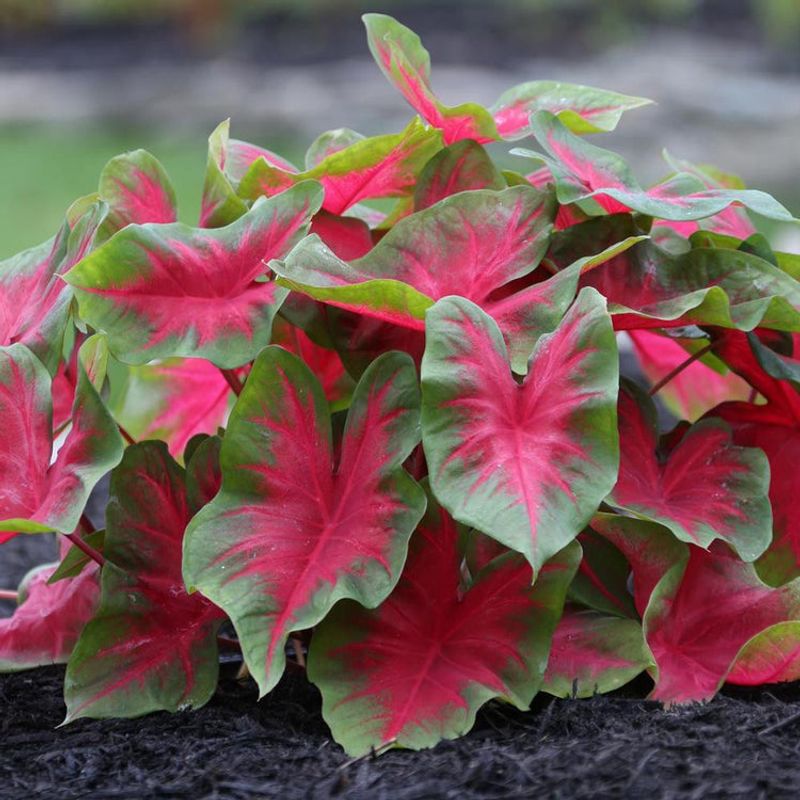
Caladiums are practically the mascot of Florida shade gardens, and for good reason. Their bold, colorful leaves bring life to dim corners where most plants struggle.
According to the University of Florida IFAS Extension, caladiums are one of the most reliable shade-tolerant plants for Florida landscapes and perform especially well during the warm, humid summer months.
Ferns are another excellent choice. Native Florida ferns like the sword fern and Boston fern handle humidity and filtered light beautifully, making them a natural fit for shaded garden beds.
Hostas, while typically associated with cooler climates, can also succeed in north Florida shade gardens when given consistent moisture and protection from the hottest afternoon rays.
Heucheras, also called coral bells, add texture and color to shaded spots without demanding much attention. Impatiens are a classic Florida shade annual that bloom freely even in low-light conditions.
When building your shade garden plant list, focus on tropical and subtropical species that naturally grow under forest canopies.
These plants have already adapted to filtered light and warm temperatures, which makes them far better suited to surviving and thriving through Florida’s long, demanding summers.
2. Improve Soil To Help Plants Handle Heat
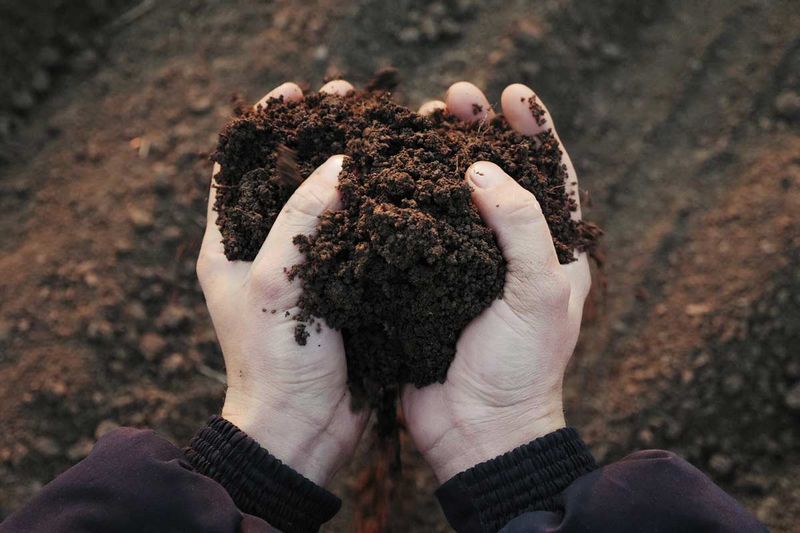
Healthy soil is the foundation of any garden that survives a Florida summer. Sandy soil, which covers much of the state, drains water so fast that roots barely have time to absorb it.
When summer heat arrives and evaporation speeds up, plants growing in poor sandy soil are the first to show signs of stress.
Adding organic matter is the most effective fix. Compost, aged manure, and leaf mold all improve soil structure by helping sandy particles hold together better and retain moisture longer.
The University of Florida IFAS Extension recommends working two to three inches of compost into the top six to eight inches of soil before planting. This simple step can dramatically improve how well your shade plants handle the heat.
Organic matter also feeds beneficial soil microbes that help break down nutrients and make them available to plant roots.
Over time, regularly amended soil becomes richer, more moisture-retentive, and far more supportive of plant health.
Florida gardeners who invest in soil improvement before summer arrives tend to see noticeably stronger plant growth throughout the season. Think of good soil as long-term insurance for your garden’s success during the hottest months of the year.
Your Florida Garden Changes Every Week. Your Plan Should Too.
Gardening in Florida changes quickly throughout the season. Every Friday you’ll receive a simple weekly plan showing exactly what to plant, prune, fertilize, harvest, and protect so you never miss the right timing.
3. Use Mulch To Keep Roots Cool And Moist
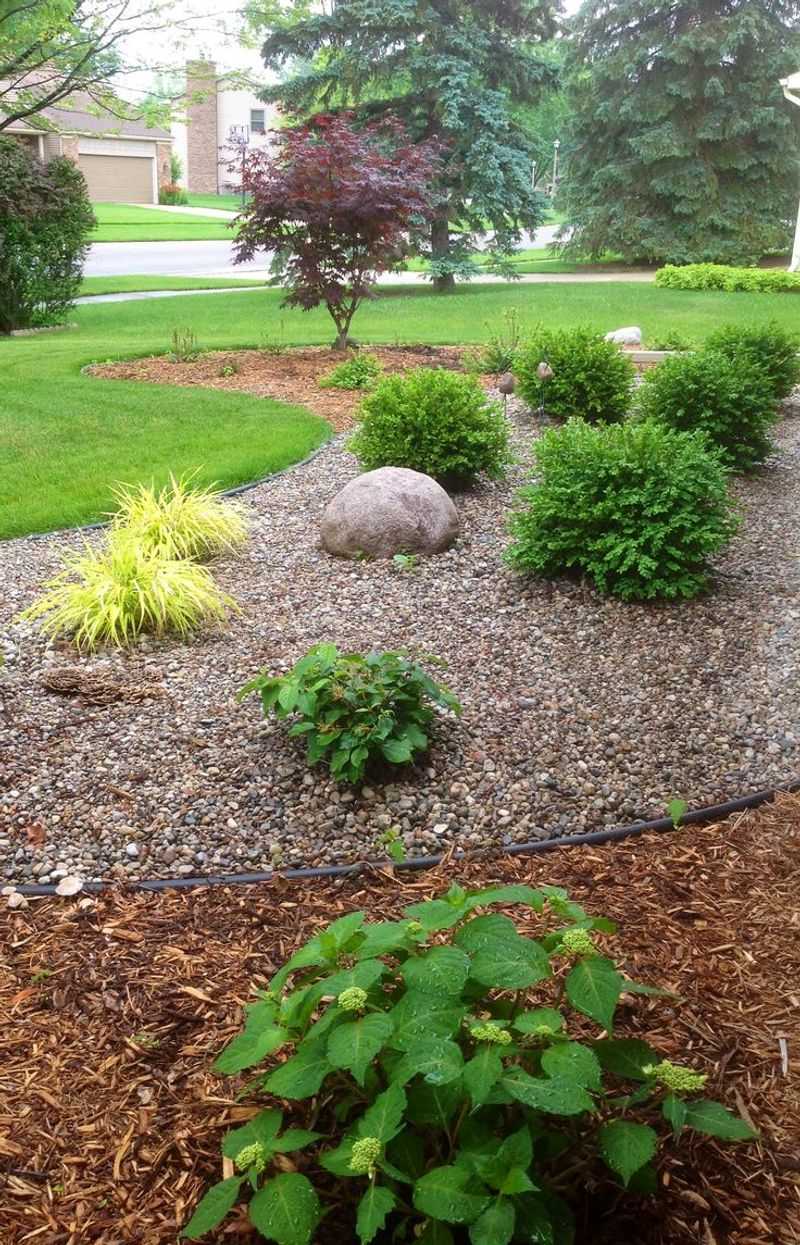
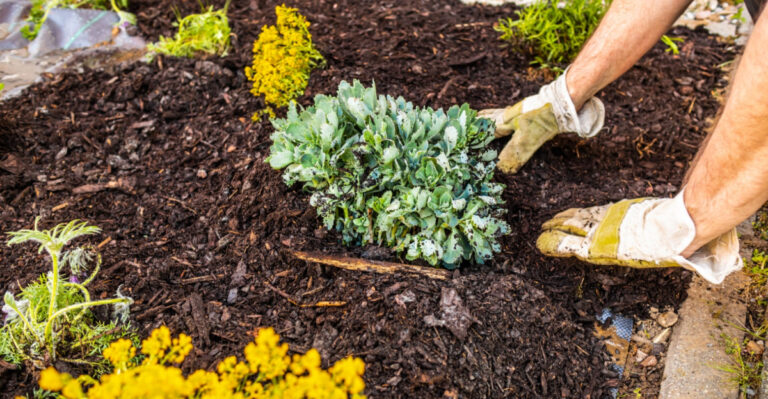
Few gardening tools are as simple or as powerful as a good layer of mulch. Spreading two to three inches of organic mulch around your shade plants creates a protective barrier between the soil and the scorching Florida sun.
It slows evaporation, keeps roots cooler, and reduces how often you need to water during peak summer heat.
Pine bark, pine straw, and shredded leaves are all popular mulch choices for Florida shade gardens. Pine straw is especially common in north and central Florida, where longleaf pines drop needles year-round.
It breaks down slowly, stays in place during heavy rain, and slightly acidifies the soil, which benefits acid-loving shade plants like azaleas and ferns.
As organic mulch breaks down over time, it also adds valuable nutrients and organic matter back into the soil, improving its structure season after season.
The University of Florida IFAS Extension recommends keeping mulch a few inches away from plant stems and tree trunks to prevent rot and discourage pests.
Refreshing your mulch layer once or twice a year keeps it working effectively. For Florida homeowners managing large shaded garden beds, mulching is one of the most cost-effective and impactful summer gardening habits you can build.
4. Water Deeply During Hot Weather
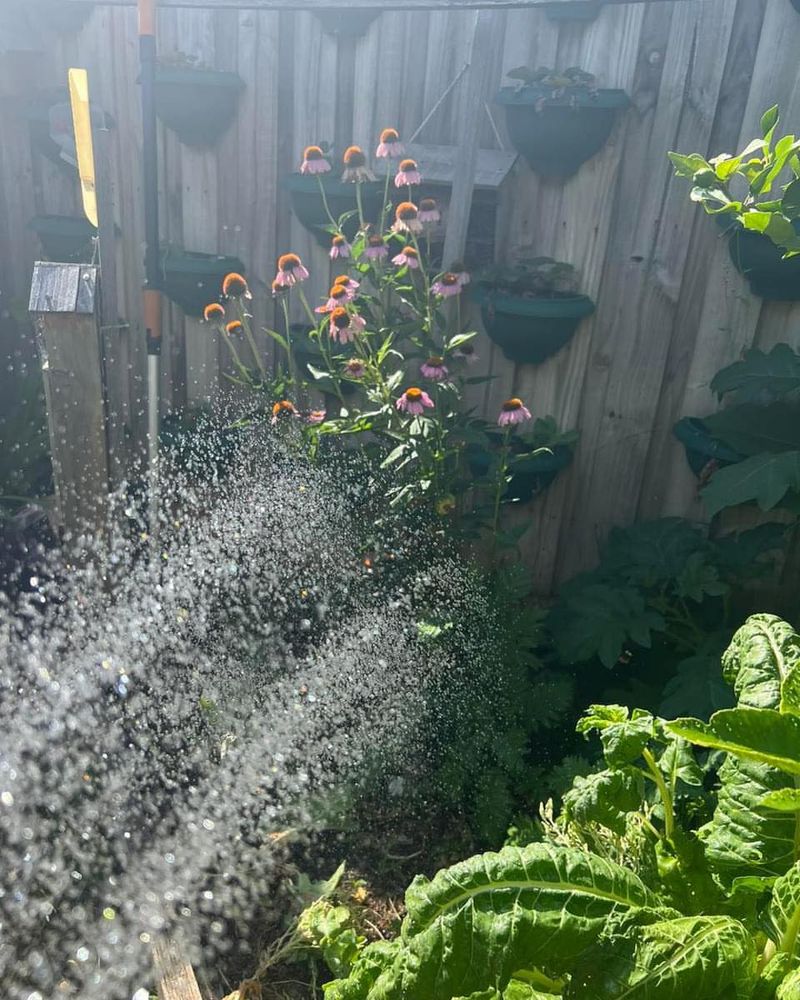
Watering little and often is one of the most common mistakes Florida gardeners make during summer. Frequent shallow watering encourages roots to stay near the soil surface, where they are most exposed to heat and rapid drying.
Deep, infrequent watering trains roots to grow downward, where the soil stays cooler and holds moisture longer.
For most shade plants in Florida, watering deeply two to three times per week during summer is more effective than light daily watering. Aim to wet the soil to a depth of at least six inches with each watering session.
Early morning is the best time to water because it allows leaves to dry before nightfall, reducing the risk of fungal issues that thrive in Florida’s humid conditions.
Drip irrigation is an excellent option for shade gardens because it delivers water directly to the root zone with minimal waste. The University of Florida IFAS Extension recommends drip systems as one of the most water-efficient methods for Florida landscapes.
Soaker hoses are a more affordable alternative that work well in smaller garden beds. Checking soil moisture before watering is also a smart habit.
Pushing a finger two inches into the soil gives you a quick and reliable read on whether your plants actually need water that day.
5. Layer Plants To Create Natural Cooling Shade
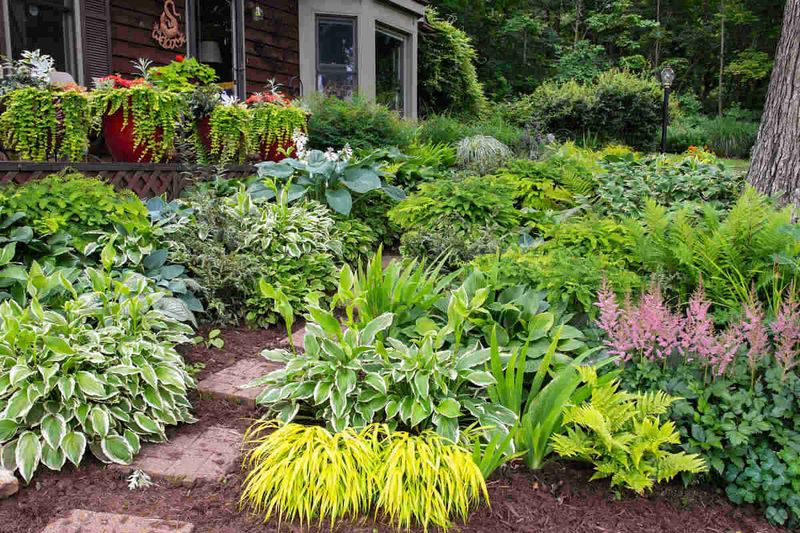
Nature rarely grows plants in a single flat layer, and Florida’s native forests are a perfect example of how layered planting works beautifully. Tall canopy trees like live oaks and magnolias cast overhead shade.
Beneath them, mid-size shrubs like oakleaf hydrangeas and native beautyberries fill the middle layer. Low-growing ferns, mosses, and groundcovers carpet the floor below.
Recreating this layered structure in your own garden does more than look attractive. Each layer of foliage intercepts sunlight and reduces the amount of heat that reaches the soil below.
Taller plants protect shorter ones from harsh afternoon rays, and the overall canopy creates a cooler microclimate that benefits every plant in the garden.
Florida gardeners who use layered planting often notice that their shaded beds stay noticeably cooler and require less water than exposed garden areas.
When planning your layers, consider the mature size of each plant and space them so air can still circulate freely. Good air movement is especially important in Florida, where high humidity can encourage fungal problems if plants are packed too tightly.
Start with one or two anchor trees or large shrubs, then build your mid and lower layers outward from there for a natural, balanced look that grows more beautiful every season.
6. Protect Plants From Harsh Afternoon Sun
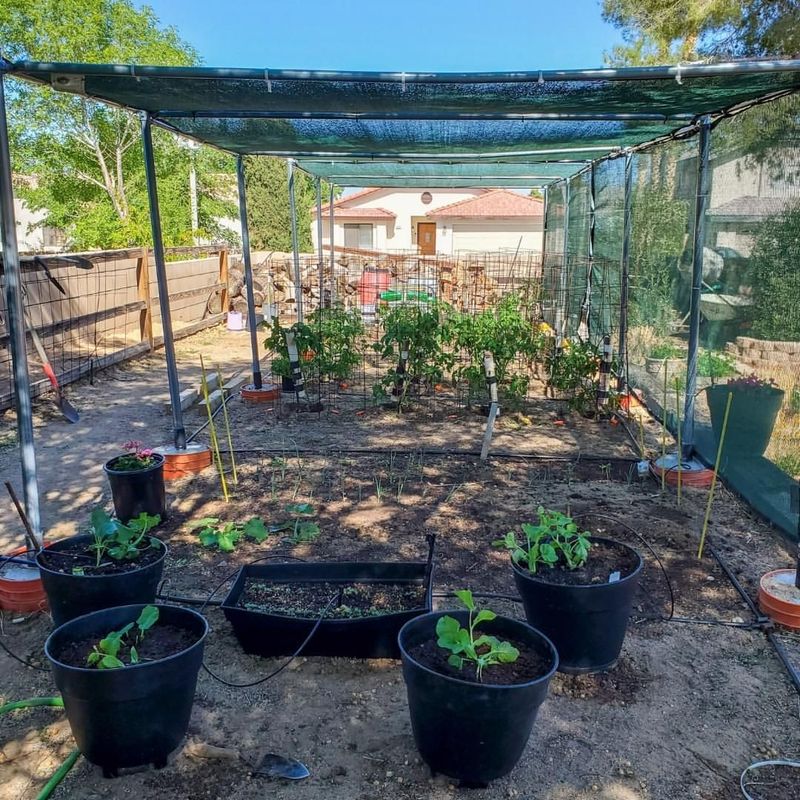
Afternoon sun in Florida is a different beast compared to morning light. Between roughly 1 p.m. and 5 p.m., the sun angle is lower but the heat intensity is at its peak.
Even plants labeled as sun-tolerant can show scorched leaves or wilting during these hours in midsummer. For shade-loving plants, afternoon exposure can be genuinely damaging if no protection is in place.
Strategic placement is one of the easiest solutions. Positioning shade plants on the east or north side of a building, fence, or large hedge naturally shields them from the worst of the western afternoon sun.
Structures like pergolas, shade sails, and arbors covered with fast-growing vines such as Confederate jasmine or coral honeysuckle offer both functional shade and visual appeal.
Shade cloth is another practical tool used widely by Florida nurseries and home gardeners. Available in different densities, shade cloth filters sunlight without blocking airflow.
A 30 to 50 percent shade cloth works well for most shade-tolerant plants during peak summer months. The University of Florida IFAS Extension notes that managing sun exposure is a key factor in keeping Florida landscape plants healthy through the summer.
A little planning about where and when sunlight hits your garden beds can save a lot of plant stress later.
7. Plant Heat Tolerant Groundcovers For Shade
Bare soil in a Florida shade garden is an open invitation for moisture loss, weed growth, and soil temperature spikes. Groundcovers solve all three problems at once by forming a dense, low-growing carpet that shades the soil surface and keeps conditions stable underneath.
For shaded garden beds in Florida, choosing heat-tolerant groundcovers is just as important as selecting the right trees or shrubs.
Mondo grass and liriope are two of the most widely used groundcovers in Florida shade gardens because they tolerate heat, humidity, and filtered light.
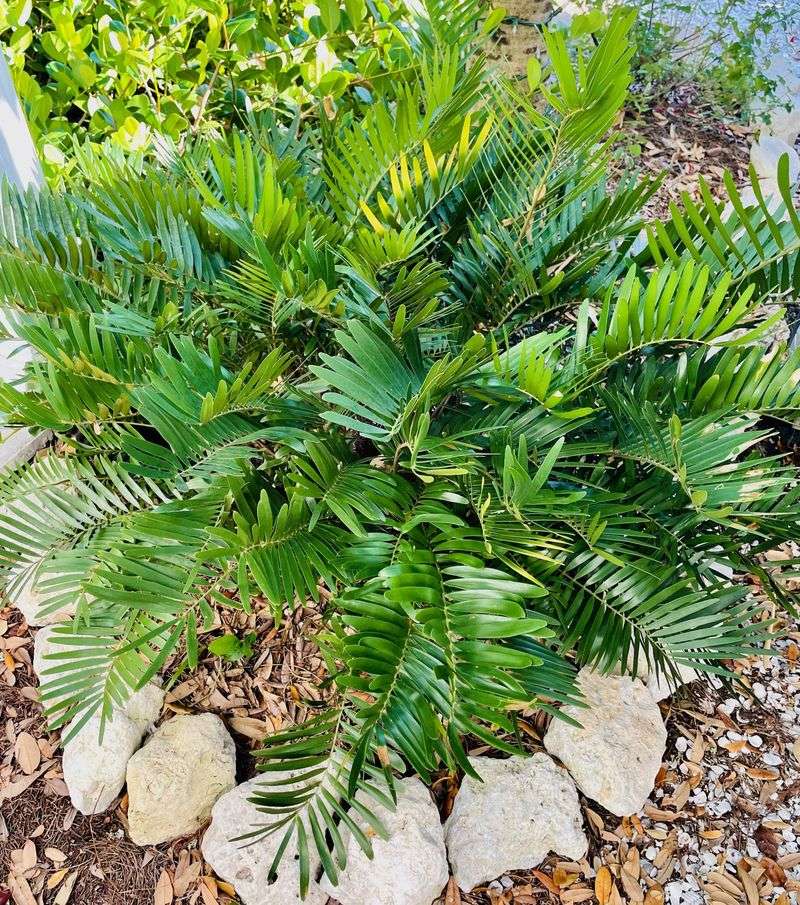
Native options like Florida coontie and wild ginger are excellent for gardeners who want low-maintenance groundcovers that support local wildlife.
Coontie, in particular, is host to the atala butterfly and thrives in dry shade, making it both practical and ecologically valuable.
Spreading a reliable groundcover under your shade trees not only improves the look of your garden but also actively reduces soil temperatures and supports the overall health of the planting bed.
8. Feed Shade Plants To Keep Growth Strong
Fertilizing shade plants during a Florida summer requires a thoughtful approach. Unlike the fast push of spring growth, summer feeding should focus on steady, balanced nutrition rather than forcing rapid new growth.
Tender new shoots produced during extreme heat are more vulnerable to stress, so the goal is to support plant health without overstimulating the plant.
Slow-release granular fertilizers are a smart choice for Florida shade gardens during summer. They deliver nutrients gradually over several weeks, which reduces the risk of fertilizer burn and supports consistent growth.
Look for a slow-release landscape fertilizer with little or no phosphorus unless a soil test shows it is needed.
The University of Florida IFAS Extension recommends avoiding high-nitrogen fertilizers during peak summer heat, as they push leafy growth that can quickly become stressed in intense conditions.
Liquid fertilizers can also be used at half the recommended strength for a gentler feeding option. Applying fertilizer right after watering or rainfall helps it absorb into the soil without sitting on dry roots.
For container shade plants on patios or porches, feeding every four to six weeks during summer keeps them looking full and healthy.
Florida gardeners who fertilize lightly and consistently through summer tend to see far better results than those who apply heavy doses infrequently throughout the growing season.