When Exactly Michigan Gardeners Should Direct Sow Zinnias For The Best Results
Zinnias are one of the most rewarding flowers a Michigan gardener can grow, but timing the planting just right makes a bigger difference than most people expect. Start them too early and a late frost wipes out everything you worked for.
Wait too long and you sacrifice weeks of blooming time in a season that is already shorter than most gardeners would like.
Direct sowing zinnias skips the transplant stress entirely and lets the seeds hit warm soil at exactly the right moment, which is actually how these flowers prefer to grow.
Michigan’s last frost dates vary across the state, and that range matters when you are planning your sowing window. Getting the timing dialed in means your zinnias establish fast, bloom earlier, and keep producing strong color well into fall.
Here is exactly when to put those seeds in the ground and what conditions to look for before you do.
1. Wait Until After The Last Frost To Direct Sow Zinnias
Zinnias and frost simply do not get along. If you drop seeds into the ground before the last frost has passed in Michigan, you are setting yourself up for disappointment before the season even begins.
Zinnias are warm-weather flowers that need stable conditions to sprout and grow strong right from the start.
Michigan’s last frost date varies depending on where you live in the state. Gardeners in the southern Lower Peninsula, near cities like Lansing or Ann Arbor, typically see their last frost around early to mid-May.
Further north, closer to Traverse City or the Upper Peninsula, that date can push into late May or even early June.
The safest move is to check your specific zip code using the USDA Plant Hardiness Zone map or your local Michigan State University Extension office.
Waiting just one extra week after the last frost can mean the difference between seeds that sprout quickly and seeds that struggle in cold, wet ground.
Patience pays off big with zinnias. Once the threat of frost is truly gone and nights stay consistently above 50 degrees Fahrenheit, your seeds will have every advantage they need.
Michigan gardeners who respect this simple rule are rewarded with faster sprouting, healthier seedlings, and more flowers overall throughout the growing season.
2. Soil Temperature Matters More Than The Calendar Date
Most gardeners watch the calendar, but experienced Michigan growers watch the soil. Soil temperature is actually the most reliable signal that tells you when zinnias are truly ready to germinate.
The calendar gives you a rough idea, but the ground tells you the real truth.
Zinnias germinate best when soil temperatures sit between 60 and 70 degrees Fahrenheit. Below that range, seeds tend to just sit there, absorbing moisture without sprouting, which can lead to seed rot in heavier Michigan clay soils.
Waiting for warm soil means your seeds wake up fast and grow with real energy.
A simple soil thermometer, available at most garden centers across Michigan, costs just a few dollars and takes the guesswork completely out of the equation. Push it about two inches into the ground in the morning for the most accurate reading.
Your Michigan Garden Changes Every Week. Your Plan Should Too.
Gardening in Michigan changes quickly throughout the season. Every Friday you’ll receive a simple weekly plan showing exactly what to plant, prune, fertilize, harvest, and protect so you never miss the right timing.
If the number reads below 60 degrees, give it a few more days before sowing.
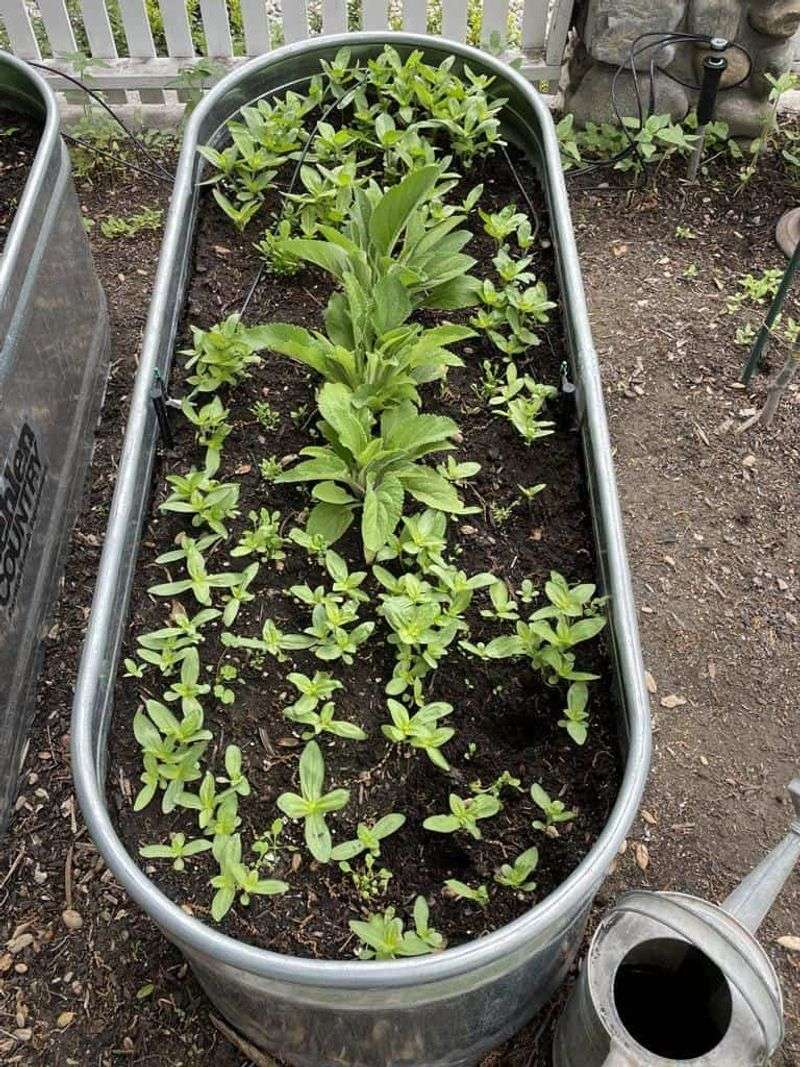
Interestingly, soil in raised beds warms up faster than in-ground garden beds, so Michigan gardeners with raised beds can sometimes start a week or two earlier than those planting directly in the ground.
Either way, checking soil temperature before planting is a small step that leads to noticeably better results.
Warm soil equals fast sprouting, and fast sprouting means more blooms by midsummer.
3. Late May To Early June Is The Most Reliable Planting Window
Mark your garden calendar right now, because late May through early June is the sweet spot for direct sowing zinnias across most of Michigan.
During this window, soil temperatures have climbed into the ideal range, night temperatures stay reliably warm, and the risk of a surprise late frost drops to nearly zero. Everything lines up perfectly for zinnia seeds to thrive.
Gardeners in Michigan’s Lower Peninsula can often push toward the earlier end of this window, around May 20th to May 28th. Those in the northern Lower Peninsula or Upper Peninsula are better off waiting until the first week of June to be completely safe.
Either way, seeds planted during this window tend to germinate within seven to ten days, which is a great sign of healthy soil conditions.
The consistency of late May and early June also means your seedlings emerge into longer days with stronger sunlight.
Zinnias are sun lovers, and getting them started when daylight hours are near their peak gives them a powerful growth advantage right from the beginning.
Michigan gardeners who have followed this timing year after year report some of their best zinnia seasons with almost no effort beyond basic watering.
The plants establish quickly, branch out early, and begin producing their first flower buds well before midsummer.
Timing really is the biggest factor separating a good zinnia garden from a spectacular one.
4. Earlier Planting Often Leads To Poor And Frustrating Results
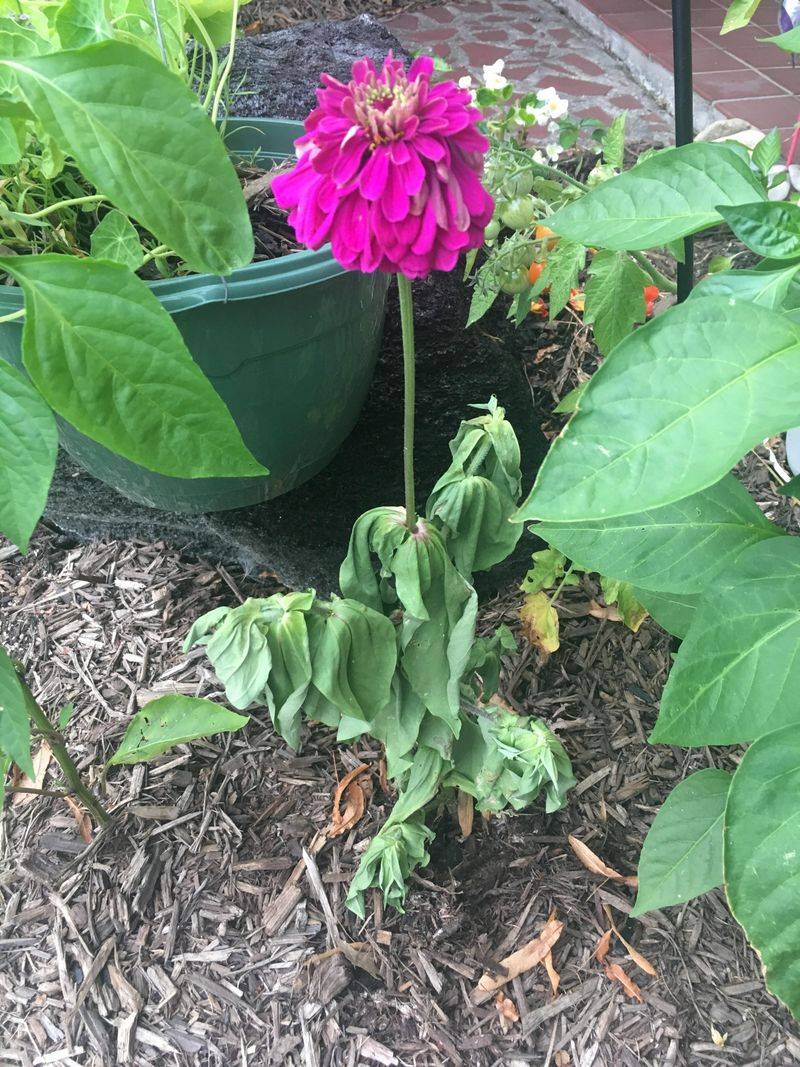
It is tempting to get out into the Michigan garden the moment the snow melts and the air feels warm. Spring energy is real, and every gardener feels it.
But planting zinnia seeds too early is one of the most common mistakes that leads to a whole season of frustration instead of flowers.
Cool, wet soil in early May across most of Michigan creates conditions where zinnia seeds absorb water but cannot complete the germination process. Instead of sprouting, they sit in the ground and eventually break down without ever producing a seedling.
This is especially common in the heavier clay soils found throughout much of central and western Michigan.
Even if some seeds do manage to sprout in cold conditions, those early seedlings tend to be weak and slow-growing.
They get outpaced later in the season by seeds planted at the correct time, which sprout faster and establish stronger root systems within the first few weeks. Waiting actually saves time in the long run.
A good rule of thumb is to resist the urge to sow before Memorial Day weekend unless your soil thermometer clearly confirms temperatures above 60 degrees Fahrenheit.
Michigan weather can fool you with a warm week in late April followed by a cold snap that sets everything back.
Trust the soil, not the air temperature, and your zinnias will thank you with a season full of bold, colorful blooms.
5. Full Sun Is A Non-Negotiable Requirement From Day One
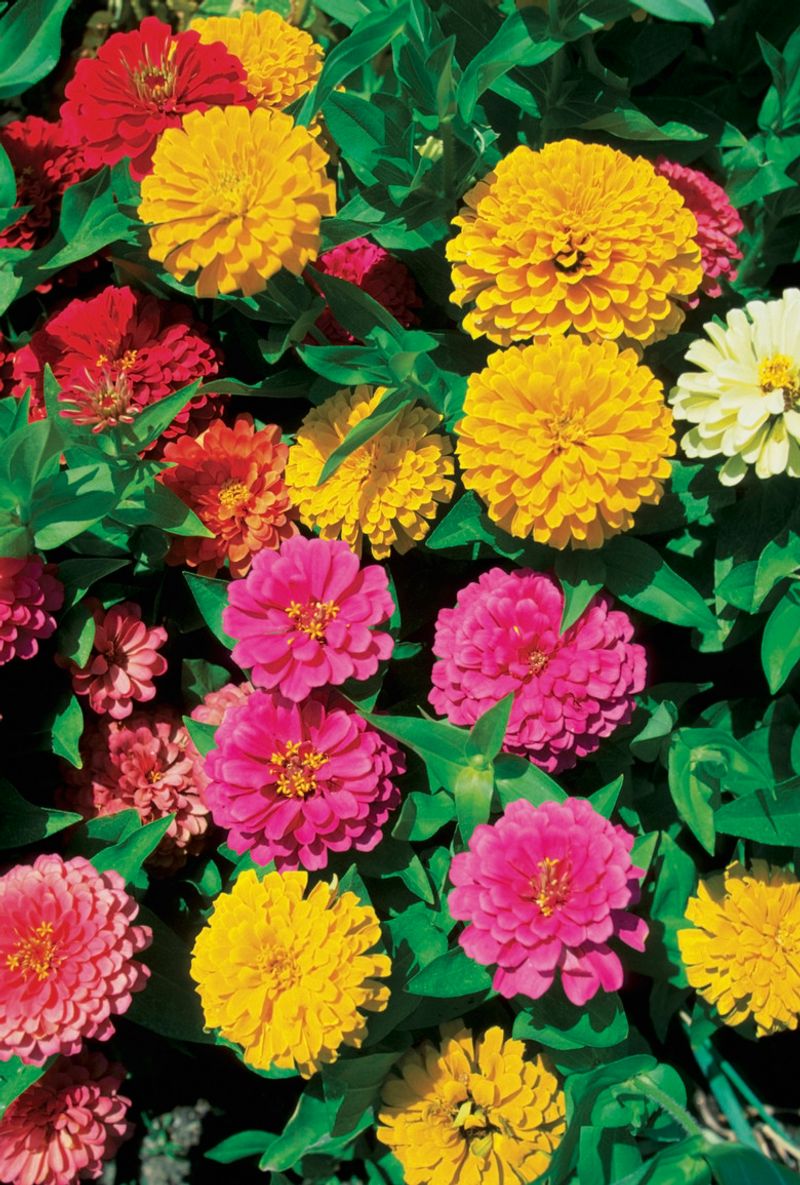
Zinnias are sunshine addicts, plain and simple. Before you even think about sowing seeds, walk through your Michigan garden and observe where the sun hits longest and brightest throughout the day.
A spot with six to eight or more hours of direct sunlight is not just preferred for zinnias, it is absolutely necessary for them to perform their best.
Planting in a shaded or partially shaded area leads to tall, spindly plants that reach desperately toward the light.
Those stretched-out plants produce far fewer flowers and become much more vulnerable to powdery mildew, which is already a common challenge for Michigan gardeners dealing with humid summer conditions in the lower part of the state.
South-facing garden beds or open areas away from large trees and buildings are typically your best options across Michigan. If your yard has limited full-sun spots, consider container planting on a sunny patio or driveway edge where sunlight is unobstructed for most of the day.
Zinnias in containers can be just as spectacular as in-ground plantings when given enough light.
Full sun also helps the soil dry out a bit between waterings, which zinnias prefer. They do not like sitting in soggy ground, and good sun exposure naturally improves drainage conditions.
Starting your seeds in the sunniest spot available from the very beginning sets the entire season up for success, with stronger plants, more blooms, and richer, more vivid flower colors throughout summer.
6. Direct Sowing Beats Transplanting Every Single Time For Zinnias
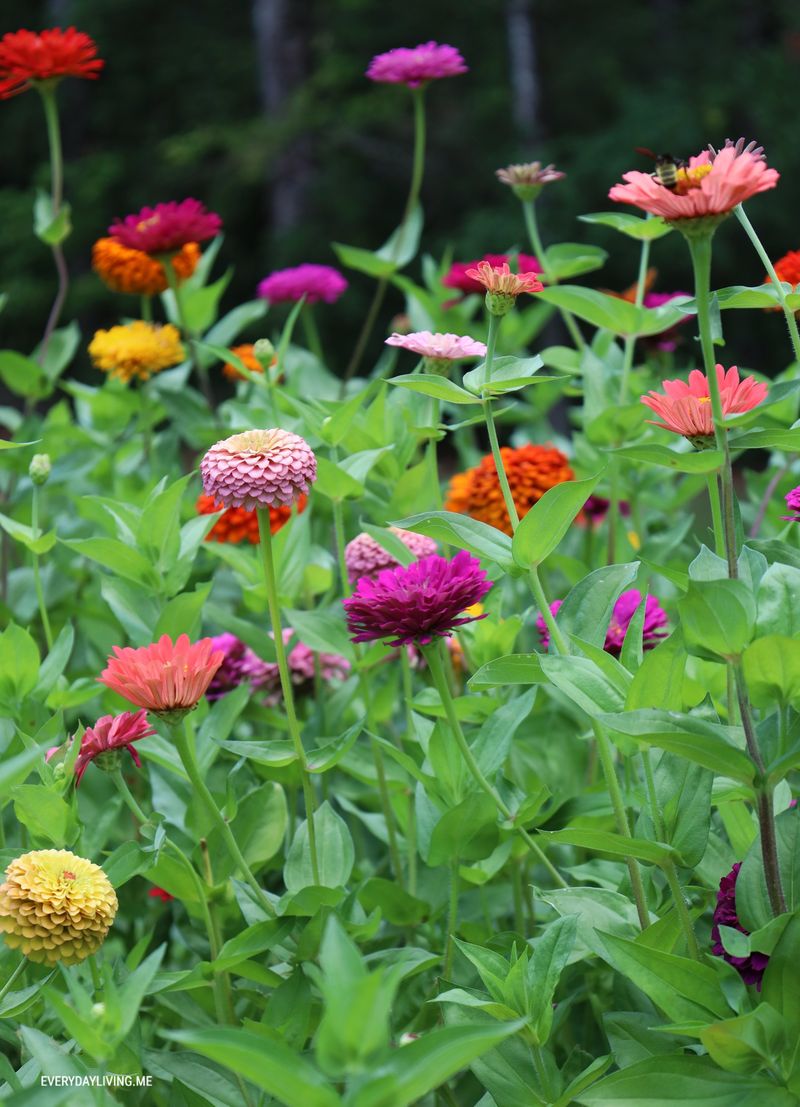
Here is something that surprises a lot of first-time zinnia growers: you do not need to start these seeds indoors at all.
Unlike tomatoes or peppers, zinnias are actually better off when you skip the indoor seed-starting process entirely and sow them straight into the ground where they will grow all season long.
Zinnias have sensitive root systems that do not respond well to being moved. When you start them indoors and then attempt to transplant them outside, the roots get disturbed, and the plants often go through a stress period that slows their growth significantly.
That stress can delay flowering by two or even three weeks, which is a real loss in Michigan’s shorter growing season.
Direct sowing avoids all of that. Seeds planted straight into warm Michigan soil sprout quickly, establish their roots without any interruption, and begin growing with a vigor that transplanted seedlings simply cannot match.
The whole process is also easier and less expensive since you do not need trays, grow lights, or potting mix.
Michigan gardeners often find that direct-sown zinnias catch up to and surpass any transplants within just a few weeks of germination. The plants stay compact, branch more naturally, and produce flower buds earlier than expected.
Sowing directly into the ground is not just the easier path, it is genuinely the smarter one for getting the most out of your Michigan zinnia garden this summer.
7. Succession Sowing Keeps Your Michigan Garden Blooming All Season
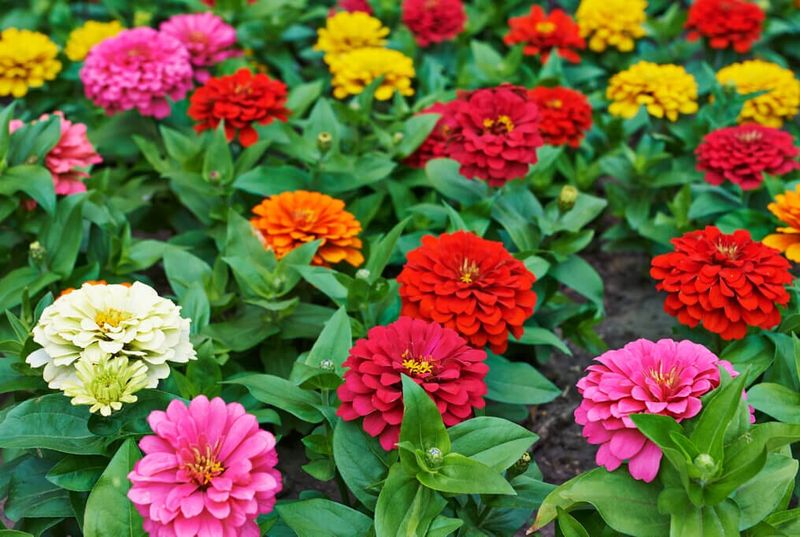
One planting of zinnias gives you a beautiful garden for several weeks, but smart Michigan gardeners do not stop there.
Succession sowing, which means planting new batches of seeds every two to three weeks through early summer, is the secret to keeping your garden packed with fresh, colorful blooms from July all the way into October.
The concept is beautifully simple. When your first batch of zinnias starts fading in late July or August, your second or third round of seeds will already be growing strong and preparing to bloom.
You create a rolling wave of color that keeps the garden looking lively and full without any extra complicated effort.
In Michigan, you can comfortably succession sow from late May through about the end of June.
Seeds planted after early July may not have enough time to mature and bloom fully before Michigan’s first fall frost arrives, typically in late September or October depending on your location in the state.
Spacing your sowings about two to three weeks apart is the ideal rhythm. Each new batch takes roughly seven to ten days to germinate in warm soil, and zinnias typically begin blooming about eight to ten weeks after sprouting.
A little planning at the start of the season means you will have fresh flowers to cut and enjoy well into the beautiful, cool days of Michigan’s early fall, making every gardening effort completely worth it.