Does No Mow May Attract Ticks In Texas? What To Know
No Mow May has been gaining real traction in Texas over the past few years, and the core idea makes a lot of sense.
Put the mower away for a month, let the lawn breathe, and give native bees and early pollinators access to the flowering plants that pop up naturally when grass gets a chance to grow.
For a state with as much ecological diversity as Texas, it’s a concept worth taking seriously. The tick concern, though, is just as serious.
Texas is already home to multiple tick species that are active for a significant portion of the year, and the thought of deliberately letting grass grow tall feels like it could be creating exactly the kind of habitat ticks prefer.
It’s not an unreasonable worry, and it deserves more than a quick dismissal. What the research actually shows about lawn height, tick behavior, and backyard risk in Texas is worth understanding before you make a decision either way.
What No Mow May Means In Texas
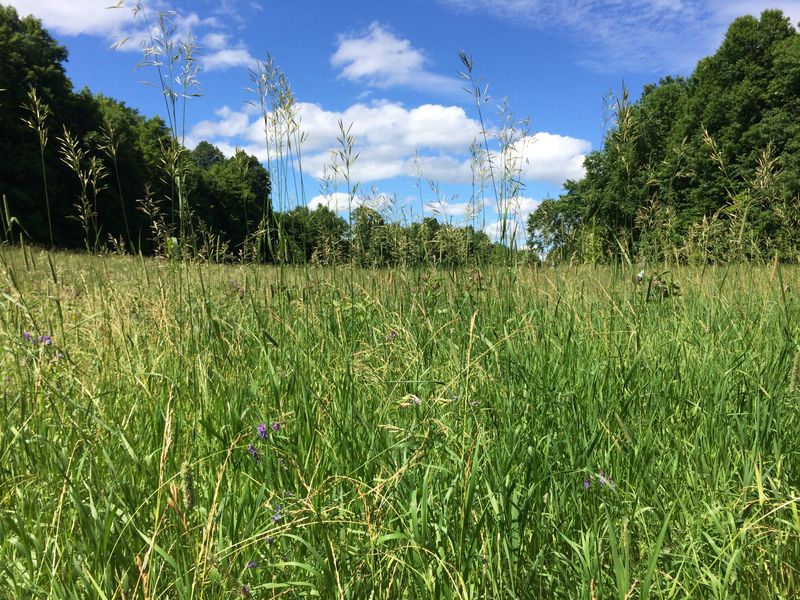
No Mow May started in the United Kingdom as a simple challenge: skip mowing your lawn for the whole month of May. The goal is to let wildflowers and grasses grow so that bees, butterflies, and other pollinators can find nectar and pollen during a critical time of year.
The idea has spread across the United States, including Texas, where more homeowners are looking for easy ways to help the environment.
Texas lawns in May can grow surprisingly fast. Warm temperatures, spring rain, and long daylight hours create perfect growing conditions.
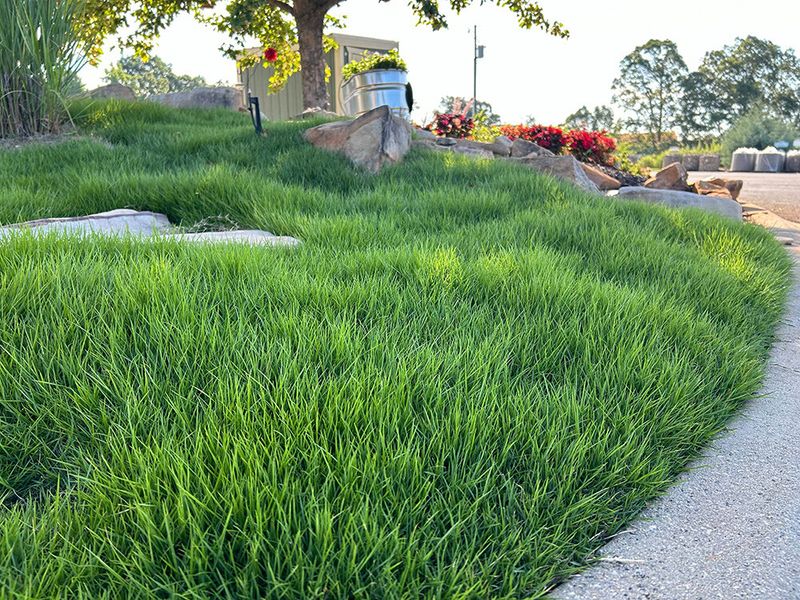
St. Augustine, Bermuda, and other common Texas grasses can shoot up several inches in just a week or two. What starts as a modest lawn can quickly become a thick, knee-high field if left alone for the full month.
Texas is also a big state with very different regions. A lawn in Houston behaves very differently from one in El Paso or Amarillo.
East Texas gets heavy spring rain and high humidity, which makes grass grow thick and fast. West Texas is drier, so lawns may not grow as dramatically.
The Hill Country, Piney Woods, and Gulf Coast each have their own conditions that affect how No Mow May plays out on the ground.
Pollinators do benefit from the extra flowers that pop up in unmowed lawns. Clover, wild violets, henbit, and other low-growing plants offer real food for bees.
However, Texas conditions also mean that tall, dense grass can create a whole different kind of problem, one that involves ticks and the risks they bring to people and pets spending time outdoors.
Can Taller Grass Attract More Ticks?
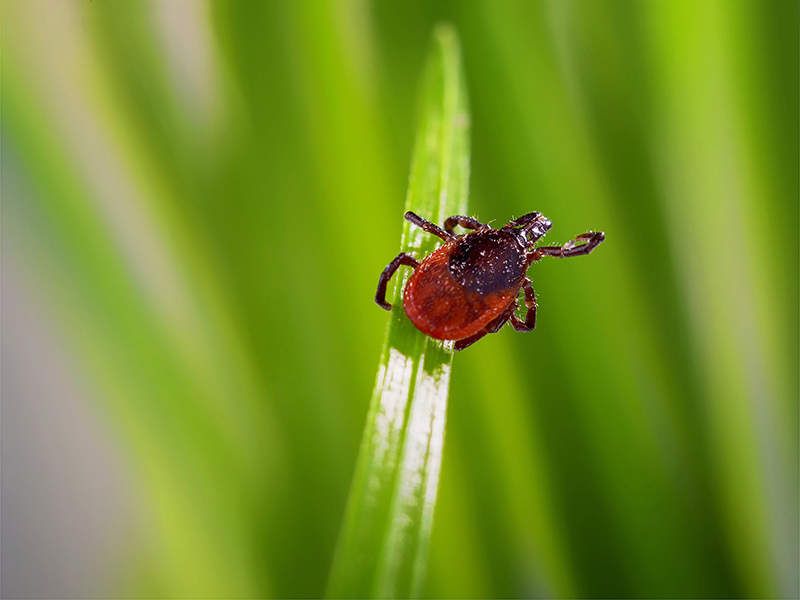
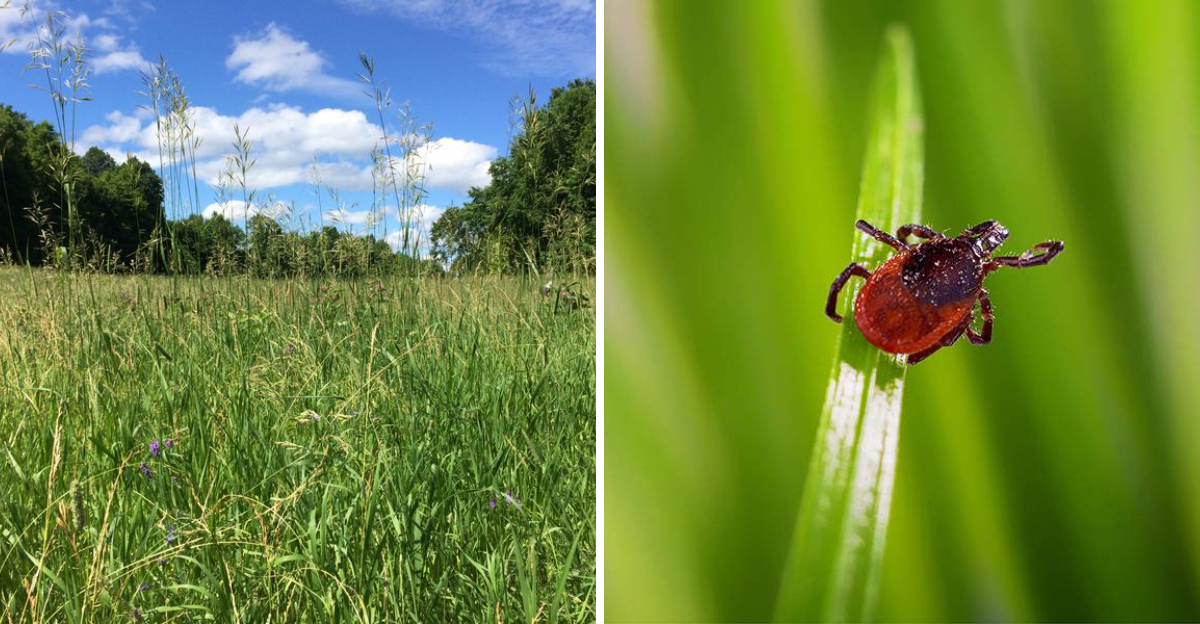
Ticks do not jump or fly. Instead, they use a behavior called questing, where they climb to the tips of grass blades, weeds, or low shrubs and wait with their front legs outstretched, ready to grab onto a passing animal or person.
Taller grass gives ticks more places to perch and wait. Short, well-maintained grass offers far fewer hiding spots and questing opportunities for ticks. Shade and moisture are two things ticks love. Tall grass creates both.
Your Texas Garden Changes Every Week. Your Plan Should Too.
Gardening in Texas changes quickly throughout the season. Every Friday you’ll receive a simple weekly plan showing exactly what to plant, prune, fertilize, harvest, and protect so you never miss the right timing.
A thick, unmowed lawn holds more moisture near the soil surface and blocks sunlight from drying things out. That damp, shaded environment is exactly what ticks need to survive.
On dry, sunny, short-cut lawns, ticks struggle to stay hydrated and are much less likely to hang around.
Certain spots in a Texas yard carry more risk than others. Areas near wooded edges, creek beds, fence lines, brush piles, and wildlife corridors are especially tick-friendly.
These are places where deer, raccoons, squirrels, and other animals travel regularly, dropping ticks as they move through. Tall grass along these edges becomes a prime waiting zone for ticks looking for their next host.
Research from the CDC and university extension programs confirms that tall grass and dense vegetation near the home increase tick encounters significantly. In Texas, where the lone star tick and black-legged tick are both active, this is not a small concern.
Keeping grass short in high-traffic areas of the yard is one of the most effective and straightforward steps you can take to lower your tick exposure during No Mow May.
Why Texas Yards Can Be Tick-Friendly
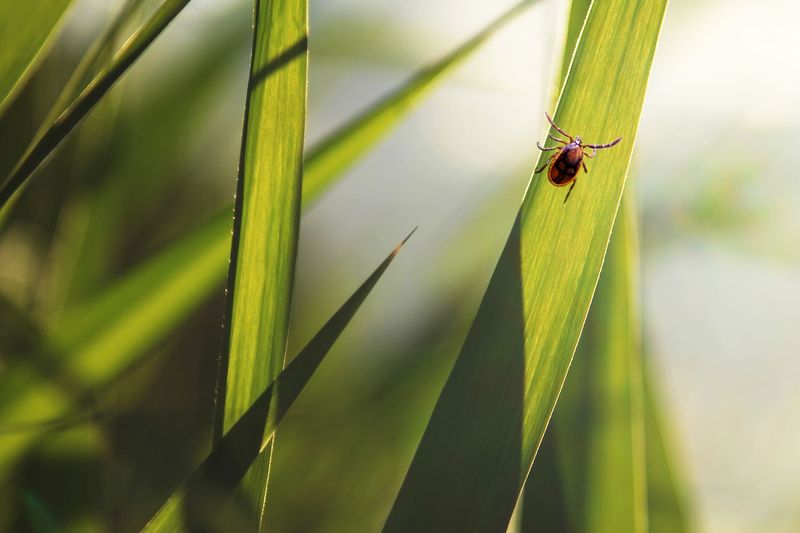
Texas has a warm climate that keeps ticks active for a much longer stretch of the year compared to northern states. In many parts of the state, ticks never fully go dormant.
The lone star tick, one of the most common ticks in Texas, can be active from early spring all the way through late fall. That means May is already a high-activity month for ticks across much of the state.
Wildlife plays a huge role in bringing ticks into residential yards. Deer are major tick carriers and are common in suburban and rural areas throughout Texas.
Rodents like mice and rats are also important hosts, especially for the nymphal stage of the black-legged tick, which is tiny and easy to miss. Dogs that spend time outdoors are another common way ticks make their way into the yard and eventually into the home.
The physical layout of a yard matters a great deal. Shady, humid, and overgrown areas carry a much higher tick risk than open, dry, sunny spaces.
A lawn that sits under large oak trees in San Antonio, for example, will hold more moisture and shade than an open Bermuda grass yard in Dallas baking in the afternoon sun.
Areas where moisture collects after rain, such as near downspouts or low spots in the yard, also tend to harbor more ticks.
Knowing your yard’s specific conditions helps you make smarter choices during No Mow May. Not every part of your Texas lawn carries the same level of risk, and identifying the higher-risk zones lets you focus your mowing and management efforts where they matter most.
How To Practice No Mow May More Safely
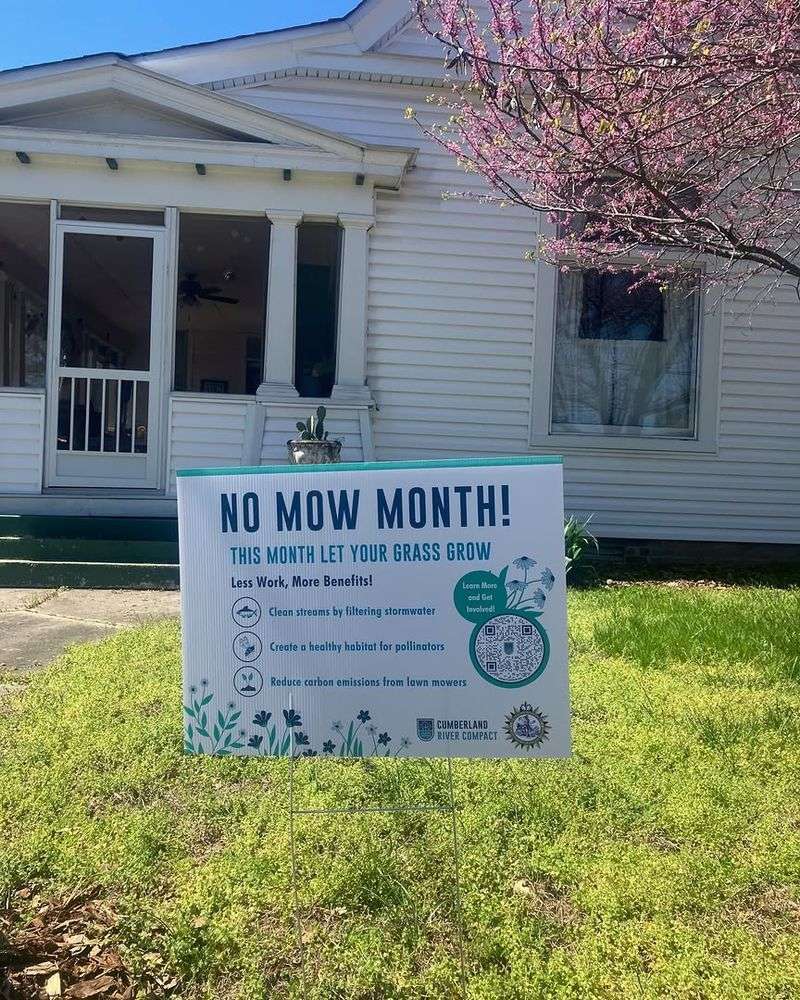
Skipping the mower entirely for a full month is not the only way to support pollinators. A smarter approach for Texas homeowners is to practice selective no-mow zones.
This means choosing specific parts of the yard to leave unmowed while keeping other areas, especially those near the house, patios, walkways, play areas, and dog runs, neatly trimmed. Short grass in high-traffic zones dramatically reduces the chances of a tick encounter.
Creating mowed paths through taller areas is another practical strategy. If you want to leave a back corner or side yard unmowed, cut a clear walking path through it.
This gives pollinators a wild habitat while giving your family a way to move through the yard without brushing through tall grass. Ticks are much less likely to latch on when you stay on short, mowed surfaces.
Yard maintenance beyond mowing also makes a real difference. Removing leaf litter, clearing brush piles, and pulling weeds near the foundation of your home reduces the damp, shaded hiding spots that ticks rely on.
Keep firewood stacked away from the house. Trim low-hanging shrubs that touch the ground. These steps help reduce tick habitat even when parts of your lawn are intentionally left tall.
A clean, visible border between your lawn and any wooded or wild areas is one of the best defenses you have. A strip of wood chips, gravel, or closely mowed grass along fence lines and property edges creates a dry barrier that ticks are reluctant to cross.
Texas A&M AgriLife Extension recommends a buffer zone of at least three feet between managed lawn and wild vegetation for meaningful tick risk reduction.
Better Pollinator-Friendly Alternatives For Texas
One of the best things about living in Texas is the incredible variety of native plants available to gardeners. Rather than letting the entire lawn go wild and unmanaged for No Mow May, consider converting a section of your yard into a dedicated native plant bed.
Native plants are already adapted to Texas soils and rainfall patterns, which means they need less water and care once established, and they provide outstanding food for pollinators year-round, not just in May.
Some excellent Texas natives to consider include frogfruit, which spreads as a low ground cover and attracts multiple butterfly species. Prairie verbena blooms in cheerful clusters of purple and thrives in dry, sunny spots.
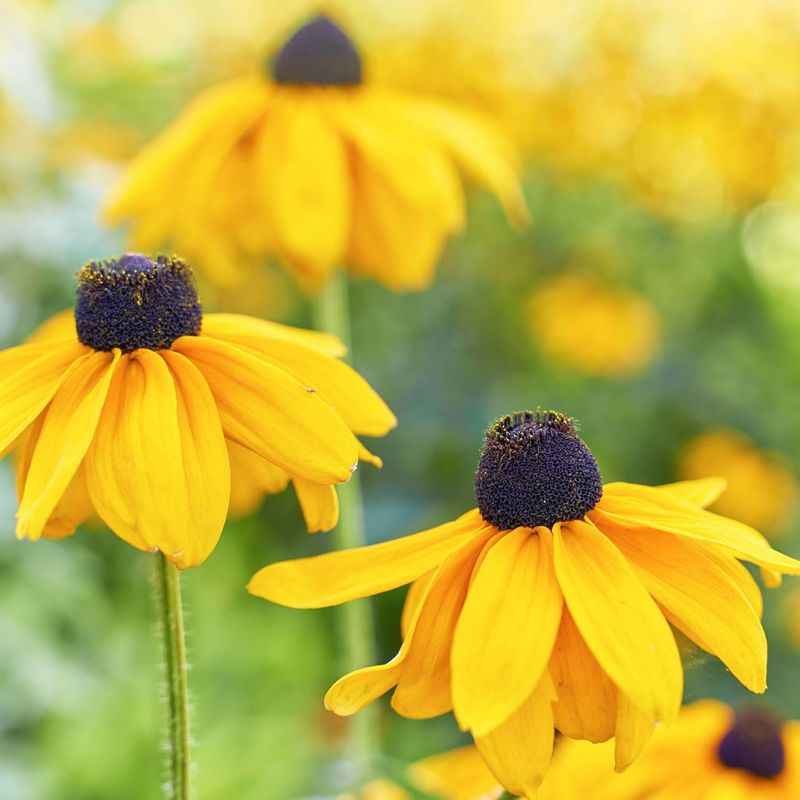
Black-eyed Susan brings bold yellow color and feeds bees and butterflies from spring into summer. Mealy blue sage is a reliable favorite for hummingbirds and bees, and Gregg’s mistflower is a late-season powerhouse that attracts migrating monarchs passing through Texas each fall.
Keeping your designated wild or native plant areas away from high-traffic zones is an important part of the plan. Place pollinator gardens along back fences, in corners of the yard, or along the sides of the property rather than right next to the patio or play area.
This way, pollinators get the habitat they need, and your family gets a safer outdoor space. Native plant gardens also look intentional and tidy compared to an unmowed lawn, which matters if your neighborhood has HOA rules or ordinances about lawn height.
Many Texas cities are becoming more accepting of native landscaping, and some even offer rebate programs for homeowners who replace turf grass with water-wise native plants.
Final Takeaway: Balance Pollinators And Tick Safety
No Mow May has a genuinely good purpose behind it. Pollinators are struggling across North America, and giving them even a small patch of flowering habitat in May can make a real difference.
Bees need early-season nectar sources, and lawns that bloom with clover and wild violets can provide that. Supporting pollinators is a worthy goal, and Texas homeowners are in a great position to help because the state is home to hundreds of native bee species.
At the same time, tall, unmowed grass across an entire Texas yard creates conditions that favor ticks. The lone star tick and the black-legged tick are both present in many parts of the state, and both can cause health problems for people and pets.
Pretending that risk does not exist would be a mistake, especially for families with young children or dogs who spend a lot of time rolling around in the grass.
The smartest path forward is a selective, intentional approach. Keep grass short near the areas where people and pets spend the most time.
Leave taller, wilder zones in low-traffic corners of the yard. Add native plant beds to give pollinators a better, longer-lasting food source than a month of tall grass can offer. Create a clear barrier between managed lawn and wild edges.
Texas gardeners do not have to choose between helping pollinators and protecting their families. With a little planning, both goals are absolutely achievable.
The key is being thoughtful about which parts of your yard go unmowed, and making sure the rest of your outdoor space stays safe, clean, and enjoyable throughout the warm Texas spring and summer.